
Reviewed · DELPHI DAY TRIPS
2 Days Private Tour/ Delphi (Apollo Oracle) & Meteora (Orthodox Monasteries)
You can see Greece’s biggest myth sites and monastery views in just two days. This private plan strings together Delphi (Apollo Oracle), the towering Meteora Orthodox monasteries, and the Thermopylae battlefield, with a driver who times the day for comfort and good sight angles.
What I like most is how the tour keeps moving without feeling rushed. You get scenic photo stops plus time for real breaks, and the driver (Christos, in one recent standout review) brings practical guidance like where to go, when to pause, and where to eat along the way.
One thing to consider: some of the biggest attraction costs are not included. Delphi’s site and museum tickets vary by season, and Meteora monastery entry is extra per monastery.
In This Review
- Key points you’ll care about
- Day 1: Levadia and Delphi, with real breaks built in
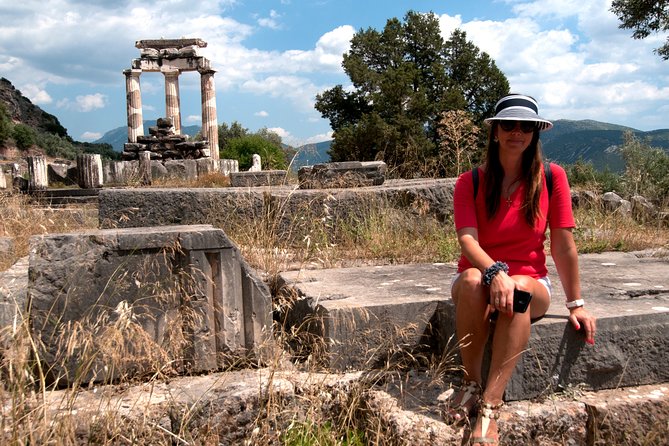
- Temple of Apollo at Delphi: ruins with meaning
- Delphi Archaeological Museum: the objects do the talking
- Trikala region stop: a quick history pause on the route
- Meteora first night: Great Meteoron and a sunset push
- Overnight in Kastraki: calm base, easy access
- Day 2 early: Meteora again in morning light
- Ano Trikala fortress walk: quick, scenic, and low-stress
- Thermopylae: the battlefield, then the interactive museum option
- Kamena Vourla stop: beach-town timing for lunch
- Price and logistics: what $764.02 gets you (and what it doesn’t)
- Who this private Delphi and Meteora tour fits best
- Should you book this 2-day Delphi–Meteora–Thermopylae trip?
- FAQ
- What’s the pickup and drop-off like?
- How long is the tour?
- Is the tour fully guided by a licensed site guide?
- What tickets do I need to pay separately?
- Does the tour include accommodation?
- Do I get to visit more than one Meteora monastery?
- What about weather?
- When is Delphi museum access affected?
Key points you’ll care about
- Apollo Oracle setting at Delphi: Delphi is more than ruins; it’s the ancient sanctuary tied to the Pythia and the omphalos marker.
- Museum pieces worth the ticket: the Delphi Archaeological Museum includes the Charioteer, the Sphinx of the Naxians, and the story-linked statues of Kleobis and Biton.
- Meteora timing matters: you’re set up for sunset and then again for early light the next morning.
- Private, driver-led flow: you’re not chained to a group schedule, but the driver is not a licensed museum or site guide.
- Monastery fees add up: plan on Meteora monastery entry and (optionally) the small interactive museum at Thermopylae.
- Hotel in Kastraki is the right base: Kastraki is a calm village that makes monastery access feel easier day-to-day.
North to the oracle, more Delphi runs
- Athens: Mythology of Delphi, Museum and Arachova Guided Tour
★ 4.7 · 5,102 reviews - From Athens: Delphi Full Day V.R. Audio Guided Tour
★ 4.6 · 3,028 reviews - From Athens: Small-Group Delphi, Museum & Arachova Day Trip
★ 4.8 · 2,476 reviews - Delphi English Day Trip from Athens with Official Guide
★ 4.5 · 2,199 reviews
Day 1: Levadia and Delphi, with real breaks built in
This day starts with the kind of stop that makes a long drive feel human. You go to Livadia (Levadia), a working town and transport junction, plus an industrial center tied to cotton from the Copais valley. The upper town has white houses with wooden balconies from the 18th century, and the tour includes a pause by the river Karya.
I like this because it’s not just a “passing through” photo stop. You can grab an ice coffee and souvlaki near the springs area, and the guide information frames what you’re seeing: in ancient times, Karya was linked to the Oracle of Trofonios Zeus, connected to springs of Mnemosyne (remembrance) and Lethe (oblivion). It’s a useful reminder that Greece’s myth sites aren’t isolated—they’re woven into places people lived.
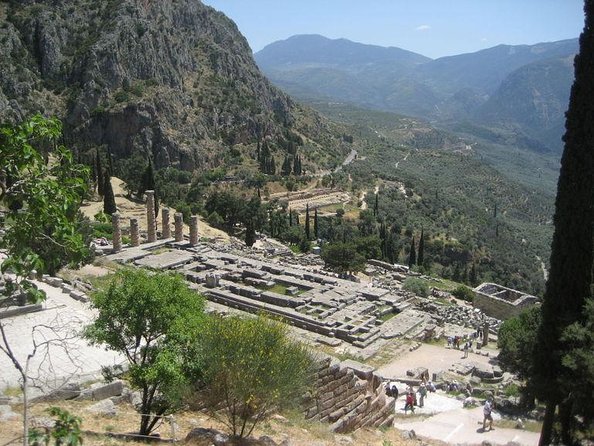
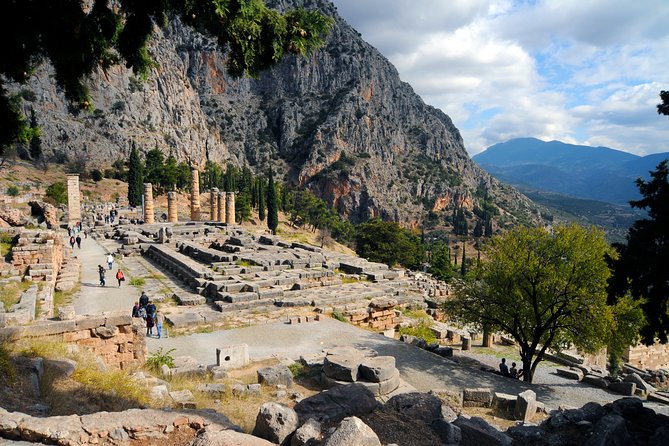
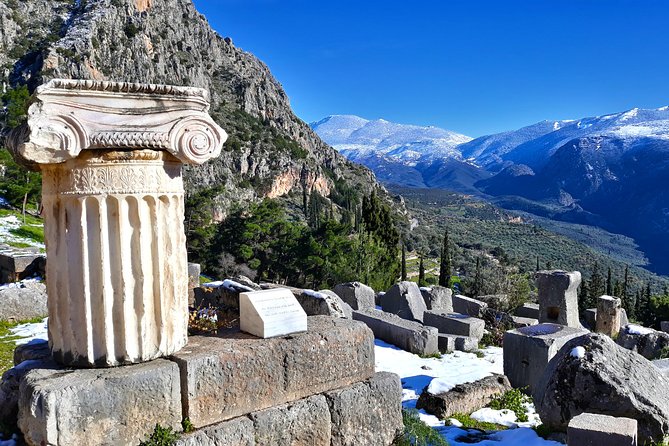
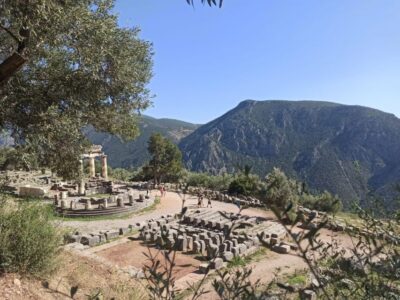
The next step is Delphi proper, and the shift is dramatic. Delphi sits on the south-western slope of Mount Parnassus, overlooking the coastal plain and the valley of Phocis. The sanctuary grew rich as the seat of Pythia, the oracle consulted across the classical world. The site is also tied to the idea of the world’s center, marked by the omphalos (navel) stone monument.
Temple of Apollo at Delphi: ruins with meaning
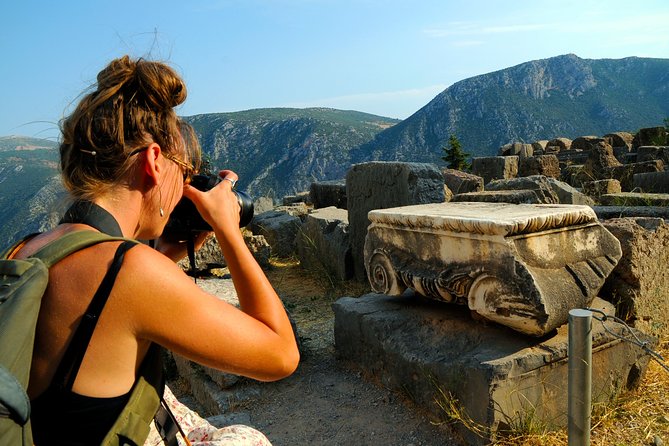
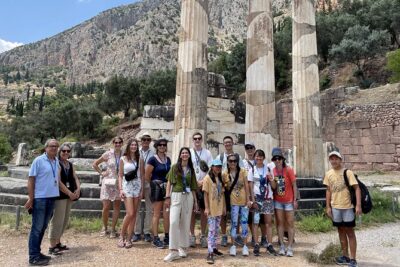
Delphi is one of those places where context makes the difference between seeing rocks and feeling the site’s weight. At the Temple of Apollo, you’re placed in the UNESCO-listed setting of the Delphi sanctuary, with views that help you understand why this spot mattered.
Your time here is roughly 1.5 hours. That’s enough to walk the main areas at an easy pace and still have room for photos, especially if you take a breath and look for how the buildings relate to the slope and valley below.
If you want to get more out of it, your best move is to arrive already thinking about the theme of the oracle: decisions, guidance, and reputation across the Greek world. The tour setup supports that with driver commentary during transit.
Delphi Archaeological Museum: the objects do the talking
After the outdoor sanctuary, the Delphi Archaeological Museum is where the visit gets sharper. This is one of Greece’s most important museums, and it helps you connect what you saw outside to surviving art and inscriptions.
Here’s what stands out in the highlights provided for this stop:
- The Charioteer, from a dedicated chariot set run by four horses, tied to the Pythian Games around 475 BC.
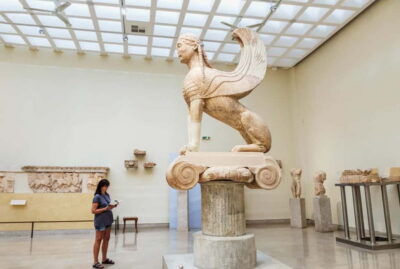
- The Sphinx of the Naxians (dated to 560 BC), one of the earliest art representations of the creature with a lion’s body, bird wings, and a woman’s head.
- The statues of Kleobis and Biton, a family devotion story you’ll likely remember because it moves beyond “pretty statues.”
The museum time is about 1 hour. For me, the value is simple: without the museum, Delphi can feel like a big stone site. With it, you get characters, symbols, and the kind of detail that makes the ancient world feel specific instead of generic.
Monasteries in the sky, more Meteora trips


Trikala region stop: a quick history pause on the route
Between Delphi and Meteora, you’ll pass through central Greece and get a stop in the Trikala region. This isn’t positioned as the main event, but it’s a nice reset.
Trikala is tied to ancient Trikka and a river setting, plus the modern city built around older defensible ground. The information you get points to links with the healing god Asclepius, which helps explain why the area mattered in antiquity. You also learn about the ten bridges over the river, including the central metal bridge built by the French in 1886.
This stop is about 1 hour and free, and it’s a good “stand up, stretch, and look around” break before the big vertical drama of Meteora.
Meteora first night: Great Meteoron and a sunset push
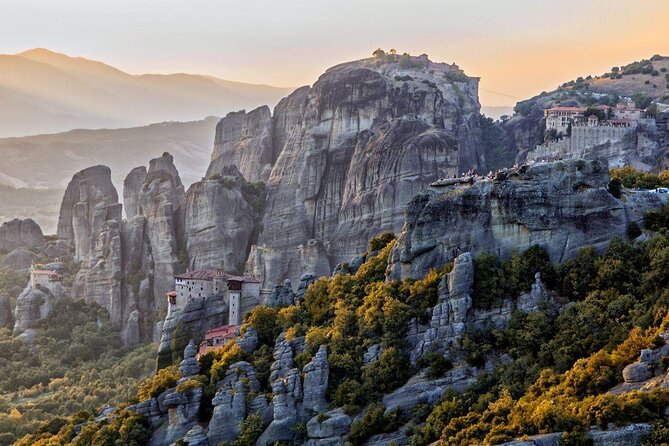
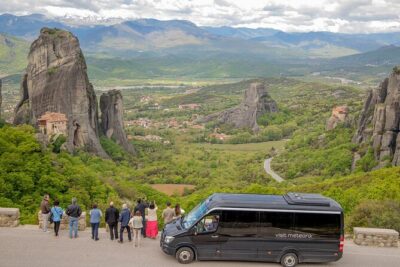
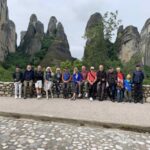
Meteora is the part of this trip that people remember long after. The monasteries sit atop huge natural pillars and rounded boulders, built by Eastern Orthodox communities on some of the most precarious rock formations in Greece. The name means lofty or elevated, and it’s related to the idea of meteors.
On Day 1, the plan includes a drive around the rock towers and a sunset tour focused on at least two monasteries, with this day’s key stop at Great Meteoron. You’ll also want to budget for Meteora monastery entry since it’s not included. The general ticket is €3 per monastery, and the tour notes that Orthodox monastery admission is €5 per person per monastery in the not-included section—so it’s worth confirming the exact fee posted for the monasteries you choose to enter.
The practical upside of doing Meteora at sunset is obvious: fewer harsh shadows, softer light, and that “how is this real?” feeling when the rocks glow. The downside is also practical: sunset tours mean you should dress for cooler air and plan for steps and uneven ground.
Overnight in Kastraki: calm base, easy access
You sleep in Kastraki, described as a small peaceful village that looks like an eagle’s nest from a distance near two giant rocks. This matters because Kastraki is a practical base for your monastery visits. You’re not spending time fighting long commutes in the morning.
The tour can arrange hotel options, depending on what you book:
- Boutique-style A’ class or 3/4-star hotels with breakfast
- An extra cost is listed for rooms, and the driver’s room is complimentary
- If you book your own hotel, you need to reserve an extra room for the driver
Even if you choose to handle your own lodging, the idea is the same: staying in Kastraki helps you treat Meteora like a place you visit twice (even if it’s only two days), not like a single rushed stop.
One more detail: Meteora is popular, and the operator asks you to book at least two weeks ahead so they can reserve rooms for you and the driver. That’s not just bureaucracy; it’s how you avoid getting stuck with a worse location or timing.
Day 2 early: Meteora again in morning light
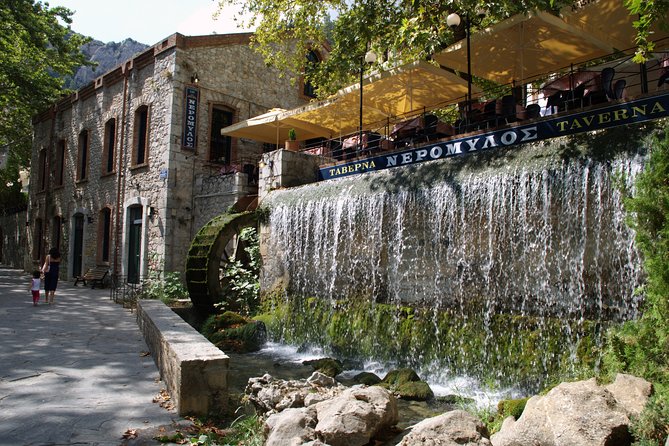
Day 2 starts with a purpose: after breakfast, you head out around 8:00am for a photography-focused pass around Meteora. The point of the early timing is lighting. The rocks look different at dawn compared to sunset, and you’ll get new angles on the monasteries without the same glare.
You’ll drive around Meteora Rocks and visit at least two monasteries again. Even if you entered one monastery on the first day, coming back typically makes the site feel larger and more connected, because you see different perspectives and details.
This morning block is about 3 hours, so it’s long enough to do real visiting and still flexible if the driver builds in a pause for viewpoints.
Ano Trikala fortress walk: quick, scenic, and low-stress
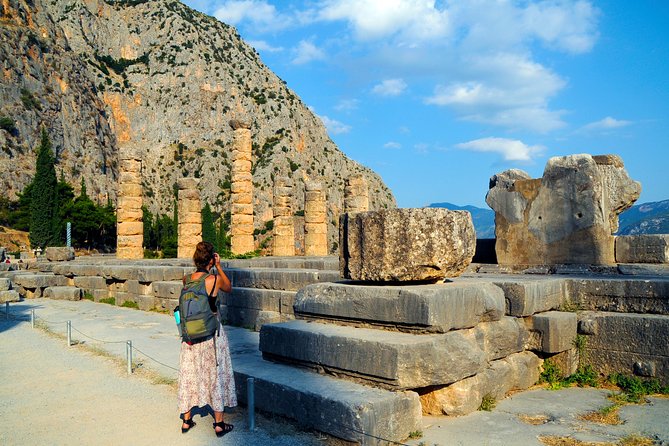
Next comes Ano Trikala, where you walk up to a fortress above the city. The fortress is described as a well-preserved Justinian fortress, now featuring a recreational area. On its east side there’s a 17th-century clock, which is the city’s emblem and has undergone destruction and restoration.
This stop is about 1 hour and free, and it’s a smart choice on a day that already includes steep rock monasteries. It’s active without being a time sink, and it helps you keep variety between the big sites.
Thermopylae: the battlefield, then the interactive museum option
The final big historical anchor is Thermopylae. It’s famous for the battle between Greek forces (including Spartans) and the invading Persian forces. The site also ties to Simonides’ famous epitaph about obeying laws and lying here.
This is a place you’ll want to approach slowly. Even if you only have 30 minutes, the value is in recognizing the geographic reality: the pass between north and south mattered, and it’s why the site keeps showing up in military history.
Right next to the Leonidas monument is the Kainotomiko Kentro Istorikis Enimerosis Thermopylon, an interactive museum dedicated to the battle. It’s listed as optional with a ticket of €3 (and a reduced €1). This is the kind of stop I recommend if you like information you can click through rather than just walk-and-read.
Kamena Vourla stop: beach-town timing for lunch
On the return trip toward Athens, the tour includes a stop in Kamena Vourla, a coastal town on the Malian Gulf. It’s positioned as a resort with services and lots of alternatives, and you get roughly 1 hour for lunch or dinner if you want it.
This isn’t included as a cultural deep dive. It’s a practical way to break up a long drive so you don’t end up eating late and exhausted.
Price and logistics: what $764.02 gets you (and what it doesn’t)
At $764.02 per person for a private, two-day trip, you’re paying for comfort, time, and steering the route with a single driver. The price-to-value question is less about whether you’re “getting tickets” and more about how much decision-making the trip removes.
What’s included:
- Pickup and drop-off from your Athens or Piraeus hotel/apartment (or another location if requested)
- Air-conditioned vehicles and high cleanliness
- Private transportation with fuels, toll roads, and parking
- Driver-provided materials like informative books, map, and audio documentary
- Accommodation for the driver (your hotel cost for yourself is listed separately)
What’s not included (and worth planning for):
- Delphi site and museum tickets (season-based)
- Meteora monastery admission (noted as €5 per person per monastery in the not-included info, and €3 per monastery in the itinerary note—either way, it’s extra)
- Thermopylae interactive museum ticket if you choose it (listed as €3)
- Gratuities (from €1 per person)
- Your own lodging, if you want the operator-arranged hotel option
My practical take: this is good value if you want a private rhythm and you’ll actually use the stops for food and photos. If you only care about one or two sites and are fine with public transport plus self-driving, it may not feel cost-friendly. But if you want Delphi and Meteora without the headache of logistics, the price starts to make sense fast.
Also note: your driver is not a licensed tour guide for walking inside sites and museums. You’ll get historical context during transit, but if you want a guide who can lead you through the sites step-by-step, you’d need to hire an archaeologist guide separately in advance.
Who this private Delphi and Meteora tour fits best
I’d point this tour toward:
- Couples and small groups who want private transportation and a custom-feeling pace
- People who enjoy big-hitter history sites but also want actual breaks for food and photos
- Anyone who appreciates religious heritage too, not just scenic views, since you’ll visit functioning Orthodox monasteries
- Travelers who want Meteora twice, not once
It might feel like a lot for anyone who dislikes early mornings, extended car time, or walking on uneven ground in monastery areas. The tour does say most travelers can participate, but the terrain at Meteora is the real factor, not the paperwork.
Should you book this 2-day Delphi–Meteora–Thermopylae trip?
I’d book it if you want a tight, well-paced route with minimal friction. The big win is how the plan uses timing: Delphi and its museum on Day 1, then Meteora at sunset, then Meteora again for morning light, capped with Thermopylae before you head back.
I’d hesitate if:
- You’re trying to minimize extra ticket costs on top of the tour price
- You need constant, licensed guiding inside museums and ruins (the driver provides context, but isn’t positioned as a site guide)
- You can’t handle a full two-day schedule with early starts and long driving days
If your ideal trip includes both ancient sanctuaries and Orthodox monastic heights, this one is a strong match.
FAQ
What’s the pickup and drop-off like?
Pickup and drop-off are available from your hotel or apartment in Athens or Piraeus. You can also request another location.
How long is the tour?
The duration is approximately 2 days.
Is the tour fully guided by a licensed site guide?
Your driver provides informative books, maps, and historical audio as you travel, but the driver is not a licensed tour guide to accompany you during walks in archaeological sites or museums.
What tickets do I need to pay separately?
Delphi archaeological site and museum entry fees are not included. Orthodox monastery entry is listed as extra (per monastery). The interactive museum at Thermopylae has a ticket fee if you choose to visit it.
Does the tour include accommodation?
Accommodation is not included for you in the main package. The operator can arrange boutique or 3/4-star hotels with breakfast for an additional cost, and the driver’s accommodation is complimentary.
Do I get to visit more than one Meteora monastery?
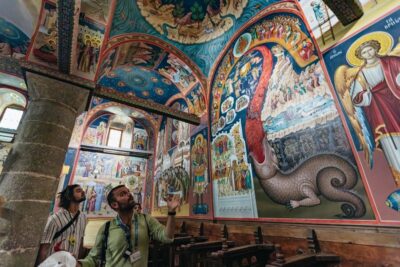
Yes. The plan includes driving around Meteora and visiting at least two Orthodox monasteries.
What about weather?
This experience requires good weather. If it’s canceled due to poor weather, you’ll be offered a different date or a full refund.
When is Delphi museum access affected?
Museums and sites can be closed on Tuesdays (museums only), on Dec 25–26, Jan 1, Mar 25, Easter Day, and May 1. Seasonal opening times are also listed for winter and summer.
Just Your Group: More Private Days
- Best of Athens Half Day Private Tour★ 5.0 · 3,714 reviews
- Athens Full Day Private Tour★ 5.0 · 2,903 reviews
- Athens Greece Full Day private tour★ 5.0 · 785 reviews
- 4 Hours – Athens & Acropolis Highlights Private Tour★ 5.0 · 681 reviews
- Athens Full Day Private Tour★ 5.0 · 667 reviews
- Enjoy Cape Sounio Private Majestic Sunset With Seaside Dinner★ 5.0 · 613 reviews
The Monasteries of Meteora
- Athens: Meteora Monasteries Day Trip with Caves and Lunch★ 4.7 · 4,670 reviews
- Athens to Meteora: Monasteries, Caves & Seaside Stopovers★ 4.7 · 2,958 reviews
- Athens: Full-Day Meteora Tour with Local Guide & Greek Lunch★ 4.8 · 2,101 reviews
- Athens: Meteora Monasteries, Caves & Coastal Stopovers with Lunch★ 4.5 · 1,432 reviews
- Meteora Monasteries & Caves DayTrip from Athens with Greek Lunch★ 4.5 · 879 reviews
- From Athens: Delphi and Meteora 2-Day Guided Tour★ 4.5 · 825 reviews
North to Delphi: More Day Trips
- Athens: Mythology of Delphi, Museum and Arachova Guided Tour★ 4.7 · 5,102 reviews
- From Athens: Delphi Full Day V.R. Audio Guided Tour★ 4.6 · 3,028 reviews
- From Athens: Small-Group Delphi, Museum & Arachova Day Trip★ 4.8 · 2,476 reviews
- Delphi English Day Trip from Athens with Official Guide★ 4.5 · 2,199 reviews
- Athens: Delphi Oracle & Museum Tour with a Licensed Guide★ 4.8 · 2,121 reviews
- Historical Delphi One Day Tour with Arachova Stop & Expert Guide★ 4.5 · 1,247 reviews
Fresh Off the Boat: New Athens Reviews

Delphi Day Trips, compared.
 ★ 4.7Mythology of Delphi, Museum and Arachova Guided TourFrom $305,102 reviews
 ★ 4.6From Athens: Delphi Full Day V.R. Audio Guided TourFrom $303,028 reviews
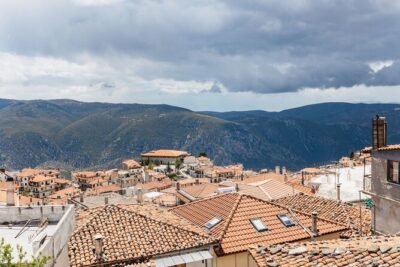 ★ 4.8From Athens: Small-Group Delphi, Museum & Arachova Day TripFrom $342,476 reviews
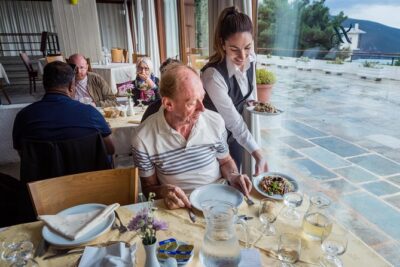 ★ 4.5Delphi English Day Trip from Athens with Official GuideFrom $782,199 reviews
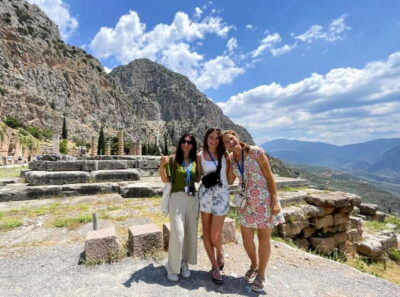 ★ 4.8Delphi Oracle & Museum Tour with a Licensed GuideFrom $362,121 reviews
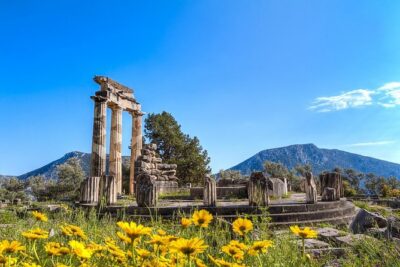 ★ 4.5Historical Delphi One Day Tour with Arachova Stop & Expert GuideFrom $341,247 reviews
 ★ 4.5Premium Delphi Day Trip with an Expert Guide, Museum & LunchFrom $381,100 reviews
 ★ 4.5From Athens: Delphi and Meteora 2-Day Guided TourFrom $271825 reviews
Browse the lists this tour appears in