
Reviewed · DELPHI DAY TRIPS
4-Day Classical Greece Tour: Epidaurus, Mycenae, Olympia, Delphi, Meteora
Five UNESCO stops. One fast plan.
This Classical Greece tour strings together the big-name archaeology and myth sites with a real guide, plus round-trip transport from Athens and hotel stays built into the package. I like that entrance tickets are handled for major stops like Epidaurus, Mycenae, Olympia, and Delphi, so you don’t burn time figuring out logistics. I also like the “you show up, we run it” rhythm: pickup, air-conditioned vehicle, breakfasts and dinners included, and only lunch left to your own budget. The main drawback is pace: expect long drive days and timed visits, so you’ll want to travel with comfy shoes and a flexible attitude.
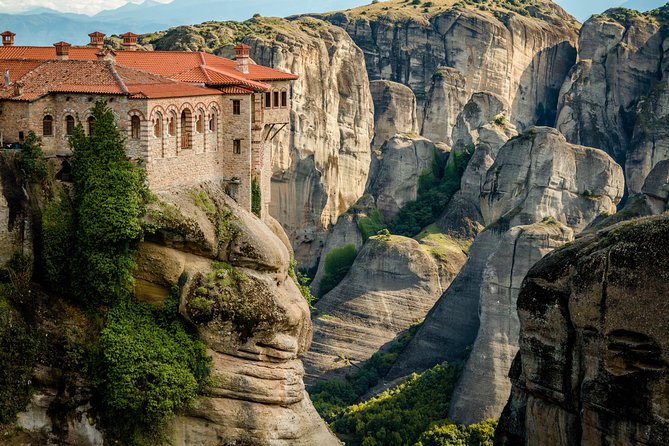
If you’re the type who enjoys connecting ruins to stories, this route delivers. The day-by-day arc goes from theater and hero-tales (Epidaurus and Mycenae) to sport and sanctuary life (Olympia), then prophecy (Delphi), and ends with the cliff monasteries of Meteora and a quick Spartan history stop at Thermopylae. One more practical note: there’s a strict dress code for places of worship and selected museums—no shorts or sleeveless tops, and you must cover shoulders and knees.
In This Review
- Key highlights you’ll feel in your day-to-day
- Price and value: what $766.70 buys you in real terms
- Hotels, breakfasts, and dinners: the part you’ll notice most
- Day 1: Epidaurus theatre, Mycenae, museum time, and the Corinth Canal breather
- Ancient Theatre of Epidaurus (about 1 hour)
- Mycenae (about 1 hour 30 minutes)
- Epidaurus Archaeological Museum (short stop, about 15 minutes)
- Corinth Canal (about 20 minutes, free stop)
- Day 2: Olympia’s sacred grounds, museum highlights, and a sea-bridge dinner
- Archaeological Site of Olympia (about 1 hour 30 minutes)
- Olympia Archaeological Museum (about 1 hour)
- The bridge stop (timed and practical)
- Day 3: Delphi prophecy route—Apollo, museum masterpieces, and Athena Pronaia
- Temple of Apollo at Delphi (about 1 hour 30 minutes)
- Delphi Archaeological Museum (about 1 hour)
- Tholos of Athena Pronaia (about 30 minutes)
- Day 4: Meteora monasteries and the Leonidas stop at Thermopylae
- Meteora monasteries near Kalambaka (about 1 hour, two monasteries included)
- Leonidas Monument at Thermopylae (about 15 minutes)
- Back to Athens around 19:00
- Group size, guides, and the difference between good and great
- How to pack and behave for the dress code and the walking
- Who this tour is for (and who should rethink it)
- Should you book the 4-Day Classical Greece Tour: Epidaurus, Mycenae, Olympia, Delphi, Meteora?
- FAQ
- What are the main UNESCO sites included?
- Is transportation included from Athens?
- What entrance fees are included?
- Are meals included?
- Are lunch stops part of the tour?
- Do I need a dress code for museums and worship places?
- Is French available on the tour?
- How many people are in the group?
- Is there an extra fee at the hotels?
- Can I cancel for free?
Key highlights you’ll feel in your day-to-day
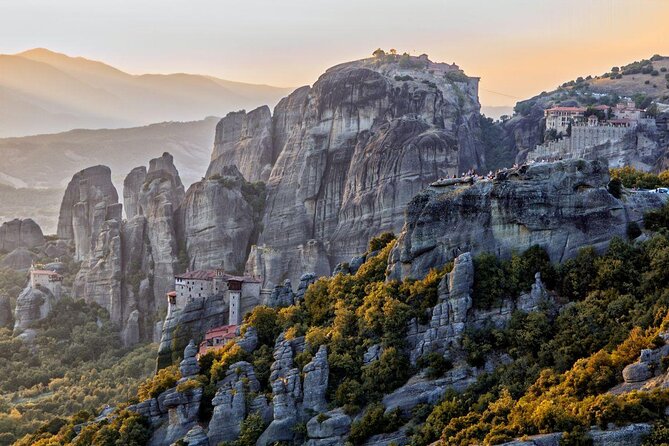
- UNESCO-heavy itinerary: Epidaurus, Mycenae, Olympia, Delphi, plus Meteora monasteries (two included).
- Tickets handled for you: Entrance fees are included for the biggest sites and museums.
- Hotel + meals reduce planning: Three breakfasts and three dinners are included; lunch is on your own.
- Driver strength matters here: Narrow roads and tight parking at hill towns make a safe, practiced driver a big deal.
- It’s a history-and-myth course: Expect explanations tied to gods, prophecy, heroes, and ritual life.
North to the oracle, more Delphi runs
- Athens: Mythology of Delphi, Museum and Arachova Guided Tour
★ 4.7 · 5,102 reviews - From Athens: Delphi Full Day V.R. Audio Guided Tour
★ 4.6 · 3,028 reviews - From Athens: Small-Group Delphi, Museum & Arachova Day Trip
★ 4.8 · 2,476 reviews - Delphi English Day Trip from Athens with Official Guide
★ 4.5 · 2,199 reviews
Price and value: what $766.70 buys you in real terms
At $766.70 per person, the value comes from what’s packaged. You’re paying for a professional guide, an air-conditioned vehicle, hotel nights (with your room type assigned by the booking), hotel pickup/drop-off in selected areas, and major entrance tickets. The tour also includes three breakfasts and three dinners, which quietly adds up on a road trip where lunches can be pricey.
Is it a bargain compared to doing it solo? Often, yes—mainly because you’re buying time and organization. Doing Epidaurus, Mycenae, Olympia, Delphi, and Meteora in one run is totally doable, but it’s also a lot of ticket management and driving planning. Here, your “work” is mostly showing up at the morning pickup and staying on schedule.
The “gotcha” to budget for is that lunch is not included, and there’s an environmental fee of 10€ per room per night paid at the hotel reception. If you’re traveling as a group, that fee is per room, not per person, so it can be painless when shared.
Hotels, breakfasts, and dinners: the part you’ll notice most
You get accommodation each night, and you can select tourist-class or 4-star hotels. In practice, several past guests have praised the hotels for cleanliness and solid buffet meals, while others were disappointed when the hotel quality felt less than the label they expected. That doesn’t mean you’ll have a bad stay, but it does mean you should set your expectations around what “tourist-class” and “4-star” mean in Greece, not North America.
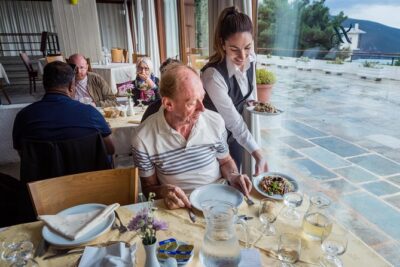
Meals are a strong point for many people on this route. Breakfast and dinner are served at your hotel as buffet style, with enough variety to keep you from feeling like you’re eating the same thing every night. Some guests also mention the dinners were enjoyable and convenient after long sightseeing days, which is exactly when buffet food hits hardest.
You’ll still need to plan your own lunches. The tour includes lunch stops, but you’ll pay on your own, so bring your lunch budget and accept that these are often geared toward groups rather than local-only dining.
Day 1: Epidaurus theatre, Mycenae, museum time, and the Corinth Canal breather
Day 1 is about setting the stage—how Greeks watched stories, ruled with mythic baggage, and built monumental power.
Monasteries in the sky, more Meteora trips



Ancient Theatre of Epidaurus (about 1 hour)
Epidaurus is famous for a reason. You’ll see a theater that feels less like a ruin and more like a designed listening machine. Even if you’ve never cared about acoustics before, this is one of those sites that makes you slow down and imagine an ancient performance filling the space.
One downside: you’re on the clock. You’ll get about an hour, so bring a short list of what you want to notice—stage area, seating tiers, and the shape of the space.
Mycenae (about 1 hour 30 minutes)
Mycenae is where hero stories start sticking to your brain. The palace and the tomb associated with Agamemnon give you a “ruler’s world” feeling—less about daily life, more about power, prestige, and the way myth and history get braided together.
Here’s where your guide really matters. If your guide makes the connections clear, the site becomes more than walls and stone. If they move fast, you might wish for a little more time to wander. Either way, expect a strong first-day “wow.”
Epidaurus Archaeological Museum (short stop, about 15 minutes)
The museum visit is brief. Think of it as a snapshot: useful for context, but not a full museum day. This stop works best if you go in already curious about what you’ll see outside, because you won’t have long to read everything.
Corinth Canal (about 20 minutes, free stop)
This is your palate cleanser. The canal connects Attica with the Peloponnese and gives you a modern engineering moment between ancient immersion hours. It’s short, but it breaks up the day and helps reset your brain before the drive and hotel check-in.
Day 2: Olympia’s sacred grounds, museum highlights, and a sea-bridge dinner
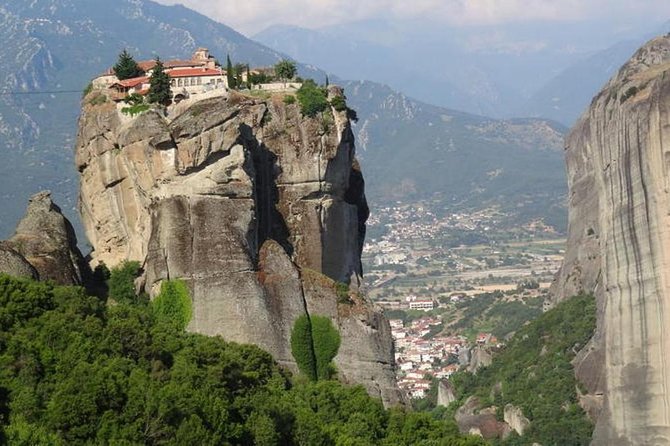
Day 2 leans into sport, ritual, and art in the ancient world.
Archaeological Site of Olympia (about 1 hour 30 minutes)
Olympia wasn’t just a sports venue. It was a sanctuary tied to religious practice, and that angle changes how you read the ruins. You’ll walk through a space that once centered on the original Olympic Games, then look at it through the lens of ceremony and belief.
The trade-off is walking heat. One guest specifically pointed out how hot some sites can be, so plan to bring sun protection and stay hydrated. If you’re sensitive to heat, aim to pace yourself even within the guided time blocks.
Olympia Archaeological Museum (about 1 hour)
This museum helps you “see” what the site was about when the sculptures and artifacts still had their full meaning. Some guests call out the museum experience as a highlight, especially when a guide gives clear story context.
If you like hands-on learning, museum time is where the tour often clicks for people: your eyes learn what your mind can’t instantly reconstruct from ruins alone.
The bridge stop (timed and practical)
There’s also a bridge segment on day 2 described as a spectacular sea bridge, mainly serving the logistics of getting you to where you’ll dine and sleep. It’s brief, but it’s a nice break between walking sessions and it adds variety to the scenery.
Day 3: Delphi prophecy route—Apollo, museum masterpieces, and Athena Pronaia
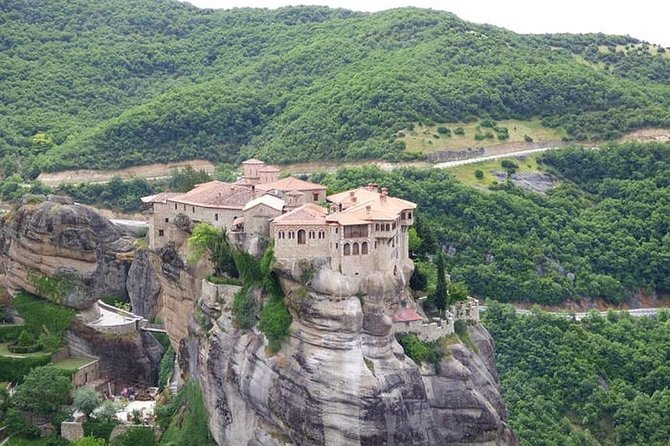
Delphi is built for people who like the idea that place can steer your imagination. Day 3 goes straight into prophecy and sacred geography.
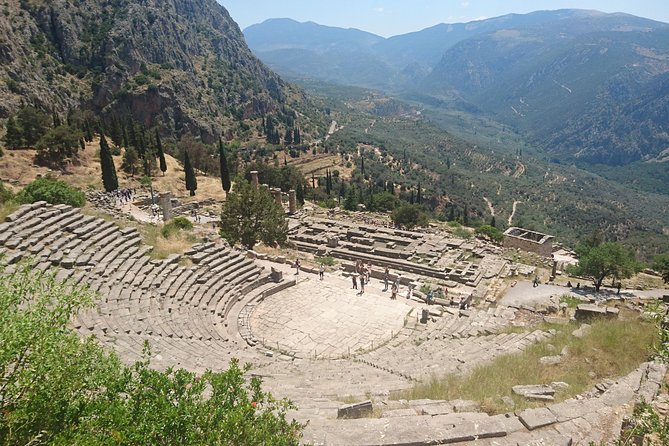
Temple of Apollo at Delphi (about 1 hour 30 minutes)
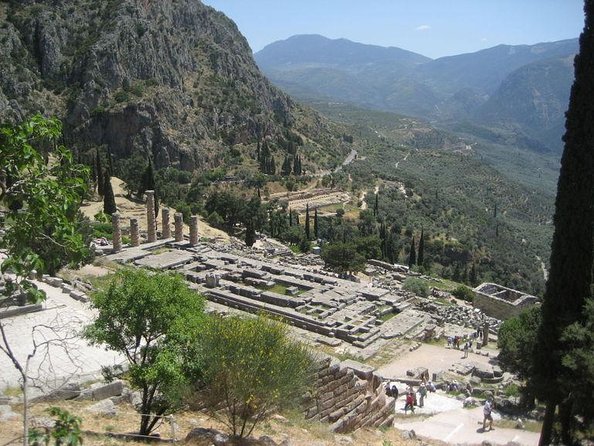
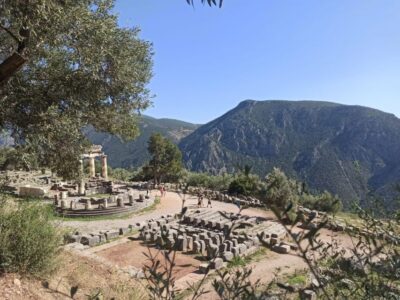
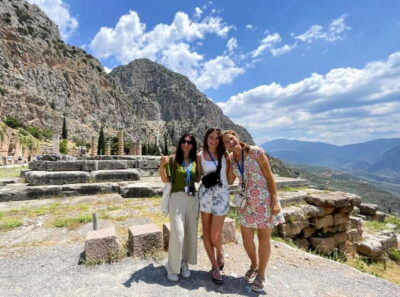
Delphi’s power is how the site feels perched and purposeful. The Temple of Apollo area is where you start connecting the idea of prophecy with the physical layout—how visitors moved, how sacred space shaped the experience.
Because this is a guided stop, you’ll get the most value if you listen for how the guide explains why Delphi mattered beyond mythology. It’s not only about gods; it’s about a system of influence.
Delphi Archaeological Museum (about 1 hour)
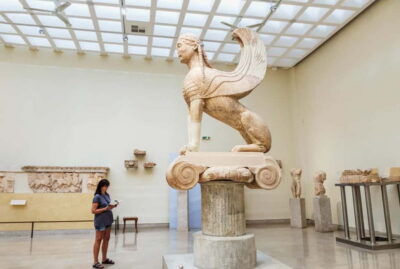
The museum is a big part of why Delphi works as a tour stop. Guests specifically mention the bronze statue of Iniochos and the dancers as standouts, which tells you the collection includes pieces that are visually striking, not just background details.
Since your museum time is about an hour, I suggest picking 2–3 items you want to locate, then let the rest be a bonus.
Tholos of Athena Pronaia (about 30 minutes)
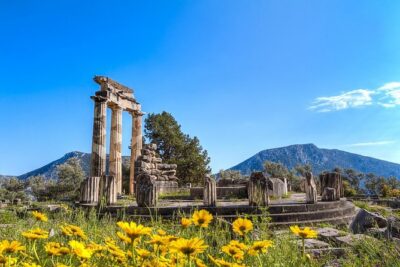
This shorter stop rounds out the Delphi story. It’s more of a targeted visit than a long meander, so don’t expect “free exploration” here. Still, it adds another sacred layer that helps the whole day feel connected.
And yes, you’ll pay for lunch on your own today. The timing is built in, so just keep your schedule flexible once you’re back on the bus.
Day 4: Meteora monasteries and the Leonidas stop at Thermopylae
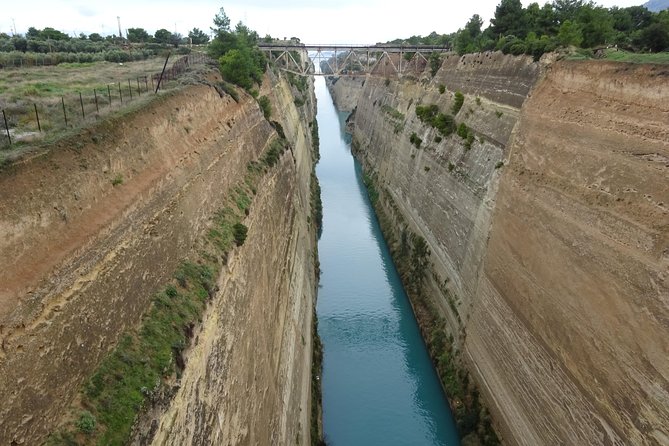
Day 4 is the finale, and it’s the kind that rewards early arrival energy.
Meteora monasteries near Kalambaka (about 1 hour, two monasteries included)
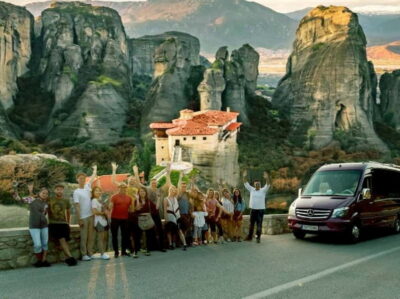
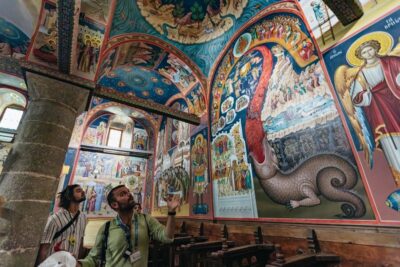
Meteora is not a normal sightseeing stop. You’re visiting monasteries perched in a dramatic setting, and the included entry to two monasteries means you’ll actually experience the core of the area rather than just looking from afar.
Expect practical challenges: stairs, uneven terrain, and the kind of “hold your phone steady on the viewpoint” moments. If you have moderate mobility limits, plan to go slow and wear shoes with grip.
Leonidas Monument at Thermopylae (about 15 minutes)
This is a quick historical punctuation mark. You’ll stop at the Leonidas Monument, tied to the Spartan stand against the Persians. It’s short, but it links your tour to one of Greece’s best-known resistance stories.
Back to Athens around 19:00
Return time depends on traffic, but the usual target is about 19:00. That means you’ll likely arrive ready for dinner and a shower, not a second round of sightseeing.
Group size, guides, and the difference between good and great
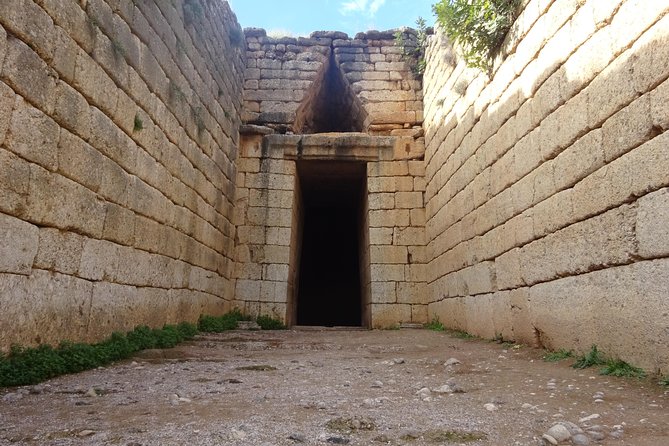
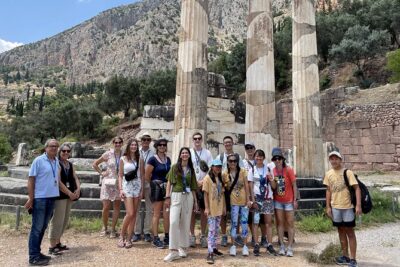
This tour runs with a maximum of 40 travelers, and some guests have experienced smaller groups (like around 14) that make movement easier. You might also notice changes depending on the day and how other customers are scheduled into the same routing. The biggest variable in your experience will be how your guide handles pacing and explanations.
Guide quality shows up again and again in feedback. People have named guides such as Joy, Maria, Foteini, Dimitra, Eleni, and Sophia, with praise for how they manage the group and explain what you’re seeing. One person even singled out the driver Costa for safe, confident driving through narrow roads and sharp turns.
What this means for you: if you enjoy asking questions, you’re likely to get helpful answers when your guide has strong command of the material. If your guide’s English is limited or the bus day gets swallowed by logistics, the tour can feel more like travel transport than a history class. That’s the one risk worth considering if you’re hoping for deep discussion at every stop.
How to pack and behave for the dress code and the walking
This tour includes places of worship and selected museums with a clear dress code: no shorts or sleeveless tops, and shoulders and knees must be covered for both men and women. If you show up dressed for beach weather, you risk being refused entry. Bring something light that covers you, like a breathable layer.
Also plan for moderate walking and uneven ground. Comfortable shoes are non-negotiable, especially at Epidaurus and Meteora. Bring sun protection and water; at least one guest called out the heat directly and used an umbrella for shade.
If you’re traveling with kids aged 5 to 12, they must have a passport or ID to get the discounted ticket price at archaeological sites and museums.
Who this tour is for (and who should rethink it)
This is a strong pick if you’re a history buff, archaeology fan, or myth reader who likes a guided bridge between legend and stone. It’s also a good value option if you want the big mainland highlights without piecing together multiple bookings and transport plans.
If you’re shopping for luxury, this won’t be your top match. Several guests describe the hotels as older, clean, and functional rather than modern high-end. If “perfect room comfort” is your priority, consider upgrading elsewhere or mixing hotels with independent travel days.
If you dislike long driving days, be honest with yourself. This itinerary is packed: multiple major sites, museum time, and a final long return to Athens.
Should you book the 4-Day Classical Greece Tour: Epidaurus, Mycenae, Olympia, Delphi, Meteora?
I’d book it if you want maximum UNESCO and myth-meets-ruins value in a short window, and you’re okay with timed stops and bus days. The included transport, major entrance tickets, and three hotel dinners/breakfasts make it feel like a complete package rather than “you’ll figure it out later.”
I would pause before booking if hotel expectations matter a lot to you, especially if you’re choosing a higher hotel category and want modern rooms. Also think twice if you need lots of downtime between stops—this tour is built for momentum, not wandering at your own pace.
My practical test: if you can handle a schedule that starts early (pickup begins around 07:30–08:15, with departure at 08:30) and ends near 19:00, you’ll probably love it. If you want slow travel and lots of free time, you’ll feel the squeeze.
FAQ
What are the main UNESCO sites included?
You’ll visit Epidaurus, Mycenae, Olympia, and Delphi, and you’ll also include Meteora monasteries (two monasteries are covered).
Is transportation included from Athens?
Yes. Pickup starts between 07:30 and 08:15, the tour departs at 08:30, and you’ll return on the fourth day to the same meeting point in Athens.
What entrance fees are included?
Entrance fees are included for Mycenae, Epidaurus, Olympia, Delphi, and for two Meteora monasteries.
Are meals included?
Breakfast is included for 3 days and dinner is included for 3 days. Lunch is not included.
Are lunch stops part of the tour?
Yes, lunch is planned as an own-expense meal on days 1/2/3 depending on the route that day, so you’ll pay for it yourself.
Do I need a dress code for museums and worship places?
Yes. You must cover shoulders and knees, and shorts or sleeveless tops are not allowed. You can risk refused entry if you don’t follow the rules.
Is French available on the tour?
French speaking is available only on Mondays. Other days are operated in English.
How many people are in the group?
The tour has a maximum of 40 travelers.
Is there an extra fee at the hotels?
Yes. There is an environmental fee of 10€ per room per night that you pay at the hotel reception (listed as 30€ per booking in the provided notes).
Can I cancel for free?
Yes. You can cancel up to 24 hours in advance for a full refund. If you cancel less than 24 hours before the start time, the amount paid is not refunded.
Into the Argolid: Mycenae and Nafplio
- From Athens: Small-Group Mycenae, Epidaurus & Nafplio Trip★ 4.8 · 2,805 reviews
- From Athens: Mycenae, Epidaurus & Nafplio Full-Day Tour★ 4.5 · 2,530 reviews
- Mycenae, Epidaurus and Nafplio Tour from Athens★ 4.6 · 2,201 reviews
- Athens: Ancient Corinth & Nafplio Full Day Trip with Swim★ 4.8 · 531 reviews
- Mycenae and Nafplion Day Trip from Athens with Official guide★ 4.5 · 501 reviews
- Argolis: Full-Day Tour in Mycenae & Nafplio★ 4.2 · 350 reviews
The Monasteries of Meteora
- Athens: Meteora Monasteries Day Trip with Caves and Lunch★ 4.7 · 4,670 reviews
- Athens to Meteora: Monasteries, Caves & Seaside Stopovers★ 4.7 · 2,958 reviews
- Athens: Full-Day Meteora Tour with Local Guide & Greek Lunch★ 4.8 · 2,101 reviews
- Athens: Meteora Monasteries, Caves & Coastal Stopovers with Lunch★ 4.5 · 1,432 reviews
- Meteora Monasteries & Caves DayTrip from Athens with Greek Lunch★ 4.5 · 879 reviews
- From Athens: Delphi and Meteora 2-Day Guided Tour★ 4.5 · 825 reviews
North to Delphi: More Day Trips
- Athens: Mythology of Delphi, Museum and Arachova Guided Tour★ 4.7 · 5,102 reviews
- From Athens: Delphi Full Day V.R. Audio Guided Tour★ 4.6 · 3,028 reviews
- From Athens: Small-Group Delphi, Museum & Arachova Day Trip★ 4.8 · 2,476 reviews
- Delphi English Day Trip from Athens with Official Guide★ 4.5 · 2,199 reviews
- Athens: Delphi Oracle & Museum Tour with a Licensed Guide★ 4.8 · 2,121 reviews
- Historical Delphi One Day Tour with Arachova Stop & Expert Guide★ 4.5 · 1,247 reviews
Fresh Off the Boat: New Athens Reviews

Delphi Day Trips, compared.
 ★ 4.7Mythology of Delphi, Museum and Arachova Guided TourFrom $305,102 reviews
 ★ 4.6From Athens: Delphi Full Day V.R. Audio Guided TourFrom $303,028 reviews
 ★ 4.8From Athens: Small-Group Delphi, Museum & Arachova Day TripFrom $342,476 reviews
 ★ 4.5Delphi English Day Trip from Athens with Official GuideFrom $782,199 reviews
 ★ 4.8Delphi Oracle & Museum Tour with a Licensed GuideFrom $362,121 reviews
 ★ 4.5Historical Delphi One Day Tour with Arachova Stop & Expert GuideFrom $341,247 reviews
 ★ 4.5Premium Delphi Day Trip with an Expert Guide, Museum & LunchFrom $381,100 reviews
 ★ 4.5From Athens: Delphi and Meteora 2-Day Guided TourFrom $271825 reviews
Browse the lists this tour appears in