
Reviewed · ACROPOLIS & PARTHENON TOURS
Acropolis Of Athens & The Acropolis Museum Private Guided Tour
Athens looks small at street level, then suddenly turns monumental. This private half-day pairs the Acropolis with the Acropolis Museum, so you see the story two ways: from the sacred hilltop and back inside the glass-and-light museum setting. You get a field-licensed guide in English, and you meet near the base of the Acropolis rather than hunting around alone.
Two things I really like: the way guides help you handle the crowds without turning it into a sprint, and the way the explanations bring named monuments to life. Guides like Maria and Irene are the kind who talk in clear, organized beats, with mythology and architecture tied together so it actually sticks.
One thing to plan for: entrance tickets are extra, and timed entry can be easy to mis-match if you don’t confirm the start time for your tickets. That’s fixable—just confirm early.
In This Review
- Key highlights at a glance
- First steps: who this private Acropolis + Museum tour is for
- Morning logistics that actually matter: meeting point, timing, and pace
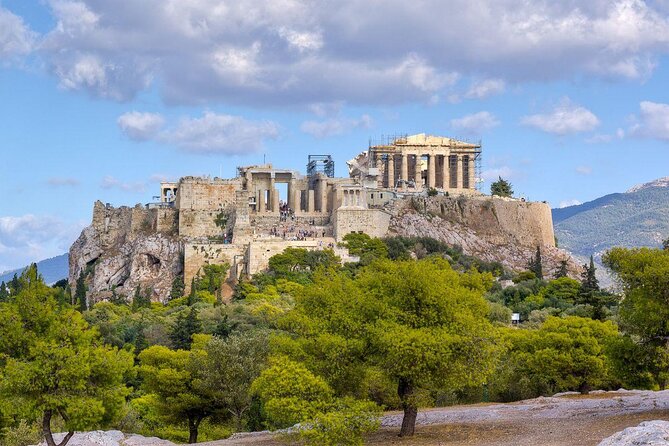
- The Acropolis: seeing Propylaea, Parthenon, and the theater cluster in context
- Propylaea: the gateway idea, not just another arch
- Parthenon: why it still matters so much
- Dionysus Theater: the culture side of the sacred hill
- Herod Atticus Odeon: when architecture meets audience
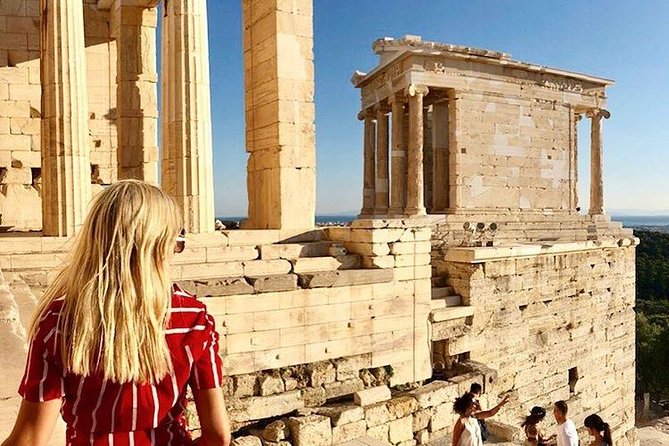
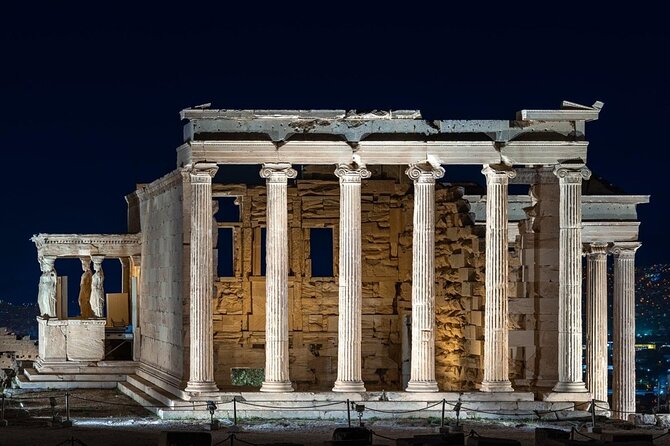
- Erechtheion and Athena Nike: the small details that carry big meaning
- A practical note on movement and weather
- Crowd control on the hill: why your guide’s timing is the real value
- The Acropolis Museum: daylight presentations and artifacts you can finally place
- Seeing masterpieces with natural light
- Glass floors and excavations you can watch in place
- Price and value: what you’re paying for (and what costs extra)
- What you’ll come away with (besides photos)
- Tips to make this tour smoother before you go
- Should you book the Acropolis + Acropolis Museum private guided tour?
- FAQ
- How long is the Acropolis and Acropolis Museum private guided tour?
- Is this tour private?
- Are entrance tickets included in the price?
- Where do we meet the guide?
- What time does the tour start?
- What if the weather is bad?
Key highlights at a glance
- Private licensed guide in English, tailored to your group
- Meeting point at the base area: Dionysos Zonar’s Rovertou Galli 43
- Acropolis stops include Propylaea, Parthenon, Erechtheion, Athena Nike, plus theaters and odeon
- Acropolis Museum focus on daylight presentation and visible excavations under glass floors
- Relaxed pace with built-in time for questions instead of a rushed checklist
More ways up the sacred rock, set side by side
- Athens: Acropolis & up to 5 Archaeological Sites Combo Pass
★ 4.2 · 13,904 reviews - Athens: Acropolis, Parthenon & Acropolis Museum Guided Tour
★ 4.8 · 9,316 reviews - The Acropolis, Parthenon & Acropolis Museum Guided Tour
★ 4.7 · 8,493 reviews - Acropolis: Premium Acropolis and Parthenon Guided Tour
★ 4.8 · 5,208 reviews
First steps: who this private Acropolis + Museum tour is for
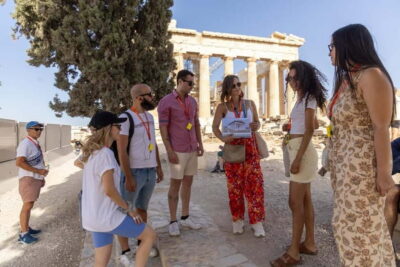
If you want the Acropolis without feeling like you’re herding cats, this private format is a smart match. Athens’ most famous hill can be packed, and the difference between a good visit and a great one often comes down to timing and guidance—where to stand, what to look for first, and when to move so you’re not blocked by tour groups for every photo.
This also works well if you’re history-curious but not trying to memorize a textbook. The tour is built around the main named structures you’ll see from the first approach to the Parthenon area, then it continues inside the Acropolis Museum, where the objects connect back to the buildings above. In other words: you get both the view and the context.
You’ll be in good company if your group includes older adults or anyone moving carefully. One guide experience in the same tour style emphasized safety and patience during tricky conditions, including rain.
Morning logistics that actually matter: meeting point, timing, and pace
The tour starts at 9:00 am and runs for about 4 hours. The meeting point is near public transport at Dionysos Zonar’s Rovertou Galli 43, Athina 117 42, Greece, and the tour ends back near where you started.
That early start is not a gimmick. The Acropolis is a magnet for tour groups, and arriving at a reasonable hour gives you a better chance to see key areas before the crush builds too high. The tour also avoids the classic mistake of turning the visit into a race. You’re given roughly two hours at the Acropolis and about two hours at the museum, with room for questions and pauses rather than a nonstop shove forward.
It’s also a good sign that this is described as “private” and that only your group participates. That usually means you can ask the guide to slow down, and the guide can answer in a way that fits your group’s pace.
The Acropolis: seeing Propylaea, Parthenon, and the theater cluster in context
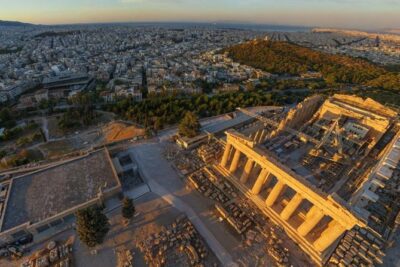
The Acropolis is one of the world’s most recognizable landmarks for a reason: it’s dramatic. It sits like a crown above Athens, and the ruins do more than look impressive—they organize how you understand ancient Greek power, religion, and civic life.
Your guided walkthrough starts on the sacred rock and moves through a set of headline structures and viewpoints. Here’s what the route is really doing, stop by stop.
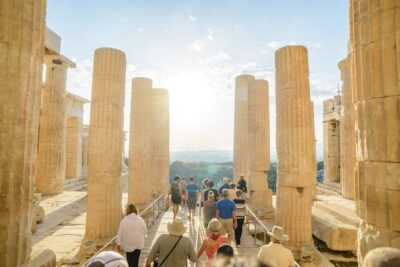
Cool marble halls, out of the Athens sun


Propylaea: the gateway idea, not just another arch
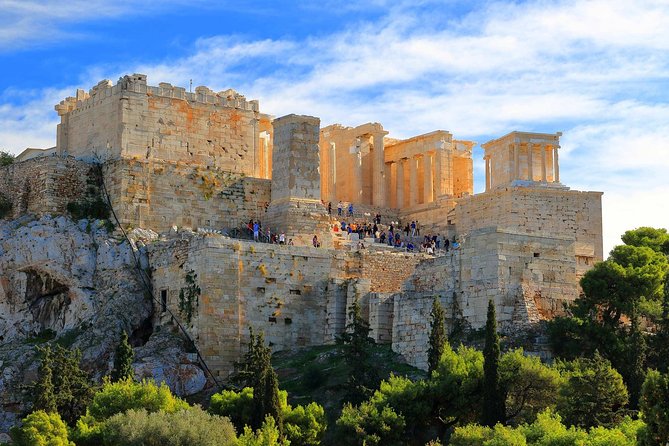
The Propylaea is more than a pass-through. Think of it as the “arrival ritual” part of the story. When you understand what it was meant to represent, the approach to the main sanctuary areas feels purposeful instead of random.
A guide’s job here is to help you connect the physical structure to the idea of entrance and transition—why you feel the shift from city street to sacred space.
Parthenon: why it still matters so much
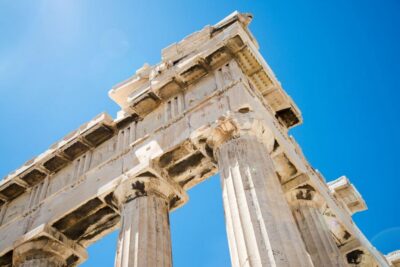
The Parthenon is the star, but the value of a guided visit is learning what to notice besides the obvious shape. With the right explanation, you look at the building as a statement—religion, politics, craftsmanship, and meaning layered together.
On a crowded hill, that kind of guidance also helps you choose which details to focus on first so you don’t miss the whole story while taking photos.
Dionysus Theater: the culture side of the sacred hill
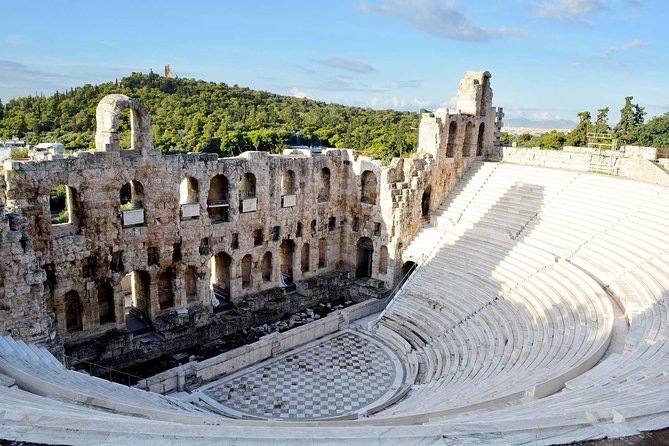
The Dionysus Theater is where the Acropolis stops feeling purely religious and starts feeling civic and cultural. Ancient Athens wasn’t only about temples—it was also about public performance and public ideas.
If you’ve ever wondered how comedy, tragedy, and public debate fit into everyday life, this stop is where that puzzle starts to make sense.
Herod Atticus Odeon: when architecture meets audience
The Herod Atticus Odeon is a reminder that Greek and Roman-era Athens cared deeply about spectacles and gathering spaces. A good guide helps you read the structure as an event machine: seating, acoustics, and the sense of crowd energy.
Even if you only grasp the basics, it changes how you interpret the Acropolis as a lived-in place rather than a dead monument.
Erechtheion and Athena Nike: the small details that carry big meaning
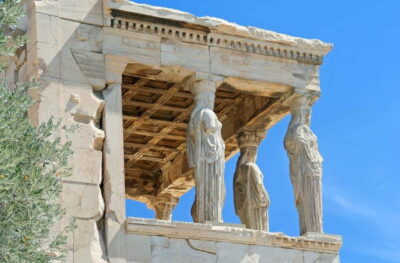
The Erechtheion and Athena Nike are the kind of stops where you can either speed past, or you can slow down and understand why certain locations and architectural choices mattered.
Guides tend to highlight the logic of placement and symbolism, which makes these monuments feel connected to the same “why” you learn at the Parthenon—just expressed in different ways.
A practical note on movement and weather
The Acropolis involves uneven stone and steps. This tour is described as “most travelers can participate,” but that doesn’t mean it’s effortless for everyone. If you have knee, hip, or balance issues, go in with the expectation that you may need more pauses and careful footing. The private nature of the tour is what gives you flexibility here.
Also, this experience requires good weather. Rain doesn’t just affect comfort—it can affect site operations.
Crowd control on the hill: why your guide’s timing is the real value
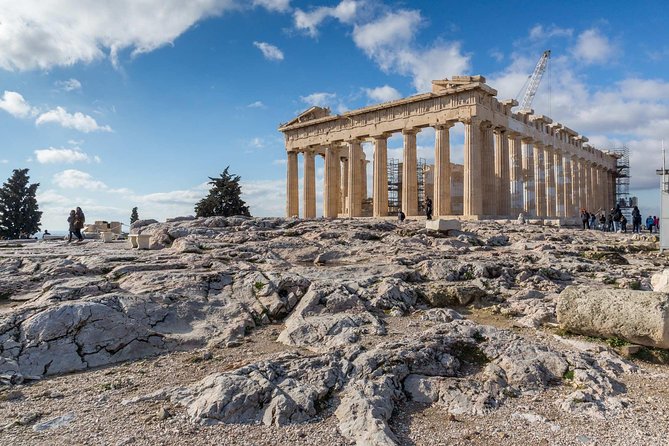
Your main benefit on the Acropolis isn’t just hearing facts. It’s having a person who understands how to move through bottlenecks and how to spot the best moments to stand where you can actually see.
In real guide experiences connected to this tour style, guides have been able to navigate heavy crowds quickly while keeping the storytelling going. That’s key: otherwise, you end up stuck at the edges, listening to partial explanations while other groups shuffle around you.
There’s also a pacing advantage. Instead of a strict “60 photos, 0 questions” approach, the tour is built as a leisurely half-day. You’ll get breaks at appropriate times and time to ask follow-ups when something clicks.
The Acropolis Museum: daylight presentations and artifacts you can finally place
The second half of the tour is the Acropolis Museum, and it’s a big reason people walk away feeling like they understood more than they thought they would. The museum is designed by architect Bernard Tschumi and Michalis Photiadis, and it’s famous for how it uses natural light to show original surviving masterpieces from the temples.
Here’s how that helps you.
Seeing masterpieces with natural light
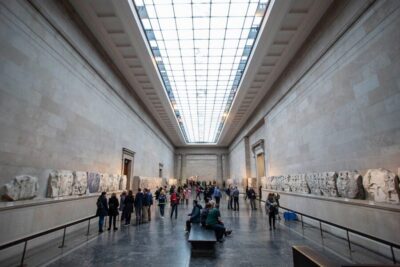
When objects are lit in a way that’s closer to how they might be appreciated outdoors, details read better. You stop treating sculptures and fragments like random museum pieces and start treating them like parts of a larger visual system.
Glass floors and excavations you can watch in place
The museum also lets you see excavations under glass floors and walkways. That matters because it ties the museum back to the ground under the Acropolis. You’re not only seeing what survived—you’re seeing how archaeologists uncovered the past.
If the Acropolis gives you scale, the museum gives you orientation. Together, they prevent that common problem where visitors see a spectacular ruin but never understand what the pieces meant in daily life.
Price and value: what you’re paying for (and what costs extra)

The tour costs $240.82 per person and lasts around 4 hours. That price includes a great private licensed tour guide, which is the core value driver here. When you’re paying for a guide, you’re buying time efficiency, a smoother experience on a crowded site, and explanations that connect the dots between the hill and the museum.
What’s not included are entrance tickets:
- Acropolis entrance: 20 Euro per person extra
- Acropolis Museum entrance: 15 Euro per person extra
So your total depends on those add-ons. Still, I’d say the guide component is the main reason this tour can be worth it, especially if you don’t want to spend your precious Athens hours trying to interpret the ruins on your own.
One practical cost consideration: your timed entry tickets. A guide-related tip from a similar experience was to make sure ticket times line up with the tour start. If you’re booking timed entrance tickets yourself, confirm the arrival time the guide expects.
What you’ll come away with (besides photos)

By the end, you should feel like the Acropolis isn’t just one big monument. You’ll have a mental map that links the gateway (Propylaea), the major temple focus (Parthenon), the performance spaces (Dionysus Theater and Herod Atticus Odeon), and the more nuanced structures (Erechtheion and Athena Nike).
Then the museum closes the loop: you connect what you saw outdoors to objects displayed with natural light and to excavations you can view under glass.
It’s the kind of visit that makes you look at Athens differently afterward. Not because you suddenly became an expert—but because the main story is finally organized.
Tips to make this tour smoother before you go
- Confirm ticket times if you purchase timed entry. A mismatch can throw off your first minutes.
- Wear grippy shoes. The Acropolis terrain is uneven and steps are part of the experience.
- Expect rain checks. The tour depends on good weather, so be ready to adjust if skies turn.
- Bring curiosity, not a strict plan. A private guide can pivot when you care about something beyond the checklist.
Should you book the Acropolis + Acropolis Museum private guided tour?
Book it if you want a calm, structured way to see Athens’ top ancient sites without spending your day stuck in crowd dead-zones. The private licensed guide adds real value by improving navigation, pacing, and understanding. It’s especially compelling if you’re going with a group that wants a safer, less frantic experience—where the guide can slow down and answer questions.
Skip or reconsider if you’re truly comfortable self-guiding and already have a strong plan for what to look for at each monument. In that case, you might prefer spending the guide money on longer free time around Athens. But if you want meaning plus momentum, this is a solid half-day choice.
FAQ
How long is the Acropolis and Acropolis Museum private guided tour?
It runs for about 4 hours total, with roughly 2 hours at the Acropolis and 2 hours at the Acropolis Museum.
Is this tour private?
Yes. It’s a private tour, and only your group participates.
Are entrance tickets included in the price?
No. Acropolis tickets cost 20 Euro per person extra, and Acropolis Museum tickets cost 15 Euro per person extra.
Where do we meet the guide?
The meeting point is Dionysos Zonar’s Rovertou Galli 43, Athina 117 42, Greece.
What time does the tour start?
The start time is 9:00 am.
What if the weather is bad?
The experience requires good weather. If it’s canceled due to poor weather, you’ll be offered a different date or a full refund.
More Tour Reviews in Athens
- Athens: Acropolis & up to 5 Archaeological Sites Combo Pass★ 4.2 · 13,904 reviews
- Athens: Acropolis, Parthenon & Acropolis Museum Guided Tour★ 4.8 · 9,316 reviews
- The Acropolis, Parthenon & Acropolis Museum Guided Tour★ 4.7 · 8,493 reviews
- Athens: Cape Sounion & Poseidon Temple Sunset Half-Day Trip★ 4.8 · 8,241 reviews
- Acropolis: Premium Acropolis and Parthenon Guided Tour★ 4.8 · 5,208 reviews
- Athens: Mythology of Delphi, Museum and Arachova Guided Tour★ 4.7 · 5,102 reviews
Athens Indoors: More Museums
- Athens: Acropolis, Parthenon & Acropolis Museum Guided Tour★ 4.8 · 9,316 reviews
- The Acropolis, Parthenon & Acropolis Museum Guided Tour★ 4.7 · 8,493 reviews
- Athens: Acropolis, Parthenon & Acropolis Museum Guided Tour★ 4.8 · 3,579 reviews
- Acropolis monuments & Parthenon Walking Tour with Optional Acropolis Museum★ 5.0 · 2,678 reviews
- Athens: Acropolis Museum Ticket with optional Audio Guide★ 4.4 · 2,652 reviews
- Athens: Acropolis, Parthenon and Acropolis Museum Guided Tour★ 5.0 · 1,778 reviews
The Acropolis, a Few More Ways Up
- Athens: Acropolis & up to 5 Archaeological Sites Combo Pass★ 4.2 · 13,904 reviews
- Athens: Acropolis, Parthenon & Acropolis Museum Guided Tour★ 4.8 · 9,316 reviews
- The Acropolis, Parthenon & Acropolis Museum Guided Tour★ 4.7 · 8,493 reviews
- Acropolis: Premium Acropolis and Parthenon Guided Tour★ 4.8 · 5,208 reviews
- Acropolis and Parthenon Guided Walking Tour★ 5.0 · 4,755 reviews
- Athens: Acropolis, Parthenon & Acropolis Museum Guided Tour★ 4.8 · 3,579 reviews
Fresh Off the Boat: New Athens Reviews





Acropolis & Parthenon Tours, compared.
 ★ 4.2Acropolis & up to 5 Archaeological Sites Combo PassFrom $4213,904 reviews
 ★ 4.8Acropolis, Parthenon & Acropolis Museum Guided TourFrom $409,316 reviews
 ★ 4.7The Acropolis, Parthenon & Acropolis Museum Guided TourFrom $408,493 reviews
 ★ 4.8Acropolis: Premium Acropolis and Parthenon Guided TourFrom $405,208 reviews
 ★ 5.0Acropolis and Parthenon Guided Walking TourFrom $414,755 reviews
★ 4.8Acropolis, Parthenon & Acropolis Museum Guided TourFrom $413,579 reviews
★ 5.0Acropolis and Parthenon Guided Walking TourFrom $414,755 reviews
★ 4.8Acropolis, Parthenon & Acropolis Museum Guided TourFrom $413,579 reviews
 ★ 4.0Acropolis Ticket with Audio GuideFrom $473,575 reviews
 ★ 5.0Athens Scenic Electric Bike Tour with optional Acropolis visitFrom $353,350 reviews
Browse the lists this tour appears in