
Reviewed · ACROPOLIS & PARTHENON TOURS
Athens: Acropolis, Parthenon & Acropolis Museum Guided Tour
A skyline of ancient stone starts here. This Acropolis and Acropolis Museum tour turns major landmarks into a story you can actually follow. Skip-the-line tickets help you spend more time looking and less time waiting. I also love the mix of outdoor monuments and the New Acropolis Museum, where the sculptures and fragments make instant sense.
You’ll walk the hill with a licensed English-speaking guide and get explanations that connect the temples, theaters, and everyday life. You’ll also get built-in time to breathe—plus restroom breaks—so you don’t feel rushed every minute. One thing to consider: this is a lot of walking on uneven ground and it’s not suitable for wheelchair users or people with mobility impairments.
In This Review
- Key reasons this tour earns top marks
- Why the Acropolis + Museum combo works (and where it can feel like a lot)
- The skip-the-line reality: what you get and what to mentally prepare for
- On the hill: Theater of Dionysus, Herodes Atticus, and the Asclepius sanctuary
- Propylea, Temple of Nike, and the Erechtheion: the details that change your photos
- Parthenon time: the democracy symbol you can actually understand
- New Acropolis Museum: where sculptures stop being mystery objects
- Time, pace, and group size: what keeps it enjoyable instead of exhausting
- Who should book this (and who should choose a different plan)
- Should you book this Athens Acropolis and Museum guided tour?
- FAQ
- How long is the Acropolis and Acropolis Museum guided tour?
- Does this tour include skip-the-line tickets?
- Is there a separate entrance that skips the line at the Acropolis?
- Is the tour available in English?
- What should I bring?
- Is the tour suitable for children?
- Are strollers, pets, or luggage allowed?
Key reasons this tour earns top marks
- Skip-the-line access at the Museum means you avoid the biggest delays and get started faster
- Theater of Dionysus and myth context help you understand why these places mattered in daily life
- New Acropolis Museum glass floors and natural light let you see excavations and original works in a better setting
- Guides like Sotos, Jason, Chrysa, Giota, Ioannis, and Julia are known for strong English and engaging storytelling
- Photo time with a realistic pace keeps it fun, not frantic
- Disposable earphones for larger groups help you hear the guide clearly
More ways up the sacred rock, set side by side
- Athens: Acropolis & up to 5 Archaeological Sites Combo Pass
★ 4.2 · 13,904 reviews - Athens: Acropolis, Parthenon & Acropolis Museum Guided Tour
★ 4.8 · 9,316 reviews - The Acropolis, Parthenon & Acropolis Museum Guided Tour
★ 4.7 · 8,493 reviews - Acropolis: Premium Acropolis and Parthenon Guided Tour
★ 4.8 · 5,208 reviews
Why the Acropolis + Museum combo works (and where it can feel like a lot)

The Acropolis is the kind of place where you can stare for hours and still feel like you’re missing the point. This tour is designed to fix that. I like that you don’t just see the Parthenon from a few angles—you get the why behind it: democracy talk, religion talk, art talk, and the human drama behind the myths.
You’ll typically finish in 3 to 4 hours, depending on the group pace and weather. That matters because the Acropolis can feel draining fast if you’re trying to power through it alone. Here, the guide keeps the story moving, and you get small pauses to look around and take photos without losing your place.
That said, you should expect this to feel like a brisk highlight circuit. The ground is rocky, the walking is real, and the day can get hot. If you’re slow on stairs or uncomfortable on uneven surfaces, plan carefully. Also note the tour is not suitable for people with heart problems, wheelchair users, or mobility impairments.
The skip-the-line reality: what you get and what to mentally prepare for
The big promise is less queue time—especially at the Acropolis Museum. The tour includes Acropolis and Museum skip-the-line tickets (when you choose the option with tickets), and it specifically includes entry through a separate entrance to the Acropolis Museum.
Here’s the important nuance to keep you sane: there is no skip-the-line separate entrance to the Acropolis itself. So you’re not guaranteed zero waiting at the hill, but your ticket setup is meant to help you avoid the slowest parts of the ticket process. In practice, that can still be a big time saver, because once you’re moving, the guide keeps the day flowing.
Two more details that help in real life:
- Audio quality can dip in crowded periods, since other groups’ equipment can interfere. If you’re sensitive to sound, go in with that expectation.
- You may get disposable earphones if the group is over 8 people, which is useful because the guide is covering a lot of ground.
If you’re the type who hates waiting around ticket counters, this is one of the few Athens experiences where paying a guided fee often feels like time buying.
On the hill: Theater of Dionysus, Herodes Atticus, and the Asclepius sanctuary
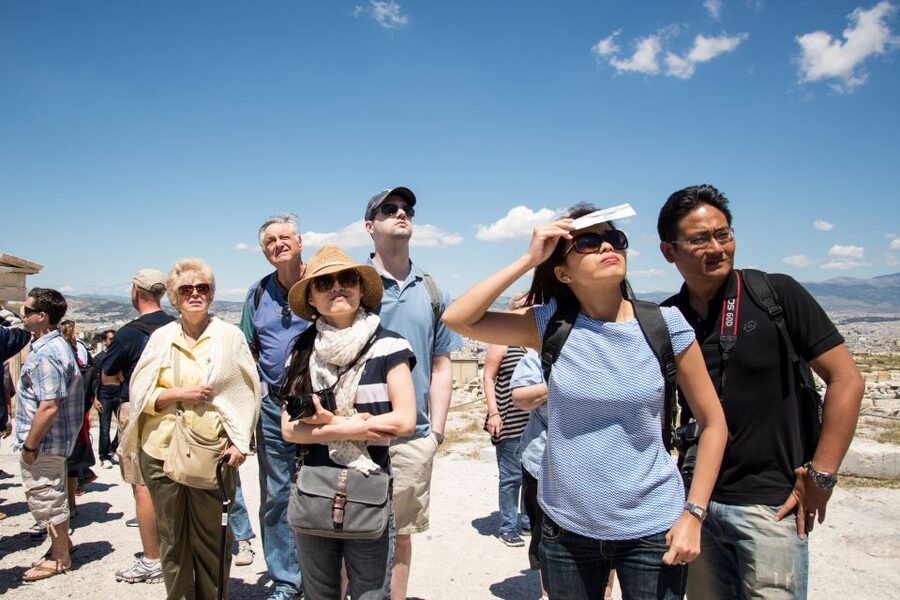
The tour starts with the Acropolis hill in a way that gives you context right away. One of the most interesting stops is the Theater of Dionysus, often called the first theater of humanity. You don’t just look at the stone—your guide connects it to ancient drama and tragedy and the role of performance in Greek civic and religious life.
From there, you’ll see other key areas:
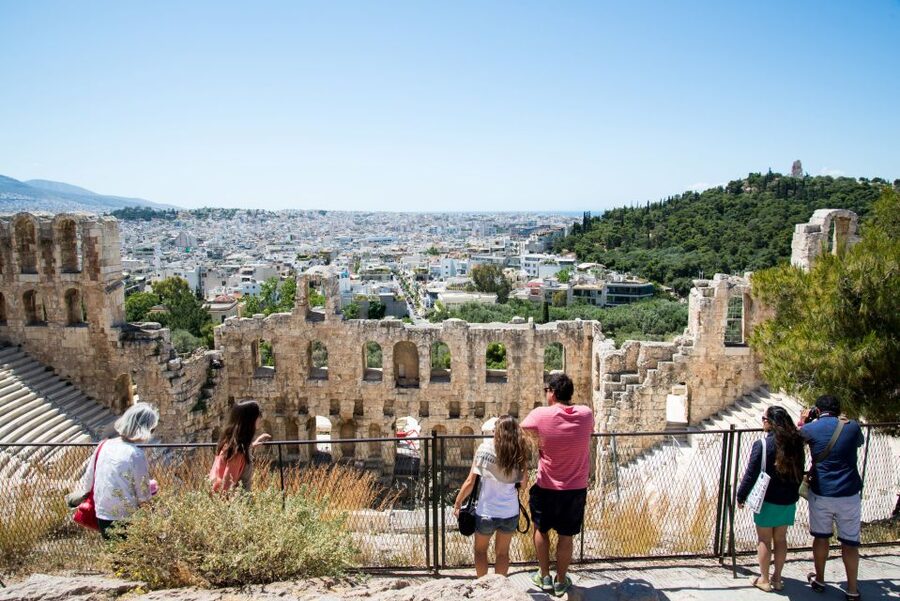
- The Odeon of Herodes Atticus, where you can picture music and performance scaled down into stone
- The sanctuary of Asclepius, tied to healing in the ancient world
What I like about these stops is that they remind you the Acropolis wasn’t only for big ceremonial buildings. It was also for people. It was for festivals, worship, and communal experiences. Even if you don’t memorize names, you’ll walk away with a mental map that connects places to human behavior.
There’s also a practical angle: the hill stops are arranged so you’re not stuck staring at the Parthenon immediately. That pacing gives you time to orient yourself—where you are, what you’re looking at, and why it’s arranged the way it is.
Cool marble halls, out of the Athens sun

Propylea, Temple of Nike, and the Erechtheion: the details that change your photos
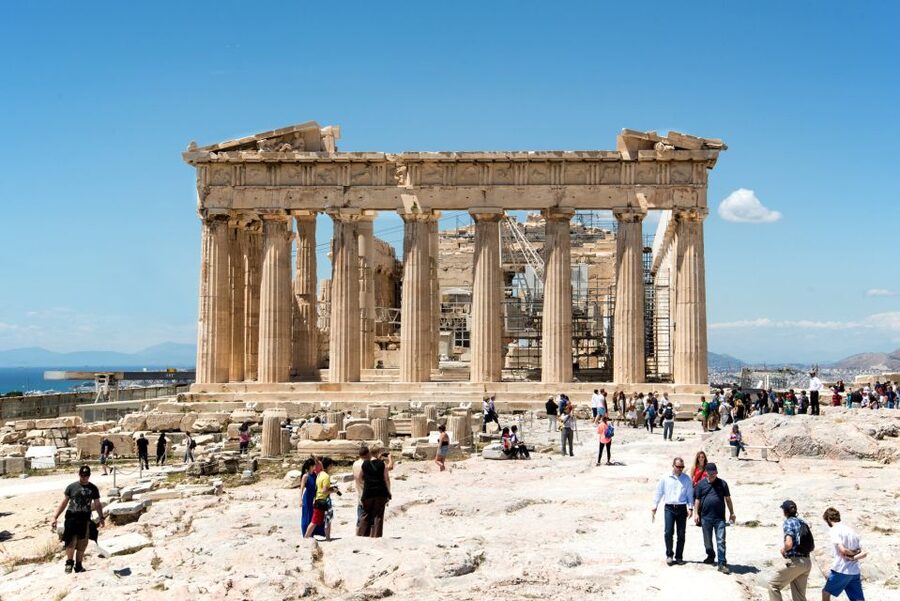
Once you move toward the top of the hill, the monuments shift from “big and famous” into “wow, look at the design choices.” You’ll visit:
- The Propylea
- The Temple of Nike (often associated with Athena Nike)
- The Erechtheion
This is where a guide earns their fee. These buildings don’t read like modern architecture. They’re layered with symbolism and built for a specific worldview. With a good explanation, you start noticing alignment, placement, and what the decoration is doing.
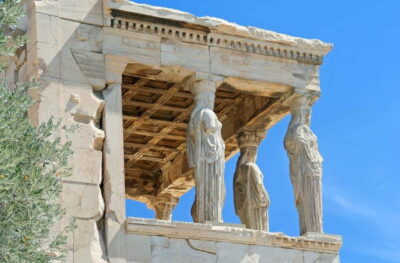
A standout is the Erechtheion because it’s tied to distinctive features and multiple strands of myth and worship. If you’ve ever wondered why it looks different from other temple buildings, this stop helps you connect the differences to the cultural story of the site.
Also, you get to do something many independent visitors skip: you’re walking with a sequence that matches the logic of the hill. Your photos come out better because you’re standing where the story says you should stand, not just where it’s convenient.
Parthenon time: the democracy symbol you can actually understand
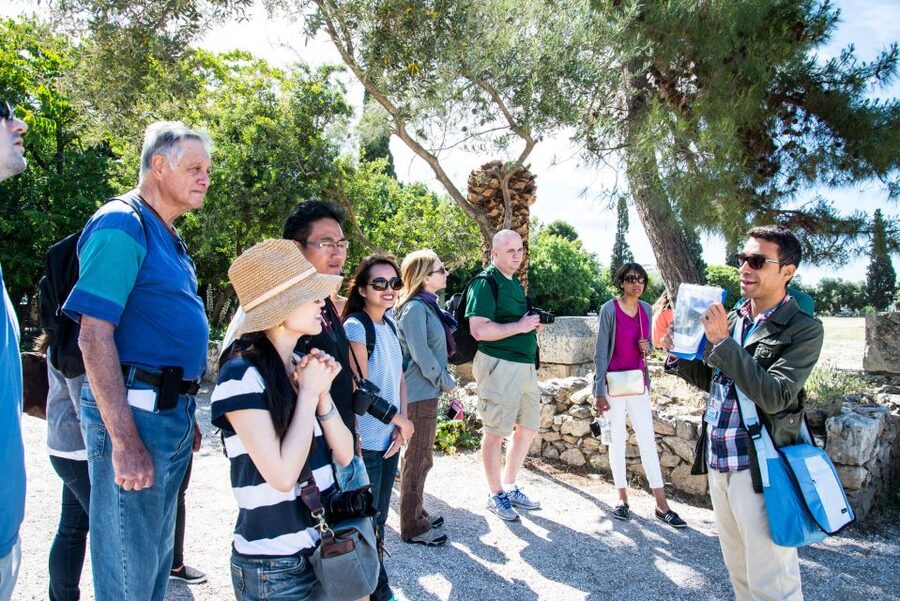
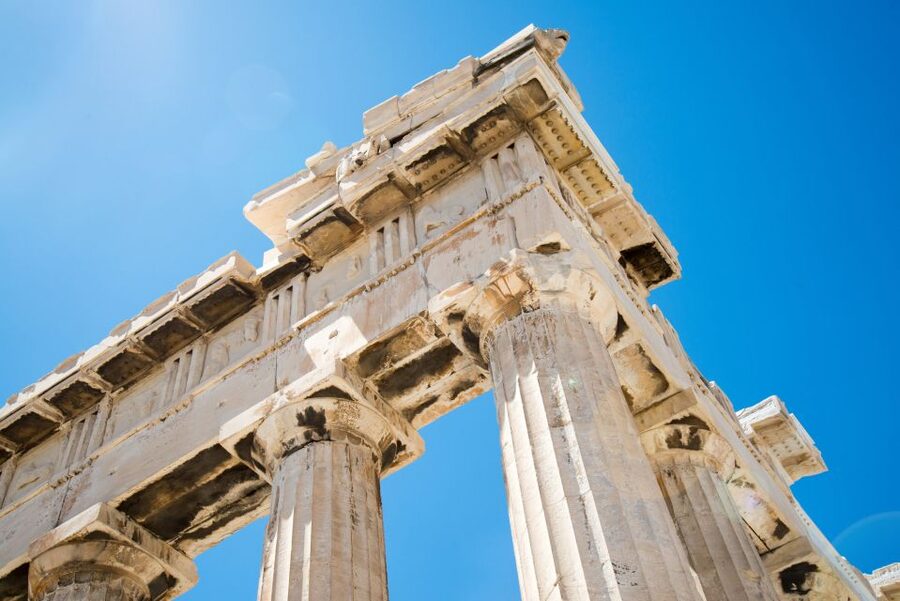
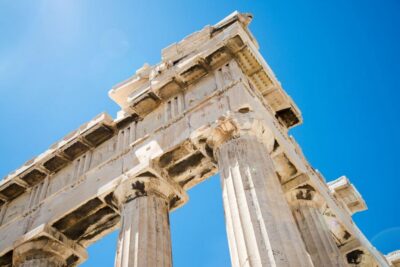
The Parthenon is why most people come, and it’s still spectacular even if you’ve seen photos before. The value here is the context your guide adds: it’s presented as a symbol connected to democracy and Western civilization, but rooted in the 5th-century realities of Athens and the era of Pericles.
I like how the guide’s narration makes the Parthenon feel like a “project” instead of a frozen icon. You start understanding what it was meant to represent, and you can see how the surrounding monuments reinforce that message.
One practical note: you’ll want comfortable patience at this stage. The Acropolis can be busy, and time on the top doesn’t feel like a quiet museum gallery. But if your guide keeps the group moving at the right speed, you still get meaningful viewing time and photo chances.
The tour also includes a short break with time to use the bathroom before heading to the museum. That small pause matters more than you’d think when you’re walking in heat.
New Acropolis Museum: where sculptures stop being mystery objects
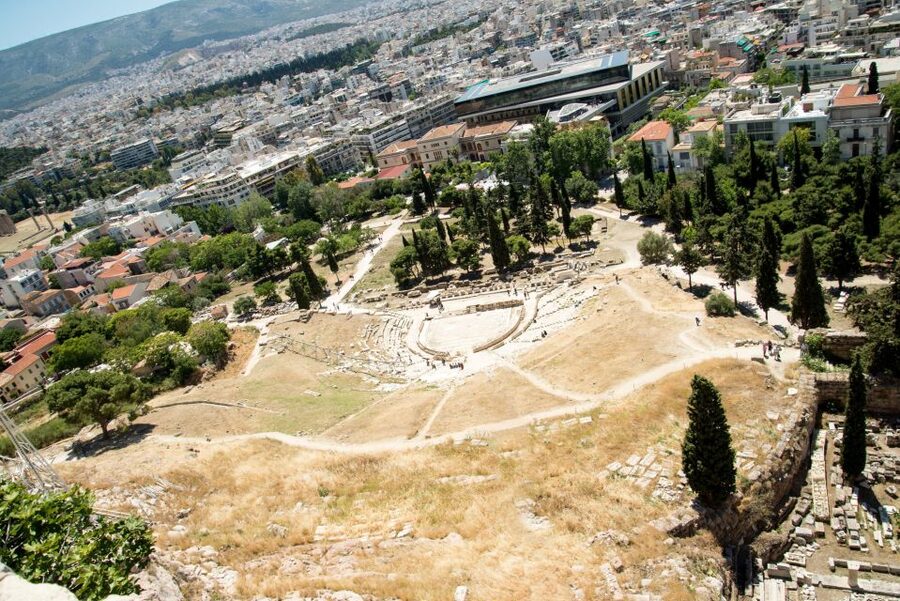
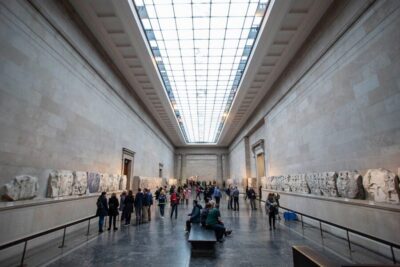
After the hill, the Acropolis Museum is the reality check in the best way. I love what the museum does: it places the surviving masterpieces from the Acropolis temples in an environment shaped by natural light, so the sculptures and architectural fragments can be seen with a clearer sense of form and intent.
You’ll also see:
- Excavations visible under glass floors and walkways, so you’re not only looking at finished art—you’re seeing the archaeology itself
- Caryatids on the first floor, with five of them here and the sixth located at the British Museum
- The Parthenon frieze on the top floor, plus a recreation of the Parthenon next to the striking view of the Acropolis
That last part—frieze details next to the view—creates the best “aha” moments. You can stand in front of the sculptural narrative, then look out and connect it to the place it came from. It helps you stop thinking of the Parthenon as a single building and start seeing it as a complete visual program.
Another reason I think this museum stop is worth it: it doesn’t assume you already know everything. You can walk in with zero background and still understand why specific pieces matter.
And yes, it’s close enough that the transition feels smooth. You’re only a few minutes’ walk from the museum after the hill.
Time, pace, and group size: what keeps it enjoyable instead of exhausting

This is a group experience that ranges from shared to private depending on your choice. The timing depends on conditions, but you should plan around the 2 to 4 hour slot, usually landing in the 3 to 4 hour range.
What really makes it work is pacing. You get:
- Clear guidance between stops
- Time for photos and looking around at each area
- Earphones for larger groups
- The mid-tour bathroom break before museum time
From the guide styles you might encounter (Sotos, Jason, Chrysa, Giota, Ioannis, and Julia come up often), the consistent theme is active storytelling. It’s not just dates and titles. It’s also the human angle—why a theater mattered, what a sanctuary meant, and how a city like Athens used art and ritual to project power.
Weather can still change your day. If it’s very hot or very crowded, you might notice the guide changes the order of sites to avoid discomfort. That’s normal and it’s usually a sign they care about the group.
Who should book this (and who should choose a different plan)
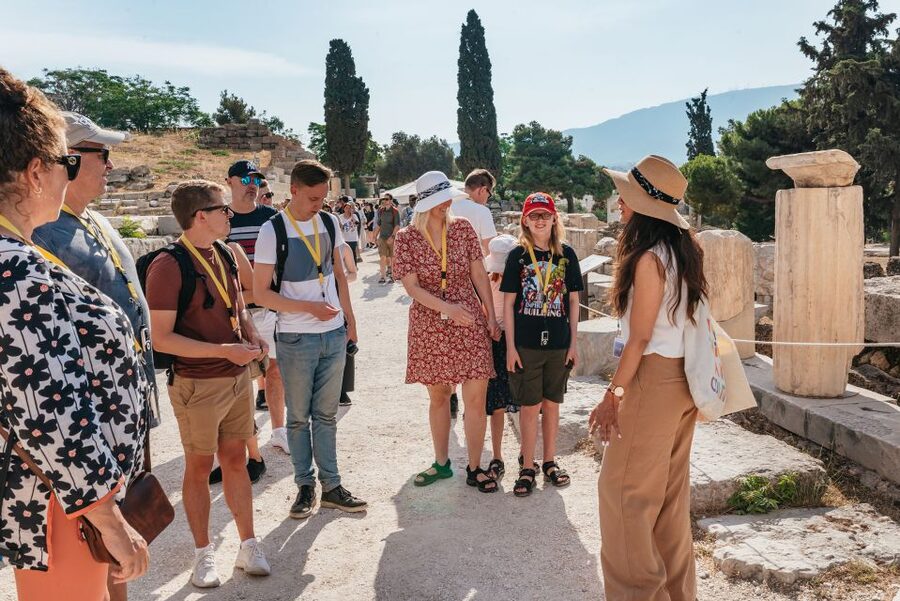
If you want an efficient first visit to Athens’ core ancient sites, this tour makes sense. You’re paying for two big things:
1) Guided interpretation so you don’t just see stones, you understand them
2) Time savings from the skip-the-line setup, especially at the museum
At $40 per person, the value is strongest if you hate wasting time waiting and you want a structured experience. If you’re the independent type who loves slow wandering and self-paced reading, you might prefer doing Acropolis and museum on your own (or pairing the museum with another plan). But if you want your first day to make sense quickly, this is a good use of time.
This tour is not suitable for:
- Children under 6
- People with mobility impairments
- Wheelchair users
- People with heart problems
- Anyone traveling with pets, baby strollers, or luggage/large bags
Also note the tour does not include elevator access at Acropolis Hill, so if you rely on elevators for movement, this likely won’t work.
Should you book this Athens Acropolis and Museum guided tour?
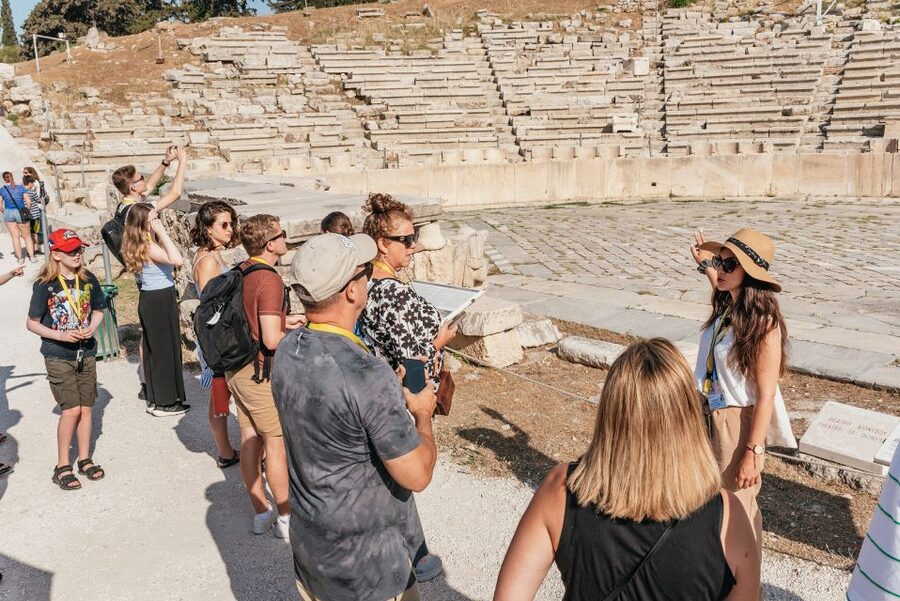
Book it if you want the easiest route to understanding the Acropolis. You’ll get a strong mix of major monuments, myth and meaning, and the museum’s payoff where the sculptures finally click. The skip-the-line setup (especially at the Acropolis Museum) helps you avoid the most annoying waiting moments.
I’d skip it—or at least rethink it—if you can’t handle uneven ground, you need wheelchair-friendly routes, or you’re sensitive to long walking. And if you’re very flexible and prefer to wander slowly, you might get a different kind of satisfaction going solo.
If you fall into the first group—short on time, hungry for context, and tired of missing the point at famous sites—this tour is a smart bet. You’ll leave with a clearer mental map of Athens’ Golden Age and the museum objects that bring it to life.
FAQ
How long is the Acropolis and Acropolis Museum guided tour?
The experience is typically 2 to 4 hours, and it often runs around 3 to 4 hours depending on the group’s pace and weather.
Does this tour include skip-the-line tickets?
Yes, if you choose the option that includes tickets, you get Acropolis skip-the-line tickets and Acropolis Museum skip-the-line tickets, plus separate entrance entry to the museum.
Is there a separate entrance that skips the line at the Acropolis?
No. The information for this activity notes there is no skip-the-line separate entrance for the Acropolis itself.
Is the tour available in English?
Yes. The live tour guide offers the tour in English.
What should I bring?
Bring comfortable shoes, a hat, water, and comfortable clothes.
Is the tour suitable for children?
It is not suitable for children under 6.
Are strollers, pets, or luggage allowed?
No. Pets, baby strollers, and luggage or large bags are not allowed.
More Tour Reviews in Athens
- Athens: Acropolis & up to 5 Archaeological Sites Combo Pass★ 4.2 · 13,904 reviews
- The Acropolis, Parthenon & Acropolis Museum Guided Tour★ 4.7 · 8,493 reviews
- Athens: Cape Sounion & Poseidon Temple Sunset Half-Day Trip★ 4.8 · 8,241 reviews
- Acropolis: Premium Acropolis and Parthenon Guided Tour★ 4.8 · 5,208 reviews
- Athens: Mythology of Delphi, Museum and Arachova Guided Tour★ 4.7 · 5,102 reviews
- All Day Cruise -3 Islands to Agistri,Moni, Aegina with lunch and drinks included★ 5.0 · 4,958 reviews
Athens Indoors: More Museums
- The Acropolis, Parthenon & Acropolis Museum Guided Tour★ 4.7 · 8,493 reviews
- Athens: Acropolis, Parthenon & Acropolis Museum Guided Tour★ 4.8 · 3,579 reviews
- Acropolis monuments & Parthenon Walking Tour with Optional Acropolis Museum★ 5.0 · 2,678 reviews
- Athens: Acropolis Museum Ticket with optional Audio Guide★ 4.4 · 2,652 reviews
- Athens: Acropolis, Parthenon and Acropolis Museum Guided Tour★ 5.0 · 1,778 reviews
- Acropolis of Athens and Acropolis Museum Tour★ 4.5 · 944 reviews
The Acropolis, a Few More Ways Up
- Athens: Acropolis & up to 5 Archaeological Sites Combo Pass★ 4.2 · 13,904 reviews
- The Acropolis, Parthenon & Acropolis Museum Guided Tour★ 4.7 · 8,493 reviews
- Acropolis: Premium Acropolis and Parthenon Guided Tour★ 4.8 · 5,208 reviews
- Acropolis and Parthenon Guided Walking Tour★ 5.0 · 4,755 reviews
- Athens: Acropolis, Parthenon & Acropolis Museum Guided Tour★ 4.8 · 3,579 reviews
- Athens: Acropolis Ticket with Audio Guide★ 4.0 · 3,575 reviews
Fresh Off the Boat: New Athens Reviews





Acropolis & Parthenon Tours, compared.
 ★ 4.2Acropolis & up to 5 Archaeological Sites Combo PassFrom $4213,904 reviews
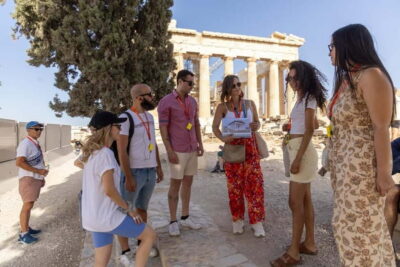 ★ 4.7The Acropolis, Parthenon & Acropolis Museum Guided TourFrom $408,493 reviews
 ★ 4.8Acropolis: Premium Acropolis and Parthenon Guided TourFrom $405,208 reviews
 ★ 5.0Acropolis and Parthenon Guided Walking TourFrom $414,755 reviews
 ★ 4.8Acropolis, Parthenon & Acropolis Museum Guided TourFrom $413,579 reviews
 ★ 4.0Acropolis Ticket with Audio GuideFrom $473,575 reviews
 ★ 5.0Athens Scenic Electric Bike Tour with optional Acropolis visitFrom $353,350 reviews
 ★ 5.0Acropolis monuments & Parthenon Walking Tour with Optional Acropolis MuseumFrom $422,678 reviews
Browse the lists this tour appears in