
Reviewed · ATHENS BIKE TOURS
Ancient Athens Ayo’s E-Bike Trike Tour
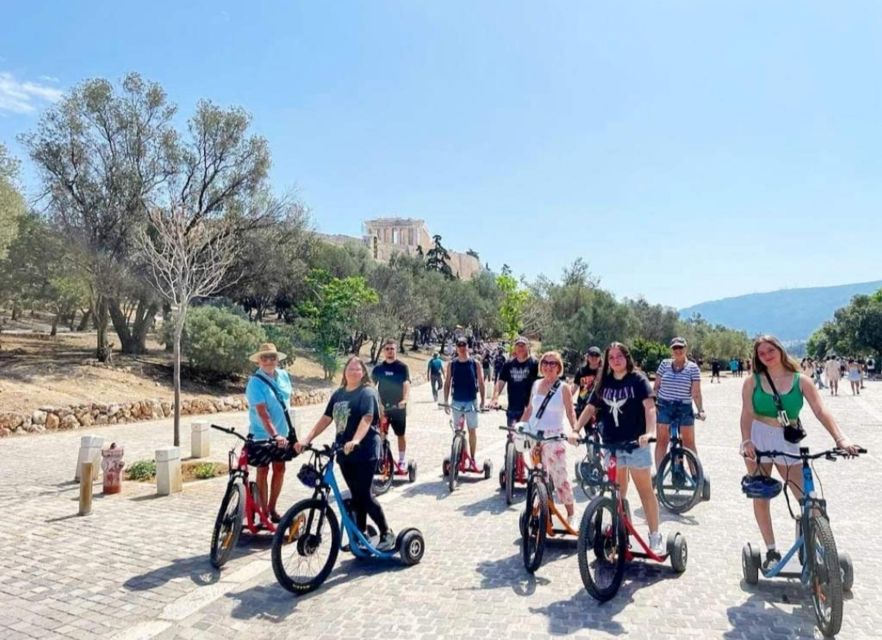
Athens can feel like a lot. This tour turns it into something easier and fun. You start in Plaka, get hands-on training, then roll through key viewpoints with big Acropolis sightlines and short photo stops.
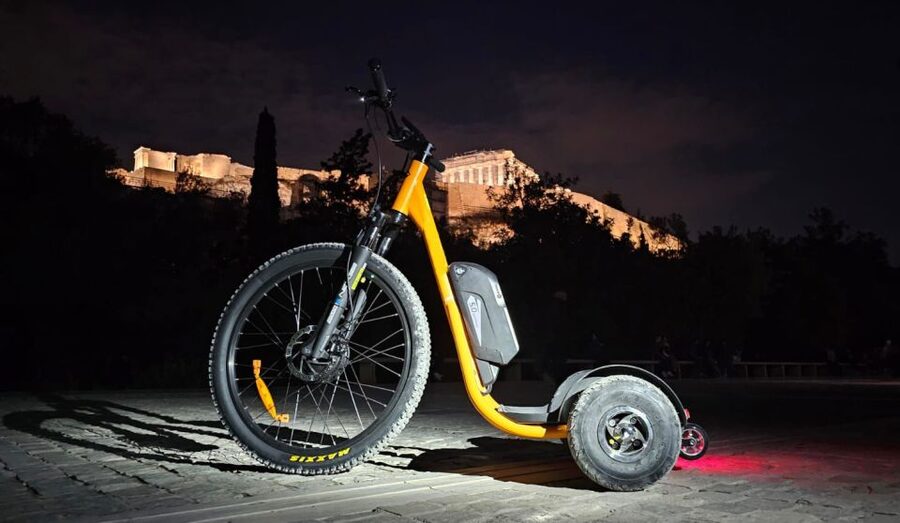
What I like most is the mix of major landmarks and real comfort. The ride is designed to be easy on a three-wheel e-trike, so you’re not spending the whole day fighting hills on foot. The other win is how the route strings together famous streets and viewpoints—like Dionysiou Areopagitou and the hills of Areopagus and Pnyx—so you get multiple perspectives without repeating the same commute.
One thing to think about: you’re not going inside the archaeological sites. You’ll see them from the outside and you may do short walks, but entry tickets are not included, and it won’t replace a day of full site exploration.
In This Review
- Key points that make this ride worth your time
- Starting in Plaka: where you learn fast, then enjoy the city
- Riding Dionysiou Areopagitou: Acropolis views without the long climb
- Acropolis Museum stop: quick orientation from the outside
- Odeon of Herodes Atticus: free time plus a big landmark moment
- Mars Hill (Areopagus) and Pnyx: panoramic views that actually reward the effort
- Thiseio and Kerameikos: ancient streets, fewer crowds, and “walk and look” time
- Monastiraki and the Roman Agora area: history meets everyday Athens
- Roman Forum of Athens and Makrygianni: quick “see it, then move on” perspective
- What’s included, what you’ll pay for separately, and how to plan your time
- Who this tour fits best (and who should skip it)
- Should you book Ayo’s Ancient Athens e-Bike Trike Tour?
- FAQ
- Where is the meeting point for Ayo Tours Athens?
- How long is the Ancient Athens Ayo’s E-Bike Trike Tour?
- Does the tour enter archaeological sites?
- What is included in the price?
- What should I budget for that is not included?
- What are the age limits and who needs to be with an adult?
- Are there any rider restrictions?
Key points that make this ride worth your time
- Training first, then you ride: you start with instruction in Plaka so most people feel steady fast.
- Unbroken Acropolis views along Dionysiou Areopagitou, plus photo stops at major stops.
- Panoramic viewpoints from Mars Hill (Areopagus) and Pnyx Hill, with guide stories to connect the dots.
- Perfect timing for scenery with a sunset moment listed at Pnyx.
- More than photos: you also get time for wandering in Thiseio and Monastiraki.
- Practical inclusions: helmet and water bottle are provided, which matters on a warm Athens day.
Athens by pedal, a couple more routes
- Athens Scenic Electric Bike Tour with optional Acropolis visit
★ 5.0 · 3,350 reviews - Athens: City Electric Bike Tour with Acropolis Visit Option
★ 4.9 · 1,017 reviews - Athens Small Group E-Bike Tour
★ 5.0 · 1,013 reviews - Historic Athens: Small Group Electric Bike Tour
★ 4.9 · 966 reviews
Starting in Plaka: where you learn fast, then enjoy the city
The tour begins at Ayo Tours Ground floor Office-shop, with the meeting address at Leof. Andrea Siggrou 22. That matters because Plaka is the natural launchpad for walking Athens and hopping between neighborhoods.
Before you move, you get hands-on training. This is not just a quick safety lecture. You’re shown how to handle the trike, you put on your helmet, and you’re given a water bottle. The goal is simple: you should get your bearings fast, then spend your energy looking around instead of guessing how the vehicle works.
The reviews also highlight that guides are actively involved in making you comfortable. People call out guides like Yaana, Kevin, and Dmitry for being helpful and for explaining what you’re seeing as you go. That kind of guiding style matters on a route with crowds, tight lanes, and lots of photo opportunities.
One practical note: bring comfortable shoes. Even with the e-trike, you’ll have short walk moments at several stops, and you don’t want your feet protesting when you’re trying to enjoy views from a hill.
Riding Dionysiou Areopagitou: Acropolis views without the long climb
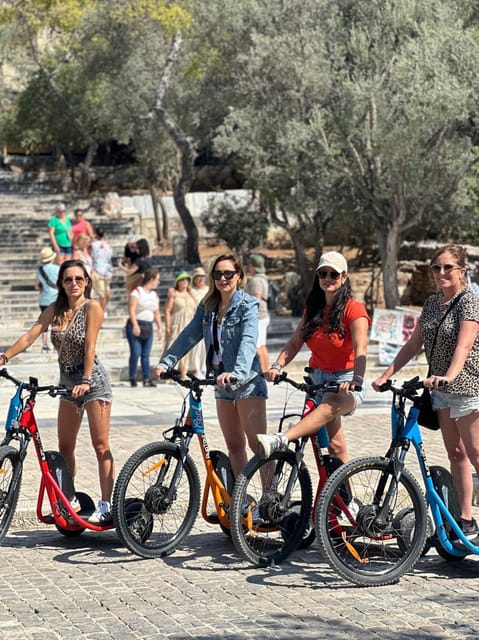
One of the strongest parts of this tour is how it feeds you the scenery in the right order. You ride along Dionysiou Areopagitou Street, described as a pedestrian road, and it’s where the tour earns its keep.
This street is known for delivering Acropolis sightlines in a way that feels almost effortless compared to tackling the Acropolis on foot from scratch. Along the route, you get the Acropolis and the Acropolis Museum area in view, plus the Theater of Dionysus. You’re also shown Odeon of Herodes Atticus as part of the sequence, which is a great visual bridge between the modern city and the performance spaces that shaped ancient life.
The route is paced with photo stops and short ride segments. That rhythm is useful. Instead of you racing between locations, the guide keeps the day flowing, so your brain can stay on what you’re looking at: architecture lines, sight angles, and why these sites were placed where they were.
Also, note the tour does not enter archaeological sites. So what you’re getting on this street is mainly view-based sightseeing. That’s ideal if you want the famous photos and landmark feel, but it’s not ideal if you specifically came to walk inside ticketed ruins.
Acropolis Museum stop: quick orientation from the outside
The itinerary includes a photo stop at the Acropolis Museum, with a short scooter ride segment afterward. Even if you don’t go inside, this is still a helpful moment.
Why? The Acropolis Museum is essentially the “visual organizer” for the whole area. Seeing the museum from the street helps you place what you’ll later see on hills like Areopagus and Pnyx. It also gives you a feel for the layout—how the museum sits near the slopes and how the theater spaces connect to the larger hill zones.
If you want more time at museums, you’ll probably treat this stop as a teaser. You might find it most satisfying if you’re pairing it with a separate museum visit later, when you can go at your own pace.
More of Athens by bike

Odeon of Herodes Atticus: free time plus a big landmark moment

Next is the Odeon of Herodes Atticus stop. The listing includes a photo stop, free time, sightseeing, and scenic views along the way, plus another ride segment.
This is a perfect “stop-and-look” type of location. It’s a landmark that gives you scale. From street level, you can often see the shape of the performance space and get a sense of how dramatic these venues were, even in daily life—not just during major events. The tour description also mentions it still hosting world-class performances, which adds a present-day layer while you’re looking at an ancient structure.
Practical angle: free time here means you can step around for photos, adjust your position for the best angles, and regroup before the ride starts climbing toward the hills.
Mars Hill (Areopagus) and Pnyx: panoramic views that actually reward the effort
After the earlier urban views, the route rises into one of the most rewarding parts of the day. You get to Areopagus (Mars Hill) with a photo stop, a visit moment, free time, sightseeing, and some walking. Then you continue to Pnyx Hill, listed with a sunset element.
Even if you don’t know the names yet, these hills do two jobs for you:
- They give you the “big Athens” layout in one sweep.
- The guide stories help your photos mean something.
Areopagus is famous for panoramic city views. Pnyx is often described as the birthplace of democracy, and the guide brings that context to life with engaging stories. The combination works well because it turns a viewpoint into a timeline.
And there’s a smart rhythm here: you don’t just look. You stop, take a breath, and listen. Then you ride again to connect the dots to the next neighborhood.
The tour listing specifically mentions sunset at Pnyx. That’s a big deal for atmosphere. Even if you don’t stay until the last minute, you’ll likely get lighting that makes the Acropolis area look softer and the colors more forgiving for photos.
Thiseio and Kerameikos: ancient streets, fewer crowds, and “walk and look” time
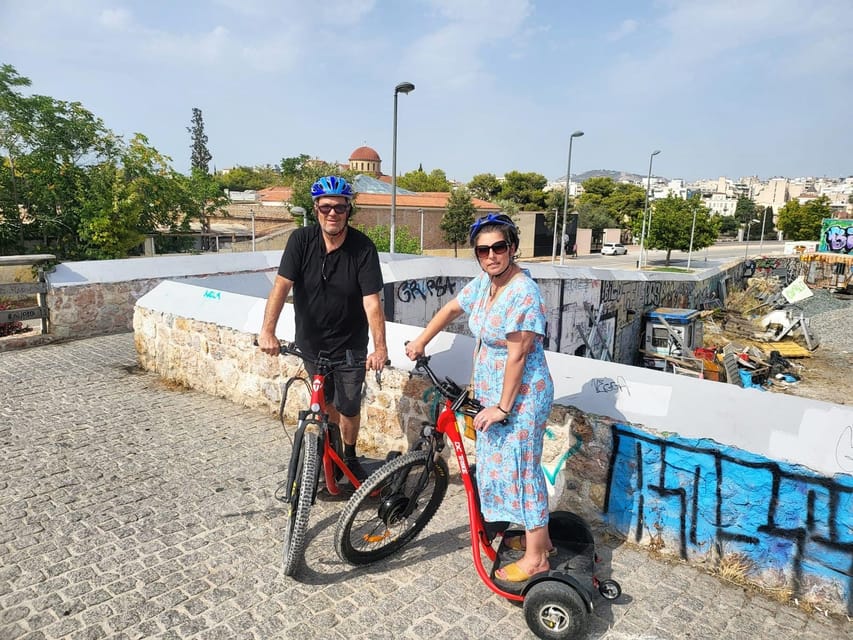
After the major hill viewpoints, the tour heads toward Thiseio and then Kerameikos (listed as Kerameikos / Keramikos in the description). You’ll see photo stops plus visit and free time, along with walk segments.
These are valuable stops if you’re trying to understand Athens beyond the showpiece areas. Thiseio sits in the broader region where the city feels a bit more lived-in than the most intense tourist corridors. Kerameikos is an archaeological site area, but remember: the tour does not enter archaeological sites. So what you’ll do here is a mix of outside viewing and short walking to take things in.
This works best when you think of it as “directional archaeology.” You’ll get a sense of where ancient daily life happened and how the city’s different layers connect. If you want the full excavation experience with entry tickets and extended walking inside, you’ll need a separate plan for that.
Comfort tip: since you’ll have short walk breaks, you’ll enjoy the tour more if you’re already wearing shoes you can walk in for 10–20 minutes at a time, rather than stylish-but-tender footwear.
Monastiraki and the Roman Agora area: history meets everyday Athens
Then comes the neighborhood most people picture when they imagine Athens as a real city: Monastiraki. The tour includes a photo stop, visit, free time, sightseeing, and a walk, with ride segments connecting you through the area.
You also pass Hadrian’s Library and the Roman Agora. Even without entering sites, seeing these locations from the road gives you a grounded sense of how ancient spaces were woven into everyday movement—then, how the city kept changing without erasing the old footprints.
Monastiraki is especially good because you’re given time to look around. The tour description calls out its famous flea market atmosphere. That’s exactly the kind of stop where you can do small personal choices: buy a snack, pick up a cheap souvenir, or just wander for photos in side streets.
This is also where the e-trike helps. Monastiraki can be crowded and slow-moving. With the trike, you can move through without spending the whole time inching along.
One note: the route does include more ride segments and photo stops in between. If you want maximum time on foot, you’ll probably enjoy that free time is built into the Monastiraki stop, but it still won’t be a long market stroll. It’s part of a 2-hour plan.
Roman Forum of Athens and Makrygianni: quick “see it, then move on” perspective
The itinerary includes the Roman Forum of Athens area with a photo stop, free time, and scenic views on the way. It also includes Makrygianni with a photo stop and a mix of free time and scenic driving.
These moments can feel small compared to Pnyx or Areopagus, but they’re useful. They keep the route connected so you’re not hopping randomly from viewpoint to viewpoint. You’re also getting a sense of how the city’s modern streets line up with older ceremonial and civic spaces.
Think of this as the tour’s glue: it ties the big emotional highlights together with a few extra anchors, so you leave feeling like you saw more of Athens than just the Acropolis corridor.
What’s included, what you’ll pay for separately, and how to plan your time
For $65 per person, you’re getting a lot of structure for a short 2-hour day: an experienced local tour leader, training, helmet, and a water bottle. That’s not just “transport.” It’s guided pacing plus equipment and comfort basics so you can spend the time looking.
You’ll want to plan for what’s not included:
- Entry tickets at archaeological sites
- Food and drinks
Also, you should plan on bringing comfortable shoes and avoiding large bags. That keeps it easier at stops and during any short walking segments.
If you’re thinking, Will this tour replace a full archaeological day? The answer is usually no. But it can replace a lot of the stress of getting oriented. It’s a great first-day move if you want to understand where everything sits and which viewpoints matter most to you.
Who this tour fits best (and who should skip it)
This is a strong choice for people who want an easy way to cover a lot of ground in a short time. The tour is not about endurance. It’s about getting you to the right viewpoints, keeping you comfortable, and pairing those sights with guided explanations.
You’ll likely be happiest if:
- you want Acropolis views without a punishing walking day
- you’re short on time
- you prefer guided route pacing
- you like photo stops and viewpoint breaks
You might want to skip it (or choose something else) if:
- you need full access inside archaeological sites, since this tour does not enter them
- you’re pregnant (not recommended)
- you’re bringing someone under 10 years old (not suitable)
- you’re over 220 lbs (100 kg)
The minimum age to ride is 10, and anyone under 18 must be accompanied by an adult. For young kids 0–7, it’s listed as free of charge, which could help families plan the day.
Should you book Ayo’s Ancient Athens e-Bike Trike Tour?
I’d book it if your priority is fast, friendly Athens sightseeing that still feels meaningful. In two hours, you’ll hit the core viewpoints that people travel for—plus Monastiraki and the historic street views that make Athens feel like Athens.
Skip or reconsider if you’re chasing ticketed site access as the main goal. This is outside-view, ride-and-spot type sightseeing. It’s great for orientation and highlight coverage. It’s not a replacement for a full archaeological immersion day.
If you want a low-risk way to fit Athens into a tight schedule, the booking flexibility helps: free cancellation up to 24 hours in advance for a full refund, plus reserve now & pay later. Just make sure your expectations match the format—guided trike tour, short walks, no entry tickets.
FAQ
Where is the meeting point for Ayo Tours Athens?
The tour meets at the Ayo Tours Ground floor Office-shop at Leof. Andrea Siggrou 22.
How long is the Ancient Athens Ayo’s E-Bike Trike Tour?
It lasts 2 hours.
Does the tour enter archaeological sites?
No. The tour does not enter any archaeological sites.
What is included in the price?
Included are an experienced local tour leader, training, a helmet, and a water bottle.
What should I budget for that is not included?
Entry tickets at archaeological sites are not included. Food and drinks are also not included.
What are the age limits and who needs to be with an adult?
The minimum age to ride an E-Trike is 10 years. Anyone under 18 must be accompanied by an adult. Age 0–7 is free of charge.
Are there any rider restrictions?
Yes. The tour is not recommended for pregnant women, and it is not suitable for people over 220 lbs (100 kg).
More Tours in Athens
- Athens: Acropolis, Parthenon & Acropolis Museum Guided Tour★ 4.8 · 9,316 reviews
- The Acropolis, Parthenon & Acropolis Museum Guided Tour★ 4.7 · 8,493 reviews
- Acropolis: Premium Acropolis and Parthenon Guided Tour★ 4.8 · 5,208 reviews
- Athens: Mythology of Delphi, Museum and Arachova Guided Tour★ 4.7 · 5,102 reviews
- Acropolis and Parthenon Guided Walking Tour★ 5.0 · 4,755 reviews
- Greek Food Walking Tour in Athens★ 5.0 · 4,740 reviews
More Tour Reviews in Athens
- Athens: Acropolis & up to 5 Archaeological Sites Combo Pass★ 4.2 · 13,904 reviews
- Athens: Acropolis, Parthenon & Acropolis Museum Guided Tour★ 4.8 · 9,316 reviews
- The Acropolis, Parthenon & Acropolis Museum Guided Tour★ 4.7 · 8,493 reviews
- Athens: Cape Sounion & Poseidon Temple Sunset Half-Day Trip★ 4.8 · 8,241 reviews
- Acropolis: Premium Acropolis and Parthenon Guided Tour★ 4.8 · 5,208 reviews
- Athens: Mythology of Delphi, Museum and Arachova Guided Tour★ 4.7 · 5,102 reviews
Two Wheels Through Athens
- Athens Scenic Electric Bike Tour with optional Acropolis visit★ 5.0 · 3,350 reviews
- Athens: City Electric Bike Tour with Acropolis Visit Option★ 4.9 · 1,017 reviews
- Athens Small Group E-Bike Tour★ 5.0 · 1,013 reviews
- Historic Athens: Small Group Electric Bike Tour★ 4.9 · 966 reviews
- Highlights of Athens biketour★ 5.0 · 840 reviews
- Athens Electric Bike Tour★ 5.0 · 836 reviews
Fresh Off the Boat: New Athens Reviews





Athens Bike Tours, compared.
 ★ 5.0Athens Scenic Electric Bike Tour with optional Acropolis visitFrom $353,350 reviews
 ★ 4.9City Electric Bike Tour with Acropolis Visit OptionFrom $531,017 reviews
 ★ 5.0Athens Small Group E-Bike TourFrom $351,013 reviews
 ★ 4.9Historic Athens: Small Group Electric Bike TourFrom $41966 reviews
 ★ 5.0Highlights of Athens biketourFrom $47840 reviews
 ★ 5.0Athens Electric Bike TourFrom $58836 reviews
 ★ 4.9City Bike tour with Acropolis Visit Option665 reviews
 ★ 4.9Discover the City Electric Bike TourFrom $54544 reviews
Browse the lists this tour appears in