

Reviewed · ACROPOLIS & PARTHENON TOURS
Athens: Acropolis Museum and Acropolis Tour in the Afternoon
Parthenon views start inside the museum. I like the museum first approach because it sets the scenes before you climb, and the guide keeps everything grounded in what you’re actually seeing. I also love the skip-the-ticket-line setup, plus the included headsets that make it easy to hear the stories without craning your neck. One consideration: Acropolis crowds can make the pace feel a bit brisk, and there’s some waiting time built in between museum and the next part of the walk.
You’ll meet at Dionyssiou Areopagitou 3 by the pedestrian walkway with the orange Athens Walking Tours sign, then work your way up through the Acropolis Hill in the gentler light of afternoon. I found this timing matters, because heat and crush crowds are real issues around Athens’ top sights, and this tour is designed to help you avoid both.
In This Review
- Key Things I’d Focus On
- A Late-Afternoon Acropolis Plan That Actually Feels Relaxed
- Finding the Meeting Point and Getting Started Smoothly
- Entering the Acropolis Museum First: Where the Stones Get Their Names
- Museum viewing time and what it feels like
- What You’ll Learn in the Galleries (and Why It Matters on the Hill)
- From Museum to Acropolis: The Walk Up and South Slope Entry
- Theatre of Dionysus: Why Athens Put on Shows in Stone
- Odeon of Herodes Atticus: A Short Stop With Big Visual Impact
- Propylaea and the Ascent Feeling: Doors, Gateways, and Control
- Erechtheion: Where Myths and Worship Overlap
- The Parthenon Moment: Gaze, Breathe, Then Look Again
- Pacing, Heat, and What to Bring (So You Don’t Spend the Tour Miserable)
- Value Check: Is $55 Worth It for an Acropolis Museum + Parthenon Day?
- Should You Book This Afternoon Acropolis Museum and Parthenon Tour?
- FAQ
- How long is the Athens Acropolis Museum and Acropolis tour?
- Where do I meet the guide for this tour?
- Does this tour include entry tickets?
- Is there skip-the-ticket-line service?
- What’s included with the guide?
- Is food and drink included?
- What happens if I arrive late?
- Are there security checks at the Acropolis?
- Is the tour offered in English?
- Is this tour suitable for wheelchair users or mobility impairments?
Key Things I’d Focus On
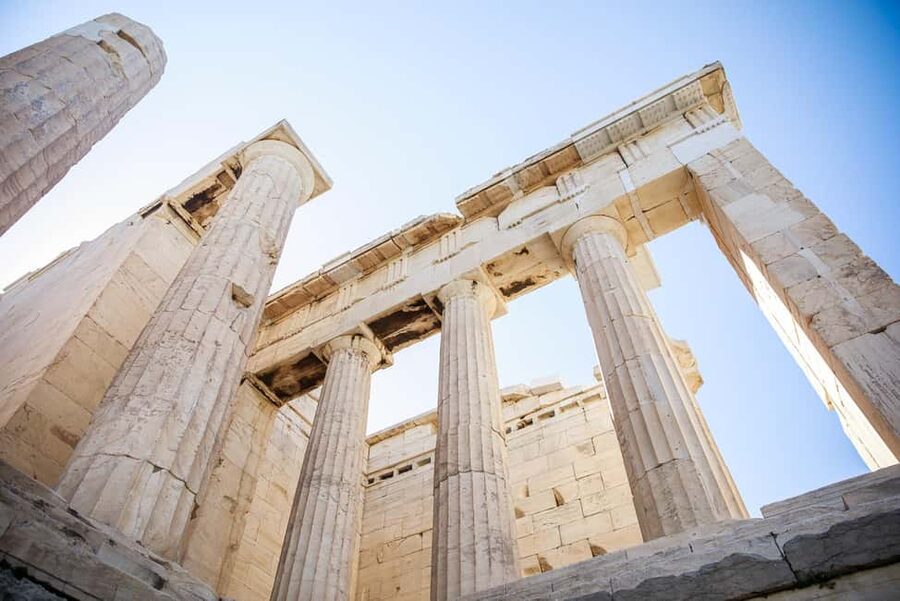
- Museum-first context so the Parthenon stops make sense fast
- Skip-the-ticket-line so you spend time on monuments, not queues
- Headsets for clear narration even in noisy areas
- Myth + archaeology tied directly to the places you walk through
- Afternoon timing to reduce both sun and peak crowds
- Short café pause built in so you can reset before the climb
More ways up the sacred rock, set side by side
- Athens: Acropolis & up to 5 Archaeological Sites Combo Pass
★ 4.2 · 13,904 reviews - Athens: Acropolis, Parthenon & Acropolis Museum Guided Tour
★ 4.8 · 9,316 reviews - The Acropolis, Parthenon & Acropolis Museum Guided Tour
★ 4.7 · 8,493 reviews - Acropolis: Premium Acropolis and Parthenon Guided Tour
★ 4.8 · 5,208 reviews
A Late-Afternoon Acropolis Plan That Actually Feels Relaxed
The Acropolis is Athens’ headline act, but it can also feel like a theme park if you get there at the wrong hour. This tour’s big idea is simple: start later, begin at the Acropolis Museum, then move to the hill while the day is cooling down. That ordering does two things for you. First, it helps you understand what you’re about to see, so you’re not just staring at stones. Second, it keeps the climb from being your first hit of sun after a long morning queue.
The tour runs about 4 hours, with the museum portion first and the Acropolis accessed about 90 minutes after the tour starts. That timing is helpful because it turns the day into a two-stage experience: indoor learning and artifact viewing first, then outdoor walking with plenty of guide talk tied to real locations.
If your day in Athens includes other neighborhoods, this afternoon slot also gives you breathing room. After it ends at the Acropolis, you can still decide how long you want to linger around the Parthenon area before you head off for dinner.
Finding the Meeting Point and Getting Started Smoothly
You’ll start at Dionyssiou Areopagitou 3. Look for an orange sign that says Athens Walking Tours near the beginning of the pedestrian walkway that leads toward the Acropolis from Hadrian’s Arch and Hadrian’s Arch area (near Syngrou Avenue). Arriving a few minutes early pays off here, because tour entry times can be strict and Athens security checks can slow everything down.
The tour includes a live English-speaking guide, plus headsets. That headsets detail sounds small until you’re standing among other groups and trying to hear a narration over wind and foot traffic. It makes the tour feel more like a conversation than a scramble.
Also, come ready to walk. The stops are short, but you’re stacking multiple monuments on the hill, and the ground isn’t exactly built for slow strolling.
Entering the Acropolis Museum First: Where the Stones Get Their Names

The Acropolis Museum is modern, airy, and placed to keep the Acropolis site in your field of view. That matters because it stops the usual disconnect between museum objects and the hill outside. Instead of seeing sculpture and fragments as random trophies, you get immediate context. The building itself is part of the story: you’re learning while you can visually line up what you’ll see later.
Inside, you follow the guide through galleries covering multiple eras of ancient Greek life, including Archaic, Classical, Hellenistic, and Roman periods. As you move, the guide ties artifacts to mythology and to the specific monuments you’ll walk past afterward. It’s the kind of explanation that helps you recognize themes rather than just memorize dates.
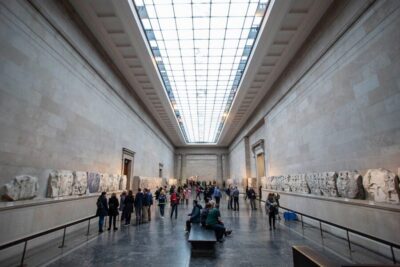
The museum highlights include the Parthenon Marbles, plus architectural remnants, statues, and pottery. Even if you’ve seen photos, the museum view can change your sense of scale and design details. You’ll likely notice how much of what survives is made of segments, repairs, and fragments—and how that affects what the monuments originally communicated.
Cool marble halls, out of the Athens sun


Museum viewing time and what it feels like
You’ll spend about 75 minutes in the museum area with the guide, then have a short 10-minute café break after. For many people, that’s the sweet spot: enough time to get the story, not so much time that you’re exhausted before the walk up.
What You’ll Learn in the Galleries (and Why It Matters on the Hill)
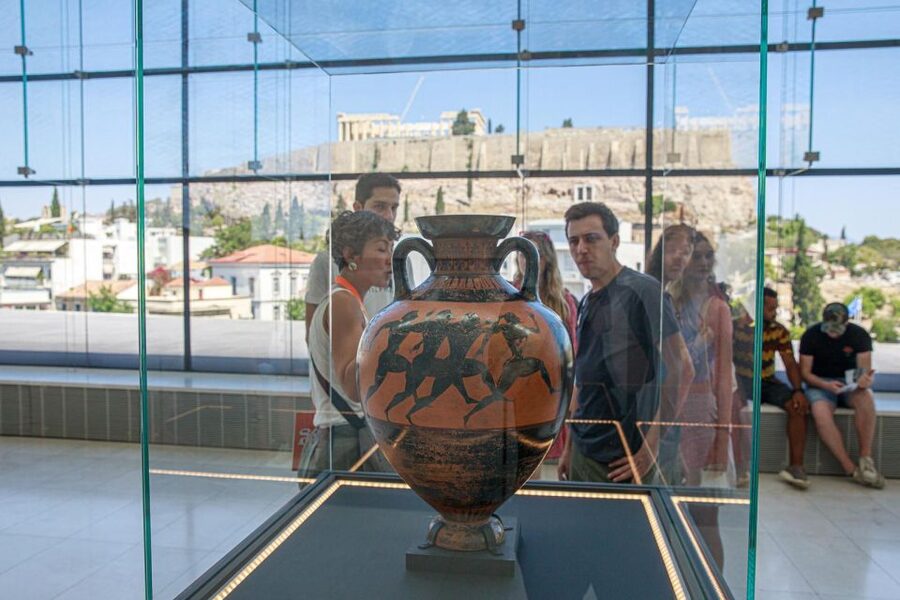
The museum doesn’t just show objects. It helps you read them. When the Parthenon Marbles are explained in context, you start noticing the design logic: why certain pieces matter, how the artwork relates to buildings, and what survives versus what’s lost.
The guide’s story style is often what people remember most on this tour. In real bookings, guides such as Vassilika, Apollo, Ellenica, Yiannis (John), Jordan, and Margarita have been praised for linking mythology to the places you stand. That approach turns the Acropolis from a checklist into a route with meaning.
You’ll also hear about myths that connect to Athens itself—plus smaller but fun threads, like the origins of theatre and why certain gods mattered to the city’s protection. Even if you’ve heard bits of Greek myth before, this format helps because you’re pairing the story with the actual location where it would have been staged, celebrated, or imagined.
One practical upside: you’ll be better prepared for what to look for when you finally step outside. You won’t feel like you’re hunting for clues on your own in harsh midday light.
From Museum to Acropolis: The Walk Up and South Slope Entry
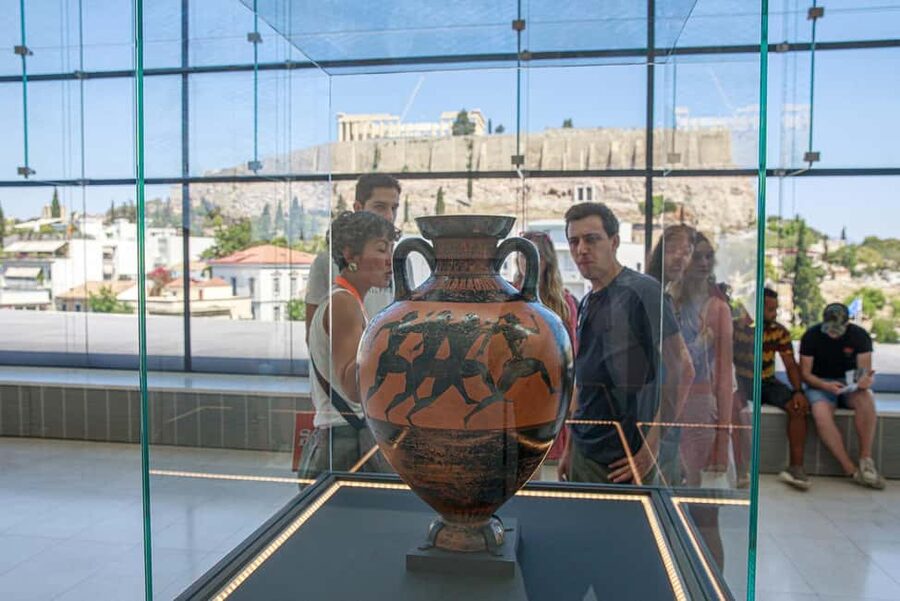
Once the museum portion ends, you reset with the short café stop. Then you head to the Acropolis for the outdoor portion. The tour enters through the south slope, which is a smart way to start moving around the hill with the guide pointing out key features as you go.
Expect airport-style security checks when you’re getting into the Acropolis. The data says you might see waits of 30+ minutes during peak season, so arriving with a plan is important. If you hate surprises, you’ll want to treat the security area like a checkpoint, not an obstacle. The tour’s skip-the-line service helps with major queue time, but security still exists.
Outside, the sun can hit fast. The guide typically paces the walk with short stretches between stops, and afternoon timing can make a difference. Still, don’t rely on shade. Bring what you need and keep moving at a comfortable pace.
Theatre of Dionysus: Why Athens Put on Shows in Stone
One of the first major stops on the hill is the Theatre of Dionysus. You’ll get guided time here plus a short walk segment. What makes this stop good is the way the guide connects the theatre to real cultural power in Athens—especially the idea that theatre wasn’t just entertainment. It was part of civic life.
This is also where the tour’s story threads show up clearly. You might hear about the origins of theatre and the broader myth connections around the gods tied to the city. Standing near a structure built for performances makes those explanations click.
If you’re the kind of person who likes to understand why something mattered, this is one of those stops that rewards attention.
Odeon of Herodes Atticus: A Short Stop With Big Visual Impact
Next you’ll pass the Odeon of Herodes Atticus. This stop is brief, with a guided walk and short time on-site, but it’s worth it because the architecture helps you imagine how sound, crowds, and spectacle worked together. Even if you don’t know the details of the structure, the shape of the place tells you a lot.
The guide helps you interpret what you’re seeing instead of leaving you to guess. That’s especially useful here because the space can be crowded and the views may shift quickly depending on where groups gather.
Propylaea and the Ascent Feeling: Doors, Gateways, and Control
You’ll also see Propylaea, Athens’ gateway area. A gate on a historic site sounds like a minor stop, but it’s a key “threshold” moment. The Acropolis wasn’t just a collection of buildings—it was a managed space with ceremonial entrances and planned movement.
This is where the tour’s pacing becomes your friend. Quick stops here keep you from getting stuck in one spot while others move. You’ll move onward with the guide’s context fresh in your mind, so each next monument feels connected rather than random.
Erechtheion: Where Myths and Worship Overlap

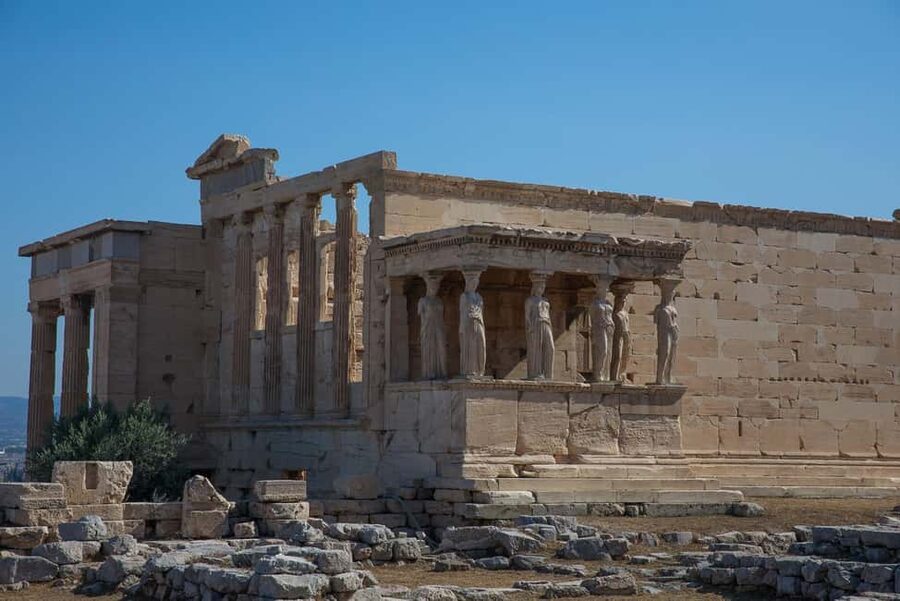
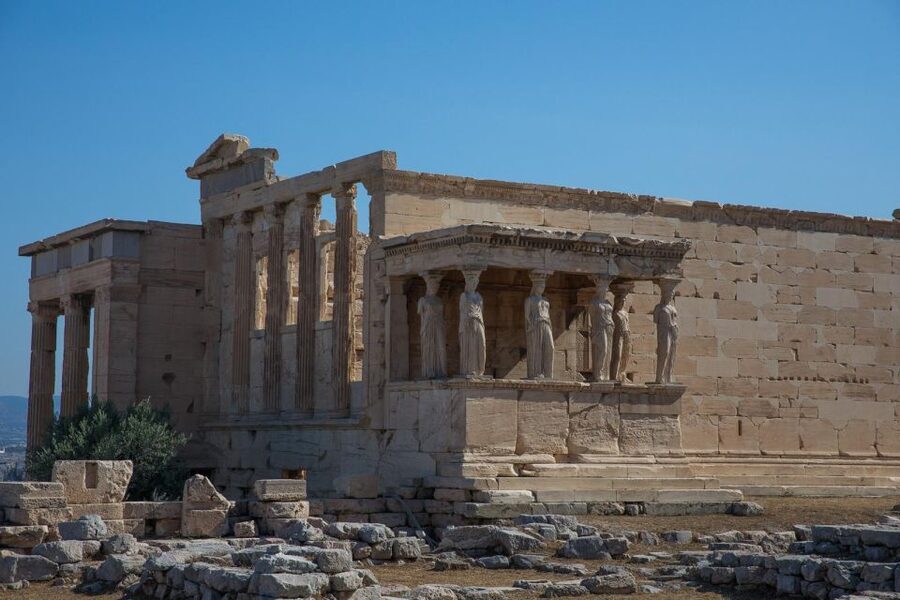
The Erechtheion is one of the Acropolis structures that makes you slow down, even if you’re trying not to. You’ll get guided time here and a short walk segment.
The best reason to include Erechtheion on a tour like this is that it’s a symbol of how layered ancient Athens was. The guide’s mythology connections help you understand why different stories and beliefs could coexist in the same sacred area. Instead of feeling like you’re touring a single temple, you’re seeing a religious landscape built from many needs and legends.
If you’re taking photos, this is a good place to aim for steady shots rather than rushing. Crowds can move, and your framing can get better if you wait for a clear moment.
The Parthenon Moment: Gaze, Breathe, Then Look Again
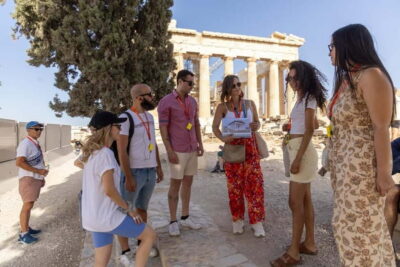
The tour’s emotional payoff is the Parthenon. You’ll have time here with the guide, plus a guided walk through the surrounding area. This is where afternoon timing helps, because you often get better light on details than you would at peak morning glare.
The tour approach matters: you’re not arriving cold. Before you reach the Parthenon, you’ve seen the museum’s Parthenon context and heard the mythology and civic references that tie into what the Parthenon meant. So your attention goes to the right things. You start noticing structure, not just size.
And yes, it’s breathtaking. But what’s more useful is that the guide helps you read it: what you’re likely looking at, why the design matters, and what role it played in Athens’ self-image.
You’ll also stop near the Temple of Athena Nike, giving you another “why this location” moment and a chance to refocus on different details across the hill.
Pacing, Heat, and What to Bring (So You Don’t Spend the Tour Miserable)
This tour is built for walking, outdoors, in changing temperatures. Even with afternoon timing, Greek sun can still bite. Here’s what I’d follow from the tour’s essentials:
- Comfortable shoes you can trust for uneven stone
- Hat, sunscreen, and water
- A camera if you want documentation, because you’ll have several photo moments
- Weather-appropriate clothing
A couple rules are worth planning around. Backpacks aren’t allowed, and baby strollers also aren’t allowed. You’ll likely want to travel light with a small day bag or crossbody you can manage easily during security and tight crowd areas.
The group pace can feel fast in peak crowd conditions. One practical trick: keep an eye on the guide, and don’t get pulled into side conversations far from the group. At least one experienced solo visitor found it challenging to keep up in crowded areas, so treat this as a guided walk first, wander-second.
Value Check: Is $55 Worth It for an Acropolis Museum + Parthenon Day?
At $55 per person for about 4 hours, the value comes from what’s included, not just the price sticker. You’re getting:
- A live English guide
- Headsets (huge practical value)
- Skip-the-ticket-line service
- A map and guidebook with recommendations
- Pre-booked entry tickets only if you select the ticket option
This is worth it if you want context. Without a guide, you can still tour the museum and monuments, but you’ll spend more time trying to figure out what matters. With a guide and headsets, you get a route that helps you understand why each stop matters and what to notice.
One trade-off: if you don’t choose the option with tickets, you’ll need to purchase admission tickets yourself from official sites with the correct date/time and the correct citizenship category. The tour fee itself is non-refundable if you don’t have a valid ticket, and late entry isn’t an option due to strict Acropolis timing. So if you’re the type who loves planning, do that step carefully before booking or show up prepared.
If you want the easiest, lowest-stress version, the ticket option tends to be the better fit.
Should You Book This Afternoon Acropolis Museum and Parthenon Tour?
I’d book it if you want three things at once: fewer peak crowds, strong context, and a guide who connects mythology to the monuments you’re standing on. The museum-first order is the big win. It makes the Parthenon visit feel like the next chapter, not the start of a guessing game.
I’d skip it—or at least think twice—if you strongly dislike group pacing. Crowds around the Acropolis can tighten movement, and the tour keeps a schedule. You’ll also want to skip this one if mobility is a concern, since it’s not suitable for wheelchair users or people with mobility impairments.
If you’re traveling with limited time and want a smart afternoon plan that gets you from artifacts to the hill without wasting hours, this is a solid value.
FAQ
How long is the Athens Acropolis Museum and Acropolis tour?
The tour lasts 4 hours.
Where do I meet the guide for this tour?
Meet at Dionyssiou Areopagitou 3. Look for the orange sign displaying Athens Walking Tours at the start of the pedestrian walkway that leads toward the Acropolis from Hadrian’s Arch, near Syngrou Avenue.
Does this tour include entry tickets?
It depends on the option you select. If you choose the option with tickets, pre-booked entry tickets are included. If not, you need to purchase tickets yourself from official sites.
Is there skip-the-ticket-line service?
Yes. The experience includes skip-the-ticket-line service.
What’s included with the guide?
You get a live English guide, headsets to hear the guide, plus an Athens guidebook and an Athens map.
Is food and drink included?
No. Food and drink are not included.
What happens if I arrive late?
Acropolis entry times are strict, and you may not be able to wait for latecomers. It’s important to be on time for the scheduled time slots.
Are there security checks at the Acropolis?
Yes. Expect airport-style security checks, with possible waits of 30+ minutes during peak season.
Is the tour offered in English?
Yes. The tour is in English.
Is this tour suitable for wheelchair users or mobility impairments?
No. It is not suitable for people with mobility impairments or wheelchair users.
More Tour Reviews in Athens
- Athens: Acropolis & up to 5 Archaeological Sites Combo Pass★ 4.2 · 13,904 reviews
- Athens: Acropolis, Parthenon & Acropolis Museum Guided Tour★ 4.8 · 9,316 reviews
- The Acropolis, Parthenon & Acropolis Museum Guided Tour★ 4.7 · 8,493 reviews
- Athens: Cape Sounion & Poseidon Temple Sunset Half-Day Trip★ 4.8 · 8,241 reviews
- Acropolis: Premium Acropolis and Parthenon Guided Tour★ 4.8 · 5,208 reviews
- Athens: Mythology of Delphi, Museum and Arachova Guided Tour★ 4.7 · 5,102 reviews
Athens Indoors: More Museums
- Athens: Acropolis, Parthenon & Acropolis Museum Guided Tour★ 4.8 · 9,316 reviews
- The Acropolis, Parthenon & Acropolis Museum Guided Tour★ 4.7 · 8,493 reviews
- Athens: Acropolis, Parthenon & Acropolis Museum Guided Tour★ 4.8 · 3,579 reviews
- Acropolis monuments & Parthenon Walking Tour with Optional Acropolis Museum★ 5.0 · 2,678 reviews
- Athens: Acropolis Museum Ticket with optional Audio Guide★ 4.4 · 2,652 reviews
- Athens: Acropolis, Parthenon and Acropolis Museum Guided Tour★ 5.0 · 1,778 reviews
The Acropolis, a Few More Ways Up
- Athens: Acropolis & up to 5 Archaeological Sites Combo Pass★ 4.2 · 13,904 reviews
- Athens: Acropolis, Parthenon & Acropolis Museum Guided Tour★ 4.8 · 9,316 reviews
- The Acropolis, Parthenon & Acropolis Museum Guided Tour★ 4.7 · 8,493 reviews
- Acropolis: Premium Acropolis and Parthenon Guided Tour★ 4.8 · 5,208 reviews
- Acropolis and Parthenon Guided Walking Tour★ 5.0 · 4,755 reviews
- Athens: Acropolis, Parthenon & Acropolis Museum Guided Tour★ 4.8 · 3,579 reviews
Fresh Off the Boat: New Athens Reviews





Acropolis & Parthenon Tours, compared.
 ★ 4.2Acropolis & up to 5 Archaeological Sites Combo PassFrom $4213,904 reviews
 ★ 4.8Acropolis, Parthenon & Acropolis Museum Guided TourFrom $409,316 reviews
 ★ 4.7The Acropolis, Parthenon & Acropolis Museum Guided TourFrom $408,493 reviews
 ★ 4.8Acropolis: Premium Acropolis and Parthenon Guided TourFrom $405,208 reviews
 ★ 5.0Acropolis and Parthenon Guided Walking TourFrom $414,755 reviews
★ 4.8Acropolis, Parthenon & Acropolis Museum Guided TourFrom $413,579 reviews
★ 5.0Acropolis and Parthenon Guided Walking TourFrom $414,755 reviews
★ 4.8Acropolis, Parthenon & Acropolis Museum Guided TourFrom $413,579 reviews
 ★ 4.0Acropolis Ticket with Audio GuideFrom $473,575 reviews
 ★ 5.0Athens Scenic Electric Bike Tour with optional Acropolis visitFrom $353,350 reviews
Browse the lists this tour appears in