
Reviewed · SCUBA DIVING
Athens: Discover Scuba Diving Experience for Beginners
First breaths underwater in Athens feel unreal. This beginner-friendly PADI experience walks you from simple skills to your first underwater breathing moment, with an eLearning medical statement step before you show up. I especially like how they keep things controlled: you practice the key basics in shallow water before you go to open water with a guide watching your every move. The result is thrilling, but not chaotic.
One thing to plan for: the medical eLearning step needs your attention beforehand, and if the emails don’t land on time, the start can feel stressful. I’d make sure you complete that medical form link early so you’re not scrambling when you arrive at the dive center.
In This Review
- Key things to know before you go
- Athens beginner scuba, without the pressure
- Your pre-trip setup: medical eLearning and basic theory
- The dive center briefing: equipment, safety, and real confidence
- Shallow-water practice: learning to breathe and move calmly
- The one-tank open-water session: seeing Athens under the surface
- Who this is really for (and who should skip it)
- Price and value: what $123 buys you
- What to pack for a comfortable 4 hours
- Language and communication: your comfort matters
- Should you book this beginner scuba session in Athens?
- FAQ
- How long is the experience?
- What does the experience include?
- Do I need a doctor’s approval?
- What age is the minimum?
- Is this suitable for non-swimmers?
- Where do I meet the instructor?
- What should I bring?
- What are the rules about cancellation and payment?
Key things to know before you go
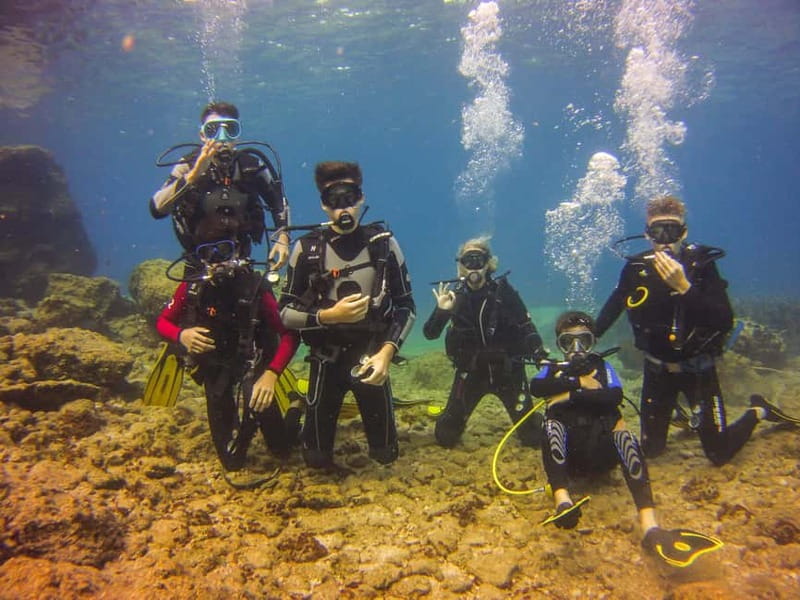
- PADI-led structure: theory at your pace, then instructor-led equipment and safety basics.
- eLearning medical statement: you use an online link before the day, so you’re not waiting on a doctor.
- Shallow-water practice first: essential skills come before the open-water underwater moment.
- One-tank experience: a single tank session focused on learning, not “surviving” time underwater.
- English or Greek guidance: instruction is planned for these languages.
- DAN insurance included: included insurance support adds peace of mind.
Worth comparing before you book this Athens tour:
- Athens East Coast: Discover Scuba Diving in Nea Makri
★ 4.9 · 124 reviews - Discover Small Group Scuba Diving Experience in Nea Makri, Athens
★ 5.0 · 81 reviews - Anavyssos Athens Riviera: Beginners’ Guided Try Scuba Diving
★ 5.0 · 72 reviews - Athens Scuba Diving Experience for Certified Divers with Pickup
★ 5.0 · 35 reviews
Athens beginner scuba, without the pressure
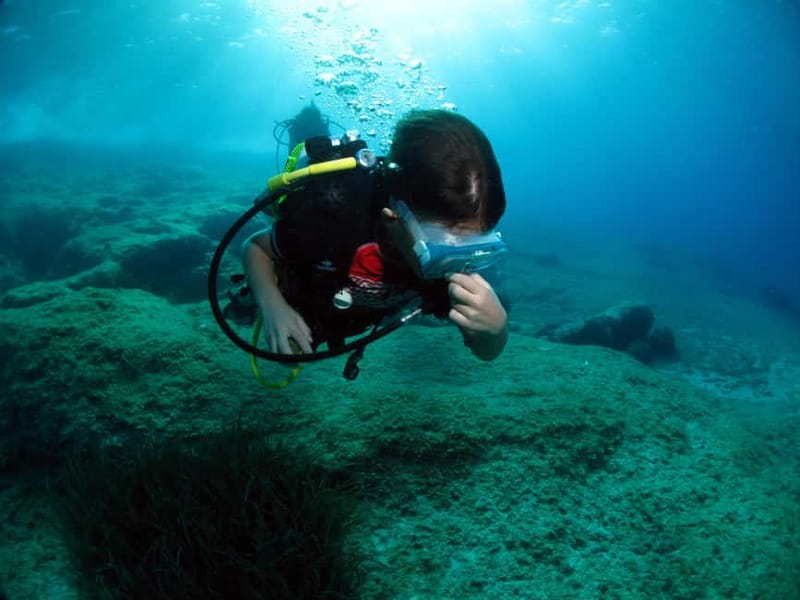
If you’re in Athens and want something that feels genuinely different from temples and rooftops, this is a strong choice. The appeal is simple: you get to breathe underwater with proper instruction, in a setting built for first-timers. You’re not expected to be an athlete. You’re expected to learn the basics and follow the safety plan.
What makes it work for beginners is the sequencing. You don’t jump straight into the deep end. Instead, you do a briefing, get comfortable with the gear, practice essential skills in shallow water, and only then move into the guided open-water underwater session. That pacing matters because your body needs time to adjust to breathing differently, floating differently, and moving more slowly.
From the names and experiences people shared, the human side is a big part of the value too. One participant praised George for being gentle and very good with kids. Others highlighted Petros and Christos, and the Seahorse team’s clear teaching style and constant check-ins in the water. If you tend to get nervous, that kind of steady attention is not a small detail.
Your pre-trip setup: medical eLearning and basic theory
Before your day starts, you get an eLearning link to complete a short medical statement. The big practical benefit here is that it’s designed to avoid needing a doctor’s approval for every participant. You handle the medical step online, then you’re cleared to focus on learning instead of paperwork delays.
You’ll also have training materials through that eLearning path, which means basic scuba theory can be reviewed at your pace before meeting the instructor. This is useful even if you’ve never touched scuba gear. It gives you a mental map before you’re wearing the kit, standing in water, and trying to understand the breathing and safety signals all at once.
A note from real-world experience: one person mentioned they didn’t receive the medical emails in time, and it created friction at the start. Even though the team apparently reset quickly and became supportive, you’ll save yourself stress by completing the medical statement early. Treat it like the first appointment of your day.
The dive center briefing: equipment, safety, and real confidence
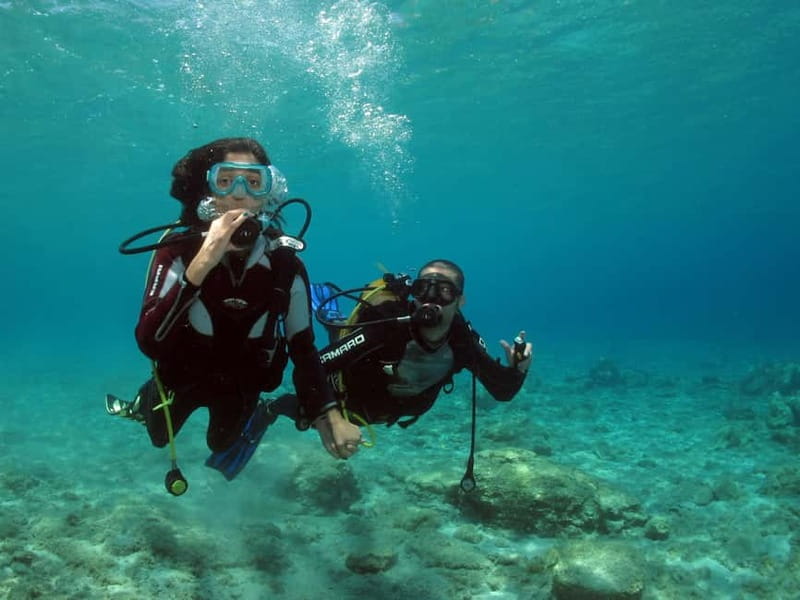
On the day, you meet at the dive center. From there, expect a briefing session where your instructor explains the scuba equipment, safety guidelines, and key skills you’ll practice. This part is where your confidence is built—or lost—depending on whether you understand what you’re holding and why.
They provide full scuba equipment rental, so you’re not spending time shopping for gear you’ll use once. But rented gear only feels easy when the instructor takes time to explain it. The best part of this format is that you’re not guessing. You get shown what to do, you learn what “good” looks like, and you can ask questions before you go deeper.
The language setup is also worth noting. The instructor is available in English and Greek, so if you’re relying on English only, keep it simple. One French speaker noted that some English knowledge is required for francophone guests. If you don’t feel confident with English instructions, plan to use gestures, point to questions, and ask for repetition early.
Included DAN insurance is another practical touch. It doesn’t turn risk into zero, but it signals the operation takes safety seriously and has a structured coverage approach.

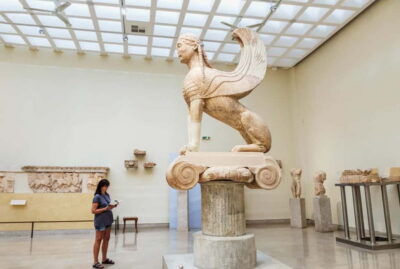


Shallow-water practice: learning to breathe and move calmly
After the briefing, you head to shallow water. This is the training zone where you practice essential techniques—exactly the right place to learn the rhythm of breathing underwater without fighting depth, currents, or more advanced conditions.
For your first underwater breathing experience, the tricky part isn’t just air. It’s coordination: breathing steadily, staying relaxed, and remembering your body position. Shallow water lets you focus on the “how” while still being close enough to feel grounded.
I also like that the experience is framed as safe and controlled. Even if you’re excited, you’re likely to be a little startled the first time you remove your comfort layer and breathe underwater. Controlled practice is how you reduce the startle factor and turn it into skill.
And yes, instructors are still watching. Multiple people described the Seahorse team as clear in the water and continuously checking whether everything was okay. That matters more than people think, because your brain can be busy figuring things out—and a guide who keeps confirming your safety steps prevents small mistakes from snowballing.
The one-tank open-water session: seeing Athens under the surface
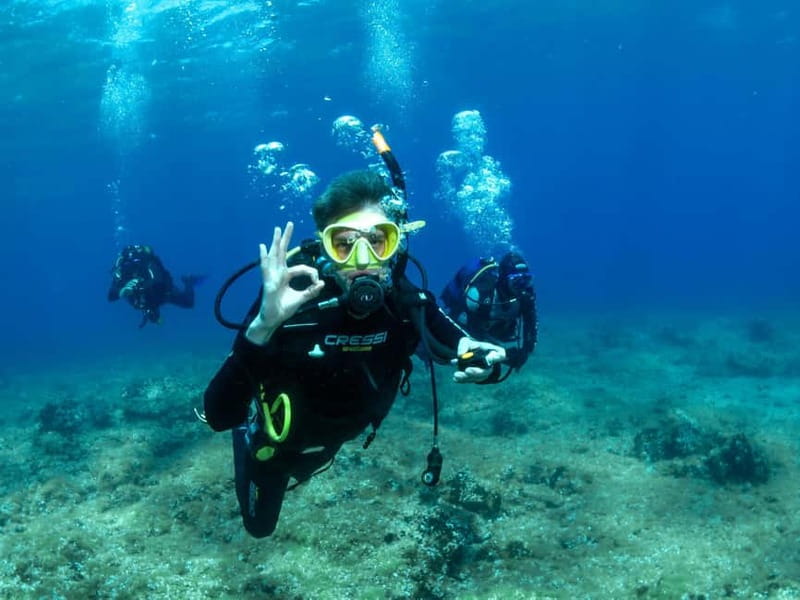
Once you’ve practiced the basics, you move into the guided open-water underwater session. You’ll explore the underwater world of Athens with your instructor there to guide you, keep you oriented, and help you enjoy the experience instead of just completing it.
The highlight here is the combination of achievement and wonder. You did the theory. You did the shallow practice. Now you get to use it while looking around at marine life. One participant even mentioned a memorable moment with an octopus that released ink—an example of the kind of wildlife encounter that makes a beginner course feel like more than a lesson.
If you’re expecting a dramatic “movie scene” every minute, you might be disappointed. Underwater life is calmer and slower than on land. But that’s often why people love it. You move at a different pace, and your attention gets pulled toward small details: how your breathing sounds, how your body floats, and how the water frames the world around you.
Also, be ready for the day to be adjusted to how you feel. One review described a situation where someone had an ear issue and still managed surface swimming with snorkel. I can’t promise that kind of adaptation for every medical situation, but it shows the team stays practical when reality hits.
Who this is really for (and who should skip it)
This experience is designed for beginners, but it’s not for everyone. The clearest suitability points are:
You should consider it if you:
- Are a non-pregnant participant and don’t have the listed medical concerns
- Can swim (non-swimmers aren’t suitable)
- Are at least 8 years old
You should not book it if you:
- Are pregnant
- Have back problems
- Have heart problems
- Are a non-swimmer
One more practical consideration: there is a minimum preflight surface interval of at least 12 hours for 1 tank. Translation: if you’ve recently done underwater activity, your timing matters. If you’re stacking activities in your trip, plan your schedule so you respect that interval.
The experience also specifies no smoking and no alcohol/drugs. That’s not just “rules for fun.” It’s part of keeping your body steady before and after breathing compressed air.
Price and value: what $123 buys you
At $123 per person for a 4-hour experience, you’re paying for more than “access to water.” You’re buying instruction, gear, insurance support, and a structured learning progression.
Here’s what’s included:
- Scuba equipment rental (full set)
- 1 tank session
- Professional PADI instructor
- Training materials (eLearning)
- DAN insurance
For beginners, that bundle is the real value. Equipment rental alone can be a cost headache if you’re trying to do this independently. Instruction is the bigger deal: without it, you don’t just risk a poor experience—you risk turning a simple skill into panic. And for first-timers, that can change the entire story of the day.
So yes, $123 is not a bargain-bin price. But when you add up gear + professional instruction + safety coverage + a focused learning structure, it’s a fair cost for an experience you can’t easily replicate on your own.
What to pack for a comfortable 4 hours
This is a short outing, but you still want to be comfortable before, during, and after the water time.
Bring:
- Hat
- Swimwear
- Towel
- Sunscreen
- Water
I’d also suggest (based on common sense, not from extra promises): keep your valuables secure at the dive center and plan on getting damp. Your towel will be your best friend after gear comes off.
Language and communication: your comfort matters
The instructor is listed for English and Greek. That’s good news if you speak one of those languages or you’re comfortable asking for repetition.
One review flagged that for francophone guests, having some English helps. That doesn’t mean the experience is impossible without English—but your learning will go faster if you can understand basic safety directions. If you’re not confident, it’s smart to tell the team early that you might need slower instructions or simpler wording.
And if you worry you’ll blank under pressure, remember this: you’re practicing in shallow water first. You’ll have multiple chances to get your bearings before the open-water session starts.
Should you book this beginner scuba session in Athens?
Book it if:
- You want a first underwater breathing experience with PADI structure
- You like the idea of shallow-water practice before the open-water part
- You want a guided course focused on learning, with DAN insurance included
- You’re traveling with kids (one review specifically praised how children enjoyed it)
Consider skipping or choosing another option if:
- You’re a non-swimmer
- You have the listed medical restrictions (pregnancy, back or heart problems)
- You’re not able to complete the medical statement eLearning step ahead of time
- You’re worried about understanding safety instructions in English/Greek
My bottom line: this is a practical, beginner-first way to get real underwater experience in Athens. The combination of controlled training, a professional instructor, and the way the team described staying calm and attentive makes it a good value bet for first-timers—especially if you plan your medical eLearning step early and show up ready to learn.
FAQ
How long is the experience?
The duration is 4 hours.
What does the experience include?
It includes scuba equipment rental (full set), 1 tank session, a professional PADI instructor, training materials (eLearning), and DAN insurance.
Do I need a doctor’s approval?
You receive an eLearning link to complete a short medical statement before the experience, and it’s described as a way to avoid needing a doctor’s approval.
What age is the minimum?
The minimum age is 8 years old.
Is this suitable for non-swimmers?
No. It is not suitable for non-swimmers.
Where do I meet the instructor?
The meeting point is at the dive center.
What should I bring?
Bring a hat, swimwear, towel, sunscreen, and water.
What are the rules about cancellation and payment?
You can cancel up to 24 hours in advance for a full refund, and there is a reserve now & pay later option (book your spot without paying today).
More Scuba Diving in Athens
- Athens East Coast: Discover Scuba Diving in Nea Makri★ 4.9 · 124 reviews
- Discover Small Group Scuba Diving Experience in Nea Makri, Athens★ 5.0 · 81 reviews
- Anavyssos Athens Riviera: Beginners’ Guided Try Scuba Diving★ 5.0 · 72 reviews
- Athens Scuba Diving Experience for Certified Divers with Pickup★ 5.0 · 35 reviews
- Private Discover Scuba Diving for Beginners in Athens with Pickup★ 5.0 · 35 reviews
- Athens: Private Discover Scuba Diving for Beginners★ 4.9 · 25 reviews
More Tour Reviews in Athens
- Athens: Acropolis & up to 5 Archaeological Sites Combo Pass★ 4.2 · 13,904 reviews
- Athens: Acropolis, Parthenon & Acropolis Museum Guided Tour★ 4.8 · 9,316 reviews
- The Acropolis, Parthenon & Acropolis Museum Guided Tour★ 4.7 · 8,493 reviews
- Athens: Cape Sounion & Poseidon Temple Sunset Half-Day Trip★ 4.8 · 8,241 reviews
- Acropolis: Premium Acropolis and Parthenon Guided Tour★ 4.8 · 5,208 reviews
- Athens: Mythology of Delphi, Museum and Arachova Guided Tour★ 4.7 · 5,102 reviews
Fresh Off the Boat: New Athens Reviews





Scuba Diving, compared.
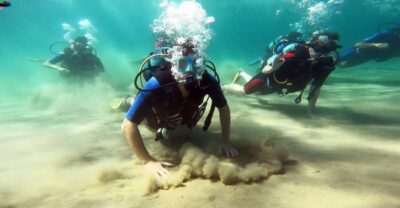 ★ 4.9Athens East Coast: Discover Scuba Diving in Nea MakriFrom $106124 reviews
 ★ 5.0Discover Small Group Scuba Diving Experience in Nea Makri, AthensFrom $10881 reviews
 ★ 5.0Anavyssos Athens Riviera: Beginners’ Guided Try Scuba DivingFrom $9072 reviews
 ★ 5.0Private Discover Scuba Diving for Beginners in Athens with PickupFrom $20335 reviews
 ★ 5.0Athens Scuba Diving Experience for Certified Divers with PickupFrom $21935 reviews
 ★ 4.9Private Discover Scuba Diving for BeginnersFrom $20025 reviews
 ★ 5.0Try Scuba Diving in AthensFrom $10820 reviews
 ★ 5.0Discover Scuba Diving Private Fun Activity in AthensFrom $22212 reviews
Browse the lists this tour appears in