
Reviewed · TOURS
Athens Ghost Tour
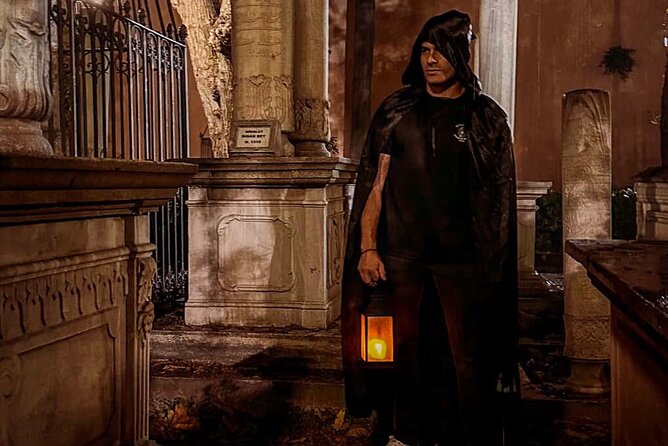
Ghost stories in Athens come with serious locations. This 2-hour night walk mixes big ancient sites with darker layers from Roman, Ottoman, and modern Greek history, all told in English. I like the way the guide keeps moving from legend to real place, and I especially like the Q&A energy—the pacing feels like you’re actually talking with someone who cares.
One thing to consider: this is more history-heavy than pure spooky theater, and there are uphill stretches and steep steps that can feel tough if mobility is limited. Also, the ghost-detection gear (like a Gauss meter/camera) may not work for everyone, so the fun is mostly in the stories and the sites, not guaranteed “evidence.”
In This Review
- Key highlights worth knowing
- What This Athens Ghost Tour Really Does in Two Hours
- Meeting at Thision Open Air Cinema and Starting the Walk at 8pm
- Stenopos Kollytos: Athensdoros and the Oldest Ghost-Story Claim
- Acropolis Front Gate: Ottoman Graves and a Different Way to See the Rock
- Areopagus Hill: Murder Trials and a Sermon on the Sacred Rock
- Stratonos: Konstantinos, the Greek Flag, and WWII-Era Tragedy
- Prytaneiou: St Nicholas Rangavas and the Cannonball Detail
- Benizelou Mansion: Saint Philothea and the Olive Press Used for Torture
- Roman Agora Area: Ottoman Madrassa, Prison, and the Hangman’s Tree
- Ancient Agora of Athens: Panathenaic Festival Road and the Tyrannicide Thread
- Prison of Socrates: Hemlock, Last Speech Themes, and the Afterlife Angle
- Church of Metamorphosis: A 12th-Century Story With a War of Independence Thread
- How to Make This Night Walk Feel Worth It
- Price and Value: What $43.62 Buys You
- Should You Book the Athens Ghost Tour?
- FAQ
- Where does the tour meet and what time does it start?
- How long is the Athens Ghost Tour, and how many people are in the group?
- Is the tour offered in English, and do I get a mobile ticket?
- Is the tour too hard if I have mobility concerns?
- Are service animals allowed, and is it near public transportation?
- Can I cancel for a full refund?
Key highlights worth knowing
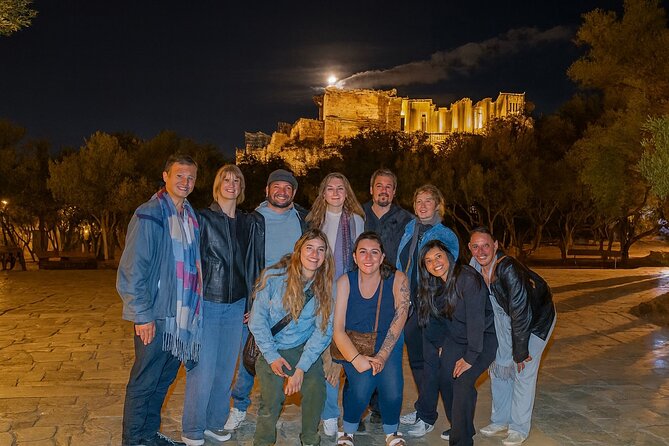
- Acropolis at night with a focus on an Ottoman-era graveyard story at the front gate
- Socrates prison stop tied to hemlock, last words, and the afterlife theme
- A guide who adapts to your questions and slows down when needed
- A mix of eras from ancient Greek trials to Ottoman punishments to WWII-era tragedy
- Equipment is optional fun, but the real payoff is the storytelling
Weighing this one up? Set it beside a few Athens favourites first.
- Athens: Acropolis & up to 5 Archaeological Sites Combo Pass
★ 4.2 · 13,904 reviews - Athens: Acropolis, Parthenon & Acropolis Museum Guided Tour
★ 4.8 · 9,316 reviews - The Acropolis, Parthenon & Acropolis Museum Guided Tour
★ 4.7 · 8,493 reviews - Athens: Cape Sounion & Poseidon Temple Sunset Half-Day Trip
★ 4.8 · 8,241 reviews
What This Athens Ghost Tour Really Does in Two Hours
This tour is a focused 2-hour night walk with a small group size (up to 15). You’ll spend your time on a chain of famous-but-often-missed-in-the-dark spots, with stories that connect ancient Athens to later centuries. It’s not a silent stroll. It’s talk-heavy, place-based storytelling where the guide points out what to look for and then explains the “why” behind each spooky claim.
You also get a chance to play with ghost-detection equipment on the way. One guest brought up a Gauss meter and camera vibe, but the results weren’t consistent—so I’d treat that as a bonus, not the main event. The tour’s core strength is the guide’s storytelling, especially when you ask questions and get extra context back.
Meeting at Thision Open Air Cinema and Starting the Walk at 8pm
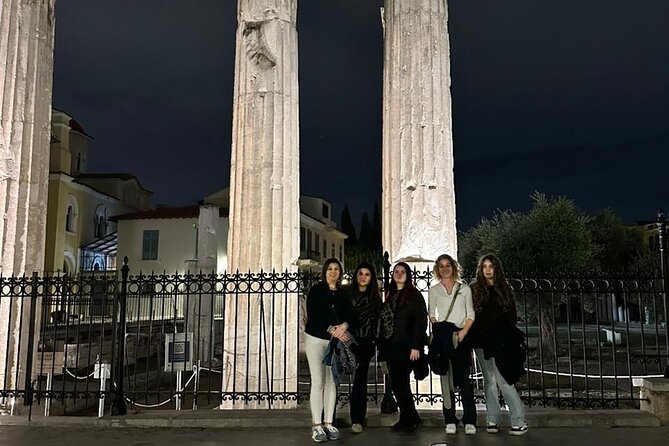
You meet at Thision Open Air Cinema, Apostolou Pavlou 7, Athina 118 51. The start time is 8:00 pm, which matters because the streets feel calmer and the major landmarks are less chaotic than daytime. You’ll end back at the same meeting point, so you’re not stuck figuring out a second logistics puzzle after the tour.
Because you’re walking at night, wear shoes that can handle uneven pavement and stairs. And because the tour is short, you’ll feel every rise and step more than you would on a slow daytime sightseeing day.
Stenopos Kollytos: Athensdoros and the Oldest Ghost-Story Claim
Your first stop is in the area of Stenopos Kollytos, described as the location of the oldest ghost story in the world. The tale centers on Athensdoros, a stoic philosopher who served as the personal tutor to the first Roman emperor, Augustus. The spooky hook here isn’t just “someone might be haunting this spot.” It’s the idea that a particular story about the afterlife could shape belief systems for centuries.
This stop includes an admission ticket, so it’s one of the parts where you should arrive ready to listen and look closely. Even if you don’t buy every supernatural claim, the connection to how stories travel through time is the real point.


Acropolis Front Gate: Ottoman Graves and a Different Way to See the Rock
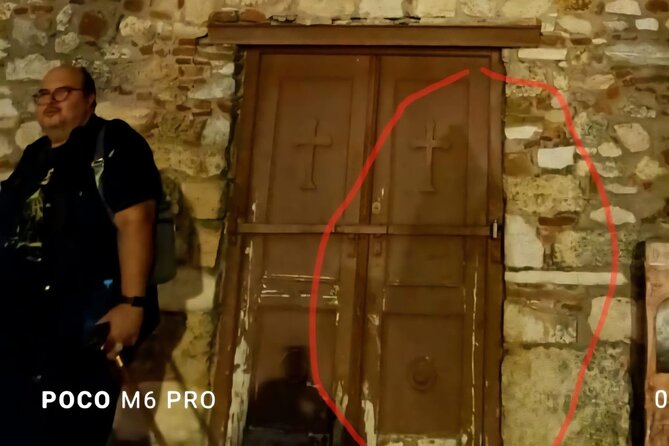
Next you move to the Acropolis, specifically the front gate area. Here the tour frames a haunting theme with a historical twist: the front gate is said to have once been a Turkish graveyard, with burial activity continuing for around four hundred years. The guide has you imagine the site as an overlap—ancient prestige above, Ottoman burial history below.
This stop includes an admission ticket too, so it’s worth treating it as more than a quick photo stop. At night, the Acropolis feels like a giant stage set, and the story makes the stone feel layered rather than untouchable. If you want the classic Acropolis experience, this gives you a darker, more human angle on what was happening here when tourists weren’t around.
Areopagus Hill: Murder Trials and a Sermon on the Sacred Rock
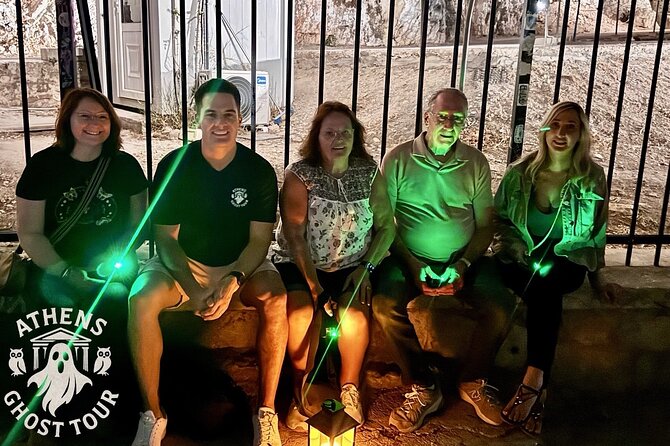
At Areopagus, you’ll hear how this sacred rock became the place associated with ancient Greek murder trials. It’s also tied to a Christian saint’s sermon delivered to the council of the Areopagus. That mix of legal history and religious storytelling is why this stop works: the “haunting” isn’t only about ghosts—it’s about human judgment, punishment, and belief.
Admission here is free, which helps balance out the ticketed sites elsewhere. The terrain can feel steep depending on the route you take, so keep an eye on your footing, especially if you’re stopping for photos.
Stratonos: Konstantinos, the Greek Flag, and WWII-Era Tragedy
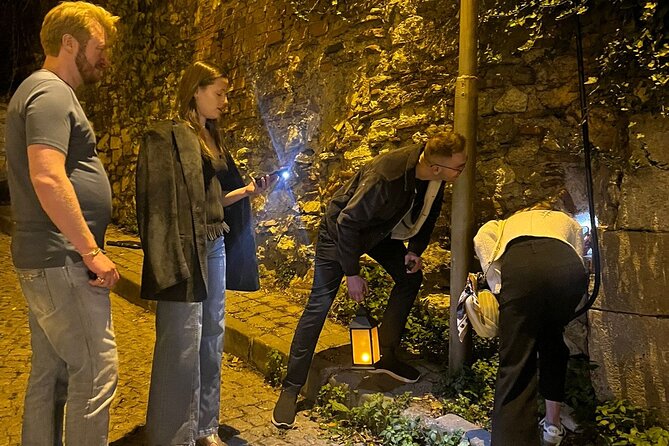
At Stratonos, the tour focuses on a specific tragic moment: where young Konstantinos is said to have fallen while protecting the Greek flag during the Nazi invasion. Then the story turns to trying to communicate with him—very much in the “ghost tour” spirit, but tied to real-world violence rather than generic folklore.
This stop is listed with free admission. It’s also one of the more emotionally serious moments on the walk, so I’d approach it with a bit of respect and quiet attention, even if you came for laughs and chills. If you like your spooky stories grounded in documented history, this one hits hardest.
Prytaneiou: St Nicholas Rangavas and the Cannonball Detail
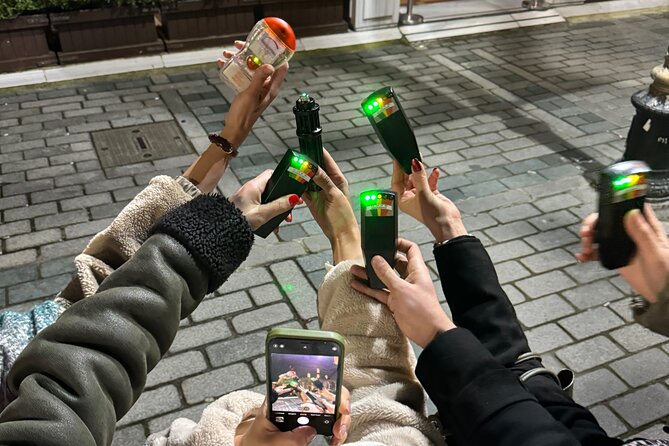
Your next location is Prytaneiou, where you’ll visit the Church of Saint Nicholas Rangavas. The tour describes it as Athens’s oldest church, built by the relative of a Byzantine emperor. It also includes a grim anecdote: the church was destroyed by a cannonball, and the story links that damage to a monk hiding in the courtyard.
Admission is free at this stop. This is one of those moments where the tour is doing double duty: you’re learning religious architecture details while also hearing crime and punishment stories wrapped into the building’s survival. If you like connecting a church’s physical scars to the past, you’ll probably enjoy this stop a lot.
Benizelou Mansion: Saint Philothea and the Olive Press Used for Torture
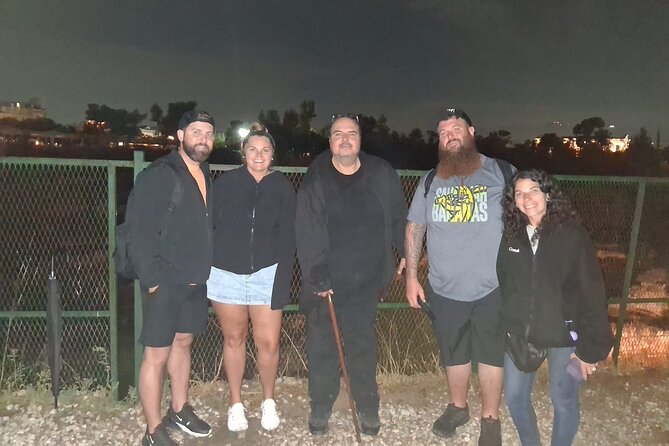
At Mansion Benizelou, you’re brought to what’s described as the back area of the oldest house in Athens, connected to Saint Philothea. But the real spooky pull is outside: a 500-year-old olive press in the backyard, described as being used as a torture device for rebellious slaves owned by the Benizelou family.
Admission is free for this stop. This is also a reminder of what makes Athens ghost stories different from typical Halloween tours: the horror isn’t only supernatural. It’s also historical suffering, built into the physical objects people kept and reused.
Roman Agora Area: Ottoman Madrassa, Prison, and the Hangman’s Tree
Near the Roman Agora, the tour shifts into Ottoman-era framing with the Ottoman madrassa story. The tour describes it first as a religious school for Ottoman citizens. After the Greek War of Independence, the site is described as becoming a prison, and the courtyard gets its own chilling marker: a hangman’s tree said to have killed hundreds of Greeks and Turks.
This stop has free admission, and it’s exactly the kind of place that can look ordinary in daylight. Night changes that. You’ll likely find yourself re-reading the space as the guide connects the same walls to different power systems over time.
Ancient Agora of Athens: Panathenaic Festival Road and the Tyrannicide Thread
At the Ancient Agora of Athens, you get a high-energy shift. This is where city life centered—temples, houses, theaters, learning spaces, and major festivals. The tour highlights the Panathenaic Festival road route, which helps you picture the movement of crowds and celebrations. It also brings in the story of the Tyrannicides, who are linked with trying to end tyrants in Athens.
Admission is included here, so again: plan to focus, not just snap photos. This stop is the one where the ghost-tour format can work even for people who feel uneasy about supernatural talk. The “haunting” is basically about echoes: politics, public life, and what happens when societies punish or idolize.
Prison of Socrates: Hemlock, Last Speech Themes, and the Afterlife Angle
Next comes the Prison of Socrates, where the tour describes Socrates being left to drink hemlock poisoning and where he is said to have died. The guide ties it to his last speech to followers and friends, focusing on his thoughts about the soul and the afterlife.
Admission is included at this stop, and it’s one of the best examples of why this tour works: the story is scary, but it’s also philosophical. Even if you’re not a classics person, the “afterlife” theme connects multiple stops and makes the route feel intentional.
One more practical note: you might hear details that correct or adjust what you’ve seen on generic maps. That kind of correction is usually a good sign—your guide isn’t just reading facts, they’re interpreting place identity.
Church of Metamorphosis: A 12th-Century Story With a War of Independence Thread
The final stop is the Church of Metamorphosis, described as a 12th-century church with stories of crimes built into its stones. The tour also connects it to Greece’s War of Independence: it’s presented as the place where one hero’s burial happened quickly after he was murdered and thrown off the Acropolis.
Admission is included at this stop. This ending works because it ties the supernatural framing to human conflict and consequences. It also gives your brain a full-circle feeling: you started with an afterlife tale, and you end with a story where death and memory are part of how a city preserves itself.
How to Make This Night Walk Feel Worth It
First, go in with the right mindset. This is a history-based ghost tour, so expect more explanation than pure jump-scare entertainment. If you like asking questions and getting thoughtful answers, you’ll get more out of it. Guides here can be especially responsive when you share what you’re curious about.
Second, don’t underestimate the walking. The route includes uphill and steep steps, and it can be harder for disabled or elderly guests. That said, you’re not on your own—one guide was described as patient and able to slow down for a group, so it’s okay to speak up if you need a gentler pace.
Third, bring practical night-sight habits:
- Wear shoes with grip.
- Keep your phone light low if it’s interfering with other people.
- Use your photos, but listen too; the best parts are the connections between locations.
Price and Value: What $43.62 Buys You
At $43.62 per person for about two hours, this sits in the mid-range for city tours, but the value depends on what you want. You do get several admission tickets included on key stops, plus a structured route through major Athens areas after dark. That matters because you’re not just paying for someone to talk—you’re paying for access and for guided interpretation across multiple sites.
Where the price can feel less justified is if you want a heavily theatrical ghost show or guaranteed ghost-detection success. Equipment use is treated like a fun attempt, not a sure result. In other words: you’re paying primarily for the guide’s storytelling and for the chance to see layered Athens without doing the planning yourself.
Should You Book the Athens Ghost Tour?
Book it if you want your ghost stories tied to places you can actually stand in—Acropolis, Agora areas, and the Socrates connection—and you’ll enjoy a guide who answers questions and adds context. It’s a smart choice for couples, small groups, and solo travelers who like guided walking and want a different side of Athens at night.
Skip it if you only want spooky entertainment with minimal history talk. Also think twice if stairs and uneven ground are a major problem for you, because the walk includes uphill and steep steps even though it’s relatively short.
If you’re the kind of traveler who likes darker stories but still wants them explained, this is an easy yes.
FAQ
Where does the tour meet and what time does it start?
You meet at Thision Open Air Cinema, Apostolou Pavlou 7, Athina 118 51, Greece. The start time is 8:00 pm, and the tour ends back at the meeting point.
How long is the Athens Ghost Tour, and how many people are in the group?
The tour lasts about 2 hours. The maximum group size is 15 travelers.
Is the tour offered in English, and do I get a mobile ticket?
Yes, it’s offered in English. You receive a mobile ticket.
Is the tour too hard if I have mobility concerns?
The tour notes a moderate physical fitness level. The walk can include uphill areas and steep steps, so it may be difficult for disabled or elderly visitors.
Are service animals allowed, and is it near public transportation?
Service animals are allowed. The meeting area is also listed as near public transportation.
Can I cancel for a full refund?
Yes. Cancellation is free, and you can cancel up to 24 hours in advance for a full refund.
More Tours in Athens
- Athens: Acropolis, Parthenon & Acropolis Museum Guided Tour★ 4.8 · 9,316 reviews
- The Acropolis, Parthenon & Acropolis Museum Guided Tour★ 4.7 · 8,493 reviews
- Acropolis: Premium Acropolis and Parthenon Guided Tour★ 4.8 · 5,208 reviews
- Athens: Mythology of Delphi, Museum and Arachova Guided Tour★ 4.7 · 5,102 reviews
- Acropolis and Parthenon Guided Walking Tour★ 5.0 · 4,755 reviews
- Greek Food Walking Tour in Athens★ 5.0 · 4,740 reviews
More Tour Reviews in Athens
- Athens: Acropolis & up to 5 Archaeological Sites Combo Pass★ 4.2 · 13,904 reviews
- Athens: Acropolis, Parthenon & Acropolis Museum Guided Tour★ 4.8 · 9,316 reviews
- The Acropolis, Parthenon & Acropolis Museum Guided Tour★ 4.7 · 8,493 reviews
- Athens: Cape Sounion & Poseidon Temple Sunset Half-Day Trip★ 4.8 · 8,241 reviews
- Acropolis: Premium Acropolis and Parthenon Guided Tour★ 4.8 · 5,208 reviews
- Athens: Mythology of Delphi, Museum and Arachova Guided Tour★ 4.7 · 5,102 reviews
Fresh Off the Boat: New Athens Reviews





Tours, compared.
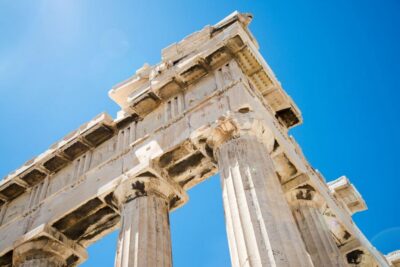 ★ 4.8Acropolis, Parthenon & Acropolis Museum Guided TourFrom $409,316 reviews
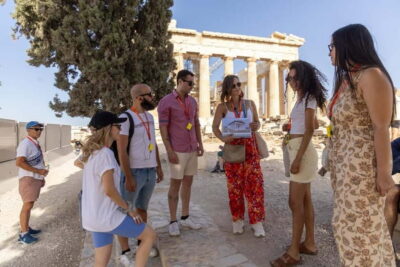 ★ 4.7The Acropolis, Parthenon & Acropolis Museum Guided TourFrom $408,493 reviews
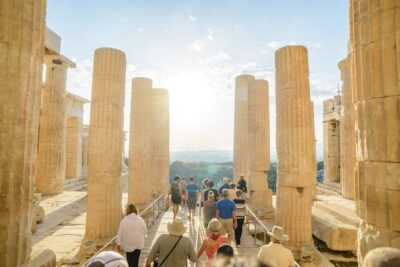 ★ 4.8Acropolis: Premium Acropolis and Parthenon Guided TourFrom $405,208 reviews
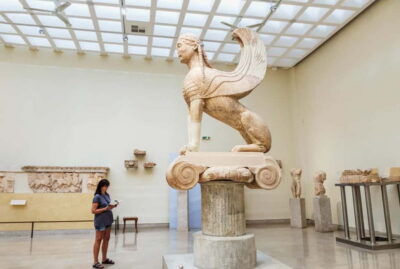 ★ 4.7Mythology of Delphi, Museum and Arachova Guided TourFrom $305,102 reviews
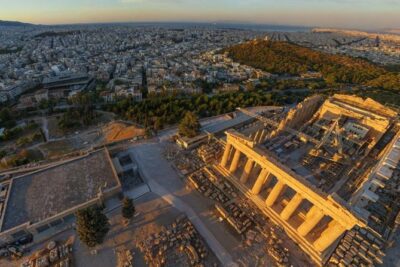 ★ 5.0Acropolis and Parthenon Guided Walking TourFrom $414,755 reviews
 ★ 5.0Greek Food Walking Tour in AthensFrom $874,740 reviews
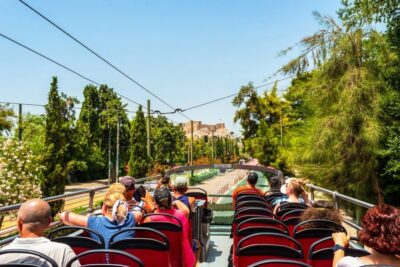 ★ 4.3City Sightseeing Hop-On Hop-Off Bus TourFrom $254,520 reviews
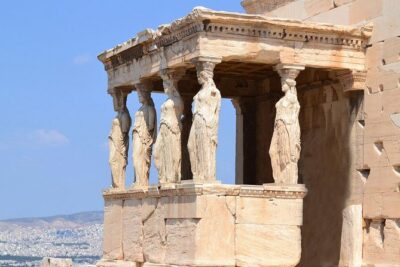 ★ 5.0Best of Athens Half Day Private TourFrom $913,714 reviews