
Reviewed · ATHENS
Athens: Learn the Greek Dances with Sweet Treat
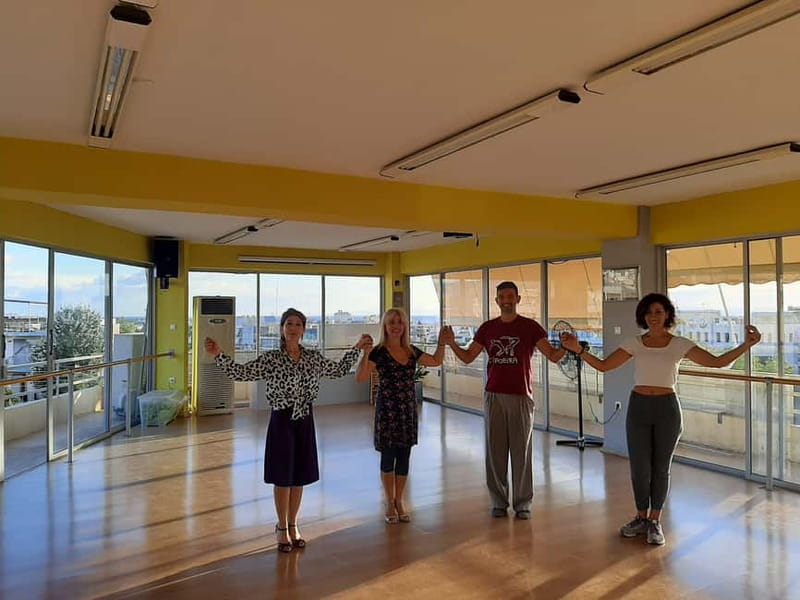
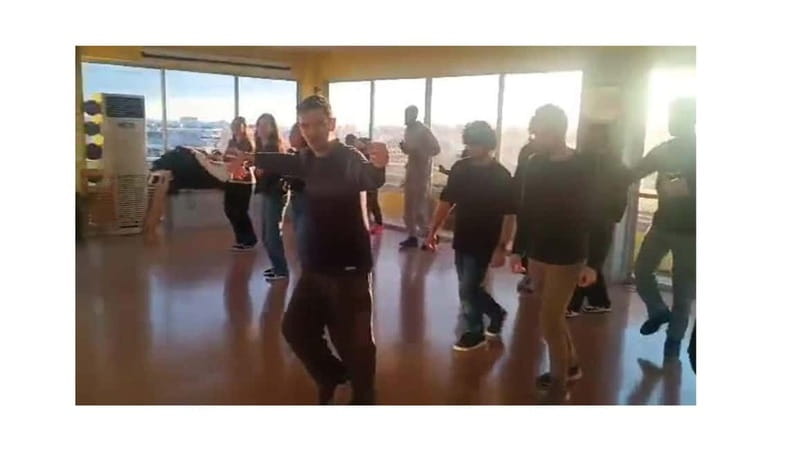
Greek dance feels like a vacation workout. In Athens, this class at La Yumba dance house turns famous moves into something you can do in one session, in a studio with big windows and a view toward the sea.
I especially like the warm, low-pressure vibe—clear instruction, lots of encouragement, and that cozy waiting area where the sweet comes at the end.
I also love that the lesson explains the origins of the dances and the stories behind the music, not just the steps. You learn basics for dances like Syrtaki and Chasaposerviko/Hasaposerviko, then string them together into a fuller routine. One consideration: it is not suitable for children under 7, and it’s not designed for wheelchair users or mobility impairments because you’ll be dancing on a wooden floor.
In This Review
- Key Things to Know Before You Go
- La Yumba Dance House by the Sea: your starting point
- How the lesson begins: origins, attire, and what the music is saying
- Syrtaki, Hasaposerviko/Chasaposerviko, and Karsilamas: learning the basic moves
- From steps to a full dance: putting it together without losing the fun
- The sweet ending: water, dessert, and a taste of tradition
- Price and timing: is $35 good value?
- Who should book this dance class (and who should skip it)?
- Should you book Athens: Learn the Greek Dances with Sweet Treat?
- FAQ
- How long is the Greek dance class?
- Where is the meeting point?
- What languages are the lessons taught in?
- What is included in the price?
- Do I need to bring anything?
- What dances will I learn?
- Is it suitable for beginners and all ages?
- Is it accessible for wheelchair users?
- Can I cancel and get a refund?
- Is transportation included?
Key Things to Know Before You Go
- Small-studio feel in central Athens near Alimos metro (Line 2), with a quick 5-minute walk to La Yumba
- Learn famous dances fast, including Syrtaki and Hasaposerviko/Chasaposerviko, plus Karsilamas when time allows
- You get the story, not just the choreography, with origins, traditional attire, and how the music expresses the dance
- A real sweet ending and water included, served in a cozy waiting space
- Take the vibe home with photos and a Greek music playlist to keep practicing
Weighing this one up? Set it beside a few Athens favourites first.
- Athens: Acropolis & up to 5 Archaeological Sites Combo Pass
★ 4.2 · 13,904 reviews - Athens: Acropolis, Parthenon & Acropolis Museum Guided Tour
★ 4.8 · 9,316 reviews - The Acropolis, Parthenon & Acropolis Museum Guided Tour
★ 4.7 · 8,493 reviews - Athens: Cape Sounion & Poseidon Temple Sunset Half-Day Trip
★ 4.8 · 8,241 reviews
La Yumba Dance House by the Sea: your starting point
This is the kind of activity that works best when the meeting place feels calm and easy to find. Your stop is La Yumba dance house, about a 5-minute walk from the Alimos metro station on Metro Line 2. That location matters: you’re not trekking across town, and you can arrive without stressing about the last-mile scramble.
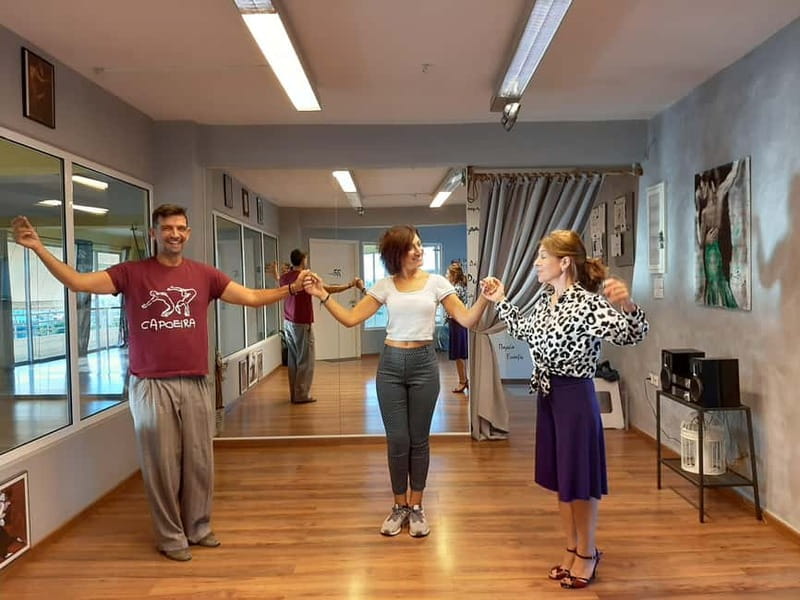
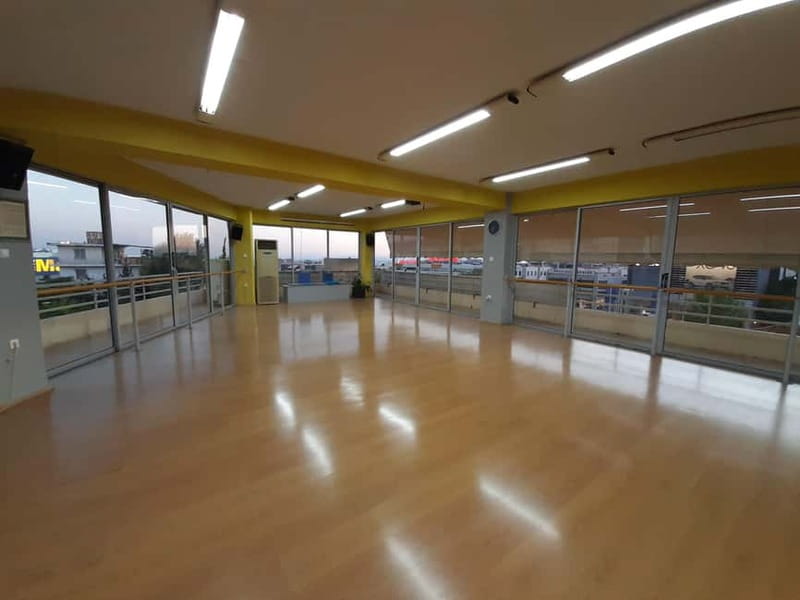
Once you’re inside, the room sets the tone. There’s a wooden floor for moving, and large windows give you daylight and a sea-facing feel. It’s the opposite of a cramped studio with nowhere to stand. You’ll also have a cozy waiting area where the dessert show-up happens after the dancing.
Plan on dressing for movement. Comfortable clothes are all you need, but I’d also suggest thinking like you’re going to do light cardio: wear something you can pivot in and shoes or socks you feel stable in. The class is for people at different dance levels, so you won’t be singled out if you’re brand new—but you do want to feel confident on your feet.
Timing is flexible. The experience runs about 1 to 90 minutes, depending on the session you pick. Shorter slots give you the core moves and one routine; longer options often leave room to cover more than one dance.
Language support is practical too. The instructor can teach in English, Spanish, or Greek, so you’re not stuck decoding dance directions through hand gestures.
How the lesson begins: origins, attire, and what the music is saying
Most dance classes teach steps. This one adds context first, and that changes how you learn.
You start with an introduction to the origins of Greek dances and the stories behind the music. You’ll also talk about traditional attire and what it represents. Even if you’re only there for a fun night out, the background helps you understand why certain dances move the way they do—what the rhythm emphasizes and how the dance communicates emotion without needing a spoken explanation.
Then the instructor moves to the practical part: how to hold your body, where your weight goes, and what the basic pattern feels like. I like this approach because it prevents the usual problem: you memorize shapes without knowing what you’re listening for. Here, you learn the dance and the musical cues that drive it.
A detail that makes this class feel friendly: instructors in this studio are repeatedly praised for being patient and clear, even with beginners. Names that come up include Ms Elena and Costas. If you’re nervous about not being coordinated, that matters. You’re in a setting where it’s okay to learn in public.
You should expect a mix of explanation and repetition. That’s how you go from watching your feet to actually enjoying the dance. And because the class covers recognizable dances, you’re not stuck learning something you’ve never heard of—you’re learning the kind of Greek choreography you’ll recognize later in tavernas, festivals, and videos.
Syrtaki, Hasaposerviko/Chasaposerviko, and Karsilamas: learning the basic moves
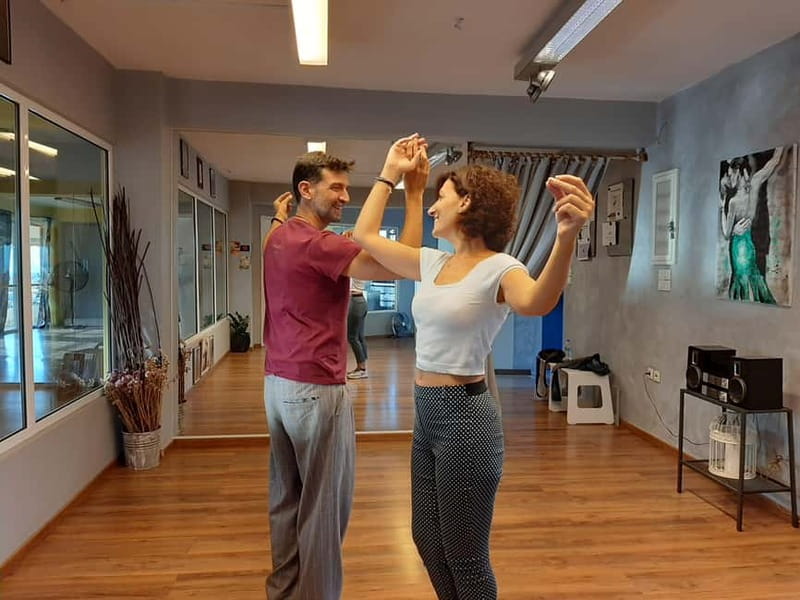
This class is built around famous, crowd-pleasing dances. You’ll work on the basics of dances such as Syrtaki and Chasaposerviko/Hasaposerviko, and if the session time allows, you may also learn Karsilamas.
Here’s what that means in real life: you don’t just get one move and stop. The instructor breaks the dance into manageable pieces—footwork, timing, and the simple partner-or-group rhythm (even if you’re not paired with a partner). That structure is why beginners often pick things up surprisingly quickly.
Syrtaki is usually the one people recognize first, and it’s a great choice for learning because the rhythm is steady enough to follow while still feeling dramatic. The class style helps you get past the intimidation factor: you learn the pattern, then you learn to listen for the beat.
Hasaposerviko/Chasaposerviko tends to feel more grounded and energetic. When you learn basics properly, you can feel the dance shift from step-by-step guessing into something that flows. That’s when it starts looking like a real Greek dance, not just a class exercise.
Karsilamas is often a crowd favorite because it has that classic, lively feel. If your schedule includes it, you’ll likely get a chance to practice the signature rhythm and the body language that goes with it.
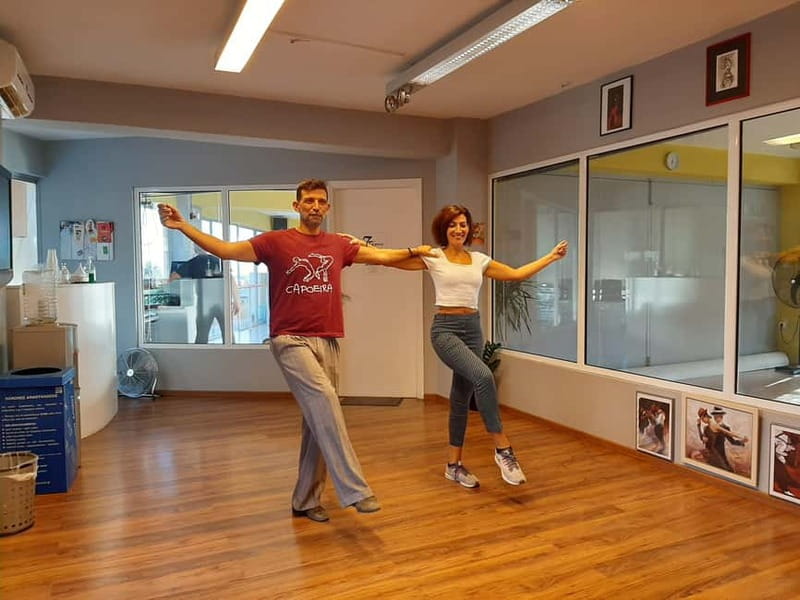
No matter which dances you get, the goal is simple: by the end, you’re able to follow and join in with confidence. If you’re dancing with kids or if you’re a group of adults with mixed levels, this format tends to work because it focuses on achievable steps.


From steps to a full dance: putting it together without losing the fun
The best part of any short dance class is whether you leave feeling like you did something complete. Here, you don’t just repeat drills until time runs out.
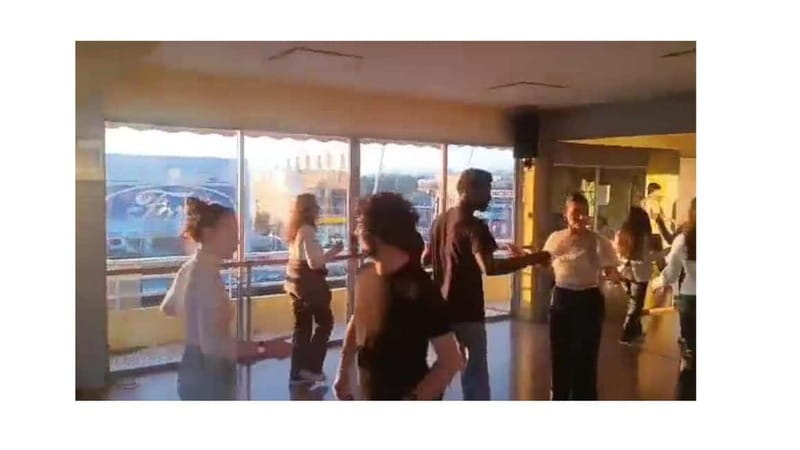
After you learn the basics, you combine them into a fuller dance. You’ll go through the steps in sequence so you can see how the rhythm connects from the start to the end. If time allows, you may combine another dance as well.
This is where the context you learned earlier pays off. Once you understand the music story and why the dance’s feel matters, your body starts responding faster. You’re not just doing counts; you’re moving with the mood of the music.
I also like that the studio format keeps it social without being chaotic. You can take your time to learn, then speed up naturally as you get comfortable. That’s especially helpful if you don’t dance much in your everyday life.
Photos are part of the wrap-up. You’ll have a chance to capture what you just learned—useful if you’re going with friends, traveling as a couple, or bringing kids. Just remember: don’t let the camera break your rhythm while you’re still learning the routine.
The instructor also provides a playlist of Greek music so you can practice at home. That’s a small thing, but it’s huge for value. Most dance classes end, and the steps vanish by day two. With a playlist, you can replay the rhythms and keep improving after you’re back in your hotel.
The sweet ending: water, dessert, and a taste of tradition
After dancing, you get a traditional sweet treat. This is not an afterthought. The class wraps in a simple, satisfying way—water first, then dessert in the cozy waiting area.
From the feedback you can expect a fruity, dessert-style option. In fact, one of the most praised pieces is that the teacher builds in time for the sweet as a fun reward, not just a token bite. If you like ending a cultural activity with something edible, this is a great match.
The sweet is also a nice reset if you’re traveling with kids or you’re with a group that includes non-dancers. You can all cool down together, talk about what you learned, and move the energy from dance mode to snack mode.
If you’re the type who likes a full evening plan, consider pairing this class with a casual dinner afterward. Some instructors may even point you toward a traditional tavern where you can try the steps later—at least one class in this studio is known for giving that kind of practical follow-up. If it happens, take it. If it doesn’t, you’ll still leave with enough rhythm confidence to enjoy Greek music in any restaurant.
Price and timing: is $35 good value?
The price is $35 per person, and the duration runs 1 to 90 minutes depending on what you book.
For value, here’s how I think about it:
- You’re paying for a live teacher, time in a real studio space, and guided practice through multiple recognizable dances.
- You also get included extras: water, a traditional sweet, and a music playlist, plus a chance to take photos.
- The session length affects how much you can cover. Shorter options are focused and fast; longer ones have more room to learn more than one dance.
So yes, it’s fair for what you get—especially if you want an authentic-feeling activity that’s not just watching a show. If your goal is only photos or only sightseeing, it may feel like too much work for the ticket price. But if you’re willing to move, even a little, it’s one of those experiences where the payoff is immediate.
If you’re price-conscious, the key is picking the right session length. A shorter class can still be worth it if you’re trying something new. If you’re traveling with friends and you want to learn more choreography, the longer option is the better bet.
Who should book this dance class (and who should skip it)?
This is a strong fit for:
- Couples who want a shared activity with a clear goal: learn, dance, laugh, and leave with a playlist
- Solo travelers who don’t want a crowd tour, but do want a friendly social setting
- Families with older kids (the activity isn’t for children under 7)
- Groups with mixed abilities, since the class format works at different skill levels
It’s not a great fit if:
- You’re looking for a purely scenic tour where you sit and watch
- You use a wheelchair or have mobility limitations that make dancing on a wooden floor difficult
- You’re traveling with children under 7
A practical tip: if you’re on the fence, remember that Greek dance learning here is step-based and pattern-based. You don’t have to be athletic. You just have to be willing to try.
Should you book Athens: Learn the Greek Dances with Sweet Treat?
I’d book it if you want a fun, cultural activity that’s active but not intimidating. The best reason is that you learn real dances, not just a basic rhythm shuffle. You also get the background story—origins, attire, and how the music expresses the dance—so you’ll remember what you learned, not just the fact that you took a class.
It’s also a smart choice when you’re trying to balance Athens sightseeing days with something human-scale. This is one of those activities where the value comes from participation. You finish with photos, a playlist, and a sweet reward—small touches that make the experience feel complete.
Skip it if you need full accessibility accommodations or you’re traveling with a younger child under 7. And if you’re the type who hates movement-based activities, you may find it more stressful than fun.
If you do book: wear comfortable clothes, arrive relaxed, and treat it like a friendly lesson. You’ll be surprised how quickly the steps start feeling like Greece instead of a workout you didn’t train for.
FAQ
How long is the Greek dance class?
The duration is typically 1 hour to 90 minutes, depending on the session time you choose.
Where is the meeting point?
You meet at La Yumba dance house, about a 5-minute walk from Alimos metro station (Metro Line 2).
What languages are the lessons taught in?
The instructor can teach in English, Spanish, and Greek.
What is included in the price?
The price includes the dance lesson with the instructor, a traditional sweet, and water.
Do I need to bring anything?
Bring comfortable clothes so you can move easily during the lesson.
What dances will I learn?
You’ll learn basic moves from dances such as Syrtaki and Chasaposerviko/Hasaposerviko. If time allows, you may learn more than one dance, including Karsilamas.
Is it suitable for beginners and all ages?
It is suitable for all ages and dance levels, but it is not suitable for children under 7.
Is it accessible for wheelchair users?
No. It is not suitable for wheelchair users or people with mobility impairments.
Can I cancel and get a refund?
Yes. There is free cancellation up to 24 hours in advance for a full refund.
Is transportation included?
No. Transportation to the dance school is not included.
More Tour Reviews in Athens
- Athens: Acropolis & up to 5 Archaeological Sites Combo Pass★ 4.2 · 13,904 reviews
- Athens: Acropolis, Parthenon & Acropolis Museum Guided Tour★ 4.8 · 9,316 reviews
- The Acropolis, Parthenon & Acropolis Museum Guided Tour★ 4.7 · 8,493 reviews
- Athens: Cape Sounion & Poseidon Temple Sunset Half-Day Trip★ 4.8 · 8,241 reviews
- Acropolis: Premium Acropolis and Parthenon Guided Tour★ 4.8 · 5,208 reviews
- Athens: Mythology of Delphi, Museum and Arachova Guided Tour★ 4.7 · 5,102 reviews