
Reviewed · TICKETS
Athens: Museum of Cycladic Art Entry Ticket
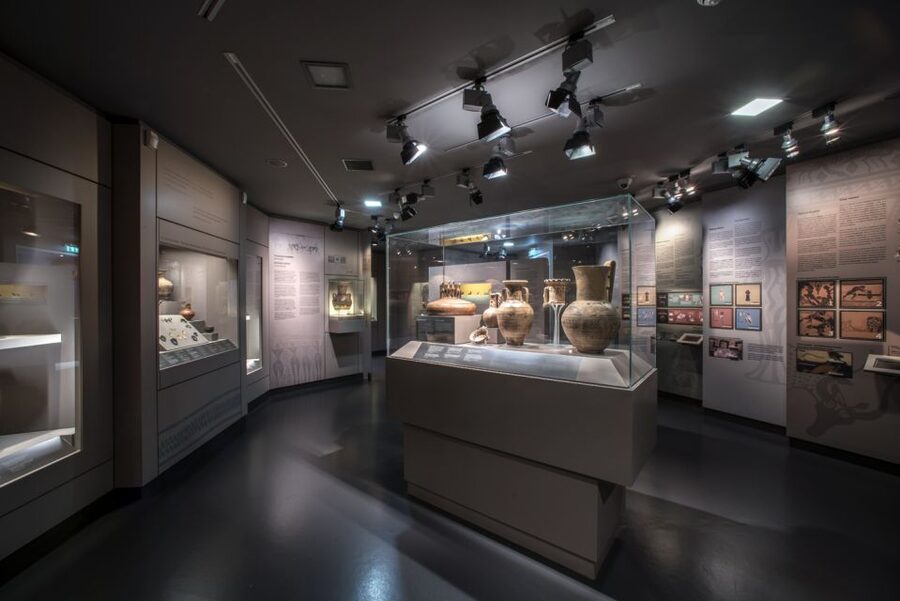
If you love ancient art, this ticket feels like gold. The Museum of Cycladic Art gives you three storylines in one visit: Cycladic marble figurines, Ancient Greek development through time, and Cypriot collections that show how Mediterranean cultures mixed. I especially like how the museum is laid out over multiple floors without turning into chaos, and I enjoy the clear, readable information panels that help even non-experts make sense of what they’re seeing. One thing to plan around: there can be renovation noise at times, so bring earplugs if you’re sensitive to sound.
What you really get here is a ticket-sized shortcut into Aegean prehistory and beyond—without needing a tour guide standing over you. I also like the practical touch of the QR code guide and the fact that you can see the permanent collections at your own pace, often in about 1.5 to 2 hours. The main consideration is that some parts can feel repetitive if you’re expecting lots of giant “wow” masterpieces for kids; it’s more of a focused museum stop than a quick family sprint.
In This Review
- Key things to notice before you go
- Museum of Cycladic Art ticket: what you’re really buying
- Where to find the entrance near Syntagma
- How to plan your time in a 1-day visit
- Floor plan that actually helps: 2nd floor overview and 4th floor Athens
- 2nd floor: big-picture context
- 4th floor: everyday life in Classical Athens
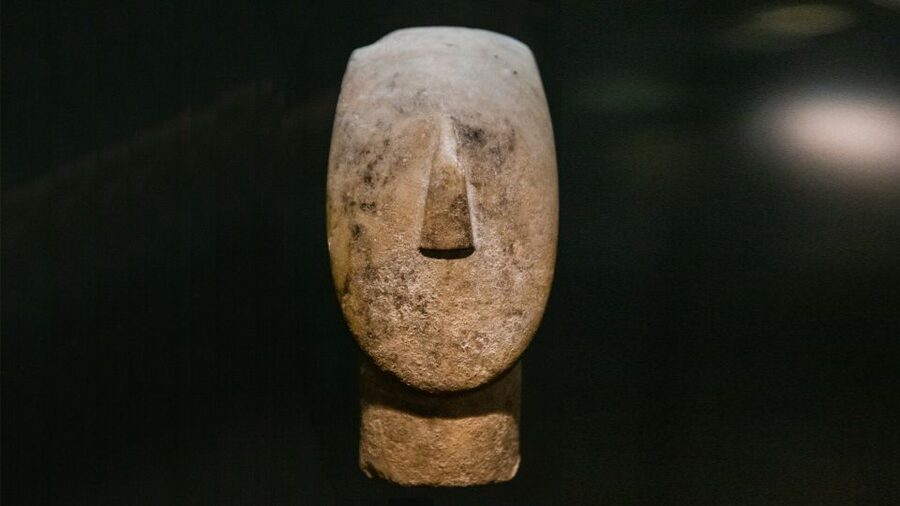
- The Cycladic collection: marble icons from the 3rd millennium BC
- What you’ll see
- Why it’s compelling
- Ancient Greek Art wing: from city-states to social shifts
- What that timeline helps you understand
- Ancient Cypriot Art: the Mediterranean mixing bowl
- Why this collection feels different
- The Cycladic Café and shop stop (and a small rule)
- Using the QR code guide without wasting time
- Museum atmosphere: easy to navigate, but plan for sound
- Who this ticket suits best
- Value check: is it worth $14?
- Quick logistics you should know (without making it a chore)
- Should you book this Museum of Cycladic Art ticket?
- FAQ
- What’s included with the Athens Museum of Cycladic Art ticket?
- How much does the ticket cost?
- How long is the experience?
- Where is the museum entrance?
- Which parts of the museum should I prioritize?
- Is the museum good for kids?
- Is there a café inside?
- Are food and drinks allowed?
- Is there Wi‑Fi?
- Is it wheelchair accessible?
Key things to notice before you go
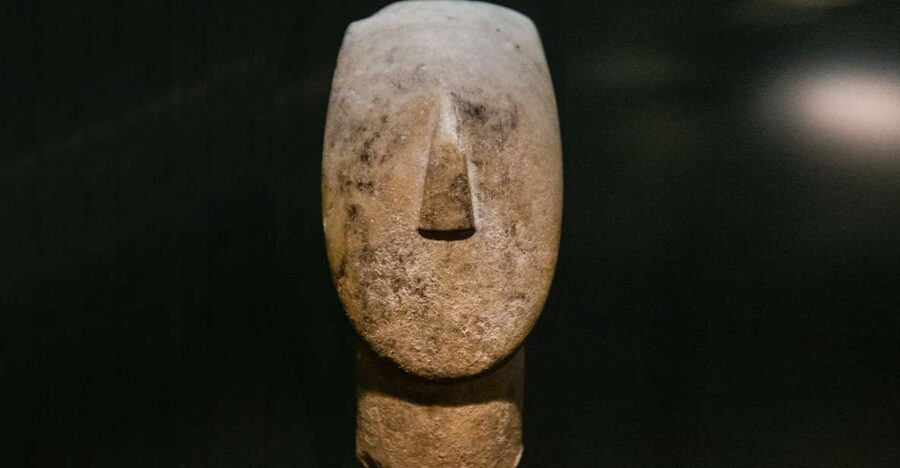
- Marble Cycladic figurines from around 2300 BC, with the kind of craft that makes you slow down
- Floor-by-floor storytelling, including a 2nd-floor overview and a 4th-floor look at everyday life in Classical Athens
- Ancient Cypriot art outside Cyprus, including sculptures, inscriptions, bronzes, gold jewelry, and glasswork
- Easy navigation in a calm layout, usually manageable without major crowd fights
- Audio/QR support in select areas, so some rooms may rely more on the written labels
- Renovation noise can happen, so plan for quiet-time only if you’re wearing ear protection
Worth comparing before you book this Athens tour:
- Athens: Acropolis Ticket with Audio Guide
★ 4.0 · 3,575 reviews - Athens All Included: Acropolis and Museum Guided Tour with Ticket
★ 4.5 · 2,673 reviews - Athens: Acropolis Museum Ticket with optional Audio Guide
★ 4.4 · 2,652 reviews - Athens: Guided Tour of Acropolis & Parthenon with Tickets
★ 4.7 · 2,049 reviews
Museum of Cycladic Art ticket: what you’re really buying
For about $14, you’re not just buying access to a single theme. You’re getting a carefully grouped set of permanent collections that cover multiple ancient worlds: the Early Bronze Age Cycladic culture in the central Aegean, a sweep of Ancient Greek art through major phases, and a substantial Ancient Cypriot art collection that’s one of the largest outside Cyprus.
That price-to-content ratio is the main reason I like this ticket. In a city with big-ticket museums, this one tends to feel efficient: you walk in, and your brain can connect the dots between art styles, tools, daily life, and cultural exchange.
Where to find the entrance near Syntagma
The meeting point is simple: enter at the main entrance. It’s about a five-minute walk from Syntagma Square and the Syntagma Metro station, so you can slot it in between other central Athens plans.
A practical note: construction and street changes can affect how you approach the entrance. One visit included access issues when the main street entrance was blocked, and the workaround was to start from the upper floors and move down. Even if you don’t see the same issue, I’d still keep this in mind if your route looks temporarily blocked.
How to plan your time in a 1-day visit
This is a 1-day, permanent-collections ticket. That’s ideal because you’re not forced into a strict timeline. If you want the museum to feel relaxed (and not like a race), I recommend aiming for 1.5–2 hours as a realistic window based on how the exhibits are presented and how readable the information is.
Your pacing matters most because the museum’s strength is understanding. The Cypriot collection alone spans a huge range of materials and periods—from very early eras all the way through medieval times—so you’ll want moments where you don’t rush.
More museum hours worth the queue

Floor plan that actually helps: 2nd floor overview and 4th floor Athens
The museum spreads its story over multiple levels—with a clear structure that helps you avoid feeling lost.
2nd floor: big-picture context
On the 2nd floor, you get a comprehensive overview of historical, artistic, and technological developments across ancient Greek history. This is the layer that makes the museum more than just “pretty objects.” You start noticing patterns—how techniques change, how styles reflect society, and how tools and materials connect to daily life.
If you like art museums that also explain what the art meant, this floor is your anchor.
4th floor: everyday life in Classical Athens
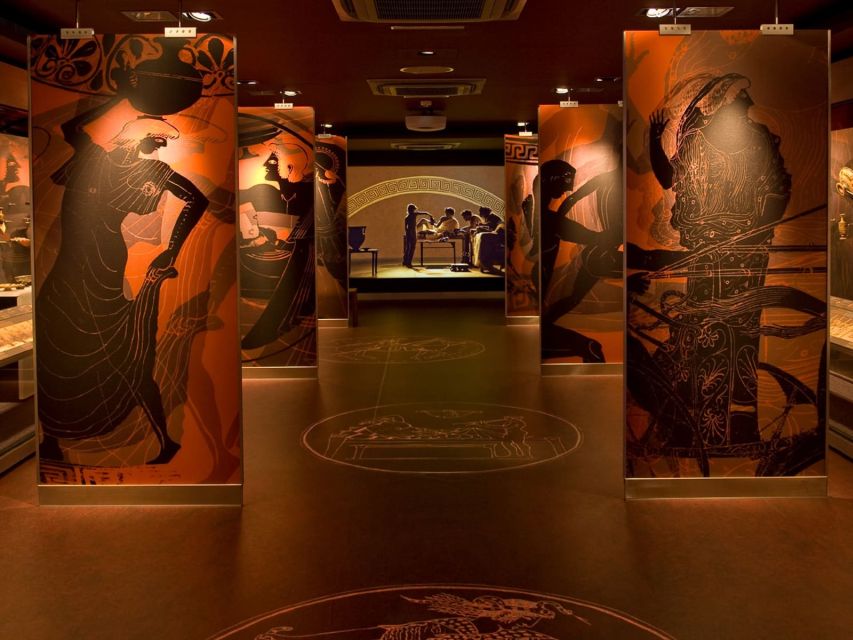
On the 4th floor, the focus shifts toward a vivid glance at everyday life in Classical Athens. It’s a nice change of pace after the broader overview because it turns the objects from “art history” into “human life.” Even if you’ve read about Athens before, seeing how normal life shows up in collections keeps it grounded.
If you’re short on time, I’d pick one “story” floor first: either the 2nd floor for context or the 4th floor for day-to-day Athens feeling.
The Cycladic collection: marble icons from the 3rd millennium BC
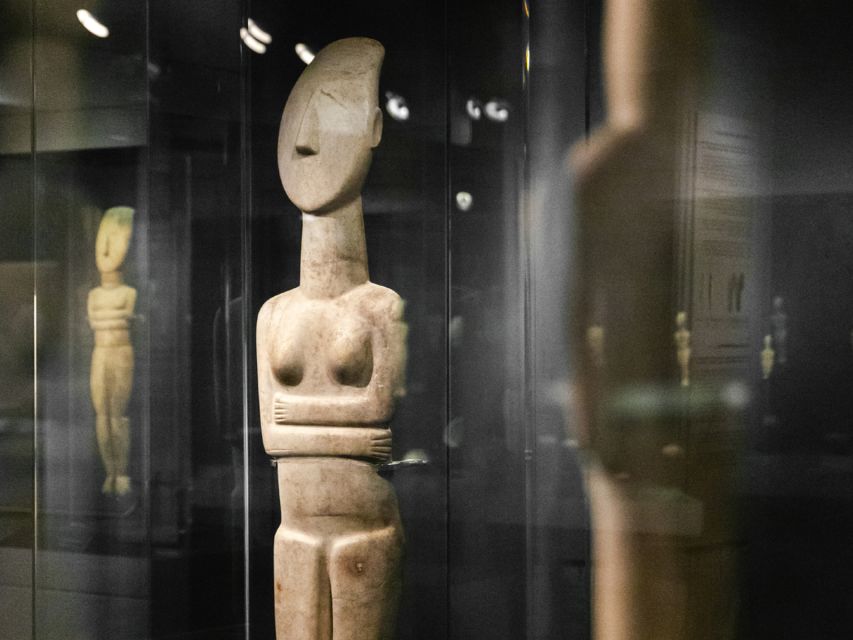
The heart of the museum experience is the Cycladic art collection. It’s described as one of the most complete private collections worldwide, covering the phases of Cycladic culture that flourished in the central Aegean during the Early Bronze Age (around the third millennium BC).
What you’ll see
You can expect marble carvings and figurines, plus vases, tools, weapons, and pottery from across the culture’s development. The figurines are the famous part, but the rest matters too. Tools, weapons, and pottery help you understand the figurines weren’t floating in a vacuum—they were part of a whole life system.
Why it’s compelling
The museum experience works best if you let the Cycladic art do its own thing. These objects reward close looking. Even if you don’t know the terminology, you can sense craftsmanship and design choices. The experience becomes less about “facts” and more about visual interpretation—what shape, proportion, and form might have signaled.
Ancient Greek Art wing: from city-states to social shifts
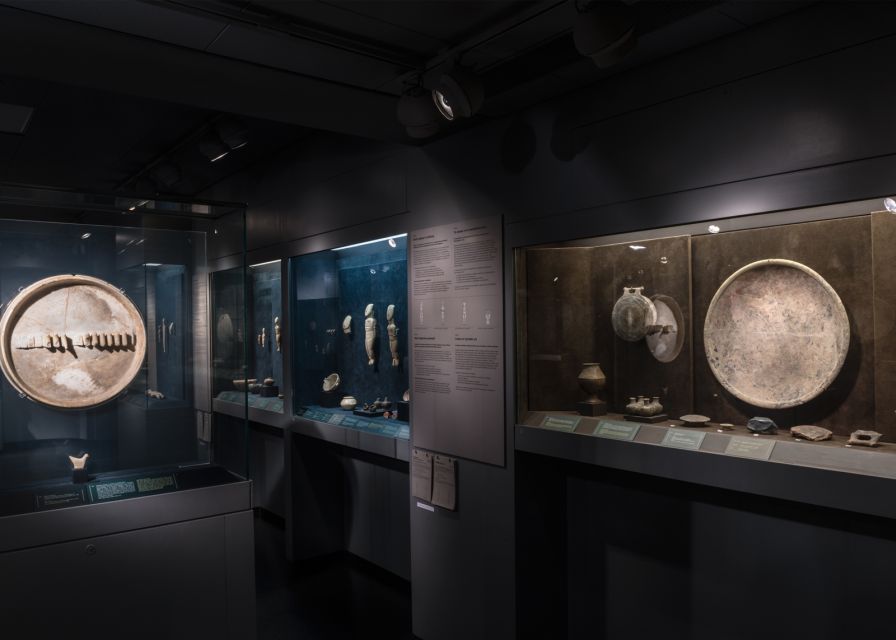
The museum also has a broad Ancient Greek Art collection spanning from the 2nd millennium BC to the 4th century AD. This section isn’t only about sculpture and painted surfaces. You’ll also see objects like coins and jewelry, plus categories like bronzes, stone sculptures, terracotta figurines, gold items, and glass pieces.
What that timeline helps you understand
As you move through, you can track how Greek society and city-state culture changed over time. The value here is that art acts like a timeline you can walk through—materials, styles, and themes shift as political and social conditions shift.
If you’re used to reading Greek history in textbooks, this museum gives you a more personal way to remember it.
Ancient Cypriot Art: the Mediterranean mixing bowl
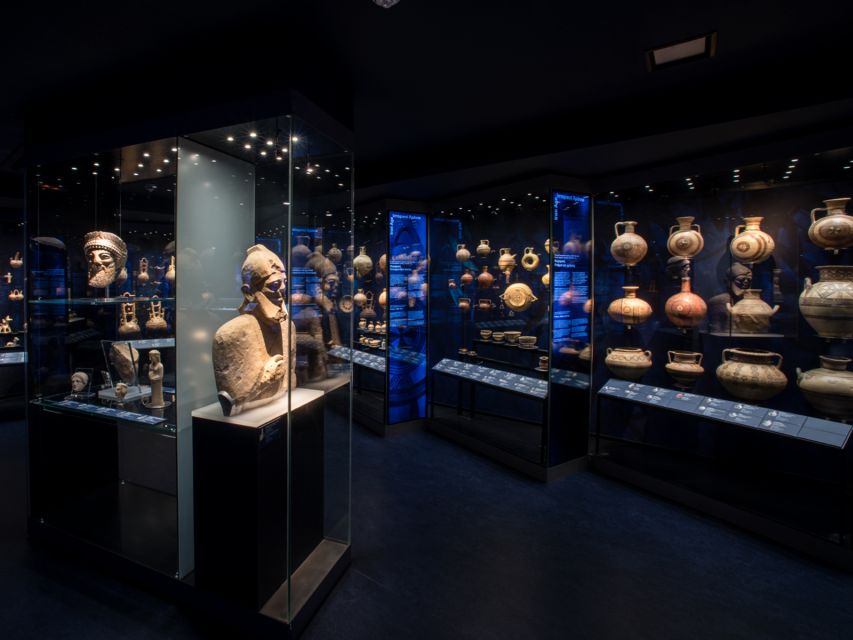
One of the most interesting parts of the museum is the Ancient Cypriot Art collection, which is described as one of the largest outside Cyprus. It includes unique prehistoric figurines, Archaic and Classical sculptures, inscriptions, bronzes, coins, gold jewelry, glasswork, and ceramics spanning from the 4th millennium BC to Medieval times.
Why this collection feels different
The Cypriot section is about interaction. Cyprus sits in the middle of trade routes, so the collection highlights how Cypriot art combined elements coming from local, Greek, Egyptian, and Near Eastern traditions. That makes this wing especially rewarding if you like the “how cultures influenced each other” angle rather than a single straight-line story.
You don’t just see objects. You see cultural borrowing—sometimes subtle, sometimes obvious—in materials and design.
The Cycladic Café and shop stop (and a small rule)
The Cycladic Café is described as a hidden oasis where you can enjoy Cycladic flavors made from natural products and virgin ingredients. There’s also a shop available.
One important rule: food and drinks aren’t allowed (so don’t plan on carrying snacks inside). If you want a pause, treat the café as your stop for that.
Using the QR code guide without wasting time
The ticket includes access to Clio Muse Tours with a QR code. That means you can use a guided-style experience on your phone, without paying extra for a separate tour.
In practice, I’d treat it as “helpful, not perfect.” One review noted that only some rooms used the audio guide, so don’t expect every single object to have audio support. I’d plan to rely on the information panels as your base layer, and use the QR guide for the items you want to understand more deeply.
If you’re the type who wants to jump directly to key objects, you might also want to know that there can be an extra step in finding specific exhibits through the guide system.
Museum atmosphere: easy to navigate, but plan for sound
This museum tends to feel manageable. Multiple reviews mention it’s well laid out and not too crowded, with many visitors able to view the permanent exhibitions calmly.
Still, one caution came up: renovation works can happen, and the accompanying noise can make it harder to stay as long as you planned. If you know you get bothered by loud construction sounds, pack earplugs. It’s a small thing that can keep your experience comfortable.
Who this ticket suits best
This is a strong choice if you want more than a quick “see the famous thing” visit.
I’d especially recommend it if you:
- love ancient art and want the objects to come with context (not just labels)
- like prehistory, especially Cycladic culture and marble figurines
- enjoy the idea of Mediterranean cultural exchange, which shows clearly in the Cypriot collection
- prefer museum time at your own pace over group tours
If you’re traveling with very young kids, you might find it less exciting than larger action-focused attractions. The museum’s appeal is mostly in attention and interpretation, so plan accordingly.
Value check: is it worth $14?
For me, the value is the breadth. A single admission ticket covers permanent collections across Cycladic, Ancient Greek, and Ancient Cypriot art, with objects spanning marble, ceramics, tools, weapons, jewelry, coins, inscriptions, and glass.
At $14, you’re paying for depth across categories—not just one style or one era. If you like structured museum storytelling, the floor-by-floor layout makes the ticket feel like a planned learning experience rather than a random walk.
Quick logistics you should know (without making it a chore)
The museum is centrally located near Syntagma, so you can pair it with other downtown stops. The walk from the metro is short, and the entrance is at the main entrance.
Also, free Wi‑Fi is available. That matters if you plan to use the QR guide, or if you need to map your route as streets change.
Should you book this Museum of Cycladic Art ticket?
I think you should book it if you want a high-value Athens museum visit that doesn’t require a full guided tour. The Cycladic marble figurines, the structured Greek art timeline, and the Ancient Cypriot collection are the kind of mix that keeps the visit from feeling repetitive.
Book it sooner (or at least plan your timing) if you’re sensitive to sound, since renovations can affect comfort. If you’re the type who likes reading, looking closely, and connecting art to human life, this ticket will feel like a smart use of one day in Athens.
FAQ
What’s included with the Athens Museum of Cycladic Art ticket?
Entry to the museum’s permanent collections is included, along with free Wi‑Fi and Clio Muse Tours with a QR code.
How much does the ticket cost?
The price is listed as $14 per person.
How long is the experience?
The ticket is valid for 1 day and is meant for visiting the museum’s permanent collections.
Where is the museum entrance?
Enter at the main entrance, about a five-minute walk from Syntagma Square and the Syntagma Metro station.
Which parts of the museum should I prioritize?
The museum has a 2nd floor with an overview of historical/artistic/technological developments and a 4th floor with a look at everyday life in Classical Athens.
Is the museum good for kids?
It may be less interesting for children under about 10 years, because the museum’s strengths are context and object interpretation.
Is there a café inside?
Yes. There’s a Cycladic Café where you can enjoy Cycladic flavors. There’s also a shop.
Are food and drinks allowed?
Food and drinks are not allowed. If you want to eat or drink, plan to use the café rather than bringing your own.
Is there Wi‑Fi?
Yes. Free Wi‑Fi is available.
Is it wheelchair accessible?
Yes, the museum is wheelchair accessible.
Indoors Done Well: Athens Museums
- Athens: Acropolis, Parthenon & Acropolis Museum Guided Tour★ 4.8 · 9,316 reviews
- The Acropolis, Parthenon & Acropolis Museum Guided Tour★ 4.7 · 8,493 reviews
- Athens: Mythology of Delphi, Museum and Arachova Guided Tour★ 4.7 · 5,102 reviews
- Athens: Acropolis, Parthenon & Acropolis Museum Guided Tour★ 4.8 · 3,579 reviews
- Acropolis monuments & Parthenon Walking Tour with Optional Acropolis Museum★ 5.0 · 2,678 reviews
- Athens All Included: Acropolis and Museum Guided Tour with Ticket★ 4.5 · 2,673 reviews
More Tickets in Athens
- Athens: Acropolis Ticket with Audio Guide★ 4.0 · 3,575 reviews
- Athens All Included: Acropolis and Museum Guided Tour with Ticket★ 4.5 · 2,673 reviews
- Athens: Acropolis Museum Ticket with optional Audio Guide★ 4.4 · 2,652 reviews
- Athens: Guided Tour of Acropolis & Parthenon with Tickets★ 4.7 · 2,049 reviews
- Athens Half-Day Sightseeing Tour with Tickets of Acropolis★ 4.0 · 1,402 reviews
- Athens: Acropolis Museum Ticket with Audio Guide★ 4.1 · 835 reviews
More Tour Reviews in Athens
- Athens: Acropolis & up to 5 Archaeological Sites Combo Pass★ 4.2 · 13,904 reviews
- Athens: Acropolis, Parthenon & Acropolis Museum Guided Tour★ 4.8 · 9,316 reviews
- The Acropolis, Parthenon & Acropolis Museum Guided Tour★ 4.7 · 8,493 reviews
- Athens: Cape Sounion & Poseidon Temple Sunset Half-Day Trip★ 4.8 · 8,241 reviews
- Acropolis: Premium Acropolis and Parthenon Guided Tour★ 4.8 · 5,208 reviews
- Athens: Mythology of Delphi, Museum and Arachova Guided Tour★ 4.7 · 5,102 reviews
Fresh Off the Boat: New Athens Reviews





Tickets, compared.
 ★ 4.0Acropolis Ticket with Audio GuideFrom $473,575 reviews
 ★ 4.5Athens All Included: Acropolis and Museum Guided Tour with TicketFrom $1652,673 reviews
 ★ 4.4Acropolis Museum Ticket with optional Audio GuideFrom $302,652 reviews
 ★ 4.7Guided Tour of Acropolis & Parthenon with TicketsFrom $352,049 reviews
 ★ 4.0Athens Half-Day Sightseeing Tour with Tickets of AcropolisFrom $1041,402 reviews
 ★ 4.1Acropolis Museum Ticket with Audio GuideFrom $30835 reviews
 ★ 4.9Parthenon & Acropolis Guided Tour in Spanish -Option TicketsFrom $33804 reviews
 ★ 4.5Athens Sightseeing Small Group Tour (Acropolis Tickets Included)From $133754 reviews
Browse the lists this tour appears in