

Reviewed · ATHENS ARCHAEOLOGICAL MUSEUMS
Athens: National Archaeological Museum Private Guided Tour
A machine from 2,000 years ago waits here. This private tour gives you context for the Antikythera mechanism and walks you through Greece’s big stories with a licensed archaeologist guide.
I like how the museum’s scale becomes manageable fast. You get a route through over 11,000 exhibits and the museum’s five permanent collections, instead of wandering until your brain goes on strike.
One thing to plan for: the €10 entry ticket is not included, and 2 hours is enough for highlights—not for reading every label.
In This Review
- Key things to know before you go
- Why this museum tour matters in Athens
- Meeting at the museum and starting fast
- The big picture: how you’ll connect 6,000+ years in 2 hours
- Prehistory rooms: Cycladic, Mycenaean, and the Aegean timeline
- Sculpture and artistic change: what you should look for
- Vases and minor objects: how everyday art tells big stories
- Bronze artifacts: why small objects deserve attention
- The Antikythera mechanism: Greece’s science surprise
- Egypt and the Near East: expanding Greek horizons
- What you’ll really do during the 2 hours
- Christos Theodoropoulos: a guide who adjusts to your interests
- Price and value: $400 per group can be a bargain
- Logistics that affect your day (without ruining it)
- Who this tour suits best
- Should you book this private museum tour?
- FAQ
- How long is the Athens National Archaeological Museum private guided tour?
- What is the group size for this private tour?
- Is the museum entry ticket included in the price?
- Who provides the guide?
- Where do we meet for the tour?
- What languages is the live tour guide available in?
- Is hotel transfer included?
- What major artifact will we see on the tour?
- Can I cancel for a full refund?
Key things to know before you go

- Antikythera mechanism included, with straight answers on what makes it special
- Licensed archaeologist guide, with real Q&A time (and a sense of humor)
- Private group up to 6, so the pace stays comfortable
- Clear sweep across the museum’s five main collections
- Flexibility in how you’re shown the museum when timing allows
Cool marble halls, out of the Athens sun
- Athens: Acropolis, Parthenon & Acropolis Museum Guided Tour
★ 4.8 · 9,316 reviews - The Acropolis, Parthenon & Acropolis Museum Guided Tour
★ 4.7 · 8,493 reviews - Athens: Acropolis, Parthenon & Acropolis Museum Guided Tour
★ 4.8 · 3,579 reviews - Acropolis monuments & Parthenon Walking Tour with Optional Acropolis Museum
★ 5.0 · 2,678 reviews
Why this museum tour matters in Athens

The National Archaeological Museum is not small. It’s not “one room and done” either. It’s a major museum with an overwhelming variety of objects, spread across multiple galleries and floors.
So the value of a guided visit is simple: you stop guessing. A good guide helps you spot what you should see first, what connects to what, and how to read the stories behind artifacts. In a museum like this, that difference can turn a long walk into an actual education—without turning your day into a full-time job.
This private format also helps. You’re not stitched into a huge crowd plan. With a small group, you can ask follow-up questions and adjust pace when the group wants to linger or move on.
And yes, the tour’s “wow” anchor is the Antikythera mechanism. It’s described as the world’s oldest analogue computer, and even if you’ve heard that line before, the museum setting and the explanations make it feel less like trivia and more like a glimpse of ancient ingenuity.
Meeting at the museum and starting fast
You meet right at the museum entrance—on the steps in front of the main entrance, 44 Patission Street (10682). That’s a great setup because you’re already in the right place before you have to figure out doors, tickets, and where to go first.
You’ll have a 2-hour guided walk through the museum’s most important highlights. That matters because the museum is housed in a big neoclassical building, designed in the late 1800s and remodeled later. The building itself is impressive, but the real reason you start immediately is practical: the museum has a lot to see, and the guide’s job is to keep you oriented.
You should expect a quick, focused route. That’s not a flaw—it’s the only way you can cover the museum’s top highlights in a short time. If you love museum wandering and want to read every panel slowly, plan extra solo time after the tour.
The big picture: how you’ll connect 6,000+ years in 2 hours
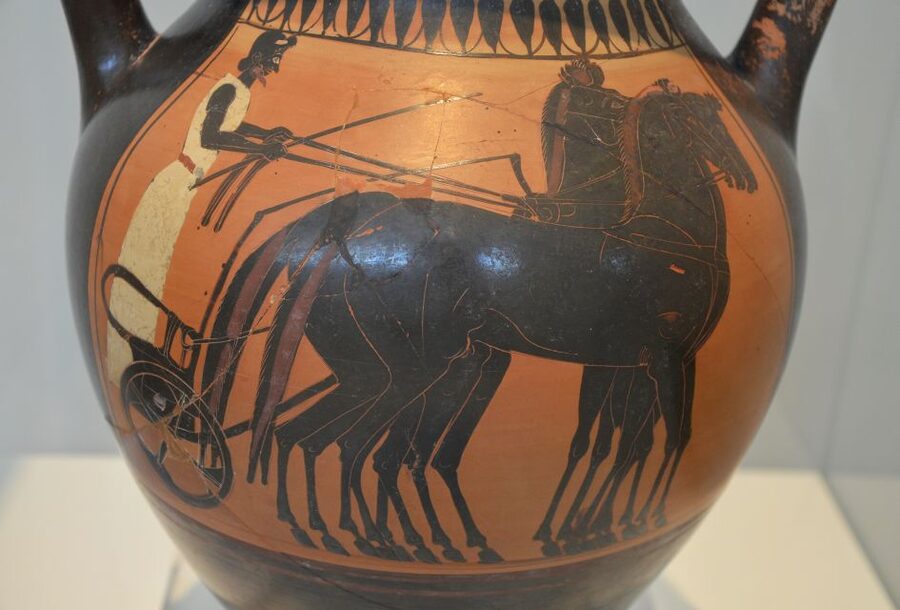
This is one of the museum’s strengths: it covers a long arc of Greek life and art. The collections stretch from prehistory through late antiquity, with more than 11,000 exhibits across about 8,000 square meters of display space.
To keep it understandable, the tour naturally groups objects by themes and periods. Instead of treating each artifact as a random find, you’re shown how different periods develop and how style, materials, and technology reflect changing societies.
That “big picture first” approach is where a licensed archaeologist guide earns their keep. You’re not just collecting dates. You’re learning what those dates mean.
Here’s how the museum’s permanent collections fit into what you’ll experience:
More days made easy with a guide
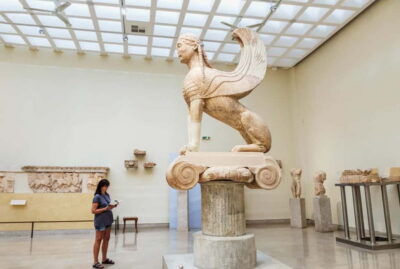
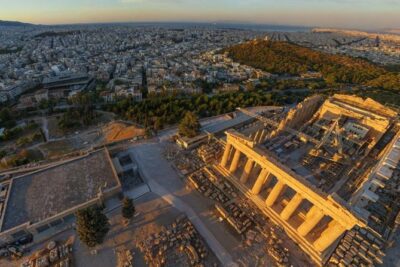

Prehistory rooms: Cycladic, Mycenaean, and the Aegean timeline
Greek history doesn’t begin with columns and temples. It begins much earlier, in the Aegean world—Neolithic traditions, Cycladic culture, and the Mycenaean period.
The museum’s Collection of Prehistoric Antiquities is one of the standout sections for this kind of tour because it gives you context for what came before the classic Greek look. You’ll see major works tied to early civilizations and Aegean development, plus finds from the prehistoric settlement at Thera.
In a guided setting, these objects become easier to understand. A guide can help you notice what’s consistent across early cultures, what signals a shift, and why certain styles show up when they do. Without that framing, prehistory galleries can feel like a confusing lineup of unfamiliar things. With it, you start to see the progression.
Practical tip: if you have only 2 hours, go with the guide’s order. Trying to “pick your own” path here can cost you the connections the guide is building between rooms.
Sculpture and artistic change: what you should look for
The Sculptures Collection focuses on the development of ancient Greek sculpture from the 7th to the 5th centuries B.C. That span matters because Greek sculpture isn’t one style—it’s a changing language.
In a highlight-focused tour, you’ll get guided attention on key masterpieces and what makes them important. The goal isn’t to turn you into a sculpture scholar. It’s to help you recognize the steps: how figures are modeled, what changes in expression and proportion, and why artists moved the craft forward over time.
If you’re the type who likes to learn by seeing contrasts, this section will feel rewarding. You’ll be able to track development instead of treating each sculpture as a standalone “wow.”
One bonus here: when your route includes sculpture early, it gives you a baseline. Later objects—vases, bronzes, minor items—start to make more sense because you’ve already learned what “Greek art” looks like at different points.
Vases and minor objects: how everyday art tells big stories
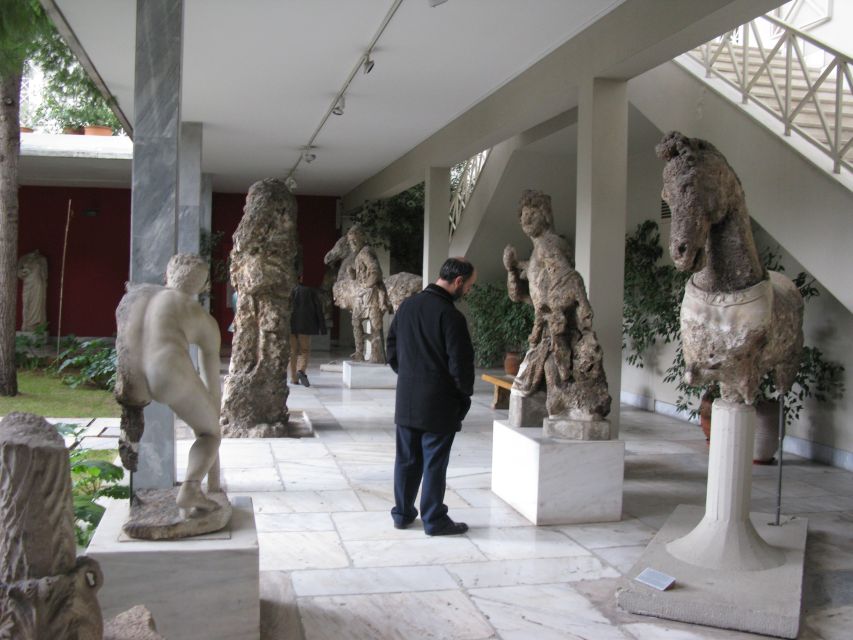
Greek vases are famous, but the tour makes them more than decoration. The Vase and Minor Objects Collection covers pottery from the 11th century B.C. through the Roman period, including representative styles and techniques.
You’ll also encounter the Stathatos Collection, described as a corpus of minor objects from all periods. That’s the kind of detail that can really change how you experience a museum. Minor objects often show daily life more clearly than big statues. They can also help you see how themes and symbols carry across time.
In a private 2-hour format, this portion is usually where you start asking better questions. People get curious: Why do these motifs repeat? What materials mean? How did objects move through society?
The private setting helps because you’re not stuck with a “tour train” that doesn’t pause for your questions.
Bronze artifacts: why small objects deserve attention
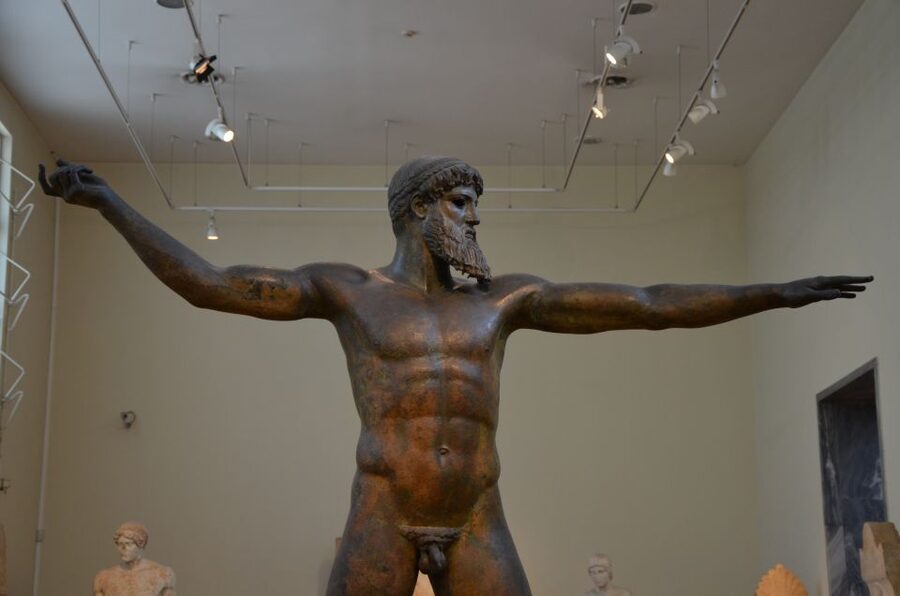
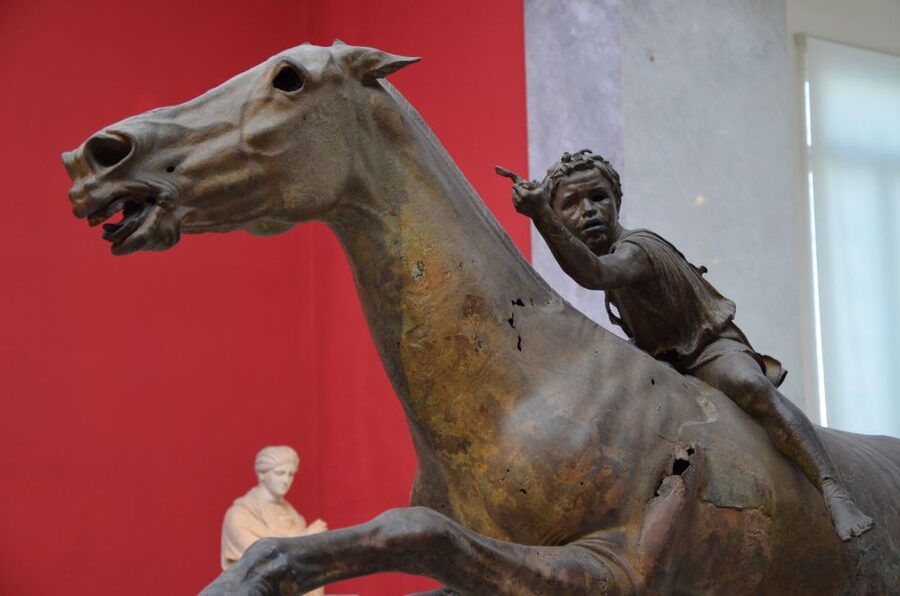
The Bronze Collection can be a surprise to visitors who think “bronze” equals only statues. It includes fundamental statues, figurines, and minor objects.
Bronze also teaches patience. Even if you’re not an expert, a guide can help you slow down just enough to spot craft details—surface work, scale choices, and how objects were meant to be seen up close.
This is also a section where the guide’s pacing matters. In 2 hours you won’t get to admire everything equally. The best thing the tour offers here is intentional selection: you’re shown objects that help you understand the collection’s broader message.
The Antikythera mechanism: Greece’s science surprise
If there’s one stop you’ll remember, it’s the Antikythera mechanism. The tour calls it the world’s oldest analogue computer, and that description is doing a lot of work.
What makes it worth seeing in person is that it forces you to rethink what “ancient technology” can mean. You’re not just seeing an artifact. You’re seeing a clue that ancient engineering combined observation, counting, and mechanical design in ways people often don’t expect.
A good guide won’t treat it like a magic trick. Instead, they’ll place it in the larger story of Greek knowledge and craftsmanship—how ideas can travel into tools.
When you’re short on time, this is the kind of object that justifies the guide. It’s iconic, but it also benefits from explanation that helps you connect it to the rest of the museum.
Egypt and the Near East: expanding Greek horizons
One collection often underappreciated on rushed museum visits is the only Egyptian and Near Eastern Antiquities Collection in Greece. Here you’ll see works dating from the pre-dynastic period (5000 B.C.) to the Roman conquest.
Why does this matter on a Greek archaeology tour? Because it shows that cultures didn’t evolve in isolation. You’re seeing interactions, overlaps, and influence across centuries.
If you’re a “compare and contrast” learner, this section adds instant depth. It reminds you that the Mediterranean world was a network long before modern borders.
In a guided format, you can also understand why it’s housed in this museum and what kinds of finds complete the picture of Greece’s place in a wider ancient world.
What you’ll really do during the 2 hours
The tour is basically a smart tour through the museum’s major threads. Expect:
- A guided orientation so you’re not lost in the building’s size
- Highlight stops across the museum’s main collections
- Explanations that connect objects to periods and artistic development
- Time for questions, at a pace that works for the group
You’ll also appreciate the guide’s approach if you like learning in a conversational way. People have described Christos Theodoropoulos as friendly, flexible, and able to answer questions without turning the tour into a lecture.
And there’s a practical reality here: in a museum as large as this, the guide’s job is to pick what helps you see the museum’s logic. That means faster movement between some sections and more time where objects need interpretation.
Christos Theodoropoulos: a guide who adjusts to your interests
This experience is led by Christos Theodoropoulos, an experienced licensed archaeologist guide. One theme in the feedback around his tours is that he doesn’t just march through a script.
If your group includes teens or young adults, you’ll likely find the explanations stay readable. If you have a specific interest—say, jewelry or minor objects—you’ll want to tell your guide early. The tour format seems designed to make space for those interests, and there have been examples of special attention given when timing allows.
There’s also a pattern of flexibility around how much time you spend in certain areas. For instance, people have described his willingness to show extra sections even when the standard slot ends—within reason. That kind of extension can turn a “two-hour highlights” tour into a more satisfying learning session.
So if you book, do one small thing that pays off: arrive with a couple of questions. You’ll get more out of the guide’s explanations.
Price and value: $400 per group can be a bargain
The price is $400 per group (up to 6), for a 2-hour private guided tour. The museum entry ticket is €10 and is not included.
Here’s the math that helps you judge value:
- If you book 6 people, you’re around $65 per person before the €10 ticket.
- If you book fewer people, the per-person cost climbs, but you still gain the benefit of a private, guided route through a huge museum.
So when is this a great deal? When you value a guided strategy. This museum is large enough that a self-guided visit can turn into “see what I stumble into.” A licensed archaeologist guide helps you see more of what matters and understand why it matters.
It’s also a good value if you’re traveling with mixed ages. A guide can keep the pace energetic enough for younger people while still offering meaningful explanations for adults.
If you’re a solo traveler who loves slow independent museum time, this may be pricier than you want. But for couples or small groups who want clarity and time efficiency, it’s strong value.
Logistics that affect your day (without ruining it)
No hotel transfer is included. That’s normal for many museum tours, but it means you’ll want your own plan for getting to 44 Patission Street.
Also, you’ll need to buy the entry ticket yourself (€10). To keep your day smooth, plan a little time buffer for ticketing and getting settled at the entrance steps.
Duration is short on purpose. In 2 hours, you won’t cover every room in the museum, and that’s the point. The tour focuses on a manageable selection so you walk out with a clear sense of Greek civilization’s development rather than a stack of photos with no connections.
Who this tour suits best
This tour fits especially well if you:
- Want the highlights of the National Archaeological Museum without getting overwhelmed
- Prefer a private guide who can answer questions
- Travel with a small group (up to 6) and want a flexible pace
- Are interested in big-idea archaeology: art development, technology, and cultural change over time
It may feel less ideal if you:
- Want to spend half a day reading every label slowly
- Expect a full museum takeover rather than guided highlights
- Are traveling with a tight budget and prefer strictly self-guided visits
Should you book this private museum tour?
Yes, I’d book it if your goal is to actually understand the National Archaeological Museum, not just walk through it. With the Antikythera mechanism as a centerpiece, plus coverage across Greece’s major collections, you get a guided structure that makes the museum feel coherent instead of chaotic.
If you’re coming as a pair or small group, the price also starts to look reasonable. Just remember: you’ll still handle the €10 entry ticket yourself, and you should plan extra time afterward if you want to slow down.
If you’re the type who likes to leave museums with a mental map, this private 2-hour approach is a strong bet.
FAQ
How long is the Athens National Archaeological Museum private guided tour?
The tour lasts 2 hours.
What is the group size for this private tour?
It’s a private group for up to 6 people.
Is the museum entry ticket included in the price?
No. The museum entry ticket costs 10 € and is not included.
Who provides the guide?
The tour is led by an experienced licensed archaeologist guide (Christos Theodoropoulos).
Where do we meet for the tour?
You meet at the steps in front of the main entrance of the Athens National Archaeological Museum, 44 Patission Street, 10682.
What languages is the live tour guide available in?
The guide is available in Turkish, English, German, and Greek.
Is hotel transfer included?
No, hotel transfer is not included.
What major artifact will we see on the tour?
You’ll see the Antikythera mechanism.
Can I cancel for a full refund?
Yes. You can cancel up to 24 hours in advance for a full refund.
More Tours in Athens
- Athens: Acropolis, Parthenon & Acropolis Museum Guided Tour★ 4.8 · 9,316 reviews
- The Acropolis, Parthenon & Acropolis Museum Guided Tour★ 4.7 · 8,493 reviews
- Acropolis: Premium Acropolis and Parthenon Guided Tour★ 4.8 · 5,208 reviews
- Athens: Mythology of Delphi, Museum and Arachova Guided Tour★ 4.7 · 5,102 reviews
- Acropolis and Parthenon Guided Walking Tour★ 5.0 · 4,755 reviews
- Greek Food Walking Tour in Athens★ 5.0 · 4,740 reviews
More Tour Reviews in Athens
- Athens: Acropolis & up to 5 Archaeological Sites Combo Pass★ 4.2 · 13,904 reviews
- Athens: Acropolis, Parthenon & Acropolis Museum Guided Tour★ 4.8 · 9,316 reviews
- The Acropolis, Parthenon & Acropolis Museum Guided Tour★ 4.7 · 8,493 reviews
- Athens: Cape Sounion & Poseidon Temple Sunset Half-Day Trip★ 4.8 · 8,241 reviews
- Acropolis: Premium Acropolis and Parthenon Guided Tour★ 4.8 · 5,208 reviews
- Athens: Mythology of Delphi, Museum and Arachova Guided Tour★ 4.7 · 5,102 reviews
Athens Indoors: More Museums
- Athens: Acropolis, Parthenon & Acropolis Museum Guided Tour★ 4.8 · 9,316 reviews
- The Acropolis, Parthenon & Acropolis Museum Guided Tour★ 4.7 · 8,493 reviews
- Athens: Acropolis, Parthenon & Acropolis Museum Guided Tour★ 4.8 · 3,579 reviews
- Acropolis monuments & Parthenon Walking Tour with Optional Acropolis Museum★ 5.0 · 2,678 reviews
- Athens: Acropolis Museum Ticket with optional Audio Guide★ 4.4 · 2,652 reviews
- Athens: Acropolis, Parthenon and Acropolis Museum Guided Tour★ 5.0 · 1,778 reviews
Fresh Off the Boat: New Athens Reviews





Athens Archaeological Museums, compared.
 ★ 4.8Acropolis, Parthenon & Acropolis Museum Guided TourFrom $409,316 reviews
 ★ 4.7The Acropolis, Parthenon & Acropolis Museum Guided TourFrom $408,493 reviews
★ 4.8Acropolis, Parthenon & Acropolis Museum Guided TourFrom $413,579 reviews
★ 4.7The Acropolis, Parthenon & Acropolis Museum Guided TourFrom $408,493 reviews
★ 4.8Acropolis, Parthenon & Acropolis Museum Guided TourFrom $413,579 reviews
 ★ 5.0Acropolis monuments & Parthenon Walking Tour with Optional Acropolis MuseumFrom $422,678 reviews
 ★ 4.4Acropolis Museum Ticket with optional Audio GuideFrom $302,652 reviews
 ★ 5.0Acropolis, Parthenon and Acropolis Museum Guided TourFrom $411,778 reviews
 ★ 4.5Acropolis of Athens and Acropolis Museum TourFrom $56944 reviews
 ★ 4.1Acropolis Museum Ticket with Audio GuideFrom $30835 reviews
Browse the lists this tour appears in