

Reviewed · ATHENS
Athens: Olympic Games Workout Session
Train like an Olympian in Athens’ Olympic landmarks. You’ll start at the Zappeion and finish with a sprint in the Panathenaic Stadium.
What I like most is the mix of hands-on coaching plus real history: you’ll practice events like javelin and shot put, then tie it to how the games evolved from ancient Athens to the modern revival. The other big win is that it’s built for families and mixed ages, so your workout doesn’t turn into a test. One thing to watch is the price add-ons: entry fees aren’t included, and the stadium access may cost extra.
I like that the workout never feels random. You get a warm-up, technique practice, and then a run on the actual track—so you leave with both stories and sore legs. The only drawback I’d plan around is time and energy: if you’re traveling with kids, you’ll want to avoid heavy meals right before, and if you have mobility or health limitations, this isn’t a safe fit.
In This Review
- Key points you’ll actually care about
- Zappeion warm-up: where the modern Olympics story starts
- The workout plan: technique practice that feels like track-and-field class
- Classic events you might try
- Newer additions: shot put and long jump
- The hidden value: trivia between reps
- The stadium payoff: running the Panathenaic marble track
- Coaching style: why the session works for mixed ages
- Practical safety basics to follow
- Price and value check: $64 for sport plus Olympic sites
- What’s included
- What’s not included
- Where the value can feel strong
- Where the value may disappoint
- Who should book, and who should skip this Athens workout
- Best fit
- Not a fit if you have certain issues
- Should you book the Athens Olympic Games Workout Session?
- FAQ
- How long is the Athens Olympic Games Workout Session?
- Where do I meet for the tour?
- What is included in the price?
- What is not included?
- What should I bring and wear?
- Is the workout suitable for all ages and fitness levels?
- What languages is the session offered in?
Key points you’ll actually care about
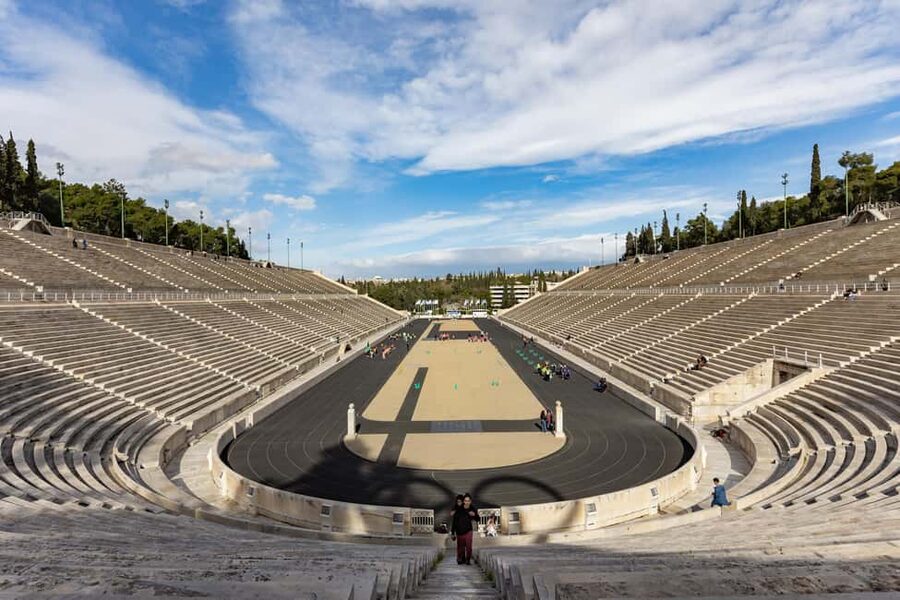
- Panathenaic Stadium 1896 experience: run a lap on the marble track where the first modern Olympics competed
- Two training vibes: start in the National Gardens with a warm-up, then hit Athens’ oldest gym area for technique practice
- Classic + modern events: expect throws and jumps like javelin, discus, long jump, and shot put (exact mix can vary)
- Coach-led form corrections: your trainer shows you the steps, not just the idea
- Family-friendly intensity: suitable for all ages and fitness levels, with guidance to match the group
- Budget for entry fees: the tour price covers the trainer and activities, but stadium entry may cost extra
Weighing this one up? Set it beside a few Athens favourites first.
- Athens: Acropolis & up to 5 Archaeological Sites Combo Pass
★ 4.2 · 13,904 reviews - Athens: Acropolis, Parthenon & Acropolis Museum Guided Tour
★ 4.8 · 9,316 reviews - The Acropolis, Parthenon & Acropolis Museum Guided Tour
★ 4.7 · 8,493 reviews - Athens: Cape Sounion & Poseidon Temple Sunset Half-Day Trip
★ 4.8 · 8,241 reviews
Zappeion warm-up: where the modern Olympics story starts
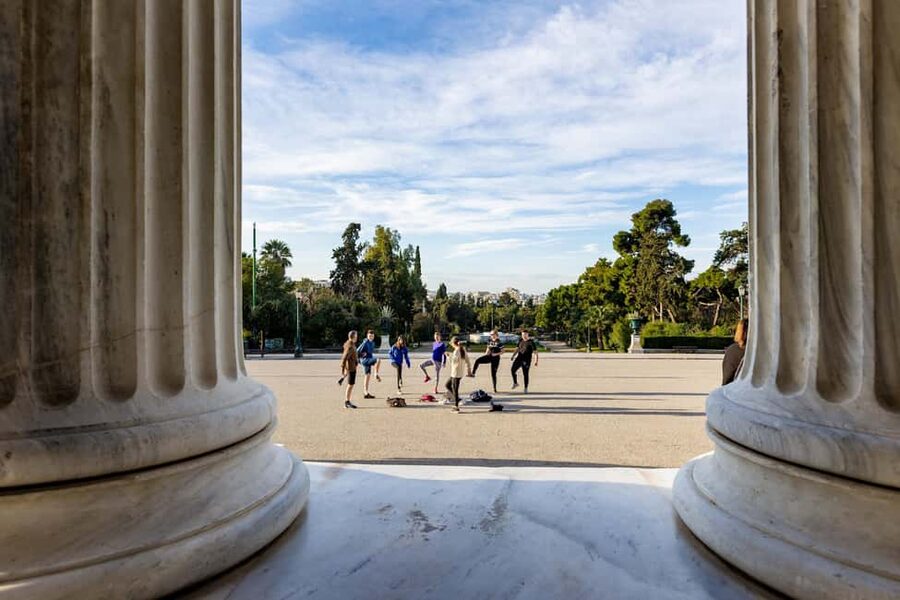
This experience is structured like a day you’d wish you had when you were a kid: start with a place that makes you curious, then turn curiosity into movement. You meet at the stairs located at the Zappeion Congress Hall, which sits between the Temple of Olympian Zeus and the National Gardens—easy to spot, and a good launch point for the whole Olympic theme.
The morning begins with a warm-up around the Zappeion area, using it as a springboard into why 1896 mattered. The Zappeion is described here as the first modern, purpose-built Olympic facility for the revival era, and that framing changes how you look at the rest of the day. You’re not only learning what happened—you’re learning why Athens needed a physical stage for the revived games.
The warm-up itself is light enough to be doable for a broad range of people, but it still gets your body ready. If you bring water and keep your shoes tied tight, you’ll be set for the next step: technique work in the gym area and then the stadium.
The workout plan: technique practice that feels like track-and-field class
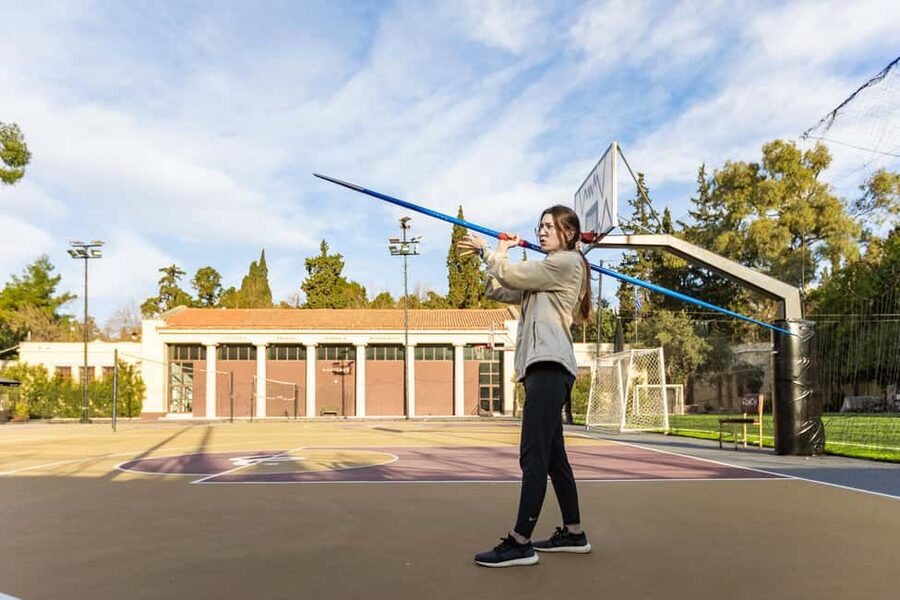
After the warm-up, you move into the gym stop—described as Athens’ oldest gym—where you’ll practice classic events and newer ones too. This is where the session turns from sightseeing to sport. Your trainer acts like a coach for the day, showing you how to position your body and how to approach each movement.
Classic events you might try
From the format described, you should expect classic throw-and-run skills such as discus and javelin, using techniques drawn from the ancient events. Some days may use safer foam-style equipment for participation, which matters for kids and first-timers. In at least one case, a participant noted a foam javelin; that’s a helpful clue that the goal is to learn and try, not to perform like an elite athlete.


Newer additions: shot put and long jump
The same training space is also used for modern events like shot put and long jump. That pairing is smart: throws teach timing and body control, while jumps teach rhythm and landing mechanics. Even if you’re not a runner, these skills create a full-body workout that doesn’t depend on being fast.
The hidden value: trivia between reps
You’ll also get quirky, older-style sports trivia and explanations of how training worked as the games evolved. It’s the kind of information that helps the history stick, because it’s attached to something physical you just tried. When the coach connects an old rule or training idea to the movement in front of you, it stops being a lecture and starts being useful context.
The stadium payoff: running the Panathenaic marble track
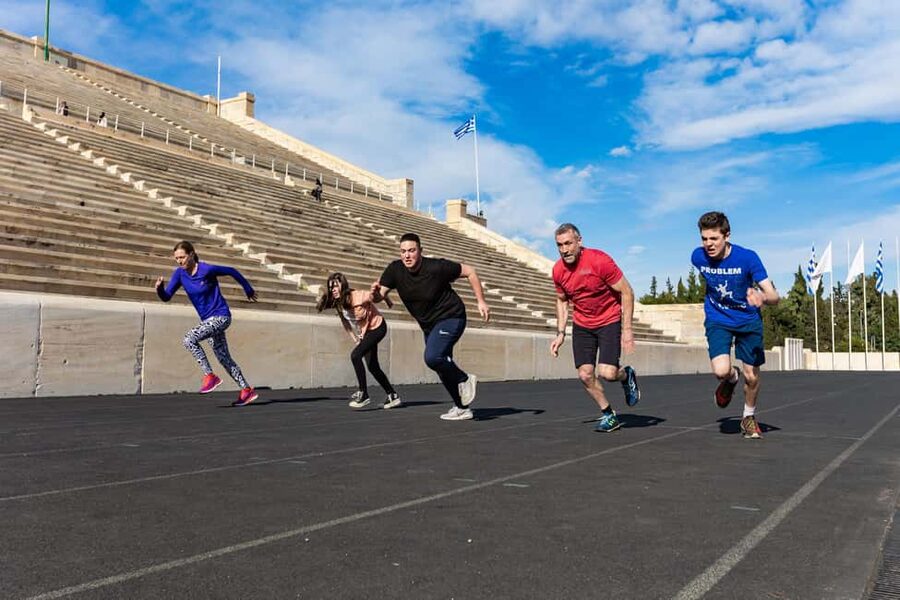
The final act is the Panathenaic Stadium, often called the only stadium made entirely of marble. The key reason this ending matters is sensory. When you run where the first modern Olympians competed in 1896, you get a different kind of connection than photos or museum panels.
You’ll reach the stadium after stretching and technique practice, and the day builds you up for it. The experience includes a race in the stadium on the hallowed track—so it’s not just a casual walk-through. The wording here implies a sprint or short race moment rather than a long endurance run, which is good news if you’re traveling with kids or you don’t want your day to turn into a long cardio grind.
What I like about finishing in the stadium is pacing. You start with the modern revival story at the Zappeion, learn how the ancient games shaped Greek society, then you end at the physical arena that made the revival visible. It’s a neat arc: ideas first, then action.
Also, the Panathenaic Stadium setting is dramatic even if you’ve seen it in pictures. One runner-style detail that shows up in feedback is the emotional hit of running a lap—people describe it as a memorable moment because it feels like you’re stepping onto a real stage.
Coaching style: why the session works for mixed ages
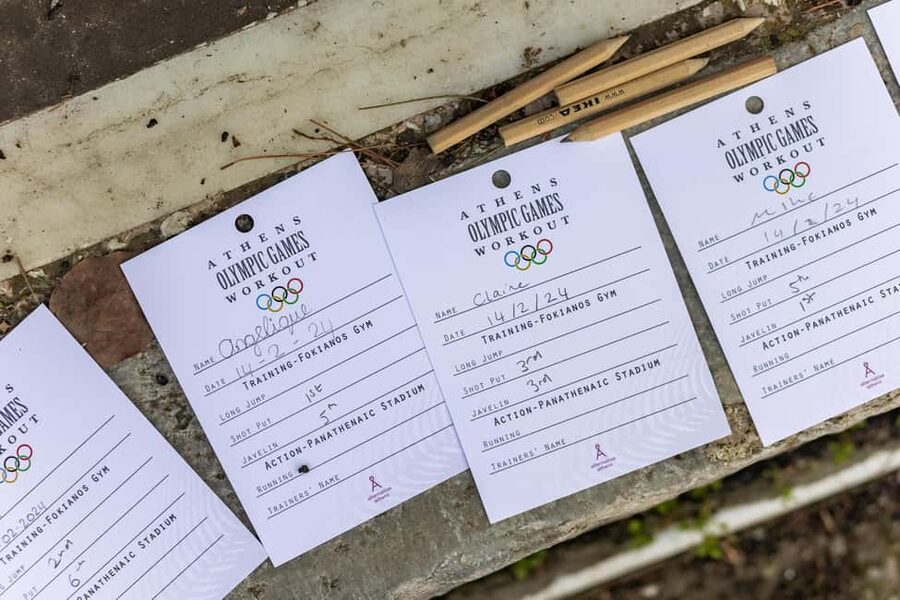
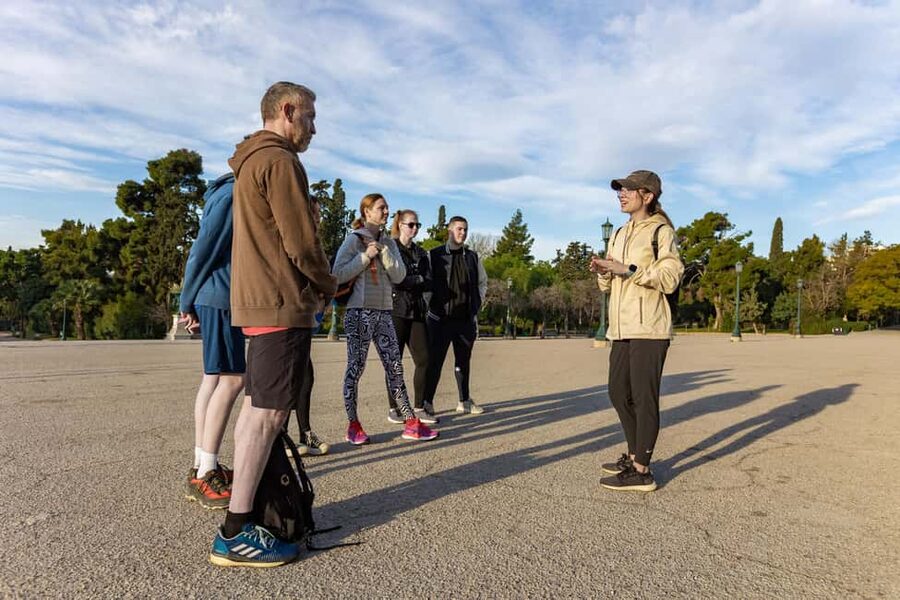
A big part of whether this feels fun or stressful is the trainer. The format here includes a certified sports trainer and a workout that’s designed for a range of ages and fitness levels. That’s not a throwaway promise—your coach’s job is to teach technique and keep the energy moving, while adjusting the session to the group.
In real practice, you’ll see how much the coach influences the experience. Different guides are named in the feedback—people mention Evi, Dean, Tonia, Katherine, and Mytra—and the common thread is patience and keeping everyone included. That shows up most when kids are part of the group, because kids can lose interest quickly if instruction gets too complicated.
You’ll get technique guidance for multiple events. One participant described the day covering wrestling, javelin, long jump, discus, shot put, and track elements—so the session can include a mix beyond only throwing. Don’t assume you’ll do every single event exactly the same way each time, but plan for a variety of activities rather than one long drill.
Practical safety basics to follow
This is active, and the notes are clear:
- Bring comfortable shoes and sportswear
- Bring water
- Avoid heavy meals about 2 hours prior
- Open-toed shoes aren’t allowed
- If you have any health concerns, follow the activity’s restrictions
I’d also keep your expectations grounded: this is a workout and history day, not a professional track meet. The goal is learning, technique, and fun reps, not records.
Price and value check: $64 for sport plus Olympic sites
At $64 per person for 2 hours, the price lands in the mid-to-higher range for what many people expect from a city activity. Here’s how I’d evaluate the value.
What’s included
Your ticket covers:
- A certified sports trainer
- The workout
- The tour
That’s a clear structure. You’re paying for both movement coaching and the guided historical context that turns the sites into something more than a photo stop.
What’s not included
The big detail: entry fees aren’t included, and food and drinks aren’t included. One review specifically mentioned paying an extra fee for stadium access, which is a good reality check for your budgeting. Since the tour description points out entry fees aren’t included, you should assume you might pay an add-on at the venue.
Where the value can feel strong
This value feels best when you:
- Want a hands-on way to learn about the ancient and modern Olympic Games
- Enjoy interactive activities more than standing around
- Like the idea of learning a few track-and-field event basics and running the marble track
For families, the value often feels stronger because the kids get movement and stories in the same package. Feedback repeatedly points to the session being a favorite for children, with adults enjoying the technique and history too.
Where the value may disappoint
The session can feel pricey if you mainly want stadium time or if you expect a full museum-style experience. Since the structure is active and technique-based, the workout portion can feel like a fun PE class—just in world-famous Olympic settings. If you’re an adult looking for a harder training session, you might find the intensity lighter than you imagined.
Who should book, and who should skip this Athens workout
This activity is listed as suitable for all ages and fitness levels, which is a rare and useful combination. That said, it’s still a sports session, so the limitations matter.
Best fit
You’ll likely love it if you:
- Are traveling with kids (the activities are designed to be participatory)
- Want a unique way to see Athens’ Olympic landmarks beyond standard sightseeing
- Like track-and-field basics even if you’re not an athlete
- Want a guided story about how the ancient games shaped Greek society and how the modern games returned in 1896
Not a fit if you have certain issues
The activity specifically notes it’s not suitable for:
- People with back problems
- People with mobility impairments
- Wheelchair users
- People with heart problems
- People with high blood pressure
- People with recent surgeries
If any of those apply to you or your group, skip this and choose a history-focused option instead. Also, if you know you’ll struggle with running, jumping, or throwing motions—even if they’re modified—make sure you’re comfortable with an active format.
Should you book the Athens Olympic Games Workout Session?
I’d book it if you want the kind of Athens morning that connects sport to story. The day’s strongest pull is the arc: Zappeion warm-up tied to the modern revival, technique practice in the gym area, then the big finish sprint in the Panathenaic Stadium. If you’re bringing kids, it’s hard to beat because they learn by doing, not by sitting.
I’d hesitate if:
- You’re mainly chasing the stadium and museum experience and hate extra costs (remember entry fees aren’t included)
- You expect a deep, long training plan like a real athletics camp
- You or someone in your group has the health or mobility restrictions listed above
If you do book, prepare like you’re going to a real practice: wear proper shoes, bring water, and plan a lighter meal before you start. Then enjoy what makes this tour different—you’re not just hearing about Olympic history, you’re moving through it.
FAQ
How long is the Athens Olympic Games Workout Session?
The duration is 2 hours.
Where do I meet for the tour?
Meet at the stairs located at the Zappeion Congress Hall, between the Temple of Olympian Zeus and the National Gardens of Athens.
What is included in the price?
The price includes a certified sports trainer, the workout, and the tour.
What is not included?
Entry fees and food and drinks are not included.
What should I bring and wear?
Bring comfortable shoes, water, and sportswear. Open-toed shoes are not allowed.
Is the workout suitable for all ages and fitness levels?
Yes. It is listed as suitable for all ages and fitness levels.
What languages is the session offered in?
The instructor is English.
More Tour Reviews in Athens
- Athens: Acropolis & up to 5 Archaeological Sites Combo Pass★ 4.2 · 13,904 reviews
- Athens: Acropolis, Parthenon & Acropolis Museum Guided Tour★ 4.8 · 9,316 reviews
- The Acropolis, Parthenon & Acropolis Museum Guided Tour★ 4.7 · 8,493 reviews
- Athens: Cape Sounion & Poseidon Temple Sunset Half-Day Trip★ 4.8 · 8,241 reviews
- Acropolis: Premium Acropolis and Parthenon Guided Tour★ 4.8 · 5,208 reviews
- Athens: Mythology of Delphi, Museum and Arachova Guided Tour★ 4.7 · 5,102 reviews