
Reviewed · GUIDED
Athens: the Great Greek Philosophers Guided Tour in Spanish
Two hours in Athens can turn into a debate. This Spanish guided walk connects Plato’s world to the places where Socrates’ story echoes, with stops at Aeropagus and the Socrates Prison area.
I love that the route is built around specific landmarks, not just vague “ancient Athens” storytelling. I also like how the tour keeps the ideas grounded in real locations and real stakes, including the warning that wise thinking can bring trouble.
One thing to consider: the tour covers a good chunk of ground in 150 minutes, so comfortable shoes and water aren’t optional.
In This Review
- Key things to know before you go
- Starting in Spanish: Meeting in Front of the Statue of Plato
- Plato to the Agora: How the tour ties streets to ideas
- Pnyx Hill Stories: Public thinking and real-world tension
- Aeropagus: The walk where wisdom has consequences
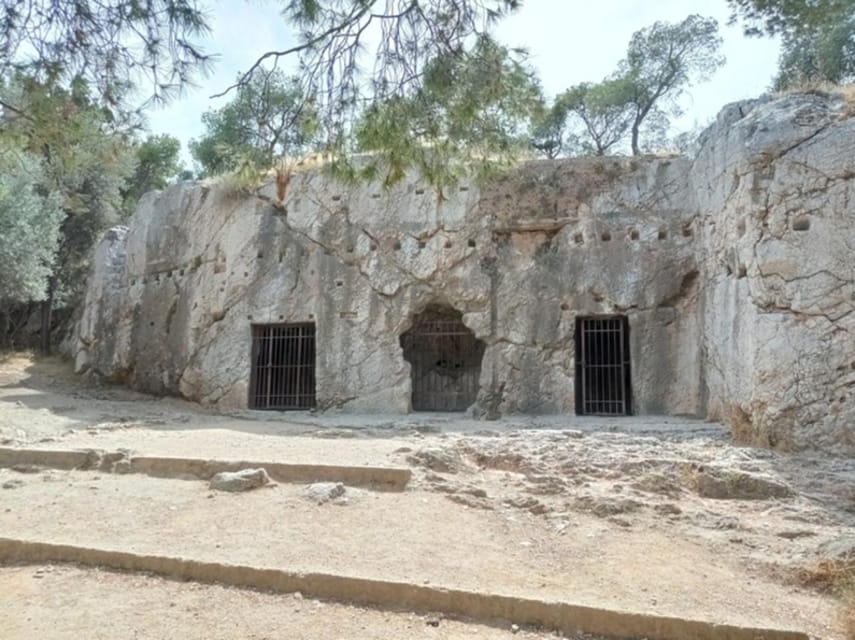
- Socrates Prison Stop: Why the ending sticks with you
- What the guide does best: stories, questions, and clear explanations
- Price and timing: Is $34 worth 150 minutes in Athens?
- Who should book this Spanish Great Greek Philosophers tour
- Should You Book This Tour of the Great Greek Philosophers?
- FAQ
- Where is the meeting point?
- How long is the tour?
- What language is the guide?
- What is included in the price?
- What should I bring?
- Is food or drinks included?
- What if I need to cancel?
Key things to know before you go
- Meet at the Statue of Plato: You’ll start in front of it, 10 minutes before the tour begins.
- Three big philosophy stops: Plaza-scale Plato, Aeropagus, and the Socrates Prison point.
- Spanish-only live guide: The whole experience runs in Spanish, with live guiding.
- Told as stories, not lectures: Expect moral and philosophical discussion tied to what you see.
- Two hours of walking: Bring water and wear shoes you can trust for city sidewalks.
More days made easy with a guide
- Athens: Acropolis, Parthenon & Acropolis Museum Guided Tour
★ 4.8 · 9,316 reviews - The Acropolis, Parthenon & Acropolis Museum Guided Tour
★ 4.7 · 8,493 reviews - Acropolis: Premium Acropolis and Parthenon Guided Tour
★ 4.8 · 5,208 reviews - Athens: Mythology of Delphi, Museum and Arachova Guided Tour
★ 4.7 · 5,102 reviews
Starting in Spanish: Meeting in Front of the Statue of Plato

If you like your Athens sightseeing to have a spine, this is the kind of tour that does it. You meet right in front of the Statue of Plato, and that matters more than you might think. It gives you a clear starting point and a clear promise: the story begins with Plato, then moves forward through Athens.
You’ll want to arrive early because the meeting time is set. The guide asks you to be there 10 minutes before the tour begins, so you can start together and not waste time in that first confusion phase where nobody knows where to gather.
Because the guide is live and Spanish-speaking, plan to use your ears more than your phone. If your Spanish is basic, you can still enjoy the tour by focusing on key words around names and ideas. Just keep expectations realistic: this isn’t a silent museum loop. It’s a guided walk where language carries the point.
The overall vibe from the feedback is that the guide is friendly and willing to work with the group. People praised guides like Gregory and Sunny for being engaging, personable, and easy to talk to. That’s a good sign if you want more than facts dumped at you while you’re walking.
Plato to the Agora: How the tour ties streets to ideas
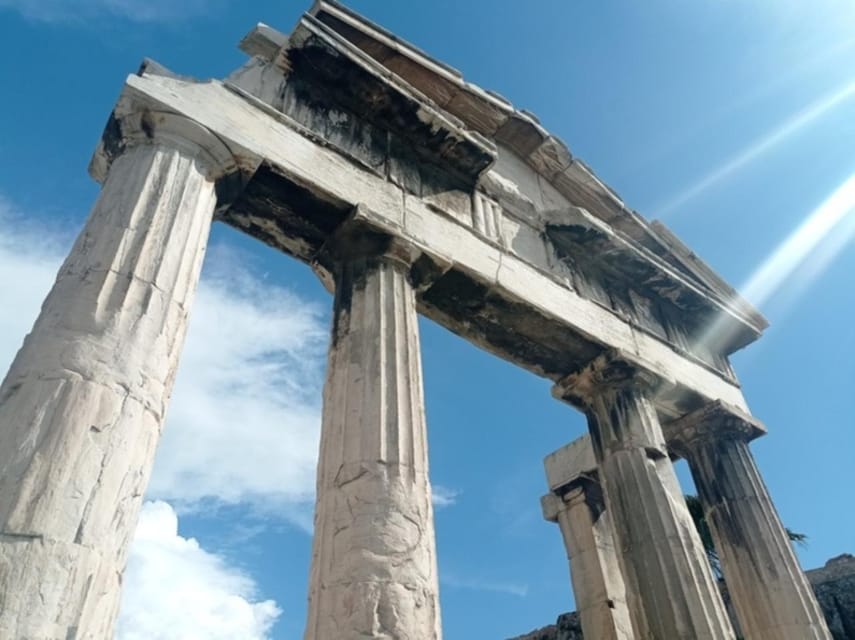
From the start, the tour traces a line through the city that you can follow even if you’re not a philosophy superfan. The big idea is this: philosophy wasn’t just written in books. It happened in public places, among people, and in spaces where arguments could spread.
The route concept runs from the Greek agora toward key spaces connected with classical thinkers. You’ll hear the birth of philosophy and how the major names became part of how society thought. Instead of treating Plato, Socrates, and others as separate statues, the guide weaves them into one continuous story you can walk through.
What I like about this approach is that it makes the city do the heavy lifting. You’re not just memorizing who said what. You’re seeing how each place fits a theme: public life, ideas in motion, and the social consequences of thinking differently.
You’ll likely spend time on the moral side of philosophy too. The tour description leans into an important theme: sometimes being wise can come with a cost. That’s not a dry warning. It’s a hook that helps you understand why places connected to trials, conflict, or punishment show up in the story at all.
Pnyx Hill Stories: Public thinking and real-world tension
One of the most useful parts of a philosophy tour is the way it helps you understand why these ideas landed when and where they did. This walk includes the hill of Pnyx, and that changes the feel of the experience. Even if you don’t know the technical history of the site, the Pnyx stop gives the tour a sense of public voice.
The guide’s job here is to translate “place” into “meaning.” You get symbolism and context tied to how people organized society back then, and how those early patterns later influenced bigger shifts in thought.
This is also where the tour’s storytelling style starts to feel most practical. You’re not just hearing about philosophers. You’re hearing how their ideas relate to the tension between personal beliefs and public life. That’s why the humor and down-to-earth tone you see in the feedback matters. If the guide can keep it lively, you’ll stay with the story instead of losing it halfway through the walking.
If you enjoy discussions, you’re also set up for that here. Several guides were praised for asking questions that make you think, not just listen. The best moments on this kind of tour are when your brain flips from memorizing to reasoning.


Aeropagus: The walk where wisdom has consequences
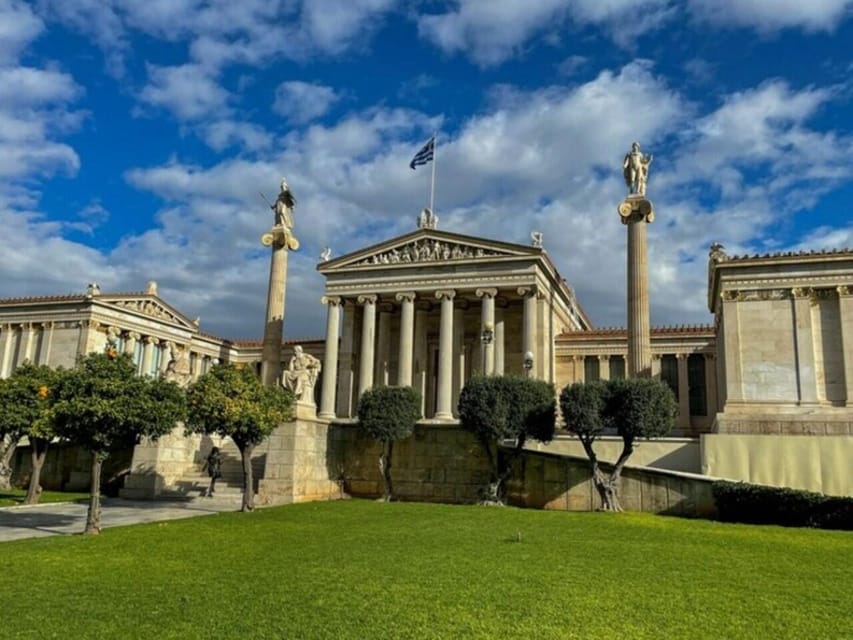
The tour’s Aeropagus stop is one of the central highlights for a reason. Even without getting buried in academic detail, this location anchors the tour’s theme: wisdom can carry risk.
Here’s the practical payoff for you: walking to a real place makes the idea of consequences easier to grasp. You’re standing in the setting where stories about judgement, debate, or punishment connect back to philosophical figures. The guide links the site to how ancients viewed society and how arguments could have serious outcomes.
The feedback pattern is strong on guide quality. People noted that the hosts were organized and clear communicators, and that they answered questions without rushing you. That matters most at stops like Aeropagus, where the story can get heavier. A good guide keeps it understandable, not intimidating.
Another plus: this tour seems built for different levels. Some people joined as complete beginners, others as philosophy fans. The guide style described in feedback suggests he adjusts to the group, explaining concepts in plain language and using analogies tied to daily life or everyday objects. If you like explanations you can actually remember later, Aeropagus is one of the places where that style pays off.
Socrates Prison Stop: Why the ending sticks with you
By the time you reach the Socrates Prison area, the tour’s emotional logic has built up. The walk doesn’t treat the last stop as a photo op. It frames it as part of a bigger question: what happens when you challenge accepted beliefs?
The tour description itself hints at this, saying being wise can end up costing you dearly. That theme fits the Socrates part of the story, and it gives the tour a satisfying shape. Instead of a random collection of sites, you get a narrative arc from big thinkers to the costs of thinking freely.
I also like that the “Socrates Prison” stop is explicit. Many walking tours promise “famous places,” then deliver something vague. Here, the highlight list names it clearly, so you know your time will include the most iconic anchor point for anyone curious about Socrates.
One practical tip: since this is a walk and you’ll be moving throughout the 150 minutes, pace yourself on the final stretch. Keep your energy for listening and questions. If you’re the kind of person who asks follow-ups, this is a good moment to do it.
What the guide does best: stories, questions, and clear explanations
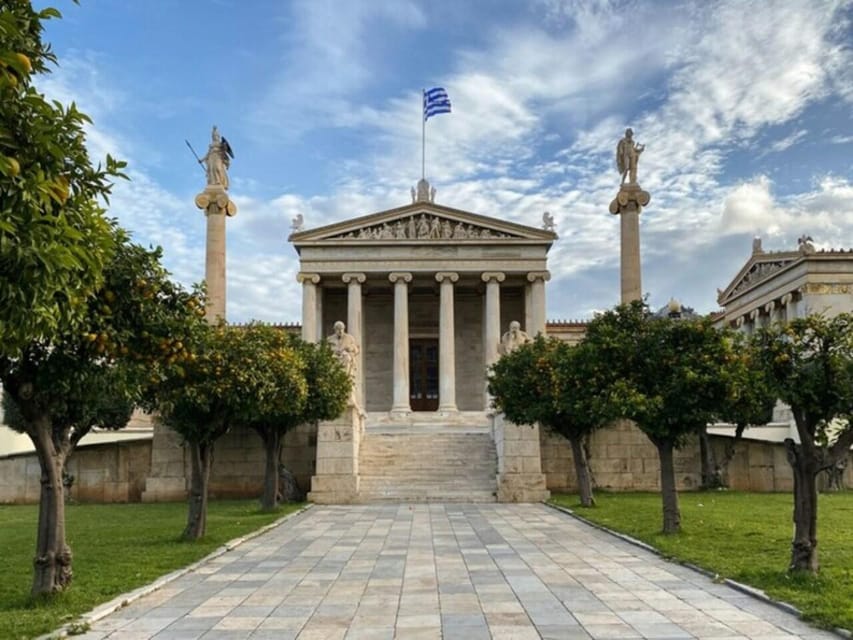
The strongest theme in the feedback is how the guide teaches. This isn’t a silent tour where you just absorb plaques. It’s a live conversation on foot, guided in Spanish, where the host brings philosophy alive with storytelling and interactive prompts.
A few specific things that show up again and again:
- The guides are described as passionate, and that shows in the way they connect ideas to the places you walk to.
- People praised how the guide explains concepts clearly, including when participants didn’t start as philosophy experts.
- The host encourages questions and discussion, often using a kind of mind-game style engagement where you think before you answer.
- The guide also helped people beyond the tour with general Athens recommendations, history, and context.
That matters for your experience because you’ll remember stories you were invited into. If you go in expecting a lecture, you may leave disappointed. If you go in expecting a lively walk where you can ask questions, you’re set up for a better time.
Also, the tour is described as well-organized and good at communication about plans. On walking tours, that’s huge. When the structure is good, you spend less mental energy figuring out where you’re going and more energy taking in what you’re learning.
Price and timing: Is $34 worth 150 minutes in Athens?
Let’s talk value, because $34 can be a steal or a waste depending on what you get.
Here, the math works in your favor because you’re paying for:
- a live official tour guide
- 150 minutes of guided walking
- multiple named philosophy sites, including major highlights
- a Spanish-first experience built around ideas and interpretation, not just sight-seeing
You also get a practical benefit: walking tours in central Athens are time-efficient. You’re not hunting down each stop alone. You’re also not piecing together stories across guidebooks and websites. For many people, that’s where the money goes from “tour price” to “time saved + context gained.”
A possible consideration is that food and drinks aren’t included. That’s normal, but it changes how you plan your day. If you’re scheduling this between other activities, grab water before you meet and consider a meal plan around the tour window.
Since the route takes you through city areas on foot, wear shoes you can handle. This is not a “wear sandals and float” kind of experience. Comfortable shoes keeps your head in the story instead of your feet in pain.
Who should book this Spanish Great Greek Philosophers tour
This tour fits best if you want Athens to make sense through ideas, not just ruins.
Book it if:
- you’re curious about Socrates and Plato, and you want the story anchored to specific places
- you like guided discussion, questions, and explanation in plain language
- you’re comfortable with Spanish as the main language, even if you’re not fluent
You might skip it if:
- you need a fully English experience
- you hate walking for two hours
- you prefer architecture facts only, with minimal story and discussion
If you’re traveling with friends who have mixed interests, this can work nicely. Some people love philosophy. Others just want a good “how to see the city” tour. The place-based storytelling bridges that gap.
Should You Book This Tour of the Great Greek Philosophers?
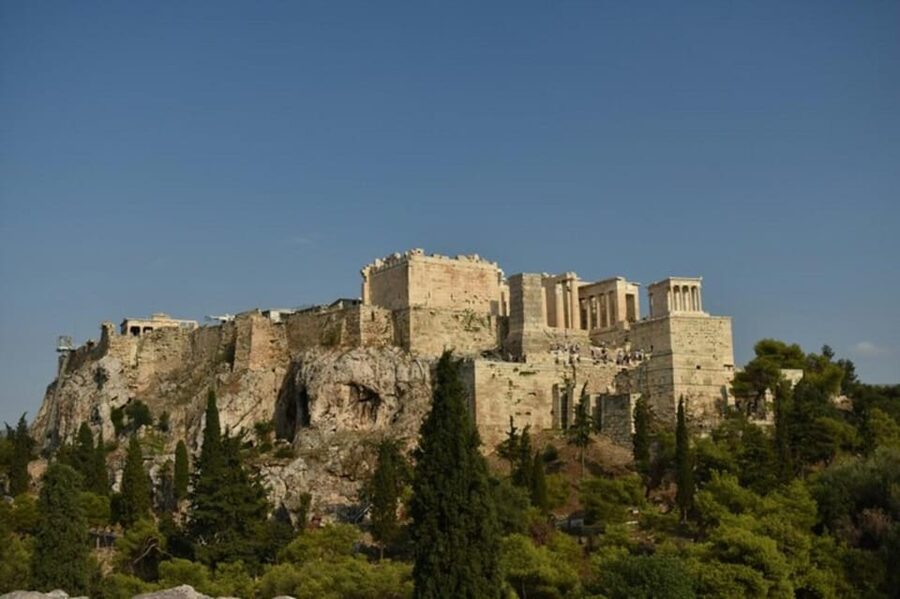
For most visitors, I’d say yes, especially if you’re the type who likes connecting places to ideas. The tour’s biggest strength is its clear focus: it’s not trying to cover all of Athens. It picks key philosophy-linked stops—Statue of Plato, Aeropagus, and the Socrates Prison area—and uses them to tell a coherent story.
The second reason to book is the guide energy. Multiple people singled out guides like Gregory and Sunny for being friendly, organized, and genuinely engaged. That makes the difference between a tour you forget and one that sticks in your mind for the rest of your trip.
Just plan smart: bring water, wear comfortable shoes, and give yourself room after the tour to keep the conversation going on your own. Two hours isn’t long, but it’s long enough to leave Athens thinking differently.
FAQ
Where is the meeting point?
Meet in front of the Statue of Plato. Plan to arrive about 10 minutes before the tour begins.
How long is the tour?
The tour lasts about 150 minutes.
What language is the guide?
The tour is guided live in Spanish.
What is included in the price?
The included item is an official tour guide.
What should I bring?
Bring comfortable shoes and water.
Is food or drinks included?
No. Food and drinks are not included.
What if I need to cancel?
You can cancel up to 24 hours in advance for a full refund.
Simpler With a Local Guide
- Athens: Acropolis, Parthenon & Acropolis Museum Guided Tour★ 4.8 · 9,316 reviews
- The Acropolis, Parthenon & Acropolis Museum Guided Tour★ 4.7 · 8,493 reviews
- Acropolis: Premium Acropolis and Parthenon Guided Tour★ 4.8 · 5,208 reviews
- Athens: Mythology of Delphi, Museum and Arachova Guided Tour★ 4.7 · 5,102 reviews
- Acropolis and Parthenon Guided Walking Tour★ 5.0 · 4,755 reviews
- Athens: Cape Sounio & Poseidon Temple Trip with Audio Guide★ 4.4 · 4,521 reviews
More Tours in Athens
- Athens: Acropolis, Parthenon & Acropolis Museum Guided Tour★ 4.8 · 9,316 reviews
- The Acropolis, Parthenon & Acropolis Museum Guided Tour★ 4.7 · 8,493 reviews
- Acropolis: Premium Acropolis and Parthenon Guided Tour★ 4.8 · 5,208 reviews
- Athens: Mythology of Delphi, Museum and Arachova Guided Tour★ 4.7 · 5,102 reviews
- Acropolis and Parthenon Guided Walking Tour★ 5.0 · 4,755 reviews
- Greek Food Walking Tour in Athens★ 5.0 · 4,740 reviews
More Tour Reviews in Athens
- Athens: Acropolis & up to 5 Archaeological Sites Combo Pass★ 4.2 · 13,904 reviews
- Athens: Acropolis, Parthenon & Acropolis Museum Guided Tour★ 4.8 · 9,316 reviews
- The Acropolis, Parthenon & Acropolis Museum Guided Tour★ 4.7 · 8,493 reviews
- Athens: Cape Sounion & Poseidon Temple Sunset Half-Day Trip★ 4.8 · 8,241 reviews
- Acropolis: Premium Acropolis and Parthenon Guided Tour★ 4.8 · 5,208 reviews
- Athens: Mythology of Delphi, Museum and Arachova Guided Tour★ 4.7 · 5,102 reviews
Fresh Off the Boat: New Athens Reviews





Guided, compared.
 ★ 4.8Acropolis, Parthenon & Acropolis Museum Guided TourFrom $409,316 reviews
 ★ 4.7The Acropolis, Parthenon & Acropolis Museum Guided TourFrom $408,493 reviews
 ★ 4.8Acropolis: Premium Acropolis and Parthenon Guided TourFrom $405,208 reviews
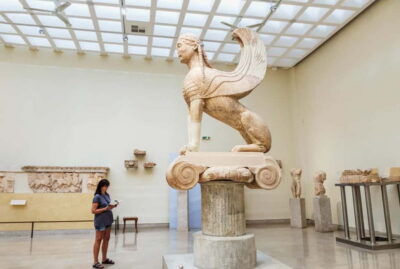 ★ 4.7Mythology of Delphi, Museum and Arachova Guided TourFrom $305,102 reviews
 ★ 5.0Acropolis and Parthenon Guided Walking TourFrom $414,755 reviews
 ★ 4.4Cape Sounio & Poseidon Temple Trip with Audio GuideFrom $234,521 reviews
★ 4.8Acropolis, Parthenon & Acropolis Museum Guided TourFrom $413,579 reviews
★ 4.4Cape Sounio & Poseidon Temple Trip with Audio GuideFrom $234,521 reviews
★ 4.8Acropolis, Parthenon & Acropolis Museum Guided TourFrom $413,579 reviews
 ★ 4.0Acropolis Ticket with Audio GuideFrom $473,575 reviews