

Reviewed · ACROPOLIS & PARTHENON TOURS
Cook a Greek Feast Steps From the Acropolis (8-Course Meal)
A 3-hour feast near the Parthenon. This hands-on, plant-based cooking class in central Athens walks you through an 8-course menu you can recreate later, with the Acropolis area close enough to feel like part of the experience. I like that it is structured like a meal, not a demo—so you practice real techniques while you build a full plate of Greek flavors.
Two things I especially like: you get English instruction and a small group (up to 12), so you can ask questions without shouting. And the menu is thoughtfully built for modern plant-based cooking—cashew béchamel, soy-based layers, and an almond “feta” that changes how you think about Greek-style creaminess.
One possible drawback: it is fully plant-based. If you were expecting a traditional, meat-and-dairy feast, you may feel off at first. That one note matters, and it’s smart to check your expectations before you book.
In This Review
- Key highlights you’ll actually feel during the class
- Athens cooking class steps from the Acropolis
- What you’re really signing up for: plant-based Greek, eight courses
- Course by course: the 8 dishes that define the meal
- Spanakopita: homemade filo dough and spinach-herb filling
- Vegan moussaka: eggplant, soy-based layers, and cashew béchamel
- Tzatziki: yogurt cucumber dip with garlic and olive oil
- Fava: the lemon-onion split pea spread that tastes like home
- Dakos: Cretan barley rusk with tomatoes and almond “feta”
- Almond “feta”: creamy plant-based cheese with almond pulp
- Koulouri: sesame bread rings with soft inside crunch outside
- Dessert ekmek: chilled syrup-soaked bread and semolina cream
- Why the eight-course pacing works (and who it suits)
- Price and value: is $114.74 worth it?
- Practical tips for booking and enjoying the class
- Should you book this Greek Feast Steps From the Acropolis class?
- FAQ
- How long is the cooking class?
- Where does the class start?
- Is the class offered in English?
- What’s included in the price?
- Is the menu vegan or plant-based?
- Can you tailor the class for dietary needs?
- How many people are in the class?
- Are tips included for the chef?
- What is the cancellation policy?
Key highlights you’ll actually feel during the class
- A complete 8-course plant-based meal rather than a sample or snack
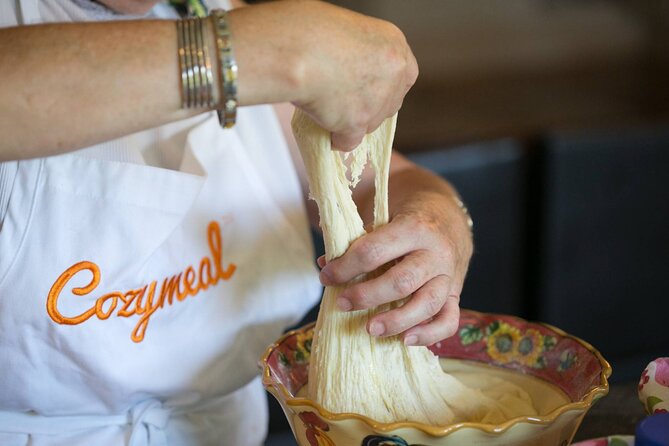
- Homemade filo dough for spanakopita, not just store-bought shortcuts
- Cashew béchamel and almond “feta” that teach technique, not just substitutions
- Cretan-focused dishes like dakos, so you taste more than generic Greek staples
- Small group setup (max 12) that makes hands-on coaching easier
- Cultural storytelling + home-recipe tips so you leave with usable knowledge
More ways up the sacred rock, set side by side
- Athens: Acropolis & up to 5 Archaeological Sites Combo Pass
★ 4.2 · 13,904 reviews - Athens: Acropolis, Parthenon & Acropolis Museum Guided Tour
★ 4.8 · 9,316 reviews - The Acropolis, Parthenon & Acropolis Museum Guided Tour
★ 4.7 · 8,493 reviews - Acropolis: Premium Acropolis and Parthenon Guided Tour
★ 4.8 · 5,208 reviews
Athens cooking class steps from the Acropolis
This class runs about 3 hours in central Athens, in the area near the Acropolis. The meeting point is SOYBIRD, Cooking Classes Athens, Veikou 75-77, Athina 117 41. You’ll start there and end back at the same spot.
Timing-wise, it’s long enough to actually cook (not just watch), but short enough to fit neatly into a day that also includes the Acropolis. The ticket is a mobile one, and you’ll receive confirmation at booking time.
Group size is capped at 12. That’s big enough to feel lively, but small enough that the instructors can correct your hands-on technique—especially helpful for tasks like dough work and sauces.
Language is English, which makes a difference when you’re learning food you might not have tackled before. Even if you’ve cooked Greek at home, you’ll likely pick up new ways to get the right textures from plant-based ingredients.
What you’re really signing up for: plant-based Greek, eight courses
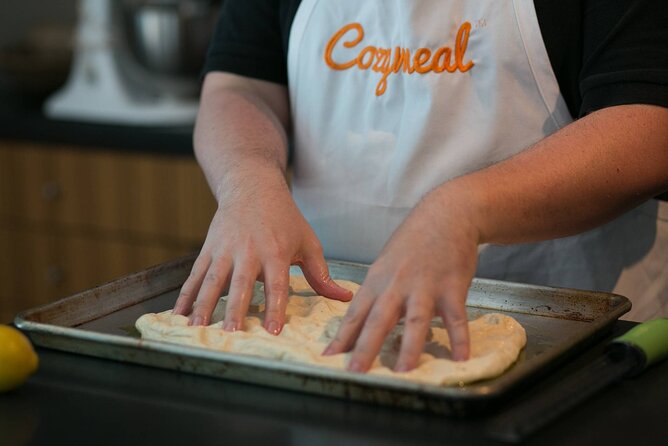
This isn’t a Greek history lecture with a snack at the end. It’s an 8-course plant-based cooking experience built around specific dishes that many people associate with Greek comfort food.
You’ll make:
- spanakopita (spinach pie with homemade filo dough)
- moussaka with cashew béchamel and soy-based ground “meat”
- tzatziki (yogurt cucumber dip)
- fava (Greek hummus-style spread from split peas)
- dakos (Cretan barley rusk with tomatoes and almond-based “feta”)
- almond “feta” (creamy cheese style using almond pulp and lemon juice)
- koulouri (sesame bread rings)
- ekmek dessert (chilled, syrup-soaked bread with semolina cream and chopped nuts)
Here’s the key value for you: you’re learning how the plant-based versions work in practice. Cashew béchamel isn’t just a label. You’re taught how it behaves as a sauce. Almond “feta” isn’t just a flavor idea. It’s a technique for building a creamy, salty component.
The class also accommodates different dietary needs. If you have restrictions or allergies, you should let the organizers know in advance so they can tailor the recipes as best they can. Service animals are allowed, too.
Course by course: the 8 dishes that define the meal
This class is designed around building one course into the next. Expect the work to shift from dough and layering to mixing dips, then to assembling and finishing with bread and dessert.
I like this structure because you don’t spend the whole time stuck at one station. You’ll move through different skills, so the time feels useful, not repetitive.


Spanakopita: homemade filo dough and spinach-herb filling
The first course is spanakopita, a spinach pie made with homemade filo dough. You’ll work with fresh spinach and aromatic herbs, wrapped in that thin, delicate style dough.
The practical takeaway for you is texture control. Filo dough needs patience and gentle handling, and the instructor’s guidance matters. Once you understand how to manage it, you’ll be less intimidated if you want to do it at home later.
Vegan moussaka: eggplant, soy-based layers, and cashew béchamel
Next comes moussaka—Greek comfort food, adapted here for a plant-based table. You’ll layer eggplant, soy-based ground meat, and a cashew béchamel sauce.
This part teaches a lot because béchamel is where plant-based versions can go wrong. The goal is a creamy sauce that holds up in layers, not something watery. Learning the approach helps you later when you make other baked casseroles.
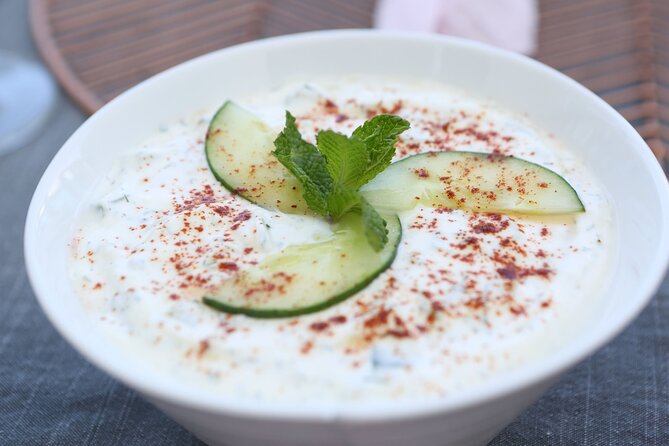
Tzatziki: yogurt cucumber dip with garlic and olive oil
Third is tzatziki, the classic yogurt cucumber dip with garlic, olive oil, and fresh herbs. It’s a palate reset after the heavier layered dish.
I like that you get a fresh, cooling course here. It balances the meal and also gives you a simple win you can reproduce quickly at home. Cucumber, garlic, herbs, and yogurt sound basic, but the small details—how you mix, how you balance—are where you taste the difference.
Fava: the lemon-onion split pea spread that tastes like home
Fourth course is fava, a yellow Greek hummus made from split peas, lemon juice, and onions, finished with olive oil.
If you think fava is just hummus with a new name, this lesson changes that. Split peas have their own flavor and body, so the dish lands with a different kind of satisfaction. The citrus and onion keep it bright, and olive oil ties everything together.
Dakos: Cretan barley rusk with tomatoes and almond “feta”
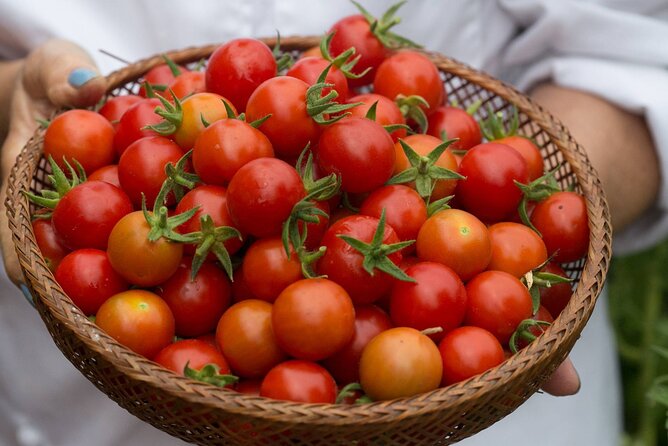
Fifth is dakos, a Cretan specialty built on barley rusk. It’s topped with tomatoes and olive oil, then finished with almond-based “feta.”
This course is a great example of regional Greek cooking. You’re not only learning the flavors; you’re learning how locals build a dish with what’s available and how textures work together—crunch, soak, then creamy topping.
Almond “feta”: creamy plant-based cheese with almond pulp
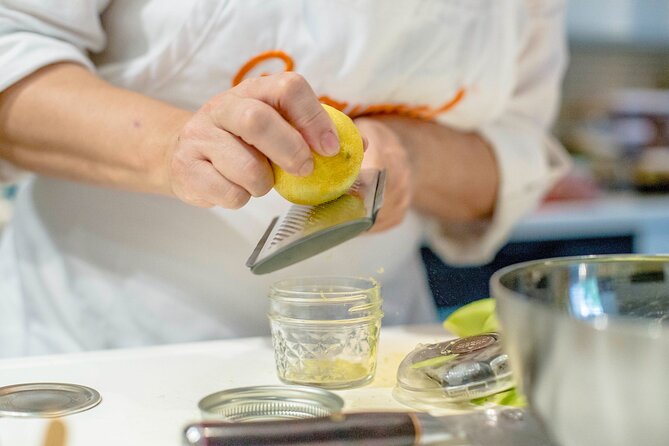
Sixth course is the almond “feta” itself. It’s made from almond pulp, lemon juice, and sea salt.
This is one of those behind-the-scenes skills that can make you feel like you cracked a code. Once you know how to create a creamy, salty topping from almonds, you’ll start seeing ways to use it beyond this class—on salads, in bowls, or alongside breads.
Koulouri: sesame bread rings with soft inside crunch outside
Seventh course is koulouri, sesame bread rings. You roll them in sesame seeds, and the expectation here is that you get a soft inside with a crunchy outside.
Bread-focused courses are always a favorite because you can smell progress. This one also gives you something practical to take home: once you’ve watched how to shape and coat the rings, you can repeat the process without turning it into a science experiment.
Dessert ekmek: chilled syrup-soaked bread and semolina cream
The dessert is ekmek, chilled Greek dessert built with syrup-soaked bread, semolina cream, whipped topping, and chopped nuts.
It’s a good end to the meal because it’s cool and sweet, not heavy on the throat. The semolina cream adds structure, and the nuts bring texture after the syrup-soaked base. If you’ve only tried syrup desserts that feel overly sticky, this one offers a different rhythm.
Why the eight-course pacing works (and who it suits)
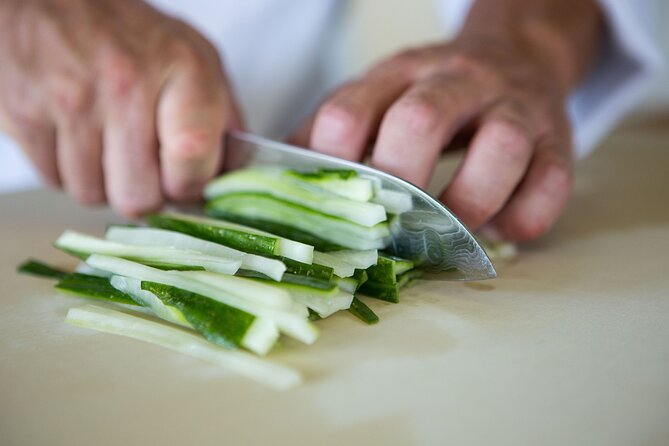
If you like meals where each course has a job—starter for interest, main for comfort, dessert for finish—this format helps. You also get variety in techniques: dough work, sauces, dips, spreads, bread shaping, and dessert assembly.
This is a strong match if:
- you want a plant-based Greek meal that doesn’t feel like a compromise
- you care about technique, not just tasting
- you’re traveling with dietary needs and want a structured experience
- you want to learn regional touches, including Cretan dakos
It may not be the best fit if you strongly prefer traditional versions that use animal products. The class is intentionally plant-based from start to finish, and that matters.
Price and value: is $114.74 worth it?
The price is $114.74 per person for an approximately 3-hour, hands-on class that includes the full 8-course plant-based menu plus instruction and cultural storytelling.
What makes it feel like value isn’t just the number of courses. It’s that you’re not only eating; you’re learning processes you can replicate: homemade filo dough, cashew béchamel, and almond “feta” are three examples where technique is the point. You’re also getting tips to recreate the dishes at home, which stretches the value beyond the one meal.
Two things are not included: tips for the chef, and transportation. That’s normal for classes like this, but it’s worth budgeting for it so there are no surprises when you’re paying at the end.
Practical tips for booking and enjoying the class

This is an English-language class with a max of 12 people, and you’ll be cooking for a full meal’s worth of courses. Plan your day so you’re not rushing afterward—your hands may be flour-dusted by the end, and dessert still comes last.
You’ll meet at SOYBIRD on Veikou, and the activity ends back at the meeting point. That keeps logistics simple if you’re also planning to visit landmarks nearby.
Also, if you have any dietary needs beyond standard preferences, tell them in advance. The class is designed to accommodate a variety of dietary needs, and early communication helps them tailor recipes.
For confirmation, you receive it at booking time, and you’ll have a mobile ticket. Service animals are allowed as well.
Should you book this Greek Feast Steps From the Acropolis class?
Book it if you want a hands-on Athens food experience that feels current: classic Greek flavors done in a plant-based way with real technique. The eight-course structure makes it satisfying, and the nearby Acropolis location is a bonus if you like packing culture and cooking into the same window of time.
Skip it (or at least double-check expectations) if you expected a traditional, meat-and-dairy cooking class. This one is plant-based all the way through, including the sauces and the cheese-like topping.
If you’re the kind of person who learns better by doing, you’ll likely get a lot out of the homemade filo, the cashew béchamel, and the almond “feta” lesson. Those are the kinds of skills that turn into dinner ideas later, not just memories from a one-off meal.
FAQ
How long is the cooking class?
The class lasts about 3 hours.
Where does the class start?
The meeting point is SOYBIRD – Cooking Classes Athens at Veikou 75-77, Athina 117 41, Greece.
Is the class offered in English?
Yes, the experience is offered in English.
What’s included in the price?
The price includes the full 8-course plant-based Greek menu, hosted in the central Athens kitchen near the Acropolis, plus hands-on instruction and cultural storytelling and tips to recreate the dishes at home.
Is the menu vegan or plant-based?
The class is a plant-based cooking class. It focuses on plant-based versions of the dishes listed in the 8-course menu.
Can you tailor the class for dietary needs?
Yes. The class is designed to accommodate a variety of dietary needs, and you should let the organizers know in advance so they can tailor the recipes as best they can.
How many people are in the class?
There is a maximum of 12 travelers.
Are tips included for the chef?
No. Tips for the chef are not included.
What is the cancellation policy?
You can cancel for a full refund up to 24 hours in advance of the experience’s start time. If you cancel less than 24 hours before, the amount paid will not be refunded. If the experience is canceled because a minimum number of travelers isn’t met, you’ll be offered a different date/experience or a full refund.
More Tour Reviews in Athens
- Athens: Acropolis & up to 5 Archaeological Sites Combo Pass★ 4.2 · 13,904 reviews
- Athens: Acropolis, Parthenon & Acropolis Museum Guided Tour★ 4.8 · 9,316 reviews
- The Acropolis, Parthenon & Acropolis Museum Guided Tour★ 4.7 · 8,493 reviews
- Athens: Cape Sounion & Poseidon Temple Sunset Half-Day Trip★ 4.8 · 8,241 reviews
- Acropolis: Premium Acropolis and Parthenon Guided Tour★ 4.8 · 5,208 reviews
- Athens: Mythology of Delphi, Museum and Arachova Guided Tour★ 4.7 · 5,102 reviews
The Acropolis, a Few More Ways Up
- Athens: Acropolis & up to 5 Archaeological Sites Combo Pass★ 4.2 · 13,904 reviews
- Athens: Acropolis, Parthenon & Acropolis Museum Guided Tour★ 4.8 · 9,316 reviews
- The Acropolis, Parthenon & Acropolis Museum Guided Tour★ 4.7 · 8,493 reviews
- Acropolis: Premium Acropolis and Parthenon Guided Tour★ 4.8 · 5,208 reviews
- Acropolis and Parthenon Guided Walking Tour★ 5.0 · 4,755 reviews
- Athens: Acropolis, Parthenon & Acropolis Museum Guided Tour★ 4.8 · 3,579 reviews
Fresh Off the Boat: New Athens Reviews





Acropolis & Parthenon Tours, compared.
 ★ 4.2Acropolis & up to 5 Archaeological Sites Combo PassFrom $4213,904 reviews
 ★ 4.8Acropolis, Parthenon & Acropolis Museum Guided TourFrom $409,316 reviews
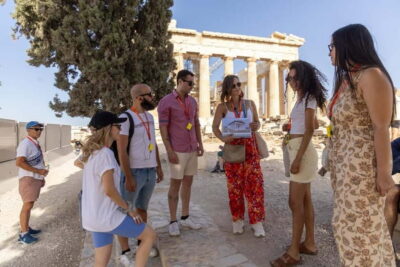 ★ 4.7The Acropolis, Parthenon & Acropolis Museum Guided TourFrom $408,493 reviews
 ★ 4.8Acropolis: Premium Acropolis and Parthenon Guided TourFrom $405,208 reviews
 ★ 5.0Acropolis and Parthenon Guided Walking TourFrom $414,755 reviews
★ 4.8Acropolis, Parthenon & Acropolis Museum Guided TourFrom $413,579 reviews
★ 5.0Acropolis and Parthenon Guided Walking TourFrom $414,755 reviews
★ 4.8Acropolis, Parthenon & Acropolis Museum Guided TourFrom $413,579 reviews
 ★ 4.0Acropolis Ticket with Audio GuideFrom $473,575 reviews
 ★ 5.0Athens Scenic Electric Bike Tour with optional Acropolis visitFrom $353,350 reviews