
Reviewed · GUIDED
PARADISIAL PELOPONNESE | Semi-Private 8-Day Guided Tour
Six people, zero kids, and real ruins. This semi-private Peloponnese trip pairs a certified archaeologist guide with major ancient sites and hands-on food experiences, all without the chaos of big tour herds. You also start with a gourmet dinner and Acropolis views, so the week feels special from hour one.
Two things I really like: first, the group size stays capped at six travelers and the tour is child-free (minimum age is 16). That matters in Athens and on long drive days, because you get time to ask questions and actually hear the story behind what you’re seeing. Second, the food program is not just included meals—it’s wine tasting plus a cooking lesson, including a seafood cooking presentation in Nafplio.
One consideration: this is a high-priced, non-refundable booking, and it can’t be changed after you pay. So double-check your dates and budget before you lock it in, because there’s no safety net if plans shift.
In This Review
- Key highlights to know before you go
- Athens first, then the Peloponnese: what this tour is really good at
- Day 1 in Athens: Acropolis at night, then Nafplio-style food
- Day 2 in Athens: Acropolis guided tour, Acropolis Museum, and classic landmarks
- Epidaurus and Nemea: perfect acoustics plus Agiorgitiko wine
- Mycenae, Sparta, and Monemvasia: Bronze Age power meets a medieval hideaway
- Ancient Messene and Pylos: big ruins in a calmer setting
- Pylos fortress and the Palace of Nestor: Bronze Age details you can actually picture
- Olympia, Planitero, and Kalavryta: sacred sports, a fishing break, and mountain-town time
- Kalavryta Holocaust Museum, Odontotos Railway, and Ancient Corinth on Day 8
- Hotels, meals, and the practical value of what’s included
- Group size, timing, and physical demands (what to realistically plan for)
- Who should book Paradisial Peloponnese
- Should you book this tour?
- FAQ
- How many travelers are on this tour?
- What is the minimum age?
- Where does the tour start?
- What time does the tour start?
- How long is the tour?
- What’s included in the price?
- Are admission tickets included?
- Is there a vegetarian option?
- What physical level is required?
- Is it refundable or changeable if my plans change?
Key highlights to know before you go
- Small group, child-free format: max 6 people and minimum age 16 keeps the pace human.
- Archaeologist English-speaking guide: you’re not just looking—you’re interpreting ruins.
- Major sites plus calmer stops: Athens anchor sights plus Peloponnese towns and Roman/Greek highlights.
- Wine tasting and cooking lesson included: food is part of the itinerary, not a side quest.
- 4–5 star hotels for seven nights: you get comfortable bases after busy sightseeing days.
More days made easy with a guide
- Athens: Acropolis, Parthenon & Acropolis Museum Guided Tour
★ 4.8 · 9,316 reviews - The Acropolis, Parthenon & Acropolis Museum Guided Tour
★ 4.7 · 8,493 reviews - Acropolis: Premium Acropolis and Parthenon Guided Tour
★ 4.8 · 5,208 reviews - Athens: Mythology of Delphi, Museum and Arachova Guided Tour
★ 4.7 · 5,102 reviews
Athens first, then the Peloponnese: what this tour is really good at
This tour is built for people who want ancient Greece, but also want breathing room. With a maximum of six travelers and a child-free group, the day-to-day feels less like you’re being delivered from one photo spot to the next and more like you’re learning a place. The certified archaeologist angle is the difference maker here: you get context for what you’re standing in front of, not just dates and facts.
You’ll also notice the itinerary follows a practical rhythm: big sights early, longer travel blocks between regions, then evening time in towns like Nafplio and Monemvasia. And because the week includes wine tasting plus an actual cooking lesson, you get a cultural layer that doesn’t require more museum time.
Price-wise, $4,624.74 per person is steep, but the materials do include a lot that normally costs extra: seven nights in 4–5 star hotels, a private minivan, travel insurance, and private tours with admission tickets for many stops. If you price that out on your own—especially with guides plus hotels—it starts to make more sense.
Day 1 in Athens: Acropolis at night, then Nafplio-style food
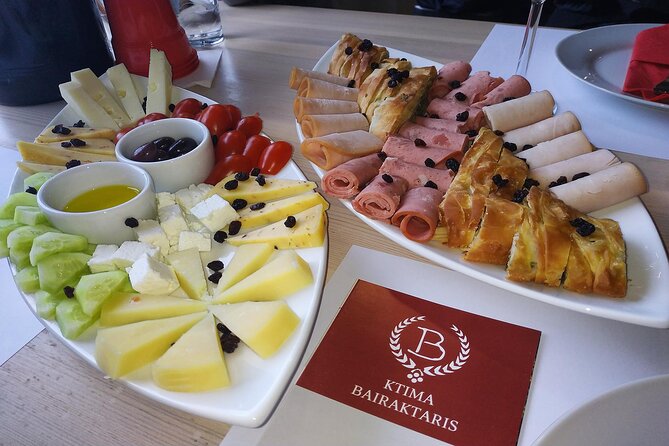
Day 1 is an evening start at 8:00 pm at the Royal Olympic Hotel (your meeting point). Instead of wasting your first hours in Athens, you head straight to the Acropolis area for views and a gourmet dinner, with the emphasis on atmosphere.
Then you spend the night in Nafplio later in the program day (the day block is listed as about 12 hours there). Nafplio is first-capital-of-Greece territory, and the schedule includes time to wander the old alleys and take in the Venetian architecture. The best practical part is the food: there’s a seafood cooking presentation led by a local chef, and you savor what you make with harbor views.
Possible drawback for day 1: it’s a long day and you start late, so jet lag matters. If you’re flying in from far away, plan to arrive a bit earlier than the meeting point day when you can.
Day 2 in Athens: Acropolis guided tour, Acropolis Museum, and classic landmarks
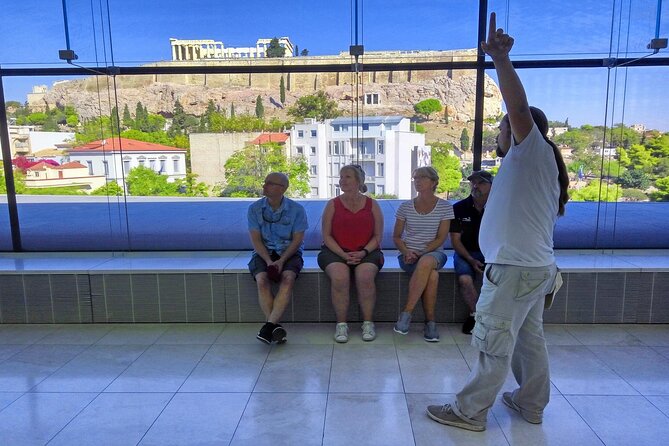
Day 2 keeps Athens tightly focused. You get a guided tour of the Acropolis (about two hours) with admission included, then a visit to the Acropolis Museum (also about two hours) where the ticket is included.
This is where the archaeologist guide pays off. The Acropolis tells you what the structures were built to represent; the museum helps you understand how those parts fit into a longer story reaching back to the 6th century BC. After that, the day includes shorter stops for big-view landmarks: Herod Atticus Odeon (15 minutes), the Temple of Olympian Zeus (15 minutes), and the Panathenaic Stadium (15 minutes).
You also pause at the Corinth Canal, the 6.3 km engineering cut that separates the Peloponnese from mainland Greece. It’s a quick stop, but it helps you visualize why this peninsula became such a crossroads through history.
If you’re someone who gets museum-worn easily, the day-to-day pacing still feels manageable because not every stop is a long walk. Still, your feet will notice Athens days, so wear shoes you trust.
More private options, your group only



Epidaurus and Nemea: perfect acoustics plus Agiorgitiko wine
Day 3 opens at Epidaurus, where the schedule highlights the Ancient Theatre of Epidaurus and its architectural harmony and perfect acoustics (about two hours, admission included). Even if you’ve seen photos, you feel the scale when you’re there. The guide’s job is to connect the design to what performances and civic life were meant to do.
Next is Nemea, paired with a wine tasting of Agiorgitiko, often called the Blood of Hercules. The tour’s timing gives you the myth-and-history angle while still keeping it fun: you’re not just sampling; you’re learning why this grape is tied to a legend.
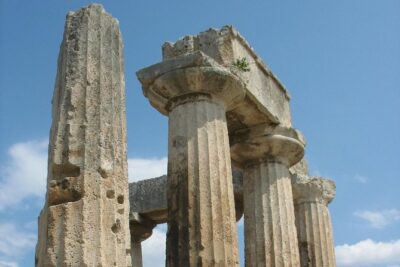
Then you visit Ancient Nemea (about two hours, admission included). This is your hands-on shift back to stone and structure: you explore the Doric-style Temple of Zeus from the 6th century BC, and you even have a chance to run on the original track at the Nemean Stadium. That “move your body” option makes the site feel less like a checklist and more like a memory.
Small consideration: this is another day with active ruins time. If you have knee or back issues, keep that in mind and pace yourself at sites with uneven ground.
Mycenae, Sparta, and Monemvasia: Bronze Age power meets a medieval hideaway
Day 4 starts with Mycenae, where you get two hours at the archaeological site (admission included). You see the Lion Gate and descend toward the Treasury of Atreus, believed to be Agamemnon’s tomb. This is one of those places where the scale feels immediate—monumental stone meant to communicate authority.
From Mycenae, you head to Sparta for a short visit to the Monument of Leonidas (30 minutes, free). It’s brief by design, so you get the reference point without losing the day’s momentum.
Then comes the big atmosphere change: Monemvasia. You get a long time block (about 12 hours) for a medieval castle town that’s described as remarkably well-preserved and dramatically hidden from the mainland. If you like towns where the buildings feel like part of the story, Monemvasia is a standout moment. Even when you’re just walking and looking, it’s easier to feel history here because it’s still in the street-level environment.
The main drawback of this day: it’s intense in range. Bronze Age, then Sparta, then a medieval fortress town. If you like a slower, deeper focus on one era, you might feel the variety as a lot. If you like variety, you’ll probably love the way the days “change gears.”
Ancient Messene and Pylos: big ruins in a calmer setting
Day 5 focuses on Ancient Messene and then transitions to Pylos. You visit Ancient Messene (about two hours), with admission marked free. The tour calls it one of Greece’s most extensive and well-preserved archaeological sites, and highlights include its theater, stadium, and fortification walls in a valley setting with lush mountains around it.
Then you move to Pylos, a seaside town with a long time block (about 12 hours). This is one of the ways the itinerary avoids feeling like nonstop ruin time. You get a break to stroll and reset before the next archaeological-heavy day.
Practical note: Messene and the fortifications are about structures and space, not quick photo angles. If you prefer tightly managed, short stops, you may want to slow down and take the time to read what’s around you (that’s exactly where the archaeologist guide helps).
Pylos fortress and the Palace of Nestor: Bronze Age details you can actually picture
Day 6 starts with the New Castle of Pylos, also known as Niokastro (about two hours, admission included). It’s a fortress that has guarded the bay for centuries, so you’re not just looking at walls—you’re seeing how geography supports defense.
Then you visit the Palace of Nestor (about two hours, admission included). This stop is especially valuable if you like Bronze Age life rather than just temples. The itinerary highlights the megaron hall, storerooms, and ancient tablets referencing early Greek writing (Linear B). The views over the surrounding countryside are called out too, which means you get both inside-history and outside-context in one block.
If you’re sensitive to long days: Day 6 is still structured for learning. You’ll likely walk between rooms and points of interest, so bring stamina, not just curiosity.
Olympia, Planitero, and Kalavryta: sacred sports, a fishing break, and mountain-town time
Day 7 is built like a three-act story. You begin at the Stadium at Olympia (about three hours, admission included). The tour emphasizes the sacred grounds where athletes competed for glory over 2,000 years ago, and it also references the colossal Statue of Zeus as a major legacy. When you’re in Olympia, you understand why sport and religion blended here.
Then the itinerary shifts to Planitero, where the program includes trout fishing and a stroll along calm riverbanks (about two hours, free). This is a smart break in the middle of a history week. It gives you a change of scenery and a chance to step away from stone.
Finally, you go to Kalavryta (about 12 hours, free). It’s a mountain town shaped by seasons—snow in winter, greenery in spring—and the surrounding nature is part of why the place is worth the stop.
What to consider: this day has activity variety. Some people love it; some prefer fewer transitions. If you get travel-weary, bring snacks and a water bottle for the longer blocks, even though meals are part of the plan.
Kalavryta Holocaust Museum, Odontotos Railway, and Ancient Corinth on Day 8
Day 8 is more reflective and more scenic. You start at the Municipal Museum of the Kalavryta Holocaust (about one hour, admission included). The schedule notes it honors World War II stories of the region’s strength and resilience. This stop isn’t treated like a quick checkbox; it’s timed enough for you to absorb the message before moving on.
Next you ride the Odontotos Rack Railway (about one hour, admission included) through the dramatic Vouraikos Gorge. It’s one of those “transport as experience” moments that breaks up the ancient sites and adds a different kind of memory.
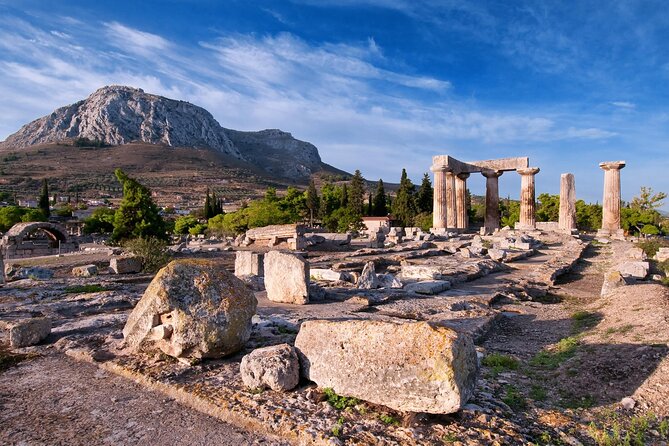
Then you finish with Ancient Corinth (Archaia Korinthos) for about two hours (admission included). The tour highlights include the Temple of Apollo, the Agora, and well-preserved ruins tied to Greece’s classical era, all in fertile plains fed by natural springs.
Your last note: you return to the meeting point at the end of the experience. So even though the day includes several stops, the overall structure still assumes a clear wrap-up back in central Athens logistics.
Hotels, meals, and the practical value of what’s included
You’re in 4–5 star hotels for seven nights, and that’s a real value piece when you compare this to piecing together the trip yourself. Instead of spending your time chasing hotel locations along winding roads, you get a planned base each night.
Meals are included, and the materials list optional lunch and dinner counts plus seven breakfasts. Translation: you’re not guaranteed every single meal every day in the same way, so check the final itinerary confirmation for which meals are included on each date. The big meal features are baked into the experience, especially the gourmet dinner on Day 1 and the seafood cooking presentation in Nafplio.
Wine tasting is included, and the cooking lesson is included—plus vegetarian option is available if you tell the operator at booking time. One clear limitation: alcoholic beverages aren’t included, so if you like to pair wine with meals, plan to pay for that portion separately.
Group size, timing, and physical demands (what to realistically plan for)
This tour is designed for moderate physical fitness. That doesn’t mean it’s an extreme hike program, but it does mean you should expect walking and time on your feet at archaeological sites and in towns with uneven surfaces. Many stops are listed at 1–3 hours each, and the day blocks between places are long enough that you’ll want comfortable travel clothes and good shoes.
Another timing factor: you start on Day 1 at 8:00 pm, which can be a plus if you’re already in Athens that evening, but it’s a headache if your schedule is tight earlier in the day. If you’re arriving from overseas, I’d build in flexibility so you can rest before the first big sightseeing push.
Who should book Paradisial Peloponnese
This is a strong match if you:
- want major ruins and iconic museums without being in a crowd of strangers
- like archaeology explanations, especially from a certified English-speaking archaeologist guide
- care about food as part of the culture (wine tasting plus a cooking lesson)
- prefer staying in comfortable hotels instead of grinding through daily hotel changes
It may be less ideal if you:
- need a totally flexible schedule (the booking is non-refundable and can’t be changed)
- have very limited walking ability
- are traveling with children (this tour is child-free and has a minimum age of 16)
If you’re drawn to the guides behind the scenes, reviews commonly name George Gaitis, Aristotle Koskinas, Markella, and Babis as standout leaders. The consistent theme is attention to pacing and detail, plus a clear focus on making sure you understand what you’re looking at.
Should you book this tour?
Book it if you want a well-organized week that blends Athens and the Peloponnese into one story, with a small group and an archaeology-focused guide. The value comes from what’s actually included: seven hotel nights, private touring, a private minivan, wine tasting, cooking lesson, and admissions for many stops.
Don’t book it if you’re on a strict budget or you might need to change your dates. This one is built as a set plan, and the cost reflects that.
If you’re the type who enjoys history explanations, good meals, and comfortable lodging, Paradisial Peloponnese is the kind of trip you’ll remember long after the photos are uploaded.
FAQ
How many travelers are on this tour?
The tour caps the group at a maximum of six people.
What is the minimum age?
The minimum age is 16 years old.
Where does the tour start?
The meeting point is the Royal Olympic Hotel in Athens (Athanasiou Diakou 28, Athina 117 43, Greece).
What time does the tour start?
The start time is listed as 8:00 pm on the first day.
How long is the tour?
It’s an 8-day guided tour, with the itinerary spread across eight days.
What’s included in the price?
Included items listed are seven nights in 4–5 star hotels, wine tasting, cooking lessons, a private minivan, certified archaeologist English-speaking guide, private tours, and travel insurance. Meals are listed as breakfast (optional count shown as 7) and lunch/dinner (optional counts shown), and alcoholic beverages are not included.
Are admission tickets included?
Many stops list admission as included, while others are marked free or are short viewing stops. For example, the Acropolis guided tour and Acropolis Museum are marked included, and so are Epidaurus, Mycenae, Ancient Olympia, and Ancient Corinth, among others.
Is there a vegetarian option?
Yes. A vegetarian option is available if you advise at booking time.
What physical level is required?
The tour notes that travelers should have a moderate physical fitness level.
Is it refundable or changeable if my plans change?
No. The experience is non-refundable and cannot be changed for any reason.
If you want, tell me your travel month and whether you prefer more museums or more town time, and I’ll help you sanity-check if this pace fits your style.
Simpler With a Local Guide
- Athens: Acropolis, Parthenon & Acropolis Museum Guided Tour★ 4.8 · 9,316 reviews
- The Acropolis, Parthenon & Acropolis Museum Guided Tour★ 4.7 · 8,493 reviews
- Acropolis: Premium Acropolis and Parthenon Guided Tour★ 4.8 · 5,208 reviews
- Athens: Mythology of Delphi, Museum and Arachova Guided Tour★ 4.7 · 5,102 reviews
- Acropolis and Parthenon Guided Walking Tour★ 5.0 · 4,755 reviews
- Athens: Cape Sounio & Poseidon Temple Trip with Audio Guide★ 4.4 · 4,521 reviews
More Tours in Athens
- Athens: Acropolis, Parthenon & Acropolis Museum Guided Tour★ 4.8 · 9,316 reviews
- The Acropolis, Parthenon & Acropolis Museum Guided Tour★ 4.7 · 8,493 reviews
- Acropolis: Premium Acropolis and Parthenon Guided Tour★ 4.8 · 5,208 reviews
- Athens: Mythology of Delphi, Museum and Arachova Guided Tour★ 4.7 · 5,102 reviews
- Acropolis and Parthenon Guided Walking Tour★ 5.0 · 4,755 reviews
- Greek Food Walking Tour in Athens★ 5.0 · 4,740 reviews
More Tour Reviews in Athens
- Athens: Acropolis & up to 5 Archaeological Sites Combo Pass★ 4.2 · 13,904 reviews
- Athens: Acropolis, Parthenon & Acropolis Museum Guided Tour★ 4.8 · 9,316 reviews
- The Acropolis, Parthenon & Acropolis Museum Guided Tour★ 4.7 · 8,493 reviews
- Athens: Cape Sounion & Poseidon Temple Sunset Half-Day Trip★ 4.8 · 8,241 reviews
- Acropolis: Premium Acropolis and Parthenon Guided Tour★ 4.8 · 5,208 reviews
- Athens: Mythology of Delphi, Museum and Arachova Guided Tour★ 4.7 · 5,102 reviews
Fresh Off the Boat: New Athens Reviews



Guided, compared.
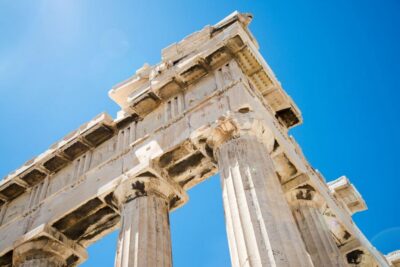 ★ 4.8Acropolis, Parthenon & Acropolis Museum Guided TourFrom $409,316 reviews
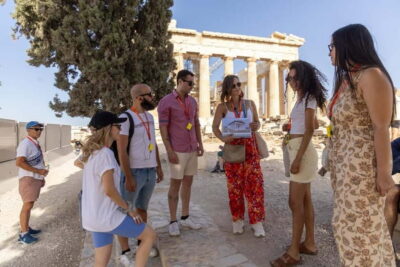 ★ 4.7The Acropolis, Parthenon & Acropolis Museum Guided TourFrom $408,493 reviews
 ★ 4.8Acropolis: Premium Acropolis and Parthenon Guided TourFrom $405,208 reviews
 ★ 4.7Mythology of Delphi, Museum and Arachova Guided TourFrom $305,102 reviews
 ★ 5.0Acropolis and Parthenon Guided Walking TourFrom $414,755 reviews
 ★ 4.4Cape Sounio & Poseidon Temple Trip with Audio GuideFrom $234,521 reviews
★ 4.8Acropolis, Parthenon & Acropolis Museum Guided TourFrom $413,579 reviews
★ 4.4Cape Sounio & Poseidon Temple Trip with Audio GuideFrom $234,521 reviews
★ 4.8Acropolis, Parthenon & Acropolis Museum Guided TourFrom $413,579 reviews
 ★ 4.0Acropolis Ticket with Audio GuideFrom $473,575 reviews