
Ancient Athens feels real in 2 hours. This private Acropolis Museum Discovery Tour turns world-class artifacts into an easy-to-follow story, using games and personal clues instead of a straight lecture. I like how the visit links the Parthenon legacy to everyday life, not just famous statues and headlines.
I also like the guide style: people such as Dimitra Ignatiou and Alexandra S are praised for making the exhibits feel alive and clear. One drawback to consider is that the pace can feel brisk, and this is a hands-on experience—so you’ll want to be ready to participate, not just watch quietly.
In This Review
- Key things that make this tour worth your time
- Why the Acropolis Museum needs more than a quick walk
- Your tour’s big idea: two everyday Athenians inside the museum
- Parthenon Marbles and Caryatids: what to watch for during your visit
- The hands-on games: why they work (and when they might not)
- A simple itinerary: how the 2 hours typically move
- Meeting point, tickets, photos, and the small stuff that saves time
- Price and value: what $203 really buys you
- Who this tour suits best
- Guides make or break museums: the human touch here
- Should you book this Acropolis Museum Discovery Tour?
- FAQ
- Where is the meeting point?
- Is the Acropolis Museum entrance fee included?
- How long is the tour?
- Is this tour private?
- What languages are offered?
- Do I need to bring ID?
- Is the tour wheelchair accessible?
- Are photos allowed inside the museum?
- Is food or drinks included?
- Is there a café in the museum?
Key things that make this tour worth your time
- Two Athenians, not just artifacts: you follow everyday details left behind by people from the Golden Age.
- Hands-on museum games: activities are built into the route, so learning stays active.
- Top-tier highlights, explained: the Parthenon Marbles and the Acropolis Caryatids get practical context.
- Private-group attention: fewer distractions, more focus on what you’re seeing.
- A guide-led narrative: you’re not left to wander and hope you understand what you’re looking at.
- A customized postcard: a small souvenir that matches the theme of your visit.
More ways up the sacred rock, set side by side
- Athens: Acropolis & up to 5 Archaeological Sites Combo Pass
★ 4.2 · 13,904 reviews - Athens: Acropolis, Parthenon & Acropolis Museum Guided Tour
★ 4.8 · 9,316 reviews - The Acropolis, Parthenon & Acropolis Museum Guided Tour
★ 4.7 · 8,493 reviews - Acropolis: Premium Acropolis and Parthenon Guided Tour
★ 4.8 · 5,208 reviews
Why the Acropolis Museum needs more than a quick walk
The Acropolis Museum is one of those places where you can easily spend hours just drifting. But the catch is simple: if you don’t have a guide or a plan, the building can feel like it’s showing you “cool things” without explaining what connects them.
This tour solves that with structure and play. You get a licensed guide, a guided route through key galleries, and a story thread that keeps you moving forward. In just two hours, you come away with a clearer sense of what the objects were for and why they mattered in ancient Athens.
And yes, it’s also enjoyable. The point isn’t to turn the museum into a theme park. It’s to make the museum’s clues easier to catch—like when a small fragment suddenly clicks because you understand the life it came from.
Your tour’s big idea: two everyday Athenians inside the museum
The most distinctive feature here is the story you follow. You don’t only look at famous works; you’re guided through the museum as if you’re discovering the lives of two Athenians from the Golden Age.
The guide uses everyday items—artifacts and details from display contexts—to help you connect: who lived in this world, what they likely did, what they valued, and how those habits shaped what we can still read today. As you move room to room, the museum stops being a warehouse of objects and starts acting like a set of clues.
This approach matters because the Acropolis itself can feel like a monument you admire from a distance. By focusing on people rather than only buildings, you get a better sense of how monumental art grew out of daily life.
Parthenon Marbles and Caryatids: what to watch for during your visit
This is not a tour that avoids the headline exhibits. The Parthenon Marbles are the obvious anchor, and the Acropolis Caryatids are another must-see.
What I’d pay attention to on your tour:
- How the guide frames the Parthenon Marbles in relation to the bigger Acropolis story, so you know what you’re seeing beyond the name.
- How the museum’s presentation helps you compare forms and details—especially when you’re trying to understand why certain pieces are so iconic.
- The way the Caryatids are explained as part of the Acropolis tradition, not just as beautiful sculptures.
You’ll likely leave with the feeling that you can look at the next display and “read” it better. That’s the practical win of a guided visit here: you stop treating each object like an isolated picture and start seeing patterns.
Cool marble halls, out of the Athens sun

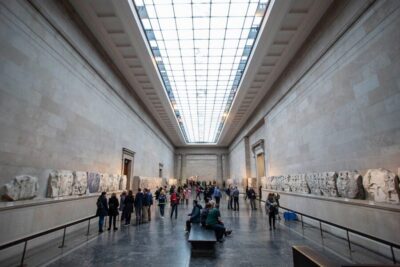

The hands-on games: why they work (and when they might not)
This tour uses fun, interactive activities as part of the guided walk. The museum tour is designed like an educational game, with hands-on tasks and question-and-answer moments that keep you paying attention.
One family-friendly example is a Truth or dare style quiz game, used to get kids engaged while still covering real facts. Even if you’re traveling without children, you’ll probably appreciate the way these games force you to notice details you might otherwise skip.
When this style works best:
- If you like learning by doing, not only by listening.
- If you have a mixed group age range.
- If you want your museum visit to feel energetic instead of sleepy.
Possible mismatch:
- If you want a quiet, contemplative museum stroll and nothing interactive, you might find the format a little too active. A quick, guided pace plus participation can feel like a “guided activity” rather than a self-paced museum day.
A simple itinerary: how the 2 hours typically move
The exact flow depends on the guide and the day, but you can expect a clear progression.
First, you start right at the museum entrance area (more on meeting point below). Then the guide builds the story thread: two Athenians, their everyday life, and how the artifacts around you can act like evidence.
As you move through galleries, you’ll hit the big icons like the Parthenon Marbles and the Caryatids—then return to the “daily life” angle so the museum doesn’t feel like a list of famous pieces. Midway through, the games and activities break up the museum walk and keep you engaged while you’re still learning.
By the end, the goal is a tighter understanding of ancient Athens and why the Acropolis still matters today. It’s less about memorizing dates and more about understanding connections: what the displays are showing, and why the Acropolis became a lasting symbol.
Meeting point, tickets, photos, and the small stuff that saves time
You meet in front of the Acropolis Museum, by the owl statue at the entrance. If your hotel is within 10 minutes’ walking distance, tell the provider ahead of time and the guide can pick you up directly from your hotel.
A key planning note: entrance fees are not included in the tour price. The tour can help you prepurchase museum tickets, which can make your start smoother, but you should still confirm what’s included in what you’re paying for. The biggest value risk is confusion—paying a tour add-on and then discovering you still need to cover the museum ticket separately.
Bring passport or ID card. Also remember: photos are permitted only in specific areas of the museum. If photography is important to you, plan for some restrictions and focus your camera time on the zones where it’s allowed.
Finally, don’t ignore the 2nd-floor café. It has a cosy setting and a spectacular view to the Acropolis. This isn’t part of the paid tour, but timing your visit so you can pause afterward is a smart move.
Price and value: what $203 really buys you
At $203 per person for a 2-hour private tour, the cost can sound high until you break down what you’re actually getting.
Included:
- a licensed/guide
- guided tour through the museum
- a customized illustrated Acropolis postcard
Not included:
- museum entrance fees
- food or drinks
So you’re paying primarily for guide-led experience design: the story format, the hands-on activities, and a private-group setting. If you’re traveling with a partner or small group, the private part is often where value shows up—less waiting, less noise, and more chance to ask questions while you’re actively learning.
Where you should be careful:
- Make sure you understand whether the museum ticket is being handled and priced the way you expect.
- Double-check what language your guide will use if you’re strict about that. The tour runs in French or English.
Bottom line: if you want more than a self-guided museum walk—if you want context, interaction, and a clear thread connecting artifacts to people—this price can make sense. If you’re the type who loves wandering and reading quietly on your own, you might find you could do it cheaper.
Who this tour suits best
This tour fits best when you want structured learning with fun built in.
It’s a great match for:
- families, especially if you want kids engaged through games
- travelers who enjoy museums but don’t want to guess at what they’re looking at
- anyone who likes the Acropolis story but wants modern relevance explained in plain terms
It’s less ideal if:
- you want a silent, self-paced museum day
- you are uncomfortable participating in interactive questions and tasks
- your schedule is extremely tight (this tour works well as a planned block, not a rushed add-on)
Also, the tour is wheelchair accessible, and it’s a private group, which can make the experience smoother if you’re planning around mobility needs.
Guides make or break museums: the human touch here
One reason this tour gets strong feedback is the guide delivery. People like Dimitra Ignatiou and Alexandra S are associated with entertaining, engaging guiding styles that turn displays into understandable stories.
That’s not just a “nice to have.” In a museum like this, explanation changes everything. A great guide helps you focus on what’s meaningful in the way exhibits are arranged—so you spend your time looking at the right details.
Should you book this Acropolis Museum Discovery Tour?
I’d book it if you want a guided museum visit that feels more like a story-driven experience than a checklist. The combination of two-Athenian storytelling, hands-on activities, and major highlights like the Parthenon Marbles and Caryatids is exactly what makes this kind of tour useful.
I’d skip (or at least rethink) it if you prefer self-paced wandering, dislike interactive formats, or you’re trying to keep strict costs down and want only basic museum access.
If you do book: arrive ready to participate, and plan for an ID check and photo limits. Then pair it with the 2nd-floor café afterward for a calm view moment to balance the active learning.
FAQ
Where is the meeting point?
You meet in front of the Acropolis Museum, by the owl statue at the entrance.
Is the Acropolis Museum entrance fee included?
No. Entrance fees to the Acropolis Museum are not included, but you can arrange prepurchase.
How long is the tour?
The tour lasts 2 hours.
Is this tour private?
Yes. It’s listed as a private group.
What languages are offered?
The live guide is available in French and English.
Do I need to bring ID?
Yes. Bring your passport or ID card.
Is the tour wheelchair accessible?
Yes, it is wheelchair accessible.
Are photos allowed inside the museum?
Photos are permitted only in specific areas of the museum.
Is food or drinks included?
No. Food or drinks are not included.
Is there a café in the museum?
Yes. On the 2nd floor there is a cozy café with a spectacular view of the Acropolis.
More Tour Reviews in Athens
- Athens: Acropolis & up to 5 Archaeological Sites Combo Pass★ 4.2 · 13,904 reviews
- Athens: Acropolis, Parthenon & Acropolis Museum Guided Tour★ 4.8 · 9,316 reviews
- The Acropolis, Parthenon & Acropolis Museum Guided Tour★ 4.7 · 8,493 reviews
- Athens: Cape Sounion & Poseidon Temple Sunset Half-Day Trip★ 4.8 · 8,241 reviews
- Acropolis: Premium Acropolis and Parthenon Guided Tour★ 4.8 · 5,208 reviews
- Athens: Mythology of Delphi, Museum and Arachova Guided Tour★ 4.7 · 5,102 reviews
Athens Indoors: More Museums
- Athens: Acropolis, Parthenon & Acropolis Museum Guided Tour★ 4.8 · 9,316 reviews
- The Acropolis, Parthenon & Acropolis Museum Guided Tour★ 4.7 · 8,493 reviews
- Athens: Acropolis, Parthenon & Acropolis Museum Guided Tour★ 4.8 · 3,579 reviews
- Acropolis monuments & Parthenon Walking Tour with Optional Acropolis Museum★ 5.0 · 2,678 reviews
- Athens: Acropolis Museum Ticket with optional Audio Guide★ 4.4 · 2,652 reviews
- Athens: Acropolis, Parthenon and Acropolis Museum Guided Tour★ 5.0 · 1,778 reviews
The Acropolis, a Few More Ways Up
- Athens: Acropolis & up to 5 Archaeological Sites Combo Pass★ 4.2 · 13,904 reviews
- Athens: Acropolis, Parthenon & Acropolis Museum Guided Tour★ 4.8 · 9,316 reviews
- The Acropolis, Parthenon & Acropolis Museum Guided Tour★ 4.7 · 8,493 reviews
- Acropolis: Premium Acropolis and Parthenon Guided Tour★ 4.8 · 5,208 reviews
- Acropolis and Parthenon Guided Walking Tour★ 5.0 · 4,755 reviews
- Athens: Acropolis, Parthenon & Acropolis Museum Guided Tour★ 4.8 · 3,579 reviews
Fresh Off the Boat: New Athens Reviews





Acropolis & Parthenon Tours, compared.
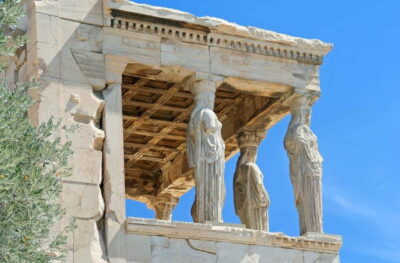 ★ 4.2Acropolis & up to 5 Archaeological Sites Combo PassFrom $4213,904 reviews
 ★ 4.8Acropolis, Parthenon & Acropolis Museum Guided TourFrom $409,316 reviews
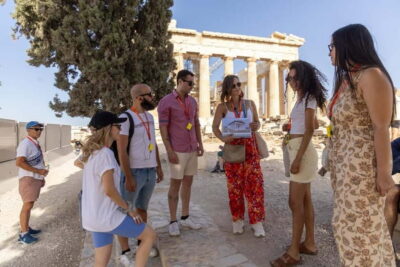 ★ 4.7The Acropolis, Parthenon & Acropolis Museum Guided TourFrom $408,493 reviews
 ★ 4.8Acropolis: Premium Acropolis and Parthenon Guided TourFrom $405,208 reviews
 ★ 5.0Acropolis and Parthenon Guided Walking TourFrom $414,755 reviews
★ 4.8Acropolis, Parthenon & Acropolis Museum Guided TourFrom $413,579 reviews
★ 5.0Acropolis and Parthenon Guided Walking TourFrom $414,755 reviews
★ 4.8Acropolis, Parthenon & Acropolis Museum Guided TourFrom $413,579 reviews
 ★ 4.0Acropolis Ticket with Audio GuideFrom $473,575 reviews
 ★ 5.0Athens Scenic Electric Bike Tour with optional Acropolis visitFrom $353,350 reviews
Browse the lists this tour appears in