
Reviewed · TOURS
Small Group Tour: 7 Balkan Countries Athens to Dubrovnik / Split
Balkan bucket lists, checked in 14 days. This is a tight route across seven countries with UNESCO sights from Delphi to Stari Most, plus real time in places where life carries on. I like the small group size (max 10), because it keeps the driving days manageable and the guide can actually help.
Two things I really appreciate: the mix of big-name ancient stops and hands-on local culture, and the way the tour builds in food time instead of skipping straight from monument to monument. In Tirana, you get a local companion style day, with stops for byrek and Albanian coffee, plus BUNKART 2 when you want history you can walk around inside.
One consideration: you’ll be on the move a lot. Even when each stop is short, the pace adds up, and lunch and dinner are on you (breakfast is included), so plan your budget accordingly.
In This Review
- Key highlights I’d plan around
- Athens pick-up and Delphi’s myth-to-museum effect
- Meteora monasteries and why sunset is the whole point
- Ioannina old town to Gjirokaster’s Stone City vibe
- Berat’s 1001 windows: living inside the UNESCO layers
- Drilon springs, Tushemisht pause, and St Naum’s lake-side calm
- Ohrid Lake UNESCO and Tirana’s food-and-history day
- Tirana with a local companion: byrek, bazaars, coffee, and BUNKART 2
- Kruje and Prizren: bazaars, fortress views, and mosque time
- Gjakova to Decani: UNESCO monastery frescoes and wine valleys
- Mrizi i Zanave slow food farm and Rozafa Castle in Shkodra
- Montenegro coastal stops: Budva and Kotor’s UNESCO maze
- Mostar’s Stari Most and Blagaj’s spring-blue waters
- Sarajevo: Ottoman and Austro-Hungarian mix, plus Latin Bridge WWI context
- Price and Logistics: what $5,116 buys you in real travel hours
- Should you book this Athens to Dubrovnik/Split small-group tour?
- FAQ
- How long is the tour?
- What countries are covered?
- Where does the tour start and end?
- What is the group size?
- Is hotel pick-up included in Athens?
- Are meals included?
- Are entrance tickets included?
- What kind of transportation is used?
- Is the price based on room type or occupancy?
- Do I need travel insurance?
Key highlights I’d plan around
- Max 10 travelers with private transportation and a professional tour leader
- Delphi + Meteora in one early stretch, including the famous Meteora sunset mood
- Berat’s 1001 windows and the feel of living UNESCO, not just viewing it
- Tirana with a local companion for byrek, markets, Albanian coffee, and BUNKART 2
- Mostar and Sarajevo back-to-back, so the cultural and historical contrasts land
Weighing this one up? Set it beside a few Athens favourites first.
- Athens: Acropolis & up to 5 Archaeological Sites Combo Pass
★ 4.2 · 13,904 reviews - Athens: Acropolis, Parthenon & Acropolis Museum Guided Tour
★ 4.8 · 9,316 reviews - The Acropolis, Parthenon & Acropolis Museum Guided Tour
★ 4.7 · 8,493 reviews - Athens: Cape Sounion & Poseidon Temple Sunset Half-Day Trip
★ 4.8 · 8,241 reviews
Athens pick-up and Delphi’s myth-to-museum effect
The trip starts in Athens with a hotel pick-up (start time listed as 8:00am). That matters more than it sounds, because it saves you the usual scramble for buses and taxis on day one, and you’ll be in a “tour mode” right away.
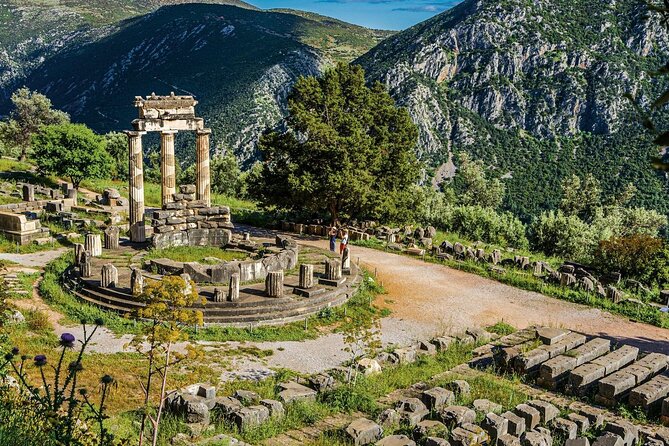
Then you head to Delphi, a UNESCO site that feels both grand and oddly personal. You’ll see the Temple of Apollo area, the Treasury of the Athenians, the Theater and Stadium, and you get a museum visit too, including the famous Charioteer from 475 B.C. If you’ve ever wondered how the Greeks turned sport, prophecy, and politics into one place, Delphi gives you the answer in stone and display cases.
What to expect: the scheduled time is about an hour here. That’s enough to grasp the layout, but not enough to read every inscription. Wear shoes that can handle uneven ground, and bring a layer for open-air sections.
Meteora monasteries and why sunset is the whole point
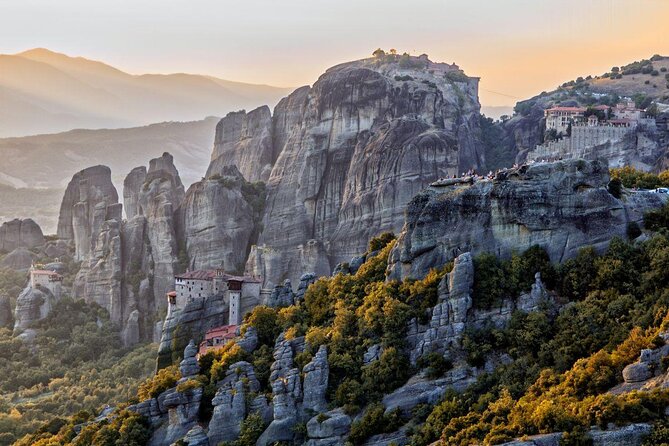
After Delphi, the drive takes you toward Meteora, another UNESCO highlight. These monasteries sit on dramatic rock formations, and the view is the experience—part architecture, part geology, part quiet.
You’ll have time for sightseeing and then the highlight is the sunset. Meteora at dusk works because light changes fast on the rocks. You’ll likely feel like you’re looking at the same place in multiple versions: bright morning stone, late-afternoon shadows, then that evening color shift.
Practical note: sunsets often mean a waiting game. Your tour time is scheduled, but weather can change the vibe, so pack something warm. The monasteries also tend to have rules about what to wear, so keep your “temple-ready” clothing in mind.
Ioannina old town to Gjirokaster’s Stone City vibe
Day two points you to Ioannina first, and that stop is about atmosphere: cobbled streets, Byzantine and Ottoman-era architecture, and the old town’s cafe culture. You also get Ioannina Castle time. Inside the walls, there’s a maze of narrow streets and historic buildings, which is a nice change from the more “major monument” feel of Delphi.
Then comes Gjirokaster, Albania’s Stone City. The tour uses the city like a storyline: start with the castle setting, then look down at the town the same way you’d picture medieval defenders. UNESCO designation fits because the whole town reads like a fortress built out of houses.
You’ll spend time in the castle area and the bazaar, and you also visit one preserved house where the details are described as original and authentic. That’s a smart choice. You don’t just get the view—you see how people actually lived inside these stone structures.
The only drawback here is time pressure. Some parts are scheduled around one to two hours, so if you’re the type who wants to linger in every alley, you’ll have to accept “see it, then move on” pacing.
Berat’s 1001 windows: living inside the UNESCO layers
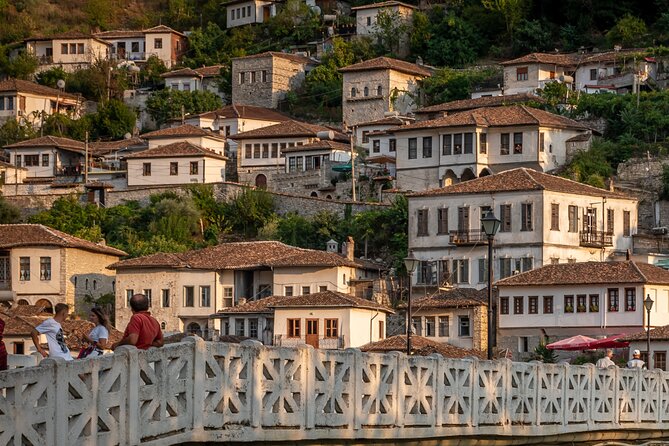
Berat is the kind of place where the nickname makes sense: it’s known as the town of 1001 windows. You’ll walk the narrowed stone streets and see houses stacked up the hillside, with windows appearing on multiple levels.
You’ll also get castle and church/mosque context. Berat is described as a town where life still happens within the historic castle walls, which is the big difference between “museum town” and “real town.” You’re not only looking; you’re watching how the old fits the everyday.
In the included stops, you’ll visit Berat Castle and the National Iconographic Museum Onufri. Onufri is a key name here because he’s credited with a reddish church-painting tone that’s still difficult to imitate. If you enjoy art history, this museum stop adds something more specific than generic sightseeing.
You’ll also see the Gorica Bridge and the Gorica neighborhood area. Those quieter viewpoints are the kind of thing you remember later, when the main monuments start to blend together.
Drilon springs, Tushemisht pause, and St Naum’s lake-side calm
Crossing toward North Macedonia means a refresh break before more sightseeing. Drilon National Park is scheduled as a stop with springs and a small lake surrounded by greenery, with weeping willows lining the shore. This is your “pause button” day, and it matters because it gives your legs a chance to reset.
Tushemisht follows as a short stop. You’re not getting a deep hike here; think of it as a quick change of scenery en route.
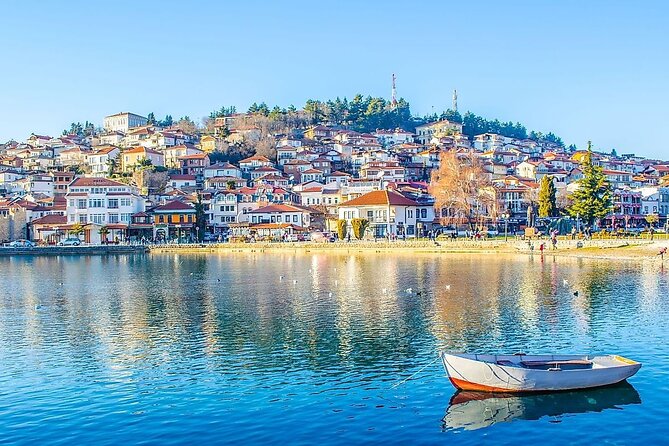
Then you reach St Naum, where the monastery complex sits at the source of River Crni Drim, flowing into Lake Ohrid. The monastery is in a strictly protected area, and the contrast is striking: bright natural reflections, green mountains in the background, and that monastery set against clear water.
This day works best if you treat it as a break, not just a transit step. Spend a few extra minutes watching the water—because once you hit Ohrid city, everything speeds up again.
Ohrid Lake UNESCO and Tirana’s food-and-history day
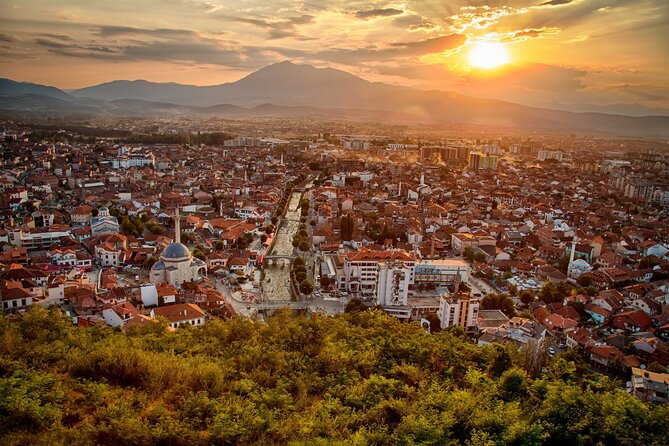
Ohrid is UNESCO, and the tour frames it as one of Europe’s oldest human settlement areas. You also get the lake’s bigger story—Illyrian roots, and the Romans naming it Lyhnidas, described as the light lake. That context helps you understand why the churches and viewpoints matter so much here.
In Ohrid, you’ll see a few religious landmarks: the viewpoint of the Church of St. John, Church of St. Nicolas, and Halveti Hayati Tekke (a mosque/tekke complex). If you’re counting churches like a trivia contest, Ohrid is described as having 365 Orthodox churches—one for each day of the year. Whether or not you count every detail, the point is clear: this city is built around religious heritage.
Then you drive to Tirana, Albania’s capital. The next day’s food culture is planned tightly, so by the time you arrive, you’re ready to be out walking and eating.
Tirana with a local companion: byrek, bazaars, coffee, and BUNKART 2
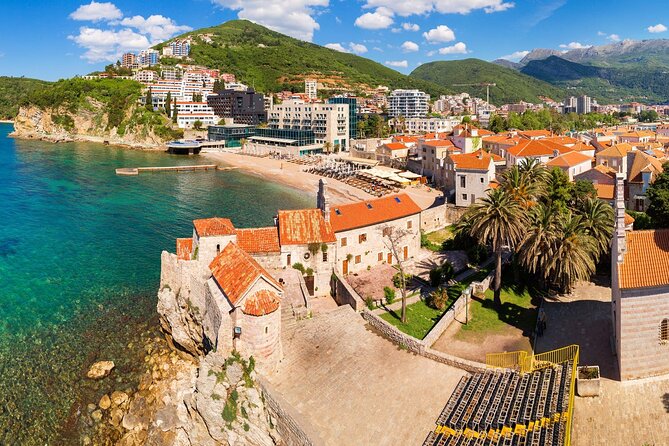
Tirana here isn’t a drive-by city. You meet a local companion for a guided walk through neighborhoods designed to cut past tourist traps.
You’ll start with byrek for breakfast-like snacking in a small place locals know—then head toward Tregu Çam for a breakfast moment and the Çam bazaar scene. The Çam community’s story is linked to Çameria in today’s North-Western Greece, which adds meaning to why that market exists beyond shopping.
Next you get pastry dessert and then Albanian coffee with locals in a cozy café. The coffee stop is more than a break; it’s where the day turns from sightseeing into everyday life.
You’ll also hit Pazari i Ri, described as the bicycle bazaar area for secondhand goods, then the New Bazaar for lunch. The included meal tasting includes qofte (meatballs) with freshly baked bread, and vegetarians get bread with Albanian Gjize (cottage cheese). You’ll also taste Albanian raki.
Finally: BUNKART 2. This is a video museum inside a Cold War nuclear bunker built to shelter the communist leader Enver Hoxha and close party members. It wasn’t open to the public until 2014, when it became a museum. This is one of those stops that turns abstract politics into something you can picture.
If you’re worried this will be too much food: it’s structured, and you’ll have plenty of time to walk between stops. If you’re not a dessert or coffee person, you can still enjoy the market rhythms and architecture.
Kruje and Prizren: bazaars, fortress views, and mosque time
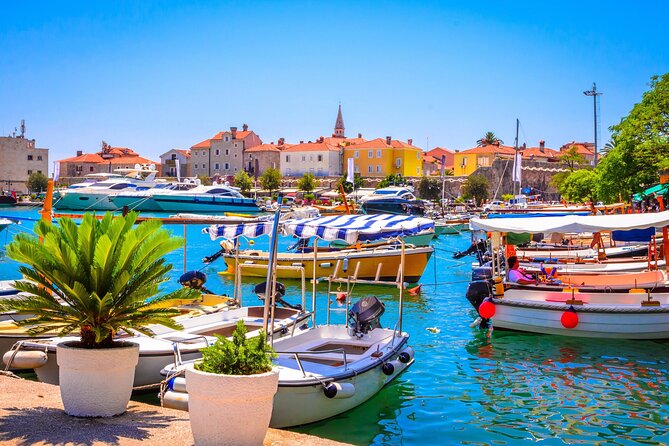
Day eight shifts from Tirana area culture to Kruje, a symbol of Albanian resistance in the 15th century. Kruje is also described as sitting above sea level on rocky terrain, so the streets feel like they climb with you. You’ll visit the Medieval Old Bazaar, one of the biggest and oldest in the Balkans, and it’s a good place to shop for souvenirs like carpets and handmade crafts.
Then comes Kruja Castle, built in the 5th century A.D. The tour adds a practical intrigue element by describing hidden paths locals used during enemy sieges. That story makes the castle placement feel more than scenic.
From there you drive into Kosovo and land in Prizren, called a cultural capital for a reason: religious tolerance, architecture shaped by multiple empires, and a river threading the old town under bridges.
You’ll visit Sinan Pasha Mosque with its arabesque color and patterns, and then the Kalaja Fortress viewpoint for panoramas. After that, you have free time in Prizren. That free time is valuable here because you’ll want to wander the old streets at your own speed.
Gjakova to Decani: UNESCO monastery frescoes and wine valleys
In Gjakova, the key stop is its bazaar, described as the oldest and largest in Kosovo. Even with historical destruction across wars, it was rebuilt to its old state, which gives it a stronger emotional tone than a typical market.
Then you go to Decan Monastery. It’s UNESCO-listed and known for frescoes. A standout detail in the tour description is that Orthodox monks still inhabit the monastery and make fresh organic food, including cheeses. The frescoes depict 14th-century life and the Palaeologan Renaissance shifts in Byzantine painting.
Next comes Rahovec, framed as the capital city of viticulture in the Prizren area. You’ll get the story of grape cultivation since Illyrian times, and the fact that vineyards sit at 350 to 520 meters above sea level. There’s even mention of an annual wine festival every September.
This block is great if you like variety: markets, sacred art, and then wine-region countryside feel. The only caution is that the schedule can feel like “one cultural highlight after another,” so give yourself a moment to just sit and absorb in each place.
Mrizi i Zanave slow food farm and Rozafa Castle in Shkodra
Day ten is designed as a slower, food-centered experience. At Mrizi i Zanave (Agroturizëm), you’ll tour the farm, learn how it created jobs for more than 400 people, and see how it collects and preserves regional bio products. The description also notes adaptation of old communist buildings for storage. After that, you get free time for traditional lunch or to buy produce.
If you love food travel, this is one of the best-placed stops because it adds a modern human story to the ancient sites. You’re not only looking backward; you’re seeing how local farming feeds local life now.
Later you drive to Shkodra (Shkoder) and visit Rozafa Castle. You’ll get wide lake and river scenery where three rivers meet and connect to the Adriatic. Rozafa is described as strategically placed, and Shkodra is linked to Illyrian and ancient habitation stories.
The architecture is said to be influenced by Venetian style, and there’s a fun note that if you visit in February you might encounter the carnival festival, with Venetian masks reportedly handmade in Shkodra.
Montenegro coastal stops: Budva and Kotor’s UNESCO maze
Montenegro starts with a viewpoint near Sveti Stefan. You’ll see the coastal fishing town vibe, but the island itself is described as unavailable for visits since it became an exclusive residential resort. Still, the view is worth your camera roll.
Budva comes next. The tour separates Budva into Old Budva and New Budva, and you’ll walk the old town area. You’ll see St. Ivan church and the small church of St. Mary, plus medieval old-town sights. Even if you’re not into beach towns, the “old inside, new outside” contrast gives you a clearer sense of how tourism reshaped the coast.
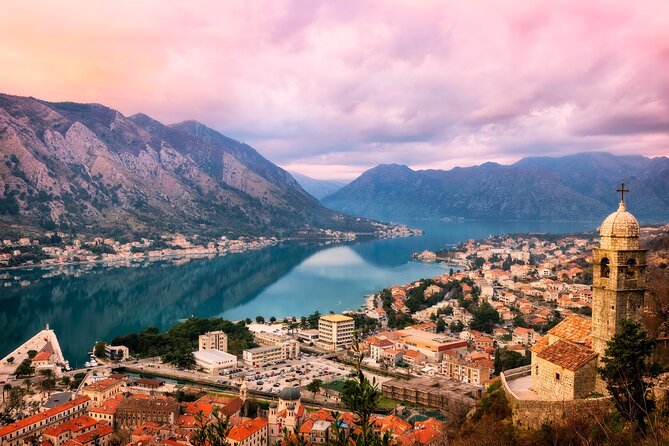
Then Kotor, a UNESCO city. You’ll wander narrow cobblestone streets and see Saint Luke’s church, described as significant for locals because it represents unity to them. Kotor’s old town can feel like a maze, and that’s exactly the point: defensive city planning made for intruder confusion, now used by visitors as a charming walking route.
This is also where you’ll appreciate good shoes again, because the old streets don’t soften for tourists.
Mostar’s Stari Most and Blagaj’s spring-blue waters
Crossing into Bosnia & Herzegovina brings you to Mostar. The iconic Old Bridge, Stari Most, is UNESCO and built in the 16th century with Islamic architectural style. The tour schedules a short time at the bridge and then adds the bazaar walk.
In Mostar, you’ll see Old Bazaar streets and the city’s history markers like the Don’t Forget stones. You get the blend of old and new through mosques, Turkish bazaars, and cobbled alleyways.
Then you head to Blagaj tekija, a little outside Mostar at the foot of a cliff. The spring of the river Buna creates clear blue water in front of the monastery. Even if you don’t do much more than walk around, the setting changes your pace after Kotor’s tight streets and Budva’s broader tourist feel.
This day works if you like contrasts: an iconic rebuilt bridge, then a quieter riverside spiritual setting.
Sarajevo: Ottoman and Austro-Hungarian mix, plus Latin Bridge WWI context
Sarajevo is where the tour gets serious. You’ll see reminders of the Yugoslav War, including bullet holes and cannon marks around town. This isn’t just “dark tourism”; it’s part of understanding why Sarajevo’s identity is layered and why its institutions and neighborhoods matter.
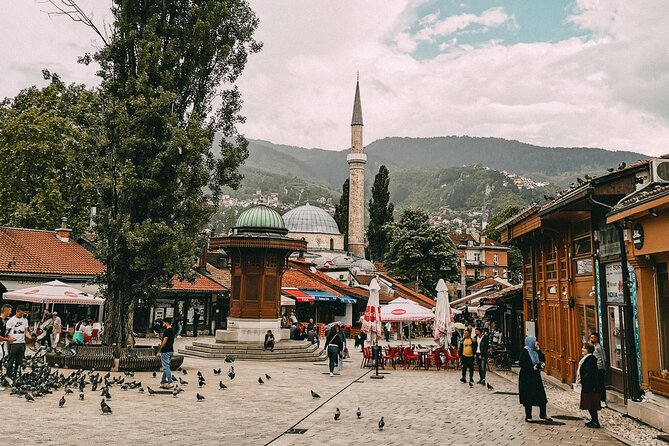
Your walk covers Ottoman and Austria-Hungarian parts of the city. That mix is visible in markets, bazaars, mosques, churches, and synagogues, and the tour frames it as a place where multiple European religious cultures coexist in the same streets.
You’ll also visit the Latin Bridge and learn the story of how WWI was triggered there. The bridge’s name comes from the connection between the right bank and the Catholic quarter often called Latinluk in Ottoman times. That detail makes the bridge feel more like a turning-point than just an old crossing.
Then you get time to eat local meat dishes and desserts in the old town. This is a good moment to slow down and just pick a meal, because you’ve already done enough walking history for one day.
Price and Logistics: what $5,116 buys you in real travel hours
This tour is priced at $5,116.01 per person for about 14 days, in 3-star hotels with breakfast. That’s not a budget deal, but it’s also not a luxury “ignore the map” trip. The value is in how much you get organized for you: hotel pick-up in Athens, private transportation across multiple borders, and a professional tour leader who keeps the schedule functioning.
Most entrances for the sites you’ll visit are included, and you also get tourist taxes covered. That matters because in this part of Europe, adding tickets one by one can creep up fast.
Group size is capped at 10, which is a big deal on a long route like this. With more people, you’d lose time waiting. Here, you still get a tight schedule, but the friction is lower.
One more practical note: lunch, dinner, drinks, and snacks are not included. You’ll need spending money for meals, plus any souvenirs. If you like controlling your food budget, eat smarter during the included lunch tastings and then plan lighter meals for the rest of the days.
Should you book this Athens to Dubrovnik/Split small-group tour?
I’d book it if you want one organized spine through seven countries, with UNESCO sites that actually get meaningful time, not just quick photo stops. The route is built for people who like variety: ancient Greece, fortress towns in Albania and Kosovo, lake calm at Ohrid, Montenegro’s coastal old towns, then Mostar and Sarajevo for the big historical contrasts.
Skip it if you hate long driving days or if you want lots of free hours in each city. This is not “wander forever.” It’s “see a lot, then move on,” with meals mostly in your hands except for breakfast and a few included tastings.
If you’re the kind of traveler who appreciates a clear guide voice and a plan that keeps you from wasting time, this trip fits your style.
FAQ
How long is the tour?
The tour is listed as 14 days (approx.).
What countries are covered?
It covers seven Balkan countries, starting in Greece and ending in Croatia (with stops across Albania, North Macedonia, Kosovo, Montenegro, and Bosnia & Herzegovina).
Where does the tour start and end?
It starts in Athens, Greece. It ends in either Dubrovnik or Split, with a shuttle to your hotel.
What is the group size?
The tour has a maximum of 10 travelers.
Is hotel pick-up included in Athens?
Yes, hotel pick-up in Athens is included.
Are meals included?
Breakfast is included for 14 breakfasts. Lunches, dinners, drinks, and snacks are not included.
Are entrance tickets included?
Entry tickets for the sites that are listed as being visited are included.
What kind of transportation is used?
The tour uses private transportation.
Is the price based on room type or occupancy?
Yes. Prices are calculated based on double/twin/triple/quadruple room occupancy in 3-star hotel accommodation.
Do I need travel insurance?
Yes. Participants are responsible for having their own health and travel insurance.
More Tours in Athens
- Athens: Acropolis, Parthenon & Acropolis Museum Guided Tour★ 4.8 · 9,316 reviews
- The Acropolis, Parthenon & Acropolis Museum Guided Tour★ 4.7 · 8,493 reviews
- Acropolis: Premium Acropolis and Parthenon Guided Tour★ 4.8 · 5,208 reviews
- Athens: Mythology of Delphi, Museum and Arachova Guided Tour★ 4.7 · 5,102 reviews
- Acropolis and Parthenon Guided Walking Tour★ 5.0 · 4,755 reviews
- Greek Food Walking Tour in Athens★ 5.0 · 4,740 reviews
More Tour Reviews in Athens
- Athens: Acropolis & up to 5 Archaeological Sites Combo Pass★ 4.2 · 13,904 reviews
- Athens: Acropolis, Parthenon & Acropolis Museum Guided Tour★ 4.8 · 9,316 reviews
- The Acropolis, Parthenon & Acropolis Museum Guided Tour★ 4.7 · 8,493 reviews
- Athens: Cape Sounion & Poseidon Temple Sunset Half-Day Trip★ 4.8 · 8,241 reviews
- Acropolis: Premium Acropolis and Parthenon Guided Tour★ 4.8 · 5,208 reviews
- Athens: Mythology of Delphi, Museum and Arachova Guided Tour★ 4.7 · 5,102 reviews
Fresh Off the Boat: New Athens Reviews

Tours, compared.
 ★ 4.8Acropolis, Parthenon & Acropolis Museum Guided TourFrom $409,316 reviews
 ★ 4.7The Acropolis, Parthenon & Acropolis Museum Guided TourFrom $408,493 reviews
 ★ 4.8Acropolis: Premium Acropolis and Parthenon Guided TourFrom $405,208 reviews
 ★ 4.7Mythology of Delphi, Museum and Arachova Guided TourFrom $305,102 reviews
 ★ 5.0Acropolis and Parthenon Guided Walking TourFrom $414,755 reviews
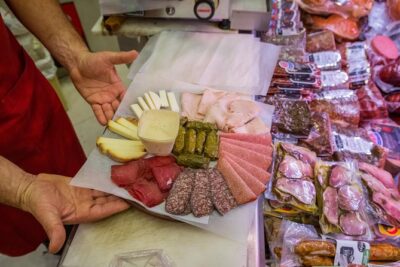 ★ 5.0Greek Food Walking Tour in AthensFrom $874,740 reviews
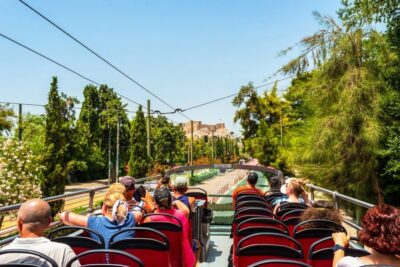 ★ 4.3City Sightseeing Hop-On Hop-Off Bus TourFrom $254,520 reviews
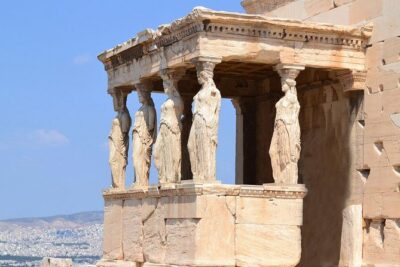 ★ 5.0Best of Athens Half Day Private TourFrom $913,714 reviews