
Reviewed · TOURS
Small Group Tour: Balkans & Central Europe from Athens to Vienna
Cross borders by day, stories by night. This 21-day small-group tour takes you through 10 countries from Athens to Vienna, mixing UNESCO sites, big-city walks, and hands-on food moments in places most people skip. I like that it’s run in a max-10 group so the pace feels human, not like you’re being herded.
Two things I really like: first, you get built-in time for wandering in the places that matter—old towns, bazaars, and viewpoints—without having to plan every turn. Second, the food and local culture stops feel practical and real, from byrek breakfast in Tirana to a slow-food farm lunch option at Mrizi i Zanave.
One drawback to consider: the itinerary packs in a lot, so you’ll have long driving days between countries, and the tour includes breakfasts but not lunches or dinners. Also, at $7,734.19 per person, it’s not a budget trip, so you should be sure this mix of countries and guided entries is exactly what you want.
In This Review
- Key highlights that shape the whole trip
- Who this Athens-to-Vienna Balkans tour is best for
- Price and logistics: what $7,734.19 buys you (and what it doesn’t)
- Days 1–3: Athens pickup, Delphi treasures, and Meteora sunset
- Day 2–4: Ioannina and Albania’s Stone Cities—Gjirokastër and Berat
- Days 5–6: Driloni water calm, then Lake Ohrid and St. Naum
- Day 7: Tirana—byrek breakfast, bazaars, and Bunk’Art 2
- Days 8–9: Kruja resistance, Prizren Ottoman beauty, and Kosovo monasteries and wine
- Day 10: Mrizi i Zanave slow food and Shkodër’s Rozafa views
- Days 11–13: Montenegro coast at Sveti Stefan and Budva, then Kotor, Mostar, and Sarajevo
- Days 14–16: Serbia’s Drina stop, Belgrade fort views, and wine in Sremski Karlovci
- Days 17–19: Budapest’s icons, plus Subotica and Győr
- Days 20–21: Bratislava old town and Vienna final drop-off
- How to make the most of it (without burning out)
- Final verdict: should you book this Athens-to-Vienna tour?
- FAQ
- How many travelers are on the Balkans & Central Europe tour?
- What are the major included services?
- Are meals like lunch and dinner included?
- Which countries are included in the route?
- Is a single room available?
- Is pickup offered in Athens and where does it end?
- What time does the tour start?
Key highlights that shape the whole trip
- Max 10 travelers with a private vehicle plan for quick logistics and fewer headaches
- UNESCO-focused days, including Delphi, Meteora, Ohrid, Kotor, Mostar, Sarajevo sites, and Buda Castle
- Real food moments like Tirana byrek, Albanian bazaar shopping, and a farm visit at Mrizi i Zanave
- Frequent history layers, from Byzantine and Ottoman-era architecture to Austria-Hungary influence
- Handpicked stops beyond big cities, like Gjirokastër’s stone streets and St. Naum’s monastery setting
Weighing this one up? Set it beside a few Athens favourites first.
- Athens: Acropolis & up to 5 Archaeological Sites Combo Pass
★ 4.2 · 13,904 reviews - Athens: Acropolis, Parthenon & Acropolis Museum Guided Tour
★ 4.8 · 9,316 reviews - The Acropolis, Parthenon & Acropolis Museum Guided Tour
★ 4.7 · 8,493 reviews - Athens: Cape Sounion & Poseidon Temple Sunset Half-Day Trip
★ 4.8 · 8,241 reviews
Who this Athens-to-Vienna Balkans tour is best for
If you want to see a lot of the Balkans and Central Europe without turning your vacation into spreadsheets, this is a strong match. You’ll get the “connect the dots” help: hotel nights, transportation, and guided time at major sights, all with a professional tour leader.
This also works well if you’re a first-timer to the region and you like structure. You’ll start with Athens and Delphi, then roll through Albania, North Macedonia, Kosovo, Montenegro, Bosnia, Serbia, Hungary, Slovakia, and end in Vienna. If you’re the type who would otherwise worry about border logistics, this tour’s setup takes that stress off your plate.
Price and logistics: what $7,734.19 buys you (and what it doesn’t)
The big number—$7,734.19 per person—makes sense only if you price it like a bundle. You’re paying for 3-star hotel stays plus breakfast, private transportation, a professional tour leader, pickup in Athens and drop-off in Vienna, plus tourist taxes and entry tickets for the sites that require them.
What you do not get included: lunches, dinners, drinks, snacks, and souvenirs. Breakfast is included on 20 mornings, but you’ll plan your own meals for the rest. That’s normal for this kind of route, but it affects total spending day-to-day, so I’d budget for it early.
Two small-but-real considerations: you may need a single room supplement—45 Euros per night—if you’re not sharing. And because the group is small (up to 10), the trip is likely to run with a bit less flexibility than a fully customized private tour.
Days 1–3: Athens pickup, Delphi treasures, and Meteora sunset
Day 1 starts with an Athens hotel pickup and then you drive to Delphi, a UNESCO world heritage site. Delphi is one of those places where the ruins feel close to your face, not far away in “someday” territory. You’ll see major landmarks like the Temple of Apollo, the Castalian Fountain, the Treasury of the Athenians, the theatre, the stadium, and a museum area with notable ancient pieces (including the Charioteer).
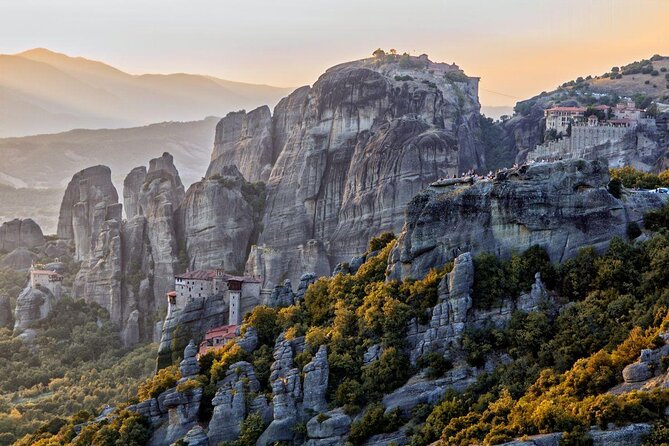
Then it’s Meteora, UNESCO territory with monasteries built on towering rock formations. The highlight here is timing: you’re set up for a late-day feel, including one of the best sunsets you’re likely to see on a driving route. Expect short guided windows and lots of time to stand back, look around, and let the place work on you.
If you like the mix of “guided facts + room to absorb,” these first days hit that sweet spot.
Day 2–4: Ioannina and Albania’s Stone Cities—Gjirokastër and Berat
Before you reach Albania proper, you get Ioannina in Greece. The old town is your introduction: cobbled streets and architecture with Byzantine and Ottoman echoes. Then you go into Ioannina Castle, which gives you a more layered view of how this region evolved over centuries.
After that, the tour drives toward Gjirokastër, famous as the Stone City. Gjirokastër is the kind of place where your legs do some history work. You’ll walk the medieval old bazaar area, visit a preserved house (Skenduli House), and explore the castle itself. The castle setting helps explain why these towns were built like fortresses, with homes shaped by defense and steep terrain.
Day 4 moves to Berat, another UNESCO town called the town of 1001 windows. The key experience here is the hillside old houses and the stacked-window views that make Berat so distinctive. You’ll visit Berat Castle (and see that people still live within the castle walls), plus the Onufri iconographic museum, which connects you to the painter Onufri and his distinctive reddish coloring.
There’s also time for the Gorica neighborhood and a broader sense of daily life beyond the main sights.
Days 5–6: Driloni water calm, then Lake Ohrid and St. Naum
You’ll cross into North Macedonia with a nature break first at Driloni National Park. The setting is spring-fed water, green surroundings, and a quiet lake feeling where you can slow down for an hour without needing a big museum stop.
From there, the route includes time around Tushemisht/Tusheti National Park area before landing at St. Naum monastery on the Lake Ohrid shoreline. This is one of the most scenic “holy place” stops on the whole program: the monastery complex sits at the source of River Crni Drim, with crystal-clear water and mountain views in the background. Entry is included for the monastery stop, so you’re not doing the usual scramble of tickets and lines.
Then comes Ohrid itself, UNESCO world heritage with one of the strongest “why people care” feel in the Balkans. You get guided time in the city and viewpoints, including the Church of St. John and St. Nicholas, plus the Halveti Hayati Tekke. Ohrid is also known for its many Orthodox churches—often described as 365—so this day is built for people who enjoy religious architecture, local belief, and historic continuity.
Day 7: Tirana—byrek breakfast, bazaars, and Bunk’Art 2
Tirana is where the tour shifts from stone towns and ancient ruins into everyday city life. You’ll meet a local companion, and the plan includes a hands-on food stop that feels refreshingly low-pressure: byrek at a small local spot, then more local bazaar wandering.
You’ll visit the Çam bazaar and Pazari i Ri (the New Bazaar area). The food component here is practical: you try traditional lunch items like qofte (with vegetarian options noted too), and you’ll also taste Albanian raki. If you’re curious about how local eating habits work in a city, this is one of the best days for that.
The tour ends Tirana day with Bunk’Art 2, a museum created inside an old nuclear bunker once meant to protect Enver Hoxha and the communist leadership. It’s a strange, compelling contrast to the bazaar energy—an abrupt reminder that this region’s modern story includes fear, secrecy, and propaganda.
Days 8–9: Kruja resistance, Prizren Ottoman beauty, and Kosovo monasteries and wine
Day 8 starts in Kruja, a historic city tied to Albanian resistance against the Ottomans. You’ll visit the medieval old bazaar area, then head up to Kruja Castle, including guided paths tied to how locals moved when the castle was under threat. This is one of those stops where architecture and terrain explain the history without needing a long lecture.
From there, you cross into Prizren, Kosovo’s cultural capital. Prizren’s old town feels layered: bridges over the river, religious variety, and a mix of eras in architecture. You’ll also visit Sinan Pasha Mosque for the arabesque patterns and color details, then you’ll head up to Kalaja Fortress for a broad panorama view.
The schedule includes free afternoon time in Prizren, which is where you can shop, snack, or just walk until you find the most interesting street. If you happen to travel in August, the city hosts Dokufest, a short film festival that can add an extra buzz to the medieval center.
Day 9 adds more Kosovo depth. You’ll visit Gjakova’s bazaar, with a focus on handmade crafts and the fact that the market was rebuilt after multiple conflicts. Then it’s on to the Monastery of Decan, UNESCO-listed for its frescoes and the fact that Orthodox monks still inhabit the monastery and produce organic food there like cheeses.
You’ll also drive through Rahovec Valley, known for viticulture. Expect vineyards on rolling hills and the promise of wine culture, plus mention of an annual wine festival in September.
Day 10: Mrizi i Zanave slow food and Shkodër’s Rozafa views
Day 10 is built for people who like food culture beyond tasting one dish and moving on. At Mrizi i Zanave (a slow-food agro-tourism farm), you get a tour of how the family business collects, processes, and preserves regional bio products. You’ll also learn how the farm created jobs for more than 400 people in the area.
You’ll have some free time to enjoy a traditional lunch or buy fresh produce. Even if you don’t buy much, it’s the kind of stop that makes your later meals feel more meaningful.
Then you’ll go to Shkodër (Shkodra) in Albania. The tour connects city history with views: you visit Rozafa Castle with scenery over the lake and the rivers meeting toward the Adriatic Sea. Shkodër’s Venetian influence shows up in the architecture, and the tour notes that masks are handmade there, a fun detail if you visit around carnival season (February is mentioned).
Days 11–13: Montenegro coast at Sveti Stefan and Budva, then Kotor, Mostar, and Sarajevo
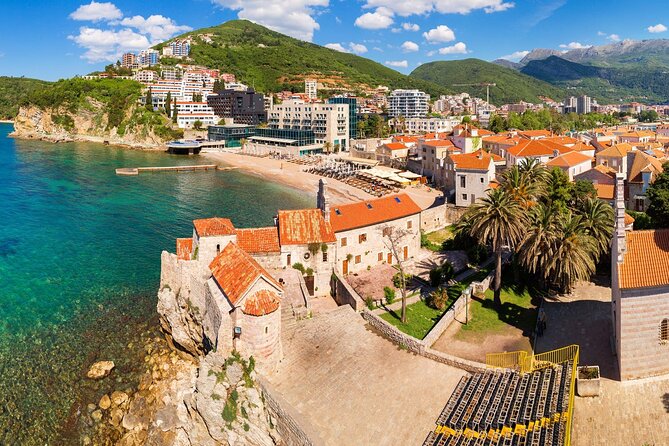
Day 11 gives you coastal Montenegro without turning it into a beach day. You stop near Sveti Stefan at a viewpoint, where you can photograph the iconic island resort structure from the outside (the island itself is described as not accessible anymore because it’s now a high-end residential resort). Then you head to Budva.
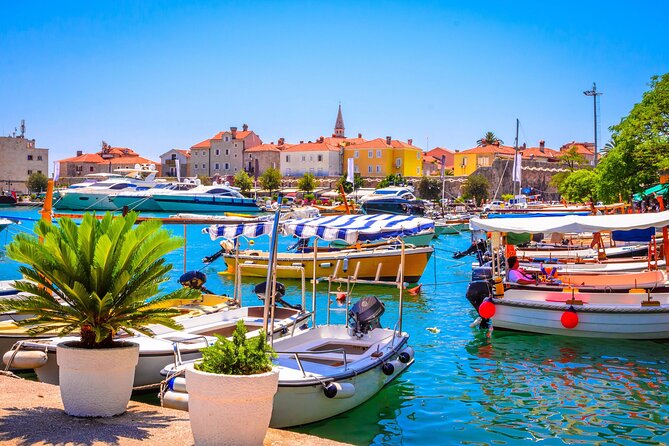
Budva is split into a newer part and an older core. You’ll focus on the old town: St. Ivan church, the small church of St. Mary, and the medieval streets that feel more “historic” than “vacation brochure.”
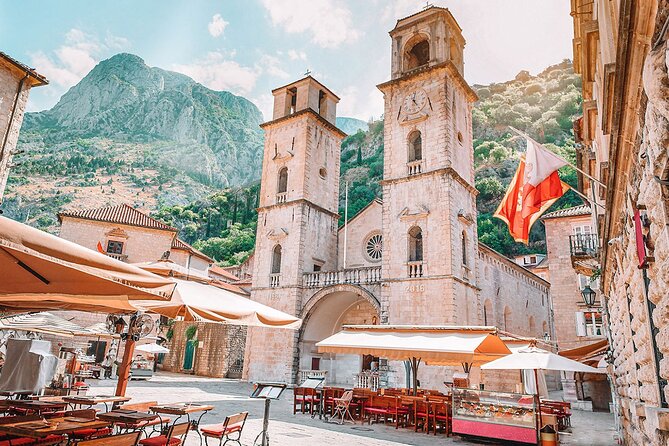
Next stop is Kotor, UNESCO world heritage. Kotor’s old town is a tight maze of cobblestone streets designed to confuse intruders—now it just makes the walking more fun. You’ll visit Saint Luke’s church, and then you’re back on a path that moves quickly through major sights.
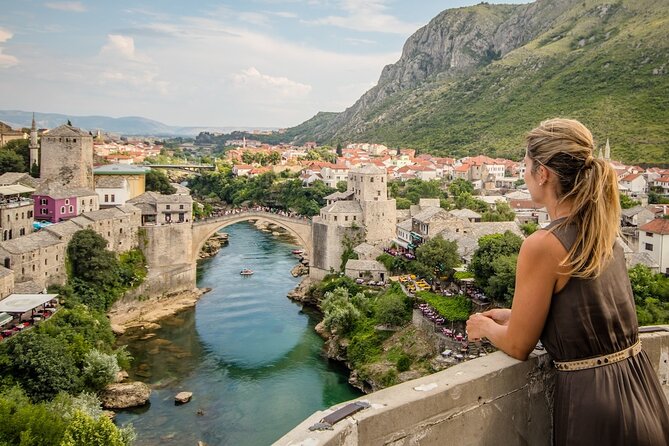
Day 12 is Bosnia and Herzegovina and Mostar. You get the iconic Old Bridge (Stari Most), plus the Old Bazaar area with Turkish-era market streets and the famous “Don’t Forget” memorial elements around town. Blagaj tekija follows—a monastery on the foot of a cliff with blue waters in front. It’s a calm, visual break after the bustle of bazaar streets.
Day 13 takes you to Sarajevo. The tour includes walking on uneven terrain and seeing reminders of the Yugoslav war, including bullet holes and cannon marks. You’ll also get a view of Sarajevo’s Ottoman and Austria-Hungarian quarters, which helps explain why the city is often described like a crossroads. The day includes the Latin Bridge, tied to the WWI trigger story, then time in the old town for food and coffee.
Days 14–16: Serbia’s Drina stop, Belgrade fort views, and wine in Sremski Karlovci
Day 14 includes a stop in Zvornik along the Drina River before reaching Belgrade. It’s a useful reset after long city days: riverside air, lunch time, and a slower walk through charming streets.
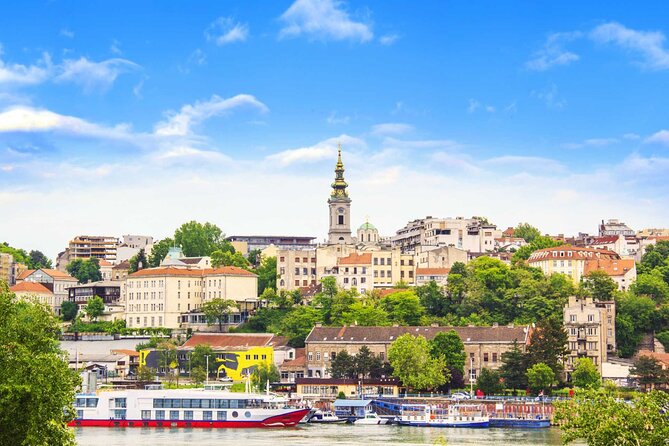
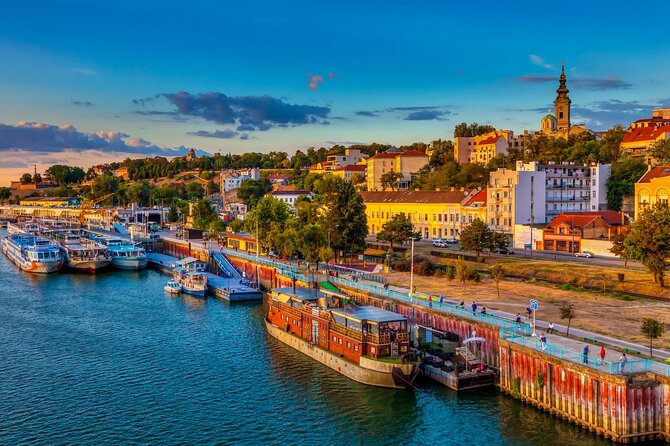
In Belgrade you’ll see Belgrade Fortress and Kalemegdan Park, with views at the confluence of the Sava and Danube. You’ll visit the Pobednik monument (with history dating to 1913), walk through Knez Mihailova, and continue toward Republic Square. This is a “see the city center logic” day—helpful if you want to understand Belgrade fast.
Day 15 shifts to Novi Sad’s region through Sremski Karlovci, famous for wine production and Baroque architecture. You’ll learn about wine production traditions and spend time around the wine cellars. The tour also includes a local legend about the Four Lions fountain in the city center—one of those stories that turns a photo stop into something you’ll remember later.
Day 16 focuses on Novi Sad itself, Serbia’s northern cultural capital. You’ll notice Austro-Hungarian and Ottoman influences, then visit Petrovaradin Fortress (described as the Gibraltar on the Danube). You’ll walk pedestrian streets in the old town area and get free time to explore.
Days 17–19: Budapest’s icons, plus Subotica and Győr
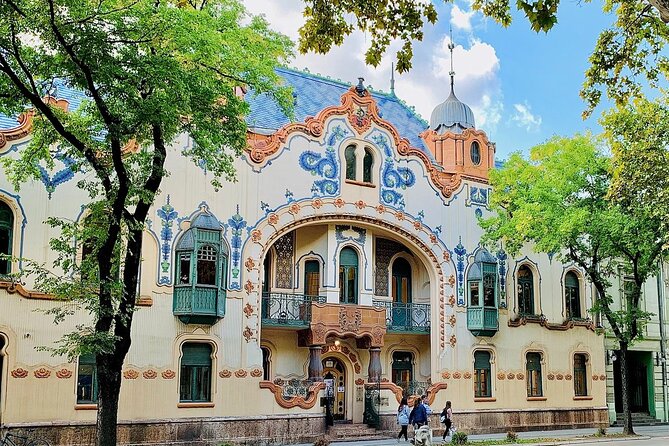
Subotica is your Day 17 move. This town is known for its Austro-Hungarian-era wealth and architecture, and the tour emphasizes the City Hall as a central feature rather than one dominant cathedral or church. There’s a park, fountains, and a large square, which gives you a breather from constant sightseeing.
That afternoon and evening you move onward to Budapest, “Queen of the Danube.” Day 18 is the big city highlights day: you’ll see Saint Stephen’s Basilica, then pass major landmarks like the Opera, Parliament building, Heroes’ Square, and Fisherman’s Bastion for views. You’ll also visit Buda Castle (UNESCO world heritage), then cross bridges and explore the Baroque Street area. The evening is free, which is great for catching night light on architecture at your own rhythm.
Day 19 brings Győr, the City of Rivers. You visit the Town Hall (with the 59-meter tower), the Roman-style Cathedral of The Virgin Mary, and then the Győr Synagogue with its large grey dome. The pedestrian street Baross Gabor is your place to taste Hungarian food and even the famous blueberry beer.
Days 20–21: Bratislava old town and Vienna final drop-off
Day 20 brings Slovakia and Bratislava. The old town walk includes the Old Town Hall area and churches, plus cultural institutions in the city center. You’ll also visit Michael’s Gate, the only preserved medieval fortification gate, and then Bratislava Castle.
The castle is worth it mainly for the view from the hill above the Danube. You get back to the center in the afternoon with free time, including a suggestion to try the city’s coffee culture in traditional shops.
Day 21 is the wrap: a drop-off at your Vienna hotel after breakfast days already filled your head with UNESCO sites and border-crossing stories. It’s a clean ending, especially if Vienna is your “reset” city after a more intense route.
How to make the most of it (without burning out)
This is a tour where your energy management matters. Since lunches and dinners aren’t included, I’d treat meal breaks as part of the schedule and not as a last-minute scramble. Plan on asking your tour leader for practical choices close to where you’re walking.
Also, wear shoes you can trust. You’ll cover old towns with cobblestones and uneven terrain in places like Sarajevo and Kotor, plus steep stone streets in towns like Gjirokastër, Berat, Kruja, and Prizren.
The small group size (max 10) is your advantage here. It usually means quicker coordination for timing, clearer guidance at major stops, and easier conversations with the tour leader between sites.
And when you get free time—like in Prizren—you’ll have the freedom to shop or simply wander. Use it for one main goal: a bazaar purchase, a viewpoint return, or a long coffee. Trying to do everything is how you get tired.
Final verdict: should you book this Athens-to-Vienna tour?
Book it if you want a guided route that connects UNESCO highlights and real local life across 10 countries, with logistics handled and time for wandering. It’s a good choice for first-timers who don’t want to manage borders, transport, and tickets one-by-one.
Don’t book it if you’re chasing a low-cost trip or you dislike long driving days. Since meals beyond breakfast are on you, and the schedule is packed, you’ll need flexibility and a realistic budget.
If you fit the sweet spot—history sites, food culture, and guided pacing—the value is strong for what’s included: hotels with breakfast, private transportation, tourist taxes, and entry tickets for relevant stops, all capped at a small group size.
FAQ
How many travelers are on the Balkans & Central Europe tour?
The group size is capped at a maximum of 10 travelers, with small-group planning throughout.
What are the major included services?
Included are accommodation and breakfast on all overnights (3-star hotels), private transportation, a professional tour leader, Athens hotel pickup and Vienna hotel drop-off, entry tickets for the sites visited, and tourist taxes. Insurance, road taxes, and petrol are also included.
Are meals like lunch and dinner included?
No. The tour includes breakfast, but lunches, dinners, drinks, and snacks are not included.
Which countries are included in the route?
The tour covers Greece, North Macedonia, Albania, Kosovo, Montenegro, Bosnia & Herzegovina, Serbia, Hungary, Slovakia, and Austria.
Is a single room available?
Yes. Single room occupancy is possible for an extra charge of 45 Euros per night per person in a 3-star hotel.
Is pickup offered in Athens and where does it end?
Yes. You get hotel pickup in Athens, and the tour ends with hotel drop-off in Vienna.
What time does the tour start?
The meeting point start time is 9:00 am.
More Tours in Athens
- Athens: Acropolis, Parthenon & Acropolis Museum Guided Tour★ 4.8 · 9,316 reviews
- The Acropolis, Parthenon & Acropolis Museum Guided Tour★ 4.7 · 8,493 reviews
- Acropolis: Premium Acropolis and Parthenon Guided Tour★ 4.8 · 5,208 reviews
- Athens: Mythology of Delphi, Museum and Arachova Guided Tour★ 4.7 · 5,102 reviews
- Acropolis and Parthenon Guided Walking Tour★ 5.0 · 4,755 reviews
- Greek Food Walking Tour in Athens★ 5.0 · 4,740 reviews
More Tour Reviews in Athens
- Athens: Acropolis & up to 5 Archaeological Sites Combo Pass★ 4.2 · 13,904 reviews
- Athens: Acropolis, Parthenon & Acropolis Museum Guided Tour★ 4.8 · 9,316 reviews
- The Acropolis, Parthenon & Acropolis Museum Guided Tour★ 4.7 · 8,493 reviews
- Athens: Cape Sounion & Poseidon Temple Sunset Half-Day Trip★ 4.8 · 8,241 reviews
- Acropolis: Premium Acropolis and Parthenon Guided Tour★ 4.8 · 5,208 reviews
- Athens: Mythology of Delphi, Museum and Arachova Guided Tour★ 4.7 · 5,102 reviews
Fresh Off the Boat: New Athens Reviews

Tours, compared.
 ★ 4.8Acropolis, Parthenon & Acropolis Museum Guided TourFrom $409,316 reviews
 ★ 4.7The Acropolis, Parthenon & Acropolis Museum Guided TourFrom $408,493 reviews
 ★ 4.8Acropolis: Premium Acropolis and Parthenon Guided TourFrom $405,208 reviews
 ★ 4.7Mythology of Delphi, Museum and Arachova Guided TourFrom $305,102 reviews
 ★ 5.0Acropolis and Parthenon Guided Walking TourFrom $414,755 reviews
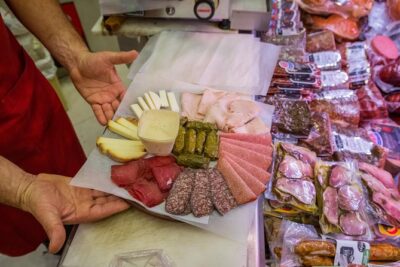 ★ 5.0Greek Food Walking Tour in AthensFrom $874,740 reviews
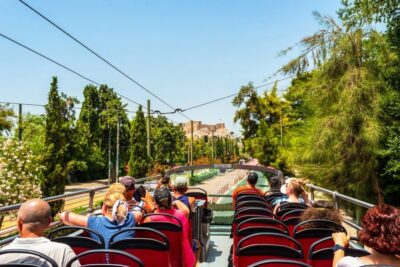 ★ 4.3City Sightseeing Hop-On Hop-Off Bus TourFrom $254,520 reviews
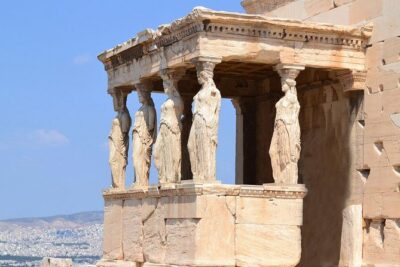 ★ 5.0Best of Athens Half Day Private TourFrom $913,714 reviews