
Reviewed · FULL-DAY
Sparta Full Day Tour
Sparta feels a world away, then it isn’t. I love the private set-up for just your group (up to 2), and I love the round-trip pickup from your Athens hotel or the Piraeus port terminals. In one long day, you’ll hit Corinth Canal, the Sparta museum/archaeology area, an olive oil museum, and the medieval hill town of Mystras.
I also like how the driving time doesn’t feel wasted. Your English-speaking driver gives explanations along the way, and you get practical extras like bottled water, WiFi on board, and an air-conditioned vehicle.
The main consideration is pacing: plan on a 12 to 13 hour day. Lunch isn’t included, and you’ll also pay entrance fees for several stops (Mystras fortress/museum is listed as free, but others are not).
In This Review
- Key things that make this Sparta day trip work
- Sparta Full Day Tour From Athens: Why the 12–13 Hours Actually Make Sense
- Corinth Canal Stop: 2000 Years of Ambition in a Short Photo Break
- Sparta Archaeological Museum Time: From the Theatre to Roman Mosaic Floors
- What you’ll likely see beyond the headlines
- A quick drawback to plan for
- Museum of Olive and Greek Olive Oil: A 30-Minute Pause That Actually Adds Meaning
- Mystras: Byzantine Power on a 620m Hill (and Why 1 Hour 30 Minutes Can Be Enough)
- Lunch, Comfort, and Timing: How to Avoid a Tired-Day Ending
- Price and Value: Is $845.90 Per Group Really Fair?
- Who Should Book This Sparta Tour (and Who Might Skip It)
- Should You Book This Sparta Full Day Tour?
- FAQ
- How long is the Sparta Full Day Tour?
- Is this tour private, and how many people can be in a group?
- What’s included in the tour price?
- Are entrance fees included?
- Do I get a licensed tour guide inside the sites?
- Where does pickup happen?
- Can I cancel for a full refund?
Key things that make this Sparta day trip work
- Just-for-your-group private tour (up to 2): no mixed group schedule or strangers joining you
- Pickup from Athens or Piraeus: easier logistics if you’re staying in the city or cruising
- Corinth Canal with big-picture context: even the short stop has stories stretching from Periander to Nero to the 19th-century finish
- Sparta archaeological time plus museum: you’ll see major remains and then shift into objects that explain daily life
- Mystras at the right difficulty level: 1 hour 30 minutes on uneven ruins without making the day even longer
- Driver storytelling, with optional site-guide upgrade: your driver explains, and you can add a licensed guide inside for extra depth
Worth comparing before you book this Athens tour:
- All Day Cruise -3 Islands to Agistri,Moni, Aegina with lunch and drinks included
★ 5.0 · 4,958 reviews - From Athens: Delphi Full Day V.R. Audio Guided Tour
★ 4.6 · 3,028 reviews - Athens Full Day Private Tour
★ 5.0 · 2,903 reviews - From Athens: Mycenae, Epidaurus & Nafplio Full-Day Tour
★ 4.5 · 2,530 reviews
Sparta Full Day Tour From Athens: Why the 12–13 Hours Actually Make Sense
This is one of those days where geography forces a choice. Sparta and Mystras are far enough from Athens that you either go by a private car or you spend the day on public transport and waiting. Here, the schedule is built around one efficient loop: Athens area → Corinth Canal → Sparta → Mystras.
That long day can feel tough if you hate rushing. But if you like seeing the “big arc” of southern Greece in one sweep, it works. You’ll spend the time you’re traveling learning what you’re looking at later—Corinth Canal’s engineering dream, Sparta’s city-state remains and finds, and Mystras’ Byzantine church complex on a hill that used to be a power center.
Also, because it’s private, your “group rhythm” is up to you. Even if the itinerary is fixed, you’re not negotiating with other people’s walking pace or photo habits.
Corinth Canal Stop: 2000 Years of Ambition in a Short Photo Break
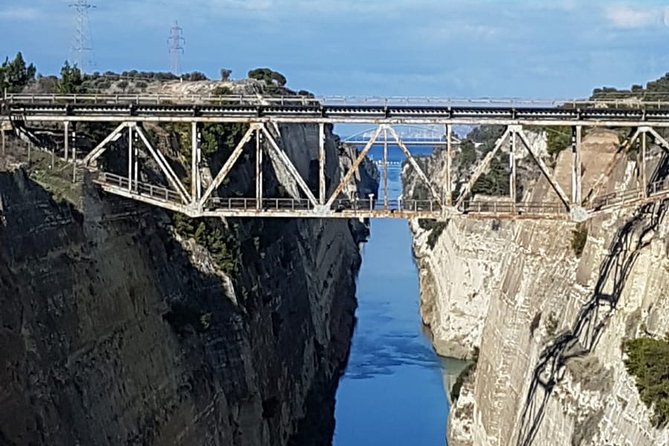
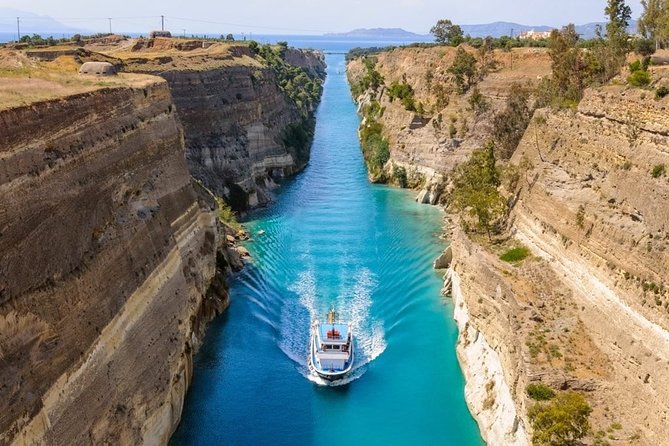
You start with a drive along the National highway to the canal area, described as a 45-mile run. The stop itself is listed at about 20 minutes, with admission ticket free. So this is not a long museum-style visit. It’s a “get your bearings fast” moment—best used for photos, quick reading, and letting the driver’s story set the scene.
What makes Corinth Canal feel worth the stop is the timeline. The canal’s modern construction happened in the late 19th century, but the idea goes back much further. It’s framed as a 2000-year-old dream: ships that wanted to cross between the Aegean and the Adriatic used to circle the Peloponnese, adding roughly 185 nautical miles.
You’ll also hear the older engineering attempts and why they mattered. Periander of Corinth (602 BC) is connected to the first concept of digging the canal, and because the technology wasn’t there yet, he built the diolkós, a stone road that let ships be moved on wheeled platforms. Later, Emperor Nero tried again in 67 AD with a huge slave workforce, then the attempt stalled due to his murder.
Practical tip: even if you’re only there briefly, bring a few minutes of attention to the surroundings. The canal is an industrial cut through the land—so it helps to look at it from a couple of angles and let the driver’s background explain what you’re seeing.
Sparta Archaeological Museum Time: From the Theatre to Roman Mosaic Floors
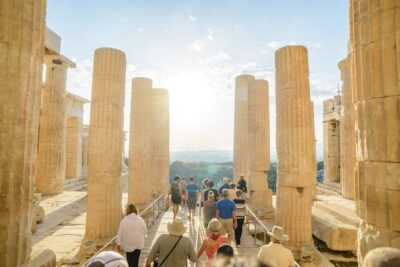
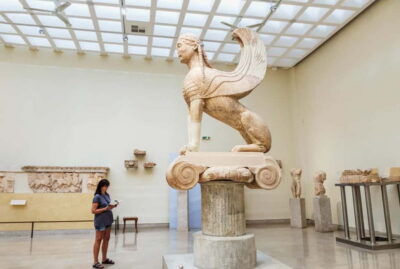
This is the emotional core of the day. You’ll get a couple hours in the Sparta area, after a 2-hour mountain drive through the central Peloponnese. Sparta is described as a prominent ancient city-state on the Eurotas River in Laconia, and the visit is built around a mix of remains and museum objects.

What you’ll likely see beyond the headlines
The major monuments listed include:
- Temple of Athena Chalkioikos: its location is tied to surviving relics near the northwest end of the acropolis area
- Sparta’s ancient theatre: preserved features include the orchestra and a retaining wall with engraved inscriptions connected to Roman-era rulers
- The circular building of unknown destination (Skias): a circular structure of hewn blocks and smaller stones, linked to an important function in Spartan life
- Merchant stalls (Roman Imperial period): uncovered near the theatre during more recent British School excavations
- Byzantine basilica remains: connected to Saint Nikon (10th century AD)
Then you shift into the Archaeological Museum of Sparta, which is where the visit gets easier to understand. The museum holds thousands of finds from Lacedaemon and Laconian prefecture areas not included in other regional collections. The exhibits cover from the Neolithic era through later Roman times.
If you like getting “specific” (and not just big dates), this museum is for you. The museum’s focus includes objects from Spartan sanctuaries, sculptures spanning Archaic through Roman periods, and rescue excavation materials—especially Roman mosaic floors from Sparta. You’ll also see epigraphs (inscriptions), which are valuable because they can pin down history in ways objects alone can’t.
A quick drawback to plan for
This section is fascinating, but museums and ruins both take attention. You’ll want water on hand (you get bottled water in the vehicle), and it helps to keep your energy level steady since the day doesn’t slow down after Sparta.
Museum of Olive and Greek Olive Oil: A 30-Minute Pause That Actually Adds Meaning
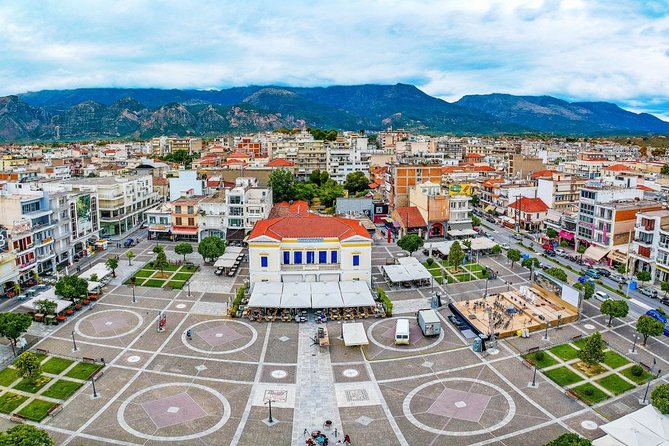
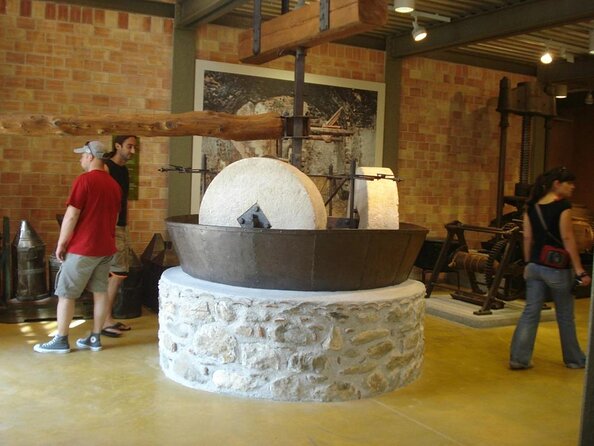
This stop is only listed at 30 minutes, and the admission is not included. But it’s a smart contrast between stone monuments and the everyday production that shaped the region’s economy for centuries.
The museum is described as covering olive and olive oil culture and technology—from prehistoric times through the early 20th century. That range matters because it turns what could be a “tourist snack stop” into a context builder. You learn how olives tied into nutrition, body care, and even uses that are now outdated, like lighting.
You’ll also see early testimony about the presence of olive trees and how olive oil production worked in Greece. If you’re the kind of person who likes to connect ancient sites to real life, this is the bridge.
Practical tip: because it’s short, don’t try to read every label. Skim with purpose—pick the sections that match your interests (technology, daily life, economy), then let the rest be background.
Mystras: Byzantine Power on a 620m Hill (and Why 1 Hour 30 Minutes Can Be Enough)
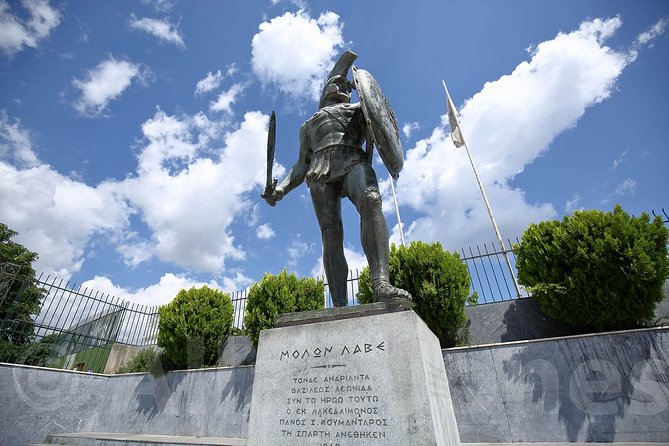
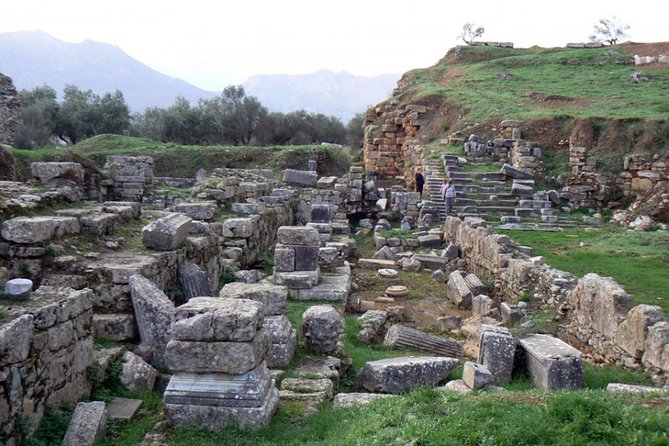
Mystras is the big visual payoff. The ruins develop down the hillside from a fortress built in 1249 by William II of Villehardouin (Prince of Achaia), high above Sparta at about 620 meters. You’ll hear how power shifted over and over—Franks surrendered the castle to the Byzantines in 1262, Mystras became a base of Byzantine military governance, and from 1348 it served as the seat of the Despotate of Morea.
Then the story turns to conquest and layering:
- Captured by the Turks in 1460
- Occupied afterward by the Venetians
- After 1834, inhabitants moved into the modern town of Sparta, leaving the medieval ruins and the views
This is why Mystras feels different from a lot of “single-era” ruins. The list of monasteries and churches shows how the place evolved into a major religious and political center. Monasteries mentioned include Brontochion and the monastery of Christos Zoodotes (Christ the Giver of Life).
The churches named in the overview are the kind of stops you’ll remember even when you can’t name every detail later:
- Hagioi Theodoroi (1290–1295)
- Hodegetria (around 1310)
- Hagia Sophia (1350–1365)
- Peribleptos (3rd quarter of the 14th century)
- Evangelistria (late 14th to early 15th century)
- Pantanassa (around 1430)
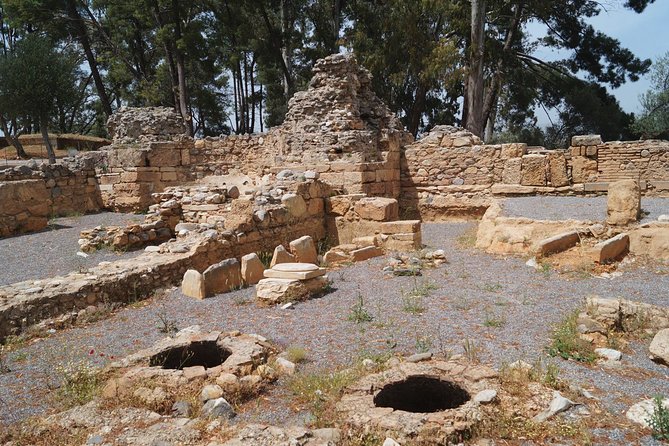
Why is the time here only 1 hour 30 minutes? Because the value is in first exposure. You’re not trying to conquer the entire site. Instead, you’re getting the core experience: the fortified hill setting, the sense of Byzantine architectural ambition, and the way multiple eras left their marks in fortifications, palaces, churches, convents, houses, streets, and public squares.
It’s also listed with admission ticket free for the fortress and museum. That’s a nice bonus when you’re already paying entrance fees for other stops.
Lunch, Comfort, and Timing: How to Avoid a Tired-Day Ending

A full-day Sparta itinerary means you should plan like it’s a small expedition. The tour runs about 12 to 13 hours, so your comfort choices matter.
Here’s what helps, based on what’s included and what’s not:
- You’ll have bottled water and WiFi on board, plus air-conditioned transport—so hydration and comfort are covered.
- Lunch is not included, so decide in advance how you’ll handle the meal. If you’re sensitive to timing, pick something you can eat without lingering.
- The driver is not licensed to go into sites with you, so you’ll be doing a “see it with your eyes, learn it from explanations” rhythm rather than a full inside-guide walkthrough.
One more small thing that matters more than it sounds: wear shoes that work on uneven ground. Corinth Canal is mostly a viewing stop, but Mystras is a medieval hill site, and Sparta includes both remains and museum time.
Price and Value: Is $845.90 Per Group Really Fair?
The price is listed as $845.90 per group (up to 2). That’s not cheap, especially if you compare it to big-bus tours. But private tours have a different cost logic: you’re paying for convenience, time, and a plan that fits your pace.
Here’s what you get for that price:
- Private transportation with round-trip pickup/drop-off from Athens hotel or Piraeus port
- Air-conditioned vehicle, WiFi, and bottled water
- An English-speaking driver who explains what you’ll see
- The itinerary covers multiple stops that otherwise take a lot of coordination
Where the money can feel less justified is if you don’t care about the storytelling. Since the driver explains from outside and can’t accompany you into sites, you may find that adding a licensed guide is what turns this day from scenic to truly detailed.
Entrance fees aren’t included. The listed total is €35 per person for the Archaeological Museum of Sparta, Olive Oil Museum, and the Mystras fortress/museum (Mystras is also noted as free in the stop description, so you’ll want to double-check what applies on the day at the ticket points). Either way, budget for entry fees and lunch.
For couples or two friends who want a private day without the stress of organizing transport, this price can be fair. If you want maximum walking flexibility and deep interpretation inside each site, you’ll likely feel the extra cost of upgrading to a licensed guide worth it.
Who Should Book This Sparta Tour (and Who Might Skip It)
This works best for:
- Couples or small groups who want private time and easy pickup
- People who like history told in a clear sequence: engineering (Corinth Canal), city-state life (Sparta), everyday economy (olive oil), then medieval Byzantium (Mystras)
- Travelers who don’t want to juggle public transport or car rentals for a single-day plan
It might be less ideal if:
- You hate long days and prefer shorter, slower schedules
- You want a licensed guide walking inside every site by default (the tour includes driver explanations, but inside guidance is optional and paid)
- You’re on a strict lunch budget and want a fully guided meal plan (lunch isn’t included)
Should You Book This Sparta Full Day Tour?
If you want a tight, high-impact day that connects Corinth Canal’s long story to Sparta’s archaeological remains and then lands at Mystras’ Byzantine heights, I think it’s a strong pick. The private transport and pickup save you headaches, and the itinerary includes a useful “human scale” stop with the Olive Oil Museum.
Before booking, just be honest about two things: you’ll spend a lot of hours in the car, and you’ll need to plan for lunch and entrance fees. If that fits your travel style, this is the kind of day that leaves you with more than photos—you’ll come away with a sense of how places and empires changed over time.
FAQ
How long is the Sparta Full Day Tour?
The duration is listed as about 12 to 13 hours.
Is this tour private, and how many people can be in a group?
Yes. It’s a totally private tour/activity for your group, and the price is per group up to 2 people.
What’s included in the tour price?
Included items are bottled water, an air-conditioned vehicle, private transportation with pickup/drop-off (Athens hotel or Piraeus port), WiFi on board, and professional drivers. Mobile tickets are also listed.
Are entrance fees included?
Entrance fees are not included. The provided entry fee total is €35.00 per person for the Archaeological Museum of Sparta, the Olive and Greek Olive Oil Museum, and the Mystras fortress and museum.
Do I get a licensed tour guide inside the sites?
Your English-speaking driver explains about the monuments, but the driver is not allowed by law to accompany you inside the sites. A licensed tour guide can be arranged for an extra cost of 240 Euros payable in cash, subject to availability.
Where does pickup happen?
Pickup is offered from Athens hotel or Piraeus Port pickup/drop-off. Airport pickup is also available on request, and the driver meets you with an H.P. Tours sign.
Can I cancel for a full refund?
Yes. Free cancellation is offered if you cancel up to 24 hours in advance for a full refund. If you cancel less than 24 hours before the experience start time, the amount paid is not refunded.
More Full-Day in Athens
- All Day Cruise -3 Islands to Agistri,Moni, Aegina with lunch and drinks included★ 5.0 · 4,958 reviews
- From Athens: Delphi Full Day V.R. Audio Guided Tour★ 4.6 · 3,028 reviews
- Athens Full Day Private Tour★ 5.0 · 2,903 reviews
- From Athens: Mycenae, Epidaurus & Nafplio Full-Day Tour★ 4.5 · 2,530 reviews
- Athens: Full-Day Meteora Tour with Local Guide & Greek Lunch★ 4.8 · 2,101 reviews
- Athens Greece Full Day private tour★ 5.0 · 785 reviews
More Tours in Athens
- Athens: Acropolis, Parthenon & Acropolis Museum Guided Tour★ 4.8 · 9,316 reviews
- The Acropolis, Parthenon & Acropolis Museum Guided Tour★ 4.7 · 8,493 reviews
- Acropolis: Premium Acropolis and Parthenon Guided Tour★ 4.8 · 5,208 reviews
- Athens: Mythology of Delphi, Museum and Arachova Guided Tour★ 4.7 · 5,102 reviews
- Acropolis and Parthenon Guided Walking Tour★ 5.0 · 4,755 reviews
- Greek Food Walking Tour in Athens★ 5.0 · 4,740 reviews
More Tour Reviews in Athens
- Athens: Acropolis & up to 5 Archaeological Sites Combo Pass★ 4.2 · 13,904 reviews
- Athens: Acropolis, Parthenon & Acropolis Museum Guided Tour★ 4.8 · 9,316 reviews
- The Acropolis, Parthenon & Acropolis Museum Guided Tour★ 4.7 · 8,493 reviews
- Athens: Cape Sounion & Poseidon Temple Sunset Half-Day Trip★ 4.8 · 8,241 reviews
- Acropolis: Premium Acropolis and Parthenon Guided Tour★ 4.8 · 5,208 reviews
- Athens: Mythology of Delphi, Museum and Arachova Guided Tour★ 4.7 · 5,102 reviews
Fresh Off the Boat: New Athens Reviews





Full-Day, compared.
 ★ 5.0All Day Cruise -3 Islands to Agistri,Moni, Aegina with lunch and drinks includedFrom $1804,958 reviews
 ★ 4.6From Athens: Delphi Full Day V.R. Audio Guided TourFrom $303,028 reviews
 ★ 5.0Athens Full Day Private TourFrom $2442,903 reviews
 ★ 4.5From Athens: Mycenae, Epidaurus & Nafplio Full-Day TourFrom $332,530 reviews
 ★ 4.8Full-Day Meteora Tour with Local Guide & Greek LunchFrom $822,101 reviews
 ★ 5.0Athens Greece Full Day private tourFrom $683785 reviews
★ 5.0Athens Full Day Private TourFrom $205667 reviews
★ 5.0Athens Greece Full Day private tourFrom $683785 reviews
★ 5.0Athens Full Day Private TourFrom $205667 reviews
 ★ 4.5All Day Cruise to Agistri Moni Aegina with Lunch & DrinksFrom $163614 reviews