
Reviewed · ATHENS
Steps to tradition: Greek Traditional Dances in Athens
Dawn dancing beats another museum morning. In Athens, you meet Tania and step into circular traditional dances on Philopappou Hill, with the Acropolis in sight and ancient roots behind every move. It’s equal parts culture lesson and full-body participation.
I especially like the friendly, hands-on coaching from Tania and Kostas, which keeps the steps clear and doable. I also love the location: you walk up for a short warmup, then dance in a quieter spot where the view feels close enough to touch.
One thing to plan for: it starts at 6:00 am and it runs about 2 hours 30 minutes, so early wake-ups are part of the bargain. Plus, the experience depends on good weather.
In This Review
- Key highlights worth waking up for
- Philopappou Hill: where the dancing feels like Athens, not a show
- The teachers: Tania and Kostas make learning feel natural
- The tradition: circular dances with ancient roots
- What you’ll actually learn: a handful of dances, not one routine
- Photos, certificates, and those small extras
- Timing and logistics: plan your morning around 6:00 am
- Price and value: $41.52 for an experience you can do
- Who this tour fits best (and who might want to skip)
- Should you book Steps to Tradition in Athens?
- FAQ
- What time does the tour start?
- How long is the experience?
- Where do we meet for the dance class?
- How many people are in the group?
- Is it beginner-friendly?
- Does the tour include a walk before dancing?
- Is it outdoors, and what if the weather is bad?
- How does ticketing work?
- Can I get a refund if my plans change?
- Are service animals allowed?
Key highlights worth waking up for
- Acropolis views while you dance, not just while you look
- Step-by-step teaching from Tania and Kostas, with patient guidance
- Circular, hand-held dance tradition tied to ancient Greek roots
- Small group size (max 12), so you get real attention
- Extra touches that may include photos/videos, a participation certificate, and sometimes ouzo or food
- Morning timing that helps you beat crowds and catch softer light
Weighing this one up? Set it beside a few Athens favourites first.
- Athens: Acropolis & up to 5 Archaeological Sites Combo Pass
★ 4.2 · 13,904 reviews - Athens: Acropolis, Parthenon & Acropolis Museum Guided Tour
★ 4.8 · 9,316 reviews - The Acropolis, Parthenon & Acropolis Museum Guided Tour
★ 4.7 · 8,493 reviews - Athens: Cape Sounion & Poseidon Temple Sunset Half-Day Trip
★ 4.8 · 8,241 reviews
Philopappou Hill: where the dancing feels like Athens, not a show
This class takes place on Philopappou Hill, in the ancient setting that sits right beside major ruins and viewpoints. You start at the main entrance area, then the group does a short walk (about 10 minutes) with the Acropolis showing along the way. It gives you that quick “oh, I’m actually here” moment before you start moving.
What makes this hill so smart for dance is simple: circular movement fits the space. You don’t just rehearse steps in a studio. You hold hands, move with the group, and let the music set the tempo. In the process, the whole area starts to feel like part of the lesson, not background scenery.
Some added context helps too. One review mentions learning a few noteworthy sights on the walk, including Socrates’ Prison, and hearing about Greek dance festivals. Then you transition to a calmer dance spot inside the greenery of the hill, with a view that keeps the Acropolis nearby.
Possible downside: you’re outdoors, and you’re on a hill. If you’re sensitive to early morning or sun, it helps to plan your energy and wear comfortable, grippy shoes. And since the experience requires good weather, you’ll want to accept that your morning could shift if conditions are bad.
The teachers: Tania and Kostas make learning feel natural
The teaching style is the big reason this works for beginners. You meet Tania, and her partner Kostas is part of the instruction. Reviews describe them as warm, patient, and quick to make you feel at ease, even if you’ve never done Greek dancing before.
They teach the steps step-by-step, and they also explain what you’re doing and why it matters. That matters because Greek traditional dances aren’t only about footwork. They’re about timing, posture, and the way you follow (and support) the group. When you understand the rhythm and the role of the formation, the movements stop feeling random.
A practical bonus: the class size caps at 12 travelers. That usually means you’re not lost in a crowd. It also means the teachers can spot who needs extra repetition, and who’s ready for a slightly faster, more energetic version.
If you’re bringing kids or teens, this is also a good sign. One review mentions a family group with ages 13 and 11 who had a great time. The dancers were not treated like fragile beginners; they were treated like part of the circle.
The tradition: circular dances with ancient roots
The class focuses on circular dances, and the story behind that is one of the most interesting parts. You learn that this style connects back to ancient Greek dance traditions, including references to around 2000 B.C. and Minoan civilization in Crete. The point is not to memorize a timeline. The point is to understand that these dances survived because they were useful to community life: families taught them, villages carried them, and regions shaped them over time.
During your session, you’re taught real traditional dances characteristic of different main regions of Greece. You don’t just watch; you join in with hand-by-hand formations. That physical “togetherness” is the whole idea of circular dancing. It creates a shared beat, and it makes the meaning feel practical, not academic.
Also, don’t be surprised if you end up participating like a local. Some reviews mention feeling so caught up in the moment that people shout opa during the dancing. You won’t be forced into that, but the vibe is built for it.


What you’ll actually learn: a handful of dances, not one routine
The class runs about 2 hours 30 minutes, and you’ll usually learn several dances. Reviews mention learning roughly 5–6 dances, and in some cases 6–7. That’s a sweet spot for most people. You get variety without the lesson turning into a marathon of memorization.
You’ll also notice that difficulty shifts. One review describes a range from simple steps to Cretan dances with kicks and quick steps. That means the teachers can adjust based on your comfort level, rather than forcing everyone to chase the hardest version immediately.
Here’s what this means for you:
- If you’re a total beginner, you’ll likely start with movements that build confidence fast.
- If you’re more active, you can focus on clean timing, sharper footwork, and stronger energy in the circle.
- Either way, the instruction keeps you moving, so the class stays lively rather than lecture-heavy.
One more helpful detail: the teachers explain dance history and context alongside the steps. You’re learning dance forms and how they function socially, not just counting counts.
Photos, certificates, and those small extras
This isn’t only about the dance in the moment. Some reviews mention extra mementos that make the experience easier to remember later.
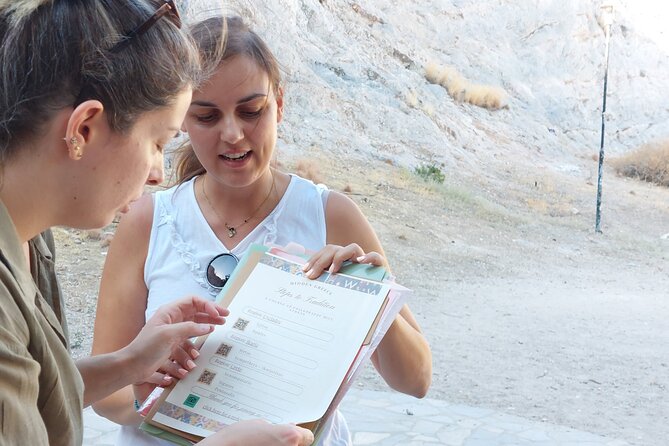
For example, a friend of the teachers recorded dances and took photos, so you might walk away with visual proof of your new skills (not just a vague memory that it was fun). Another review mentions receiving a participation certificate with QR codes to a Greek traditional playlist plus an overview of the dances you learned and where they are typically danced.
There are also mentions of ouzo and food as nice touches. Since that wasn’t listed as a guaranteed feature in the core description, treat it as a possible extra rather than a firm promise. Still, the overall pattern is clear: the class aims to give you more than muscle memory.
Timing and logistics: plan your morning around 6:00 am
This experience starts at 6:00 am and returns to the starting meeting point afterward. That early start is a trade-off, but it’s often a good one in Athens. You get a calmer hill experience before the city fully ramps up.
Before you start dancing, you do a short walk (about 10 minutes) to the dance spot, and you get that view of the Acropolis on the way. Then the lesson runs for the main chunk of the time. Expect to be actively involved most of the morning block, not watching from the edge.
A small planning tip from how it’s described and how it’s taught: wear clothes you can move in and shoes that grip. You’ll be in a hand-held circle, so loose sandals or slick soles can make you feel self-conscious.
Also, good news on comfort: one review specifically notes that plenty of water was provided. Still, it doesn’t hurt to bring your own small backup if you run through water fast.
Price and value: $41.52 for an experience you can do
At $41.52 per person for about 2.5 hours, this isn’t just a sightseeing activity. It’s a coached cultural experience where you learn multiple dances. That’s why it tends to feel good value: you’re buying instruction from working teachers, access to a small group setting, and the privilege of dancing in an ancient city space.
The small group size (max 12) matters here. When the group is limited, coaching quality usually improves, and you’re more likely to get corrections and encouragement. Reviews rate it at 5 stars with a strong recommendation rate, and that lines up with the teaching described: clear steps, stories, patient guidance, and lots of participation.
If you’re wondering whether it’s “worth it” compared with another Athens morning plan, consider this: most tours give you photos. This one gives you a new skill set you can repeat at home (and maybe even in a tavern later on, if you want to practice).
Who this tour fits best (and who might want to skip)
This class is built for most people, not only experienced dancers. The description says most travelers can participate, and reviews include families with teenagers and kids.
You’ll probably love it if:
- you want a hands-on cultural activity, not just a lecture
- you enjoy movement and don’t mind starting early
- you like music and stories tied to what you’re doing
- you want a small group setting with real interaction
You might think twice if:
- you hate morning starts and early wake-ups
- you strongly prefer seated sightseeing
- you have scheduling flexibility issues, since the experience depends on good weather
Should you book Steps to Tradition in Athens?
If you want your Athens trip to feel lived-in, not only photographed, this is an easy yes. The best part isn’t just the view of the Acropolis; it’s that you use the view while you learn something you can actually repeat. Tania and Kostas make the steps feel friendly, and the circular format turns the lesson into a shared experience right away.
Book it especially if you enjoy authenticity: the class is centered on traditional dances, regional flavors, and the meaning behind the circle. And if you’re the kind of person who likes to come home with more than souvenirs, you’ll appreciate the small extras that help you remember the dances afterward.
One last nudge: because it starts at 6:00 am and depends on weather, choose it when you can protect your morning.
FAQ
What time does the tour start?
The class starts at 6:00 am.
How long is the experience?
It lasts about 2 hours 30 minutes (approx.).
Where do we meet for the dance class?
You meet at the main entrance area of Philopappou Hill, with the listed meeting point at Dionysiou Areopagitou & Apostolou Pavlou, Athina 117 41, Greece.
How many people are in the group?
The group is limited to a maximum of 12 travelers.
Is it beginner-friendly?
The experience says most travelers can participate, and the teaching is step-by-step.
Does the tour include a walk before dancing?
Yes. After the group gathers, the teacher leads a short walking route of about 10 minutes to the spot where the dance course begins.
Is it outdoors, and what if the weather is bad?
It requires good weather. If it’s canceled due to poor weather, you’ll be offered a different date or a full refund.
How does ticketing work?
You’ll receive a mobile ticket.
Can I get a refund if my plans change?
Yes. You can cancel up to 24 hours in advance for a full refund.
Are service animals allowed?
Yes, service animals are allowed.
More Tour Reviews in Athens
- Athens: Acropolis & up to 5 Archaeological Sites Combo Pass★ 4.2 · 13,904 reviews
- Athens: Acropolis, Parthenon & Acropolis Museum Guided Tour★ 4.8 · 9,316 reviews
- The Acropolis, Parthenon & Acropolis Museum Guided Tour★ 4.7 · 8,493 reviews
- Athens: Cape Sounion & Poseidon Temple Sunset Half-Day Trip★ 4.8 · 8,241 reviews
- Acropolis: Premium Acropolis and Parthenon Guided Tour★ 4.8 · 5,208 reviews
- Athens: Mythology of Delphi, Museum and Arachova Guided Tour★ 4.7 · 5,102 reviews