
Reviewed · DELPHI DAY TRIPS
4-Day Greece Highlights Tour: Epidaurus, Mycenae, Olympia, Delphi and Meteora
UNESCO sites, all in four days. I love the way this route strings together Epidaurus and Meteora with clear myth-and-history guidance, so you don’t just see ruins—you understand what you’re looking at. I also like the half-board deal: breakfast and dinner are handled, which makes the days feel smoother. One drawback to plan for: you’ll spend long stretches on the bus, and several stops involve stairs and uneven ground.
This is a practical, high-impact trip with a professional, licensed guide and an air-conditioned luxury bus. With a maximum of 42 travelers, you get the big-sight benefits without feeling lost in chaos all the time.
Before you go, take the dress code at Meteora seriously. You’ll need covered legs and shoulders—ladies can’t wear short skirts and men can’t wear shorts—and that’s the one thing most people can control to avoid stress.
In This Review
- Key highlights to watch for
- The core idea: a Greece highlights run with a real guide
- Day 1: Corinth Canal, Epidaurus theatre, and Mycenae’s Agamemnon story
- Olympia: temples, the Olympic flame altar, and a museum stop
- The travel legs: why the bus ride is part of the value
- Day 3: Delphi at Temple of Apollo pace, plus the museum
- Meteora on the final day: monasteries on sheer rock
- Day 4: Thermopylae’s Leonidas monument and the ride back to Athens
- Hotels and half-board: what you’re paying for besides sightseeing
- What to pack: shoes, layers, and the Meteora clothes checklist
- Price and logistics: is $760.28 a good deal?
- Who should book this 4-day Athens to Meteora highlights tour
- Should you book it?
- FAQ
- What is included in the tour price?
- Is lunch included?
- Do you offer hotel pickup in Athens?
- Where and when does the tour start?
- How much is the hotel accommodation tax?
- What should I wear for the Meteora monasteries?
- How many people are on the tour?
- Can I cancel for a full refund?
Key highlights to watch for
- UNESCO-heavy route: Delphi, Ancient Olympia, and Mycenae are built into the core days.
- Meteora monasteries by daylight: more than 20 rock monasteries in the Meteora UNESCO zone.
- Big ruins, explained simply: your guide connects each site to the myths and history you’ll see on-site.
- Half-board value: 3 breakfasts and 3 dinners included, plus entrance fees.
- You move fast, but not frantic: a short schedule that still leaves time to breathe at each major stop.
North to the oracle, more Delphi runs
- Athens: Mythology of Delphi, Museum and Arachova Guided Tour
★ 4.7 · 5,102 reviews - From Athens: Delphi Full Day V.R. Audio Guided Tour
★ 4.6 · 3,028 reviews - From Athens: Small-Group Delphi, Museum & Arachova Day Trip
★ 4.8 · 2,476 reviews - Delphi English Day Trip from Athens with Official Guide
★ 4.5 · 2,199 reviews
The core idea: a Greece highlights run with a real guide
This is the kind of tour that makes sense if you want Greece beyond Athens, fast. In four days you hit the major ancient-civilization anchors—Therapy for the eyes, homework for the brain—without you having to research bus routes, museum timing, or where the stories fit.
What makes it work is the structure. Your day-to-day rhythm is built around key sites plus enough time to walk, look, and get photos. The professional, licensed guide is the glue, especially when you reach Delphi and Meteora, where it’s easy to feel like you’re looking at rocks unless someone puts it in context.
The half-board part matters more than it sounds. When breakfast and dinner are included, you can focus on sightseeing instead of hunting down a lunch plan every day. Lunch is not included, but you’ll have gaps where you can eat on your own.
Day 1: Corinth Canal, Epidaurus theatre, and Mycenae’s Agamemnon story
Day 1 kicks off with an easy warm-up at the Corinth Canal. It’s a short stop (about 15 minutes) with no admission fee, and it’s the kind of quick photo break that also helps you get into the road-trip mindset.
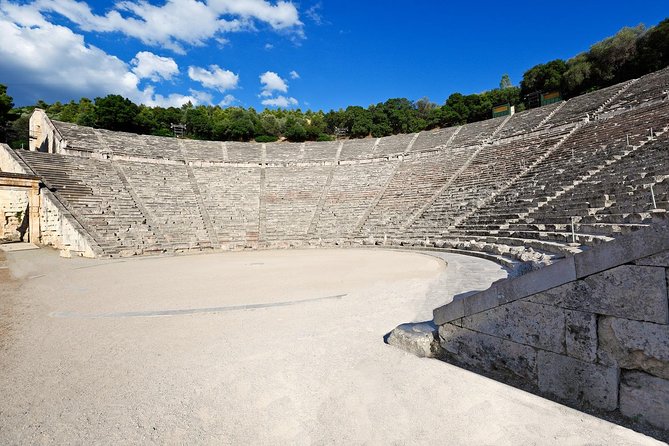
Then comes Epidaurus, home to the Ancient Theatre known for its outstanding acoustics. You’ll spend about an hour here, and it’s one of the stops where a guide can turn a single building into a whole worldview. Even if you’re not a theatre buff, the scale and the idea that people gathered here for cultural and religious life makes it feel real.
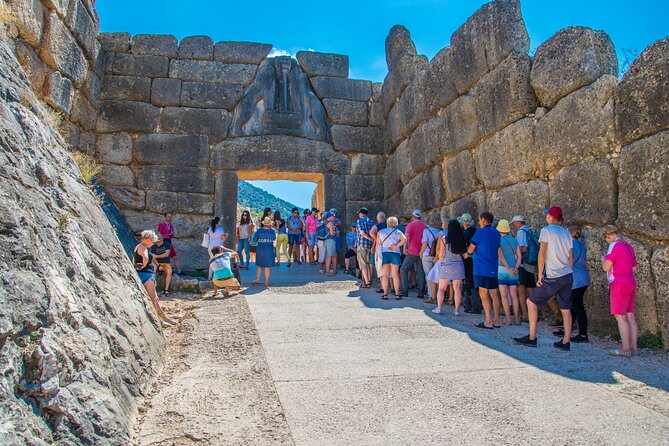
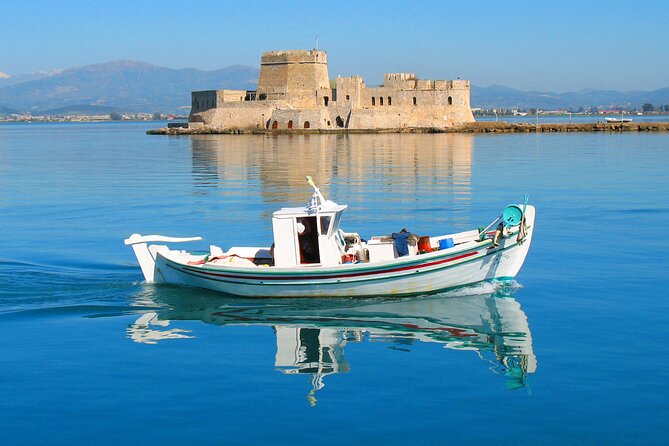
After that, you’ll head toward Mycenae, with a stop around the Nauplia area before continuing across the plain of Argos. At the archaeological site, the Tomb of Agamemnon is the headline moment. You’ll get about 1 hour 20 minutes total for the site visit, with entrance included. This is where you start seeing how Greece’s myth and its history like to overlap—sometimes neatly, sometimes messily, but always interesting.
A practical note: Epidaurus and Mycenae are both terrain-and-steps friendly but not flat. You don’t need hiking gear, but you do want shoes with grip.
Olympia: temples, the Olympic flame altar, and a museum stop
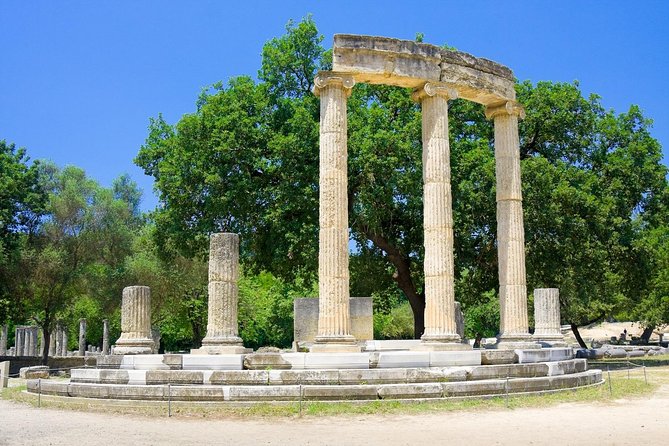
Day 2 is built around Ancient Olympia, with about 2 hours 30 minutes on-site. You’ll see major landmarks tied to the original Olympic Games, including the Temple of Zeus and the Temple of Hera. The altar of the Olympic flame and the stadium area are also part of the experience.
The inclusion of the archaeological museum is a smart move. Ruins can feel like outlines if you don’t get the objects that once made them meaningful. The museum helps you connect what you’re seeing outside to artifacts you can actually study up close.
After Olympia, the route turns into a long scenic travel day toward Delphi. You’ll pass via Patras, stop around Rion, cross the Corinthian Bay by bridge to Antirion, and continue along the coastal road. You’ll also make a short stop around Nafpakros and then roll into Delphi’s area, where the region’s dramatic setting starts to do its job.
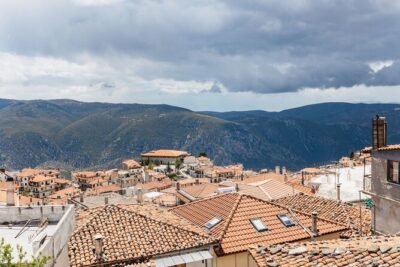
In the afternoon, you’ll visit Arachova, a mountain village. This is where the tour adds a little everyday life flavor: local atmosphere, quick strolling time, and a chance to buy small souvenirs if you want them.
Monasteries in the sky, more Meteora trips


The travel legs: why the bus ride is part of the value
The bus drives are long, but that’s the price of covering so much ground in four days. You’ll be on an air-conditioned luxury bus throughout, which makes the distance feel manageable instead of miserable.
A strong part of the experience is what you do during the ride. Multiple guides have a habit of using the bus time to explain the places you’re passing and the history you’ll see next. If you get a guide like Marianna, Christina, Sofia, Angel, or Angela, you’ll likely enjoy that storytelling rhythm—because it helps the next stop click faster.
You should still plan mentally for transport time. This isn’t a slow trip. It’s a highlights-focused itinerary that trades extra free time for seeing more UNESCO sites.
Day 3: Delphi at Temple of Apollo pace, plus the museum
Day 3 is your full Delphi day, and it starts early enough to feel like you’re stepping into the site rather than just arriving for photos.
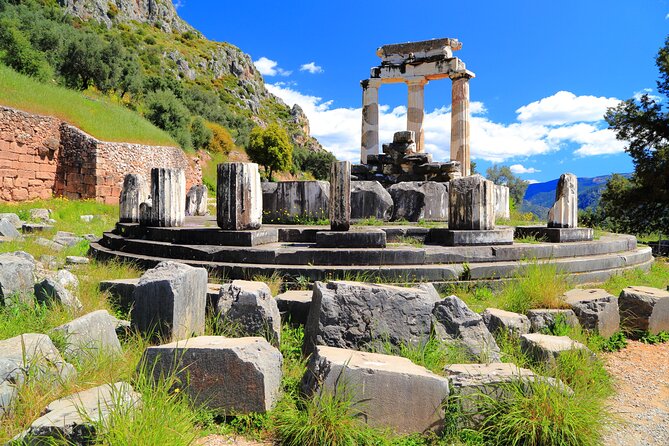
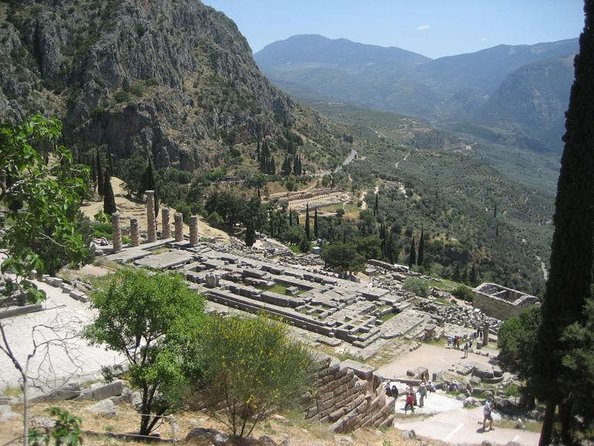
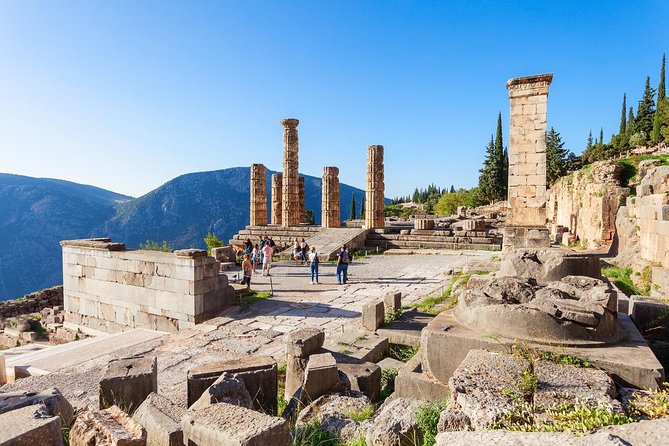
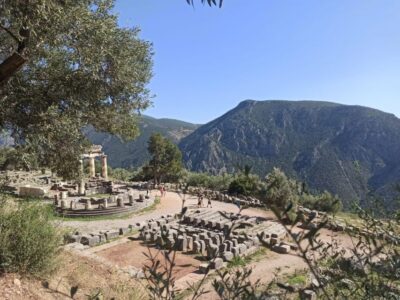
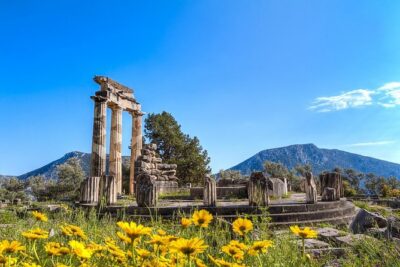
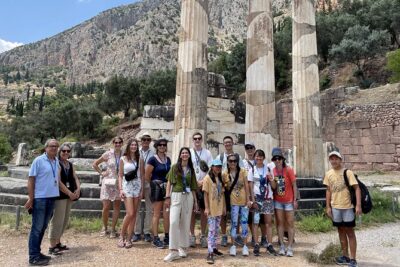
You’ll spend about 3 hours at the archaeological site of Delphi, including the Temple of Apollo. Delphi is often described as central in ancient Greek thinking, and your guide’s myth and history explanation is what turns that theme into something you can visualize while walking the ground.
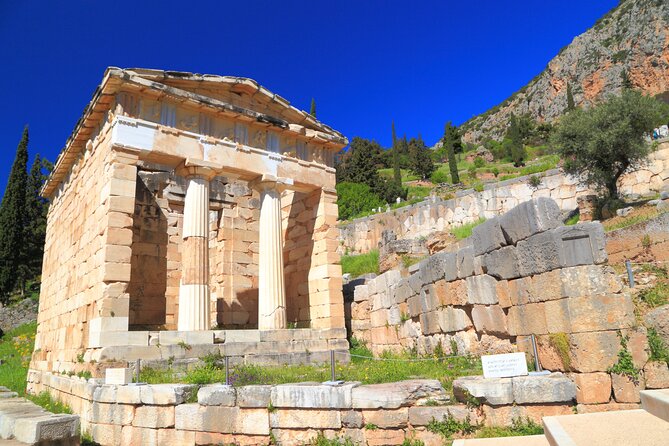
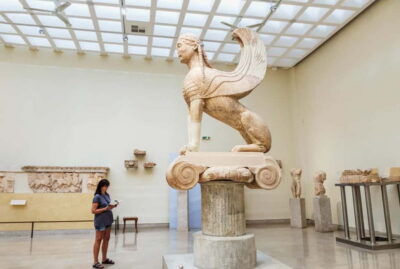
You’ll also have a separate visit to the Delphi Archaeological Museum (about 1 hour). This is where artifacts from as far back as the 15th century BC help you anchor the site in real material culture, not just legend. If you like details—inscriptions, objects, and how archaeology tells its story—this museum block is worth staying alert for.
After Delphi, you’ll head toward Kalambaka. You’ll stop briefly by Lamia, then overnight in Kalambaka, which is built at the foot of the rock formations that crown Meteora. That overnight stay is useful: it sets you up for the final day without burning extra time.
Drawback to consider: Some people feel the schedule on the first big stop of the day could use a bit more time. If you’re the type who reads every sign and wants longer museum moments, you might feel slightly time-pressed at Epidaurus or early-day Delphi. You can fix this somewhat by focusing on the core areas your guide highlights.
Meteora on the final day: monasteries on sheer rock
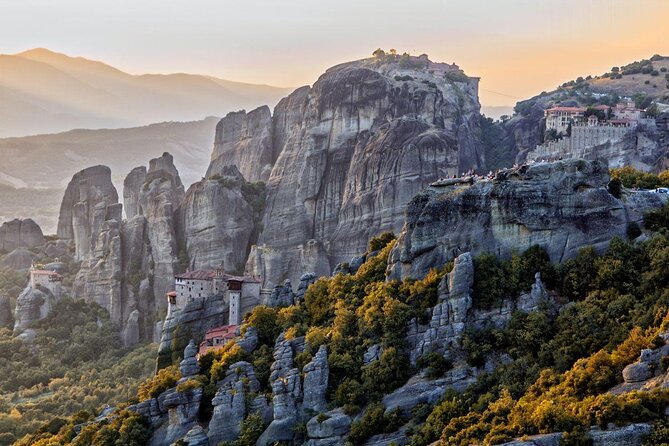
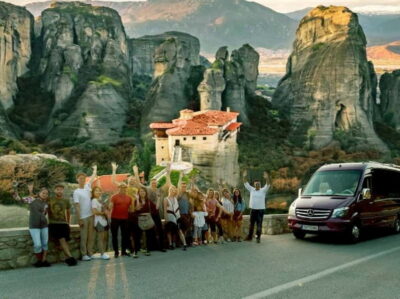
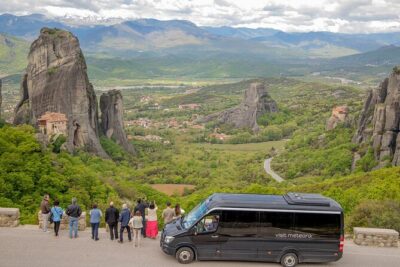
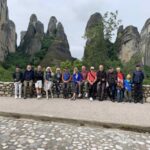
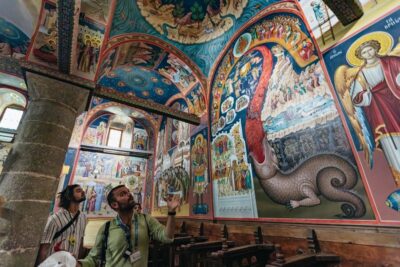
Meteora is the main photo payoff. You’ll leave in the morning and spend about 2 hours 30 minutes visiting the Byzantine monasteries, part of the UNESCO site. This area is famous for more than 20 rock monasteries, and even when it’s crowded, the setting gives you that wow-factor fast.
A key practical point: monasteries have strict clothing rules. Expect limits on shorts and short skirts, and you’ll want long sleeves where required. In practice, some visitors find that skirt-cover options may be available for ladies on-site, which helps if you forgot to pack a backup.
Meteora is also where stairs and uneven surfaces show up in real life. Most people find it manageable if they take their time, but it’s not the best day for strollers or slow-mobility setups. If you’re traveling with kids, plan to be flexible about pacing and choose comfortable shoes.
Also, Meteora can get busy depending on the day and the flow of tour groups. That can mean lines for viewpoints and photo spots. The good news is you still get a solid chunk of time, so you’re not just stopping for a quick glimpse and leaving.
Day 4: Thermopylae’s Leonidas monument and the ride back to Athens
The final morning returns to the Meteora area for that last look and photo round, then you head back toward Athens. En route, you’ll stop at the Leonidas Monument at Thermopylae for about 20 minutes.
This stop helps add a different kind of Greek story into the mix—more battlefield legend than temple archaeology. Then you continue back to Athens, returning late afternoon.
If you’re trying to end the trip with a sense of closure, Thermopylae does that job well. It’s a short pause, but it frames how Greece’s past is remembered and retold.
Hotels and half-board: what you’re paying for besides sightseeing
You choose between 3- or 4-star hotels, and the tour includes breakfast and dinner for three nights. That’s a genuine value play. Hotel location also matters here: you’ll base yourself in Olympia and Kalambaka areas so you’re not constantly changing hotels mid-trip.
In the real world, hotel quality can vary by stop. Some people praised the hotels as good or even excellent, while others flagged that the Delphi-area hotel can feel older or more worn. If you’re picky about room condition, you might want to mentally budget that Delphi nights are the most likely to feel less polished.
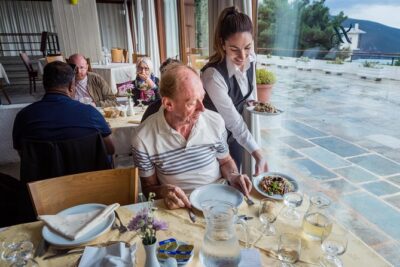
Meals are typically buffet-style for both breakfast and dinner, and it’s fair to expect simple, filling fare rather than fine dining. The upside is that you won’t be stuck searching for dinner after long travel days.
One more cost note: hotel accommodation tax isn’t included. It’s paid directly to the hotel at check-in. The rate is €10 per room per night for 4-star hotels, and €5 per room per night for 3-star hotels.
What to pack: shoes, layers, and the Meteora clothes checklist
If there’s one thing to over-pack, it’s shoes. Bring sturdy, grippy walking shoes. Between ancient sites and monastery steps, you’ll rack up stairs and uneven surfaces without realizing it until you’re halfway through the day.
For Meteora, pack smart clothing that fits the rules. For ladies, that means no short skirts and long sleeves; for men, no shorts. If you’re sensitive about needing options, consider bringing a light layer that covers arms and legs so you can adjust fast.
Sun and weather can matter too. You’ll be outside for many stops, and Arachova and Meteora are in higher terrain, so temperature shifts can happen.
Finally, keep your day gear minimal. Bags can feel heavy when you move through crowds and stair-heavy areas. Light carry makes the whole trip smoother.
Price and logistics: is $760.28 a good deal?
At $760.28 per person, this tour is priced as a bundled deal: transport by air-conditioned luxury bus, a professional licensed guide, entrance fees, and hotel stays with breakfast and dinner. In other words, you’re paying for the convenience of not coordinating tickets, transportation, and timing yourself.
The trade-off is that lunch and drinks are not included. You’ll need to handle meals on your own for lunch, and you should budget drinks. On top of that, hotel accommodation tax is extra. Those two factors can add up, but they’re predictable.
The value is strongest if you don’t want to plan. You get a guided route built around UNESCO highlights: Delphi, Ancient Olympia, Mycenae, plus Epidaurus theatre and Meteora monasteries. Entrance fees are included, which matters because these sites usually aren’t cheap when booked individually.
Also, the schedule is built to reduce guesswork. Start time is 8:15 am at Athanasiou Diakou 26, Athens, and the tour includes mobile tickets and pickup from select centrally located hotels about one hour before departure. That kind of structure saves real time.
Who this tour is best for: people who want ancient Greece in one concentrated trip, and who are comfortable with walking and stairs.
Who should book this 4-day Athens to Meteora highlights tour
This is a strong fit if:
- You’re a history and mythology fan who wants help connecting the dots at each site.
- You want UNESCO sites without juggling logistics.
- You’re okay with a bus-heavy itinerary for the payoff of covering big highlights fast.
- You value having breakfast and dinner handled.
This might be less ideal if:
- You want lots of free time to wander slowly or linger at museums.
- You need step-free access for mobility limits, since several sites involve stairs and uneven ground.
- You dislike older hotel conditions; the Delphi-area lodging has drawn mixed feedback compared with other nights.
Should you book it?
If your goal is to see Epidaurus, Mycenae, Olympia, Delphi, and Meteora in one trip, I think this is an easy yes. The tour’s real strength is the combination of big sites, entrance fees included, and guide storytelling that makes ancient places easier to understand on the spot.
Book it if you’re the type who enjoys structure and wants your days to feel full but guided. If you’re sensitive to hotel room condition differences or you want maximum downtime, consider what you’re trading away. Either way, pack good shoes, follow the Meteora dress rules, and you’ll be set for a memorable ancient Greece sprint.
FAQ
What is included in the tour price?
Entrance fees, a professional licensed guide, and transport by air-conditioned luxury bus are included. Your package also includes hotel accommodation and half-board meals, with breakfast for 3 days and dinner for 3 days.
Is lunch included?
No. Lunch and drinks are not included, so you’ll need to plan your own lunch during the day.
Do you offer hotel pickup in Athens?
Yes, a complimentary pickup service is offered from selected centrally located hotels in Athens. The pickup time is usually about one hour before departure, and you’ll receive the exact pickup details by email.
Where and when does the tour start?
The meeting point is Athanasiou Diakou 26, Athina 117 43, Greece, and the start time is 8:15 am. The tour ends back at the same meeting point.
How much is the hotel accommodation tax?
Hotel accommodation tax is not included and is paid directly to the hotel. It’s €10 per room per night for 4-star hotels and €5 per room per night for 3-star hotels.
What should I wear for the Meteora monasteries?
Appropriate clothing is required. Ladies should not wear short skirts and must have long sleeves, and men are not allowed to wear shorts.
How many people are on the tour?
This tour has a maximum of 42 travelers.
Can I cancel for a full refund?
Yes. You can cancel up to 24 hours in advance for a full refund, and cut-off times are based on local experience time. If you cancel less than 24 hours before the start, you won’t get a refund.
Into the Argolid: Mycenae and Nafplio
- From Athens: Small-Group Mycenae, Epidaurus & Nafplio Trip★ 4.8 · 2,805 reviews
- From Athens: Mycenae, Epidaurus & Nafplio Full-Day Tour★ 4.5 · 2,530 reviews
- Mycenae, Epidaurus and Nafplio Tour from Athens★ 4.6 · 2,201 reviews
- 4-Day Classical Greece Tour: Epidaurus, Mycenae, Olympia, Delphi, Meteora★ 4.5 · 732 reviews
- Athens: Ancient Corinth & Nafplio Full Day Trip with Swim★ 4.8 · 531 reviews
- Mycenae and Nafplion Day Trip from Athens with Official guide★ 4.5 · 501 reviews
The Monasteries of Meteora
- Athens: Meteora Monasteries Day Trip with Caves and Lunch★ 4.7 · 4,670 reviews
- Athens to Meteora: Monasteries, Caves & Seaside Stopovers★ 4.7 · 2,958 reviews
- Athens: Full-Day Meteora Tour with Local Guide & Greek Lunch★ 4.8 · 2,101 reviews
- Athens: Meteora Monasteries, Caves & Coastal Stopovers with Lunch★ 4.5 · 1,432 reviews
- Meteora Monasteries & Caves DayTrip from Athens with Greek Lunch★ 4.5 · 879 reviews
- From Athens: Delphi and Meteora 2-Day Guided Tour★ 4.5 · 825 reviews
North to Delphi: More Day Trips
- Athens: Mythology of Delphi, Museum and Arachova Guided Tour★ 4.7 · 5,102 reviews
- From Athens: Delphi Full Day V.R. Audio Guided Tour★ 4.6 · 3,028 reviews
- From Athens: Small-Group Delphi, Museum & Arachova Day Trip★ 4.8 · 2,476 reviews
- Delphi English Day Trip from Athens with Official Guide★ 4.5 · 2,199 reviews
- Athens: Delphi Oracle & Museum Tour with a Licensed Guide★ 4.8 · 2,121 reviews
- Historical Delphi One Day Tour with Arachova Stop & Expert Guide★ 4.5 · 1,247 reviews
Fresh Off the Boat: New Athens Reviews

Delphi Day Trips, compared.
 ★ 4.7Mythology of Delphi, Museum and Arachova Guided TourFrom $305,102 reviews
 ★ 4.6From Athens: Delphi Full Day V.R. Audio Guided TourFrom $303,028 reviews
 ★ 4.8From Athens: Small-Group Delphi, Museum & Arachova Day TripFrom $342,476 reviews
 ★ 4.5Delphi English Day Trip from Athens with Official GuideFrom $782,199 reviews
 ★ 4.8Delphi Oracle & Museum Tour with a Licensed GuideFrom $362,121 reviews
 ★ 4.5Historical Delphi One Day Tour with Arachova Stop & Expert GuideFrom $341,247 reviews
 ★ 4.5Premium Delphi Day Trip with an Expert Guide, Museum & LunchFrom $381,100 reviews
 ★ 4.5From Athens: Delphi and Meteora 2-Day Guided TourFrom $271825 reviews