
Reviewed · DELPHI DAY TRIPS
7-Day Grand Tour: Olympia, Delphi, Meteora, Thessaloniki
One week can feel like several lifetimes in Greece. This grand tour stacks up Olympia, Delphi, Meteora, and Thessaloniki—plus a string of major sites that usually take multiple trips to stitch together. I like that it handles the hard parts for you: long drives, timing, and moving between sites without map stress.
What I really like is the way it mixes the big names with the details—like visiting Olympia’s stadium and then stepping into the museum, or standing in Delphi while you track the religion-and-myth logic behind the layout. I also appreciate the built-in comfort: 6 nights, air-conditioned transport, and meals (6 breakfasts and 6 dinners) that keep your day from turning into constant decision-making. It’s also a good match if you want English-guided history from staff like archaeologist Effie (and other experienced guides such as Xenia or George on some departures).
The main drawback to keep in mind is that this is a fast schedule with long travel days, and on at least one run there was a mid-tour handoff that created timing stress. Plan for days that feel jam-packed, and bring clothing that follows the worship/museum dress code—no shorts or sleeveless tops, and knees/shoulders covered.
In This Review
- Key things to know before you go
- A One-Week Classical Greece Plan That Actually Works
- Price and Value: What You’re Really Paying For
- Day 1: Corinth Canal, Mycenae’s Lions Gate, and Epidaurus’ Theater
- Day 2: Olympia—Stadium Energy and the Museum to Match
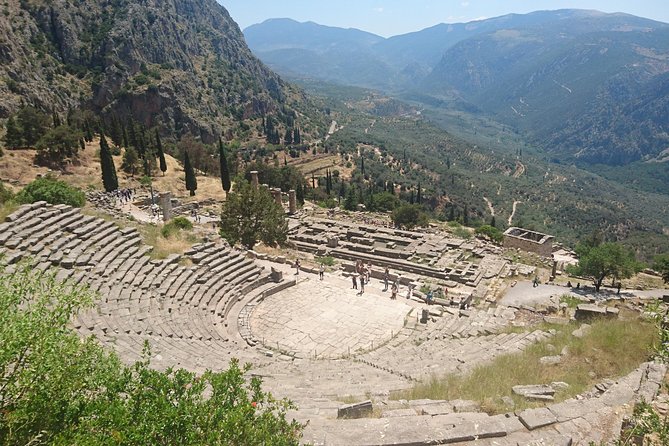
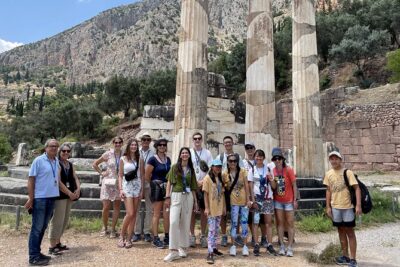
- Day 3: Delphi’s Athena and Apollo—Oracle Territory Done Right
- Day 4: Meteora Monasteries and the Bus Shift to Thessaloniki
- Day 5: Thessaloniki’s Rotunda—Roman Layers with Christian Lines
- Day 6: Edessa Waterfalls, Vergina Tombs, and Macedonia’s Towns
- Day 7: Dion, Pella, and Thermopylae—Macedonia to Leonidas
- Hotels, Meals, and the Comfort Checklist You’ll Thank Yourself For
- Guides, Group Size, and the Pace Reality
- Quick Practical Tips Before You Go
- Should You Book This 7-Day Grand Tour of Olympia, Delphi, Meteora, and Thessaloniki?
- FAQ
- Is lunch included on this tour?
- Does the tour include hotel pickup in Athens?
- What is the dress code for this tour?
- What languages are the tours offered in?
- How long are the days and is it physically demanding?
- How many people are in the group?
Key things to know before you go
- UNESCO-heavy route across Olympia, Delphi, and Meteora in a single week
- Included breakfasts and dinners that reduce daily restaurant searching
- Monastery day has real logistics: stair steps, elevation, and strict clothing rules
- Long days between regions (Peloponnese to Central Greece to Thessaloniki)
- Group size up to 40, so you’ll want to be ready for the “tour rhythm”
North to the oracle, more Delphi runs
- Athens: Mythology of Delphi, Museum and Arachova Guided Tour
★ 4.7 · 5,102 reviews - From Athens: Delphi Full Day V.R. Audio Guided Tour
★ 4.6 · 3,028 reviews - From Athens: Small-Group Delphi, Museum & Arachova Day Trip
★ 4.8 · 2,476 reviews - Delphi English Day Trip from Athens with Official Guide
★ 4.5 · 2,199 reviews
A One-Week Classical Greece Plan That Actually Works
This trip is built for one goal: getting you to the sites that define classical Greece—without making you do the planning. You’ll start in Athens and fan out through the Peloponnese, Central Greece, and Macedonia, finishing back in Athens after stops around Thessaloniki and the northern highlights.
The value comes from concentration. If you’re trying to see Olympia, Delphi, and Meteora but you only have a week, this format saves you from juggling car rentals, driving between ancient sites, and figuring out which museum is worth your one available afternoon.
That said, you should expect the pace to be proactive. Even when you have breaks, you’re still moving from place to place on a timetable. For some travelers that feels empowering; for others, it feels like history running ahead of their camera.
Price and Value: What You’re Really Paying For
At $1,479.60 per person for 7 days (with 6 nights), the price is not just for “entrance tickets and a bus.” It’s mostly for the invisible stuff: a professional guide, air-conditioned transport, and the logistics of feeding a group while also timing visits.
You’ll get:
- 6 nights accommodation
- Professional guide
- Air-conditioned vehicle
- Hotel pickup and drop-off (selected hotels in city center)
- 6 breakfasts and 6 dinners
- Mobile ticket
- English-only guiding
Lunch is not included, so you’ll still need a budget line for that. Also, plan for extra fees that may hit at the hotel level: an environmental fee of 10€ per room per night from 1/4/2025, and overnight city tax of 10€ per room per night.
If you’re someone who’d otherwise spend time researching routes, hunting down hours, and paying for separate guides at the top attractions, the bundled format can be a smart deal. If you’re the type who loves wandering freely for long stretches, you may feel the schedule isn’t giving you enough breathing room.
Day 1: Corinth Canal, Mycenae’s Lions Gate, and Epidaurus’ Theater
Day 1 starts with the Corinth Canal—a quick stop that gives you a visual “north-south split” of Greece. It’s short (about 20 minutes), but it helps you understand why this region has been a crossroads for centuries.
Then you move to Mycenae, where the scale is big even when you’re surrounded by ruins. You’ll see the Lions Gate and the Cyclopean walls, plus features connected to the legendary Agamemnon palace complex, including his tomb. This is the kind of site where the guide’s narration matters because you’re looking at fragments—but they add up to a story about power, walls, and royal centers.
The day ends at Epidaurus’ Ancient Theatre, famous for acoustics. The practical value here is that it gives you a sense of how Greek culture was engineered for public performance. If you’re sensitive to long days, this is also where you should watch your energy: the drive + walking can add up fast.
Possible drawback: Mycenae and Epidaurus are both “stand-and-look + guided walk” style. If you want hands-on experiences or lots of free time, you’ll likely want to squeeze extra exploration in before or after the scheduled stops.
Monasteries in the sky, more Meteora trips
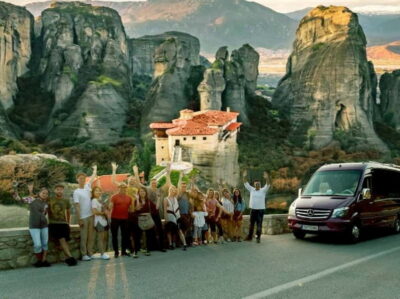



Day 2: Olympia—Stadium Energy and the Museum to Match
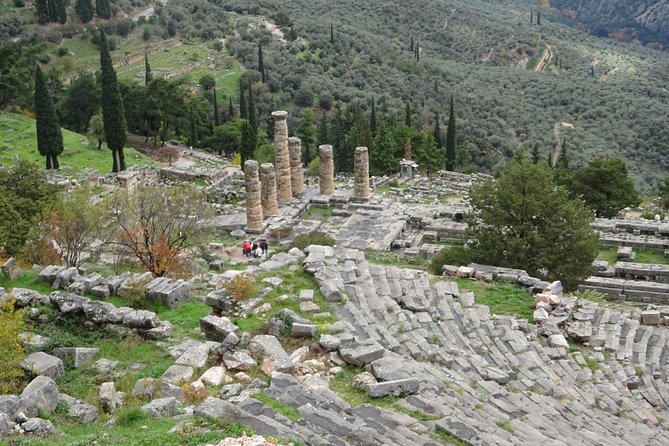
Olympia is one of those places where you immediately feel the weight of competition. You’ll visit the archaeological site, including the stadium area tied to the ancient Olympics. Even with a crowd, the space reads clearly—lines, seating, and the sense of an event built for spectators.
After that, you’ll go to the Archaeological Museum of Olympia. This is where the trip often wins for people who like context. A museum stop turns scattered artifacts into a clearer timeline and helps you connect what you see outdoors with objects that were actually used or dedicated.
At about an hour for each component, you won’t get lost in museum overload. Still, it’s enough to leave with a stronger mental picture than you’d have if you only toured the outdoor ruins.
Tip for you: bring a little extra patience for crowd flow. Olympia draws people who love sports history, classical myths, and photography, so the group “pulse” will be real around the main areas.
Day 3: Delphi’s Athena and Apollo—Oracle Territory Done Right
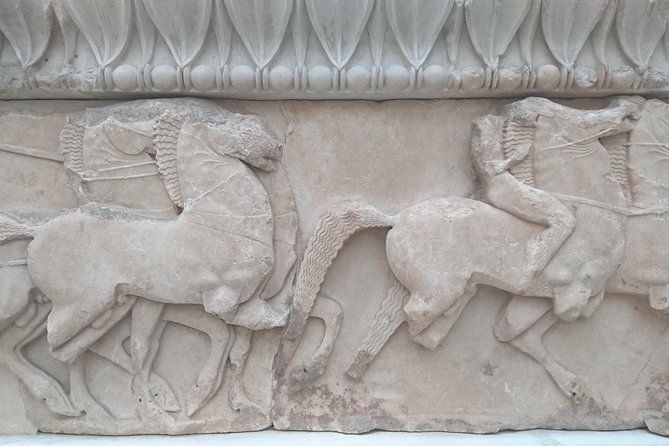
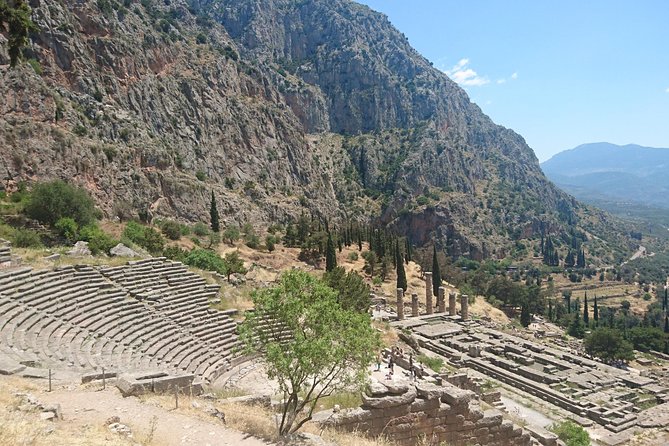
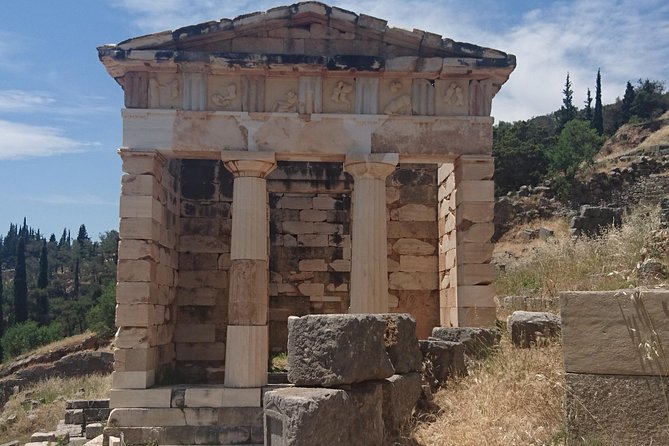
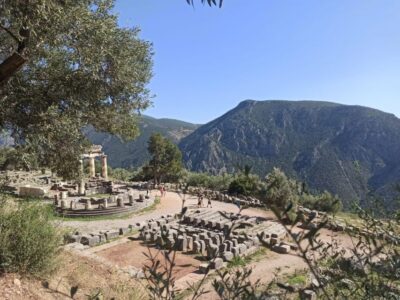
Delphi is where mythology turns into geography. You’ll start with the Tholos of Athena Pronaia, focusing on the temple area tied to Athena. It’s a shorter stop, but it sets the tone: Delphi isn’t just one temple. It’s a layered sacred landscape.
Then comes the big moment: the Temple of Apollo at Delphi. You’ll explore the archaeological area and take in the setting that made Delphi famous as a religious center. Delphi also helps you “read” Greek mythology differently because you’re experiencing the space that people believed mattered.
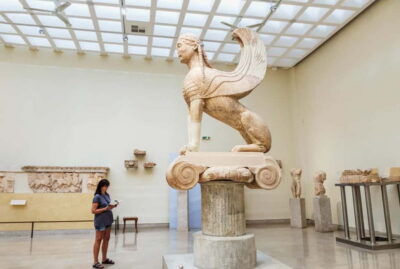
To close the day, the Delphi Archaeological Museum gives you the intellectual payoff. One of the standouts noted is the bronze statue of Iniochos. Museum moments like this are why guided tours can be worth it: you’re not just looking; you’re understanding why that object is a big deal.
Possible drawback: you may feel Delphi’s free time is limited. If you’re hoping for long wandering time around temples and viewpoints, you’ll likely want to prioritize what you care about most when the group breaks.
Day 4: Meteora Monasteries and the Bus Shift to Thessaloniki
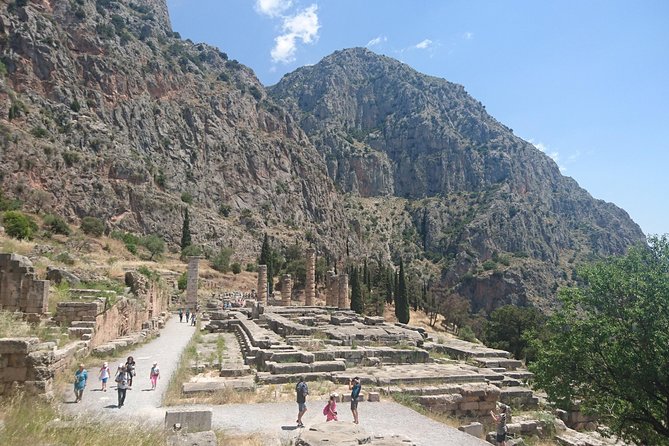
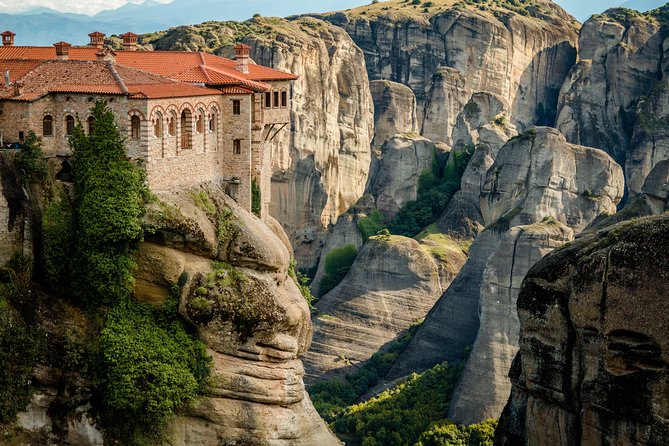
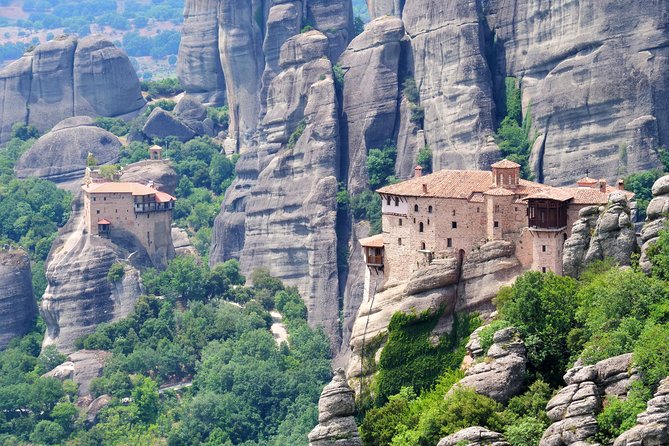
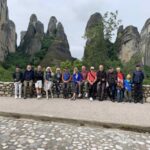
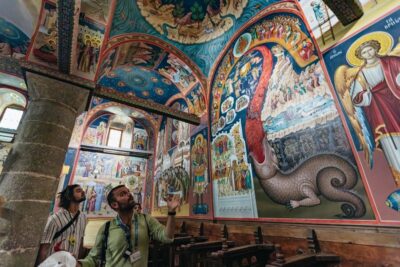
Meteora is the kind of place that makes your day schedule feel smaller. Two monastery visits are included, and that’s the right way to do it because Meteora isn’t a single look—it’s multiple angles, multiple architectural moods, and different levels of access.
This is also the day with the hardest “real-world” demands: steps, uneven paths, and strict clothing expectations for places of worship. Bring something you can move in, and plan to cover your shoulders and knees. Shorts are a no-go, even if the weather is warm.
After the Meteora time block, you shift by bus toward Thessaloniki. Expect travel pressure here—your afternoon becomes transit-heavy, and the payoff is reaching a base for the next few days.
Practical note: if you’re someone who cares about evening plans, you’ll want to check where your hotel is located. Some travelers have found that their Meteora-area accommodation felt far from town nightlife, so don’t assume you’ll have easy late-evening walks.
Day 5: Thessaloniki’s Rotunda—Roman Layers with Christian Lines
Thessaloniki’s Rotunda is a short stop that packs a lot of time in one building. You’ll see it described as built as a temple and later transformed into a church, with fine Early-Christian mosaics. That “layering” is the main story of the city: different eras living on top of each other.
The duration noted is very short for this single stop, so treat it as a taste. This day works best as a palate cleanser after Meteora’s intensity and before the northern excursions.
If you’re hungry for more Thessaloniki time, you’ll probably want to add your own exploration once the tour gives you your hotel base.
Day 6: Edessa Waterfalls, Vergina Tombs, and Macedonia’s Towns
Day 6 is the day of regional variety. You’ll start with Edessa and its waterfalls, a free-admission style stop that gives you a break from stone and temples. It’s short, but it’s a nice reset—especially if your feet already feel like they’ve done several ancient centuries.
Next up is the Museum of the Royal Tombs of Aigai (Vergina). This is tied to Macedonian royalty, including the royal family tombs. If you’re going to talk Alexander the Great later (at least in your head), this stop gives you the “before” and the political background you might otherwise miss.
Then you’ll move through Naoussa, stopping at Aristotle’s School. It’s one of those symbolic stops that adds intellectual weight to the region: philosophy isn’t an abstract word here—it connects to place.
Finally, you’ll visit Veroia, including St. Paul’s Berma, plus time in the old Jewish neighborhood and the market area. This is the day’s human layer: less “monument tourism,” more community and story within a living town.
Possible drawback: some travelers found the pace high and the included meal experience limited, with set restaurant options. If you have dietary constraints or you prefer customizing meals, you’ll want to plan ahead—especially because lunch is on your own.
Day 7: Dion, Pella, and Thermopylae—Macedonia to Leonidas
Day 7 begins in Dion, described as a sacred Macedonian town. Dion is a strong “bridge” stop: it connects the religious culture of the region to the wider Greek myth world, without feeling like you’re repeating Delphi in another outfit.
Then you’ll visit the Archaeological Museum of Pella, tied to the Macedonian capital. This is a great closing note if you want a more complete picture of where Alexander’s story grew. Museums here can be subtle, so the guide’s framing matters.
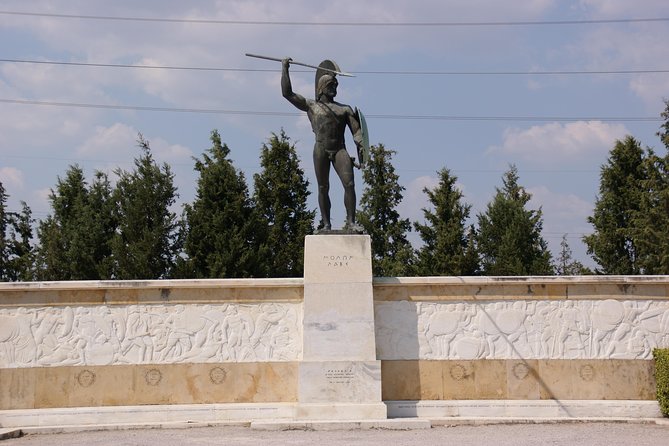
After Pella, you finish with Thermopylae—the famous Leonida’s monument stop. Even if you only have about 10 minutes, it’s historically loaded. The practical value isn’t time spent; it’s that the stop gives you a final anchor for your week: battles, legends, and the idea of defending place.
Your day ends back at the meeting point in Athens. Plan for a full wrap-up day: you’ll be tired, but you’ll also feel like you saw the spine of the country’s classical and ancient world.
Hotels, Meals, and the Comfort Checklist You’ll Thank Yourself For
This tour includes 6 dinners and 6 breakfasts, which is a big deal on a packed route. You don’t have to decide where to eat at 1 p.m. when you’re already moving. Most of the feedback also points to meals being plentiful and good—though a few people felt dinner routines could feel repetitive.
Hotels are generally described as good, including stronger options in Thessaloniki. Still, standards can vary. Some travelers noted issues like room comfort details (like stained carpets), buffet quality, and limited nearby options to buy incidentals such as water.
So here’s the practical play:
- Bring a refillable bottle for your own sanity.
- Don’t assume water will be cheap nearby.
- If you’re picky about coffee and breakfast variety, arrive mentally ready for “included breakfast” style.
Also keep the dress code in mind. Even if your hotel shower is easy, you’ll be re-dressing for temples and museums. Lightweight layers can help you stay covered without overheating.
Guides, Group Size, and the Pace Reality
The tour runs with a maximum group size of 40, which usually means you’re not alone in the chaos—but you’re also not walking at your own speed. You’ll get guidance, and you’ll also be part of the group flow.
Guide quality is a huge part of whether this trip feels inspiring or tiring. Some guides named in feedback include archaeologist Effie, plus Xenia and George on certain departures. When guides are at their best, you get clear connections between ruins, mythology, and why certain artifacts matter. When you don’t, you may feel the narration repeats or that there’s less time to explore on your own.
One logistical consideration: on at least one departure, there was a mid-trip transfer to another bus/operator, and that caused confusion around lunch timing. You can’t plan for every operating detail, but you can plan your response: keep your expectations flexible in the middle days, and carry a snack for buffering.
Quick Practical Tips Before You Go
Dress code is not optional for worship sites and selected museums: no shorts or sleeveless tops, and knees/shoulders must be covered for both men and women. Bring something you can wear on stairs and in hot sun. If your closet is made for city evenings, plan a “temple outfit” just for this trip.
Comfort-wise:
- Wear shoes you can walk in for long days; Meteora especially can be tough on feet.
- Bring sun protection and a light layer; museums and buses swing in temperature.
- Budget extra money for lunch and potential fee payments at hotels (environmental fee and city tax).
If you want the most out of the scheduled free moments, decide what you care about before you arrive. Delphi and Thessaloniki can feel short on free time, so your priorities will shape whether the day feels satisfying or rushed.
Should You Book This 7-Day Grand Tour of Olympia, Delphi, Meteora, and Thessaloniki?
I’d recommend this tour if:
- you want major classical Greece sites in one week,
- you like a guided format that removes planning stress,
- you’re okay with long days and a group rhythm,
- you value included meals and comfortable transport between regions.
I’d think twice if:
- you strongly prefer long, unstructured exploration time,
- you get irritated by tight schedules and mid-day timing shifts,
- you’re sensitive to hotel-to-hotel quality variation and want total predictability,
- you need very personalized meal options, since lunch is on your own and dinner can be scheduled.
If your goal is a high-impact week and you’re willing to travel at a steady pace, this is a solid way to see the spine of Greek antiquity—from Olympia’s athletic beginnings to Delphi’s oracle terrain, then onward to Meteora’s monastery heights and Macedonia’s roots around Thessaloniki.
FAQ
Is lunch included on this tour?
No. Breakfast and dinner are included, but lunch is not included, so you’ll pay for it on your own during the day.
Does the tour include hotel pickup in Athens?
Yes, hotel pickup and drop-off are available for selected city-center hotels. Pickup starts about one hour before the 8:30 am departure time.
What is the dress code for this tour?
You must cover your knees and shoulders for places of worship and selected museums. That means no shorts or sleeveless tops for both men and women, or you may be refused entry.
What languages are the tours offered in?
The tour is offered in English only.
How long are the days and is it physically demanding?
The itinerary involves a moderate physical fitness level requirement. You should expect long days with walking at multiple ancient sites, plus steps and uneven terrain around Meteora.
How many people are in the group?
The tour has a maximum of 40 travelers.
Classical Greece, Coast to Coast
- 4-Day Classical Greece Tour: Epidaurus, Mycenae, Olympia, Delphi, Meteora★ 4.5 · 732 reviews
- Delphi, Thermopylae, Corycian Cave 300 Spartans Tour★ 5.0 · 492 reviews
- Athens: Delphi, Corycian Cave, and 300 Battlefield Day Trip★ 4.8 · 344 reviews
- 3-Day Classical Greece Tour: Epidaurus, Mycenae, Nafplion, Olympia, Delphi★ 4.5 · 342 reviews
- Delphi & Thermopylae Full Day Private Tour from Athens★ 5.0 · 259 reviews
- Thermopylae, Meteora and Delphi Private Full Day Tour★ 5.0 · 216 reviews
The Monasteries of Meteora
- Athens: Meteora Monasteries Day Trip with Caves and Lunch★ 4.7 · 4,670 reviews
- Athens to Meteora: Monasteries, Caves & Seaside Stopovers★ 4.7 · 2,958 reviews
- Athens: Full-Day Meteora Tour with Local Guide & Greek Lunch★ 4.8 · 2,101 reviews
- Athens: Meteora Monasteries, Caves & Coastal Stopovers with Lunch★ 4.5 · 1,432 reviews
- Meteora Monasteries & Caves DayTrip from Athens with Greek Lunch★ 4.5 · 879 reviews
- From Athens: Delphi and Meteora 2-Day Guided Tour★ 4.5 · 825 reviews
North to Delphi: More Day Trips
- Athens: Mythology of Delphi, Museum and Arachova Guided Tour★ 4.7 · 5,102 reviews
- From Athens: Delphi Full Day V.R. Audio Guided Tour★ 4.6 · 3,028 reviews
- From Athens: Small-Group Delphi, Museum & Arachova Day Trip★ 4.8 · 2,476 reviews
- Delphi English Day Trip from Athens with Official Guide★ 4.5 · 2,199 reviews
- Athens: Delphi Oracle & Museum Tour with a Licensed Guide★ 4.8 · 2,121 reviews
- Historical Delphi One Day Tour with Arachova Stop & Expert Guide★ 4.5 · 1,247 reviews
Fresh Off the Boat: New Athens Reviews

Delphi Day Trips, compared.
 ★ 4.7Mythology of Delphi, Museum and Arachova Guided TourFrom $305,102 reviews
 ★ 4.6From Athens: Delphi Full Day V.R. Audio Guided TourFrom $303,028 reviews
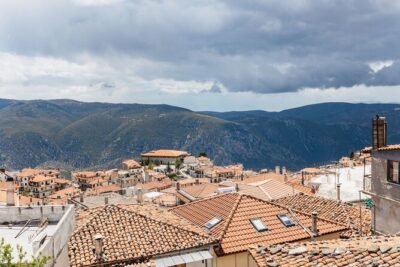 ★ 4.8From Athens: Small-Group Delphi, Museum & Arachova Day TripFrom $342,476 reviews
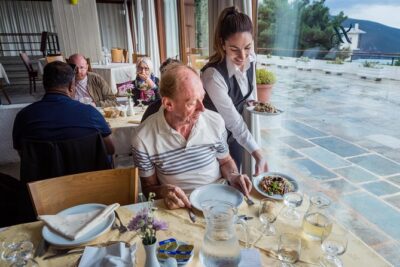 ★ 4.5Delphi English Day Trip from Athens with Official GuideFrom $782,199 reviews
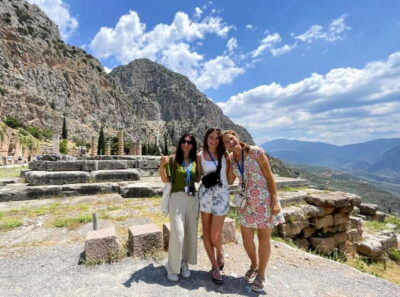 ★ 4.8Delphi Oracle & Museum Tour with a Licensed GuideFrom $362,121 reviews
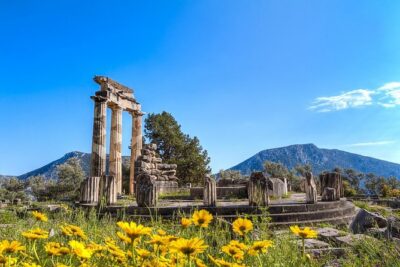 ★ 4.5Historical Delphi One Day Tour with Arachova Stop & Expert GuideFrom $341,247 reviews
 ★ 4.5Premium Delphi Day Trip with an Expert Guide, Museum & LunchFrom $381,100 reviews
 ★ 4.5From Athens: Delphi and Meteora 2-Day Guided TourFrom $271825 reviews
Browse the lists this tour appears in