
Reviewed · CORINTH DAY TRIPS
Athens & Corinth Christian Tour in Paul’s Footsteps
Paul’s message moved from hilltop talk to real street life.
That’s what makes this route so gripping: it takes you from Areopagus (Mars Hill) in Athens to the places tied to Paul’s early ministry in Corinth, using walking-time and viewpoint stops to make the story feel physical. I especially like the chance to stand at the Ancient Agora where early Christian ideas met everyday Athenian life. You also get that must-do photo moment at the Canal of Corinth from a high vantage point. One drawback to plan for: it’s an 8-hour day with stone paths and uneven ground, so you’ll want solid shoes and a good attitude for walking.
You’ll do this as a private group with pickup from central Athens hotels or a meeting point, plus an English-speaking driver/escort and bottled water. If you add the optional licensed site guide inside the archaeological areas, you’ll get even more context as you move through the ruins. The payoff is a focused, chronological day: Athens first, then the drive to Corinth and the key stops tied to Paul’s journey.
The big consideration is pace and comfort. This isn’t a sit-and-glide tour; it involves uneven ancient stone and weather changes, and it’s not suitable for people with mobility impairments. If you’re sensitive to heat, sun, or rain, pack for it and plan to keep moving.
In This Review
- Key points you’ll actually care about
- Standing where Paul challenged Athenian thought: Areopagus (Mars Hill)
- Ancient Agora: where faith met daily Athenian life
- Corinth Canal photo stop: why the view matters, even without Paul
- Ancient Corinth: Bema and the market where Paul’s community took shape
- Kechries Port: a quieter pause tied to departure for Syria
- How an 8-hour private day stays manageable
- Price: $647 per group up to 3, and how the math really works
- What to bring (and what to skip) so you enjoy every stop
- Who should book this Paul’s Footsteps Athens & Corinth tour
- Should you book this tour?
- FAQ
- How long is the Athens and Corinth Christian Tour?
- Where do you get picked up in Athens?
- Is this tour private?
- What language is the tour?
- Do I need to pay entrance fees at the sites?
- Are meals included?
- Do you provide guides inside the archaeological sites?
- Is there a skip-the-line benefit?
- What should I bring?
- Is the tour suitable for people with mobility impairments?
Key points you’ll actually care about
- Areopagus to Ancient Agora: you connect Paul’s Athens speech to where early followers would have been seen and discussed.
- Ancient Corinth stops that matter: Bema and the Ancient Market are used to explain how faith met public life.
- Canal of Corinth high photo stop: Paul didn’t see the canal, but the trade-route setting helps you understand why Corinth mattered.
- Kechries Port photo break: a calmer moment that fits the theme of leaving for Syria.
- Private-group feel in a full day: less crowd pressure, more flexibility on timing at key viewpoints.
- Walking on ancient stone paths: comfortable shoes are not optional if you want to enjoy it.
The canal and old Corinth, a few more days
- From Athens: Ancient Corinth Day Trip with Canal & VR Guide
★ 4.6 · 1,073 reviews - Biblical Tour Letters ToThe Corinthians St Paul’s Footsteps 6Hour
★ 5.0 · 1,065 reviews - Private Biblical Tour Ancient Corinth & Isthmus Canal from Athens
★ 5.0 · 762 reviews - Athens: Ancient Corinth & Nafplio Full Day Trip with Swim
★ 4.8 · 531 reviews
Standing where Paul challenged Athenian thought: Areopagus (Mars Hill)
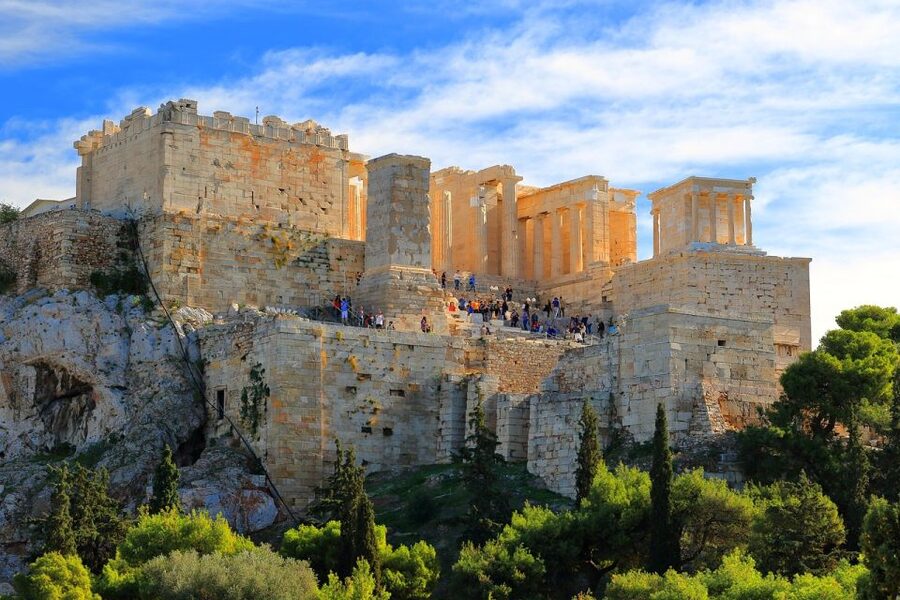
The day starts in Athens at the Areopagus, also called Mars Hill. This is one of those places where you can feel how a speech could land—high enough for a wide view, but close enough to imagine voices carrying across the city. The tour frames this stop around Paul’s famous challenge to Athenian beliefs and his introduction of Christianity to philosophers and thinkers.
What I like here is how the setting supports the message. When you’re on a hill with views back toward the Acropolis, it’s easier to understand how Paul wasn’t just talking to people—he was talking to a whole worldview that had shaped Athens for generations. Even if you’re not a hardcore history person, you’ll likely catch the “why now” of it: Athens was a place where ideas traveled, and Paul picked a stage where ideas were already being argued.
A small thing to keep in mind: this is an hour-long guided time at a viewpoint. You’ll want to be ready for sun and wind. If you’re prone to overheating, bring water habits from the start—your bottled water is helpful, but you’ll still want a calm pace.
Ancient Agora: where faith met daily Athenian life
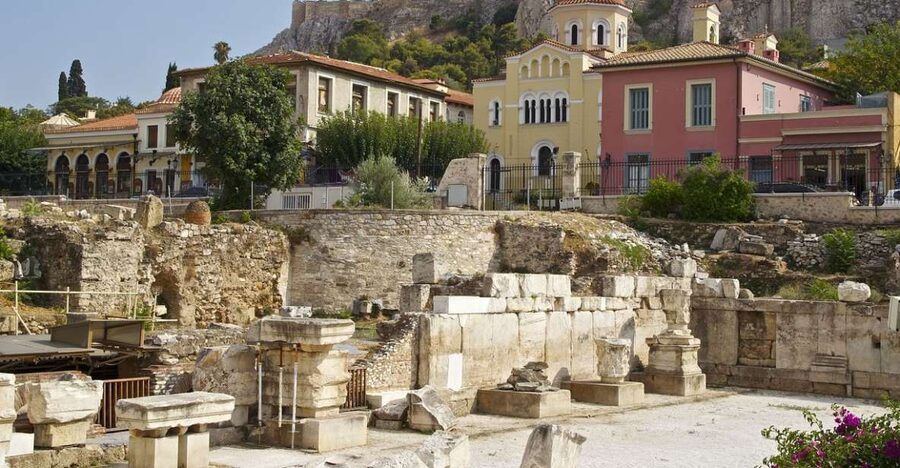
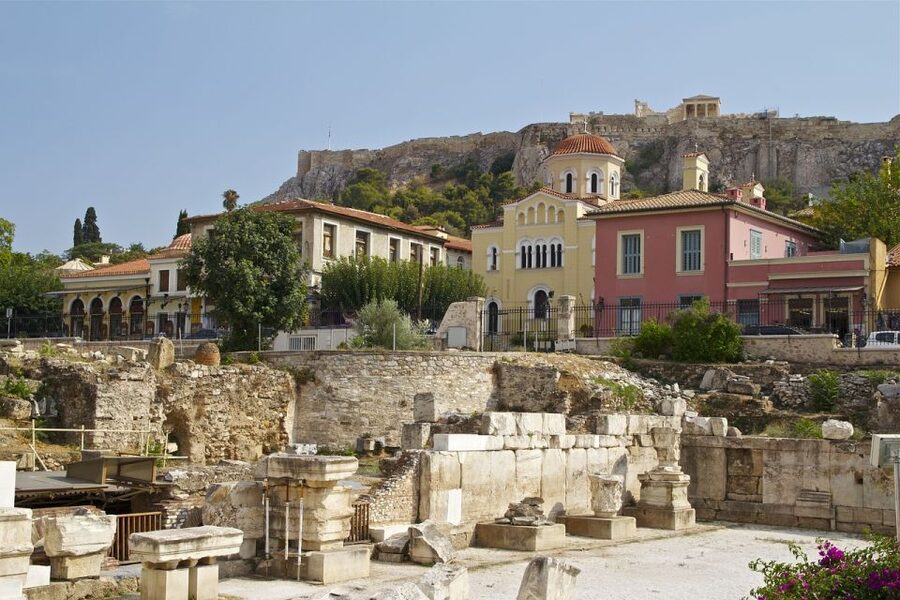
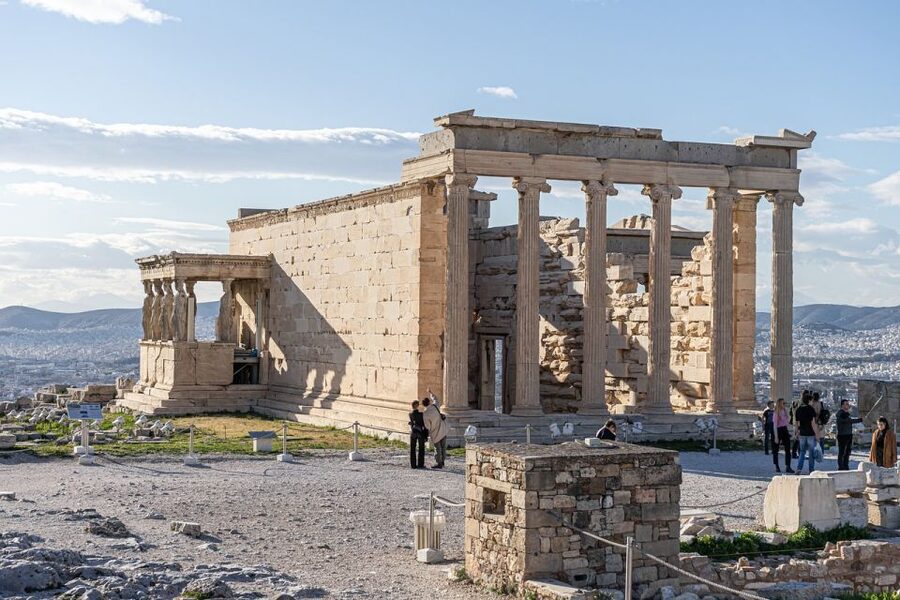
Next is the Ancient Agora of Athens, tied to Paul’s early encounters with followers and the spread of Christianity around 51 AD. This stop is less about a single dramatic landmark and more about context. The Agora was the social engine of Athens—public buildings, temple remains, and a layout that shows how people gathered, traded, argued, and learned.
The tour’s angle here matters: you’re not just seeing ruins. You’re being guided to connect Paul’s message to the type of everyday space where early believers could be noticed, questioned, or encouraged. That’s why it’s a strong pairing with Areopagus. Hilltop debate on one day, marketplace reality on the next. In your mind, the story becomes less like a sermon in a vacuum and more like something people dealt with in normal life.
One practical note: the Ancient Agora involves walking through uneven archaeological areas. If you’re comfortable there, you’ll enjoy this stop more. If you struggle with footing, you’ll spend your energy watching your steps instead of absorbing the story.
Corinth Canal photo stop: why the view matters, even without Paul
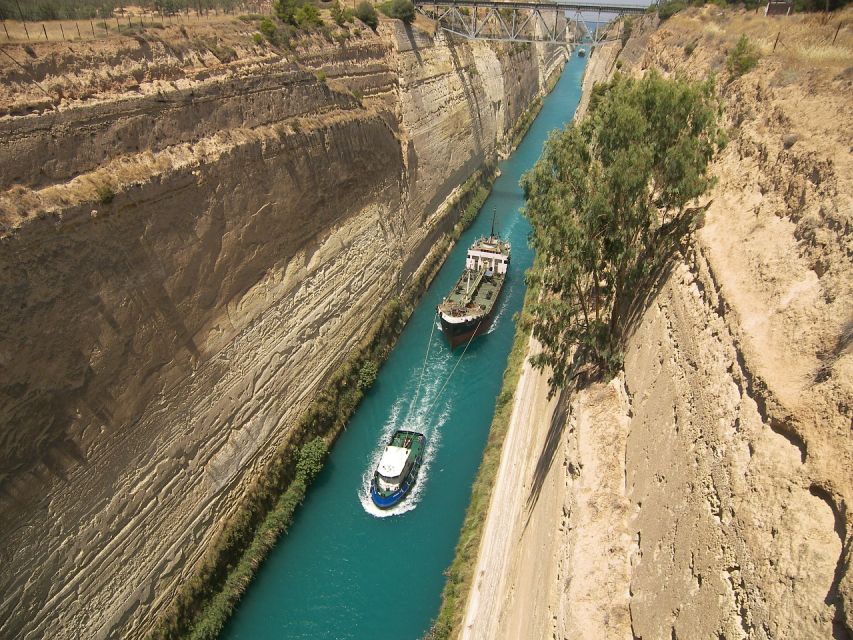
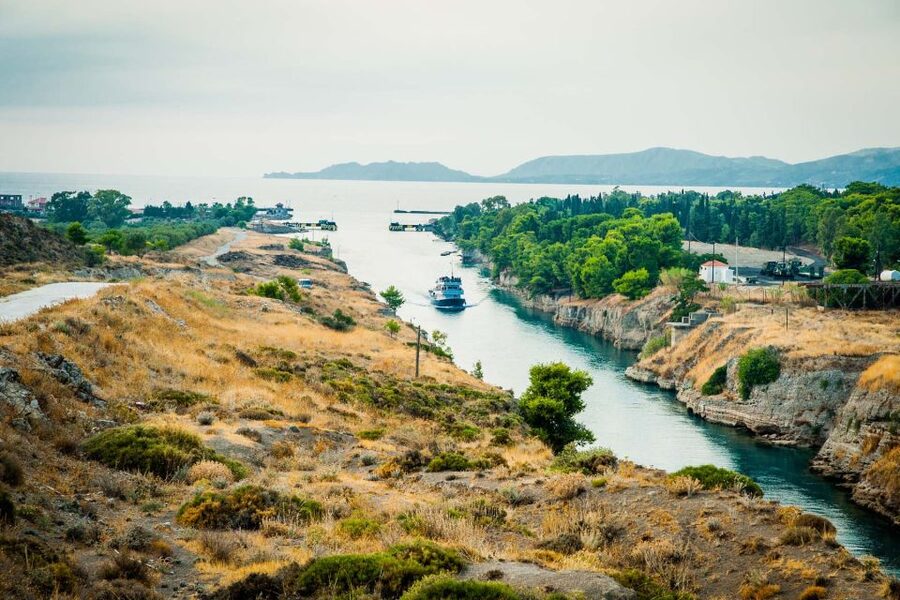
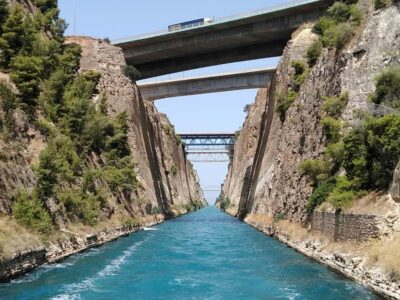
Then the tour shifts from Athens to Corinth by way of a key modern viewpoint: the Canal of Corinth. There’s a photo stop, and the emphasis is on the fact that the canal is an engineering marvel about 80 meters high. Paul didn’t see this canal, so the point isn’t to pretend history lines up perfectly. It’s to show you how Corinth functioned as a trade hub—exactly the kind of location where travel, messages, and new ideas could move quickly.
From a traveler’s perspective, I think this is a smart compromise. In a day that’s already packed, a dramatic viewpoint gives you a mental reset. You look out over the geography, and suddenly the drive toward Corinth’s story feels less random.
For best photos, keep an eye on wind and sun. High viewpoints can be bright, and gusts can mess with hats. Also, remember the tour includes photos stops, but you’re still on a schedule. If you want that one “money shot,” position yourself quickly and then take your time.
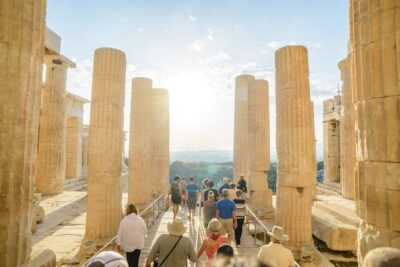

Ancient Corinth: Bema and the market where Paul’s community took shape
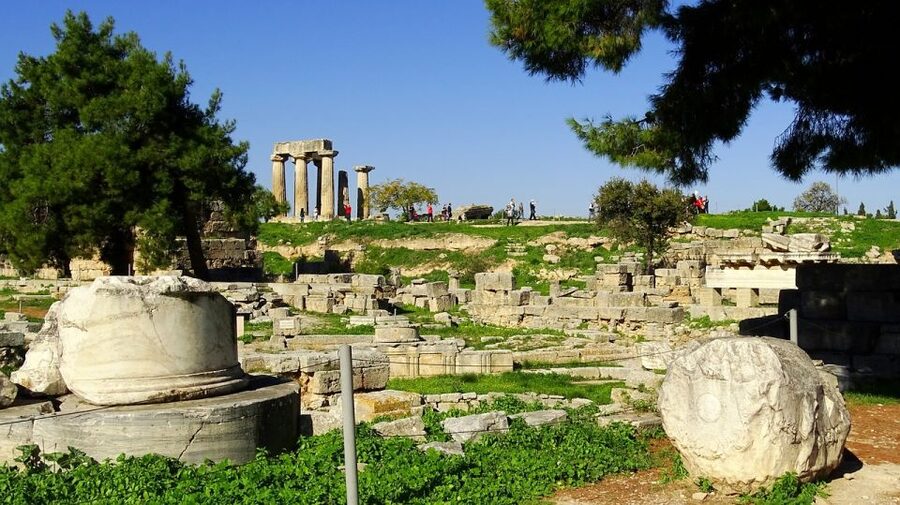
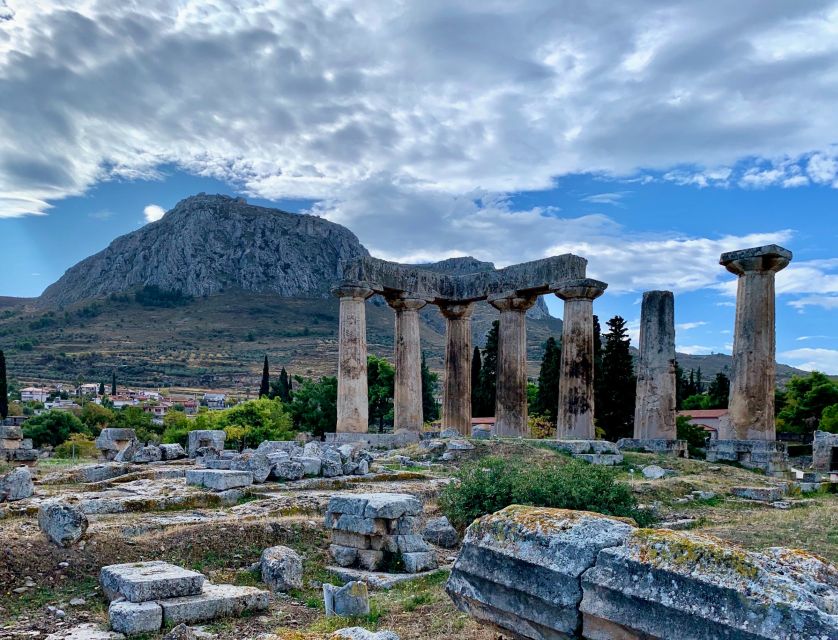
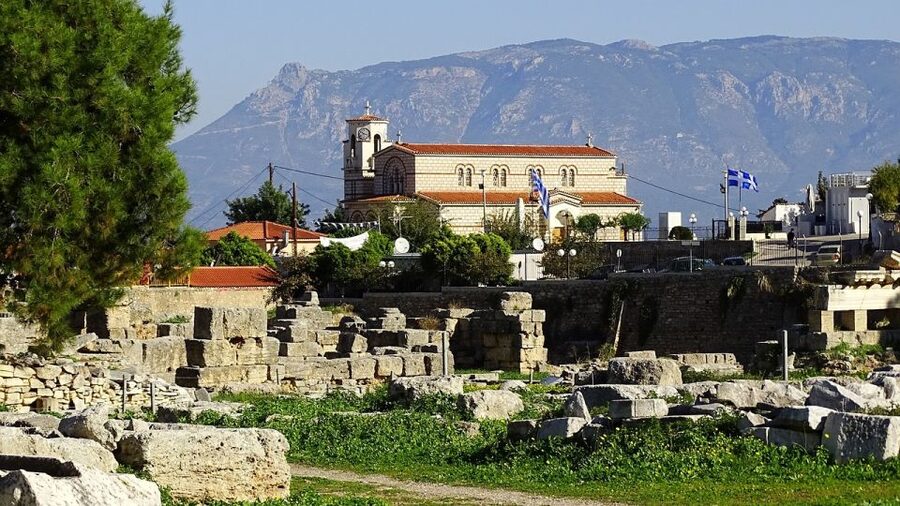
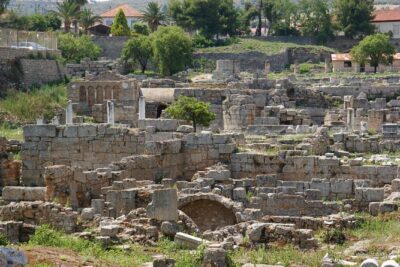
Ancient Corinth is where the tour gets its name. You’re guided through the area tied to Paul establishing a Christian community and you’ll hit several “anchors” that explain how the early message lived inside Corinth’s public world.
Two sites in particular make this stop feel specific instead of generic:
- The Bema, the place associated with Paul’s trial.
- The Ancient Market, important for understanding everyday interactions and the mix of cultures in a trading city.
I like this structure because it gives you two angles. The Bema represents tension: the reality that faith didn’t float above politics and power. The Ancient Market represents contact: people from different places meeting, buying, selling, hearing news, and adjusting to new ideas in the flow of daily life.
Also, this is the most walking-heavy part of the day (besides the Agora areas), and the tour warns about uneven stone paths. If your shoes are solid and your legs are warmed up, you’ll enjoy this stop far more. If they’re not, you’ll feel it by the time you reach the market area.
A balanced expectation: ruins can sometimes feel like “lots of stones” if the tour guide’s pacing isn’t good. The format here is designed to keep the story moving—trial to community, then community to the setting where people would have encountered each other.
Kechries Port: a quieter pause tied to departure for Syria
After Ancient Corinth, you get a photo stop at Kechries Port, tied to the ancient departure point connected with Paul’s journey toward Syria. This is a shorter moment—around 30 minutes—and that’s exactly why it works. You’ve spent hours with dense sites; now you get a visual and thematic break.
What I enjoy about this stop is tone. Ports aren’t just “points on a map.” They’re about movement and risk. Even with limited time, you can step back and think about what it meant to leave a familiar place behind to carry a message into uncertain travel.
Because it’s a photo stop, don’t expect long wandering time like you might get at a full museum-style location. Use the time to take a few shots and then look at the space itself—water, distance, the feeling of readiness to go.
How an 8-hour private day stays manageable
This tour is built for a single day in Central Greece: pickup in Athens, guided time at key locations, and then a return to Athens at the end. The total duration is 8 hours, which is a nice middle ground. It’s long enough to include multiple significant sites, but not so long that you’d need a second day to recover.
Because it’s a private group, it tends to feel calmer than crowded public tours. You’re with an English-speaking driver/escort, and the itinerary uses guided blocks (like the one-hour stops at Areopagus and Ancient Agora and the two-hour focus at Ancient Corinth) to keep your time structured. If you’ve ever done a self-guided ruins day, you know how quickly you can lose the thread. This tour keeps the thread.
That said, you should plan your energy like a hike day: hydrate, take advantage of shade when you can, and don’t treat it like a leisurely stroll. The terrain is part of the experience, but it also means you’ll move slower than on modern streets.
Price: $647 per group up to 3, and how the math really works
At $647 per group up to 3 people, the value depends mostly on how you travel.
- If you go as 3 people, you’re effectively at about $216 per person.
- If you go as 2, it’s about $324 per person.
- If you go as 1, it’s about $647 per person.
Here’s the practical part: you’re paying for a day trip that includes transportation, pickup/drop-off from central Athens, an English-speaking escort, and a tightly structured route across sites. Entrance fees can be extra depending on what’s selected, and meals aren’t included.
If you’re traveling with friends or family, this can be a strong deal because private transport and an itinerary this focused usually cost more when you’re not sharing with anyone. If you’re solo, you’ll want to compare whether paying for the whole group is worth the convenience versus booking entrance tickets and transit yourself.
What to bring (and what to skip) so you enjoy every stop
The tour is straightforward about what helps: comfortable shoes, a sun hat, and sunscreen. The reason is simple—uneven stone paths and open viewpoints. When your footing feels stable, you can actually look around instead of bracing yourself.
Dress for shifting weather. It operates in all weather conditions, so bring layers you can handle in heat or rain. If you run cold easily, pack something light. If you burn fast, bring the kind of sunscreen you can reapply.
And one easy rule to follow: no drones. It’s not something you want to discover at the gate.
Who should book this Paul’s Footsteps Athens & Corinth tour
This tour is a good fit if you want a guided day connecting the dots between Athens and Corinth through Paul’s story. You’ll likely enjoy it most if you:
- like faith-and-places travel, not just photo stops
- want a logical route with guided time at the key sites
- prefer a private group feel in an 8-hour schedule
- appreciate context at archaeological locations like the Bema and the Ancient Market
It’s not the best choice if you need step-free access. The tour isn’t suitable for people with mobility impairments, and the ground can be rough.
Should you book this tour?
If your goal is to see the big Paul locations in Athens and Corinth in one day, this tour makes sense. The itinerary follows a clear storyline—Areopagus to Ancient Agora to Ancient Corinth, then a calmer departure moment at Kechries Port—and the private-group format helps keep the day from feeling chaotic.
Book it if you’re comfortable walking on ancient stone and you want guided context without spending hours planning. Skip it (or choose a more accessible option) if walking uneven ground would be stressful for you, or if you prefer longer, slower time at sites.
FAQ
How long is the Athens and Corinth Christian Tour?
It runs for 8 hours.
Where do you get picked up in Athens?
Pickup is from central Athens hotels or a meeting point.
Is this tour private?
Yes, it’s a private group.
What language is the tour?
The tour is in English.
Do I need to pay entrance fees at the sites?
Entrance fees are included only if the option is selected. Otherwise, entrance fees are not included (approx. €60 per person).
Are meals included?
No, meals and drinks are not included.
Do you provide guides inside the archaeological sites?
A licensed tour guide inside archaeological sites is optional and must be booked in advance. There is always an English-speaking driver/escort.
Is there a skip-the-line benefit?
Yes, there is a skip the ticket line.
What should I bring?
Bring comfortable shoes, a sun hat, and sunscreen.
Is the tour suitable for people with mobility impairments?
No, it is not suitable for people with mobility impairments.
More Tours in Athens
- Athens: Acropolis, Parthenon & Acropolis Museum Guided Tour★ 4.8 · 9,316 reviews
- The Acropolis, Parthenon & Acropolis Museum Guided Tour★ 4.7 · 8,493 reviews
- Acropolis: Premium Acropolis and Parthenon Guided Tour★ 4.8 · 5,208 reviews
- Athens: Mythology of Delphi, Museum and Arachova Guided Tour★ 4.7 · 5,102 reviews
- Acropolis and Parthenon Guided Walking Tour★ 5.0 · 4,755 reviews
- Greek Food Walking Tour in Athens★ 5.0 · 4,740 reviews
More Tour Reviews in Athens
- Athens: Acropolis & up to 5 Archaeological Sites Combo Pass★ 4.2 · 13,904 reviews
- Athens: Acropolis, Parthenon & Acropolis Museum Guided Tour★ 4.8 · 9,316 reviews
- The Acropolis, Parthenon & Acropolis Museum Guided Tour★ 4.7 · 8,493 reviews
- Athens: Cape Sounion & Poseidon Temple Sunset Half-Day Trip★ 4.8 · 8,241 reviews
- Acropolis: Premium Acropolis and Parthenon Guided Tour★ 4.8 · 5,208 reviews
- Athens: Mythology of Delphi, Museum and Arachova Guided Tour★ 4.7 · 5,102 reviews
Corinth and the Canal
- From Athens: Ancient Corinth Day Trip with Canal & VR Guide★ 4.6 · 1,073 reviews
- Biblical Tour Letters ToThe Corinthians St Paul’s Footsteps 6Hour★ 5.0 · 1,065 reviews
- Private Biblical Tour Ancient Corinth & Isthmus Canal from Athens★ 5.0 · 762 reviews
- Athens: Ancient Corinth & Nafplio Full Day Trip with Swim★ 4.8 · 531 reviews
- Athens: Corinth Canal, Mycenae & Nafplio Premium Guided Tour★ 4.7 · 322 reviews
- Private Tour of Apostle Paul’s Footsteps in Ancient Corinth★ 5.0 · 275 reviews
Fresh Off the Boat: New Athens Reviews


Corinth Day Trips, compared.
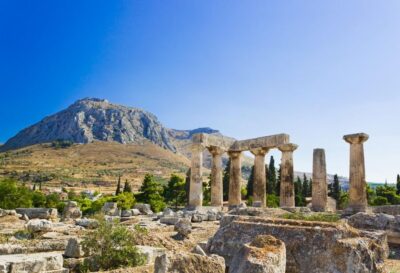 ★ 4.6From Athens: Ancient Corinth Day Trip with Canal & VR GuideFrom $411,073 reviews
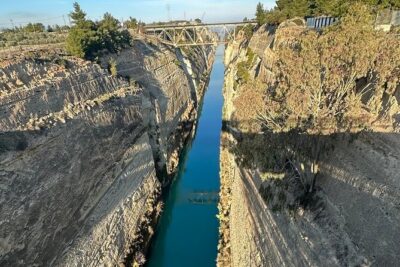 ★ 5.0Biblical Tour Letters ToThe Corinthians St Paul’s Footsteps 6HourFrom $1701,065 reviews
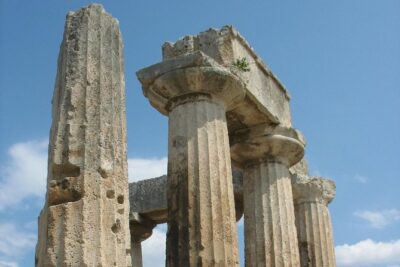 ★ 5.0Private Biblical Tour Ancient Corinth & Isthmus Canal from AthensFrom $301762 reviews
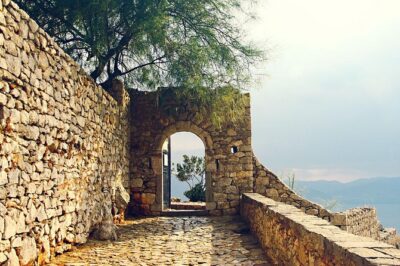 ★ 4.8Ancient Corinth & Nafplio Full Day Trip with Swim531 reviews
 ★ 4.7Corinth Canal, Mycenae & Nafplio Premium Guided TourFrom $32322 reviews
 ★ 5.0Private Tour of Apostle Paul’s Footsteps in Ancient CorinthFrom $169275 reviews
 ★ 4.3Corinth Canal, Mycenae and Nafplio Day TourFrom $129252 reviews
 ★ 4.5Corinth Half-Day Trip from Athens with Entrance TicketsFrom $91242 reviews
Browse the lists this tour appears in