
Reviewed · DELPHI DAY TRIPS
Best of Greece: 7-Day Tour to Real Greece of the Peloponnese, Delphi and Meteora
This route hits Greece fast and real. In one week you roll from the Peloponnese into Delphi and finish at Meteora, with built-in meals and a private, door-to-door feel to the whole trip. I especially like that the day plan mixes headline ancient sites with everyday Greek towns, so it never feels like you’re only rushing between ruins.
The best part, in how this tour gets talked about, is the human side: Nikos’s planning and Theo or Panayiotis-style guiding (friendly, flexible, and great at steering you to good lunch stops). One drawback to think about up front: you’ll start at 8:00am, do real walking, and some stops are steep or stair-heavy like Palamidi’s 999 steps, so bring moderate-fitness expectations.
In This Review
- Key highlights to know before you go
- Peloponnese, Delphi, Meteora: a week that feels like you traveled farther
- Day 1: Corinth Canal, Mycenae, and Nafplio’s steps down to the sea
- Day 2: Parnon mountain towns to Monemvasia’s castle on a sea rock
- Day 3: Mani Peninsula caves, Mystra views, and Leonidas by a stadium
- Day 4: Olympia’s stadium energy and Arcadia stone villages at night
- Day 5: Caves of the Lakes, Kalavrita lunch, and a fun train through tunnels
- Day 6: Delphi’s museum and oracle sanctuary, plus an optional Meteora sunset look
- Day 7: Great Meteoron, Varlaam, Holy Trinity, then Thermopylae and Athens
- Price and value: what your money really buys
- Should you book this Best of Greece tour?
- FAQ
- How long is the tour?
- What time does the tour start, and where can they pick you up?
- Are meals included?
- Are entrance fees included?
- Is this a private tour?
- What language is the tour offered in?
- Can I get a refund if I cancel?
Key highlights to know before you go
- Private, small-group style with pickup from Athens hotels/Airbnb, Athens airport, Piraeus and Nafplio port, or Hydra island (extra cost may apply).
- Meals are handled: 6 breakfasts and 7 lunches included, so you’re not hunting for food between sites.
- UNESCO sites plus the “how it feels” parts: Epidaurus acoustics, Olympia’s ancient sport areas, and Delphi’s sanctuary setting.
- On-the-ground guide care that centers on timing, communication, and choosing places that feel local, often linked to guides like Theo and Panayiotis.
- Optional swaps keep the day practical (for example Diros caves vs Vatheia; Meteora sunset timing if conditions allow).
- Entrance fees are extra, listed at about €120 per person, so budget for that separately.
North to the oracle, more Delphi runs
- Athens: Mythology of Delphi, Museum and Arachova Guided Tour
★ 4.7 · 5,102 reviews - From Athens: Delphi Full Day V.R. Audio Guided Tour
★ 4.6 · 3,028 reviews - From Athens: Small-Group Delphi, Museum & Arachova Day Trip
★ 4.8 · 2,476 reviews - Delphi English Day Trip from Athens with Official Guide
★ 4.5 · 2,199 reviews
Peloponnese, Delphi, Meteora: a week that feels like you traveled farther
This tour’s real strength is how it strings together Greece’s big cultural hits without losing the everyday rhythm. You get the ancient “wow,” then you’re back to coffee, village squares, and seaside evenings like Nafplio port and Galaxidi.
I like that the trip is set up around comfort where it matters: bottled water and an in-car information booklet, plus very strong lodging standards. The package also includes lunches and breakfasts, which sounds simple until you realize how much that reduces decision fatigue.
One thing to keep in mind: this is a lot of ground to cover in 7 days. You’ll be moving from region to region, which means long driving stretches are part of the trade-off for seeing Peloponnese, Delphi, and Meteora in one week.
Day 1: Corinth Canal, Mycenae, and Nafplio’s steps down to the sea
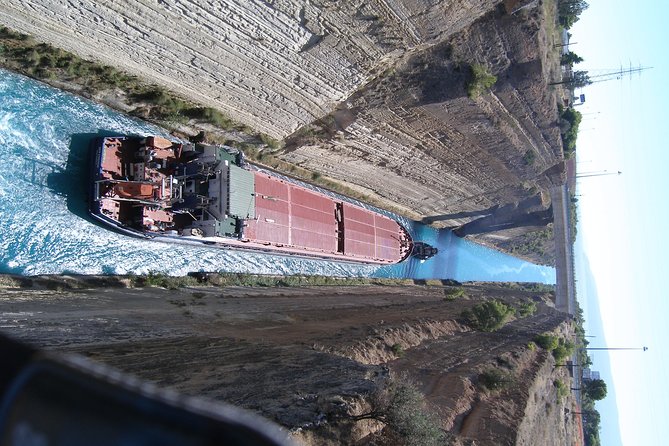
Day 1 begins with the Corinth Canal, the dramatic cut that separates the Peloponnese from mainland Greece. It’s brief but memorable, and it gives you a fast sense of how geography shaped Greek history.
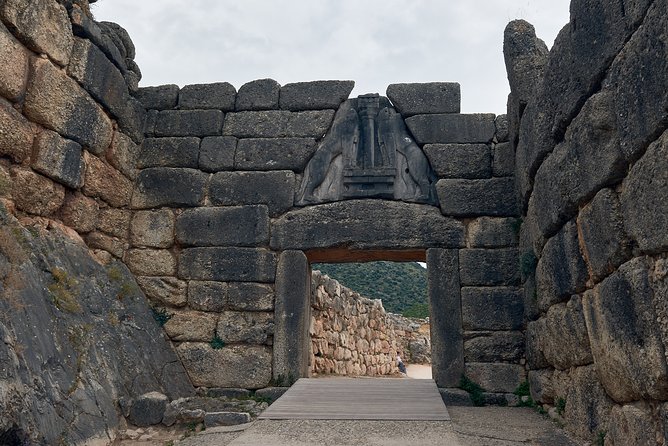
From there, you’re at Mycenae, a UNESCO site tied to the Mycenean civilization and the legend of King Agamemnon. You’ll have time to wander the archaeological site and also visit the accompanying museum. Admission isn’t included, so keep that €120/person budget in mind from the start.
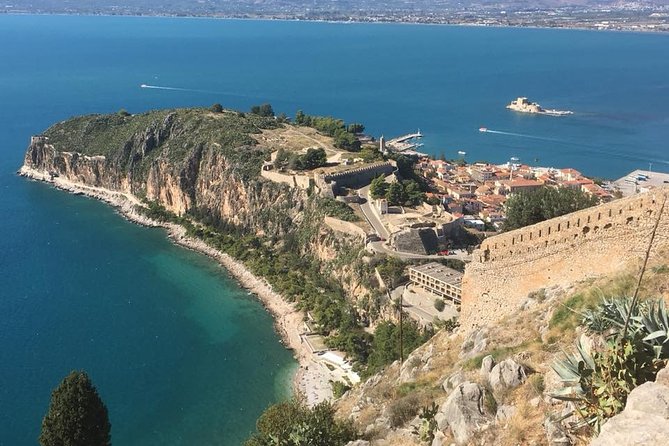
Next up is Nafplio, one of the most beautiful towns in the Argolis area. You’ll have a free window to soak up the old-town feel before heading to Palamidi Castle, which includes a descent (and it’s famous for its 999 steps). That’s a great workout stop if you like views, but it’s also the clearest sign that comfortable shoes and reasonable stamina matter.
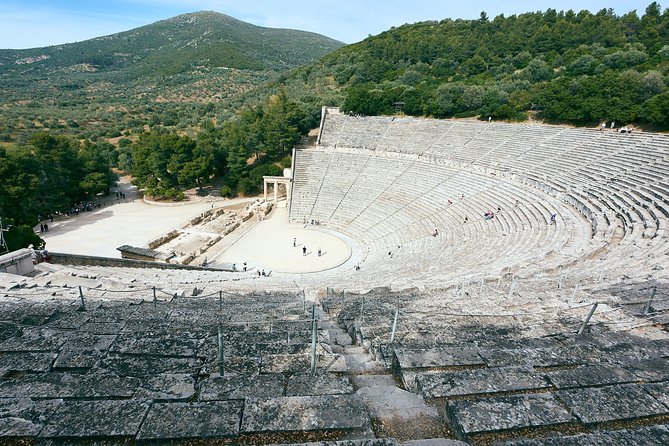
After lunch time decisions (yours), the day closes with Epidaurus, another UNESCO stop and a standout for its ancient theatre and famous acoustics. If you’re the kind of person who enjoys hearing ancient spaces rather than just photographing them, this is a strong anchor day.
The optional add-ons are useful too: Ancient Corinth can be included if timing works, and Nafplio port can be your evening free time with a convenient drop-off and pick-up arrangement.
Day 2: Parnon mountain towns to Monemvasia’s castle on a sea rock
On Day 2, you trade straight highway time for coastline and mountain driving after leaving Nafplio. The stops are built around breaks that feel like real travel, including Greek coffee by the water and lunch in a mountain village area.
You’ll also pass through Tyros and then climb through the Parnon range. Even if you don’t think of yourself as a “scenery traveler,” this part matters because it shows why the Peloponnese doesn’t feel uniform. Small changes in elevation change the feel of the day quickly.
Then you get Leonidio, known for the Dafonas Gorge between red rock scenery and mountain terrain. It’s a short stop, but it gives you texture beyond one scenic highlight.
A quick, iconic moment follows at the Monastery of Panagia Elona, described as a cliff-hanging stop with standout views. It’s the kind of place that’s worth pausing for even if you’re not into monasteries in general.
Lunch lands in Kosmas, a mountain village on Mount Parnon, with the lunch placed in the traditional main square under big plane trees. Food stops like this are why the trip feels more Greek than “museum tour.”
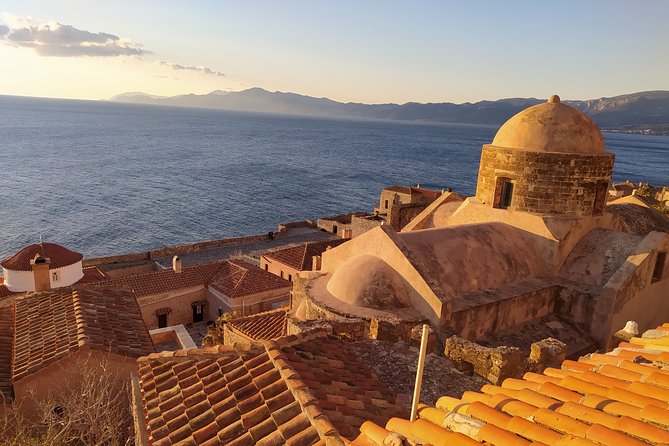
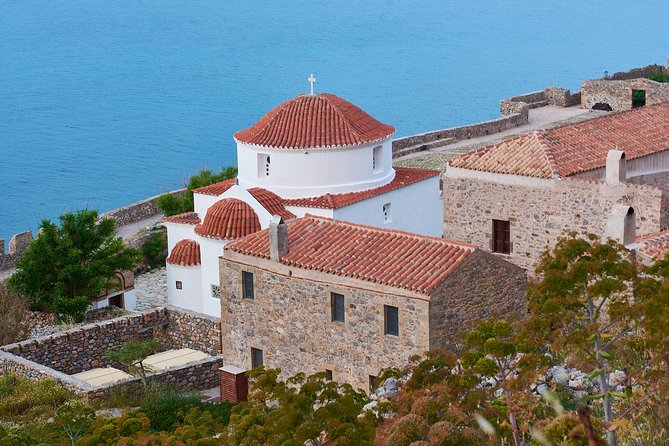
The day’s big prize is Monemvasia Castle, carved into the back side of a sea rock in medieval times. This is where the trip’s value sharpens: you’re not just seeing history, you’re walking through a place built around the sea and defense logic that shaped medieval lives.
Monasteries in the sky, more Meteora trips



Day 3: Mani Peninsula caves, Mystra views, and Leonidas by a stadium
Day 3 leans into the wild side of Greece: Mani Peninsula first, with time built for a sense of the region rather than a drive-by photo stop. It’s a great day for people who want Greece that feels tougher and older than postcards.
Next comes the Caves of Diros experience, which is guided from a boat. The cave lighting and the mix of rock formations are the point here, and the visit is timed as a focused block rather than a rushed detour.
If you’d rather do something else, the trip offers an optional alternative to Diros: Vatheia, described as the most photographed location on Mani and also known for views and an abandoned castle-town feel. Choosing between them is a good example of how the tour tries to keep the day flexible.
You’ll also stop in Areopoli, a stone-built town tied to the idea of pirates being a permanent threat. Then it’s time for Mystra, the famous Byzantine castletown near Sparta, with views toward Sparta and Laconic olive groves. This is one of those stops where you’re not just reading about Byzantium; you’re seeing why this place became a stronghold and a cultural center.
The day closes with Leonidas Monument, where King Leonidas is set in front of a football stadium. It’s a slightly modern twist on a very ancient story, and it helps you mentally connect Thermopylae’s legend to how Greeks still talk about it today.
Day 4: Olympia’s stadium energy and Arcadia stone villages at night
Day 4 starts at Olympia, including time for the archaeological ruins that relate to the original Olympic Games from the 8th century BC. Expect more than temple façades: you’ll see training areas, the stadium setting, and areas tied to Hera and Zeus.
Then you visit the Olympia museum, where the sculptures and artifacts are the payoff. This museum time is worth it if you like the details behind what you saw outside, especially with items such as the sculpted decoration of the marble temple of Zeus and famous works attributed to ancient sculptors (including Hermes by Praxiteles).
After Olympia, you head toward Arcadia, with overnight lodging in stone-built mountain villages. This part matters because it changes your evening routine: you’re not just sleeping in a big base city and commuting. You’re staying where the trip’s atmosphere comes from.
Day 4 finishes with Dimitsana in the evening. It’s one of the most beautiful stone-built villages in central Peloponnese, and the timing is set for you to walk around and take it easy.
This is also where the meal inclusions help: dinner and breakfast planning becomes simpler, and you can keep your attention on the village experience rather than logistics.
Day 5: Caves of the Lakes, Kalavrita lunch, and a fun train through tunnels
Day 5 starts with Kastria Cave of the Lakes, described as a mythical cave with unusual galleries and stalactite formations lit for visibility. It’s not a long day of wandering; it’s structured as one guided cave experience, which keeps you from turning it into a stressful add-on.
Then you go to Kalavrita, where lunch is served and you explore the town center on foot before or after eating. Kalavrita’s role here is practical: it’s a resort for all seasons and a convenient base for the next experience.
The standout ride is the Odontotos Rack Railway, a historical rack railway that climbs from Diakopto to Kalavrita. You’ll go through bridges and tunnels and see how the line fits into the gorge setting without turning the route into something purely industrial. It’s about 120 years of Greek railway history in motion.
If there’s time, you may stop in Nafpaktos for a quick coffee near the Venetian Castle. It’s optional, but it’s a smart leg-stretcher because it brings you back closer to the water.
Then you arrive early evening at Galaxidi, another seaside town where the point is to be next to the water and let the day settle.
This is a good day for anyone who likes variety: caves, town time, and a historic train in the same loop.
Day 6: Delphi’s museum and oracle sanctuary, plus an optional Meteora sunset look
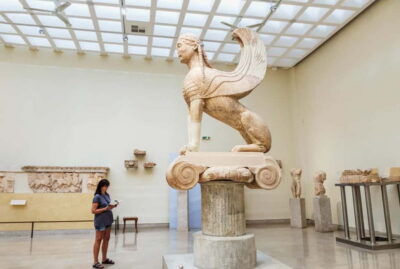
Day 6 is where Delphi becomes the center of gravity. You start at the Delphi Archaeological Museum, one of the most important in Greece for Delphic history. The museum highlights include major sculptures and statues connected to the sanctuary, including the Charioteer and the Sphinx of the Naxians.
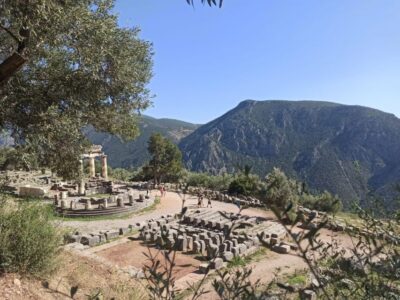
After museum time comes Delphi Ancient Town, where Apollo’s oracle spoke and where the idea of the omphalos, the navel of the world, comes from. The ruins are set into dramatic sacred terrain, and the guided time is built for you to understand why people considered this a spiritual center of the Greek world.
You then make a stop at the Tholos of Athena Pronaia. This is a quick photo-friendly stop that many people miss, so it’s useful if you want the full “Delphi looks like Delphi” checklist.
Lunch is at Amfissa, a more off-the-beaten-path choice that’s described as authentic. This is one of those moments where the tour is doing something more than ticking off famous names.
Finally, you head toward Meteora for an optional first visit to the monasteries’ area, timed for first impressions and possibly a sunset feel. The trip notes that this visit depends on unexpected delays, and St Stephan’s Monastery may be possible if time allows. So if sunset at Meteora matters to you, just know it’s conditional rather than guaranteed.
Day 7: Great Meteoron, Varlaam, Holy Trinity, then Thermopylae and Athens
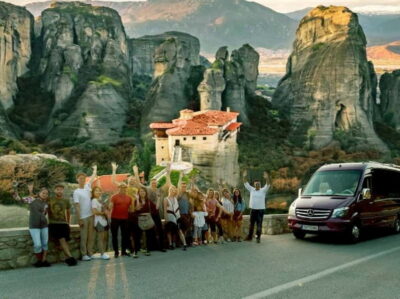
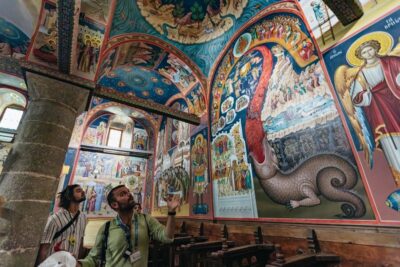
Day 7 is the Meteora day in full. You visit two monasteries open on specific days, with the route set to include Holy Monastery of the Great Meteoron first. It’s the oldest, biggest, and most important among those preserved today, and it dominates the rock formations over Kalampaka.
Next is Varlaam Monastery, tied to a daring ascetic named Varlaam who climbed up in 1350. It’s described with clear historical context about how construction began after his abandonment period.
Then you may also visit Holy Trinity Monastery, one of the most photographed spots in Meteora, built between 1458 and 1476 according to historical sources.
After Meteora, you head to Thermopylae. The stop includes the battlefield area and the Leonidas statue. It’s a focused, 30-minute block, but it’s timed so you can connect the legend to the actual place rather than treating it as just a name.
You wrap with the drive back to Athens, with Syntagma listed as the return stop.
Price and value: what your money really buys
The price is listed at $5,046.26 per person for an approximately 7-day tour. That’s not cheap, and you should judge it based on what’s included versus what you’d pay on your own.
Here’s the value math that matters:
- Lodging is a major part of the package, described as the best accommodation at each location, including a 5-star unique hotel.
- Transportation is handled by private car for a multi-region route.
- Meals are built in: 6 breakfasts and 7 lunches, which reduces daily costs and planning stress.
- You also get bottled water and an in-car information booklet.
The main extra cost you must account for is entrances: about €120 per person for site fees. Also, a professional licensed guide is listed as optional, not included.
If you’re comparing to DIY travel, the biggest savings often comes from time and energy. This trip compresses Peloponnese-to-Delphi-to-Meteora logistics into one week, and it does it with meals and lodging handled.
If you’re the kind of traveler who loves to research every stop and build your own meal schedule, DIY can be cheaper. If you’d rather spend your time walking ruins, listening to stories, and eating real food without a spreadsheet, this package can feel fair.
Should you book this Best of Greece tour?
Book it if you want a high-touch, private-feeling week that covers major ancient sites and still leaves room for real Greek town time. I think it’s especially strong for first-timers to Greece who want a guided structure but also care about good lunches and getting out of the standard cookie-cutter rhythm.
Pass or choose carefully if your body doesn’t do well with hills and stairs. Palamidi’s 999 steps and other walking-heavy moments mean you’ll want moderate fitness and good shoes. Also, budget for entrances upfront so the €120/person site fees don’t surprise you, and remember that Meteora sunset timing is optional depending on delays.
If you’re flexible, like good food, and want a guide partnership that can adjust to your pace, this is the kind of week that tends to stick with you.
FAQ
How long is the tour?
It runs for about 7 days.
What time does the tour start, and where can they pick you up?
The start time is 8:00am. Pickup is available from any Athens hotel or Airbnb, the Athens airport, Piraeus and Nafplio port, or Hydra island (extra cost may apply for some locations).
Are meals included?
Yes. Breakfast is included for 6 days and lunch is included for 7 days.
Are entrance fees included?
No. Entrance fees are listed as €120.00 per person.
Is this a private tour?
Yes. It’s a private tour/activity, and only your group will participate.
What language is the tour offered in?
It’s offered in English.
Can I get a refund if I cancel?
You can cancel up to 6 days in advance of the experience for a full refund. For a 50% refund, cancel 2–6 full days before the experience start time. If you cancel less than 2 full days before the start time, the amount paid is not refunded.
More Tour Reviews in Athens
- Athens: Acropolis & up to 5 Archaeological Sites Combo Pass★ 4.2 · 13,904 reviews
- Athens: Acropolis, Parthenon & Acropolis Museum Guided Tour★ 4.8 · 9,316 reviews
- The Acropolis, Parthenon & Acropolis Museum Guided Tour★ 4.7 · 8,493 reviews
- Athens: Cape Sounion & Poseidon Temple Sunset Half-Day Trip★ 4.8 · 8,241 reviews
- Acropolis: Premium Acropolis and Parthenon Guided Tour★ 4.8 · 5,208 reviews
- Athens: Mythology of Delphi, Museum and Arachova Guided Tour★ 4.7 · 5,102 reviews
The Monasteries of Meteora
- Athens: Meteora Monasteries Day Trip with Caves and Lunch★ 4.7 · 4,670 reviews
- Athens to Meteora: Monasteries, Caves & Seaside Stopovers★ 4.7 · 2,958 reviews
- Athens: Full-Day Meteora Tour with Local Guide & Greek Lunch★ 4.8 · 2,101 reviews
- Athens: Meteora Monasteries, Caves & Coastal Stopovers with Lunch★ 4.5 · 1,432 reviews
- Meteora Monasteries & Caves DayTrip from Athens with Greek Lunch★ 4.5 · 879 reviews
- From Athens: Delphi and Meteora 2-Day Guided Tour★ 4.5 · 825 reviews
North to Delphi: More Day Trips
- Athens: Mythology of Delphi, Museum and Arachova Guided Tour★ 4.7 · 5,102 reviews
- From Athens: Delphi Full Day V.R. Audio Guided Tour★ 4.6 · 3,028 reviews
- From Athens: Small-Group Delphi, Museum & Arachova Day Trip★ 4.8 · 2,476 reviews
- Delphi English Day Trip from Athens with Official Guide★ 4.5 · 2,199 reviews
- Athens: Delphi Oracle & Museum Tour with a Licensed Guide★ 4.8 · 2,121 reviews
- Historical Delphi One Day Tour with Arachova Stop & Expert Guide★ 4.5 · 1,247 reviews
Fresh Off the Boat: New Athens Reviews

Delphi Day Trips, compared.
 ★ 4.7Mythology of Delphi, Museum and Arachova Guided TourFrom $305,102 reviews
 ★ 4.6From Athens: Delphi Full Day V.R. Audio Guided TourFrom $303,028 reviews
 ★ 4.8From Athens: Small-Group Delphi, Museum & Arachova Day TripFrom $342,476 reviews
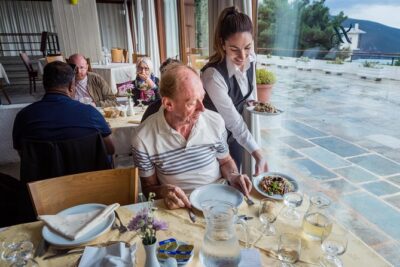 ★ 4.5Delphi English Day Trip from Athens with Official GuideFrom $782,199 reviews
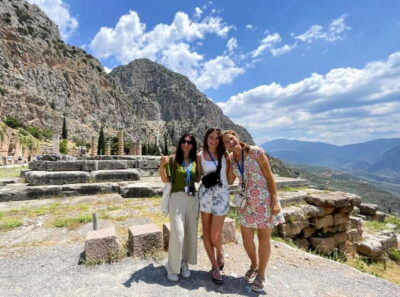 ★ 4.8Delphi Oracle & Museum Tour with a Licensed GuideFrom $362,121 reviews
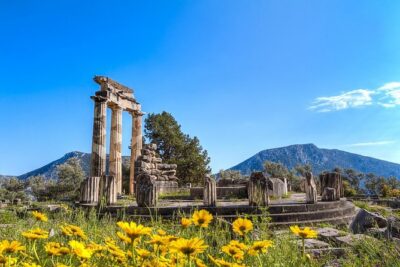 ★ 4.5Historical Delphi One Day Tour with Arachova Stop & Expert GuideFrom $341,247 reviews
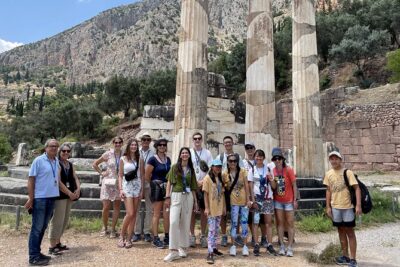 ★ 4.5Premium Delphi Day Trip with an Expert Guide, Museum & LunchFrom $381,100 reviews
 ★ 4.5From Athens: Delphi and Meteora 2-Day Guided TourFrom $271825 reviews
Browse the lists this tour appears in