
Reviewed · FOOD & DRINK
Breakfast in the markets with olive oil and honey tasting
Breakfast in Athens feels like a street-level lesson. You get olive oil and honey tastings plus Greek coffee made the traditional way, and you’ll hear the stories behind both as you move through real food shops. One thing to think about: there’s no hotel pickup, you’ll walk some market streets, and it’s not a fit if you’re vegan or lactose intolerant.
I like that the tour starts in Monastiraki and quickly shifts you into the quieter market areas near Evripidou and Athinas. Guides named Mike and Rachel (from past groups) come off warm and engaged, with a knack for connecting food to daily Greek life, not just listing dishes.
In This Review
- Key highlights worth the early start
- Entering the markets: Monastiraki and En Athinas
- Evripidou food market stop: breakfast staples on the move
- A fair caution
- Athinas Street: olive oil, honey, and the people behind both
- Coffee, pies, and breakfast classics in the market day flow
- About those dishes
- Omonoia breakfast table: the local-meze feeling, without the tourist script
- Timing note
- What you’ll learn (and how it helps you outside the tour)
- Price and value: $58 for a 2.5-hour food lesson
- Who this tour is best for (and who should skip)
- Tips to get the most out of your morning
- Should you book this Athens breakfast market tour?
- FAQ
- Where is the meeting point?
- How long is the tour?
- Is it a small group?
- What food and drinks are included?
- Do you pick me up from my hotel?
- Is the tour suitable for vegans?
- Is the tour suitable for lactose intolerance?
- What should I bring, and can dietary needs be accommodated?
Key highlights worth the early start
- Market breakfast that feels local, not staged, with tastings in food stalls and small shops
- Olive oil and honey tastings plus a stop at an olive shop run by an olive farmer
- Greek coffee, traditionally made, with context on how it fits Greek culture
- Producer-family connections, including meeting a beekeeper family
- A proper sit-down break with pies, cheese and meats, and a local meze taverna
- Small group size (max 10) so questions actually get answered
Other plates and glasses worth the detour
- Greek Food Walking Tour in Athens
★ 5.0 · 4,740 reviews - Athens: Street Food Tasting Tour
★ 4.9 · 3,343 reviews - Athens: Guided Greek Food Walking Tour with Tastings
★ 4.9 · 2,859 reviews - Small Group Greek Traditional Food Tour in Athens 20+ Tastings
★ 5.0 · 1,759 reviews
Entering the markets: Monastiraki and En Athinas
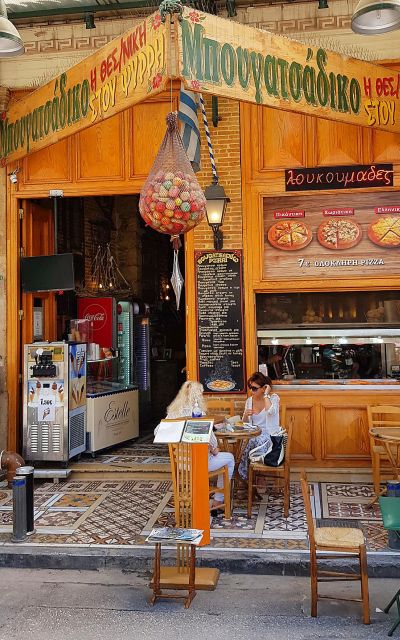
You meet outside a small pie shop called En Athinas, right by Cecil Hotel and the Cosmote shop—an easy landmark once you’re in the Monastiraki area. From there, the tour keeps things simple: you walk, you eat, you talk, and you watch how people shop when they’re not trying to impress visitors.
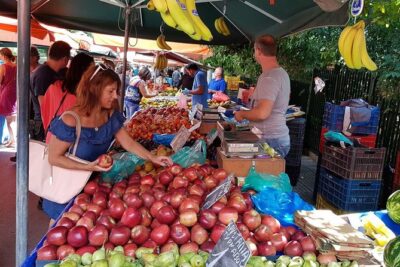
Monastiraki can be busy, but the point of this experience is that you don’t linger in the loud tourist swirl. You get a fast orientation, then you move into the market streets where the sights and smells are tied to what’s on sale today—olives, spices, fruits, vegetables, and the everyday basics that end up on Greek tables.
Practical note: there’s no hotel pickup, so build in a little time to reach the meeting spot, especially if you’re new to navigating Athens.
Evripidou food market stop: breakfast staples on the move
One of the tour’s smartest choices is starting with a market stop that helps you “read” what you’ll be eating. At Evripidou, you spend time in the food-market area and do a mix of guided walking and tasting.
What this accomplishes for you: it turns breakfast into a sensory map. You’re not only tasting Greek favorites like Greek yoghurt or coffee—you’re seeing the ingredients and the vendors behind them. That matters if you’re the type who wants to understand what makes a flavor Greek rather than just saying, That was good.
You’ll also get your first look at how the market rhythm works: people come in for specific items, taste and compare, and rely on shopkeepers they trust. This is the kind of background you can carry with you when you’re shopping later on your own.
A fair caution
Because this is a market-heavy format, you’ll want comfortable shoes. If your feet are unhappy early, you’ll feel it by the end of the 2.5 hours.



Athinas Street: olive oil, honey, and the people behind both
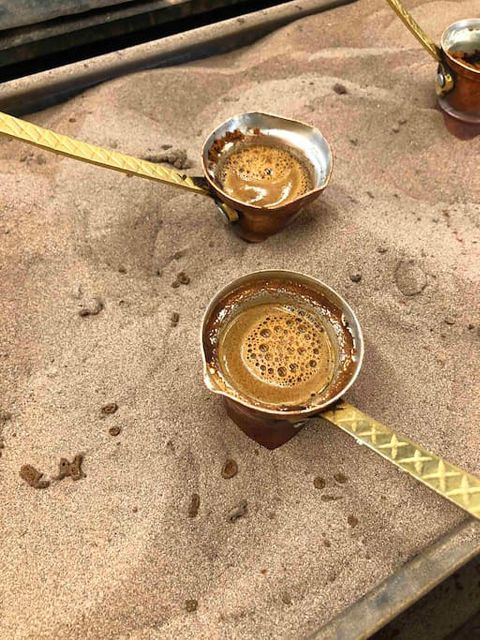
Athinas Street is where the tour’s “food culture” idea becomes real. This is the guided stretch where the story of Greek breakfast links directly to two everyday stars: olive oil and honey.
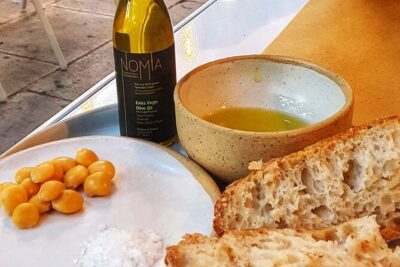
You’ll taste honey and learn why Greeks treat it as more than a sweet garnish. And you’ll do olive oil tastings in connection with producer visits—starting with an olive shop run by an olive farmer and continuing with a meeting that includes a beekeeper family.
Here’s why this portion is more valuable than a simple tasting:
- You can compare flavors across products, not just sample one small cup.
- You learn what people look for when they buy.
- You hear how these foods show up in daily meals, not only in “Greek food tour” portions.
If you’re the kind of traveler who likes to replicate things at home, this is also the section where you’ll pick up the most useful mental shortcuts—what notes to look for in honey and what good olive oil tends to taste like beyond the idea of golden liquid.
Coffee, pies, and breakfast classics in the market day flow
Greek breakfast here isn’t a sit-down buffet with a menu of safe choices. It’s more like a guided tour through what Greeks actually grab, snack on, and share—often quickly, often while standing near the food.
Across the stops, you’ll try classics such as:
- Greek coffee, including watching it prepared traditionally
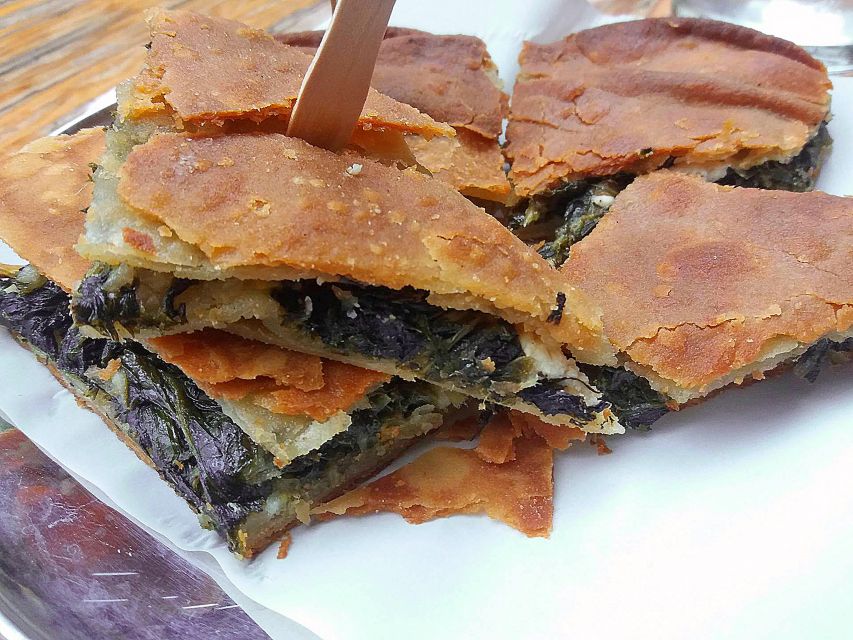
- Pies Greeks commonly eat for breakfast
- Spanakopita among the savory treats
- Cheese and deli meats in a side-street deli shop
- Greek spirits as a tasting
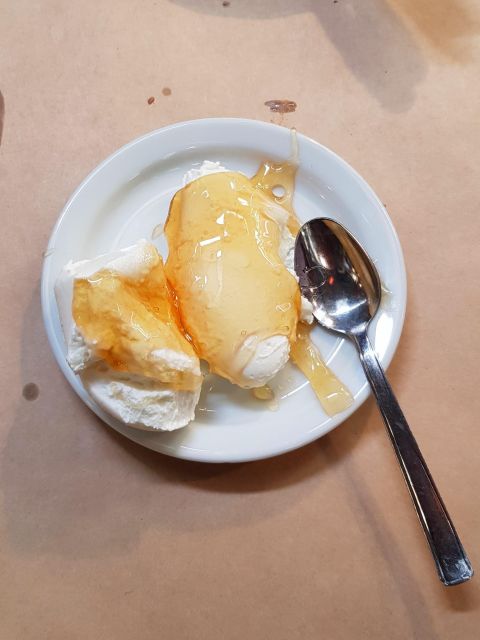
- Greek yoghurt, specifically sheep’s milk yoghurt, with local honey
I appreciate that they don’t hide behind “one bite of everything.” You get enough variety to understand the basic pattern: savory first, something creamy, something sweet, and coffee as the anchor.
About those dishes
A quick heads-up: the tour is not suitable for vegans and is also not suitable for lactose intolerance. Between yoghurt and cheese (and typical breakfast pies), dairy is part of the core experience.
Omonoia breakfast table: the local-meze feeling, without the tourist script
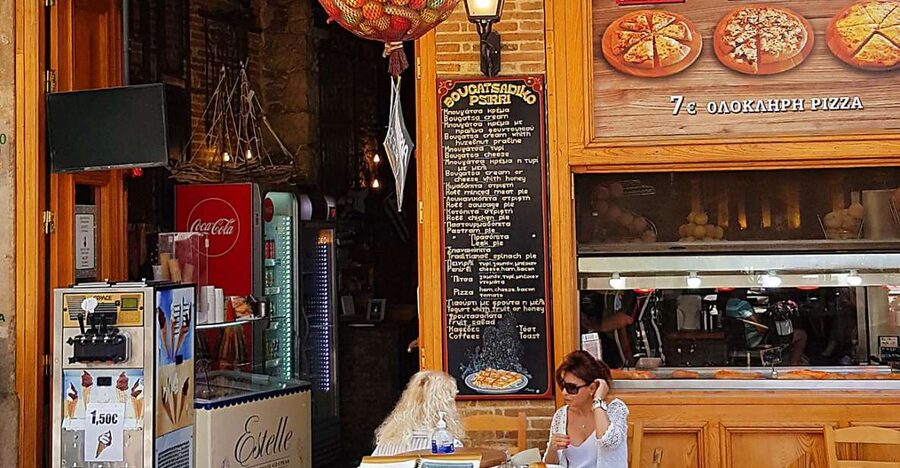
The later portion is built for comfort. Omonoia is where the tour shifts from walking tastings into a more relaxed food rhythm: coffee, breakfast, dessert, local snacks, and regional food, plus another market visit time window.
You also get a meze taverna experience that’s described as the kind locals know about—exactly the sort of place that’s hard to find on your own if you only follow major sights.
What you should expect in practical terms:
- A sit-down break after time in the market streets
- More “meal-like” portions, not just taste-sized bites
- The chance to ask questions and slow down
One nice detail from past experiences: guides have been willing to adjust when someone has dietary restrictions, and in at least one case that led to an unexpected vegetarian lunch-style outcome. So while the tour isn’t vegan-friendly by default, the guide’s flexibility can matter when you have a specific need.
Timing note
This section lasts the longest part of the tour. It’s a good thing—it gives your stomach time to settle before you head back out into Athens afterward.
What you’ll learn (and how it helps you outside the tour)
This isn’t only about eating. You also get the cultural “why” behind the foods you’re tasting.
You’ll hear about:
- How Greek coffee was invented (as told in the tour narrative) and why it’s treated as a daily anchor
- How olive oil fits into everyday Greek life, beyond being a cooking ingredient
- The importance of honey in the diet
The practical value is that you’ll start noticing these foods in ordinary places after the tour. When you see olive oil bottles in small shops or honey jars on a café table, you’ll understand why locals care about variety and quality.
And because you’re visiting family-owned, multi-generational businesses, you’re not just consuming—you’re getting a feel for how trust works in Greece’s food culture. Shopkeepers, producers, and families are connected. That relationship shapes what people buy and what people recommend.
Price and value: $58 for a 2.5-hour food lesson
At $58 per person for about 2.5 hours, the real question isn’t the sticker price—it’s what you’re getting in exchange.
You’re paying for:
- Multiple tastings across markets and small shops
- Visits tied to producers (olive farmer, beekeeper family)
- A traditional coffee experience
- A sit-down moment with breakfast-style foods and regional items
- A small group (limited to 10), which keeps explanations and questions practical
Could you DIY a breakfast tasting for less? Sure, if you only want a coffee and one pastry. But you wouldn’t get the same flow, the same producer connections, or the guidance that helps you order and shop with confidence.
So if your goal is to understand Greek breakfast as a system—food, ingredients, and culture—this pricing starts to make sense quickly.
Who this tour is best for (and who should skip)
This experience fits best if you:
- Want a market-focused breakfast rather than a museum-style food tour
- Love olive oil, honey, coffee, and Greek cheese-and-savory breakfasts
- Like talking with guides who explain what you’re eating and how locals shop
It’s a poor match if you:
- Are vegan
- Have lactose intolerance
- Don’t want to do market walking (even though the route is short enough for most people, it’s still a walking experience)
Also, if you’re hoping for hotel pickup, you won’t get it. You need to meet at En Athinas near Cecil Hotel in Monastiraki.
Tips to get the most out of your morning
A few small choices can make the tour feel smoother:
- Wear comfortable shoes. Markets are uneven and you’ll stand sometimes.
- Bring water. You’ll be sampling, walking, and talking.
- If you have any dietary requirements, communicate them when booking. The tour offers guidance for dietary needs, and flexibility can matter.
If you’re the kind of traveler who likes to keep exploring after the tour, this is a good match: you’ll finish early enough to continue with your own Athens plans and use what you learned while you shop or eat later.
Should you book this Athens breakfast market tour?
I’d book it if you want more than a quick food hit. This is for people who like learning the story behind flavors—olive oil and honey especially—and who enjoy markets as living places, not just photo stops.
Skip it if dairy is a dealbreaker or if you’re vegan. And if you’re extremely short on walking tolerance, consider a lighter food experience instead.
If you’re somewhere in the middle—hungry, curious, and ready for a small-group morning—this tour is one of the better ways to see central Athens through the food people actually eat.
FAQ
Where is the meeting point?
You meet outside En Athinas, a small pie shop. It’s next to Cecil Hotel and near Cosmote, in the Monastiraki area.
How long is the tour?
The duration is about 2.5 hours.
Is it a small group?
Yes. The group is limited to 10 participants.
What food and drinks are included?
You’ll taste Greek breakfast foods and drinks, including Greek coffee (prepared traditionally), Greek yoghurt with local honey, pies, cheeses and deli meats, olive oil and honey tastings, and you may also try a Greek spirit and market snacks.
Do you pick me up from my hotel?
No. Hotel pickup and drop-off are not included.
Is the tour suitable for vegans?
No. It is not suitable for vegans.
Is the tour suitable for lactose intolerance?
No. It’s not suitable for people with lactose intolerance.
What should I bring, and can dietary needs be accommodated?
Bring comfortable shoes and water. You should inform the provider of any dietary requirements when booking.
Eat Your Way Round Athens
- Greek Food Walking Tour in Athens★ 5.0 · 4,740 reviews
- Athens: Street Food Tasting Tour★ 4.9 · 3,343 reviews
- Athens: Guided Greek Food Walking Tour with Tastings★ 4.9 · 2,859 reviews
- Small Group Greek Traditional Food Tour in Athens 20+ Tastings★ 5.0 · 1,759 reviews
- Athens: Food Market Visit and Cooking Class with Wine★ 4.9 · 1,087 reviews
- Athens Authentic Greek Food Walking Tour (Small Group)★ 5.0 · 809 reviews
More Tour Reviews in Athens
- Athens: Acropolis & up to 5 Archaeological Sites Combo Pass★ 4.2 · 13,904 reviews
- Athens: Acropolis, Parthenon & Acropolis Museum Guided Tour★ 4.8 · 9,316 reviews
- The Acropolis, Parthenon & Acropolis Museum Guided Tour★ 4.7 · 8,493 reviews
- Athens: Cape Sounion & Poseidon Temple Sunset Half-Day Trip★ 4.8 · 8,241 reviews
- Acropolis: Premium Acropolis and Parthenon Guided Tour★ 4.8 · 5,208 reviews
- Athens: Mythology of Delphi, Museum and Arachova Guided Tour★ 4.7 · 5,102 reviews
Fresh Off the Boat: New Athens Reviews





Food & Drink, compared.
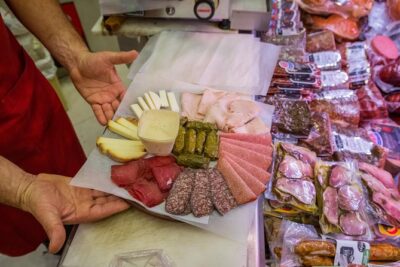 ★ 5.0Greek Food Walking Tour in AthensFrom $874,740 reviews
 ★ 4.9Street Food Tasting TourFrom $693,343 reviews
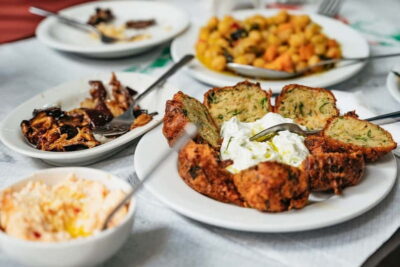 ★ 4.9Guided Greek Food Walking Tour with TastingsFrom $812,859 reviews
 ★ 5.0Small Group Greek Traditional Food Tour in Athens 20+ TastingsFrom $841,759 reviews
 ★ 4.9Food Market Visit and Cooking Class with WineFrom $811,087 reviews
 ★ 5.0Athens Authentic Greek Food Walking Tour (Small Group)From $83809 reviews
 ★ 5.0Athens Greek Food Tour Small-Group ExperienceFrom $107802 reviews
 ★ 5.0Athens Evening Food TourFrom $96766 reviews
Browse the lists this tour appears in