
Reviewed · ATHENS FOOD TOURS
Athens: Food Market Visit and Cooking Class with Wine
Cook Greek food, then shop where locals buy.
What makes this Athens experience fun is the mix of Varvakios Agora ingredient hunting and a hands-on class that ends with you eating everything you make, washed down with wine and a Greek digestif. I especially like the market shopping with the cook (you get to talk to traders and pick real ingredients), and I love the payoff meal at the end. One drawback: the central market walk can include meat and fish stalls, and it comes with about 30 minutes of walking, so go in with expectations if you are squeamish.
You start at The Greek Kitchen at Athinas 36, then head out for a targeted shopping walk before returning to cook as a group. For $81 and about 4 hours, it feels like good value because you get recipes, a full meal, and drinks—not just a class where you leave hungry.
In This Review
- Key Things to Know Before You Go
- Athens Market Visit and Cooking Class: What the 4 Hours Really Feels Like
- First Stop: The Greek Kitchen at Athinas 36 (And Why It Matters)
- Varvakios Agora Ingredient Hunting: The Market Part That Teaches You
- Back in the Kitchen: How the Cooking Class Is Actually Structured
- Dolmades, Spanakopita, and Imam Baildi: The Savory Trio
- Dolmades: Vine Leaves, Herb Rice, and Optional Beef
- Spanakopita: Spinach Pie With Feta in Phyllo
- Imam Baildi: Roasted Eggplant With Rich Sauce and Feta
- Tzatziki: The Sauce That Makes Everything Click
- Portokalopita: Orange-Cinnamon Phyllo Dessert and the Sweet Finish
- Wine, Soft Drinks, and a Greek Digestif: The Meal Part You’ll Remember
- Price and Value: Is $81 Worth It?
- Practical Notes: Walking Time, Seating Comfort, and What to Bring
- Who This Athens Cooking Class Suits Best (And Who Might Skip It)
- Final Call: Should You Book This Class?
- FAQ
- FAQ
- How long is the Athens food market visit and cooking class?
- Where do I meet the group?
- What market do you visit?
- What dishes do you cook?
- Do you include wine and other drinks?
- Are there different class times?
- Is there walking during the experience?
- What should I bring?
- Can the class accommodate dietary needs?
- Is it wheelchair accessible?
Key Things to Know Before You Go
- Varvakios Agora shopping walk (not a lecture): You’re there to buy ingredients with your cook and learn by doing.
- Five Greek dishes as your skill-set: dolmades, spanakopita, imam baildi, tzatziki, and portokalopita.
- Wine and a digestif at the table: You don’t just taste; you finish with the full meal.
- Small-team cooking format: Most groups split across tables so you actually participate, not just watch.
- Dietary needs can be handled with notice: Vegetarian and gluten-free/celiac were mentioned as accommodated when planned in advance.
Still hungry? More souvlaki, meze and market stalls
- Greek Food Walking Tour in Athens
★ 5.0 · 4,740 reviews - Athens: Street Food Tasting Tour
★ 4.9 · 3,343 reviews - Athens: Guided Greek Food Walking Tour with Tastings
★ 4.9 · 2,859 reviews - Small Group Greek Traditional Food Tour in Athens 20+ Tastings
★ 5.0 · 1,759 reviews
Athens Market Visit and Cooking Class: What the 4 Hours Really Feels Like
This is not a museum-style food class where someone tells you what Greek cooking is like. It’s a practical, social Athens food day with a clear arc: shop for ingredients, cook real dishes, then sit down and eat what you made.
The best part is that you learn the logic behind the food. Greek staples can sound simple on paper—phyllo pastry, lemony yogurt, vine leaves, slow-roasted eggplant—but the class helps you understand the small steps that create the big results. And since you’re working with a real group, the mood stays light: questions are welcome, and the teacher keeps everyone moving.
It also helps that the dishes are classic and repeatable. By the time you leave, you’re not just thinking about Athens cuisine—you’re thinking about how to make it at home without guessing.
First Stop: The Greek Kitchen at Athinas 36 (And Why It Matters)
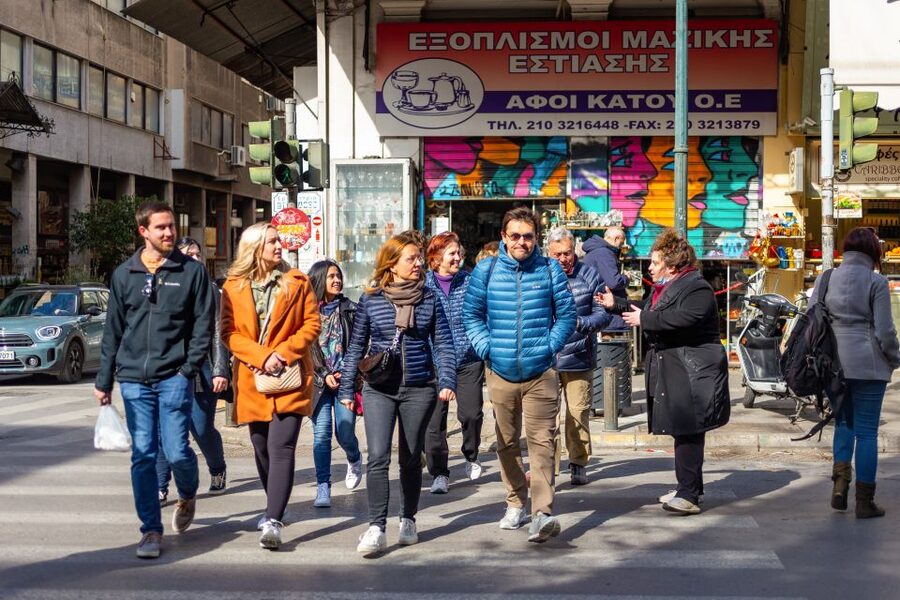
Your meeting point is Athinas 36, on the 1st floor, at The Greek Kitchen. I like the setup here because it solves the first travel problem: you don’t want to lug bags around the market and then spend your cooking class wrestling with coats and shopping. You can leave what you don’t want to carry before you head out.
This is also where the experience shifts from sightseeing to doing. You’ll get organized as a group and get a feel for how the cooking part will run. Based on what people report, teachers keep the energy warm and welcoming—expect humor, encouragement, and lots of participation.
Bring comfortable shoes. You’ll be standing and moving during the day, and the market walk is not long, but it is real walking.
Varvakios Agora Ingredient Hunting: The Market Part That Teaches You
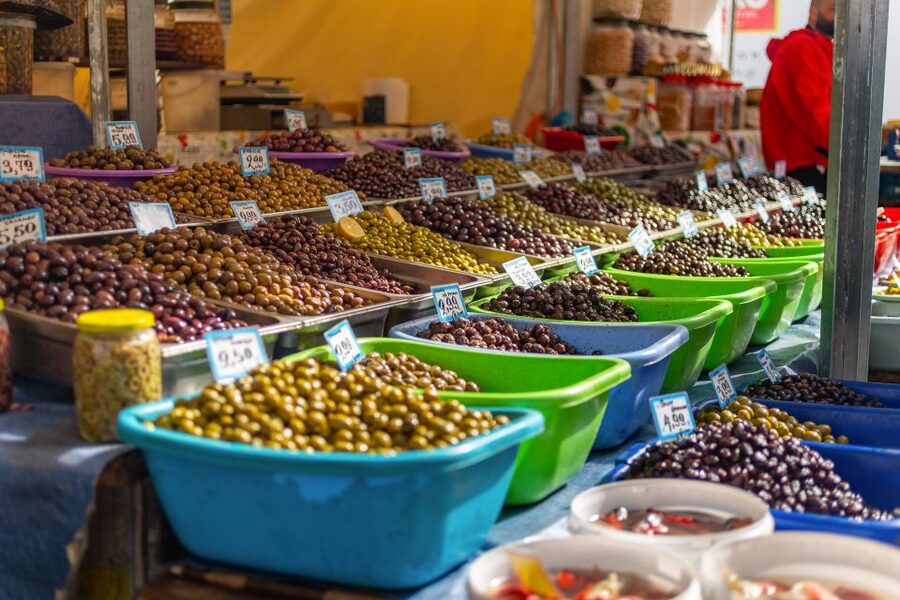
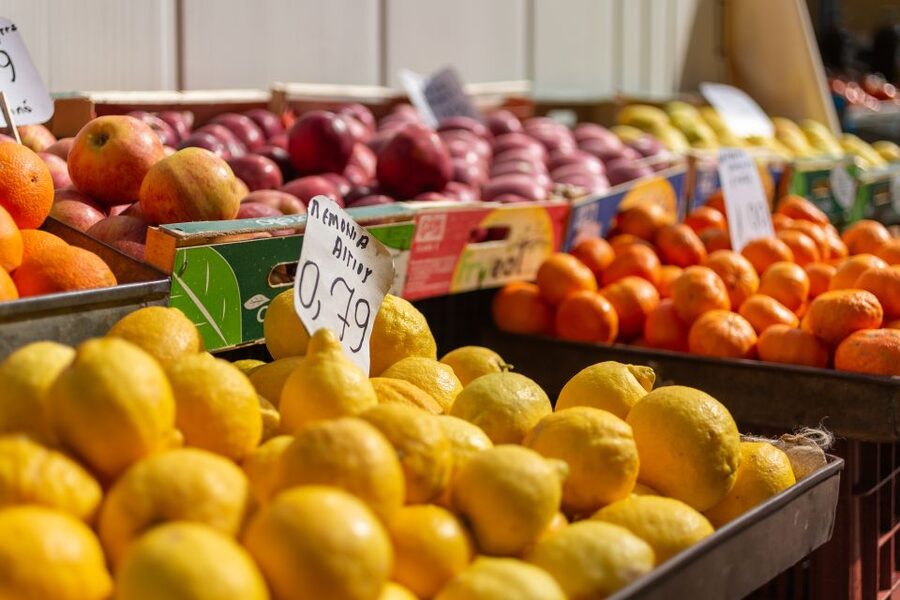
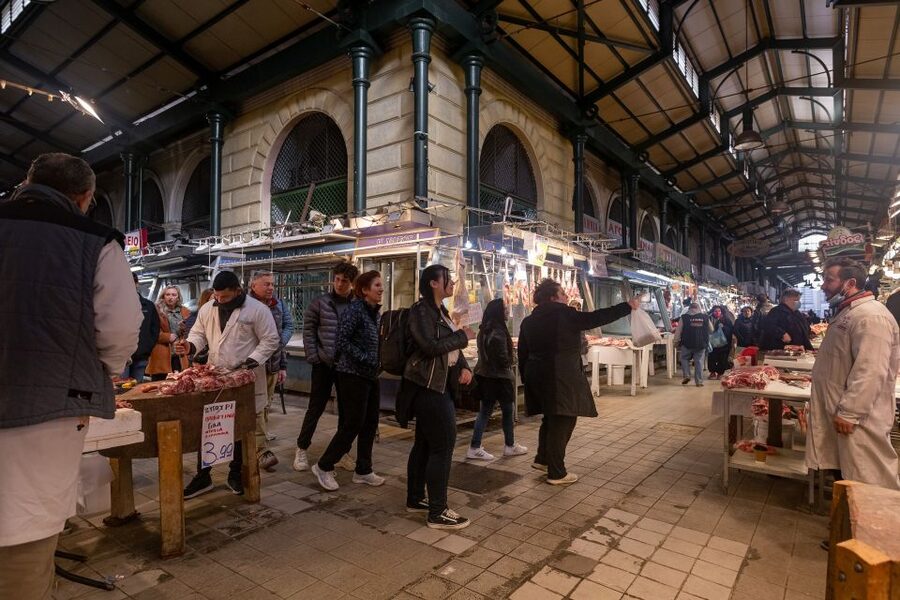
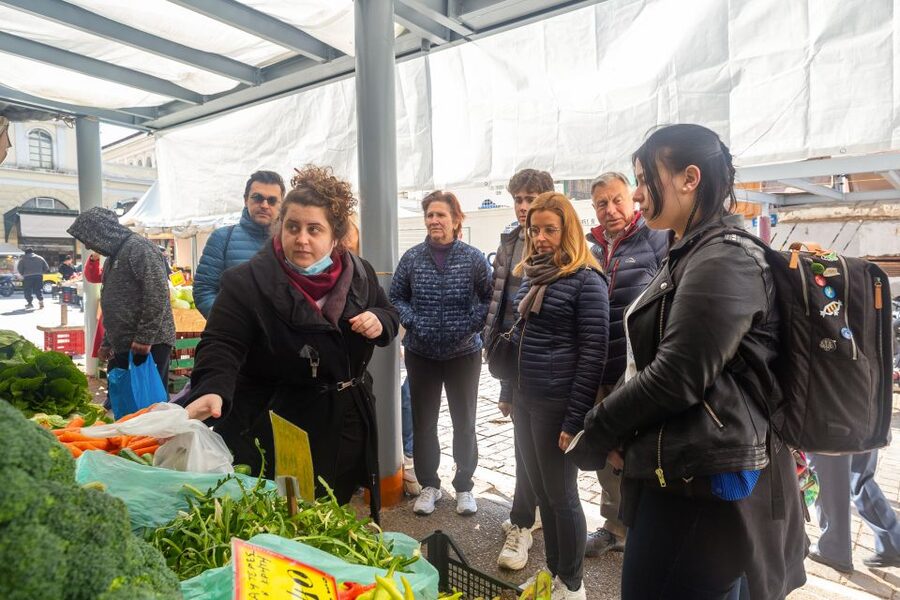
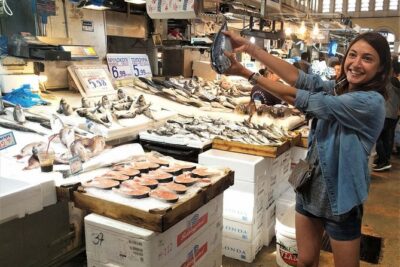
After your quick start at The Greek Kitchen, you head to Varvakios Agora, Athens’s central produce market. Here’s the key: it’s not marketed as a full market tour. Instead, it’s a shopping walk with your cook, focused on the ingredients you’ll use later.
This matters because it turns market time into lesson time. You learn what to look for and why. Fruits and vegetables aren’t just pretty; they affect flavor, texture, and how the recipe behaves once you start cooking.
You may also meet local traders along the way and hear personal stories tied to specific products. Some teachers use visual aids—like pointing to where ingredients come from—and others bring family memories into the lesson. If that matters to you (it does to me), you’ll probably enjoy how food turns into culture in real time.
One heads-up: the central market setting can include stalls with meat and fish. If you’re vegetarian or very sensitive to seeing raw products, be prepared for that moment at the start. People who eat plant-based have also described the experience as workable, but it’s still wise to mentally brace for the environment.
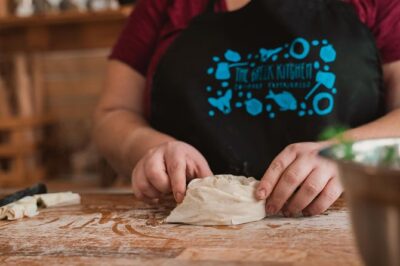
Aprons on for another Greek kitchen


Back in the Kitchen: How the Cooking Class Is Actually Structured
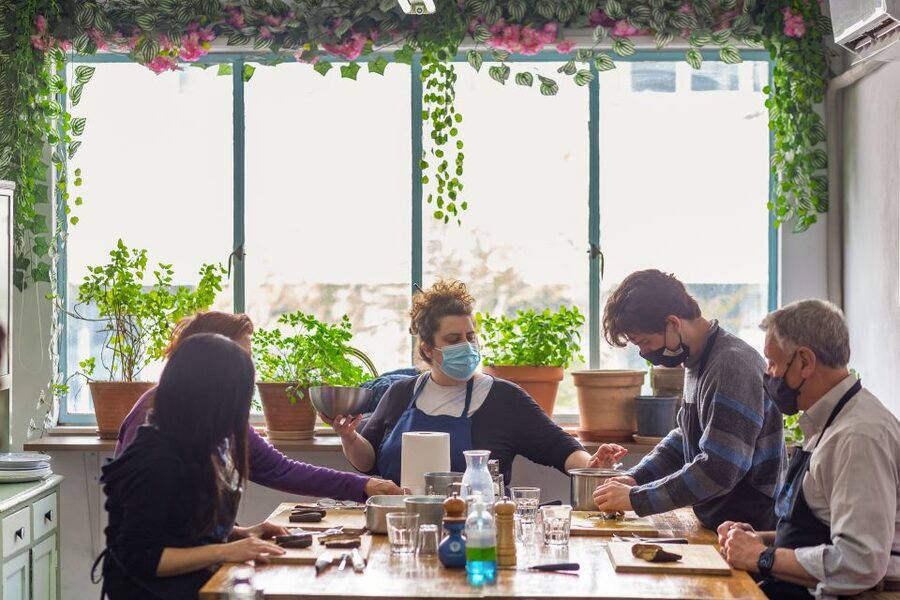
Once you return to The Greek Kitchen, the class becomes hands-on. You’ll cook as a group at tables, and the pace is meant to keep you doing something—not waiting for long stretches.
I like this format for two reasons:
- You learn faster when your hands are involved.
- It lowers the stress. If you make a mistake, you can fix it on the spot, with help nearby.
People also mention the class is social in a good way. You’ll likely end up chatting with fellow cooks from different countries, swapping what you like to eat at home, and comparing the Greek dishes you’re making. That community tone makes the lesson feel like a shared project rather than a paid demonstration.
Dolmades, Spanakopita, and Imam Baildi: The Savory Trio
The menu is built so you leave with both skills and comfort-food confidence.
Dolmades: Vine Leaves, Herb Rice, and Optional Beef
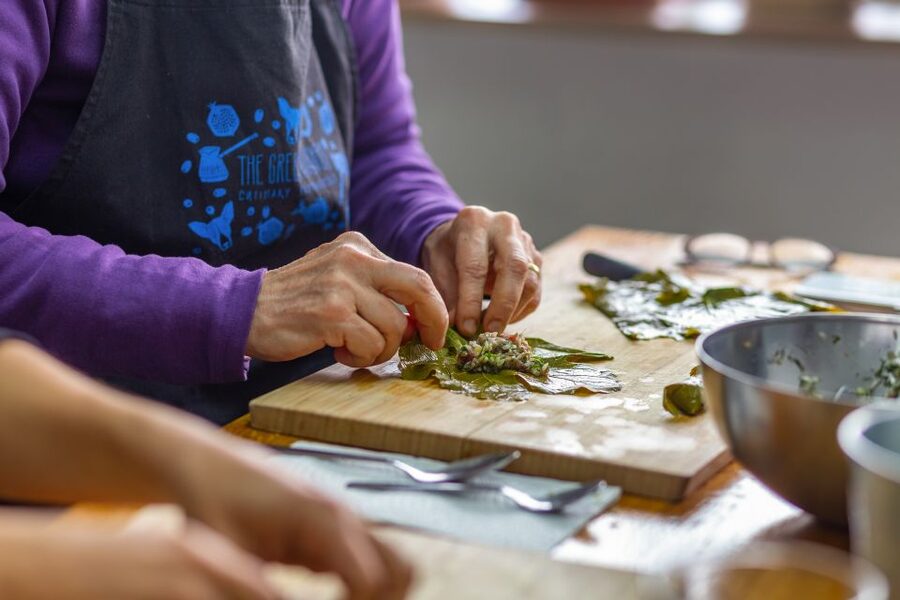
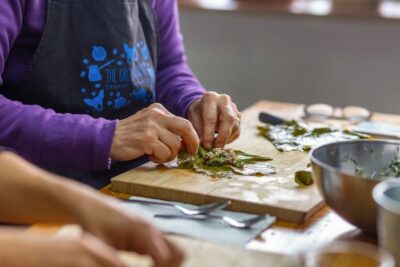
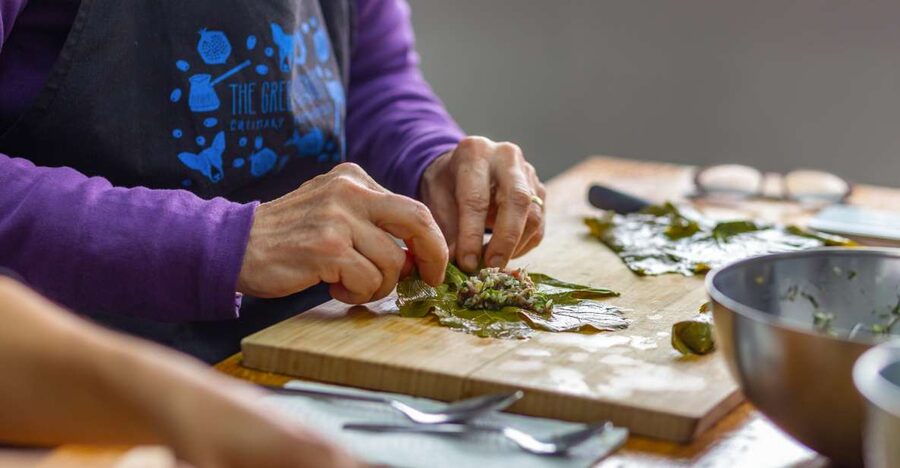
Dolmades are vine leaves wrapped around herb-infused rice. You may have the option to add beef if you want it richer, but the dish is also very much at home as a vegetarian-style filling.
The teaching moment here is the wrapping technique and the way herbs and rice flavors blend before they ever reach the plate. If you’ve struggled with dolmades before, this class approach helps because it breaks the process into manageable steps.
Spanakopita: Spinach Pie With Feta in Phyllo
Spanakopita is spinach pie with a salty, creamy feta component, all wrapped up in pastry. It’s one of those dishes that looks intimidating until you learn the basic handling of phyllo.
Watch for the small tips teachers share—phyllo dough can be a little fussy, but the payoff is huge. People often talk about how proud they felt eating something they personally assembled and cooked, even if they don’t usually consider themselves a good cook.
Imam Baildi: Roasted Eggplant With Rich Sauce and Feta
Imam baildi (often written as imam baildi) is roasted eggplant topped with a rich sauce and feta. This dish is comfort food with depth. The big lesson is how eggplant changes when roasted, and how feta and sauce create that salty finish.
It’s also a great reminder that Greek cooking often depends on letting ingredients do the work, not hiding them under heavy complexity.
Tzatziki: The Sauce That Makes Everything Click
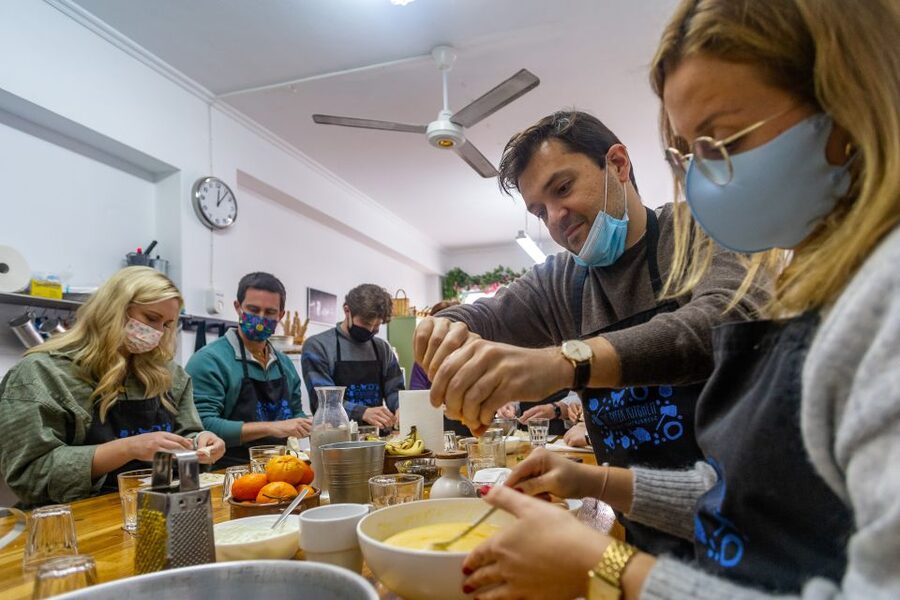
Tzatziki is the most popular Greek sauce for a reason: it’s cooling, garlicky, and bright with cucumber and Greek yogurt.
In a cooking class, sauces can be either an afterthought or a make-or-break skill. Here, tzatziki feels like a core learning dish. You’ll understand how yogurt and cucumber balance each other, and how garlic affects intensity. When you taste it after learning the steps, it’s much easier to recreate at home without second-guessing.
This is also the dish that pairs naturally with the rest of your meal. Even if you only master one thing from the class, tzatziki is the one that makes you feel like your kitchen is officially Greek.
Portokalopita: Orange-Cinnamon Phyllo Dessert and the Sweet Finish
Portokalopita is an all-time favorite: a sticky, soft orange dessert made with phyllo pastry, oranges, and cinnamon.
Why it works as a final dish is simple: it’s memorable but not complicated in concept. You’re not just baking something sweet; you’re building a flavor combo—citrus and warm spice—that tastes like a Greek home kitchen.
Some teachers add an extra touch for special occasions. One guest mentioned a candle on their dessert for a father’s birthday. If you’re celebrating, it’s worth letting the staff know, since the class has a personal, friendly vibe.
Wine, Soft Drinks, and a Greek Digestif: The Meal Part You’ll Remember
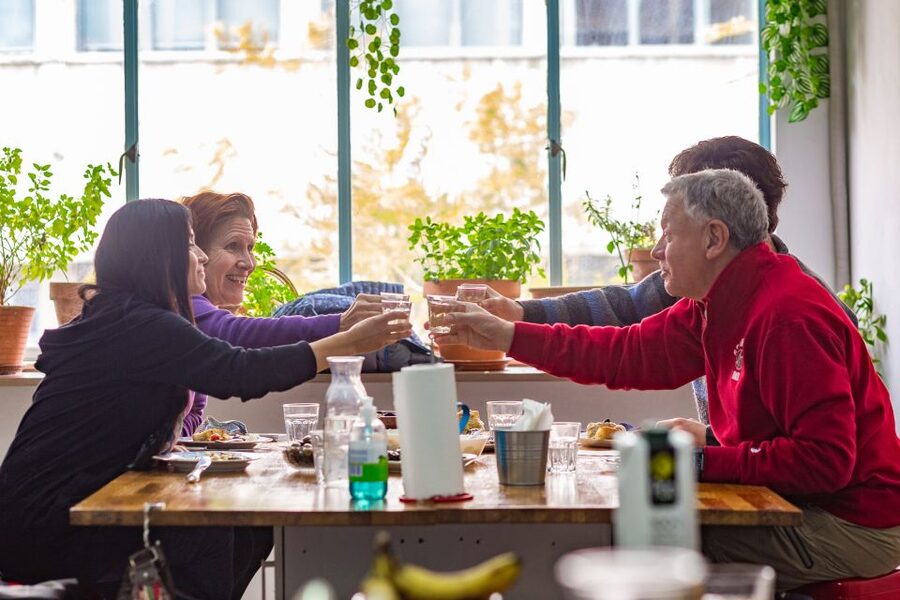
At the end, you eat a full-course meal featuring what you cooked, plus drinks. This includes water, soft drinks, wine, and a complimentary shot of Greek digestive liquor.
The wine and digestif aren’t random add-ons. They fit the rhythm of a Greek meal: eat, relax, digest, chat. If your day includes walking through a market and then standing at a counter, the chance to sit down and actually taste your work makes the class feel complete.
Even better: this isn’t just a dinner where someone else served the food. You are part of the process, so the flavors land differently. That’s why people rate this so highly—many mention they didn’t expect to enjoy cooking as much as they did once the food turned out.
Price and Value: Is $81 Worth It?
At $81 per person for about 4 hours, you’re paying for a package, not just instruction. Here’s what’s included:
- the market visit with your cook
- hands-on cooking ingredients and guidance
- a full-course meal
- water, wine, and soft drinks
- a shot of Greek digestive liquor
- recipe handouts
That’s the value equation: you’re getting a structured half-day activity, a real meal, and drinks—plus recipes you can use later. If you compare it to paying separately for a market experience plus dinner, plus a cooking lesson, the math starts to look fair.
It also helps that the group format seems to stay manageable. People report tables splitting properly for larger groups (like around a dozen-plus people split across two tables), which supports real participation.
Practical Notes: Walking Time, Seating Comfort, and What to Bring
This experience includes about 30 minutes of walking during the market portion. Plan on comfortable footwear and weather-appropriate clothes.
One practical issue that came up in feedback: the stools can feel uncomfortable after more than an hour for some people, and a few guests ended up standing part of the time. It’s not a deal-breaker, but if you know you’re sensitive to seating, wear supportive shoes and consider bringing a lightweight layer you can stay comfortable in.
You should also bring a refillable water bottle. You can refill it at the cooking studio.
Who This Athens Cooking Class Suits Best (And Who Might Skip It)
This is a great fit if you:
- want a hands-on Athens food experience, not just a tasting
- enjoy meeting people while cooking
- want recipes for Greek dishes you’ll actually cook again
- like the idea of learning at the market, then finishing at a table with wine
It may be less ideal if you:
- are very sensitive to seeing meat and fish stalls at a central market
- need wheelchair accessibility (the class is not suitable for wheelchair users)
- expect a quiet, solo experience (it’s built for group interaction)
Final Call: Should You Book This Class?
I’d book this if you want a high-value Athens activity that ends with real satisfaction: food you made, drinks you enjoyed, and recipes in your bag. The market-plus-cooking structure is the secret sauce here—it turns Athens cuisine from something you read about into something you can repeat.
If you’re vegetarian or have strong sensitivities about what you see at a central market, message ahead about your needs and ask what to expect at the start. And if you want a hands-on group class with a social, warm atmosphere, this is exactly the kind of half-day you’ll feel good about later.
FAQ
FAQ
How long is the Athens food market visit and cooking class?
The experience lasts 4 hours.
Where do I meet the group?
You meet at the partner cooking school at Athinas 36, Athens, on the 1st floor.
What market do you visit?
You shop at Varvakios Agora, Athens’s central produce market.
What dishes do you cook?
The class includes dolmades, spanakopita, imam baildi, portokalopita, and tzatziki.
Do you include wine and other drinks?
Yes. The meal includes water, soft drinks, and wine, plus a complimentary shot of Greek digestive liquor.
Are there different class times?
Yes. There is a morning class at 9:30 AM and an afternoon class at 3:00 PM.
Is there walking during the experience?
There is about 30 minutes of walking during the tour, so wear comfortable footwear.
What should I bring?
Bring comfortable shoes and a refillable water bottle. You can refill it at the cooking studio.
Can the class accommodate dietary needs?
Yes, they can cater to dietary needs, but you should contact them in advance as soon as possible.
Is it wheelchair accessible?
No, it is not suitable for wheelchair users.
More Tour Reviews in Athens
- Athens: Acropolis & up to 5 Archaeological Sites Combo Pass★ 4.2 · 13,904 reviews
- Athens: Acropolis, Parthenon & Acropolis Museum Guided Tour★ 4.8 · 9,316 reviews
- The Acropolis, Parthenon & Acropolis Museum Guided Tour★ 4.7 · 8,493 reviews
- Athens: Cape Sounion & Poseidon Temple Sunset Half-Day Trip★ 4.8 · 8,241 reviews
- Acropolis: Premium Acropolis and Parthenon Guided Tour★ 4.8 · 5,208 reviews
- Athens: Mythology of Delphi, Museum and Arachova Guided Tour★ 4.7 · 5,102 reviews
Cook It Yourself: Greek Classes
- Athens: Classic Cooking Class with Market Visit and Wine★ 5.0 · 1,101 reviews
- Greek Cooking Class in Athens Including Rooftop Dinner with Acropolis View★ 5.0 · 826 reviews
- Greek Small-Group Athens Cooking Class & Dinner★ 5.0 · 574 reviews
- Athens: Greek Cooking Class & Dinner on a Rooftop★ 5.0 · 383 reviews
- Athens: Greek Cuisine Cooking Class and 3-Course Dinner★ 4.8 · 270 reviews
- Traditional Greek cooking class and lunch or dinner with an Acropolis view★ 5.0 · 250 reviews
Eat Athens: More Food Walks
- Greek Food Walking Tour in Athens★ 5.0 · 4,740 reviews
- Athens: Street Food Tasting Tour★ 4.9 · 3,343 reviews
- Athens: Guided Greek Food Walking Tour with Tastings★ 4.9 · 2,859 reviews
- Small Group Greek Traditional Food Tour in Athens 20+ Tastings★ 5.0 · 1,759 reviews
- Athens Authentic Greek Food Walking Tour (Small Group)★ 5.0 · 809 reviews
- Athens Greek Food Tour Small-Group Experience★ 5.0 · 802 reviews
Fresh Off the Boat: New Athens Reviews





Athens Food Tours, compared.
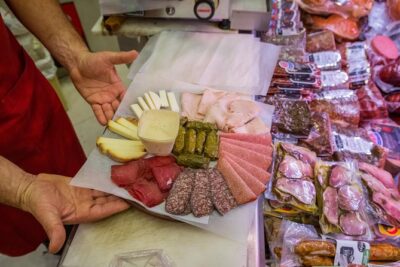 ★ 5.0Greek Food Walking Tour in AthensFrom $874,740 reviews
 ★ 4.9Street Food Tasting TourFrom $693,343 reviews
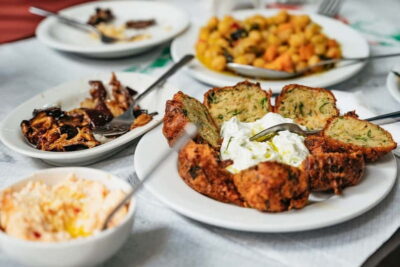 ★ 4.9Guided Greek Food Walking Tour with TastingsFrom $812,859 reviews
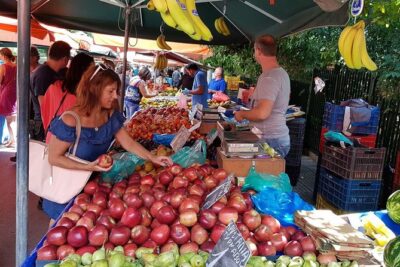 ★ 5.0Small Group Greek Traditional Food Tour in Athens 20+ TastingsFrom $841,759 reviews
 ★ 5.0Athens Authentic Greek Food Walking Tour (Small Group)From $83809 reviews
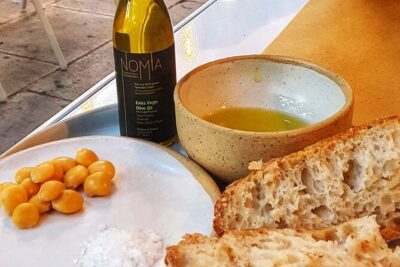 ★ 5.0Athens Greek Food Tour Small-Group ExperienceFrom $107802 reviews
 ★ 5.0Athens Evening Food TourFrom $96766 reviews
 ★ 5.0Get a Taste of Athens Food TourFrom $89624 reviews
Browse the lists this tour appears in