
Reviewed · ATHENS COOKING CLASSES
Athens: Classic Cooking Class with Market Visit and Wine
Greek comfort food starts with a market walk. This 4-hour class at The Greek Kitchen blends a short stop at Central Market with cooking instruction from home cooks like Vasia, plus the recipes you need to cook the same dishes later.
What I love most is the hands-on format. You’re not just watching—you’re helping make the meal at a family-style pace, in a small group (up to 16), so you actually touch the food.
One thing to consider: the meeting location is up two short flights of stairs, and the market stop involves a walk. Comfortable shoes and some sun protection matter.
In This Review
- Key highlights you’ll feel right away
- Why this Athens cooking class feels like a real meal
- Finding The Greek Kitchen: stairs, meeting point, and what the schedule really means
- Central Market Athens in 30 minutes: more than ingredients
- How the class runs: hands-on prep with a family-style rhythm
- The snack and drink flow keeps momentum up
- The menu you’ll cook in Athens: what each dish teaches you
- Tzatziki: the creamy start with garlic and cucumber
- Spanakopita: phyllo, spinach, feta, and the art of layering
- Dolmades: rolling vine leaves around filling
- Imam baidi: roasted eggplant with history behind the dish
- Portokalopita: orange-cinnamon dessert with a pie-cake twist
- Wine, bread, and the meal you actually want to eat
- Price and value: what $83.44 gets you in Athens time
- Who this class is for (and who might want to choose differently)
- Quick tips to get the best day from this cooking class
- Should you book The Greek Kitchen in Athens?
- FAQ
- How long is the Athens classic cooking class?
- Is there a market visit included?
- Where does the tour start?
- Is hotel pickup included?
- What dishes are typically included in the menu?
- Does the class include wine?
- Are recipes provided?
- What should I wear for the market part?
- How large is the group?
- Is there free cancellation?
Key highlights you’ll feel right away
- A guided Central Market Athens stop: a focused 30-minute walk where ingredients and shopping habits come into view
- A full set menu you can repeat: tzatziki, spanakopita, dolmades, imam baidi, and portokalopita
- Family-style cooking with real participation: clear steps plus a setup that helps everyone contribute
- Wine at the table: 250ml of locally produced red or white wine with your meal
- Bread, olives, and market snacks: eat while you cook, with water included
- Take-home recipes: you get the recipes of the dishes you made
Aprons on for another Greek kitchen
- Athens: Classic Cooking Class with Market Visit and Wine
★ 5.0 · 1,101 reviews - Athens: Food Market Visit and Cooking Class with Wine
★ 4.9 · 1,087 reviews - Greek Cooking Class in Athens Including Rooftop Dinner with Acropolis View
★ 5.0 · 826 reviews - Greek Small-Group Athens Cooking Class & Dinner
★ 5.0 · 574 reviews
Why this Athens cooking class feels like a real meal
This is the kind of activity that works whether you’re a foodie or just hungry for something memorable. You start with a quick look at what people actually buy in Athens, then you move straight into cooking classics that teach you technique, not just ingredients.
The biggest value for me is the mix of hands-on work and a finished meal you can share. You’re making tzatziki and pies, rolling vine leaves, topping roasted eggplant, and finishing with orange-cinnamon dessert—then you sit down and eat what you made.
And because the format is family-style, the social side tends to happen naturally. In the stories from classes led by instructors like Vasia (V-A-S-I-A), Thanassius, and Adoniya, the common theme is humor plus structure—so the room stays relaxed while people still get through the dishes.
Finding The Greek Kitchen: stairs, meeting point, and what the schedule really means
The class meets at Athinas 36, Athina 105 51, Greece, and it ends back at the meeting point. There’s no hotel pickup or drop-off, so you’ll want to plan on getting there under your own steam (the tour is noted as near public transportation).
The location is up two short flights of stairs. It’s not a deal-breaker, but it is the one detail that can surprise you if you’re coming in with bags, sandals, or a “light and easy” plan.
The total time is about 4 hours, and the market visit is only about 30 minutes. That’s why the experience works well on a sightseeing day: you get the Athens flavor without turning your afternoon into a half-day logistics project.
Central Market Athens in 30 minutes: more than ingredients
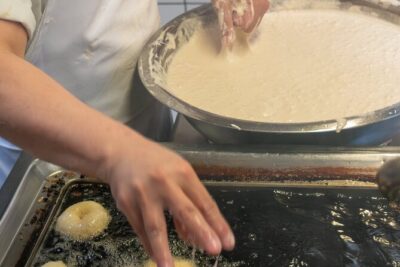
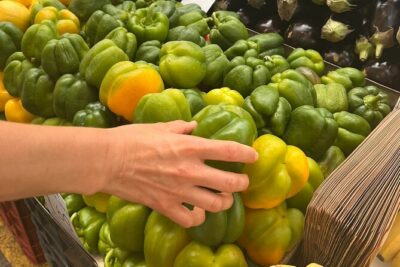
You’ll walk to Central Market Athens for about 30 minutes to look around, then you use what you see and learn in the cooking portion. The point here isn’t a shopping spree where you have to bring home a backpack full of groceries.
Instead, think of it as getting your bearings fast. You see the kinds of ingredients Greek home cooks rely on, learn local customs around shopping and food choices, and get snackable samples along the way.
Practical tip: the market stop involves walking, and you’re told to dress appropriately with comfortable shoes and sun protection. Even if the group is small, the experience is still outdoors and in busy areas, so plan for uneven pavement and direct sun.
If you like food history, this part can satisfy that itch too. Some instructors explain the why behind ingredients—one class experience includes learning how honey shows up in Greek cooking, which is the sort of detail that actually changes how you cook at home.
More market runs and shopping streets
How the class runs: hands-on prep with a family-style rhythm
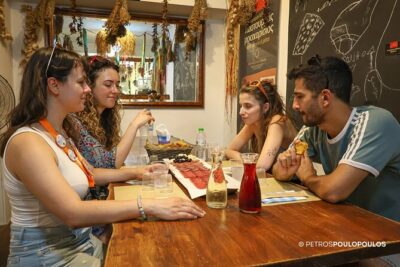
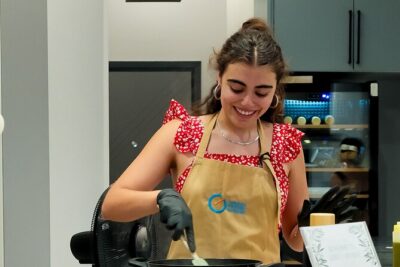
Once you’re back at The Greek Kitchen, the class shifts into a hands-on rhythm. The group size tops out at 16, which helps because it stays structured enough that everyone gets a turn without feeling lost.
You’ll typically work through multiple dishes during the time block. In classes like this, people often mention that it feels like a lot fits into four hours—but in a good way—because the instruction keeps the stations moving.
Expect frequent participation. The setup encourages you to do the key prep tasks rather than stand around. One theme in the class experiences is that instructors keep it fun and clear at the same time—precise guidance paired with humor that lowers the stress of learning unfamiliar steps like rolling and layering phyllo.
The snack and drink flow keeps momentum up
While you cook, you get bread and olives at every class. You also get drinking water, plus seasonal snacks from the market. Then, as you sit down to eat, you’re served 250ml of locally produced red or white wine.
This matters more than it sounds. In a short cooking class, a steady flow of snacks prevents the energy dip that happens when you’re learning new techniques and waiting for dishes to cook. Here, food is part of the schedule, not an afterthought.
The menu you’ll cook in Athens: what each dish teaches you
This is a set-menu experience, so you know what you’re signing up for: a sequence of Greek classics that cover fresh, creamy, savory, dough-based, and sweet.
Here’s what each dish is really about—and what you’re likely to learn in the process.
Tzatziki: the creamy start with garlic and cucumber
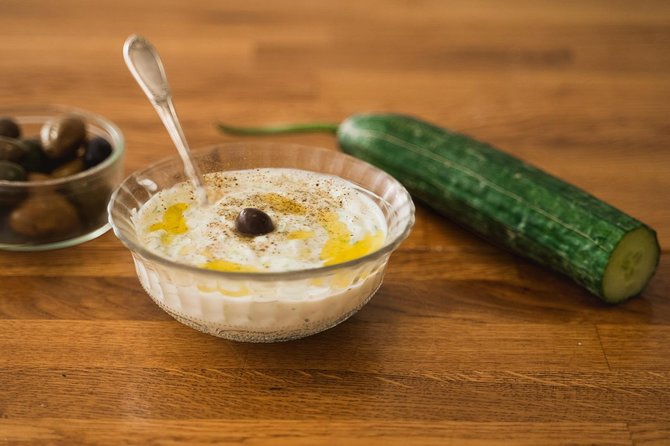
Tzatziki is thick Greek yogurt with fresh cucumber and garlic. It’s simple on paper, but it’s a great starter dish because you learn balance: how much cucumber to use, how to season it, and how Greek cooks build a cool, tangy side that’s never bland.
If you’re the type who always buys tzatziki but doesn’t know how to recreate it, this is your fix.
Spanakopita: phyllo, spinach, feta, and the art of layering
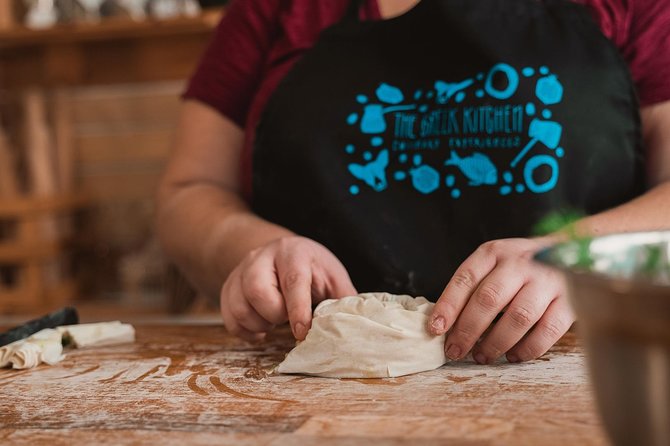
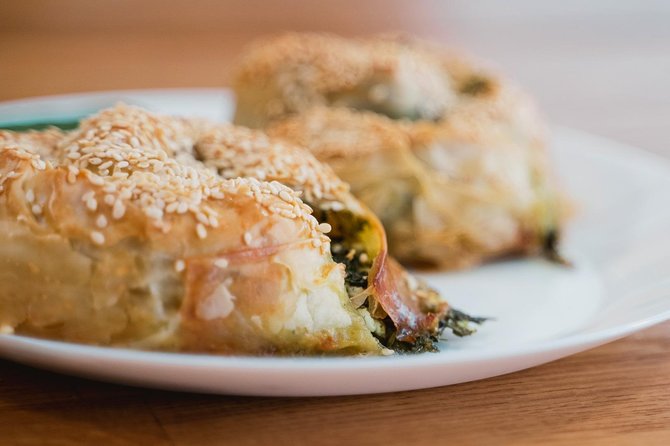
Spanakopita is the classic Greek pie that people argue about lovingly. You’ll work with phyllo and learn how coils and layers hold up with filling—spinach, feta, and herbs.
Phyllo can feel intimidating, but this dish is where you get practical confidence. You see how the dough behaves, and you learn how the filling is portioned so it cooks through instead of turning soggy.
Dolmades: rolling vine leaves around filling
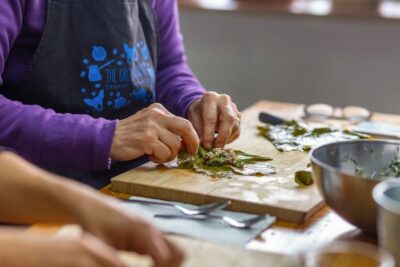
Dolmades are vine leaves rolled around rice and beef. This is the most technical-feeling part of the menu because rolling takes patience and repetition.
The benefit is that you get actual technique you can reuse later. Once you understand how the leaf gets wrapped and how tight the roll needs to be, you’re not starting from scratch next time you cook something similar.
Imam baidi: roasted eggplant with history behind the dish
Imam baidi (also spelled in different ways) is a historical dish that came to Greece in the early 20th century. You’ll top roasted eggplants with sauce and feta, and your cook explains what makes it a classic in Greek homes.
This dish is a nice reminder that Greek cooking isn’t locked in one era. It’s been shaped by trade, migration, and kitchen creativity over time.
Portokalopita: orange-cinnamon dessert with a pie-cake twist
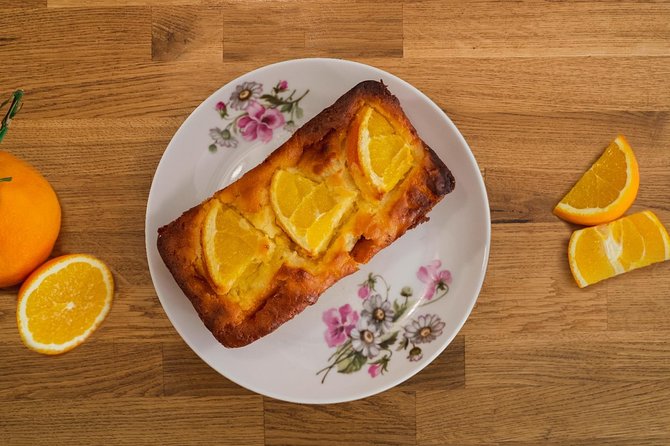
Portokalopita is another layered pastry style, but it behaves more like a cake. You’ll see how shredded phyllo soaks up orange and cinnamon syrup to turn crisp bits into something tender and fragrant.
If you’re usually hesitant about desserts, this one is a confidence-builder because it has a clear, repeatable method. It’s also a perfect way to end the class because it’s sweet but not heavy.
Wine, bread, and the meal you actually want to eat
Wine here is simple and practical: 250ml of locally produced red or white wine. It’s served with your meal, not as a stand-alone tasting, so it fits the cooking-class format.
The bread and olives at every class add a steady Greek “snack table” vibe while you work. You’re not waiting for the main meal to arrive hours later. You’re tasting as you go, which makes the cooking feel less like a chore and more like a shared process.
And yes, the food quantity tends to land where you want it. One solo traveler noted they had enough for a second dinner with leftovers, which tells you the portions at the end are real.
Price and value: what $83.44 gets you in Athens time
At $83.44 per person for about 4 hours, the big question is value. Here’s what you’re paying for beyond the recipes.
You get:
- a market walk (about 30 minutes) with guidance
- hands-on cooking instruction
- bread and olives during the class
- seasonal market snacks and drinking water
- 250ml wine
- a set menu cooked together
- recipes of the dishes you made
If you price it like a standalone dinner plus cooking help, it’s easier to see the logic. You’re not only eating Greek food—you’re learning how to build it, then leaving with recipes that reduce guesswork later.
Also, the group size (maximum 16) matters for value. You get more time interacting and participating than you’d likely get with a huge crowd activity.
Who this class is for (and who might want to choose differently)
This works especially well for:
- food lovers who want technique, not just taste
- couples and groups of friends who like a shared project
- solo travelers who want conversation without forcing it
- anyone who wants a Greece-focused experience that isn’t only about ruins and museums
The one caution is the family-style, group setup. If you hate group dynamics, or you want a quiet, sit-back-and-watch experience, this may feel a bit intense because you’re part of the action.
Still, many people like that it’s structured. One class note says it can feel a bit rushed at times—so if you prefer slow and unhurried cooking, you might want to mentally plan for a fast pace.
Quick tips to get the best day from this cooking class
- Wear comfortable shoes for the market walk and stair access.
- Bring sun protection. The market stop includes outdoor walking.
- Go in ready to get your hands involved. The whole point is prep and participation.
- If you’re vegetarian, mention it when you book. Some classes have adjusted menus for vegetarian needs.
- Use the recipes right away after your trip. Your memory is freshest when the flavors are still recent.
Should you book The Greek Kitchen in Athens?
I’d book this if you want a genuine Greek cooking experience with real dishes, real instruction, and a meal that feels like you earned it. The market stop adds context, the set menu gives you a strong lineup of techniques, and the take-home recipes help you turn the afternoon into something you can recreate.
Skip it if you strongly dislike group cooking or you’re looking for a sit-and-watch show. Also, if stairs are hard for you, the up-a-few-flights-of-stairs location is a key factor.
Overall, for $83.44, you’re getting a lot of food, a lot of cooking, and the kind of practical takeaway that makes Athens stick in your head for longer than a photo.
FAQ
How long is the Athens classic cooking class?
It’s about 4 hours.
Is there a market visit included?
Yes. You’ll spend about 30 minutes at Athens Central Market for a look around.
Where does the tour start?
It starts at Athinas 36, Athina 105 51, Greece, and it ends back at the meeting point.
Is hotel pickup included?
No. Hotel pickup and drop-off are not included.
What dishes are typically included in the menu?
The menu includes tzatziki, spanakopita, dolmades, imam baidi, and portokalopita.
Does the class include wine?
Yes. You’ll have 250ml of locally produced red or white wine.
Are recipes provided?
Yes. You receive recipes of the dishes you made so you can follow them later.
What should I wear for the market part?
Wear comfortable shoes and consider sun protection, since the market visit involves walking.
How large is the group?
The class has a maximum of 16 travelers.
Is there free cancellation?
Yes. You can cancel for a full refund if you cancel up to 24 hours in advance.
Save Space in the Bag
- Athens: Food Market Visit and Cooking Class with Wine★ 4.9 · 1,087 reviews
- Athens, Greek food tour including market visit★ 5.0 · 618 reviews
- Athens Market Tour and Cooking Class in a Beautiful Garden★ 5.0 · 122 reviews
- Classic Athens Food Tour with Local Drink & Market Visit★ 4.9 · 99 reviews
- Cooking Class in Athens with Shopping in Central Market & Lunch★ 5.0 · 55 reviews
- Acropolis Private Wine Tasting @ Finewine store★ 5.0 · 46 reviews
More Tour Reviews in Athens
- Athens: Acropolis & up to 5 Archaeological Sites Combo Pass★ 4.2 · 13,904 reviews
- Athens: Acropolis, Parthenon & Acropolis Museum Guided Tour★ 4.8 · 9,316 reviews
- The Acropolis, Parthenon & Acropolis Museum Guided Tour★ 4.7 · 8,493 reviews
- Athens: Cape Sounion & Poseidon Temple Sunset Half-Day Trip★ 4.8 · 8,241 reviews
- Acropolis: Premium Acropolis and Parthenon Guided Tour★ 4.8 · 5,208 reviews
- Athens: Mythology of Delphi, Museum and Arachova Guided Tour★ 4.7 · 5,102 reviews
Cook It Yourself: Greek Classes
- Athens: Food Market Visit and Cooking Class with Wine★ 4.9 · 1,087 reviews
- Greek Cooking Class in Athens Including Rooftop Dinner with Acropolis View★ 5.0 · 826 reviews
- Greek Small-Group Athens Cooking Class & Dinner★ 5.0 · 574 reviews
- Athens: Greek Cooking Class & Dinner on a Rooftop★ 5.0 · 383 reviews
- Athens: Greek Cuisine Cooking Class and 3-Course Dinner★ 4.8 · 270 reviews
- Traditional Greek cooking class and lunch or dinner with an Acropolis view★ 5.0 · 250 reviews
Fresh Off the Boat: New Athens Reviews





Athens Cooking Classes, compared.
 ★ 4.9Food Market Visit and Cooking Class with WineFrom $811,087 reviews
 ★ 5.0Greek Cooking Class in Athens Including Rooftop Dinner with Acropolis ViewFrom $120826 reviews
 ★ 5.0Greek Small-Group Athens Cooking Class & DinnerFrom $118574 reviews
 ★ 5.0Greek Cooking Class & Dinner on a RooftopFrom $108383 reviews
 ★ 4.8Greek Cuisine Cooking Class and 3-Course DinnerFrom $115270 reviews
 ★ 5.0Traditional Greek cooking class and lunch or dinner with an Acropolis viewFrom $114250 reviews
 ★ 5.0Athens Greek Cooking Class Pita Gyros from Scratch with a LocalFrom $133175 reviews
 ★ 4.9Greek Cooking Class with Meal and DrinksFrom $93171 reviews
Browse the lists this tour appears in