
Reviewed · ATHENS FOOD TOURS
Food Tour evenings and Sundays
Food in Athens tastes better with a plan. This 3.5-hour evening or Sunday walk through Plaka and Monastiraki is built around short stops and a real tasting rhythm, not just wandering. I love the sheer variety you sample, from Greek cheeses and cured meats to loukoumades and bougatsa, and I love how the guide ties each bite to everyday Athenian food culture. One drawback to consider: you’re on your feet for much of the route, and it’s not set up for wheelchair users.
What makes it feel like value is the pacing. You’re not “buy one thing and hope” style—you get multiple tastings plus a traditional lunch or dinner that comes with Greek drinks (beer or soft drinks, depending on what’s available). If you’re skipping sweets entirely, you’ll still find savory options, but the tour clearly leans into classic Greek comfort foods.
You also have options for your group setup and language. The tour runs with a live guide in English, German, Hebrew, and Spanish, and small groups or private formats are available, as long as the group size meets the minimum requirement.
In This Review
- Key highlights worth your time
- Why this 3.5-hour Athens food walk feels efficient
- The pacing detail that matters
- Getting to the start: Leof. Andrea Siggrou and the GOGO ELECTRIC shop
- Plaka stop: where Greek coffee and creamy sweets set the tone
- What I’d watch for at this stage
- Monastiraki tastings: cheeses, cured meats, olives, and big flavor swings
- Why this tasting approach is so helpful
- Psirri: the café and tavern mood shift that makes the evening work
- The small drawback: sweets can be a lot back-to-back
- The lunch or dinner moment: when the tour stops being snacky and starts feeding you
- What you can use this for after the tour
- Drinks included: how to enjoy Greek coffee and beer without turning it into a mess
- A practical way to pace drinks
- Price and value: what $100 gets you (and what it should feel like)
- The guides: what makes the storytelling land
- Who this tour fits best (and who should rethink it)
- Handy tips before you go
- Should you book this Central Athens food tour?
- FAQ
- What neighborhoods does this food tour cover?
- How long is the tour?
- What food and drinks are included?
- Where do I meet the guide?
- What languages are available for the live guide?
- Are there any dietary or allergy requirements I need to share?
- Is this tour wheelchair accessible?
Key highlights worth your time
- Plaka to Psirri route with real tasting stops that keep you moving but not rushed
- A guide who knows food and explains it in plain, practical terms
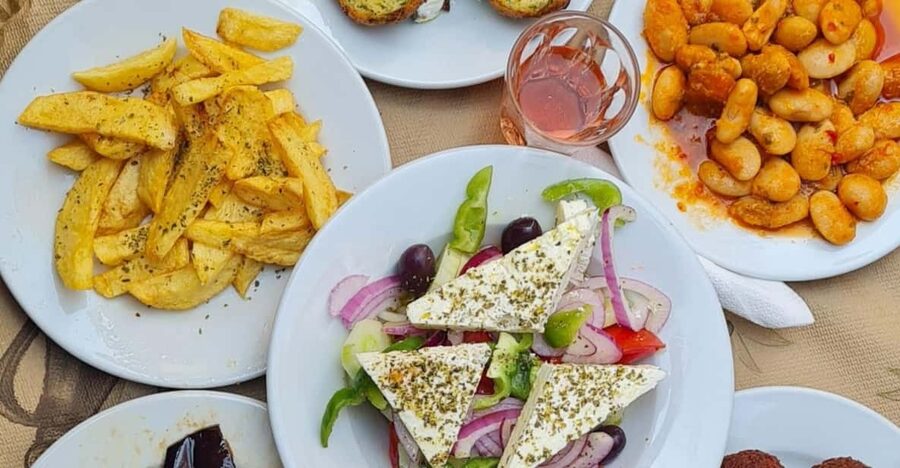
- Classic Greek tasting lineup: yogurt, loukoumades, cheeses, cured meats, olives, bougatsa, coffee
- Lunch or dinner with Greek drinks so you leave fed, not just snacky
- Strong guide storytelling examples: guides like Maria and Konstantinos are repeatedly noted for passion and friendliness
Still hungry? More souvlaki, meze and market stalls
- Greek Food Walking Tour in Athens
★ 5.0 · 4,740 reviews - Athens: Street Food Tasting Tour
★ 4.9 · 3,343 reviews - Athens: Guided Greek Food Walking Tour with Tastings
★ 4.9 · 2,859 reviews - Small Group Greek Traditional Food Tour in Athens 20+ Tastings
★ 5.0 · 1,759 reviews
Why this 3.5-hour Athens food walk feels efficient
Central Athens can be overwhelming at first. Streets look similar, menus blur together, and it’s easy to end up at a place that looks great but isn’t especially memorable. This tour solves that with a simple structure: you follow a guide through key neighborhoods, you stop often enough to feel variety, and you get enough food that the evening doesn’t end with you hungry again.
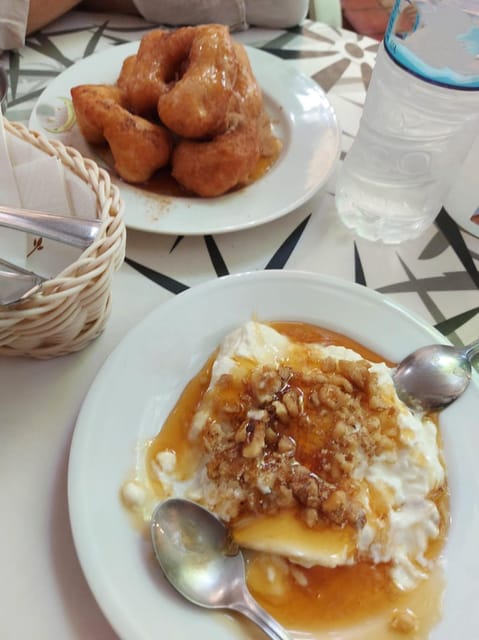
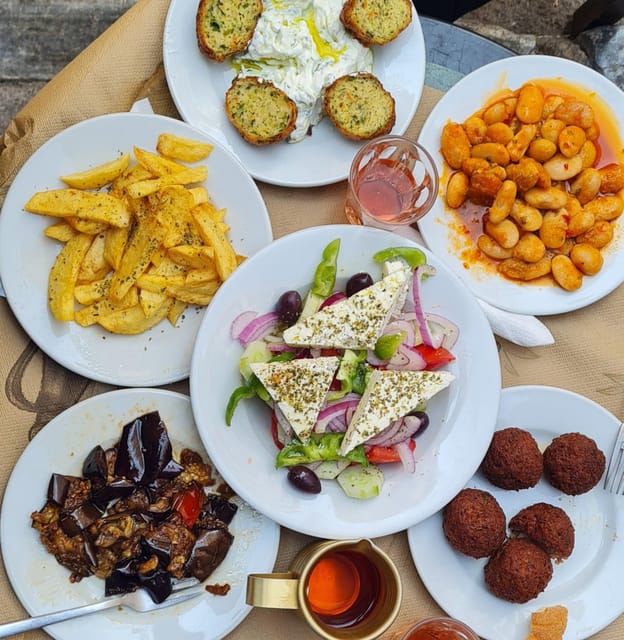
The big win is balance. You’re getting both the sweet side and the savory side of Greek food. Think Greek yogurt, loukoumades (honeyed doughnuts), cheeses, cured meats, olives, bougatsa (puff pastry with sweet cream), and even a bagel stop that can be surprising in the best way if you need something familiar to reset your taste buds.
The pacing detail that matters
Food tours live or die by pacing. If the group eats too quickly, you don’t notice flavors. If you stop too rarely, it feels like a long walk with awkward snack breaks. Here, the stops are frequent and short, and the final sit-down meal is designed to be filling. That’s why it works for first-time visitors: you get oriented while eating.
Getting to the start: Leof. Andrea Siggrou and the GOGO ELECTRIC shop
Meeting point logistics can ruin an otherwise great tour, so I like when the start is clear. Here, you’ll meet at the GOGO ELECTRIC shop, in the area of Leof. Andrea Siggrou 22. The best move is to arrive a few minutes early and take a quick look for the shop sign rather than trying to locate the group from memory.
This matters even more on afternoons or Sunday walks, when traffic and foot traffic can be a little less predictable. When you show up on time, you avoid the classic problem: you start late, you walk longer, and the food stops start feeling compressed.
Other plates and glasses worth the detour
Plaka stop: where Greek coffee and creamy sweets set the tone
Plaka is the part of Athens many people fall for instantly—old streets, postcard views, and lots of storefront temptation. The tour uses that energy in a smart way: it starts you in a neighborhood where you can visually orient yourself, then gets you tasting so the area isn’t just scenery.
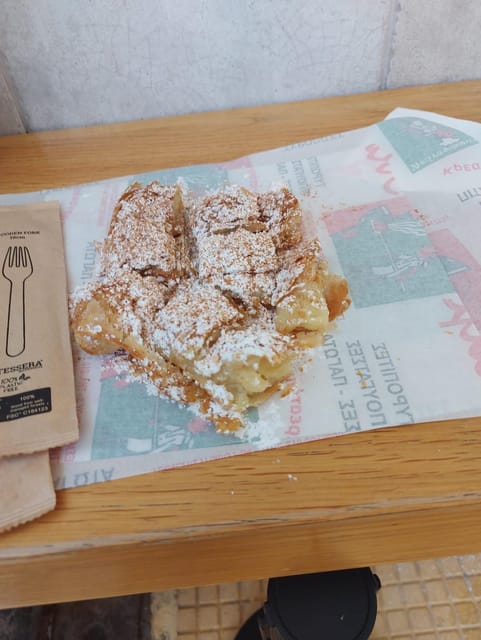
You can expect early tastings that often center on comfort foods and drinks. Greek coffee shows up here, and it’s a good early pick because it changes how you taste the next bites. You also get classic dairy and pastry flavors, including Greek yogurt and bougatsa. If you’ve never had bougatsa before, it’s worth paying attention to texture: the pastry layers stay crisp while the sweet cream inside gives you a warm, creamy contrast.
What I’d watch for at this stage
If you’re the type who orders coffee then suddenly forgets you still have a full tasting meal ahead, pace matters. Take your coffee and slow down. Sip, chew, breathe, then move on. You’ll enjoy the later stops much more if you don’t rush the start.
Also, if you have allergies or dietary limits, you should flag them during booking. The tour is designed around a specific lineup, so you’ll want the guide to know what swaps or alternatives are needed before you arrive.
Monastiraki tastings: cheeses, cured meats, olives, and big flavor swings
Monastiraki is where the tour gets more hands-on with flavor. This stop is all about classic Greek produce and preserved foods—the kind of eating that feels simple but hits hard.
Here’s what you should expect to taste during the Monastiraki portion:
- Greek cheeses
- Cured meats
- Olives
These are the classic trio that helps you understand Greek eating beyond just desserts. Cheeses and cured meats bring salty and savory depth, while olives add a briny pop that resets your palate. When you eat them in small, guided portions, you start noticing how the flavors build rather than compete.
Why this tasting approach is so helpful
Left alone, you might try one cheese board or buy one snack. On a guided tour, you get structured comparisons—so you can tell the difference between similar flavors. That’s the moment the tour becomes useful, not just delicious.
If you’re trying to choose where to eat later, this is also the perfect time to take mental notes. After you taste cheeses, cured meats, and olives in a guided setting, you’ll know what you actually like, not just what sounds good on a menu.
Psirri: the café and tavern mood shift that makes the evening work
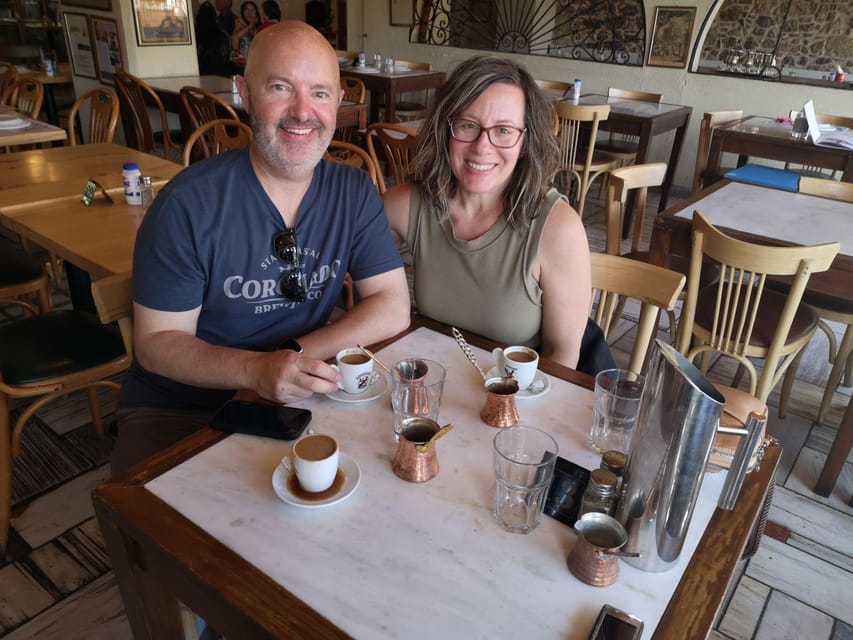
Psyri (often spelled Psirri in English) changes the vibe. The neighborhood feels more like a living food district—places to sit, places to snack, places to linger. This stop leans into that social, casual Athens side.
This is where you should look forward to more food and the tour’s fun, classic Greek sweet finish. Loukoumades (Greek donuts) are a standout on this tour, and the guide’s job is to help you eat them at the right moment so they’re warm and satisfying rather than just sticky.
You’ll also see pastry and dessert energy continue here. Along with bougatsa, the tour’s inclusion of sweets makes sense: it mirrors how many Athenians actually snack—sweet after savory, coffee after everything, and don’t pretend you aren’t enjoying it.
The small drawback: sweets can be a lot back-to-back
If you’re sensitive to sugary foods or you dislike honey and dough-based treats, you’ll want to eat mindfully. Ask the guide to help you manage portion sizes so the meal at the end still feels good, not heavy.
The upside is that the tour isn’t dessert-only. Savory tastings show up clearly through the route, and the final meal helps rebalance the overall experience.
The lunch or dinner moment: when the tour stops being snacky and starts feeding you
A food tour should do two things: teach you what to order, and actually satisfy you. This one hits both with its final traditional lunch or dinner in a Greek tavern setting.
You can expect a traditional meal plus Greek drinks—beer or soft drinks, depending on what’s offered. This is the stage where you stop thinking in terms of tastings and start thinking like you’re dining in Athens.
What you can use this for after the tour
Once you’ve had a structured tavern meal that includes drinks, you’ll have a better sense of:
- Portion expectations in Greek restaurants
- Which flavors belong together
- The kind of place you’ll want to return to
If you want to go back later, you’ll feel less like you’re guessing. A big part of the value is that the guide doesn’t just hand you food; they help you understand what you tasted so you can order confidently later.
Drinks included: how to enjoy Greek coffee and beer without turning it into a mess
This tour includes Greek drinks, and the meal can come with beer or refreshments. I like that it doesn’t force one single beverage choice on everyone. For some people, Greek beer pairs naturally with salty cheeses and cured meats. For others, soft drinks keep the evening comfortable and controlled.
A practical way to pace drinks
If you’re doing this as an evening tour, plan to stay hydrated and eat slowly. Greek coffee can be intense, and sweet items follow quickly. If you keep sipping water between tastings, you’ll avoid the common problem: feeling too full or too sugared to enjoy the final meal.
If you’re the driver or avoiding alcohol, you’ll still get refreshments, and the tour’s food variety makes it enjoyable even without beer.
Price and value: what $100 gets you (and what it should feel like)
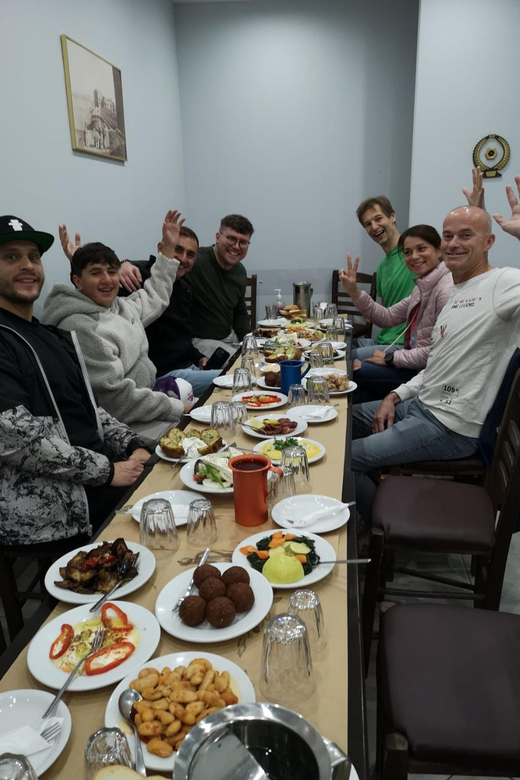
At about $100 per person for roughly 3.5 hours, this isn’t a bargain snack crawl. It’s better to think of it as a guided introduction to Greek eating, with a real meal included.
The value equation looks like this:
- Multiple tastings (not just one dish)
- Dessert classics like loukoumades and bougatsa
- Savory anchors like cheeses, cured meats, and olives
- Greek coffee
- A traditional lunch or dinner
- Greek drinks (beer or soft drinks)
That list matters because it includes both the “teaching” element and the “you leave full” element. If you were to order all those items individually, you’d likely spend more than the tour price—while still missing the guided pacing and cultural explanations.
Also, the tour notes private or small group options. If you’re traveling with friends and want a more personal guide-to-question ratio, that can make the price feel even fairer.
The guides: what makes the storytelling land
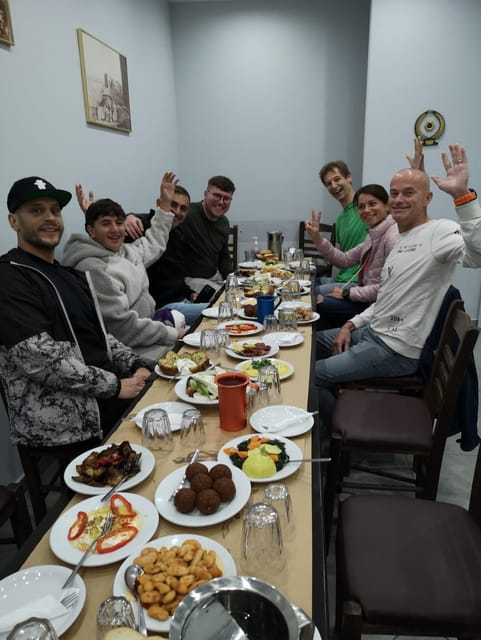
Food tours can be either a checklist or a conversation. The best ones turn each stop into something you can use afterward. Here, the guide’s job is clearly more than handing you plates.
Guides like Maria are described as passionate about Athenian cuisine, while Konstantinos stands out for being friendly and personable. What that usually means in practice is you get commentary that helps you understand what you’re eating and why it matters locally—without turning the experience into a lecture.
That’s also why the tour works well for first-time visitors. You get better at reading Greek menus on day one, because you’ve learned what common foods actually are and how they’re served.
Who this tour fits best (and who should rethink it)
I think this tour is a strong match if you:
- Want an easy way to get your bearings in central neighborhoods
- Love trying a range of Greek foods without guessing
- Prefer walking with a plan over wandering menus alone
- Want a mix of sweets and savory dishes
- Like meal-and-drink structure rather than random street snacking
It might be less ideal if:
- You need wheelchair access (this tour isn’t suitable for wheelchair users)
- You dislike walking for a few hours
- You can’t handle many sweet items during one outing
If you’re somewhere in the middle, the guide can still help manage what you eat—just be clear about your preferences.
Handy tips before you go
Here are a few small moves that make a big difference on this kind of tour.
- Eat lightly beforehand. This tour includes a lot of food plus a traditional lunch or dinner.
- Go with comfortable shoes. You’ll cover central Athens neighborhoods on foot.
- Flag allergies at booking. The tour asks you to advise dietary requirements ahead of time.
- If you’re sensitive to sugar, pace the desserts. Loukoumades and bougatsa are part of the design.
- Bring curiosity, not a tight schedule. The walking pace includes short stops for tastings and explanations, and that takes time.
One more detail if language matters: the tour runs in English, German, Hebrew, and Spanish, but German availability is specifically noted as not available from Aug. 7 until the end of August.
Should you book this Central Athens food tour?
Book it if you want a structured, flavor-heavy introduction to Athens that also helps you navigate Plaka, Monastiraki, and Psirri without feeling lost. The mix of Greek staples—yogurt, loukoumades, cheeses, cured meats, olives, Greek coffee, bougatsa—plus a real tavern meal and drinks makes it good value for a first or second day in town.
Skip it (or consider a different format) if mobility is a concern, or if you strongly dislike sweet foods and desserts. Otherwise, this is the kind of evening that ends with you not just entertained, but with specific food memories you can act on later—where to order, what to order, and how Greek meals actually flow.
FAQ
What neighborhoods does this food tour cover?
It takes you through central Athens areas including the Historical Center, Plaka, Monastiraki, and Psyri (Psirri), with short tasting stops along the way.
How long is the tour?
The duration is 3.5 hours.
What food and drinks are included?
You’ll taste Greek traditional yogurt, loukoumades (Greek donuts), Greek cheeses, cured meats, olives, Greek coffee, bougatsa with sweet cream, and a bagel. The tour also includes a traditional lunch or dinner with Greek drinks, beer, or refreshments.
Where do I meet the guide?
The meeting point is the GOGO ELECTRIC shop, with the starting location listed as Leof. Andrea Siggrou 22.
What languages are available for the live guide?
The live guide is available in English, German, Hebrew, and Spanish.
Are there any dietary or allergy requirements I need to share?
Yes. You should advise allergies or specific dietary requirements at the time of booking.
Is this tour wheelchair accessible?
No. It is not suitable for wheelchair users.
More Tours in Athens
- Athens: Acropolis, Parthenon & Acropolis Museum Guided Tour★ 4.8 · 9,316 reviews
- The Acropolis, Parthenon & Acropolis Museum Guided Tour★ 4.7 · 8,493 reviews
- Acropolis: Premium Acropolis and Parthenon Guided Tour★ 4.8 · 5,208 reviews
- Athens: Mythology of Delphi, Museum and Arachova Guided Tour★ 4.7 · 5,102 reviews
- Acropolis and Parthenon Guided Walking Tour★ 5.0 · 4,755 reviews
- Greek Food Walking Tour in Athens★ 5.0 · 4,740 reviews
More Tour Reviews in Athens
- Athens: Acropolis & up to 5 Archaeological Sites Combo Pass★ 4.2 · 13,904 reviews
- Athens: Acropolis, Parthenon & Acropolis Museum Guided Tour★ 4.8 · 9,316 reviews
- The Acropolis, Parthenon & Acropolis Museum Guided Tour★ 4.7 · 8,493 reviews
- Athens: Cape Sounion & Poseidon Temple Sunset Half-Day Trip★ 4.8 · 8,241 reviews
- Acropolis: Premium Acropolis and Parthenon Guided Tour★ 4.8 · 5,208 reviews
- Athens: Mythology of Delphi, Museum and Arachova Guided Tour★ 4.7 · 5,102 reviews
Eat Athens: More Food Walks
- Greek Food Walking Tour in Athens★ 5.0 · 4,740 reviews
- Athens: Street Food Tasting Tour★ 4.9 · 3,343 reviews
- Athens: Guided Greek Food Walking Tour with Tastings★ 4.9 · 2,859 reviews
- Small Group Greek Traditional Food Tour in Athens 20+ Tastings★ 5.0 · 1,759 reviews
- Athens: Food Market Visit and Cooking Class with Wine★ 4.9 · 1,087 reviews
- Athens Authentic Greek Food Walking Tour (Small Group)★ 5.0 · 809 reviews
Fresh Off the Boat: New Athens Reviews





Athens Food Tours, compared.
 ★ 5.0Greek Food Walking Tour in AthensFrom $874,740 reviews
 ★ 4.9Street Food Tasting TourFrom $693,343 reviews
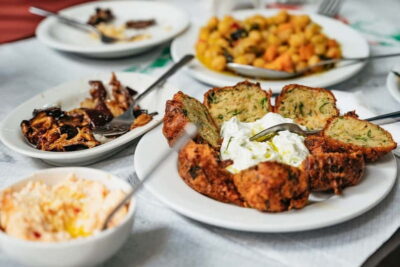 ★ 4.9Guided Greek Food Walking Tour with TastingsFrom $812,859 reviews
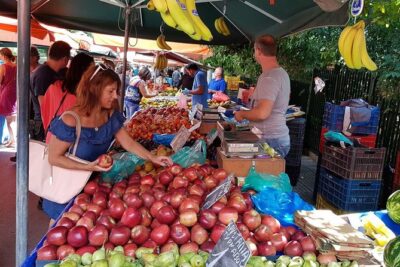 ★ 5.0Small Group Greek Traditional Food Tour in Athens 20+ TastingsFrom $841,759 reviews
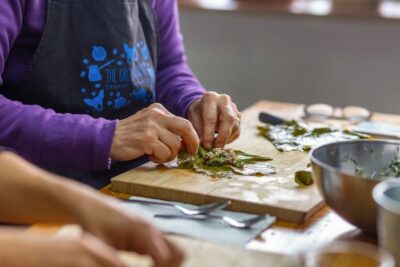 ★ 4.9Food Market Visit and Cooking Class with WineFrom $811,087 reviews
 ★ 5.0Athens Authentic Greek Food Walking Tour (Small Group)From $83809 reviews
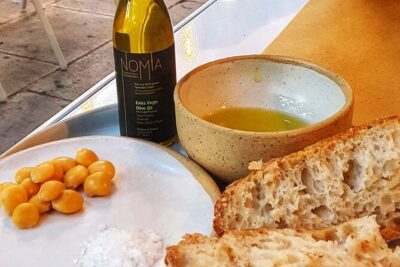 ★ 5.0Athens Greek Food Tour Small-Group ExperienceFrom $107802 reviews
 ★ 5.0Athens Evening Food TourFrom $96766 reviews
Browse the lists this tour appears in