
Reviewed · DELPHI DAY TRIPS
From Athens: 4-Day Peloponnese, Delphi, and Meteora Tour
Four days, three UNESCO stops, one tight schedule. I love how this route strings together Meteora cliff monasteries and the truly surprising Epidaurus theatre acoustics, all guided by licensed Spanish-speaking experts. One thing to think about: the pacing can feel heavy if you want lots of quiet roaming, and the narration is Spanish with headset support rather than multilingual touring.
You’ll ride in an air-conditioned coach, roll from one site to the next with skip-the-line entry, and sleep in convenient base towns: Olympia, Delphi, then Kalambaka. It’s also the kind of trip where included dinners matter, because you’re usually too tired for a long search for food after ancient ruins and big viewpoints.
In This Review
- Key highlights to look forward to
- A 4-Day Athens Loop: Peloponnese, Delphi, and Meteora in One Go
- Day 1: Corinth Canal, Mycenae Museum Stops, and Epidaurus Theatre
- Epidaurus Ancient Theatre: The Acoustics You Feel in Your Chest
- Ancient Olympia: Where the Stadium Still Has Olympic Buzz
- Delphi: Navel of the Earth, Apollo, and Practical Time Management
- Day 3: Delphi’s Sacred Landscape and the Road to Meteora Rocks
- Meteora: Two Monasteries on the Rock and How to Dress
- Hotels, Meals, and Skip-the-Line: Where the Value Really Shows
- Price and Logistics: Is $742 Worth It for Four Days?
- What to Bring and How to Plan Your Day
- Who Should Choose This Tour, and Who Should Pass
- Should You Book This Tour from Athens?
- FAQ
- What does the tour include?
- Is lunch included?
- What language is the guide?
- How many monasteries do you visit at Meteora?
- What should I wear for the monasteries?
- Do I pay extra money at the hotel?
- Where do I meet the group in Athens?
- Is the tour accessible for wheelchair users or mobility impairments?
Key highlights to look forward to
- Meteora’s monastery views: Byzantine rocks, dramatic overlooks, and two monastery visits on Day 4
- Epidaurus Ancient Theatre: see why actors and spectators swear by the acoustics
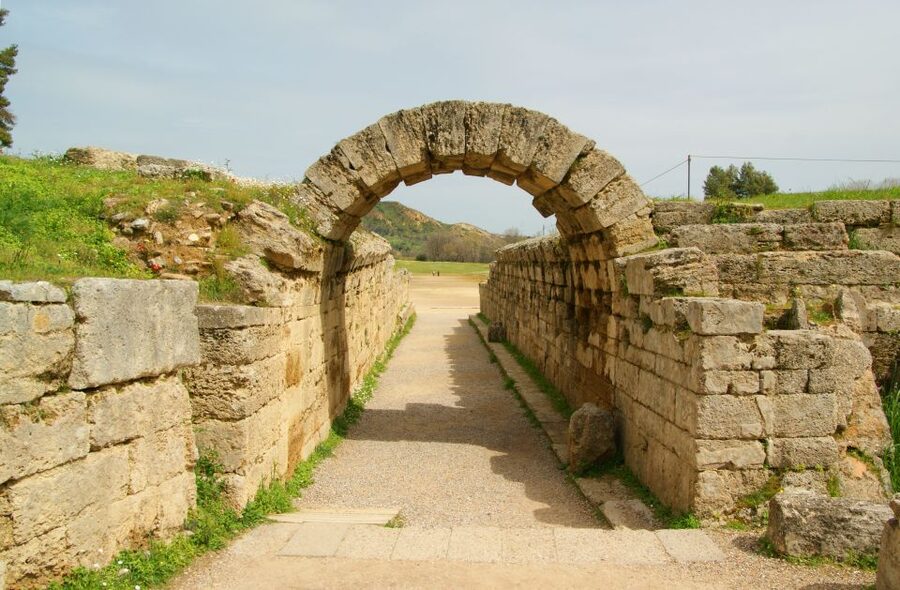
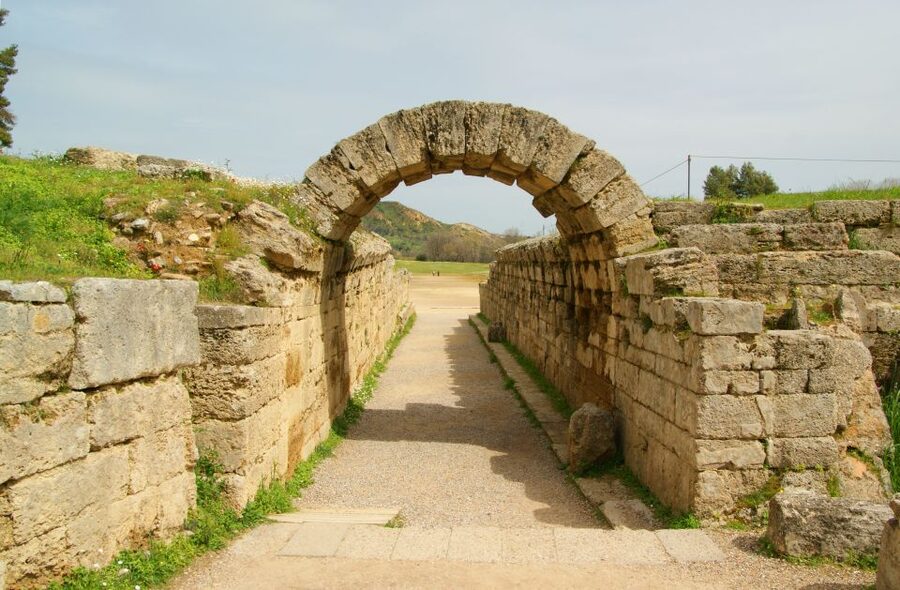
- Ancient Olympia stadium: step into the setting where the Olympic games were born
- Delphi’s oracle landscape: learn about Apollo, Pythia, and the idea of the Navel of the Earth
- Skip-the-line + headsets: smoother site entries and clearer guide commentary on the move
- Hotels plus 3 dinners: the trip handles the overnight basics so you can focus on sights
North to the oracle, more Delphi runs
- Athens: Mythology of Delphi, Museum and Arachova Guided Tour
★ 4.7 · 5,102 reviews - From Athens: Delphi Full Day V.R. Audio Guided Tour
★ 4.6 · 3,028 reviews - From Athens: Small-Group Delphi, Museum & Arachova Day Trip
★ 4.8 · 2,476 reviews - Delphi English Day Trip from Athens with Official Guide
★ 4.5 · 2,199 reviews
A 4-Day Athens Loop: Peloponnese, Delphi, and Meteora in One Go
This is not a slow “pick one museum and linger” kind of tour. It’s a packed classics sampler that takes you out of Athens and then keeps your feet moving across Peloponnese, central Greece, and finally Meteora.
The upside is obvious: in four days you hit the major names most people dream about—Corinth Canal, Mycenae, Epidaurus, Olympia, Delphi, and Meteora. The tradeoff is also real: you’ll want comfortable shoes and a realistic mindset. You’re seeing a lot, not savoring everything equally.
Because the guide is Spanish, the headsets matter. They help you catch the story even when buses are noisy or you’re in a bigger group. If you prefer a language you can switch mid-conversation, you may find this tour less flexible than a multilingual option.
Day 1: Corinth Canal, Mycenae Museum Stops, and Epidaurus Theatre
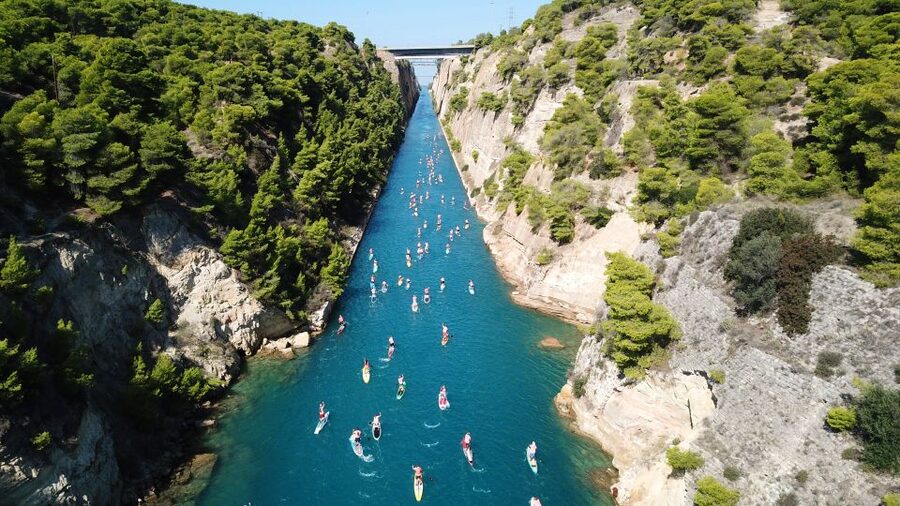
Day 1 starts with the classic Greece road-trip feeling: you meet at the Melina Mercouri monument near Acropolis metro, then head out by air-conditioned coach toward Ancient Olympia. A first stop at the Corinth Canal breaks up the driving and gives you a quick sense of geography—this cut through the land is the kind of engineering that makes ancient routes feel even more dramatic.
From there you head to Argolis, where Mycenae and its museum come next. Mycenae isn’t just “pretty rocks.” It’s the setting for a Mycenaean world with palace culture, fortifications, and the feeling of a society that knew it needed walls. Even if you’ve read a bit about the Bronze Age, the on-site layout helps you connect the names to spaces.
Then you roll into Epidaurus for the Ancient Theatre. This is one of the best examples of why guided tours work when they’re paced well: the guide’s context makes the theatre more than an old building. You understand what the performances meant and why the design is so famous.
Dinner and overnight happen in Olympia. That matters, because it means you’re not trying to turn this day into a late-night sprint back toward Athens.
Epidaurus Ancient Theatre: The Acoustics You Feel in Your Chest
Epidaurus is the stop that’s easiest to oversimplify. People hear “ancient theatre” and expect a quick look at seats and arches. What you actually want to notice is how the room behaves.
The theatre’s shape and stage orientation are built to carry voices. When you stand where a performer would stand (and you’re not too far off the axis), you can feel how sound travels in a way that surprises most visitors. If you like hands-on observation, this is the kind of moment that makes the whole trip click.
Practical tip: wear shoes you can stand in for a while. Even a “theatre view” can turn into walking around for the best angles. Also, if you’re sitting for any explanation, try to stay aware of time so you still get enough minutes for the actual seating and stage perspective.
Monasteries in the sky, more Meteora trips



Ancient Olympia: Where the Stadium Still Has Olympic Buzz
On Day 2, you start with breakfast and check out, then tour the Archaeological Site of Ancient Olympia. This is where the ancient Olympic games were held, and you can feel the drama of it even with no crowds—stone and history do that job for you.
You’ll see more than just the big headline landmark. The day’s structure is built around the main Olympia site focus first, which gives you time to connect the stadium setting with the wider sacred precinct. If you’re even mildly sports-obsessed, it’s hard not to imagine athletes and rituals moving through the space.
After the Olympia tour, you travel by bus to Delphi and spend the night there. This is another reason the route works: it keeps Day 2 from becoming an endless drive-with-little-sight. You still get a strong hit of one major site before moving on.
Optional lunch may be available later for you, but it’s not included. Plan to budget for a meal on your own, especially if you arrive hungry or want something closer to your tastes.
Delphi: Navel of the Earth, Apollo, and Practical Time Management
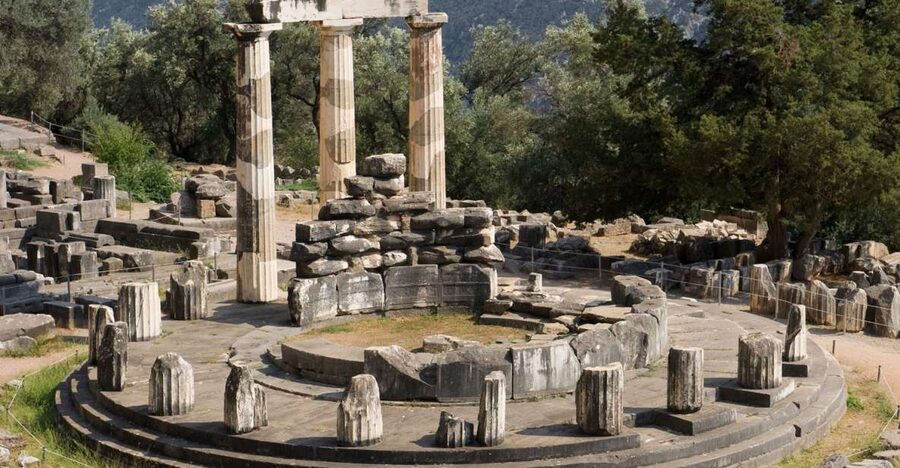
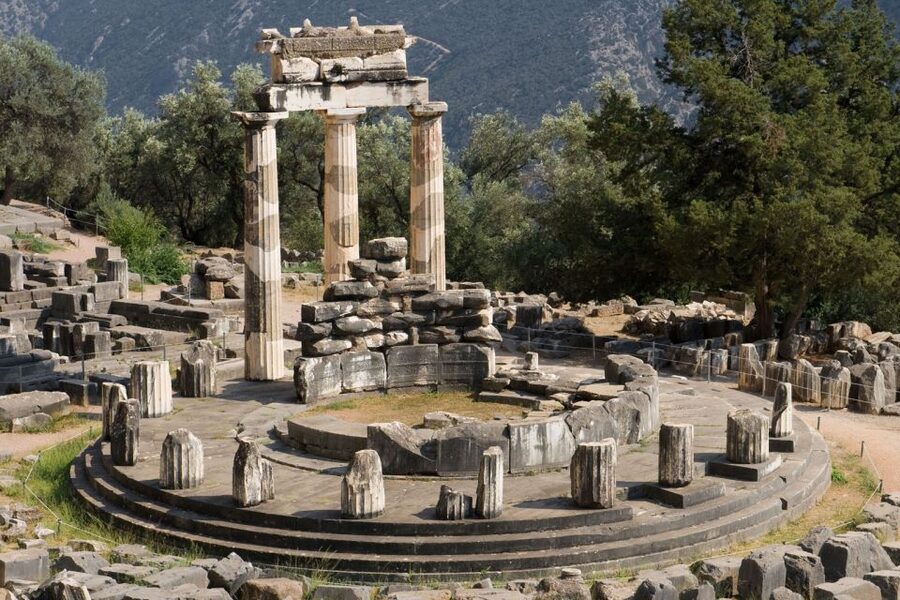
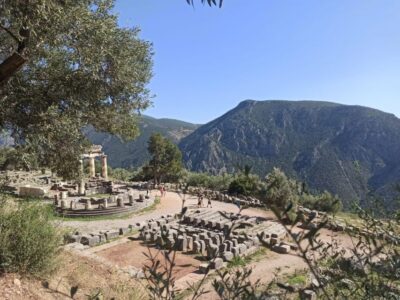
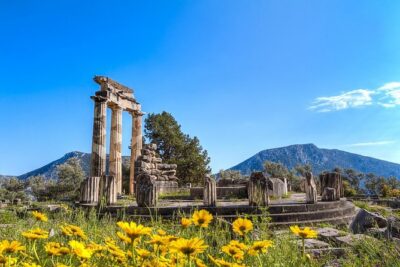
Delphi is the kind of place where stories pile up fast. This tour gives you a guided explanation that frames Delphi as a spiritual center—often described through the idea of the Navel of the Earth—and connects that to the Oracle’s tradition. You also learn about Apollo and Pythia, the High-Priestess role linked with the oracle.
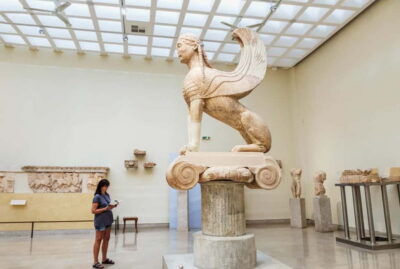
Delphi’s Archaeological Site and Museum are visited as a major daytime focus. You’ll spend time on the grounds and also in the museum areas that explain artifacts and themes. This can be fantastic if you enjoy turning objects into meaning. It can also feel like a lot if you want more time outdoors taking in the sacred views.
My practical advice: if you care most about seeing the ruins clearly, don’t assume every minute will be equal. Keep an eye on the group pace and ask your guide (politely) to prioritize the site viewpoints you’re there to see.
After Delphi, you continue on to Meteora and stay overnight in Kalambaka for dinner and rest. That night base makes the monastery morning feel much more efficient than trying to do it from afar.
Day 3: Delphi’s Sacred Landscape and the Road to Meteora Rocks
Day 3 begins again with breakfast and check-out, then continues the Delphi focus: Archaeological Site and Museum together, followed by guided explanations that tie the spiritual idea of Delphi to its ancient religious role.
Then comes the optional lunch stop in a traditional Greek tavern, where you can refuel at your own pace. Lunch not being included is common on these tours, but it does mean you should plan cash or card access and time for a proper sit-down.
Once you’re fed, it’s onwards to Kalambaka and the Meteora area. The drive is part of the experience here because the setting changes as you get closer to the monastery rocks. You’ll arrive ready for the viewpoints and the early start on Day 4.
If you like the feeling of arriving at the perfect moment before a big scene, save your energy for tomorrow’s climb-and-look sequence.
Meteora: Two Monasteries on the Rock and How to Dress
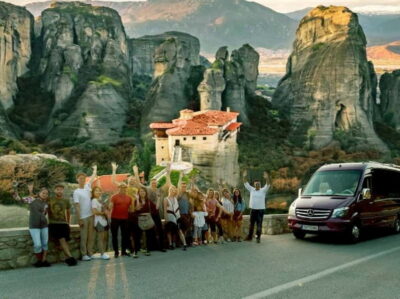
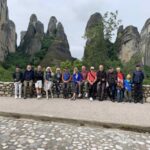
Day 4 is Meteora, and the point is simple: incredible views from imposing Byzantine rock formations, with a close-up look at Orthodox monastic life.
The tour includes a morning visit to two monasteries. You’ll learn about the ascetic life and the monastic tradition as it developed in this dramatic terrain. Because Meteora is so visual, the guided explanation helps you see more than the architecture.
One important rule: you must cover shoulders and knees when visiting the monasteries. Bring light layers you can adjust quickly. If you show up in shorts or a tank top, you may spend time correcting your outfit or getting barred from certain areas.
Also, be ready for uneven walking. Even when the stops are “just two monasteries,” the paths can still be tough. This is one reason the tour is marked as not suitable for mobility impairments or wheelchair users.
You’ll likely also want to keep your camera settings ready before the group moves along, because the best viewpoints don’t wait for anyone.
After the monastery time, there’s a lunch stop and then the return journey to Athens.
Hotels, Meals, and Skip-the-Line: Where the Value Really Shows
This tour bundles real time-savers. You get hotel accommodation in 3 or 4-star hotels (depending on your option), plus 3 breakfasts and 3 dinners. Since lunch is not included, you’ll still pay for meals, but dinners and breakfasts remove a big chunk of daily decision fatigue.
You also get all entry fees, plus skip-the-line access at sites. In ancient Greece, lines can be unpredictable. Skip-the-line doesn’t mean “no waiting ever,” but it usually shortens the most frustrating parts of a visit and helps keep your schedule from unraveling.
Then there’s the “small” upgrade that matters: headsets. With a Spanish guide, you’ll be glad you can hear clearly even in louder areas or when the group is clustered in different directions. The coach also includes WiFi on board, which is handy on long segments.
One note that’s easy to forget: accommodation tax isn’t included. You pay it at the hotel reception in cash or whatever method they accept, using the seasonal rates listed for 3-star vs 4-star. It’s not huge in the overall scheme, but plan for it so it doesn’t become a surprise at check-in.
Price and Logistics: Is $742 Worth It for Four Days?
At $742 per person for four days, the value comes from the combination. You’re paying for transportation, a guided program across multiple major sites, hotels, dinners, breakfasts, and entry fees. If you tried to DIY this with a Spanish-speaking guide and comparable lodging, you’d likely spend a lot of time coordinating timing and tickets across three regions.
Still, you should judge it based on how you like to travel:
- If you want structured days with minimal planning, this price starts to look fair quickly.
- If you dislike tight pacing or spend your best moments alone with fewer explanations, the museum-and-site time distribution may not match your style.
Also, remember that the tour is Spanish. If you’re comfortable following stories in Spanish, the guide experience can feel rich and continuous. If not, your headset can only do so much—you might end up focusing on visuals more than meaning.
One more scheduling reality: long bus days happen. The upside is the air-conditioned coach and WiFi. The downside is you’re not starting each morning from scratch in Athens, so you’ll want to sleep well and keep expectations realistic.
What to Bring and How to Plan Your Day
This tour is practical, but you’ll want to pack like you’re going to walk, stand, and climb a bit.
Bring:
- Passport or ID card
- Comfortable shoes
- Hat (especially for outdoor ruins)
- A plan for monastery dress (covered shoulders and knees)
Also, lunch and drinks aren’t included. If you know you’ll want a specific kind of meal, consider budgeting ahead so you’re not hunting for food while tired.
Finally, the meeting point is specific: stand in front of the Melina Mercouri monument, near Acropolis metro, and you’ll board the bus there to meet your guide. If you show up late, you can lose the whole rhythm of the morning.
Who Should Choose This Tour, and Who Should Pass
This works best for you if you:
- want a guided classics route across Peloponnese, Delphi, and Meteora
- appreciate skip-the-line entries and included hotels plus dinners
- enjoy history explanations even while you’re still moving between sites
You may want to consider another option if:
- you need step-free access or wheelchair-friendly routing (this tour is not suitable for wheelchair users)
- you’re very sensitive to pacing and want more free time per stop
- you require a guide in a language other than Spanish
The route is intense in a good way, but it’s not built for slow wandering.
Should You Book This Tour from Athens?
Book it if you want four days that hit the major Ancient Greece pillars—Olympia, Delphi, Epidaurus, and Meteora—with less planning stress than DIY. The included basics (coach, hotels, breakfasts, dinners, entry fees, skip-the-line, and headsets) give it solid “value per day,” especially if you’d otherwise spend time figuring out transport and timing.
Skip it (or shop carefully) if your top priority is lots of quiet time at each site without a heavy guided rhythm, or if language flexibility matters a lot for you. If Spanish narration fits your style, though, the route is a strong way to see the highlights with structure and minimal logistical headache.
If you do book, plan around the monastery dress rules, pack for lots of walking, and keep your day-one energy for Epidaurus and Olympia. Meteora is the payoff, but the earlier stops set up why it feels so dramatic.
FAQ
What does the tour include?
It includes transportation in an air-conditioned coach, a guide, hotel accommodation in 3 or 4-star hotels (depending on option), 3 breakfasts, 3 dinners, all entry fees, skip-the-line access, headsets, and WiFi on board.
Is lunch included?
No. Lunch and drinks are not included in the price, though there may be optional lunch stops during the days it’s offered.
What language is the guide?
The live tour guide provides the experience in Spanish.
How many monasteries do you visit at Meteora?
On Day 4, you visit two monasteries in the morning.
What should I wear for the monasteries?
You must cover your shoulders and knees when visiting the monasteries.
Do I pay extra money at the hotel?
Yes. Accommodation tax is not included and must be paid at the hotel’s reception on the spot, using the seasonal rates provided for 3-star vs 4-star hotels.
Where do I meet the group in Athens?
You meet in front of the Melina Mercouri monument near Acropolis metro station. Representatives will board you in the bus to meet your guide.
Is the tour accessible for wheelchair users or mobility impairments?
No. The tour is not suitable for people with mobility impairments or wheelchair users.
More Tour Reviews in Athens
- Athens: Acropolis & up to 5 Archaeological Sites Combo Pass★ 4.2 · 13,904 reviews
- Athens: Acropolis, Parthenon & Acropolis Museum Guided Tour★ 4.8 · 9,316 reviews
- The Acropolis, Parthenon & Acropolis Museum Guided Tour★ 4.7 · 8,493 reviews
- Athens: Cape Sounion & Poseidon Temple Sunset Half-Day Trip★ 4.8 · 8,241 reviews
- Acropolis: Premium Acropolis and Parthenon Guided Tour★ 4.8 · 5,208 reviews
- Athens: Mythology of Delphi, Museum and Arachova Guided Tour★ 4.7 · 5,102 reviews
The Monasteries of Meteora
- Athens: Meteora Monasteries Day Trip with Caves and Lunch★ 4.7 · 4,670 reviews
- Athens to Meteora: Monasteries, Caves & Seaside Stopovers★ 4.7 · 2,958 reviews
- Athens: Full-Day Meteora Tour with Local Guide & Greek Lunch★ 4.8 · 2,101 reviews
- Athens: Meteora Monasteries, Caves & Coastal Stopovers with Lunch★ 4.5 · 1,432 reviews
- Meteora Monasteries & Caves DayTrip from Athens with Greek Lunch★ 4.5 · 879 reviews
- From Athens: Delphi and Meteora 2-Day Guided Tour★ 4.5 · 825 reviews
North to Delphi: More Day Trips
- Athens: Mythology of Delphi, Museum and Arachova Guided Tour★ 4.7 · 5,102 reviews
- From Athens: Delphi Full Day V.R. Audio Guided Tour★ 4.6 · 3,028 reviews
- From Athens: Small-Group Delphi, Museum & Arachova Day Trip★ 4.8 · 2,476 reviews
- Delphi English Day Trip from Athens with Official Guide★ 4.5 · 2,199 reviews
- Athens: Delphi Oracle & Museum Tour with a Licensed Guide★ 4.8 · 2,121 reviews
- Historical Delphi One Day Tour with Arachova Stop & Expert Guide★ 4.5 · 1,247 reviews
Fresh Off the Boat: New Athens Reviews

Delphi Day Trips, compared.
 ★ 4.7Mythology of Delphi, Museum and Arachova Guided TourFrom $305,102 reviews
 ★ 4.6From Athens: Delphi Full Day V.R. Audio Guided TourFrom $303,028 reviews
 ★ 4.8From Athens: Small-Group Delphi, Museum & Arachova Day TripFrom $342,476 reviews
 ★ 4.5Delphi English Day Trip from Athens with Official GuideFrom $782,199 reviews
 ★ 4.8Delphi Oracle & Museum Tour with a Licensed GuideFrom $362,121 reviews
 ★ 4.5Historical Delphi One Day Tour with Arachova Stop & Expert GuideFrom $341,247 reviews
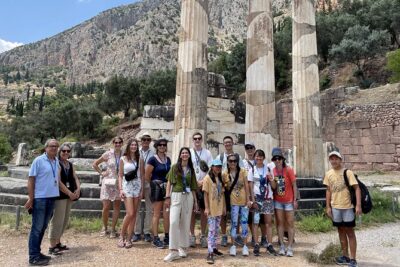 ★ 4.5Premium Delphi Day Trip with an Expert Guide, Museum & LunchFrom $381,100 reviews
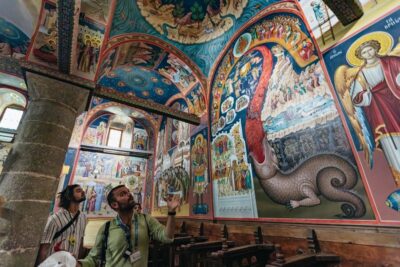 ★ 4.5From Athens: Delphi and Meteora 2-Day Guided TourFrom $271825 reviews
Browse the lists this tour appears in