
Reviewed · MYCENAE & NAFPLIO DAY TRIPS
From Athens: Mycenae, Epidaurus & Nafplion Private Tour
Ancient Greece, road-trip style, never feels rushed. This full-day private tour links engineering (the Corinth Canal), royal power (Mycenae), theater magic (Epidaurus), and a real-life seaside city (Nafplion). I especially like the way the day is paced for adults who want time to look, not just pose. And I love that the best part is often your guide: Costas and Akis come up again and again for their clear explanations and calm flexibility.
Your biggest drawback is simple: it’s a long day, and entrance fees and food aren’t included, so you’ll want to plan a bit of spending and energy. Also, while the tour includes an audio guide, I’d still rely on on-site signage if some parts of the audio are spotty.
In This Review
- Quick hits before you go
- Private Athens to Mycenae, Epidaurus and Nafplion: what the day actually delivers
- Getting picked up in Athens (and why the exact start time matters)
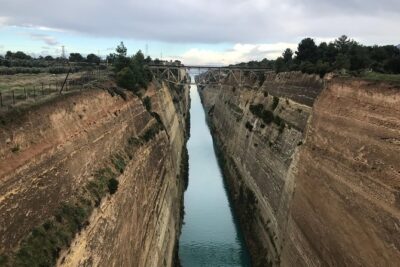
- Corinth Canal: the fast engineering stop that actually lands
- Mycenae: Acropolis power, the tomb of Agamemnon, and Cyclopean walls
- The practical side of Mycenae (heat and time)
- Museum option: Archaeological Museum of Mycenae
- Epidaurus Theater: the acoustics trick you can almost hear
- Why this stop is worth the drive
- A tip to get the most out of the theater
- Nafplion: Venetian lanes, the capital-after-independence story, and fortress views
- What you can do in Nafplion with your free time
- A practical note: plan for sun and stairs
- How the pacing works (and how to use it without rushing)
- Transport quality and comfort: the small detail that changes everything
- Price and value: $453 for up to 4 is really about private time
- What’s included, what costs extra, and what to pack
- Included
- Not included
- What to bring
- Who should book this Mycenae–Epidaurus–Nafplion tour
- Should you book it?
- FAQ
- What sites are included in the Athens private tour?
- How long is the tour?
- Where does pickup happen?
- What is the return/drop-off like?
- Is this tour private?
- How many people are in a group?
- What’s included in the price?
- Are entrance fees included?
- Is there an audio guide?
- What should I bring for this day trip?
Quick hits before you go
- Corinth Canal for the wow factor: a fast stop where the engineering really hits.
- Mycenae’s royal core: the Acropolis, the tomb of Agamemnon, and Cyclopean walls.
- Epidaurus Theater acoustics: built for performances, still famous for sound.
- Nafplion’s easy wandering: Venetian and neoclassical streets, plus seaside time.
- Private means your pace: you can ask for timing changes and short detours.
- Air-conditioned transport: the van/car comfort matters on a hot Peloponnese day.
Into the Argolid, past the Lion Gate
- From Athens: Small-Group Mycenae, Epidaurus & Nafplio Trip
★ 4.8 · 2,805 reviews - From Athens: Mycenae, Epidaurus & Nafplio Full-Day Tour
★ 4.5 · 2,530 reviews - Mycenae, Epidaurus and Nafplio Tour from Athens
★ 4.6 · 2,201 reviews - 4-Day Classical Greece Tour: Epidaurus, Mycenae, Olympia, Delphi, Meteora
★ 4.5 · 732 reviews
Private Athens to Mycenae, Epidaurus and Nafplion: what the day actually delivers
This is the kind of day trip that works because it groups four big themes into one efficient loop: ancient infrastructure, an ancient kingdom, a world-famous performance space, and a modern Greek town with deep historical roots. You start in Athens, drive into the Peloponnese, and spend the day moving through places that each tell a different story about how Greece thought, built, and performed.
What makes it feel smart (and worth your money) is the private format. You aren’t stuck in a line watching a bus schedule. You’re with an English-speaking driver and guide, so you can ask questions, linger when something grabs you, and adjust when the heat or your interests demand it.
Getting picked up in Athens (and why the exact start time matters)
Pickup is included from any hotel, accommodation, or central point in Athens or Piraeus. That matters more than it sounds. It saves you from the stress of trains, transfers, and “meet here at 8:30” logistics that can turn into a scavenger hunt.
You’re also traveling about an hour to the Peloponnese area on the way to Mycenae. Translation: you get the benefit of a full day without losing half of it to transit. Many departures run early and return late afternoon, and that long format is part of the deal—this isn’t a short-and-sweet sampler.
Corinth Canal: the fast engineering stop that actually lands
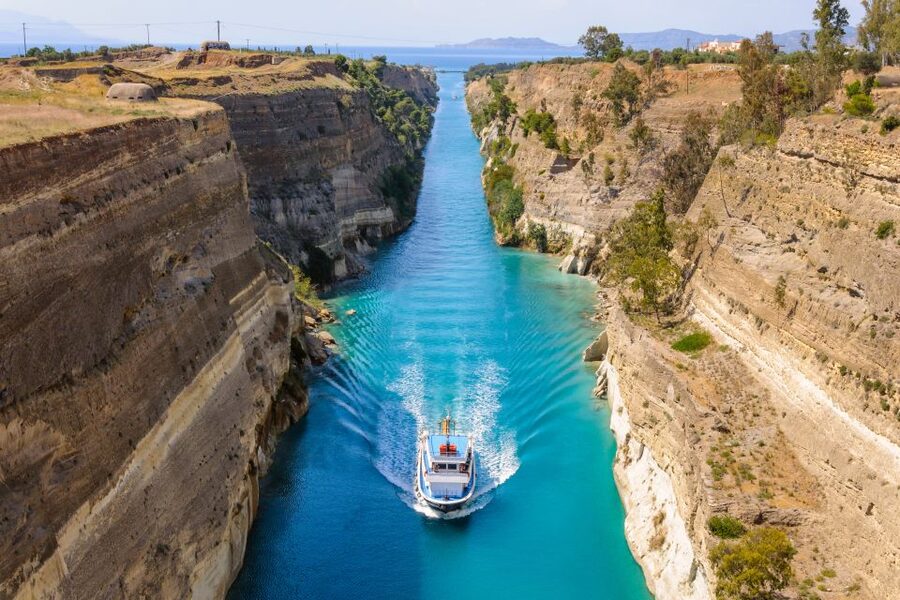
The tour includes a stop to see the Corinth Canal, the narrow waterway that links the Aegean and Ionian seas. You don’t need a long visit to get why people gasp here. Even from a viewpoint, you can feel the scale of the cut and why it became a symbol of engineering confidence.
This is a good break in the morning: enough time to get photos, orient yourself, and reset before Mycenae. The only consideration is that it’s brief by design. If you’re hoping for a long walk-and-explore style stop, you might wish you had more time here. Still, as a “wow moment” between Athens and the ruins, it works.
Just your group, at your own pace


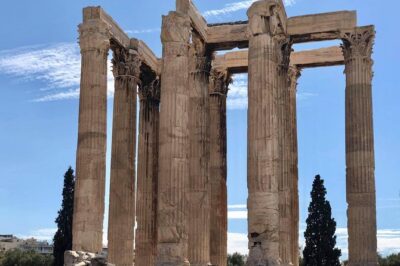
Mycenae: Acropolis power, the tomb of Agamemnon, and Cyclopean walls
Mycenae is where the day turns from scenery into story. This was one of the most important cities of ancient Greece, and the sites you visit are the kind that make you picture how control and defense worked before modern borders.
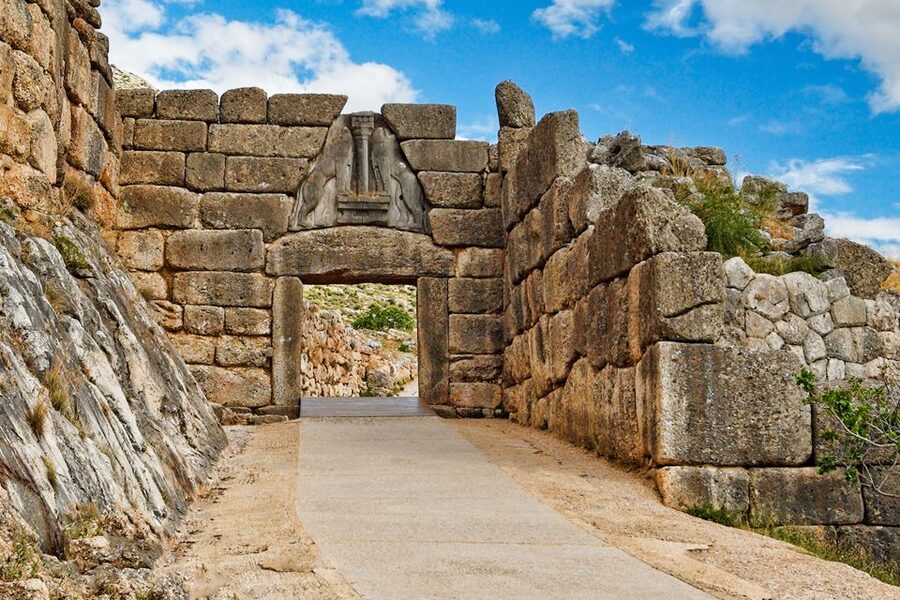
You’ll visit the Mycenaean Acropolis, the tomb of Agamemnon, and the remains of the Cyclopean walls—those massive fortifications built with huge stones. Even if you only know Mycenae from names in school or textbooks, these features help the place feel concrete: you’re looking at where power was displayed and where protection was built.
The practical side of Mycenae (heat and time)
Mycenae can be sunny and exposed. I’d come ready with comfortable shoes and sun protection. The tour includes an audio guide, but I’d treat it as helpful support, not a guarantee. One small issue came up where audio wasn’t working well at ruins, and another time audio cut earlier than expected. In practice, it’s still easy to get value by reading signs and watching your guide’s explanations.
Museum option: Archaeological Museum of Mycenae
You also have the option to visit the Archaeological Museum of Mycenae. That’s a smart addition if you like seeing artifacts side-by-side with the story from the Acropolis. It can also help you fill in the gaps if you want more context than the outdoor sites alone provide.
Epidaurus Theater: the acoustics trick you can almost hear
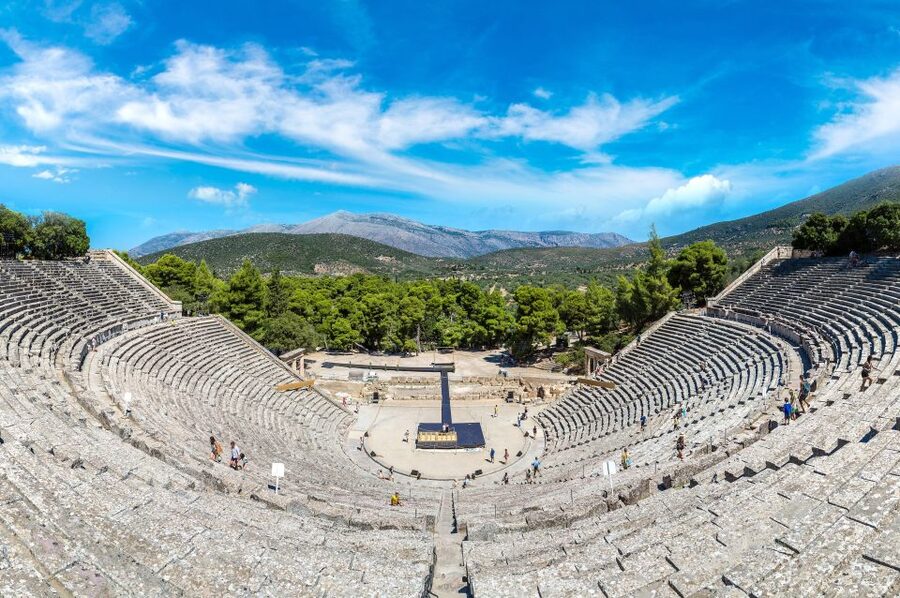
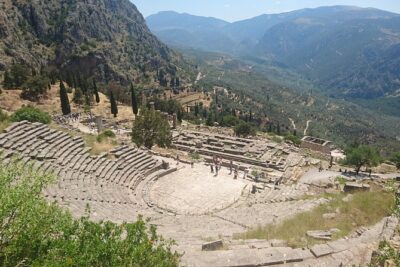
Next comes Epidaurus, and specifically the ancient theater dating to the 4th century. This is one of the best-preserved Classical Greek theater structures around, and it’s famous for a very specific reason: the acoustics.
The tour notes that a coin dropped in the center can be heard from the highest seat. That kind of claim would be suspicious in most tourist settings, but here the theater’s design really is the point. You can feel why this was a performance space first, not just an attraction. The seating capacity reaches up to 14,000, and the entrance is flanked by restored Corinthian pilasters—small details that make the site look cared for rather than just “ruins in a field.”
Why this stop is worth the drive
Epidaurus is the moment when ancient design feels like technology. The theater isn’t only pretty; it’s functional, built to carry sound. Your guide’s explanations (Costas, Fotios, Kostas—names that show up often) tend to make it click fast. You’ll also have a sense of the theater’s ongoing life: it’s used for Ancient Greek drama during the annual Hellenic Festival.
A tip to get the most out of the theater
Plan your time so you’re not rushing between sections. Look at the seating layout first, then listen for the sound behavior your guide points out. If you love details, this is the stop where you’ll likely slow down.
Nafplion: Venetian lanes, the capital-after-independence story, and fortress views
After the ruins, you finally get a city where you can breathe. Nafplion is picturesque and walkable, with narrow streets, elegant Venetian houses, neoclassical mansions, and quayside cafés. It’s also a place with layered importance: it was the first capital of Greece after independence and has been a major port since the Bronze Age.
The strategic geography is part of the charm. Nafplion has three fortresses:
- Palamidi (massive)
- Akronafplia (smaller)
- Bourtzi (the water castle on an islet west of the old town)
You may not have time to conquer every fortress trail, but you’ll see enough to understand why this city was hard to ignore. It’s the kind of stop where wandering doesn’t feel like “wasting time.” The streets themselves are the attraction.
What you can do in Nafplion with your free time
You’ll have time to stroll, shop, and eat in a traditional restaurant. If you want a laid-back end to the day, you can also just chill in the port cafés. The tour even leaves room for a beach moment: Arvanitia beach is nearby, and the itinerary suggests bringing swimwear if you want to take a dip.
A practical note: plan for sun and stairs
Nafplion looks romantic, but it’s also full of little climbs and sun exposure. Comfortable shoes matter here more than at the canal viewpoint. If you’re traveling with anyone who gets tired on steep streets, talk with your guide early and pace the city walk.
How the pacing works (and how to use it without rushing)
This is a full-day route, so your success comes from how you manage the stops. The tour is designed so each site gets enough time to feel meaningful, but you won’t have the kind of open-ended schedule that lets you do everything slowly in one place.
Here’s how I’d approach it:
- Spend your best “slow time” at Mycenae and Epidaurus, since those are the heart of the ancient story.
- Use Nafplion for flexible browsing. If you feel like shopping and cafés, you can lean in.
- Treat the Corinth Canal as a momentum-builder: quick, memorable, and photo-friendly.
The private nature also means you can adjust timing stop-by-stop. In the way the day is run, guides have been flexible about short detours for coffee and bites when people needed a break. That’s not just nice customer service—it helps you keep energy up so the last sites still feel exciting.
Transport quality and comfort: the small detail that changes everything
Long drives plus hot weather are a real test. The tour includes a private air-conditioned van or car, and the quality of the ride comes up as a major win. People highlight clean interiors and comfort, especially on days where the sun can be relentless.
If you’re sensitive to heat, you’ll appreciate that this is a door-to-door style day. You’re not sweating through waiting lines. You’re moving in cool comfort, then stepping out when it’s time to see something.
Price and value: $453 for up to 4 is really about private time
At $453 per group (up to 4 people), this isn’t a “cheap but crowded” kind of tour. It’s priced like you’re buying private access to four major stops plus transport and a guide.
Here’s where the value shows up:
- You pay once for a full day instead of piecing together multiple buses and transfers.
- The private format saves time and lets you control how long you stay at each site.
- You get English support plus an audio guide to help with context during the visits.
- The itinerary covers the main highlights of the Peloponnese loop: Corinth Canal, Mycenae, Epidaurus, and Nafplion.
What’s not included matters for budgeting. Entrance fees and food/drinks are extra. That’s normal for Greece heritage sites, but it’s still something you should plan ahead for so you’re not scrambling at lunch.
If you’re a couple, this can still be a solid value because you’re effectively paying for convenience and pacing. If you’re a family or small group, it becomes even easier to justify, since the private van cost is shared.
What’s included, what costs extra, and what to pack
Included
You get:
- Private air-conditioned van or car
- English-speaking driver
- Taxes, tolls, and fuel
You also get an audio guide (English, Portuguese, Polish, Russian, Spanish, Italian, Greek, French, German). The tour is live guided in English, too.
Not included
- Drinks
- Food
- Entrance fees
What to bring
Bring:
- Passport or ID card
- Comfortable shoes
- Sunglasses and a sun hat
- Camera
- If you want the option of a beach stop: swimwear
Who should book this Mycenae–Epidaurus–Nafplion tour
This tour fits best if you want a classic Peloponnese hits package but hate the idea of rushing from one stop to the next with strangers. It’s also ideal if you like understanding what you’re seeing, not just taking pictures.
It’s especially good for:
- Families who want a private day with clear guidance
- Couples who want a relaxed pace and great photo opportunities
- History lovers who care about how places functioned (walls, theater design, and city defense)
- Anyone who’d rather travel comfortably in an air-conditioned vehicle than gamble on timing and public transport
If you’re the kind of traveler who wants to spend hours deep inside museums or do big hikes, you may wish you had more time at fewer stops. But for most people, this is a strong day-length mix of ruins and real city life.
Should you book it?
Yes—if you’re aiming for a high-quality overview of the Peloponnese with private transport and strong guiding. The biggest reasons to choose this over a generic bus option are the pacing and the chance to ask questions and adjust time without feeling like you’re breaking a rigid schedule.
Book it when:
- You want Mycenae and Epidaurus without wasting time on logistics
- You care about explanations that make the sites feel connected
- You want Nafplion to end the day with a stroll, cafés, and optional beach time
Skip it if:
- You only want a short outing
- You’re trying to do everything on a strict budget and don’t want to plan for entrance fees and meals
If you want a smooth, well-structured day that balances major ancient landmarks with a charming coastal city, this tour does that job well.
FAQ
What sites are included in the Athens private tour?
You’ll visit the Corinth Canal, Mycenae (including the Acropolis and the tomb of Agamemnon, plus Cyclopean walls), the Ancient Theater of Epidaurus, and Nafplion.
How long is the tour?
The tour duration is listed as 1 day.
Where does pickup happen?
Pickup is included from any hotel, accommodation, or central point in Athens or Piraeus.
What is the return/drop-off like?
At the end of the tour, you’ll be dropped off at a central point in Athens or Piraeus.
Is this tour private?
Yes. It’s a private group tour.
How many people are in a group?
The price is per group up to 4 people.
What’s included in the price?
Included are a private air-conditioned van or car, an English-speaking driver, and coverage for taxes, tolls, and fuel.
Are entrance fees included?
No. Entrance fees are not included.
Is there an audio guide?
Yes. An English audio guide is included, along with audio options in several other languages listed for the tour.
What should I bring for this day trip?
Bring passport or ID, comfortable shoes, sunglasses, sun hat, and a camera. If you want beach time, bring swimwear.
More Tour Reviews in Athens
- Athens: Acropolis & up to 5 Archaeological Sites Combo Pass★ 4.2 · 13,904 reviews
- Athens: Acropolis, Parthenon & Acropolis Museum Guided Tour★ 4.8 · 9,316 reviews
- The Acropolis, Parthenon & Acropolis Museum Guided Tour★ 4.7 · 8,493 reviews
- Athens: Cape Sounion & Poseidon Temple Sunset Half-Day Trip★ 4.8 · 8,241 reviews
- Acropolis: Premium Acropolis and Parthenon Guided Tour★ 4.8 · 5,208 reviews
- Athens: Mythology of Delphi, Museum and Arachova Guided Tour★ 4.7 · 5,102 reviews
Just Your Group: More Private Days
- Best of Athens Half Day Private Tour★ 5.0 · 3,714 reviews
- Athens Full Day Private Tour★ 5.0 · 2,903 reviews
- Athens Greece Full Day private tour★ 5.0 · 785 reviews
- 4 Hours – Athens & Acropolis Highlights Private Tour★ 5.0 · 681 reviews
- Athens Full Day Private Tour★ 5.0 · 667 reviews
- Enjoy Cape Sounio Private Majestic Sunset With Seaside Dinner★ 5.0 · 613 reviews
Into the Argolid: Mycenae and Nafplio
- From Athens: Small-Group Mycenae, Epidaurus & Nafplio Trip★ 4.8 · 2,805 reviews
- From Athens: Mycenae, Epidaurus & Nafplio Full-Day Tour★ 4.5 · 2,530 reviews
- Mycenae, Epidaurus and Nafplio Tour from Athens★ 4.6 · 2,201 reviews
- 4-Day Classical Greece Tour: Epidaurus, Mycenae, Olympia, Delphi, Meteora★ 4.5 · 732 reviews
- Athens: Ancient Corinth & Nafplio Full Day Trip with Swim★ 4.8 · 531 reviews
- Mycenae and Nafplion Day Trip from Athens with Official guide★ 4.5 · 501 reviews
Fresh Off the Boat: New Athens Reviews





Mycenae & Nafplio Day Trips, compared.
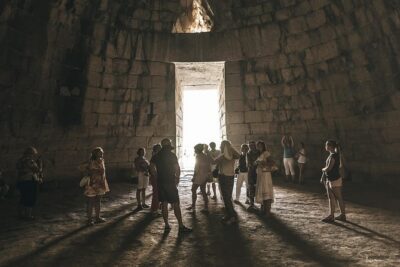 ★ 4.8From Athens: Small-Group Mycenae, Epidaurus & Nafplio TripFrom $342,805 reviews
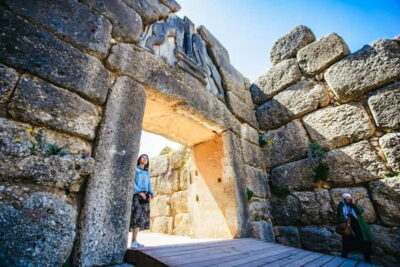 ★ 4.5From Athens: Mycenae, Epidaurus & Nafplio Full-Day TourFrom $332,530 reviews
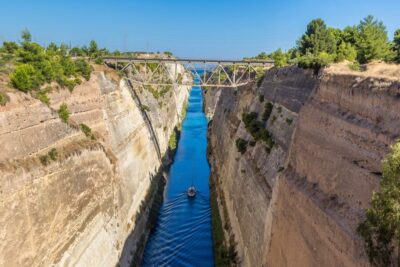 ★ 4.6Mycenae, Epidaurus and Nafplio Tour from AthensFrom $332,201 reviews
 ★ 4.54-Day Classical Greece Tour: Epidaurus, Mycenae, Olympia, Delphi, MeteoraFrom $766732 reviews
 ★ 4.8Ancient Corinth & Nafplio Full Day Trip with Swim531 reviews
 ★ 4.5Mycenae and Nafplion Day Trip from Athens with Official guideFrom $78501 reviews
 ★ 4.2Argolis: Full-Day Tour in Mycenae & NafplioFrom $41350 reviews
 ★ 4.53-Day Classical Greece Tour: Epidaurus, Mycenae, Nafplion, Olympia, DelphiFrom $520342 reviews
Browse the lists this tour appears in