
Reviewed · ATHENS FOOD TOURS
Street Food Tour – Sample the Food the Locals Love
If you like eating while walking, this fits Athens. You start at Monastiraki with koulouri and Greek coffee, then keep moving through neighborhoods where the food feels tied to daily life. It’s a guided street-food circuit built around classic bites and real local context.
I love the way the tastings cover sweet and savory in one go, without turning into a chaotic food chase. You’ll sample koulouri (sesame ring bread), loukoumades with honey and cinnamon, Greek pie with feta and spinach, and end with soup or souvlaki (or gyros). I also like the small, private feel, where your guide can steer the conversation to what you’re actually tasting.
The main consideration is the walking pace. Wear comfortable shoes, and if street noise is a problem for you, plan to stay close to your guide so you can keep up (earphones are not mentioned).
In This Review
- Key things I’d circle before you book
- Monastiraki Square to Psirri: Greek coffee, koulouri, and old streets
- The flea market route and Psirri’s shift from working-class to trendy
- Varvakios Central Market: olives, herbs, honey, and produce with real flavor
- Best Greek pie stop: feta-spinach comfort food in the middle of the walk
- Roman Agora finale: souvlaki or gyros, plus loukoumades to close it out
- Price and portion math: does $71.04 feel worth it?
- Guide-led Athens in private small groups: how to get the most out of it
- What to wear, who should book, and how to plan your night
- Should you book this Athens street food tour?
Key things I’d circle before you book
- Monastiraki start with a sweet-salty warm-up: roasted Greek coffee plus koulouri right at the square
- A guide who connects food to places: medieval, Ottoman, and Roman layers as you walk
- Psirri and its “after dark” roots: the area’s working-class past, now leaning alternative
- Varvakios Central Market sampling: olives, Greek herbs, honey, and fresh produce
- Roman Agora as a finale location: a historic market setting paired with souvlaki/gyro and loukoumades
Still hungry? More souvlaki, meze and market stalls
- Greek Food Walking Tour in Athens
★ 5.0 · 4,740 reviews - Athens: Street Food Tasting Tour
★ 4.9 · 3,343 reviews - Athens: Guided Greek Food Walking Tour with Tastings
★ 4.9 · 2,859 reviews - Small Group Greek Traditional Food Tour in Athens 20+ Tastings
★ 5.0 · 1,759 reviews
Monastiraki Square to Psirri: Greek coffee, koulouri, and old streets
This tour is built for the first time in Athens, but it still works if you’ve already seen the big landmarks. The difference is that you’re not hopping from view to view. You’re eating while you walk through neighborhoods that still function like neighborhoods.
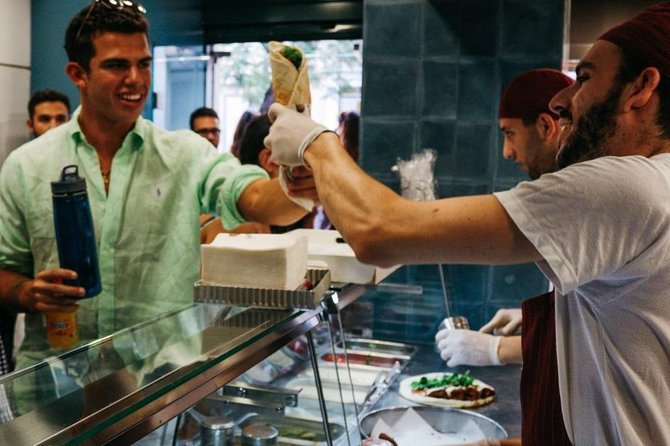
You kick things off at Monastiraki Square, meeting your guide near the Holy Church of the Virgin Mary Pantanassa (Pl. Monastirakiou). The vibe here is practical: people coming and going, sellers, shoppers, and constant street motion. Your guide sets the tone fast with roasted Greek coffee and koulouri. Koulouri is that round, sesame-crusted bread that feels like Athens breakfast in your hand. It’s sweet enough to satisfy a sugar craving, but salty enough to keep you focused on the next bite.
What I like is how the tour treats this as more than just a snack. Your guide walks you through what you’re seeing in the area, including the city’s medieval and Ottoman past alongside the life that continues now. Even if you’re not a history nerd, it helps you read the streets instead of just passing them by.
After that first stop, you’ll head through the heart of the old commercial area while you move toward the market zone. This is where the tour starts to feel like a local food routine instead of a tasting menu. You’re not just ordering. You’re getting oriented to what Greeks actually buy, share, and snack on.
In terms of timing, the day works because the food rhythm matches the walking rhythm. You’re not stuffed immediately, but you’re also not waiting hours for your next highlight. The tour is designed so you keep energy up between bites.
The flea market route and Psirri’s shift from working-class to trendy
After Monastiraki, the route leans into Psirri. This neighborhood is known for turning old working-class fabric into an Athens hangout, and you’ll get that context as you go. One of the useful things here is how your guide explains the area’s transformation without sounding like a lecture. You can usually tell when a guide is connecting the dots because it changes what you notice on the sidewalk.
Psirri is also where the tour keeps your “local snack radar” turned on. You’ll stop again for koulouri from an older bakery, one of the sources associated with the street-food culture around Athens. That repetition might sound odd on paper, but in practice it helps you compare the feeling of the food across different moments of the walk. You begin with koulouri as breakfast. Later you get it as a street snack while the neighborhood energy shifts around you.
A smart tip: if you’re the type who forgets to slow down and actually taste, use this stretch to do it. Take a moment to notice the sesame crunch, the soft bread texture, and how the flavor carries even when you’re eating on the move. Street food is all about that moment when you realize it’s not just street food. It’s street-normal.
Also, Psirri is the kind of area where you’ll likely pass through the edges of the flea market scene. You get to see that mix of casual commerce without having to fight the crowds the whole time. Your guide helps you get your bearings fast—because wandering alone here can be fun, but it’s slower and you might miss what’s worth eating.
Varvakios Central Market: olives, herbs, honey, and produce with real flavor
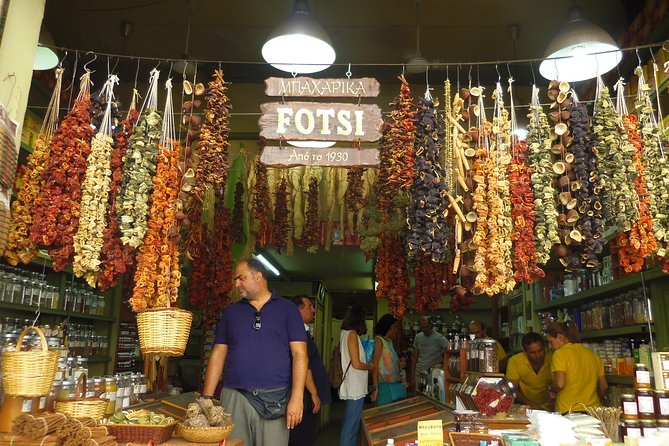
One of the most valuable parts of this tour is the time at Varvakios Central Municipal Market. This isn’t just a photo stop. You’re sampling items that are the backbone of Greek home cooking.
Here, you taste Greek olives (including Kalamata-style) and learn what makes them recognizable. You also get Greek herbs and honey, plus fresh fruits and vegetables from stalls where the produce looks like it’s chosen for actual meals—not just for display.
What I like about this market segment is that it broadens the tour beyond meat-and-cheese stereotypes. Even if you don’t eat olives at home often, tasting them here shows you why they’re a daily ingredient in Greek kitchens. The herbs and honey fit that same idea: flavor boosters that show up in lots of sweet and savory dishes.
If you’re a vegetarian or vegan, this is also where you can feel more included. The tour notes that there are options for vegans and vegetarians, and market stops generally make it easier for your guide to point you toward foods that match dietary needs. I’d treat this as your best chance to ask questions while the guide is still actively selecting what to sample.
Practical angle: market air can be intense—sometimes warm, sometimes crowded. Go slow here. Take small bites and pace yourself so you don’t arrive at the final meal thinking you’ve already had enough.
Other plates and glasses worth the detour
Best Greek pie stop: feta-spinach comfort food in the middle of the walk
Between the market and the end, you’ll get a major comfort-food highlight: Greek pie, filled with feta and spinach. This is the kind of dish that doesn’t need a culinary explanation to work. It’s salty, creamy, herby, and usually served as a warm, handheld or slice-able street-style portion.
This tour positions the pie as one of the best in Athens, and the bigger takeaway isn’t whether it’s #1. It’s that you’re getting a benchmark dish at the moment you’re ready for it. By the time you reach it, you’ve already had sesame bread and sweets. The pie becomes your savory anchor.
Also, pie is one of the easiest dishes for guides to adapt. If you’re avoiding specific ingredients, you’re not starting from scratch. Ask your guide what vegetarian or vegan options are available in the moment—pie is a category where substitutions often exist (even if they’re not always identical).
If you’re thinking about doing this tour on your first evening, the pie is a reason to do it early. It gives you that sense of Greek comfort food right away, so you can later decide what you want to repeat on your own.
Roman Agora finale: souvlaki or gyros, plus loukoumades to close it out
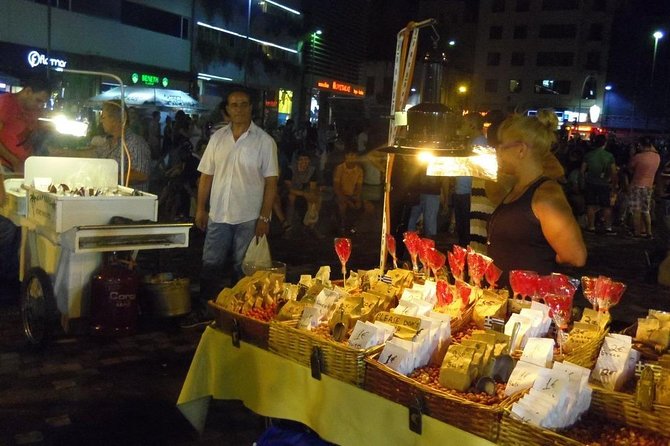
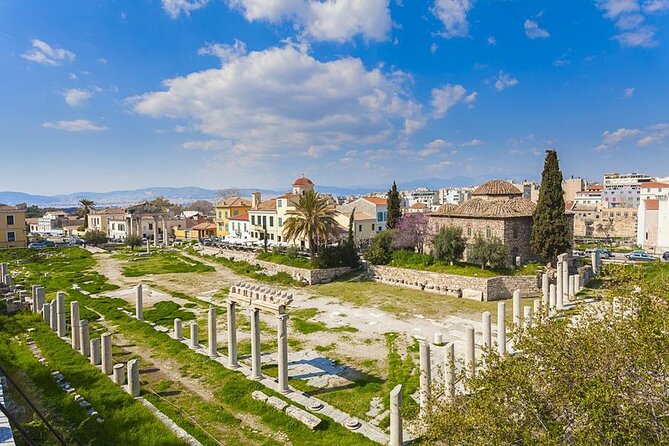
The last stretch puts you near the Roman Agora, where the setting itself adds weight to the meal. The Roman Agora is described as a market place that has been used in the same way since the mid-19th century. That detail matters because it explains why food fits here naturally. People came for goods and food long before street-food tours were a thing.
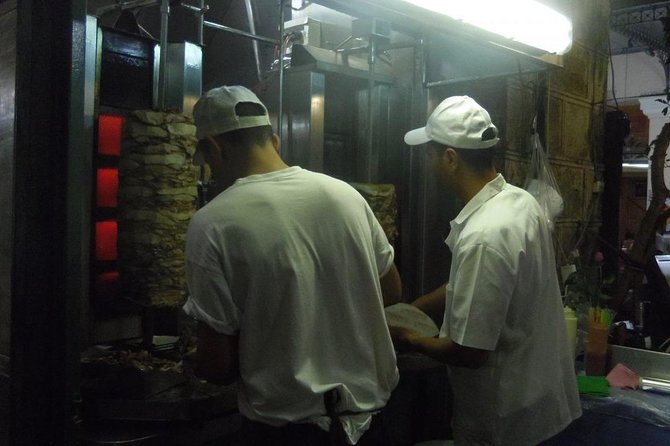
At this stage of the walk, you’ll get the savory finish: soup or souvlaki, and the menu also mentions gyros as an option. You’ll have a wrapped pita-style bread with meat, typically paired with tomato and onions and a tzatziki-style sauce. The point is not fancy plating. It’s fresh, straightforward flavor that still feels different when you eat it at street level with context.
Then comes the closing sweet note: loukoumades. These are Greek doughnuts fried fresh, served with honey and cinnamon. Loukoumades are treated as something with deep roots in the region, and on this tour they land at exactly the right time. After savory food, the honey-cinnamon sweetness feels like a reset. It’s the kind of dessert that makes you stop walking for a second, finish it slowly, and actually taste.
One more thing your guide may mention here: the idea that Greek coffee comes in specific styles and preferences. You might hear talk about cold frappé as a defining Greek coffee choice, which can be useful if you’re choosing drinks later in Athens. Even if you end up ordering something else, the explanation helps you order with intention.
Price and portion math: does $71.04 feel worth it?
At $71.04 per person for about 2.5 hours, you’re paying for three things: guided routing, multiple tastings, and the fact that you don’t have to decide what to eat next.
The included food list matters. You get coffee and koulouri at the start. You get loukoumades as dessert. You also get Greek pie and souvlaki or soup (the tour frames it as souvlaki or gyros as the main savory finale). That’s a lot of food in one window, and it explains the common advice: come hungry. If you eat a big lunch first, the tour can feel like “too much” rather than “perfect.” If you arrive with an appetite, it feels like a full meal plus snacks.
You’re also buying your guide’s role in finding spots locals love. Market stalls, older bakeries, and small eateries don’t always announce themselves to casual visitors. Even if you could find the food on your own, this tour saves you time and effort—plus it usually improves what you order because your guide is steering you toward what works.
Is it pricey? It can be. One of the ratings flagged that. But when you compare it to the cost of equivalent food and drinks eaten separately plus the time saved, it starts to look more fair—especially if you’re doing this as a first evening plan.
If you’re the type who only wants one or two foods and hates walking for “value,” this may feel like too much. If you enjoy eating your way through a neighborhood, it’s one of the easier ways to get traction on Athens fast.
Guide-led Athens in private small groups: how to get the most out of it
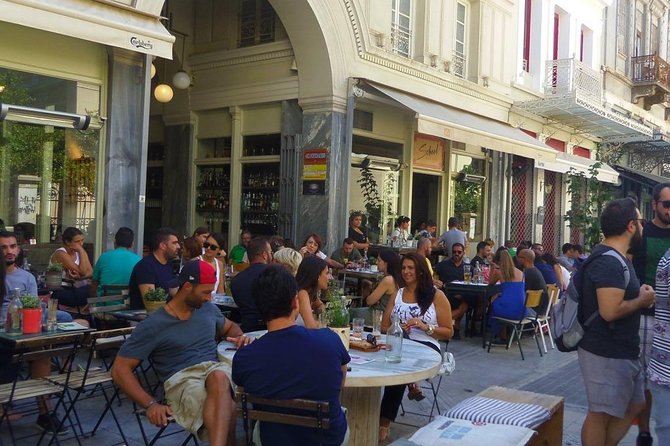
This is described as a private tour/activity, with only your group participating. That matters more than it sounds. When you’re walking in a small group, your guide can slow down when you’re trying to read a menu or stop for a quick question. You can also tailor the pace to your comfort level, especially if you’re not used to cities where you’re continuously on your feet.
The reviews mention guides like Helen, Eleni, Dionysius, and Helini, and that points to something important: the guiding style can be conversational and history-connected, not just “here’s the food, next.”
A practical approach for you: don’t be shy about asking how Greeks eat the same foods at different times of day. For example:
- What makes koulouri more of a morning snack than a sit-down breakfast?
- How do people typically pair savory items with coffee?
- What’s the difference between ordering pie as street food versus as a meal?
Those questions can turn this from a tasty walk into a real understanding of how the city eats.
One caution from feedback you should take seriously: earphones are not mentioned. So if you’re hard of hearing or you know street noise bothers you, make sure you position yourself near the guide. Also, choosing a calm, early part of the walk can help if conditions are loud.
What to wear, who should book, and how to plan your night
This tour runs in all weather conditions, and you’re walking enough that you’ll feel it. That means comfortable clothes and shoes aren’t just advice. They’re part of your enjoyment. I’d plan on lots of sidewalk time and a few quick stops where you stand, eat, and move on.
You’ll also want a simple strategy for your stomach. Do not schedule a heavy dinner right after. The tour includes several distinct tastes, and the pace is designed so you finish feeling satisfied, not stuffed and regretful.
Who it suits best:
- You want Athens food without spending time figuring out where to start.
- You like street food and want a guided path through older parts of town.
- You’re okay with walking and eating in short intervals.
Who might want to reconsider:
- You want deep, sit-down meals only.
- You dislike walking or street noise.
- You’re extremely sensitive to hearing the guide, since earphones aren’t part of the stated setup.
As for language, it’s offered in English, and that’s a big deal for getting the history and food explanations clearly.
Should you book this Athens street food tour?
I think you should book it if you want a first-night Athens plan that combines classic Greek foods with neighborhood context. The included tastings add up to a real meal experience, and the private small-group format helps you get more out of each stop than you’d get wandering alone.
If you’re price-sensitive or you hate walking, you might find it less satisfying. And if you need very clear audio, position yourself well near the guide since earphones are not mentioned.
If you’re deciding between this tour and trying to wing it, this is one of the easiest ways to avoid the common mistake in Athens: spending time searching for what to eat while missing out on the simplest local staples that make the city taste like itself.
More Tours in Athens
- Athens: Acropolis, Parthenon & Acropolis Museum Guided Tour★ 4.8 · 9,316 reviews
- The Acropolis, Parthenon & Acropolis Museum Guided Tour★ 4.7 · 8,493 reviews
- Acropolis: Premium Acropolis and Parthenon Guided Tour★ 4.8 · 5,208 reviews
- Athens: Mythology of Delphi, Museum and Arachova Guided Tour★ 4.7 · 5,102 reviews
- Acropolis and Parthenon Guided Walking Tour★ 5.0 · 4,755 reviews
- Greek Food Walking Tour in Athens★ 5.0 · 4,740 reviews
More Tour Reviews in Athens
- Athens: Acropolis & up to 5 Archaeological Sites Combo Pass★ 4.2 · 13,904 reviews
- Athens: Acropolis, Parthenon & Acropolis Museum Guided Tour★ 4.8 · 9,316 reviews
- The Acropolis, Parthenon & Acropolis Museum Guided Tour★ 4.7 · 8,493 reviews
- Athens: Cape Sounion & Poseidon Temple Sunset Half-Day Trip★ 4.8 · 8,241 reviews
- Acropolis: Premium Acropolis and Parthenon Guided Tour★ 4.8 · 5,208 reviews
- Athens: Mythology of Delphi, Museum and Arachova Guided Tour★ 4.7 · 5,102 reviews
Eat Athens: More Food Walks
- Greek Food Walking Tour in Athens★ 5.0 · 4,740 reviews
- Athens: Street Food Tasting Tour★ 4.9 · 3,343 reviews
- Athens: Guided Greek Food Walking Tour with Tastings★ 4.9 · 2,859 reviews
- Small Group Greek Traditional Food Tour in Athens 20+ Tastings★ 5.0 · 1,759 reviews
- Athens: Food Market Visit and Cooking Class with Wine★ 4.9 · 1,087 reviews
- Athens Authentic Greek Food Walking Tour (Small Group)★ 5.0 · 809 reviews
Fresh Off the Boat: New Athens Reviews





Athens Food Tours, compared.
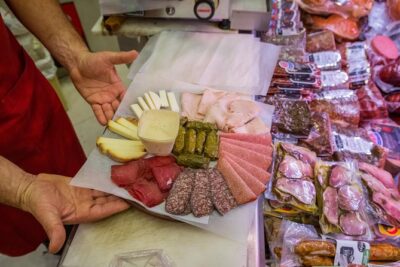 ★ 5.0Greek Food Walking Tour in AthensFrom $874,740 reviews
 ★ 4.9Street Food Tasting TourFrom $693,343 reviews
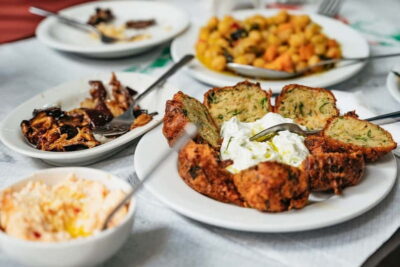 ★ 4.9Guided Greek Food Walking Tour with TastingsFrom $812,859 reviews
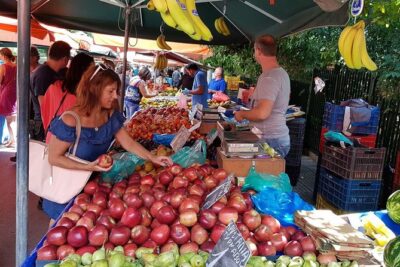 ★ 5.0Small Group Greek Traditional Food Tour in Athens 20+ TastingsFrom $841,759 reviews
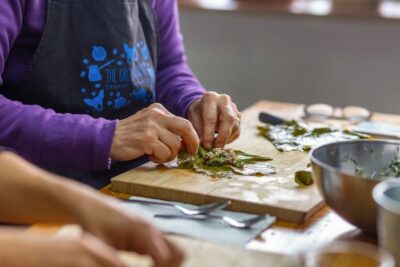 ★ 4.9Food Market Visit and Cooking Class with WineFrom $811,087 reviews
 ★ 5.0Athens Authentic Greek Food Walking Tour (Small Group)From $83809 reviews
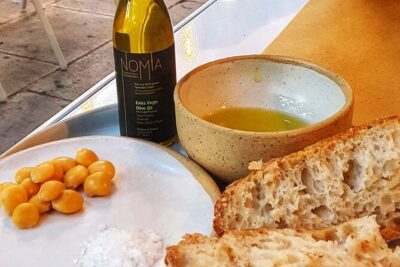 ★ 5.0Athens Greek Food Tour Small-Group ExperienceFrom $107802 reviews
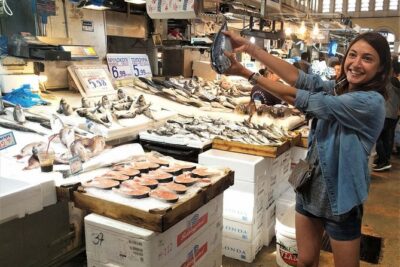 ★ 5.0Athens Evening Food TourFrom $96766 reviews
Browse the lists this tour appears in