

Reviewed · ACROPOLIS & PARTHENON TOURS
Acropolis & Agora: The Rise & Fall of Democracy
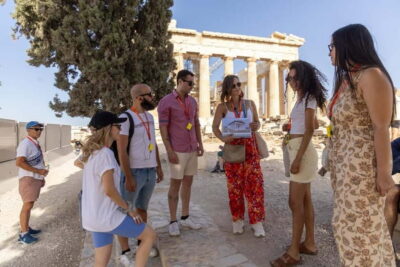
Democracy starts on a hill, not a classroom. This 3-hour Acropolis & Ancient Agora tour turns the Parthenon and the Agora into a story about how people-power worked, what it promised, and why it ran into limits. I like that it keeps both the big monuments and the political ideas in the same frame, so you leave with something to think about instead of just photos. I also like the small-group feel and the guide-led focus, which is exactly what you want on crowded Athens slopes.
My favorite parts are the way you’re walked through the Acropolis as more than myth and the way the Ancient Agora connects politics to daily life. You’ll get a structured explanation of the key values and principles behind Athenian democracy, then a clear look at why it was considered radical back then and why it eventually failed.
One thing to consider: this is a walking tour with a lot of steps on uneven ground. If you’re sensitive to hills or you need stroller/backpack flexibility, plan carefully, because the site rules and the tour pace won’t be a match.
In This Review
- Key things to know before you go
- Why this Acropolis & Agora tour feels different
- The 3-hour route: what you’ll see and why it matters
- Setting off at Dionysiou Areopagitou: getting your bearings fast
- Acropolis of Athens: propaganda, power, and public identity
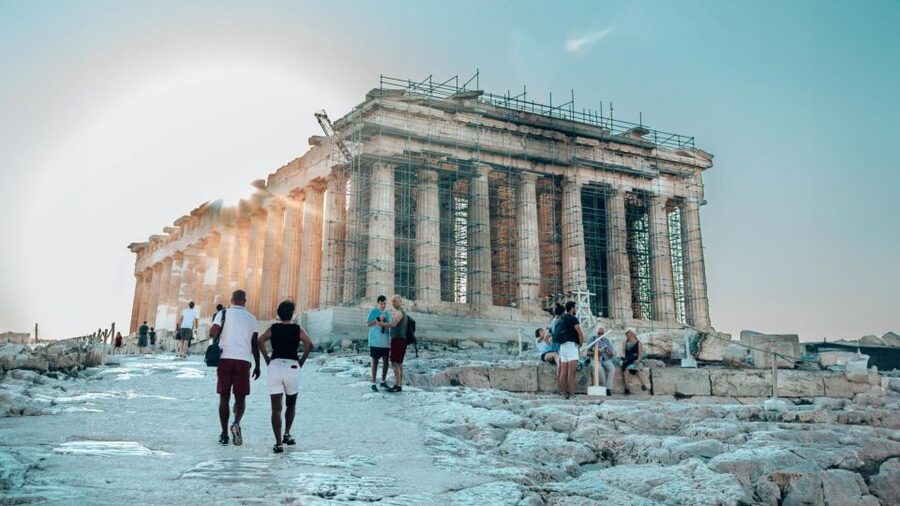
- Parthenon focus: civic pride in stone
- Smaller Acropolis stops: Athena Nike and the meaning of victory
- Ancient Agora: where democracy was first tested
- Comparing ancient democracy to today: what still works
- Guide style and group size: why the teaching matters
- Price and included value: is $69 worth it?
- Practical tips: shoes, bags, and who should skip this
- Should you book the Acropolis & Agora democracy tour?
- FAQ
- How long is the tour?
- What does the tour include?
- Where does the tour start and finish?
- Which languages are available for the guide?
- What’s the route like on the ground?
- Are there entrance fees to archaeological sites?
- Is it suitable for children?
- What should I bring?
- Are strollers or backpacks allowed?
- Is there free cancellation?
Key things to know before you go
- Democracy, not monuments only: You’ll connect civic ideas to the actual places where decisions were made.
- Acropolis as political messaging: The tour frames the Acropolis as political propaganda, not just a sacred backdrop.
- Agora as the engine room: Expect the Ancient Agora to feel like the center of public life—political, commercial, and administrative.
- Guides with real teaching style: Guides such as Maria, Anastasia, Nathalia, and Helena are repeatedly praised for clarity, friendly teaching, and smart pacing.
- A comparison to today: You’ll look at what still works in modern democracy and what often breaks down.
More ways up the sacred rock, set side by side
- Athens: Acropolis & up to 5 Archaeological Sites Combo Pass
★ 4.2 · 13,904 reviews - Athens: Acropolis, Parthenon & Acropolis Museum Guided Tour
★ 4.8 · 9,316 reviews - The Acropolis, Parthenon & Acropolis Museum Guided Tour
★ 4.7 · 8,493 reviews - Acropolis: Premium Acropolis and Parthenon Guided Tour
★ 4.8 · 5,208 reviews
Why this Acropolis & Agora tour feels different
The Acropolis can be a blur if you only chase the postcard angles. This tour keeps you grounded in one core question: how did democracy get born in Athens, and why did it stumble?
What I like is that you don’t just get names and dates. You get the story behind the word demokratia, people-power, and then you immediately face the tricky follow-up: who counted as “the people,” and what power did they actually hold? That framing changes how you look at the sites, because you start reading architecture and public spaces like political tools.
You also get a guided path that links myth, civic identity, and real institutions. It’s not a lecture that floats above the stones. The guide brings the discussion back to what you’re standing next to, so the stones feel “lived in,” even if the original crowds are long gone.
The 3-hour route: what you’ll see and why it matters
The tour is built as a clear line from top to bottom: Acropolis first, then the Ancient Agora where civic life unfolded at street level.
That order matters. The Acropolis is where Athens displayed authority and pride. The Agora is where political life, business, and administration met people in the same place. When you do them in one run, the idea of democracy lands more naturally. You can feel the contrast between symbolism high on the hill and negotiation down in the city.
The timing is compact, but the stops are meaningful:
- Short guided segments through the approach and key Acropolis structures
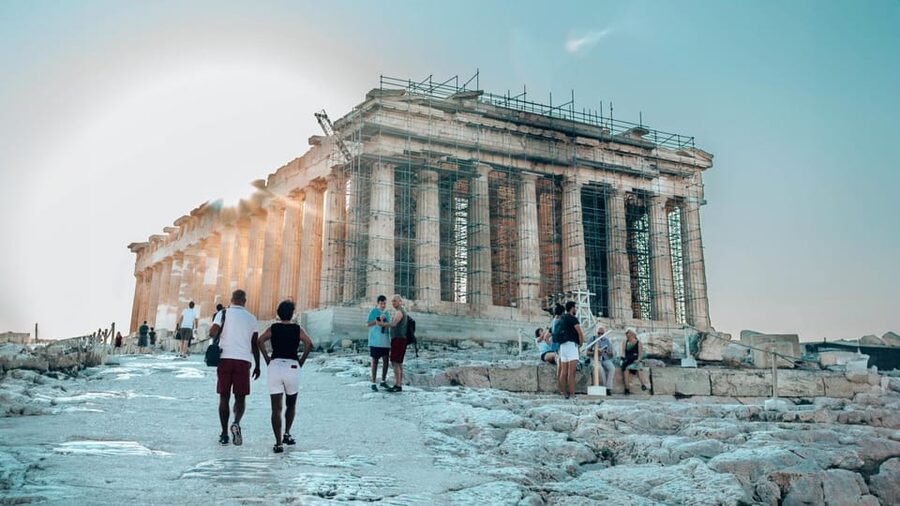
- A longer focus on the Parthenon (about an hour)
- Then a paced descent into the Ancient Agora area, where you get a focused look at institutions and civic activity
- A final stop at the Temple of Hephaestus (about 30 minutes), which gives a calmer closing note after the politics-heavy Agora section
If you’ve only got a half-day in Athens, this is one of those smart, time-efficient ways to avoid “I saw it, but I didn’t get it.”
Setting off at Dionysiou Areopagitou: getting your bearings fast
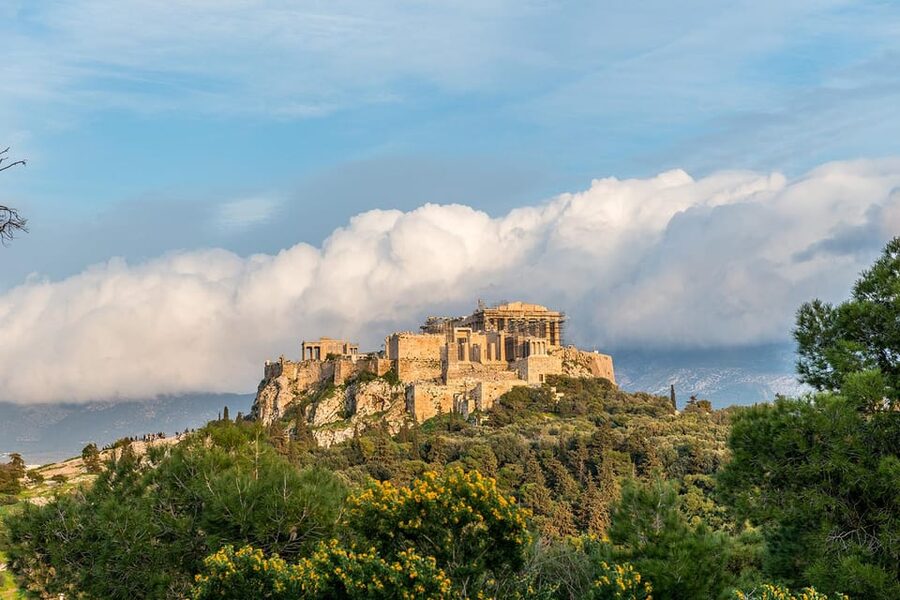
The meeting point may vary, but one option is Dionysiou Areopagitou 45. Either way, you’ll be starting in the central Acropolis approach zone, which helps you avoid wasting your first hour “finding the entrance.”
I also appreciate that the tour is designed as a walking experience with a guide leading the order. If you try to DIY this route, you might spend time figuring out what you’re looking at. With a guide, you spend time learning why those places mattered.
Down where the old city met and traded


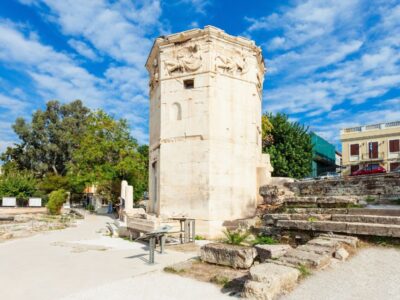
Acropolis of Athens: propaganda, power, and public identity
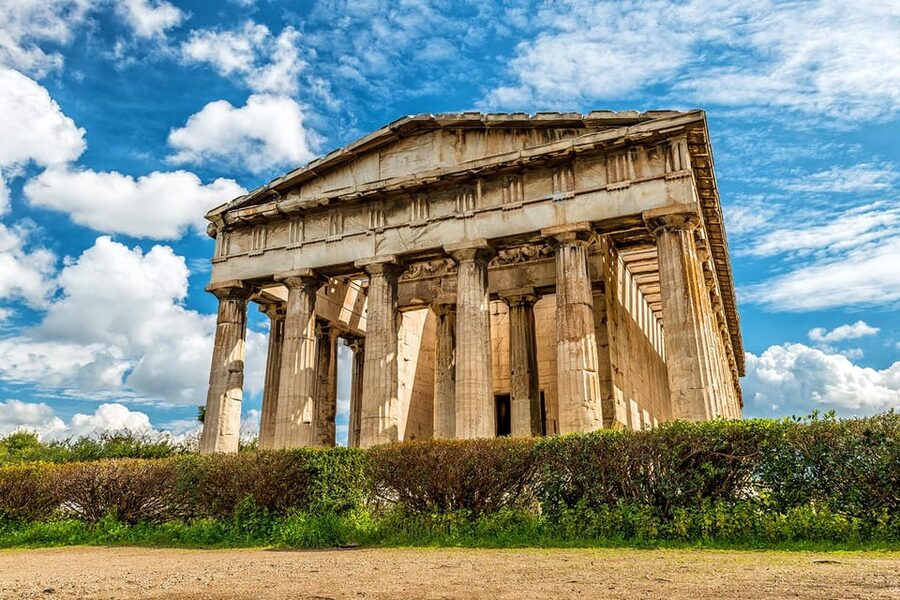
At the Acropolis, the tour doesn’t treat the site like a single monument. It treats it like a political stage.
You’ll learn how Athenians used the Acropolis to project political messaging—basically, how a city shows who it is and what it claims to represent. That idea clicks quickly once you start linking the structures with civic meaning instead of just admiring craftsmanship.
The stops on the way up help you build that mental map:
- Odeon of Herodes Atticus (brief guided stop): a reminder that public life wasn’t only debates and voting; it also included performances and gatherings.
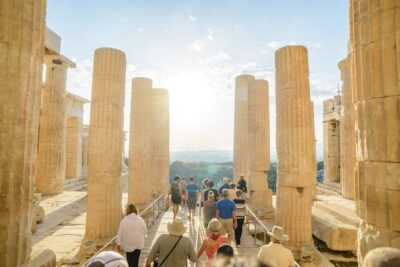
- Propylaea (short guided stop): the “gateway” feeling matters because it signals transition from everyday Athens into a space tied to identity and authority.
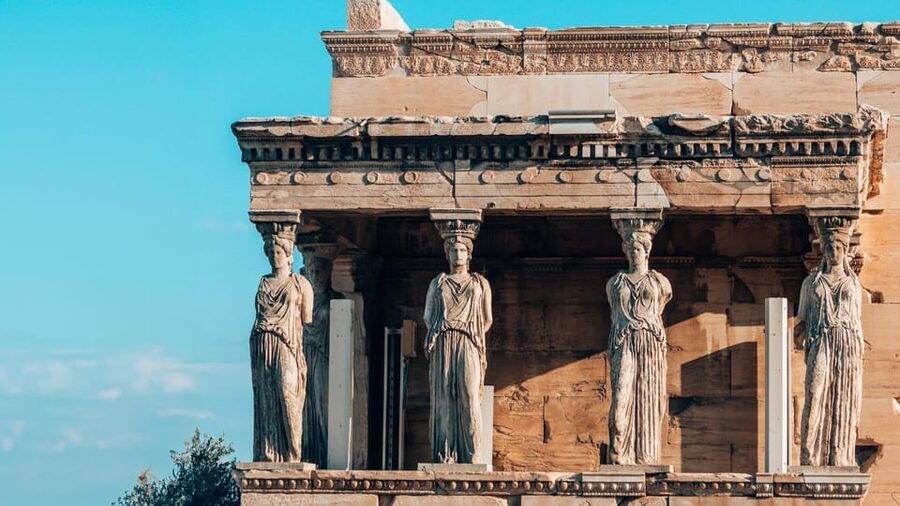
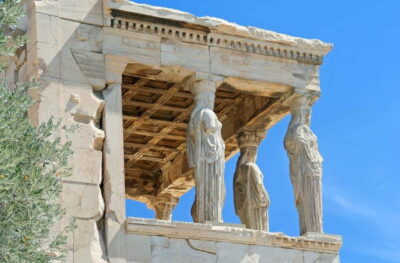
- Erechtheion (short guided stop): another checkpoint where you see the Acropolis as layered with multiple associations, not one clean story.
The pacing here is important. The guided segments are long enough to give context, short enough to keep you moving before your legs revolt.
Parthenon focus: civic pride in stone
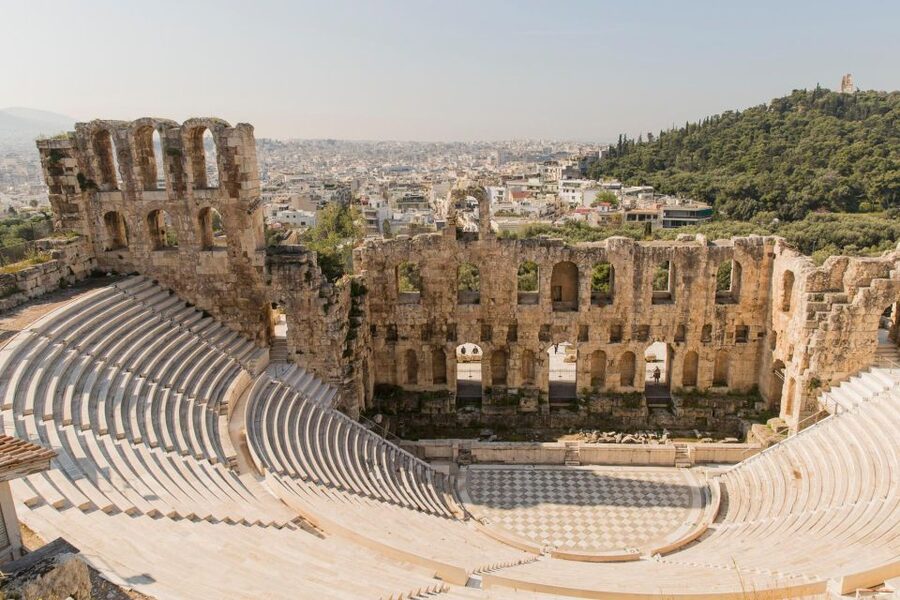
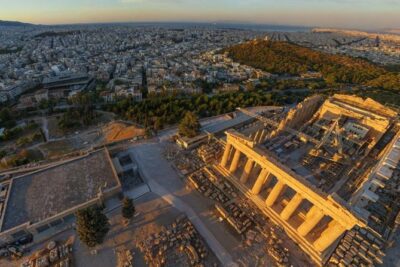
The Parthenon stop is the centerpiece, with about one hour dedicated to it. This is where the tour’s democracy story starts to feel connected to real civic identity rather than abstract theory.
You’ll spend time with the meanings behind the monument and how it fits into Athens’s self-presentation. The guide’s job is to make you notice what you might otherwise skip: how public buildings can reinforce public values, and how a city’s political story gets written into its most visible spaces.
If you’re the type who likes to understand what you’re looking at before you take the photo, you’ll enjoy this Parthenon block. If you’re mostly photo-first, you might find yourself wishing for a little more free time afterward, but the hour still gives you a solid window to absorb and look closely.
Smaller Acropolis stops: Athena Nike and the meaning of victory

After the Parthenon focus, the tour includes Temple of Athena Nike (short guided stop, about 15 minutes).
This stop helps you understand how themes of power and identity show up in repeated civic symbolism. It’s easy to treat these temples like scenery. Here, you’re taught to see them as parts of a bigger political message.
And yes, this section is still on the hill. You’ll want comfortable shoes, because Athens stone can be unforgiving under a tight schedule.
Ancient Agora: where democracy was first tested
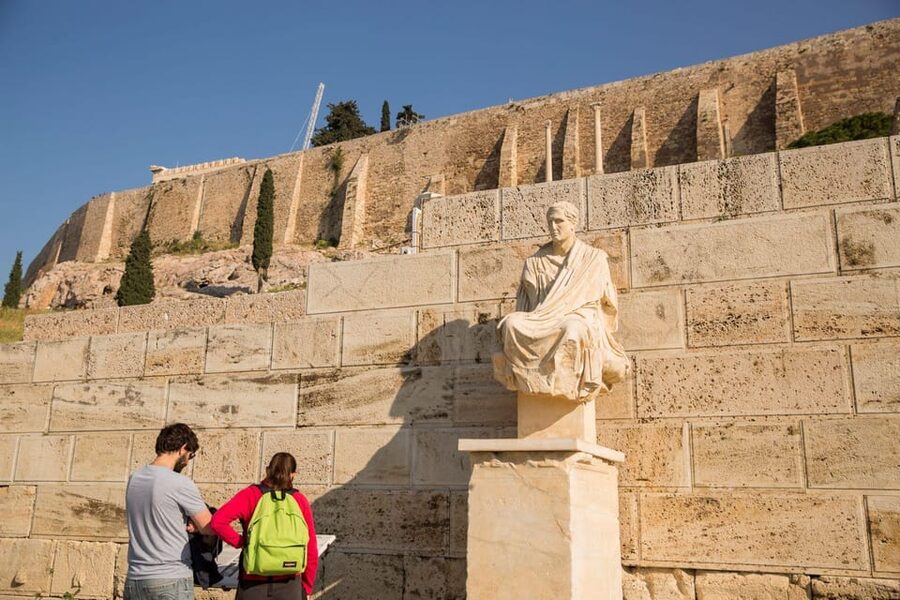
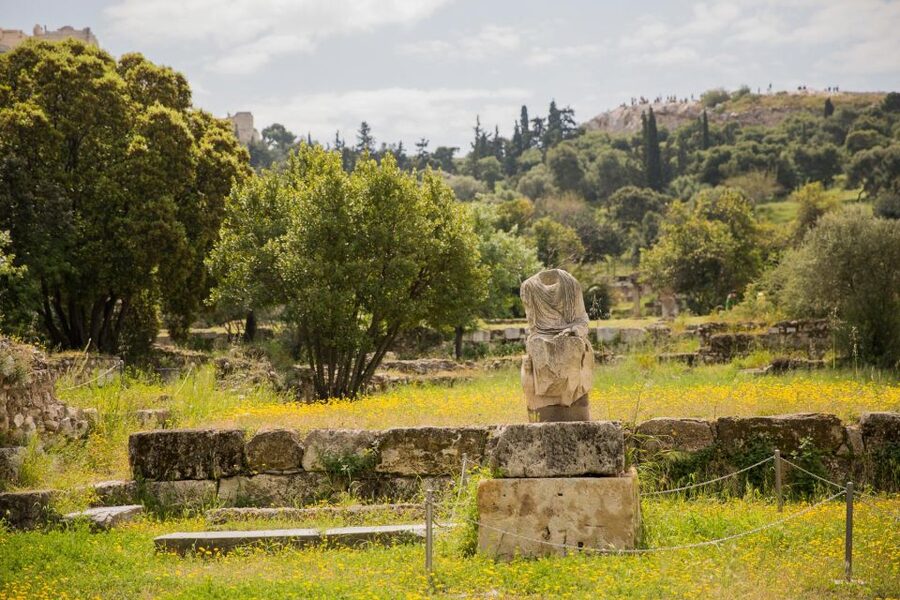
Then you leave the high ground and step into the Ancient Agora of Athens, which the tour describes as the heart of ancient Athens—political, commercial, and administrative.
This is the moment the tour earns its title. The Agora is where “people-power” stops sounding like a concept and starts sounding like a system. The guide explains historical personalities and facts that led to democracy in Athens, plus the values and principles that shaped how decisions were made.
What helps is that the tour also frames democracy as an experiment—radical for its time—and that it wasn’t a perfect ideal. You’ll learn the purposes it served, then the reasons it was considered to fail later. That rise-and-fall approach keeps you from romanticizing the past.
You also get:
- Temple of Hephaestus (about 30 minutes) as a strong closing site
- A final finish back in the Agora area
That finish is practical. You’re not stranded across town right after the big museums. You can keep exploring nearby neighborhoods at your own speed.
Comparing ancient democracy to today: what still works
One of the most useful parts of the tour is the comparison to contemporary democracy.
The guide doesn’t ask you to pretend the ancient system equals modern politics. Instead, you’ll look at structural elements of the democratic regime that still serve society successfully, and elements that often fail. The point isn’t to score the past. It’s to show that political systems face recurring challenges: who gets included, how decisions are made, and what happens when the system strains under real human behavior.
I like these moments because they turn the sites into a mirror. You walk away thinking about democracy as an ongoing practice, not a finished achievement from 2,600 years ago.
Guide style and group size: why the teaching matters
This is a walking small group tour with a certified guide and live instruction in English and French.
From the experiences shared with guides like Maria, Anastasia, Nathalia, and Helena, the standout theme is clear teaching plus friendly engagement. Maria is noted for being particularly knowledgeable and for offering helpful focal points around the Ancient Agora museum area. Anastasia is praised for bilingual clarity, strong pedagogy, smart question-handling, and kindness with pacing breaks—things that matter when you’re walking a lot and absorbing a complex story.
That kind of guide makes a difference. With the Acropolis and Agora, the risk is information overload. A good guide helps you prioritize. You learn the story that matters most, and you get just enough time to look closely without feeling rushed.
Price and included value: is $69 worth it?
At $69 per person for a 3-hour tour, the value is strongest if you want guided context, not just entry access.
Here’s what you’re getting that’s hard to replicate on your own:
- A structured route through the Acropolis and Ancient Agora that keeps the democracy story connected
- A certified live guide (English or French)
- Ancient Athens fun city map
- Entry tickets are included only if you pick that option, so double-check what’s bundled when you book
If you already plan to visit both sites anyway, this tour can save you the headache of figuring out what to focus on. If you’re the do-it-yourself type with a strong interest in ancient Greek politics and you don’t need hand-holding, you might compare costs by day and decide. But if you want the sites explained in a way that makes democracy feel real, this price is reasonable for Athens’ top attractions.
Also keep in mind what’s not included: food and drinks. Plan on water, and consider a snack before or after, since the tour is only three hours and you won’t want to scramble mid-route.
Practical tips: shoes, bags, and who should skip this
Bring comfortable shoes and comfortable clothes. You’ll want to move at a steady pace on uneven ground.
Site rules and tour limits matter here:
- No baby strollers, no pets (assistance dogs allowed)
- Backpacks are not allowed
- Large bags and big items aren’t allowed on the Acropolis
- The tour is marked not suitable for children under 8, wheelchair users, and visually impaired people
So my advice is simple: pack light and plan your day around walking. If you need mobility support or extra time for accessibility reasons, this probably won’t be a comfortable fit.
Should you book the Acropolis & Agora democracy tour?
Book it if you want Athens to make sense beyond the skyline. This tour is ideal when you like your sightseeing with a theme—how democracy works, why it was radical, and why it failed—and you want that theme grounded in the real locations where it happened.
Skip it (or consider another format) if you’re primarily after a slow, flexible wander, because this is a guided walk with set stops and a focused schedule. Also skip if the walking and site rules won’t work for your needs.
If your goal is to leave the Acropolis and Agora with a clearer understanding of how people-power was imagined, practiced, and questioned, this is an efficient, high-value way to do it in one afternoon.
FAQ
How long is the tour?
The tour lasts about 3 hours.
What does the tour include?
It includes a walking small group format, a certified live guide, and Acropolis & Ancient Agora entry tickets if you choose the option that includes them. You also get an Ancient Athens fun city map.
Where does the tour start and finish?
The meeting point can vary by option, and one listed option is at Dionysiou Areopagitou 45. The tour finishes at the Ancient Agora of Athens.
Which languages are available for the guide?
Guides are available in French and English.
What’s the route like on the ground?
It’s a walking route with multiple guided stops. You’ll visit the Acropolis sites first, then move to the Ancient Agora and finish in the Agora area, including time at the Temple of Hephaestus.
Are there entrance fees to archaeological sites?
Entrance fees are not included by default, but you can have them pre-purchased for you if you let the provider know. Entry fees are non-refundable and non-exchangeable.
Is it suitable for children?
It is not suitable for children under 8 years old.
What should I bring?
Bring a passport or ID card, wear comfortable shoes and comfortable clothes.
Are strollers or backpacks allowed?
No. Strollers and pets are not allowed, and backpacks are not allowed at the Acropolis.
Is there free cancellation?
Yes. You can cancel up to 24 hours in advance for a full refund.
More Tour Reviews in Athens
- Athens: Acropolis & up to 5 Archaeological Sites Combo Pass★ 4.2 · 13,904 reviews
- Athens: Acropolis, Parthenon & Acropolis Museum Guided Tour★ 4.8 · 9,316 reviews
- The Acropolis, Parthenon & Acropolis Museum Guided Tour★ 4.7 · 8,493 reviews
- Athens: Cape Sounion & Poseidon Temple Sunset Half-Day Trip★ 4.8 · 8,241 reviews
- Acropolis: Premium Acropolis and Parthenon Guided Tour★ 4.8 · 5,208 reviews
- Athens: Mythology of Delphi, Museum and Arachova Guided Tour★ 4.7 · 5,102 reviews
More Hours in the Ancient Agora
- Athens Half Day Tour, Acropolis, Parthenon, Temple of Olympian Zeus & Hephaistus★ 5.0 · 609 reviews
- Athens: Agora and Hephaistos Temple Entrance Ticket★ 4.0 · 449 reviews
- Athens: Ancient Agora E-Ticket and Audio Tour★ 3.9 · 413 reviews
- Athens: Roman Agora & Ancient Agora E-ticket & 2 Audio Tours★ 4.1 · 107 reviews
- Acropolis & Ancient Agora Guided tour included all Entrances★ 4.9 · 102 reviews
- Ancient Athens Segway Tour with Agora and Kerameikos★ 5.0 · 94 reviews
The Acropolis, a Few More Ways Up
- Athens: Acropolis & up to 5 Archaeological Sites Combo Pass★ 4.2 · 13,904 reviews
- Athens: Acropolis, Parthenon & Acropolis Museum Guided Tour★ 4.8 · 9,316 reviews
- The Acropolis, Parthenon & Acropolis Museum Guided Tour★ 4.7 · 8,493 reviews
- Acropolis: Premium Acropolis and Parthenon Guided Tour★ 4.8 · 5,208 reviews
- Acropolis and Parthenon Guided Walking Tour★ 5.0 · 4,755 reviews
- Athens: Acropolis, Parthenon & Acropolis Museum Guided Tour★ 4.8 · 3,579 reviews
Fresh Off the Boat: New Athens Reviews





Acropolis & Parthenon Tours, compared.
 ★ 4.2Acropolis & up to 5 Archaeological Sites Combo PassFrom $4213,904 reviews
 ★ 4.8Acropolis, Parthenon & Acropolis Museum Guided TourFrom $409,316 reviews
 ★ 4.7The Acropolis, Parthenon & Acropolis Museum Guided TourFrom $408,493 reviews
 ★ 4.8Acropolis: Premium Acropolis and Parthenon Guided TourFrom $405,208 reviews
 ★ 5.0Acropolis and Parthenon Guided Walking TourFrom $414,755 reviews
★ 4.8Acropolis, Parthenon & Acropolis Museum Guided TourFrom $413,579 reviews
★ 5.0Acropolis and Parthenon Guided Walking TourFrom $414,755 reviews
★ 4.8Acropolis, Parthenon & Acropolis Museum Guided TourFrom $413,579 reviews
 ★ 4.0Acropolis Ticket with Audio GuideFrom $473,575 reviews
 ★ 5.0Athens Scenic Electric Bike Tour with optional Acropolis visitFrom $353,350 reviews
Browse the lists this tour appears in