
Reviewed · ACROPOLIS & PARTHENON TOURS
Acropolis and Acropolis Museum (Small Group Afternoon Walking Tour)
One place in Athens never gets old: the Acropolis. What makes this tour click is the combo of Acropolis Museum first (so the stones make sense) and then a guided climb with smart stops and big photo moments.
I love how the museum visit is built to give you context fast—models of the Acropolis and ancient Athens, plus key sculptures from the Parthenon slopes you can actually study. I also really like that the guide brings the site to life with specific stops and stories, with guides named Nikos (also written Nico/Nicholas in some comments) showing up again and again.
The main thing to consider is practical: you’ll be walking on uneven ground (and the marble can be slippery), so you’ll want shoes with traction and a moderate pace—especially if it’s hot or rainy.
In This Review
- Key Things You’ll Notice
- Why This Afternoon Acropolis Plan Works Better Than a Hit-and-Run
- Entering at the Acropolis Museum: Where the Stones Explain Themselves
- What you’ll see on the way to the Parthenon Gallery
- Color traces on Parthenon sculptures: the detail people miss on their own
- Archaic statues and famous names you can carry with you
- Caryatids at the Erectheion: sculpture that feels like architecture
- The third floor Parthenon Gallery and the myths
- Museum time: what to expect
- From Museum to Acropolis: The South Slope Route That Keeps You Oriented
- Dionysos Theater and Asclepios: Athens as a layered city
- Temple of Athena Nike and the view that makes you pause
- Philopappus and Mars Hill: history with multiple meanings
- The Propylaea gate and then the top
- Time on your feet
- Skip-the-Line and the Real Value of a Licensed Guide
- Practical Logistics: Tickets, Shoes, and What You Should Bring
- Price vs. entrance fees
- Mobile ticket
- Shoes matter (a lot)
- Pace and physical fitness
- Timing: a 4:00 pm start
- Who This Tour Best Suits
- Should You Book This Acropolis and Acropolis Museum Afternoon Tour?
- FAQ
- What time does the tour start?
- How long is the tour?
- Does the tour include entrance tickets?
- What exactly does the skip-the-line service mean?
- Where is the meeting point?
- Where does the tour end?
- Is this tour suitable for kids or families?
- What language is the tour offered in?
- How many people are in a group?
- What kind of physical fitness do I need?
- Do I need to do anything with tickets on my phone?
Key Things You’ll Notice
- Museum first, Acropolis second: you’ll understand what you’re seeing before you climb
- Skip-the-line included: less time stuck, more time looking closely
- Specific photo-stop viewpoints: Temple of Athena Nike, Parthenon views, and more
- A tight route for the time: a tour rhythm that stays under about 2 hours of walking
- Small group size (max 10): it stays easy to hear and move at your pace
More ways up the sacred rock, set side by side
- Athens: Acropolis & up to 5 Archaeological Sites Combo Pass
★ 4.2 · 13,904 reviews - Athens: Acropolis, Parthenon & Acropolis Museum Guided Tour
★ 4.8 · 9,316 reviews - The Acropolis, Parthenon & Acropolis Museum Guided Tour
★ 4.7 · 8,493 reviews - Acropolis: Premium Acropolis and Parthenon Guided Tour
★ 4.8 · 5,208 reviews
Why This Afternoon Acropolis Plan Works Better Than a Hit-and-Run

Athens has plenty of tours that shove you into a crowd and hope you’ll be impressed. This one is more sensible: you start in the museum at 4:00 pm and then head up to the Acropolis while the light is usually kinder and the day’s heat has eased. That means you can actually look, not just sprint between landmarks.
Also, this schedule is the kind that feels practical if you’re juggling the rest of your trip. Three hours and change isn’t short, but it’s not a whole evening commitment either. You get a guided story arc: artifacts first, then the setting they came from.
And since this is a small group (up to 10 people), the pace tends to be manageable. In the comments, people repeatedly mention feeling un-rushed and able to take photos without constant pressure.
Entering at the Acropolis Museum: Where the Stones Explain Themselves

Your tour starts at Makrigianni 4 with a licensed guide, then you walk over to the Acropolis Museum together. Before you even go inside, you’ll look at ancient neighborhood remains under/around the museum area—an early reminder that this wasn’t a site with buildings placed “on top,” it was built and rebuilt in layers of real city life.
Inside, the museum portion is structured like a guided set of stepping-stones:
What you’ll see on the way to the Parthenon Gallery
You’ll start with models of the Acropolis and ancient Athens. This matters more than it sounds. When you later stand at the Parthenon and Erectheion, those models help you orient quickly—where things are, how the complex fits together, and why certain views exist.
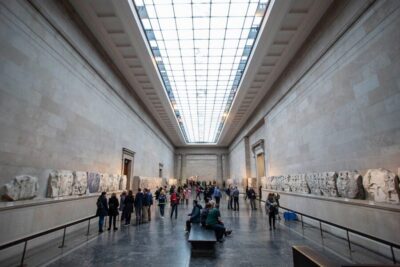
Then you’ll move into major finds from the slopes of the Acropolis. The museum also includes important Parthenon-related sculptures and artifacts, not just generic “Greece stuff.” The guide helps you connect the objects to the architecture you’ll see outside.
Cool marble halls, out of the Athens sun


Color traces on Parthenon sculptures: the detail people miss on their own
One of the standout museum moments is standing in awe before the sculptures tied to the Parthenon (described here as built in the 6th century B.C.), and noticing traces of color still visible on them. That’s a strong reminder: these weren’t always plain-white ruins. You’re training your eyes before you reach the real thing.
Archaic statues and famous names you can carry with you
The museum walk includes famous archaic sculptures—mentioned with names like the calfbearer and the child of Kritias. Those labels aren’t trivia for trivia’s sake; they’re anchors. When the guide later points out forms and symbolism on the Acropolis, you’ll have mental tags to latch onto.
Caryatids at the Erectheion: sculpture that feels like architecture
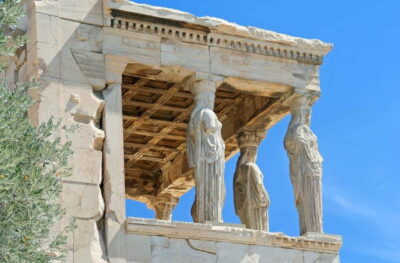
You’ll also see the Caryatids, the sculpted maidens associated with the Erectheion. It’s one thing to see the Erectheion from a distance; it’s another to understand why these figures matter structurally and artistically.
The third floor Parthenon Gallery and the myths
On the third floor, the guide explains the concept and arrangement of the Parthenon Gallery and then ties it to myths connected to what you see. This part is where the museum stops being a collection and becomes a story you can follow.
Museum time: what to expect
The museum stop runs about 1 hour 30 minutes and includes admission through the guide’s process, but keep in mind: entrance fees are separate (more on that in the practical section below). This timing gives you enough depth without dragging.
From Museum to Acropolis: The South Slope Route That Keeps You Oriented
After the museum, you head to the Acropolis. The route follows the south slope, and that choice helps you in two ways: you avoid a pure “straight to the top” scramble, and you’ll build understanding as you climb.
Dionysos Theater and Asclepios: Athens as a layered city
Early on, you’ll pass the Dionysos Theater, described as one of the oldest theaters in Greece. It sets a clear theme—this place wasn’t only religious and political, it also held public life and performance.
A few meters farther, you’ll encounter the Sanctuary of Asclepios, the god of medicine. Again: you’re not just walking past stones. You’re seeing how Athens organized important parts of life on the Acropolis hill.
Temple of Athena Nike and the view that makes you pause
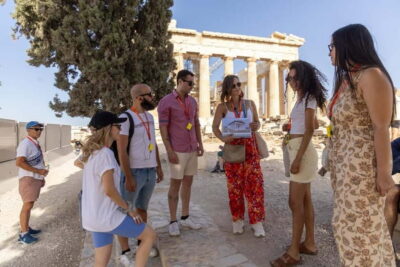
Before the top, you’ll admire the Temple of Athena Nike. This is also where many people slow down for photos, because you get a real feel for the angle of the hill and the way structures frame the city.
And the guide doesn’t just point. You’ll learn what to look for, including nearby features like the Odeon of Herodes, where concerts are still held.
Philopappus and Mars Hill: history with multiple meanings
You’ll also see:
- The once imposing funeral monument of Philopappus
- Mars Hill, the place associated with St Paul speaking about the unknown God
If you’ve ever wondered why the Acropolis matters beyond Greek history, this kind of stop is the answer. It’s a site that has been reinterpreted many times—religiously, politically, and culturally.
The Propylaea gate and then the top
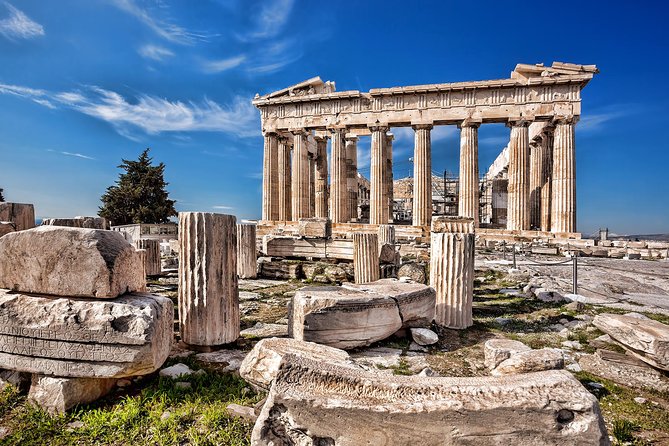
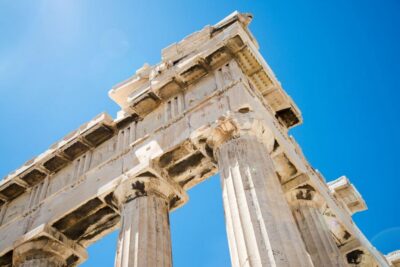
As you approach the upper area, you’ll pass the monumental gate, the Propylaea. Then you reach the top, where the big payoff is the Parthenon and the Erectheion.
This is the part you’ve likely pictured in your head already—but with the museum context, you’ll notice more than just the silhouette. The guide helps you understand what you’re looking at, so the famous buildings feel like more than postcard shapes.
Time on your feet
The Acropolis portion runs about 1 hour 45 minutes. Even better, the overall walking-tour style is designed to be under about 2 hours of actual walking for many guests, so it doesn’t become an all-day grind.
Still, bring realistic expectations: it’s stone steps, uneven ground, and stairs.
Skip-the-Line and the Real Value of a Licensed Guide
This tour includes a licensed tour guide and skip-the-line service. In practice, that usually means you’re not burning your vacation waiting in a long queue right when you most want to start looking.
People in the tour comments repeatedly praise guides who go beyond a basic script—naming specific sculptures, pacing the group, and taking time for photos. One recurring theme is that the museum visit makes the Acropolis visit feel dramatically more meaningful, because you already understand the references.
Also, the guide helps with the flow. A common frustration at major sites is losing time to confusion: where to stand, which entrance to use, and how to keep the group moving without losing people. This tour is built to keep you moving in a clear sequence.
Practical Logistics: Tickets, Shoes, and What You Should Bring
Let’s talk money and friction, because that’s what really decides if a tour feels worth it.
Price vs. entrance fees
The tour price is $61.47 per person, and it does not include entrance fees. Entrance fees are listed as:
- €30 for the Acropolis
- €20 for the Acropolis Museum
That’s €50 total per person, and the tickets are purchased in cash from the guide. So your all-in budget needs to include that extra cash step.
Mobile ticket
You’ll have mobile phone downloadable tickets, which helps save paper and reduces last-minute hassle.
Shoes matter (a lot)
The route includes marble and stone surfaces. Comments specifically recommend wearing shoes with traction, and there’s mention of the guide paying attention to safety on slippery marble (and even pacing for rain). Do yourself a favor: skip thin soles.
Pace and physical fitness
The tour calls for moderate physical fitness. It’s not described as extreme trekking, but it’s definitely not a stroll. Plan to walk stairs and stand in viewing spots.
Timing: a 4:00 pm start
A 4:00 pm start is usually a smart bet in Athens. It tends to avoid the peak midday heat. And the afternoon light also tends to flatter the stone and make the viewpoints more forgiving for photos.
Who This Tour Best Suits
This tour fits best if you want your Acropolis visit to feel structured and understandable, not chaotic.
You’ll likely love it if:
- You appreciate context and want the museum first so you can read the buildings
- You prefer a small group (max 10) instead of a big crowd crush
- You value skip-the-line time savings
- You want a route with specific stops like Temple of Athena Nike and Mars Hill
It might be less ideal if:
- You want total free time to wander with no guidance at all
- You can’t handle stairs and uneven stone surfaces
- You strongly dislike the idea of paying entrance fees in cash from the guide (even though the amount is clearly stated)
Should You Book This Acropolis and Acropolis Museum Afternoon Tour?
If your goal is to leave Athens understanding why the Acropolis looks the way it does—and not just snapping photos and moving on—this is a strong pick. The museum-first order is the big reason. It turns the Parthenon and Erectheion from famous silhouettes into something you can actually interpret while you’re standing there.
Book it if you want:
- A guided explanation of major sculptures and myths
- A tight, efficient route with skip-the-line
- A more comfortable afternoon pace
I’d think twice if you’re on a strict footwear or mobility limit, or if you can’t manage cash for entrance fees. Otherwise, for the price, the combination of museum depth plus Acropolis viewpoints is a practical way to get a lot of meaning out of a short Athens window.
FAQ
What time does the tour start?
It starts at 4:00 pm.
How long is the tour?
It lasts about 3 hours 15 minutes.
Does the tour include entrance tickets?
No. Entrance fees are not included. You pay €30 for the Acropolis and €20 for the Acropolis Museum, purchased in cash from the guide.
What exactly does the skip-the-line service mean?
The tour includes skip-the-line service, which is intended to reduce waiting time as you enter the sites.
Where is the meeting point?
The meeting point is Makrigianni 4, Athina 117 42, Greece.
Where does the tour end?
It ends at AcropoliAthens 117 42, Greece.
Is this tour suitable for kids or families?
Yes. Tickets are discounted for children aged 17 and under, and persons under 18 can be entitled to a free entrance ticket with ID.
What language is the tour offered in?
The tour is offered in English.
How many people are in a group?
The tour has a maximum of 10 travelers.
What kind of physical fitness do I need?
It’s listed as requiring moderate physical fitness, since there is walking and uneven stone terrain.
Do I need to do anything with tickets on my phone?
Yes. Downloadable mobile tickets are provided to help you save time and paper.
Athens on Foot, Continued
- Acropolis and Parthenon Guided Walking Tour★ 5.0 · 4,755 reviews
- Greek Food Walking Tour in Athens★ 5.0 · 4,740 reviews
- Athens: Guided Greek Food Walking Tour with Tastings★ 4.9 · 2,859 reviews
- Acropolis monuments & Parthenon Walking Tour with Optional Acropolis Museum★ 5.0 · 2,678 reviews
- Athens Acropolis and Parthenon Walking Tour★ 4.5 · 1,355 reviews
- Acropolis, Parthenon & Athens Old City Heritage Walking Tour★ 4.5 · 876 reviews
Athens Indoors: More Museums
- Athens: Acropolis, Parthenon & Acropolis Museum Guided Tour★ 4.8 · 9,316 reviews
- The Acropolis, Parthenon & Acropolis Museum Guided Tour★ 4.7 · 8,493 reviews
- Athens: Acropolis, Parthenon & Acropolis Museum Guided Tour★ 4.8 · 3,579 reviews
- Acropolis monuments & Parthenon Walking Tour with Optional Acropolis Museum★ 5.0 · 2,678 reviews
- Athens: Acropolis Museum Ticket with optional Audio Guide★ 4.4 · 2,652 reviews
- Athens: Acropolis, Parthenon and Acropolis Museum Guided Tour★ 5.0 · 1,778 reviews
The Acropolis, a Few More Ways Up
- Athens: Acropolis & up to 5 Archaeological Sites Combo Pass★ 4.2 · 13,904 reviews
- Athens: Acropolis, Parthenon & Acropolis Museum Guided Tour★ 4.8 · 9,316 reviews
- The Acropolis, Parthenon & Acropolis Museum Guided Tour★ 4.7 · 8,493 reviews
- Acropolis: Premium Acropolis and Parthenon Guided Tour★ 4.8 · 5,208 reviews
- Acropolis and Parthenon Guided Walking Tour★ 5.0 · 4,755 reviews
- Athens: Acropolis, Parthenon & Acropolis Museum Guided Tour★ 4.8 · 3,579 reviews
Fresh Off the Boat: New Athens Reviews





Acropolis & Parthenon Tours, compared.
 ★ 4.2Acropolis & up to 5 Archaeological Sites Combo PassFrom $4213,904 reviews
 ★ 4.8Acropolis, Parthenon & Acropolis Museum Guided TourFrom $409,316 reviews
 ★ 4.7The Acropolis, Parthenon & Acropolis Museum Guided TourFrom $408,493 reviews
 ★ 4.8Acropolis: Premium Acropolis and Parthenon Guided TourFrom $405,208 reviews
 ★ 5.0Acropolis and Parthenon Guided Walking TourFrom $414,755 reviews
★ 4.8Acropolis, Parthenon & Acropolis Museum Guided TourFrom $413,579 reviews
★ 5.0Acropolis and Parthenon Guided Walking TourFrom $414,755 reviews
★ 4.8Acropolis, Parthenon & Acropolis Museum Guided TourFrom $413,579 reviews
 ★ 4.0Acropolis Ticket with Audio GuideFrom $473,575 reviews
 ★ 5.0Athens Scenic Electric Bike Tour with optional Acropolis visitFrom $353,350 reviews
Browse the lists this tour appears in