

Reviewed · ACROPOLIS & PARTHENON TOURS
Acropolis of Athens, Ancient Agora and the Agora Museum Tour
One of Athens’ best shortcuts is going with a guide. This Acropolis of Athens and Ancient Agora walking tour gives you real context fast, with skip-the-ticket-line help and a museum stop built in.
I especially liked how the route stacks the big sights—Parthenon views up top, then the daily-life story of the Agora below—without making the day feel random.
One thing to plan for: entry to the Acropolis is strict, so you’ll want to arrive early and keep your timing tight because there’s no waiting for latecomers.
In This Review
- Quick Highlights to Decide Fast
- Why This Acropolis and Agora Walk Beats DIY
- 10:30 AM Start and the Day’s Logic (Acropolis first, Agora around 1 PM)
- Acropolis of Athens: Parthenon Views Plus Theater Stops You’ll Actually Understand
- Parthenon Time: Make the Most of a Short, Photo-Friendly Window
- Downhill to the Ancient Agora: Where City Life Comes Back to Life
- Museum of the Ancient Agora: 30 Minutes to Add Meaning to the Stones
- Skip-the-Line Service and Tickets: The Stress Points You Must Get Right
- Practical Tips for a 4-Hour Walking Day in Athens
- Price and Value: Is $67.58 a Good Deal for Acropolis + Agora?
- Who Should Book This Athens Walking Tour
- Should You Book It? My Straight Answer
- FAQ
- How long is the Acropolis of Athens, Ancient Agora and Agora Museum Tour?
- What language is the tour offered in?
- Where do I meet, and where does the tour end?
- Are entrance fees included in the price?
- Do I need to buy tickets before booking or before the tour starts?
- Do I need ID or a passport for this tour?
- Is the tour affected by weather?
- Are baby strollers allowed at the Acropolis site?
- What is the group size limit?
Quick Highlights to Decide Fast

- Skip-the-ticket-line service helps you start seeing more, sooner.
- Acropolis + Ancient Agora in one 4-hour route covers both power and everyday life.
- Guided stops include the Dionysus Theater and Herod Atticus Odeon views.
- The Agora Museum adds context in about 30 minutes.
- Group size is capped at 24, which usually keeps the pace reasonable.
- Runs in rain or shine, so you’ll walk with a plan, not a maybe.
More ways up the sacred rock, set side by side
- Athens: Acropolis & up to 5 Archaeological Sites Combo Pass
★ 4.2 · 13,904 reviews - Athens: Acropolis, Parthenon & Acropolis Museum Guided Tour
★ 4.8 · 9,316 reviews - The Acropolis, Parthenon & Acropolis Museum Guided Tour
★ 4.7 · 8,493 reviews - Acropolis: Premium Acropolis and Parthenon Guided Tour
★ 4.8 · 5,208 reviews
Why This Acropolis and Agora Walk Beats DIY
Athens can be overwhelming in the best way. The Acropolis feels like a giant stone textbook, but without a guide, it’s easy to wander around with the same vague thought: I’m looking at important stuff, but what exactly is it?
This tour solves that by pairing the famous monuments with the surrounding story of how the city worked. You get a local licensed guide, plus an Athens guide magazine and a map—small extras, but they help you keep your bearings while you’re moving. And because the Acropolis and Agora are major, timed, and security-heavy places, a structured visit helps.
You’re also paying for time savings. With the skip-the-ticket-line service and a tight flow through the day, you spend less time at bottlenecks and more time looking at the details that matter.
The practical tradeoff is simple: you’re walking, and you’re on a schedule. If you like to roam slowly on your own, this is more of a guided orientation than a free-form stroll.
10:30 AM Start and the Day’s Logic (Acropolis first, Agora around 1 PM)
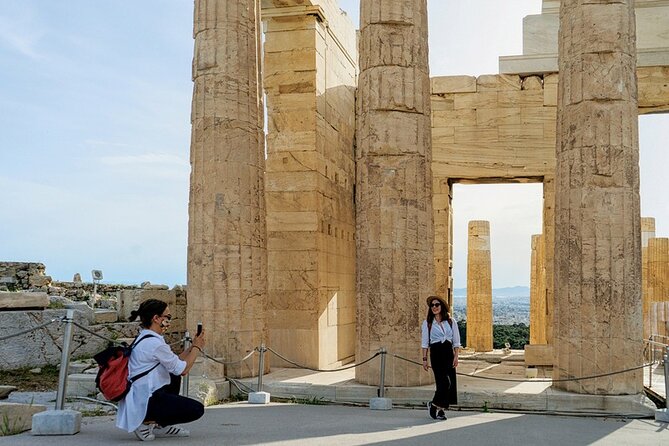
The tour meets at Dionysiou Areopagitou 3 and starts at 10:30 am, then it ends at the Ancient Agora area. You’re set up to start right away at the Acropolis—entering right after the tour begins—then you shift to the Ancient Agora and its museum later (around 1 pm).
That timing matters because the Acropolis has strict entry times. There’s also airport-style security. Expect waits in peak season that can run 30+ minutes, even if you’re doing the right thing with ticketing.
To make this smoother, I recommend you:
- arrive a bit early at the meeting point (not right on the dot)
- keep your ticket details ready on your phone or printed
- wear shoes you can climb in without thinking about it
Also note the group size cap of 24. That’s big enough that it feels like a group trip, but small enough that you can still hear your guide and ask a question.
Acropolis of Athens: Parthenon Views Plus Theater Stops You’ll Actually Understand
The Acropolis stop is about 1 hour, and it’s built around seeing monuments in a meaningful order—not just walking from one landmark sign to the next. You’ll cover the Parthenon, the Temple of Nike, the Dionysus Theater, and you’ll also get a look related to Herod Atticus Odeon.
Here’s why this is worth doing as a guided walking tour: the Acropolis isn’t one building. It’s a whole statement about power, religion, and civic pride stacked onto a hill. A guide helps you “read” what you’re seeing—what the spaces were for and why the layout matters.
You’ll likely notice:
- how the structures relate to views and sightlines
- how performance spaces (like the theater area) fit into city life
- how later thinkers and modern visitors interpret these ruins
Expect some uphill walking and uneven ground. Even when you’re not sprinting, you’re moving on ancient stone steps. In hot weather, you’ll want to rely on shade when it appears and pace yourself, not fight the climb.
A nice detail from past groups: guides in this program have a habit of keeping explanations at a pace that works even when someone needs a slower moment. In the heat, that’s not a luxury—it’s the difference between enjoying the Acropolis and feeling fried.
Down where the old city met and traded




Parthenon Time: Make the Most of a Short, Photo-Friendly Window

There’s a 30-minute Parthenon-focused segment on the tour route. The listing shows that this portion is marked as admission ticket free, but the overall tour still depends on valid site entry timing and the right tickets for the day you booked.
So treat this as your “lock in the views” window: look around, take photos, and really spot the angles you’d miss if you’re only chasing the one perfect shot. The Parthenon area also tends to be crowded, and it helps to have a guide timing your stops so you’re not stuck staring at the backs of other people.
Practical tip: if you’re traveling with a camera setup, start with wide shots first. Once you get the “where am I” images done, then you can slow down for details—columns, ornament traces, and the way the hill opens the horizon line.
Downhill to the Ancient Agora: Where City Life Comes Back to Life
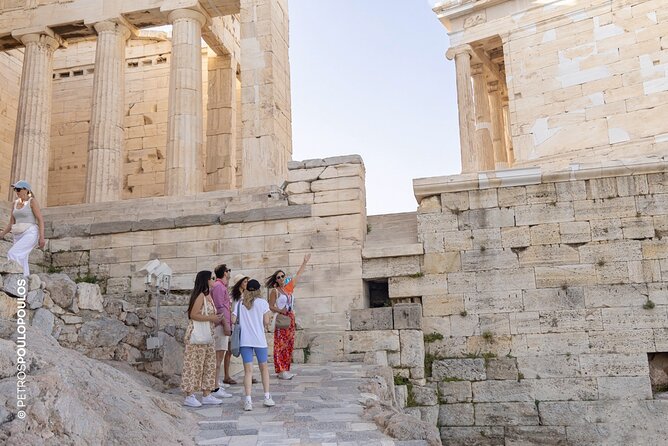
After the Acropolis, you shift to the Ancient Agora of Athens for about 1 hour. The Agora is where you feel the contrast: the Acropolis is about big statements; the Agora is about daily rhythm—public spaces, civic activity, movement, and social life.
This part of the tour is valuable because it helps you stop treating ancient Athens like a museum-only story. Instead, you start connecting what you saw up on the hill to where people actually spent time: walking routes, meeting spaces, and the social engine of the city.
You’ll also hear context that links the Agora to the later idea of how Western civic life developed. That’s a concept that’s hard to grasp from ruins alone, but it becomes clearer when your guide points out what kinds of spaces supported public decision-making and public gathering.
A fair caution: by the time you reach the Agora, you might feel the day. One common pattern with this style of half-day route is that the Acropolis climb costs energy, and the Agora can feel like the “second wind” phase. If you’re sensitive to walking fatigue, bring water early in the day and keep moving calmly rather than rushing to “catch up.”
Museum of the Ancient Agora: 30 Minutes to Add Meaning to the Stones
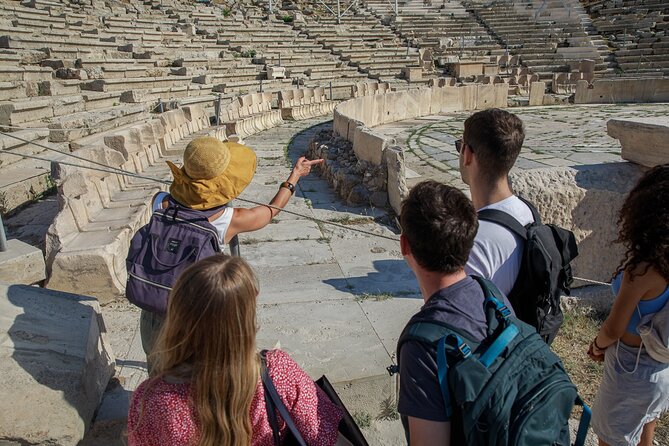
Next is the Museum of the Ancient Agora for about 30 minutes. This stop is where the tour adds interpretive glue. Museums are often where you finally learn what the scattered fragments and ruin layouts are really pointing to.
In short bursts, the museum time helps you:
- connect what you saw outside with objects and explanations
- spot recurring themes (public spaces, civic life)
- get a better “mind picture” before you leave
One real-world consideration: the Agora Museum can close for renovations at times. If it’s closed on your day, your guide can still help you interpret the area outside, but you’ll lose that inside context. It’s not something you can control, so just be mentally ready for the possibility.
Skip-the-Line Service and Tickets: The Stress Points You Must Get Right
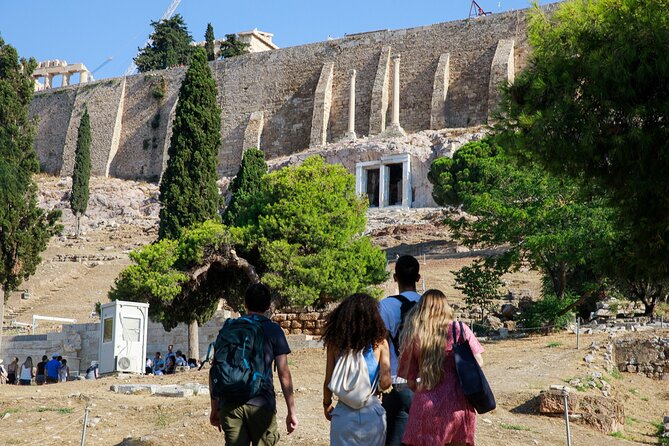
This tour price is $67.58 per person, and the big value is the guide plus skip-the-ticket-line support. But entrance fees are not included, depending on the option you choose. That means you need to be organized about tickets and time slots.
Here are the key rules to follow so you don’t get stuck at the worst moment:
- You must have the required entrance ticket(s) before starting the tour. Not having valid tickets at the beginning can disqualify you.
- Your ticket entry times must match the tour’s schedule. The Acropolis portion starts right at tour start, and the Agora happens later (around 1 pm).
- If you choose the without-ticket option, you must follow the voucher instructions to purchase tickets.
- A valid ID or passport is required at the sites to prove age and nationality for ticket conditions.
A helpful lesson from the field: ticketing for major sites can feel confusing when tour tickets and site entry tickets are separate. If you want the least stress, set yourself up so you understand exactly what you’re using for site entry before you arrive.
Also remember: even with skip-the-line support, everyone goes through airport-style security. In peak times, that wait can still be 30+ minutes, so plan for patience.
Practical Tips for a 4-Hour Walking Day in Athens
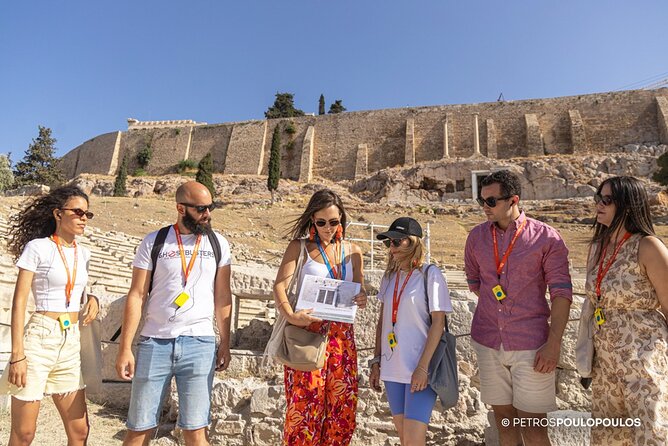
This is a walking tour, and the terrain on the Acropolis side means you’ll want real traction. Comfortable shoes matter more than your fashion plan. If you’re choosing between sneakers and sandals, pick the shoes every time.
Here’s what I’d do to make the day easier:
- Bring enough water. Many people suggest around 2 liters.
- Add sun protection: sunscreen and a hat or umbrella help a lot.
- Wear sturdy shoes because the stone can be slippery.
- Keep an eye out for pickpockets, especially in crowded areas.
- If you’re traveling with a baby: baby strollers are not allowed on the Acropolis archaeological site, and there’s no cloakroom at the side entrance used for entry. A baby pouch is recommended instead.
The tour runs in all weather, including rain. That’s good if you hate itinerary blow-ups, but it also means you should dress for the conditions and expect ground that can feel slick.
One more thing: this route is often praised for pace—guides tend to find shade during explanations and adjust when people need extra time on climbs. That’s not guaranteed with every group, but the guides in this program are experienced at keeping people together without turning the day into a sprint.
Price and Value: Is $67.58 a Good Deal for Acropolis + Agora?
Let’s break down what you’re paying for.
At $67.58, you’re buying:
- a local licensed guide
- an Athens guide magazine
- an Athens map
- a structured route through two major World Heritage sites
- skip-the-ticket-line service to reduce waiting
Entrance tickets are extra. That’s common on these big sites, but it’s important: you can’t treat this as a “tickets included” bargain unless you confirm the option you selected.
Still, for first-time visitors, the guide value is real. The Acropolis and Agora are famous, but they’re also full of confusing sightlines and partial ruins. A good guide helps you connect the dots quickly, which can turn a checklist visit into an understanding visit.
If you have limited time in Athens, this is one of the most efficient ways to hit both areas without spending your energy figuring out where to stand and what you’re looking at.
If you’re the type who loves reading on your own and don’t mind spending extra time waiting around, you might save money by going DIY. But you’ll likely spend time instead of learning what those stones were doing in a working city.
Who Should Book This Athens Walking Tour
This tour fits best if you:
- want an organized orientation to the Acropolis of Athens and the Ancient Agora
- like learning through a guide rather than only reading plaques
- have limited time and want a plan that covers the big monuments plus the museum
- prefer a smaller group size (max 24) over big bus crowds
It’s also a smart choice if you want to understand why democracy, education, and civic life get connected to ancient Greece in modern conversations. Your guide turns that connection into something you can “see” rather than just memorize.
It’s less ideal if:
- you want total freedom with no schedule constraints
- you’re not comfortable with uphill walking and steps
- you’re hoping the museum stop will be the main event (it’s only about 30 minutes, and it can close for renovations sometimes)
Should You Book It? My Straight Answer
Yes, I’d book this if it’s your first or early stop in Athens and you want the Acropolis and Agora to make sense. The skip-the-ticket-line help, tight timing, and guided interpretation give you better returns on your time than a solo roam—especially when security lines and strict entry times can eat your day.
If you do book it, do the boring prep first: tickets, entry time compatibility, ID/passport, and shoes. Get those right and the tour feels like one of the smartest uses of a half day in Athens.
FAQ
How long is the Acropolis of Athens, Ancient Agora and Agora Museum Tour?
The tour runs about 4 hours (approx.).
What language is the tour offered in?
It is offered in English.
Where do I meet, and where does the tour end?
You meet at Dionysiou Areopagitou 3, Athina 117 42, Greece, and the tour ends at the Ancient Agora of Athens area (Athens 105 55, Greece).
Are entrance fees included in the price?
Entrance fees are not included (depending on the option you choose), so you’ll need valid site tickets.
Do I need to buy tickets before booking or before the tour starts?
You must purchase your tickets prior to booking our tour to confirm availability. A valid entrance ticket is required at the start of the tour.
Do I need ID or a passport for this tour?
Yes. A valid ID or passport is required to prove age and nationality at the sites.
Is the tour affected by weather?
No. The tour operates in all weather conditions, so dress appropriately.
Are baby strollers allowed at the Acropolis site?
Baby strollers are not allowed on the Acropolis archaeological site, and there is no cloakroom at the side entrance used to enter.
What is the group size limit?
The tour has a maximum of 24 travelers.
More Tour Reviews in Athens
- Athens: Acropolis & up to 5 Archaeological Sites Combo Pass★ 4.2 · 13,904 reviews
- Athens: Acropolis, Parthenon & Acropolis Museum Guided Tour★ 4.8 · 9,316 reviews
- The Acropolis, Parthenon & Acropolis Museum Guided Tour★ 4.7 · 8,493 reviews
- Athens: Cape Sounion & Poseidon Temple Sunset Half-Day Trip★ 4.8 · 8,241 reviews
- Acropolis: Premium Acropolis and Parthenon Guided Tour★ 4.8 · 5,208 reviews
- Athens: Mythology of Delphi, Museum and Arachova Guided Tour★ 4.7 · 5,102 reviews
More Hours in the Ancient Agora
- Athens Half Day Tour, Acropolis, Parthenon, Temple of Olympian Zeus & Hephaistus★ 5.0 · 609 reviews
- Athens: Agora and Hephaistos Temple Entrance Ticket★ 4.0 · 449 reviews
- Athens: Ancient Agora E-Ticket and Audio Tour★ 3.9 · 413 reviews
- Athens: Roman Agora & Ancient Agora E-ticket & 2 Audio Tours★ 4.1 · 107 reviews
- Acropolis & Ancient Agora Guided tour included all Entrances★ 4.9 · 102 reviews
- Ancient Athens Segway Tour with Agora and Kerameikos★ 5.0 · 94 reviews
The Acropolis, a Few More Ways Up
- Athens: Acropolis & up to 5 Archaeological Sites Combo Pass★ 4.2 · 13,904 reviews
- Athens: Acropolis, Parthenon & Acropolis Museum Guided Tour★ 4.8 · 9,316 reviews
- The Acropolis, Parthenon & Acropolis Museum Guided Tour★ 4.7 · 8,493 reviews
- Acropolis: Premium Acropolis and Parthenon Guided Tour★ 4.8 · 5,208 reviews
- Acropolis and Parthenon Guided Walking Tour★ 5.0 · 4,755 reviews
- Athens: Acropolis, Parthenon & Acropolis Museum Guided Tour★ 4.8 · 3,579 reviews
Fresh Off the Boat: New Athens Reviews





Acropolis & Parthenon Tours, compared.
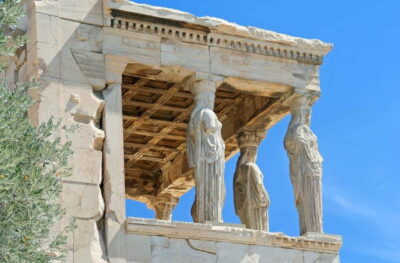 ★ 4.2Acropolis & up to 5 Archaeological Sites Combo PassFrom $4213,904 reviews
 ★ 4.8Acropolis, Parthenon & Acropolis Museum Guided TourFrom $409,316 reviews
 ★ 4.7The Acropolis, Parthenon & Acropolis Museum Guided TourFrom $408,493 reviews
 ★ 4.8Acropolis: Premium Acropolis and Parthenon Guided TourFrom $405,208 reviews
 ★ 5.0Acropolis and Parthenon Guided Walking TourFrom $414,755 reviews
★ 4.8Acropolis, Parthenon & Acropolis Museum Guided TourFrom $413,579 reviews
★ 5.0Acropolis and Parthenon Guided Walking TourFrom $414,755 reviews
★ 4.8Acropolis, Parthenon & Acropolis Museum Guided TourFrom $413,579 reviews
 ★ 4.0Acropolis Ticket with Audio GuideFrom $473,575 reviews
 ★ 5.0Athens Scenic Electric Bike Tour with optional Acropolis visitFrom $353,350 reviews
Browse the lists this tour appears in