
Reviewed · ACROPOLIS & PARTHENON TOURS
Acropolis, Plaka & Ancient Agora Guided Tour
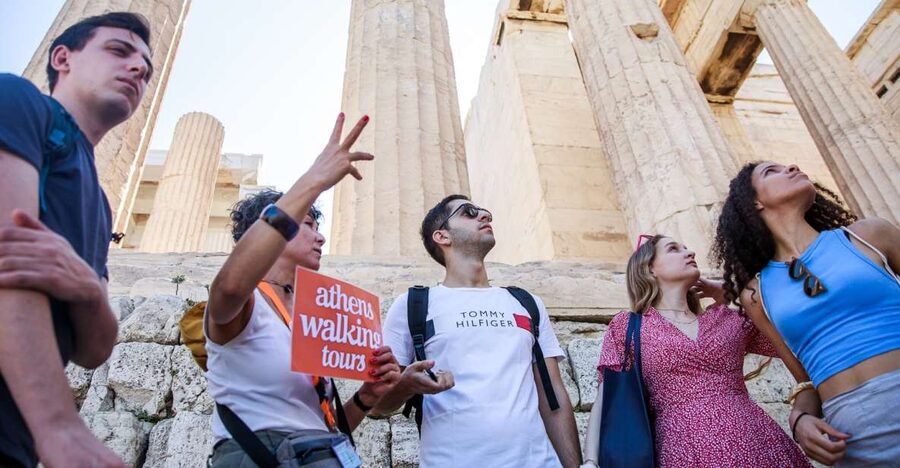
Two sites, one Athens story. In just 3.5 hours, you’ll cover the Acropolis and the Ancient Agora with a licensed guide who helps you read the monuments instead of just looking at stone. I like the south-slope entry plan that aims to reduce crowd headaches, and guides such as Vasaliki are praised for clear explanations and staying in the shade when they can.
I also like the way the tour pairs the Acropolis monuments with the Ancient Agora visit plus the Attalos Museum. Stops like the Hephaestus Temple, the church of the 12 Apostles, and the market-related Museum displays (including ancient measures and weights) make the city feel practical, not just dramatic ruins. One thing to consider: security checks and strict entry times can mean waits, and the tour is not suitable for wheelchairs or people with mobility impairments.
In This Review
- Key takeaways before you go
- A 3.5-hour Athens “power tour” of Acropolis and Agora
- Meeting at Dionyssiou Areopagitou: easy to find, but don’t be late
- South-slope Acropolis entry and the Dionysus Theater focus
- Parthenon viewpoints and the monument “map” your guide builds
- How the guide pacing helps (especially in real-world weather)
- Free time at the Acropolis: use it for photos, not panic
- The snack break before the Agora: small time, smart choice
- Walking down to the Ancient Agora: where Athens worked and argued
- Hephaestus Temple and the Agora “headline stops”
- Attalos Museum: the part that makes the market feel real
- Skip-the-ticket-line: helpful, but security still sets the pace
- Price and value: what $66 buys you in time saved and context added
- Who should book this tour, and who should look elsewhere
- Should you book this Acropolis, Plaka & Ancient Agora guided tour?
- FAQ
- How long is the tour and when does it start?
- Where is the meeting point?
- Is there a skip-the-ticket line option?
- Do I need to purchase entrance tickets myself?
- What sites are covered at the Acropolis?
- Is lunch included?
- Is the tour wheelchair-friendly?
Key takeaways before you go
- South-slope approach to the Acropolis to help you get started with fewer crowd issues
- Licensed live guide (English) focused on explaining what you’re seeing at each stop
- Acropolis then Agora timing with a snack break, since there’s no long lunch planned
- Hephaestus Temple + Attalos Museum for a stronger feel of daily life and commerce in ancient Athens
- Skip-the-ticket-line option can still involve security waiting
More ways up the sacred rock, set side by side
- Athens: Acropolis & up to 5 Archaeological Sites Combo Pass
★ 4.2 · 13,904 reviews - Athens: Acropolis, Parthenon & Acropolis Museum Guided Tour
★ 4.8 · 9,316 reviews - The Acropolis, Parthenon & Acropolis Museum Guided Tour
★ 4.7 · 8,493 reviews - Acropolis: Premium Acropolis and Parthenon Guided Tour
★ 4.8 · 5,208 reviews
A 3.5-hour Athens “power tour” of Acropolis and Agora
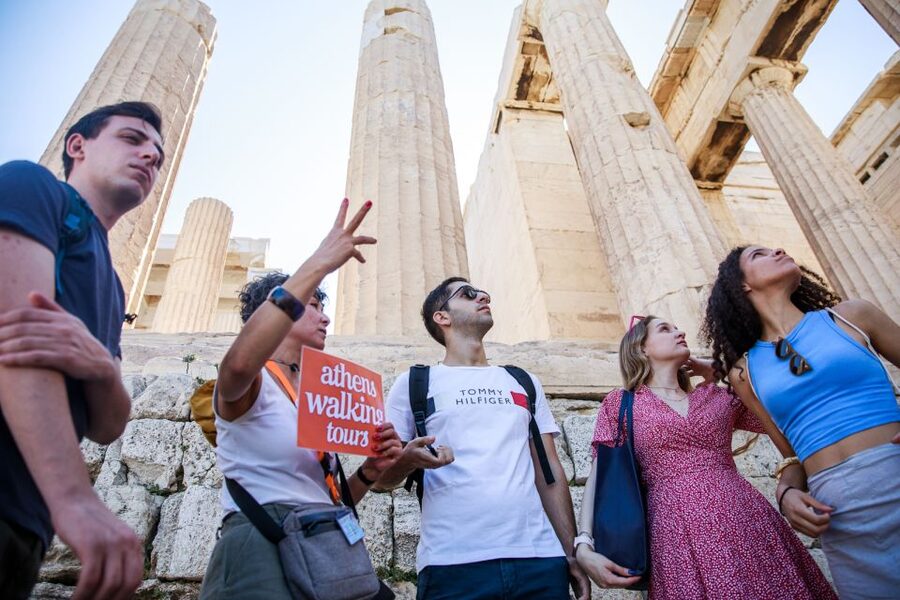
This is a tight, efficient way to see Athens’ two big “you’re-here-for-a-reason” zones: the Acropolis and the Ancient Agora. At $66 per person and 3.5 hours total, the value is in the structure—someone’s handling the flow, and you’re not guessing how each monument connects to the city below.
You’ll start with the Acropolis at around 11:00 and then shift to the Ancient Agora at about 13:00. Between those, the tour builds in short breaks for snacks and drinks because the schedule does not include a leisurely lunch.
Meeting at Dionyssiou Areopagitou: easy to find, but don’t be late
Your meeting point is at 3, Dionyssiou Areopagitou Street—look for the orange sign that says Athens Walking Tours. It’s at the start of the pedestrian walkway that leads toward the Acropolis from Hadrian’s Arch along Syngrou Avenue.
Arrive 20 minutes early. The Acropolis entry times are strict, and if you miss the allowed entry window, you’re disqualified from joining. No time cushion means you should plan for foot traffic and that first round of security.
South-slope Acropolis entry and the Dionysus Theater focus
What makes this tour feel smarter than a random hit-list is how it starts you on the Acropolis from the south slope. The goal is straightforward: you’ll avoid some of the worst crowd pressure while you work your way up toward the key monuments.
Early on, you’ll visit the Dionysus Sanctuary and Dionysus Theater, built in the 5th century BC. Even if you’ve heard the word “theater” in ancient Athens, this stop adds context for how public life, religion, and performance were tangled together. It also helps you spot the Acropolis as a living set of spaces—not just one famous temple.
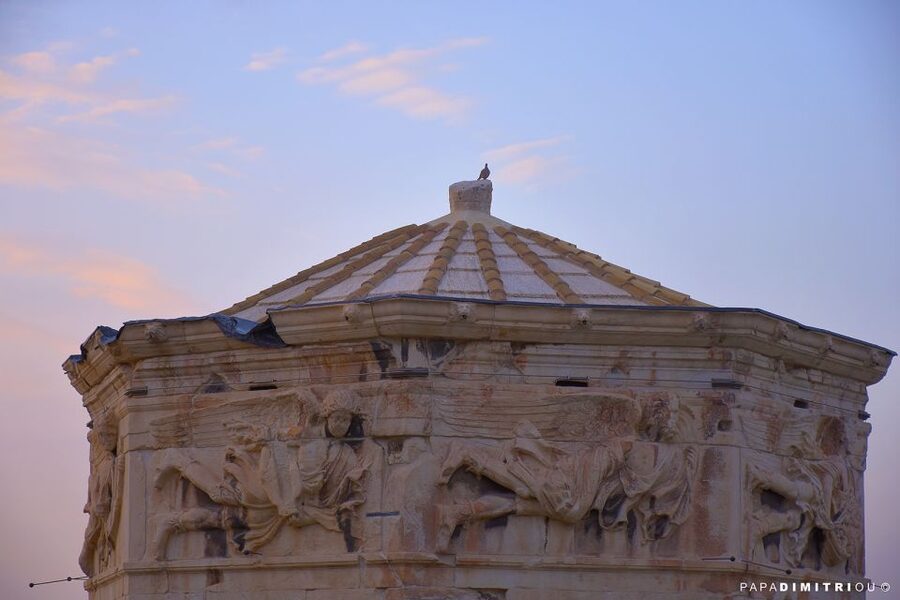
Down where the old city met and traded

Parthenon viewpoints and the monument “map” your guide builds
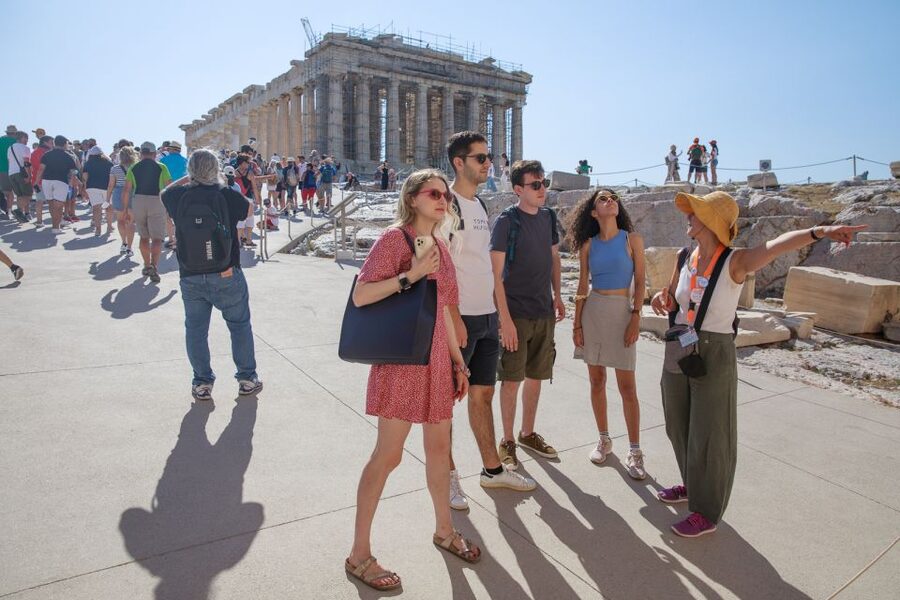
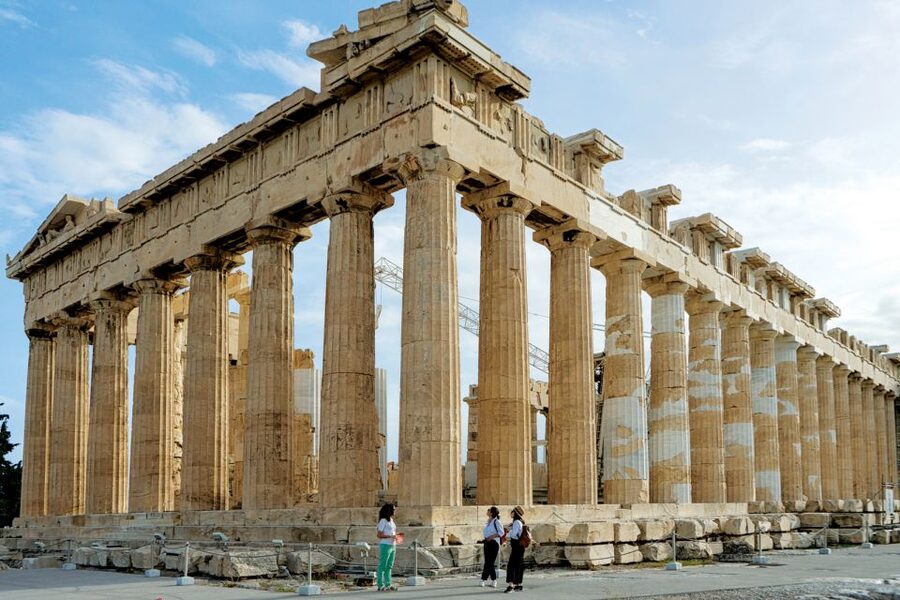
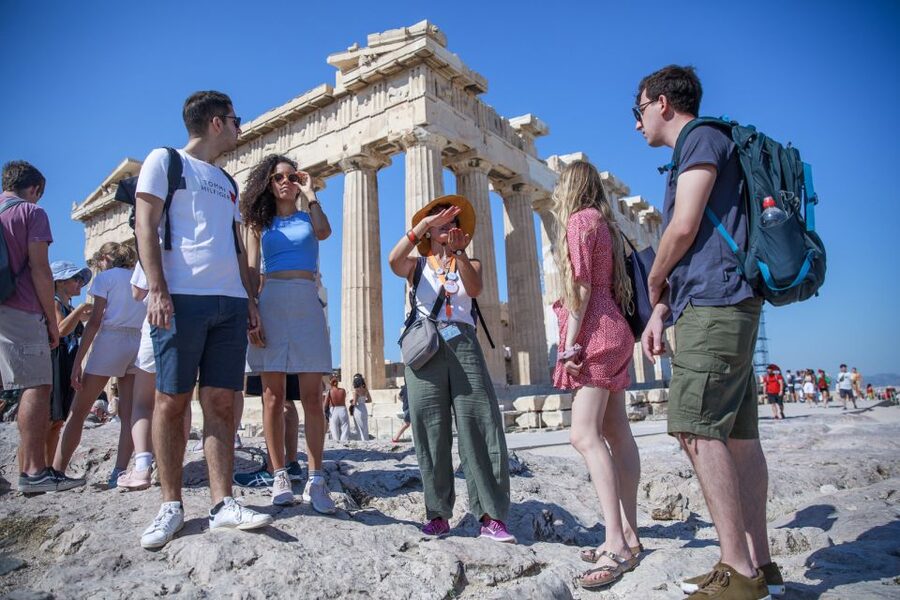
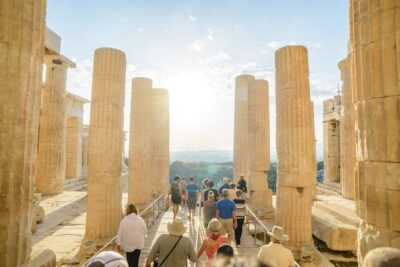
Once you start ascending, expect that classic Athens payoff: a widening city view and a stronger sense of scale. Your licensed guide lays out what you’re seeing, then gives you a mental map so the names—Parthenon, Erechtheion, Propylaia—don’t float by like trivia.
The Acropolis portion typically includes the major monuments you came for:
- Parthenon
- Erechtheion
- Propylaia
- Temple of Nike
- Agrippa Monument
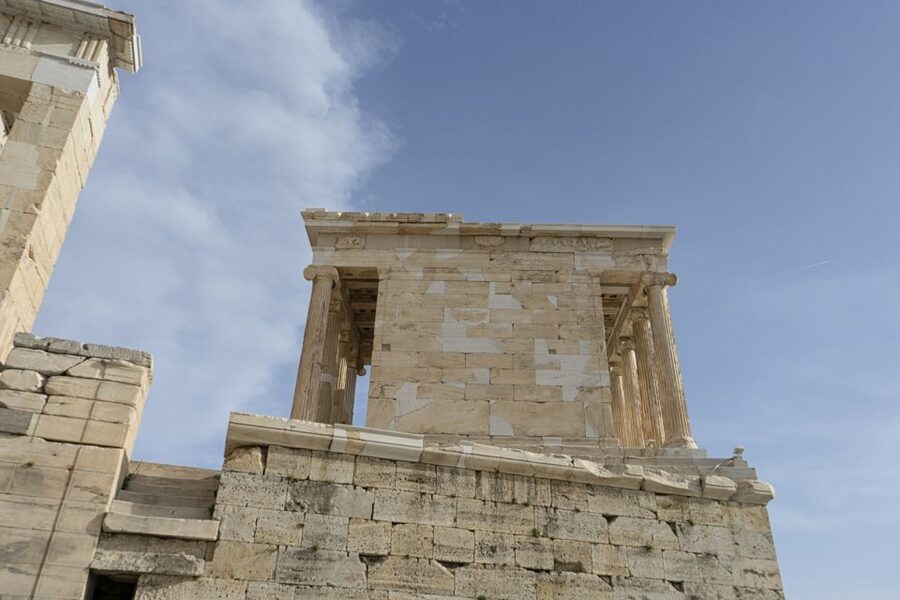
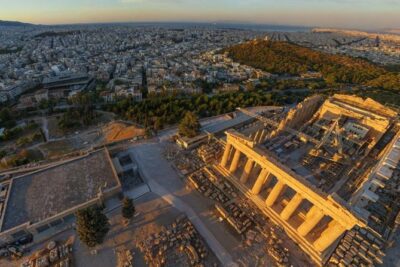
But the tour also keeps you looking outward at the hills and nearby landmarks. You’ll hear about surrounding sites such as the Odeon of Herodes Atticus, the Observatory, Philopappos, Mars Hill, and Pnyx Hill. That wider view matters because it turns the Acropolis into the centerpiece of a larger civic landscape.
How the guide pacing helps (especially in real-world weather)
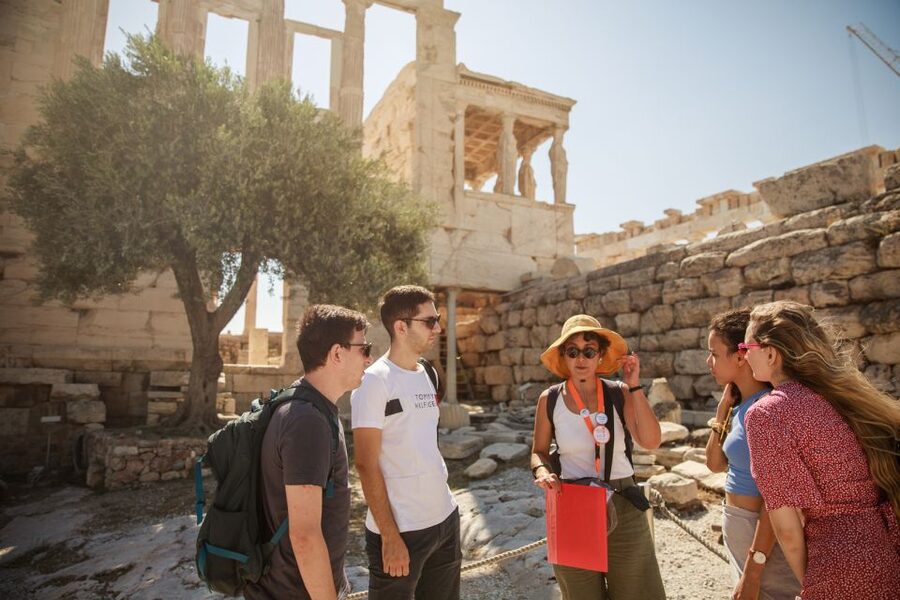
Athens can be hot, bright, and unforgiving. The good news here is that your guide’s job is not just facts—it’s timing and comfort. In practice, guides are praised for stopping in the shade when they can and for moving at a pace that doesn’t feel rushed.
That matters if you’re older, have knee issues, or simply want fewer frantic moments while you climb steps. The Acropolis itself involves inclines and stairs, so you still need comfortable shoes and a realistic pace—but the tour structure is built to reduce the stress.
Free time at the Acropolis: use it for photos, not panic
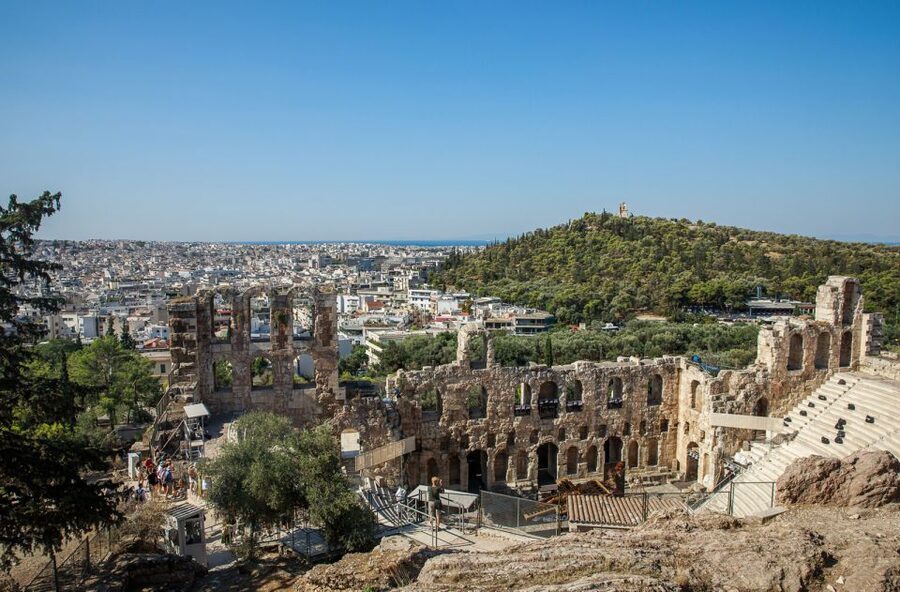
After the guided segment, you get free time for exploring and picture-taking at the Acropolis. This is the part I’d plan the most carefully in your head. If you know you want Parthenon photos from a particular angle, use the guide’s earlier walk to learn where you’ll want to stand later.
Because the tour schedule then continues toward the Agora, don’t treat this free time like an open-ended wandering session. Think of it as a controlled window to capture what you want and regroup.
The snack break before the Agora: small time, smart choice
Food and beverages aren’t included. Instead, the tour schedule builds in short breaks so you can grab a snack or drink from the canteen before heading into the next big zone. There isn’t time set aside for a leisurely lunch.
This matters because it keeps the day efficient, but it also means you should come prepared for “light meals only.” If you’re prone to getting hungry quickly, bring a plan—small snacks you can eat fast, and enough water to get you comfortably between stops (the tour itself just guarantees snack/drink access, not a sit-down meal).
Walking down to the Ancient Agora: where Athens worked and argued
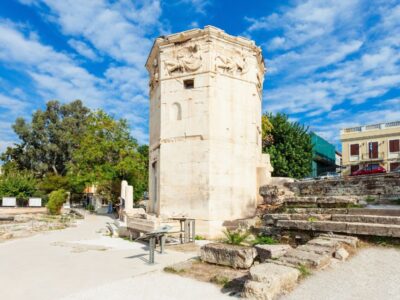
After the Acropolis portion, the tour walks down to the Ancient Agora, described as the commercial, political, and financial center of Ancient Athens. That description isn’t marketing fluff. The Agora is where the city’s daily machinery lived—trade, public debate, and civic decisions.
As you move through the area, the experience is meant to feel like a step back in time. You’ll see a mix of temple remains and later structures, and the guide helps you connect each site to the function it served.
Hephaestus Temple and the Agora “headline stops”
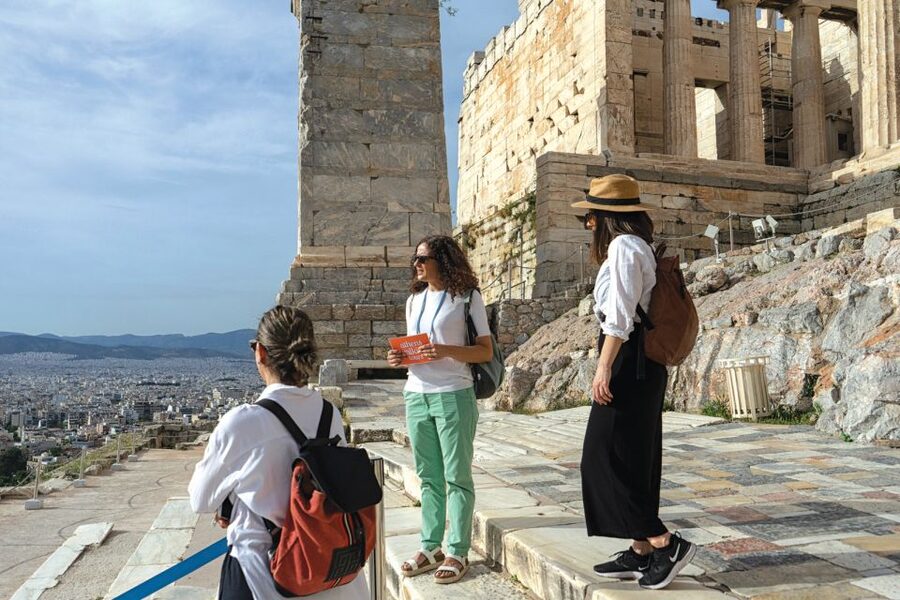
The Ancient Agora portion includes key structures that are especially meaningful because they’re still readable as buildings, not just scattered columns.
Major stops include:
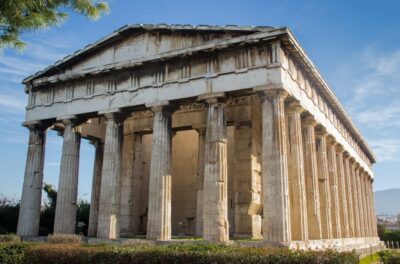
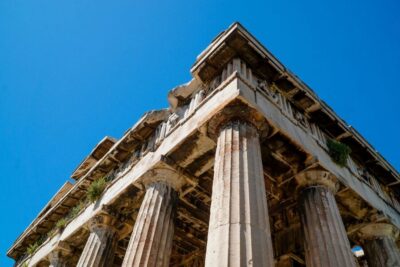
- Hephaestus Temple (noted as the best preserved Greek temple from the 5th century BC)
- the church of the 12 Apostles
- Temple of Apollo Patroos
- Stoa of Zeus
- Altar of Zeus
This lineup does something useful for your understanding. Hephaestus anchors you in Greek temple architecture, while the stoa and altars explain the social and religious backdrop for public life. The church of the 12 Apostles adds the later layer—evidence that Athens kept reusing sacred spaces long after ancient Greece.
Attalos Museum: the part that makes the market feel real
After walking around the Agora sites, you’ll visit the Attalos Museum. This is worth your attention because it’s not only decorative. It houses artifacts that connect to how people measured goods and identified themselves in the ancient world.
The Museum includes items of historical value such as the IDs of the ancient Greeks and the original measures and weights used by market inspectors. That kind of detail changes your mental image of the Agora. Instead of thinking only about speeches and philosophers, you start picturing the practical side: trade rules, standards, and everyday systems.
If you like museums that explain how people actually lived, this is the best payoff stage of the whole tour.
Skip-the-ticket-line: helpful, but security still sets the pace
If you choose the option that includes skip-the-ticket line access, you’ll still go through airport-style security. Waiting time can vary because visitor numbers fluctuate.
The typical range is described as 0 to 10 minutes or up to 30 minutes, with occasional longer waits. Translation: skip-the-ticket-line is useful, but don’t assume it makes the process instant. If you’re the type who hates delays, plan your day so you’re not racing other reservations right after your tour.
Price and value: what $66 buys you in time saved and context added
At $66 per person, the biggest value isn’t just entry logistics. It’s the guide work—turning names into meaning across two sites.
Here’s what you’re getting:
- local licensed guide who explains what you’re seeing at the Acropolis and Agora
- skip-the-ticket-line option (only if you selected the with-ticket plan)
- Athens guide magazine and an Athens map
Entrance fees are not included unless you choose the ticket-inclusive option, and that’s an important detail for budgeting. Still, for many visitors, paying for a guide is the difference between a “been there, saw that” afternoon and a coherent tour where the Parthenon and the market square feel connected.
Who should book this tour, and who should look elsewhere
This tour is a solid fit for history lovers who want structure, not just an audio guide. It also works well for visitors who prefer shade-aware pacing; guides are praised for friendly, fun teaching style and for helping people keep moving without feeling pressured.
It’s not suitable for:
- wheelchair users
- people with mobility impairments
The tour involves walking, inclines, and steps—especially on the Acropolis.
Should you book this Acropolis, Plaka & Ancient Agora guided tour?
I’d book it if you want a guided route through the Acropolis monuments plus a meaningful Agora visit that includes the Attalos Museum, all in one efficient half-day. The south-slope approach and the emphasis on explanation make it a strong choice when you only have limited time in Athens.
I’d skip it if you need full accessibility support for mobility needs, or if your schedule is too tight for possible security waits and strict entry timing. In Athens, timing matters, and this tour takes the “fast but organized” approach.
If your goal is to leave with a clearer picture of how Greek Athens worked—religion, politics, commerce—this is a practical way to get there.
FAQ
How long is the tour and when does it start?
The tour lasts 3.5 hours. The Acropolis starts at about 11:00, and the Ancient Agora access is at about 13:00.
Where is the meeting point?
You meet at 3, Dionyssiou Areopagitou Street. Look for the orange sign that says Athens Walking Tours at the start of the pedestrian walkway leading toward the Acropolis from Hadrian’s Arch, near Syngrou Avenue. Arrive 20 minutes early.
Is there a skip-the-ticket line option?
Yes, there is skip-the-ticket line access if you select the option that includes tickets. Even then, you can still have some waiting time due to security checks.
Do I need to purchase entrance tickets myself?
It depends on your option. If you select WITHOUT Ticket, you must buy your admission tickets on the official site and make sure the entry time matches the tour schedule. If you select WITH Ticket, the included ticket option covers entrances.
What sites are covered at the Acropolis?
You enter from the south slope and visit the Dionysus Sanctuary and Dionysus Theater, plus key monuments including the Parthenon, Erechtheion, Propylaia, Temple of Nike, and the Agrippa Monument, along with surrounding landmarks you’ll see from the area.
Is lunch included?
No. Food and beverages are not included, and the schedule does not include time for a leisurely lunch. You’ll have a chance to grab a snack or drink from the canteen before continuing.
Is the tour wheelchair-friendly?
No. The tour is listed as not suitable for wheelchair users or people with mobility impairments.
More Tour Reviews in Athens
- Athens: Acropolis & up to 5 Archaeological Sites Combo Pass★ 4.2 · 13,904 reviews
- Athens: Acropolis, Parthenon & Acropolis Museum Guided Tour★ 4.8 · 9,316 reviews
- The Acropolis, Parthenon & Acropolis Museum Guided Tour★ 4.7 · 8,493 reviews
- Athens: Cape Sounion & Poseidon Temple Sunset Half-Day Trip★ 4.8 · 8,241 reviews
- Acropolis: Premium Acropolis and Parthenon Guided Tour★ 4.8 · 5,208 reviews
- Athens: Mythology of Delphi, Museum and Arachova Guided Tour★ 4.7 · 5,102 reviews
More Hours in the Ancient Agora
- Athens Half Day Tour, Acropolis, Parthenon, Temple of Olympian Zeus & Hephaistus★ 5.0 · 609 reviews
- Athens: Agora and Hephaistos Temple Entrance Ticket★ 4.0 · 449 reviews
- Athens: Ancient Agora E-Ticket and Audio Tour★ 3.9 · 413 reviews
- Athens: Roman Agora & Ancient Agora E-ticket & 2 Audio Tours★ 4.1 · 107 reviews
- Acropolis & Ancient Agora Guided tour included all Entrances★ 4.9 · 102 reviews
- Ancient Athens Segway Tour with Agora and Kerameikos★ 5.0 · 94 reviews
The Acropolis, a Few More Ways Up
- Athens: Acropolis & up to 5 Archaeological Sites Combo Pass★ 4.2 · 13,904 reviews
- Athens: Acropolis, Parthenon & Acropolis Museum Guided Tour★ 4.8 · 9,316 reviews
- The Acropolis, Parthenon & Acropolis Museum Guided Tour★ 4.7 · 8,493 reviews
- Acropolis: Premium Acropolis and Parthenon Guided Tour★ 4.8 · 5,208 reviews
- Acropolis and Parthenon Guided Walking Tour★ 5.0 · 4,755 reviews
- Athens: Acropolis, Parthenon & Acropolis Museum Guided Tour★ 4.8 · 3,579 reviews
Fresh Off the Boat: New Athens Reviews





Acropolis & Parthenon Tours, compared.
 ★ 4.2Acropolis & up to 5 Archaeological Sites Combo PassFrom $4213,904 reviews
 ★ 4.8Acropolis, Parthenon & Acropolis Museum Guided TourFrom $409,316 reviews
 ★ 4.7The Acropolis, Parthenon & Acropolis Museum Guided TourFrom $408,493 reviews
 ★ 4.8Acropolis: Premium Acropolis and Parthenon Guided TourFrom $405,208 reviews
 ★ 5.0Acropolis and Parthenon Guided Walking TourFrom $414,755 reviews
★ 4.8Acropolis, Parthenon & Acropolis Museum Guided TourFrom $413,579 reviews
★ 5.0Acropolis and Parthenon Guided Walking TourFrom $414,755 reviews
★ 4.8Acropolis, Parthenon & Acropolis Museum Guided TourFrom $413,579 reviews
 ★ 4.0Acropolis Ticket with Audio GuideFrom $473,575 reviews
 ★ 5.0Athens Scenic Electric Bike Tour with optional Acropolis visitFrom $353,350 reviews
Browse the lists this tour appears in