
Reviewed · ACROPOLIS & PARTHENON TOURS
Athens: City & Acropolis Walking Tour without Entry Tickets
Athens becomes a story when you walk it. This 3.5-hour guided route strings together the modern center and the big ancient hits, starting at Greek Parliament and ending up around the Acropolis viewpoints. You’ll get an easy, logical flow through neighborhoods and monuments, without getting stuck figuring out what goes where.
I really like how the tour gives you instant context. You see the Monument of the Unknown Soldier and the Euzony Guards change, then move through the National Gardens toward Zappeion Hall, the Temple of Olympian Zeus, and Hadrian’s Arch—so the city feels like one connected timeline, not a random list of sights. You’ll also have a live English guide who can turn famous names (Propylaia, Temple of Nike, Parthenon) into something you can actually picture.
One thing to consider: entrance fees aren’t included. The tour can help with timing by offering skip the ticket line, but you’ll still need to pay those site entry costs yourself if you want to go in. Also, the Parliament stop can lean into commentary while you wait for the guard change—fine for some people, less so if you want nonstop ancient Athens.
In This Review
- Key things to know before you go
- From Syntagma Square to the Euzony Guards at the Greek Parliament
- National Gardens and Zappeion: a calm stretch before the big climb
- Temple of Olympian Zeus and Hadrian’s Arch: your history signposts
- Plaka streets toward the Acropolis: where the city turns scenic
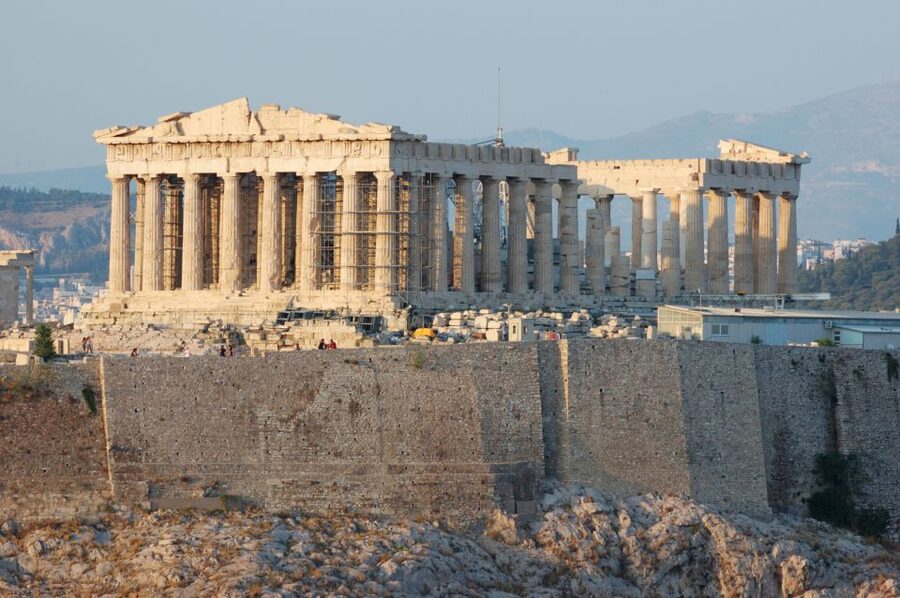
- Propylaia, Temple of Nike, Parthenon: the Acropolis hits in the right order
- The views beyond the Parthenon: Agora, Pnyx, Mars Hill, and theaters of Dionysus
- Ending near the Acropolis Museum: make it your own after the tour
- Price and value: what $46 really buys (and what it doesn’t)
- Who this Athens City & Acropolis walk is best for
- Should you book this Athens City & Acropolis Walking Tour without Entry Tickets?
- FAQ
- How long is the tour?
- Where does the tour meet?
- Are entrance fees included?
- Does the tour include hotel pick-up?
- Is there a live guide, and what language is it in?
- Is there free cancellation, and do I pay later?
Key things to know before you go
- Start at Syntagma Square, right by the Greek Parliament and the Monument of the Unknown Soldier
- Euzony Guards changing is built in, so you can plan around it instead of hunting the schedule
- National Gardens to Hadrian’s Arch gives you a smooth warm-up before the Acropolis climb
- You’ll visit top Acropolis landmarks like Propylaia, the Temple of Nike, and the Parthenon
- The guide points out major surroundings too, including the Athenian Agora and Pnyx
- Skip the ticket line, but entrance fees aren’t included, so budget for tickets
More ways up the sacred rock, set side by side
- Athens: Acropolis & up to 5 Archaeological Sites Combo Pass
★ 4.2 · 13,904 reviews - Athens: Acropolis, Parthenon & Acropolis Museum Guided Tour
★ 4.8 · 9,316 reviews - The Acropolis, Parthenon & Acropolis Museum Guided Tour
★ 4.7 · 8,493 reviews - Acropolis: Premium Acropolis and Parthenon Guided Tour
★ 4.8 · 5,208 reviews
From Syntagma Square to the Euzony Guards at the Greek Parliament

The tour begins near the energy of downtown Athens, in front of the House of Parliament in Syntagma Square. This is the kind of starting point that helps you orient fast. Instead of launching straight into ruins, you first land where modern Athens shows itself—then you work your way backward through time.
Your first stop is the Monument of the Unknown Soldier. It’s not just a photo op. It sets a tone for the day: Greece’s modern identity is right here, in the same square where you’ll later hear stories about ancient power and civic life. Then you’ll watch the changing of the Euzony Guards. The ceremony is short and highly visual, so it’s a smart inclusion for anyone who wants a memorable anchor moment early on.
If you’re the type who wants pure classical history right from step one, keep your expectations flexible. While you wait, the guide may share more than just facts—some people love that human, opinionated storytelling; others prefer a tighter ancient focus. Either way, this segment helps you get oriented and keeps the first hour from feeling like waiting around.
National Gardens and Zappeion: a calm stretch before the big climb

After Syntagma Square, you’ll walk through the National Gardens. This is a nice tempo change. Athens can feel intense at street level, and the gardens give you breathing room before the concentration of monuments starts.
As you continue, you’ll reach Zappeion Hall. Even if you don’t know its background yet, it works as a visual “bridge” between eras. The day’s route is basically doing what good guides do: it shows you the monumental landscape, then hands you enough context to make sense of it.
This part of the walk matters more than it seems. By the time you approach the big archaeological zones, you’re already warmed up, you’ve seen the city’s rhythm, and you’re mentally ready for the Acropolis approach. It’s the difference between arriving motivated versus arriving rushed.
Temple of Olympian Zeus and Hadrian’s Arch: your history signposts
Next come the grand, atmospheric landmarks that make Athens feel theatrical: the Temple of Olympian Zeus and Hadrian’s Arch. You can’t see these and not feel something. Even when much is ruined, the scale still hits.
This is where the route becomes more than sightseeing. You’re learning to read the city like a map of influence. Olympian Zeus represents the long, ambitious thread of ancient building projects. Hadrian’s Arch, tied to the Roman era, signals that Athens didn’t stop being important after the classical “golden age” headlines.
Practical note: these stops are great for photos, but they also serve as mental rest points. If you’ve got limited time, using them as breaks helps you keep energy for the Acropolis section later.
On foot through Plaka and beyond



Plaka streets toward the Acropolis: where the city turns scenic
From here, you enter the Plaka area on the way to the Acropolis. Plaka is the area many people connect with postcard Athens, but what makes it useful on a guided route is the pacing. It’s not just pretty streets—it’s the funnel that leads you toward the archaeological “main stage.”
As you move closer, you’ll start seeing the Acropolis landscape open up behind everything else: hills, viewpoints, and the sense that the city is built around these ruins. That’s exactly what you want before you get to the complex itself. You’ll feel less like you’re arriving at one isolated site and more like you’re entering the center of the ancient city’s worldview.
You also benefit from having a guide to keep the walk intelligible. The Acropolis area is famous, but it can feel overwhelming if you don’t know what you’re looking at first.
Propylaia, Temple of Nike, Parthenon: the Acropolis hits in the right order
Now you reach the core monuments: the Propylaia, the Temple of Nike, and the Parthenon. This is the classic sequence for a reason. It helps your brain build structure: arrival gateway, then the smaller symbolic temple, then the big civic statement.
The Propylaia is your “entry moment.” It’s the kind of landmark that makes you slow down because it’s an actual doorway in the story of how people moved into sacred space. The Temple of Nike then feels like a shift toward symbolism—Athena Nike is tied to ideas of victory and civic identity. Finally, the Parthenon is the landmark most people already recognize by name, but seeing it with context makes it far more meaningful than a distant silhouette.
Another reason I like this approach: you’re not just staring. A strong guide can point out how these monuments relate to each other, and how ancient Athens organized its pride in stone.
And yes—since entrance fees aren’t included, you’ll want to plan your budget so you’re not stuck mid-tour. The tour’s ticket-line advantage helps with waiting time, but it doesn’t replace the need for paid entry where it applies.
The views beyond the Parthenon: Agora, Pnyx, Mars Hill, and theaters of Dionysus
What really elevates this walk is that it doesn’t stop at the postcard center. You also see the surrounding landscape of ancient Athens—elements that explain how the Acropolis fit into everyday power.
You’ll get viewpoint moments over the Athenian Agora area, plus references to Observatories and the Hill of Democracy (Pnyx). Pnyx is especially important if you want the tour to feel connected to real civic life. It’s one of the places where the idea of democracy becomes more tangible than a textbook term.
From there, you’ll hear about Mars and Philoppapos Hill, and you’ll also see the Odeon of Herodes Atticus and the Theater of Dionysus. These aren’t random ruins. They connect Athens to performance, public gatherings, and civic culture—so you get a fuller picture than “temples only.”
If you’re the type who likes to ask questions, the best version of this experience tends to happen when the group is small enough to slow down. One of the strengths of tours like this is that the guide can respond in real time as you look outward across the hills.
Ending near the Acropolis Museum: make it your own after the tour
When the tour wraps up, you’ll be close enough to add one more big win: the new Acropolis Museum. Going on your own after the walking part is a smart move because you already have the monuments fresh in your mind.
The museum is especially helpful if you want to connect the stones you saw with artifacts and explanations you can take your time with. Think of the walking tour as your orientation session, then the museum as your memory upgrade.
Even if you don’t do the museum that day, you’ll still benefit. You’ll likely feel more confident navigating the area afterward because the guide has already pointed out what matters and where your sightlines are.
Price and value: what $46 really buys (and what it doesn’t)
At $46 per person for about 3.5 hours, this tour is a solid value if you want a guided route that covers the modern center and the Acropolis area in one go. The big value is the professional guide and the fact that you’re not wandering around trying to assemble the “what you’re looking at” puzzle alone.
Here’s the trade-off: it’s a tour without entry tickets. Entrance fees aren’t included, so you should factor those costs into your planning if you want to go inside the key sites. The tour does include skip the ticket line, which helps reduce friction, but it doesn’t eliminate the need to purchase entry.
Also note what’s not included: no hotel pick-up. That can be fine if you’re staying near central Athens (or you’re happy using quick local transit or walking).
If you’re on a tight schedule and you want the best “first Athens” route, this hits many of the iconic stops efficiently. If you already plan to spend extra time at museums and want a slower, more relaxed pace, consider adding time after the tour instead of trying to cram everything into the 3.5 hours.
Who this Athens City & Acropolis walk is best for
This tour fits best if you:
- Want a first-timer overview of Athens that ties together modern landmarks and the classical core
- Like hearing stories connected to monuments, not just reading plaques while you stand still
- Prefer structure: a route that takes you from Syntagma Square through Plaka and up toward major Acropolis viewpoints
- Want to save time with a ticket-line shortcut (while still budgeting for entry fees)
It may be less ideal if you:
- Want strictly ancient history nonstop, with no commentary during the Parliament segment
- Need hotel pick-up or a ride for logistics
- Have limited walking tolerance, since this is built around a continuous urban-to-archaeology walk
Should you book this Athens City & Acropolis Walking Tour without Entry Tickets?
I’d book it if you want one guided day that makes Athens click—modern center to Acropolis, with major landmarks placed in a sensible order. The professional live English guide is the main reason this feels worth it, especially when you want help connecting the names you’ve heard (Parthenon, Pnyx, Agora, Dionysus) to what you’re actually seeing.
Do book with eyes open. Budget for entrance fees because they’re not included, and plan to bring your energy for a walking-focused route. If you’re picky about pacing during the early Parliament stop, tell yourself you’re waiting for a short ceremony and then you’ll get right into the ancient core.
FAQ
How long is the tour?
The tour lasts about 3.5 hours.
Where does the tour meet?
The meeting point is Hotel AMALIA Athens.
Are entrance fees included?
No. Entrance fees are not included, so you’ll need to buy site entry tickets yourself if required.
Does the tour include hotel pick-up?
No. Hotel pick-up is not included.
Is there a live guide, and what language is it in?
Yes, it’s a live tour guide in English.
Is there free cancellation, and do I pay later?
The booking includes free cancellation up to 24 hours in advance for a full refund, and you can reserve now and pay later.
If you want, tell me what month you’re going and whether you’re more into politics-and-ceremony or ancient monuments. I’ll suggest how to time your day around the Acropolis Museum so you don’t feel rushed.
More Tour Reviews in Athens
- Athens: Acropolis & up to 5 Archaeological Sites Combo Pass★ 4.2 · 13,904 reviews
- Athens: Acropolis, Parthenon & Acropolis Museum Guided Tour★ 4.8 · 9,316 reviews
- The Acropolis, Parthenon & Acropolis Museum Guided Tour★ 4.7 · 8,493 reviews
- Athens: Cape Sounion & Poseidon Temple Sunset Half-Day Trip★ 4.8 · 8,241 reviews
- Acropolis: Premium Acropolis and Parthenon Guided Tour★ 4.8 · 5,208 reviews
- Athens: Mythology of Delphi, Museum and Arachova Guided Tour★ 4.7 · 5,102 reviews
Athens on Foot, Continued
- Acropolis and Parthenon Guided Walking Tour★ 5.0 · 4,755 reviews
- Greek Food Walking Tour in Athens★ 5.0 · 4,740 reviews
- Athens: Guided Greek Food Walking Tour with Tastings★ 4.9 · 2,859 reviews
- Acropolis monuments & Parthenon Walking Tour with Optional Acropolis Museum★ 5.0 · 2,678 reviews
- Athens Acropolis and Parthenon Walking Tour★ 4.5 · 1,355 reviews
- Acropolis, Parthenon & Athens Old City Heritage Walking Tour★ 4.5 · 876 reviews
The Acropolis, a Few More Ways Up
- Athens: Acropolis & up to 5 Archaeological Sites Combo Pass★ 4.2 · 13,904 reviews
- Athens: Acropolis, Parthenon & Acropolis Museum Guided Tour★ 4.8 · 9,316 reviews
- The Acropolis, Parthenon & Acropolis Museum Guided Tour★ 4.7 · 8,493 reviews
- Acropolis: Premium Acropolis and Parthenon Guided Tour★ 4.8 · 5,208 reviews
- Acropolis and Parthenon Guided Walking Tour★ 5.0 · 4,755 reviews
- Athens: Acropolis, Parthenon & Acropolis Museum Guided Tour★ 4.8 · 3,579 reviews
Fresh Off the Boat: New Athens Reviews





Acropolis & Parthenon Tours, compared.
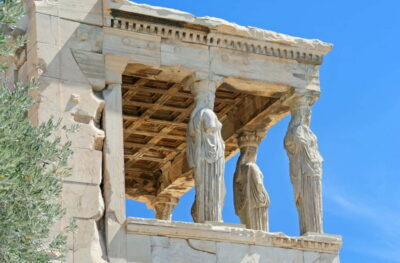 ★ 4.2Acropolis & up to 5 Archaeological Sites Combo PassFrom $4213,904 reviews
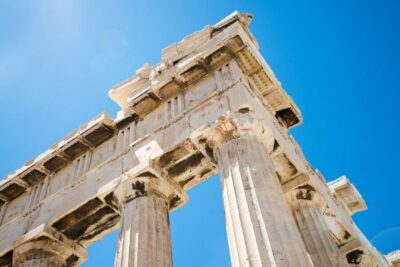 ★ 4.8Acropolis, Parthenon & Acropolis Museum Guided TourFrom $409,316 reviews
 ★ 4.7The Acropolis, Parthenon & Acropolis Museum Guided TourFrom $408,493 reviews
 ★ 4.8Acropolis: Premium Acropolis and Parthenon Guided TourFrom $405,208 reviews
 ★ 5.0Acropolis and Parthenon Guided Walking TourFrom $414,755 reviews
★ 4.8Acropolis, Parthenon & Acropolis Museum Guided TourFrom $413,579 reviews
 ★ 4.0Acropolis Ticket with Audio GuideFrom $473,575 reviews
 ★ 5.0Athens Scenic Electric Bike Tour with optional Acropolis visitFrom $353,350 reviews
Browse the lists this tour appears in