
Reviewed · ATHENS COOKING CLASSES
Athens: Kerameikos Stone House Cooking Class
Kerameikos doesn’t feel like Athens. It feels like a friend’s home kitchen. I love how this class starts with ingredients and technique, then turns into a real meal in a shaded garden table. You’ll learn 6 classic Greek dishes (like Yemista and spinach cheese pies) with wine included, taught by hosts such as Kostas or Elena—but one possible downside is that the pacing can feel a bit tight if you’re hoping to watch every step of dessert from start to finish.
You also get the small-group feel: fewer people, more hands-on work, and more talk about ingredients and Greek habits of cooking. Just plan to arrive hungry and ready to participate, because the best parts are the ones where you’re chopping, mixing, rolling, and tasting.
In This Review
- Key highlights worth your attention
- Kerameikos stone house cooking: why this feels different from a typical class
- Meeting at Mama’s Roots, plus the market stop on Tuesdays
- Cooking 6 Greek dishes in a real order: what you’ll learn and taste
- Yemista: oven-baked tomatoes and peppers, stuffed the local way
- Spinach cheese rolls: small phyllo pies you can actually repeat later
- Cretan ntakos salad: barley rusks, soaked and layered
- Kagiana: Greek scrambled eggs with tomato, pepper, and feta
- Tzatziki sauce: garlic, yogurt, cucumber, and the logic of balancing flavors
- Loukoumades: the honey-cinnamon finish
- From kitchen work to the garden table: meal flow and wine
- Your instructor matters: Kostas, Bill, Elena, and the small-group pace
- Price and value: does $106 make sense for what you get?
- Where you’ll stand, what you should bring, and how to enjoy it more
- Who should book this Athens cooking class?
- Should you book Athens: Kerameikos Stone House Cooking Class?
- FAQ
- How long is the Athens Kerameikos stone house cooking class?
- What dishes will I cook?
- Is there a market stop during the class?
- Does the class include wine?
- Are recipes included for use at home?
- Is the class taught in English?
- Is it a small group experience?
- Where do I meet for the class?
- What will I do after cooking?
Key highlights worth your attention
- Kerameikos stone house setting: a restored 1920s stone home that makes the whole experience feel grounded and local
- Market time on Tuesdays: a Farmers’ Market stop right in front, usually about 15 minutes
- Six-dish payoff: a full menu including Yemista, spinach cheese rolls, Cretan ntakos, Kagiana, tzatziki, and loukoumades
- Hands-on group cooking: you do real tasks, not just watch
- Garden meal with local wine: you cook, then sit down together outdoors
- Recipes you can use later: digital recipes after the class, shared via a link/QR-style access
Aprons on for another Greek kitchen
- Athens: Classic Cooking Class with Market Visit and Wine
★ 5.0 · 1,101 reviews - Athens: Food Market Visit and Cooking Class with Wine
★ 4.9 · 1,087 reviews - Greek Cooking Class in Athens Including Rooftop Dinner with Acropolis View
★ 5.0 · 826 reviews - Greek Small-Group Athens Cooking Class & Dinner
★ 5.0 · 574 reviews
Kerameikos stone house cooking: why this feels different from a typical class
I’ve taken my share of cooking classes. The ones that stick are usually the ones that feel human—like you stepped into someone’s routine, not into a staged performance. This one has that old Athens calm built in, starting with the restored stone house in the Kerameikos neighborhood.
You meet at Mama’s Roots, then you’re quickly inside a kitchen that feels lived-in: stone walls, a practical cooking setup, and enough space to move as a group. It’s not a giant production line. It’s a kitchen where an instructor can teach, correct, and then let you do the work.
The garden meal is the other reason I like this format. Instead of rushing everyone out right after cooking, you sit and eat what you made—often with the wine that’s included with the meal. That makes the class feel like an afternoon, not a timed task.
Meeting at Mama’s Roots, plus the market stop on Tuesdays
Your experience starts at Mama’s Roots in Athens. It’s in the heart of Kerameikos, an area known for food and nightlife—so you’re close to plenty of options before or after your class. One useful planning note: it’s roughly a 20-minute walk from Monastiraki, if you like walking and want to keep transportation simple.
Here’s the neat detail: every Tuesday, the Farmers’ Market is right in front of the place. The class usually spends around 15 minutes there to grab fresh ingredients. That doesn’t sound long, but it’s exactly enough time to understand how locals shop—choosing by smell, season, and what looks freshest, not by recipe cards.
If you’re doing this on a different day, you’ll still be cooking with fresh ingredients. The market stop just becomes a Tuesday bonus that adds context for why certain flavors show up in Greek food again and again.
Cooking 6 Greek dishes in a real order: what you’ll learn and taste
This class is built around cooking six traditional Greek dishes, and the menu can shift with seasonal availability. What matters for you is the mix: you’ll get salads, pies, sauces, a baked vegetable dish, eggs, and a honey dessert. That variety teaches technique, not just recipes.
More time at the stove
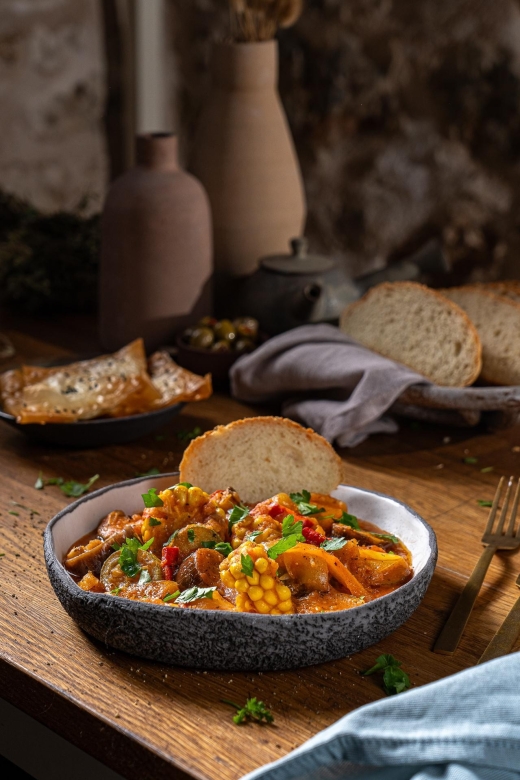
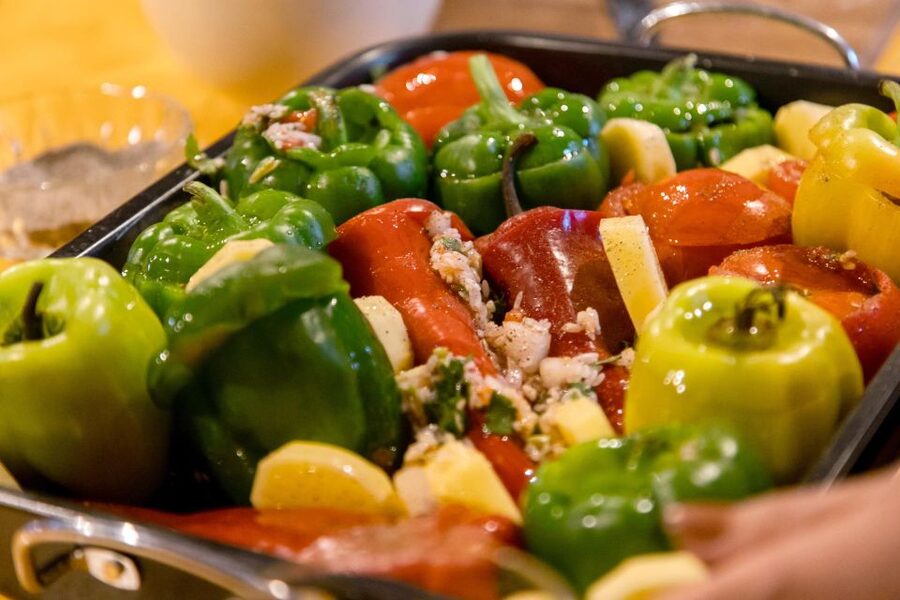
Yemista: oven-baked tomatoes and peppers, stuffed the local way
Yemista is comfort food with structure. You’re working with tomatoes and peppers filled with rice, vegetables, herbs, and extra virgin olive oil. The technique focus here is seasoning and filling texture—so it bakes into something cohesive rather than watery or bland.
Even if you don’t think of yourself as a cook, this dish is a good confidence builder because it’s forgiving and very forgiving when it comes out smelling right.
Spinach cheese rolls: small phyllo pies you can actually repeat later
These are crunchy mini pies made with feta, fresh spinach, and herbs, wrapped in phyllo and baked. This is where you learn a practical folding/rolling approach, plus the idea of balancing salty cheese with herb freshness.
I like how this one translates to home cooking. Even if you’re busy, mini pies are a satisfying project that still feels doable on a weeknight.
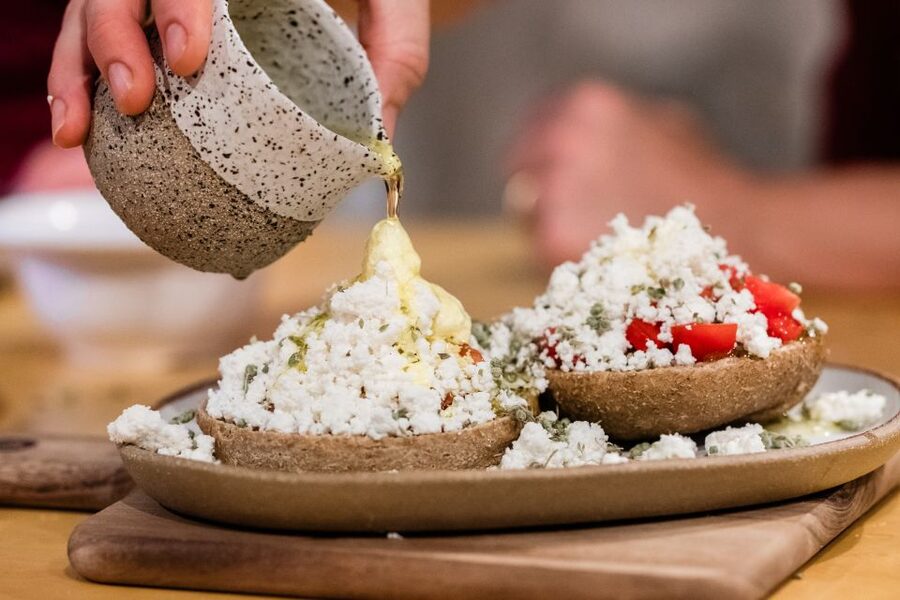
Cretan ntakos salad: barley rusks, soaked and layered
Cretan ntakos is different from a typical lettuce-and-tomatoes salad. It uses barley rusks soaked in olive oil, then topped with diced tomato, capers, oregano, and sour mizithra cheese. The lesson is about timing and texture: rusks need the right soaking so they soften without turning into mush.
Kagiana: Greek scrambled eggs with tomato, pepper, and feta
Kagiana is a savory egg dish with grated tomato, peppers, and feta mixed into the scramble. If you’ve had eggs in Greece and wondered how they keep tasting bright and herbal, this is the answer.
This dish teaches you how to manage moisture from vegetables and still keep the eggs tender.
Tzatziki sauce: garlic, yogurt, cucumber, and the logic of balancing flavors
You’ll make a classic tzatziki using garlic, yogurt, and cucumber. The practical value isn’t just the ingredients—it’s how the instructor explains balance: cool yogurt with sharp garlic and watery cucumber, plus how to get the texture right.
The best part is that tzatziki is so reusable. You’ll make it after your trip with confidence because you’ll understand what each component is supposed to do.
Loukoumades: the honey-cinnamon finish
Loukoumades are small doughnuts finished with honey and cinnamon. They’re the kind of dessert that feels festive even when it’s simple.
One small consideration: if you’re the type who loves watching every step of dessert creation, you may wish you had a bit more time specifically on the loukoumades process from start to finish. The class works at a good pace overall, but dessert can feel like the final sprint.
From kitchen work to the garden table: meal flow and wine
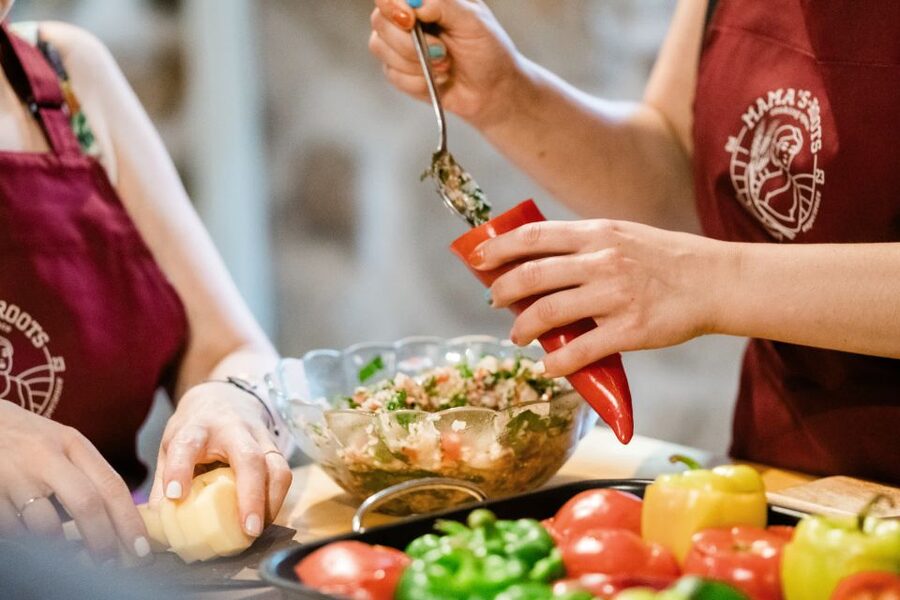
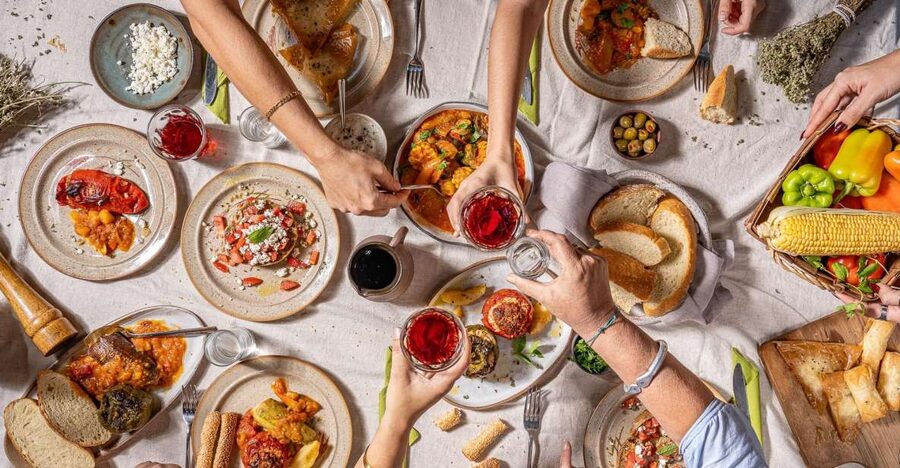
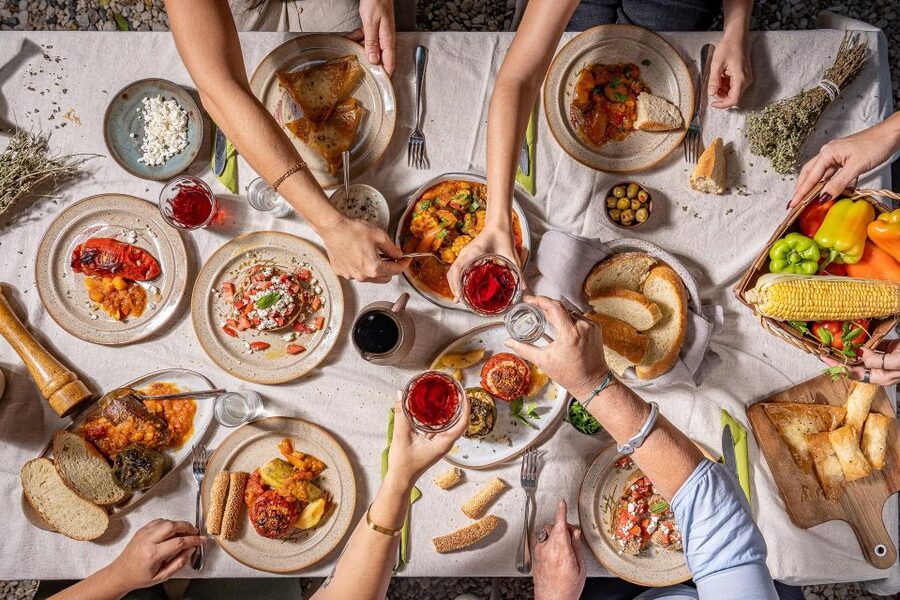
After you cook, you eat what you made in the outdoor garden area. This is where the whole experience becomes worth more than the sum of the recipes. When you sit together, you taste everything with context—why the pies are shaped a certain way, why the salad uses rusks, and why the egg dish depends on tomato and pepper.
Wine from local producers is included to accompany the meal. I wouldn’t treat it like a formal tasting, more like an easy pairing while you relax. If your group wants conversation time, this format encourages it because everyone is done with the cooking and focused on eating.
Also, if you end up with leftovers (it happens), the experience can include help packing things up. That’s a nice option if you don’t want to waste food or if you want to extend the meal later.
Your instructor matters: Kostas, Bill, Elena, and the small-group pace
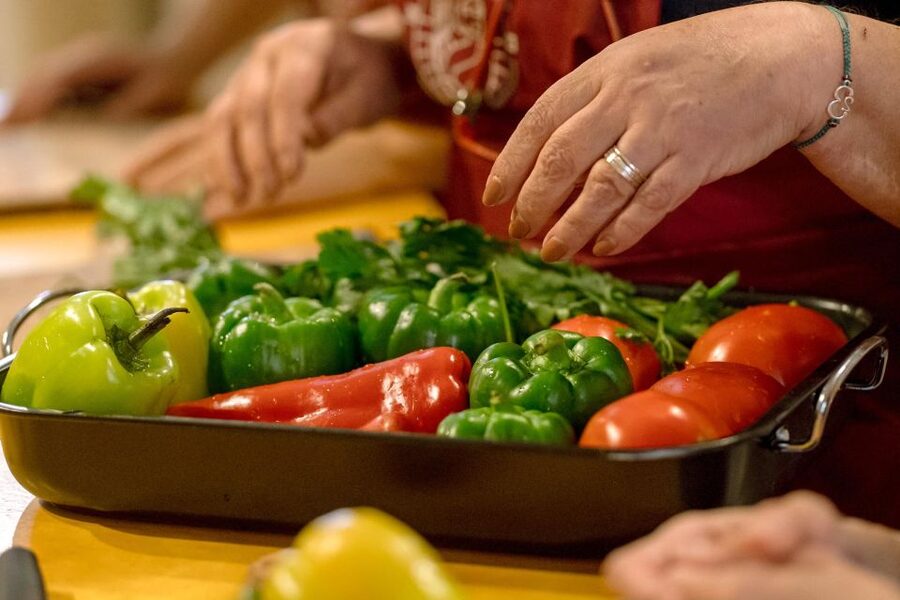
The class experience depends heavily on the host, and this one has strong recurring names. You might cook with Kostas, Elena, or Bill/Vasilis, and they tend to share the same teaching style: clear step-by-step guidance, lots of participation, and stories tied to ingredients.
I love instructors who explain why something works. Here, you’re not only told what to do—you’re told what to look for in texture, what to expect when baking, and where ingredients fit into Greek cooking. When the pace is well managed, each station flows into the next so you’re not waiting around too long.
Small group size helps a lot. A recent class ran with about seven people, which is ideal because you get enough hands-on time to feel like you contributed to each dish, not just one.
Price and value: does $106 make sense for what you get?
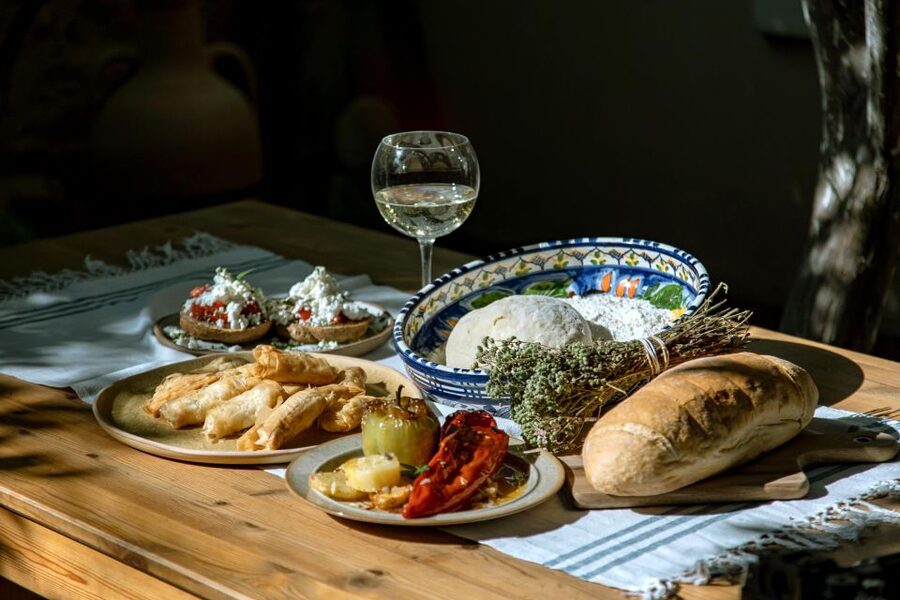
At $106 per person for a 3 to 3.5 hour experience, you’re paying for a lot more than a meal. You’re paying for a guided cooking project with:
- Six dishes cooked by you (not just served to you)
- Wine included with the meal
- Recipes in digital form so you can cook again at home
If you consider what you’d spend in Athens just eating a multi-course lunch or dinner at a good spot, plus the cost of ingredients if you tried to recreate this at home, the class starts looking like a fair deal. The bigger value is the technique and the fact that you leave with a plan—specific recipes you can follow.
One more value point: you get to practice Greek basics like tasting, seasoning, and balancing dairy, herbs, and oil. That kind of know-how is what makes home cooking feel less like guessing.
Where you’ll stand, what you should bring, and how to enjoy it more
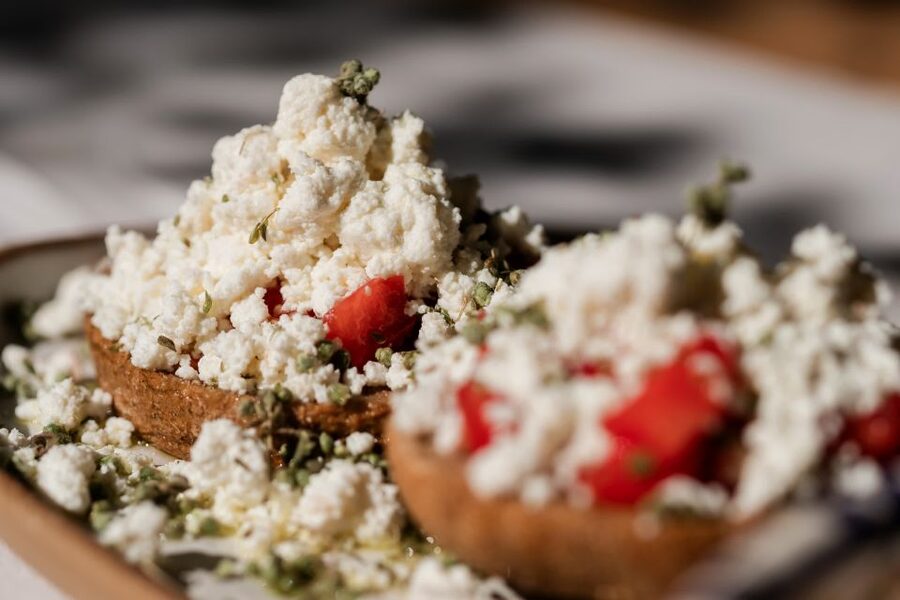
This is hands-on cooking, so your comfort matters. Wear something you can move in, and expect a bit of kitchen warmth—especially in stone houses during olive-oil and baking sessions.
I also recommend bringing an open mind about participation. The best learning comes when you’re willing to do the mixing and rolling, even if you’re not confident. The instructors tend to be patient and keep things moving.
If you like souvenirs, there can be a small shop in the house area selling items from local artisans (pottery and jewelry have come up). One practical tip from people who went: bring some cash if you want to buy anything, since the small shop setup can differ from the usual card-friendly tourist stores.
Finally, plan your evening. You’ll likely finish full—pies, eggs, salad, and dessert add up fast. If you want to see sights afterward, choose something close. If you want to linger in Kerameikos, it’s a good neighborhood to do exactly that.
Who should book this Athens cooking class?
This class is a great match if you want:
- A hands-on Greek cooking lesson with real tasks
- A calmer Athens setting in Kerameikos, with outdoor eating afterward
- A menu that covers multiple dishes you’re likely to crave at Greek tavernas
It’s also a strong choice for couples and small groups. The small-group pace makes conversation easy, and you’ll actually work through the menu together.
If you’re an advanced chef looking for a deep technical masterclass, you might find it more relaxed than lab-level cooking. But if you’re coming to Greece to learn how locals eat and cook day to day, this is exactly the sort of afternoon that pays off.
Should you book Athens: Kerameikos Stone House Cooking Class?
Yes—if you want a meaningful food experience that doesn’t feel like a checklist. I’d book it if you enjoy cooking, if you want to learn how to make at least a few dishes you can repeat, and if you like the idea of eating in a stone-house garden instead of a loud restaurant.
Hold off only if you’re extremely timing-sensitive about dessert steps or you want a more rigid, formal cooking style. Otherwise, this hits the sweet spot: great ingredients, six dishes you’ll remember, and a host-led atmosphere that feels like an afternoon with locals rather than a performance for tourists.
FAQ
How long is the Athens Kerameikos stone house cooking class?
The class runs about 3 to 3.5 hours.
What dishes will I cook?
You’ll cook six traditional Greek dishes. The menu examples include Yemista, spinach cheese rolls, Cretan ntakos salad, Kagiana, tzatziki sauce, and loukoumades (and it can change based on seasonal availability).
Is there a market stop during the class?
On Tuesdays, the Farmers’ Market is right in front of the meeting place, and the class usually spends about 15 minutes there to pick up ingredients.
Does the class include wine?
Yes. Wine from local producers is included to accompany the meal.
Are recipes included for use at home?
Yes. You’ll receive recipes in digital form after the class.
Is the class taught in English?
The instructor is listed as English.
Is it a small group experience?
Yes. It’s offered as a small group class.
Where do I meet for the class?
You meet at Mama’s Roots in Athens.
What will I do after cooking?
After preparing the dishes, you share the meal together in the garden/outdoor area, with the included wine.
Learn Another Greek Dish
- Athens: Classic Cooking Class with Market Visit and Wine★ 5.0 · 1,101 reviews
- Athens: Food Market Visit and Cooking Class with Wine★ 4.9 · 1,087 reviews
- Greek Cooking Class in Athens Including Rooftop Dinner with Acropolis View★ 5.0 · 826 reviews
- Greek Small-Group Athens Cooking Class & Dinner★ 5.0 · 574 reviews
- Athens: Greek Cooking Class & Dinner on a Rooftop★ 5.0 · 383 reviews
- Athens: Greek Cuisine Cooking Class and 3-Course Dinner★ 4.8 · 270 reviews
More Tour Reviews in Athens
- Athens: Acropolis & up to 5 Archaeological Sites Combo Pass★ 4.2 · 13,904 reviews
- Athens: Acropolis, Parthenon & Acropolis Museum Guided Tour★ 4.8 · 9,316 reviews
- The Acropolis, Parthenon & Acropolis Museum Guided Tour★ 4.7 · 8,493 reviews
- Athens: Cape Sounion & Poseidon Temple Sunset Half-Day Trip★ 4.8 · 8,241 reviews
- Acropolis: Premium Acropolis and Parthenon Guided Tour★ 4.8 · 5,208 reviews
- Athens: Mythology of Delphi, Museum and Arachova Guided Tour★ 4.7 · 5,102 reviews
Cook It Yourself: Greek Classes
- Athens: Classic Cooking Class with Market Visit and Wine★ 5.0 · 1,101 reviews
- Athens: Food Market Visit and Cooking Class with Wine★ 4.9 · 1,087 reviews
- Greek Cooking Class in Athens Including Rooftop Dinner with Acropolis View★ 5.0 · 826 reviews
- Greek Small-Group Athens Cooking Class & Dinner★ 5.0 · 574 reviews
- Athens: Greek Cooking Class & Dinner on a Rooftop★ 5.0 · 383 reviews
- Athens: Greek Cuisine Cooking Class and 3-Course Dinner★ 4.8 · 270 reviews
Fresh Off the Boat: New Athens Reviews





Athens Cooking Classes, compared.
 ★ 5.0Classic Cooking Class with Market Visit and WineFrom $831,101 reviews
 ★ 4.9Food Market Visit and Cooking Class with WineFrom $811,087 reviews
 ★ 5.0Greek Cooking Class in Athens Including Rooftop Dinner with Acropolis ViewFrom $120826 reviews
 ★ 5.0Greek Small-Group Athens Cooking Class & DinnerFrom $118574 reviews
 ★ 5.0Greek Cooking Class & Dinner on a RooftopFrom $108383 reviews
 ★ 4.8Greek Cuisine Cooking Class and 3-Course DinnerFrom $115270 reviews
 ★ 5.0Traditional Greek cooking class and lunch or dinner with an Acropolis viewFrom $114250 reviews
 ★ 5.0Athens Greek Cooking Class Pita Gyros from Scratch with a LocalFrom $133175 reviews
Browse the lists this tour appears in