
Reviewed · ATHENS WALKING TOURS
Athens: Local Markets with Artisanal Crafts Walking Tour
A market tour beats the usual sightseeing loop fast. This one mixes hands-on artisan stops with big-picture views from Areopagus Hill, then drops you into the shopping corridors around Plaka, Monastiraki, Psyri, and Omonia. I love that it’s not just browsing from the sidewalk. You’re walking with an experienced guide and getting pointed to where the local makers actually work. The one downside to know up front: you’ll do some uphill walking, so comfy shoes matter.
The route starts in Koukaki, climbs for the skyline look, then works its way south through Athens’ most trade-heavy areas. You also get a coffee and snack break, plus tasting street food near Omonia. If you’re the type who likes to talk to shop owners and collect small, meaningful items instead of souvenirs made by a machine, this tour fits like it was designed for you.
In This Review
- Key highlights you should care about
- Starting in Koukaki: meeting point and why that matters
- Climbing Areopagus Hill for the view (then putting it to use)
- Plaka to Monastiraki: where crafts, texture, and choices show up
- Varvakios Market: the meat-market stop you’ll remember
- Around Psyri and through Geraniou Street: crafts meet everyday Athens
- Omonia Square: street food tasting and the walk’s finish line
- The guided flow: breaks, coffee, and how the timing works
- Small-group size (10 people max): better conversations and less rushing
- What you’re paying for: price value at $141
- What to bring (and wear) so you can shop without stress
- Who this tour suits best (and who should skip it)
- Should you book this Athens market and crafts walking tour?
- FAQ
- Where is the meeting point for the Athens Local Markets tour?
- How long is the walking tour?
- What’s included in the price?
- Are there language options for the guide?
- How many people are in the group?
- What should I bring with me?
- Can I cancel for a full refund?
Key highlights you should care about
- Areopagus Hill viewpoint to set your bearings before the market chaos starts
- Open markets and artisan shops you can actually browse, ask questions, and compare
- Varvakios Market experience, including the memorable meat-market energy
- Street-food time near Omonia Square so the tour doesn’t stay purely shopping-only
- Small-group setup (max 10) for better conversation and easier pacing
On foot through Plaka and beyond
- Acropolis and Parthenon Guided Walking Tour
★ 5.0 · 4,755 reviews - Greek Food Walking Tour in Athens
★ 5.0 · 4,740 reviews - Athens: Guided Greek Food Walking Tour with Tastings
★ 4.9 · 2,859 reviews - Acropolis monuments & Parthenon Walking Tour with Optional Acropolis Museum
★ 5.0 · 2,678 reviews
Starting in Koukaki: meeting point and why that matters
Your tour meets at Parthenonos 12, at the base of Trekking Hellas Athens in the Koukaki area. I like this because Koukaki is a practical launchpad. You get into central Athens quickly without starting in the most crowded hub and feeling slammed by traffic and noise right away.
From that meeting point, you start walking and build momentum. The first big moment is the uphill climb toward Areopagus Hill. If you’ve ever tried to visit that area on your own, you know it can feel like you’re wandering until you find the view. Here, you go in with a plan and a guide who keeps you moving at a human pace.
Tip: wear the shoes you’d choose for a full market morning, not sneakers that are “okay for photos.” You’ll walk enough that foot comfort becomes part of the experience, not a side issue.
Climbing Areopagus Hill for the view (then putting it to use)
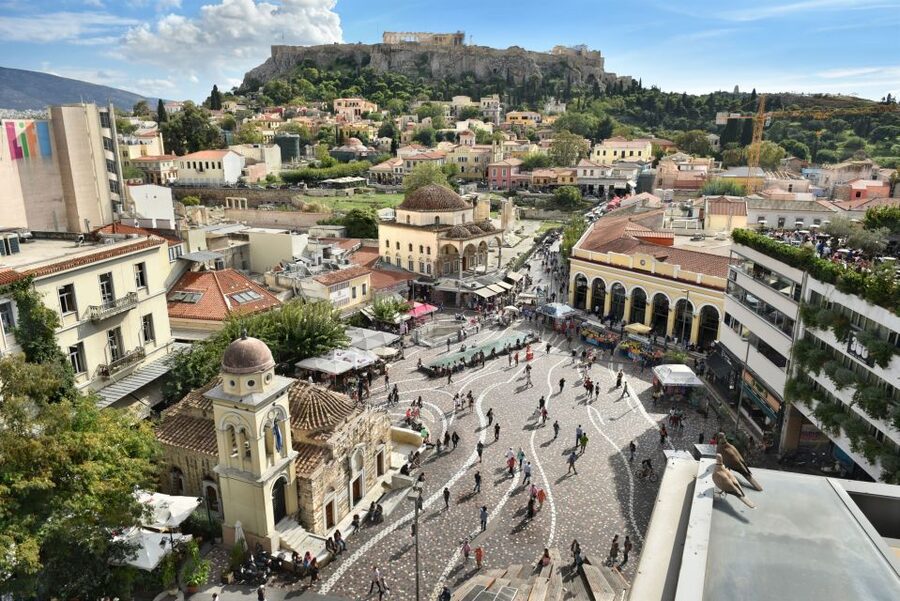
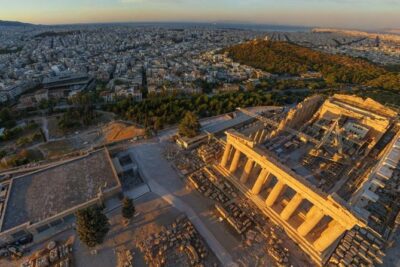
The tour’s first major payoff is walking up to Areopagus Hill for the view. This is one of those spots where Athens finally makes sense in your head. You can see how the city lays out below, and it helps you understand why certain neighborhoods evolved where they did.
After the viewpoint, you’re not just looking and then drifting back into town. You head south through Plaka, which means the view isn’t a standalone moment. It becomes a mental map for the rest of the walk.
Also, Areopagus Hill is a quick reality check: this is an easy walking tour, but it still includes an uphill stretch. Bring a light layer even in warmer months, because that hill air can cut through. Your windbreaker (or a compact layer) is exactly the kind of thing that makes this part feel comfortable instead of annoying.
Plaka to Monastiraki: where crafts, texture, and choices show up
Once you leave Areopagus Hill, the route takes you through Plaka, then down toward Monastiraki and onward to Psyri. This is where Athens starts doing its “you’re going to want to stop every five minutes” routine.
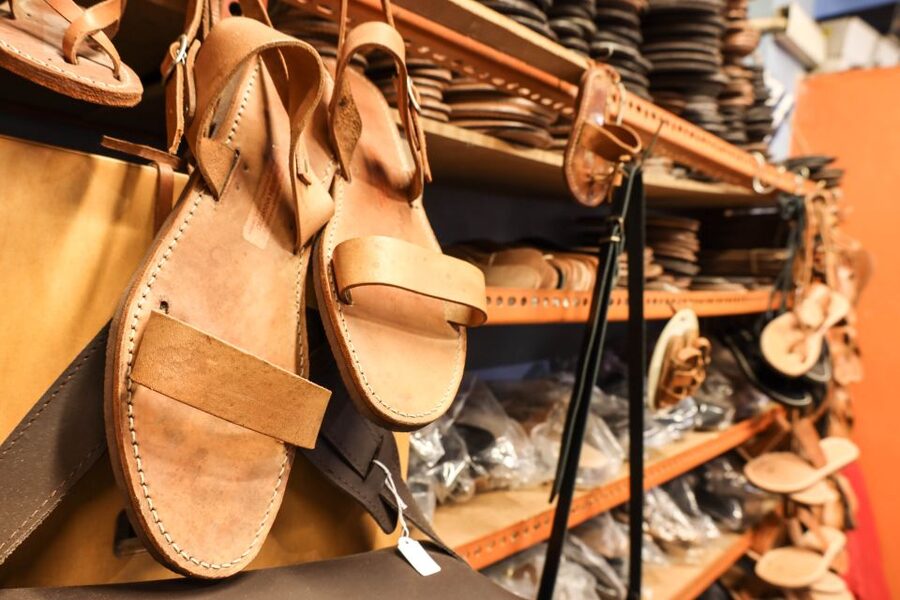
In these corridors, the tour focuses on local open markets and artisanal crafts. That word “artisanal” can get vague on some tours, so here’s the practical meaning: you’re looking at small shops and maker-run spaces where products often have a story behind them. The goal isn’t to buy the most expensive thing. It’s to see what’s made locally, in demand, and still being made that way.
You’ll also pass key civic and historic landmarks along the way—like the old Stock Exchange and Athens City Hall—so the walk has structure. You’re not only consuming visuals. You’re connecting the craft scene with the city’s everyday life.
Athens at walking pace, more routes
Varvakios Market: the meat-market stop you’ll remember
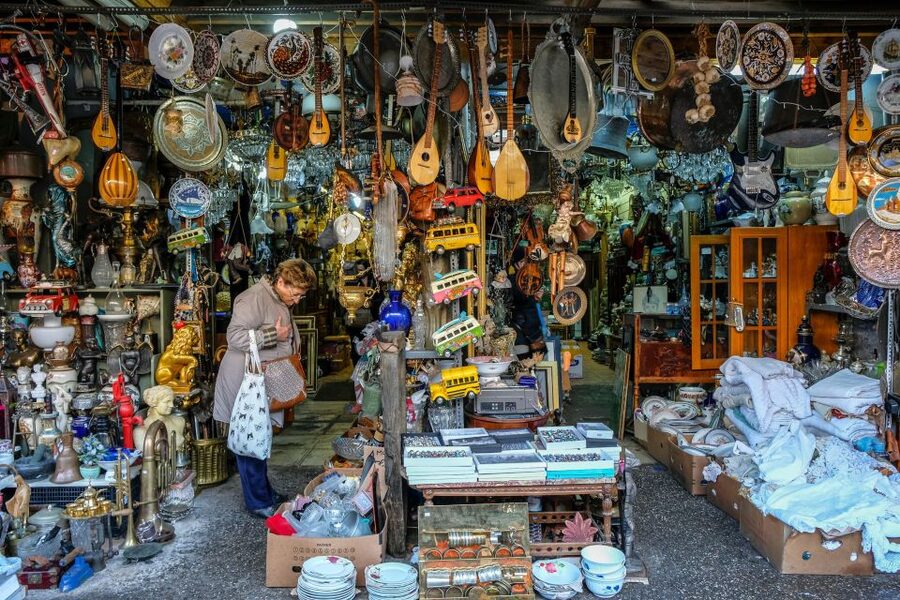
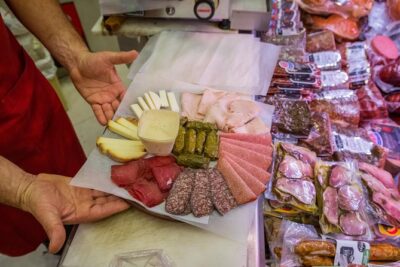
The most vivid stop comes when you reach the Varvakios Market, known as Athens’ well-known meat market. This is one of those places where you feel the city’s working rhythm. The sights, sounds, and smells are part of the deal.
What I like about including Varvakios Market in a crafts and shopping tour is that it balances things. Athens isn’t just marble and museums. It’s also daily trade. Standing there with a guide helps you decode what you’re seeing without needing to know Greek market vocabulary first.
Also, this is where you’ll likely understand the value of a guided route: you can look around with purpose instead of getting overwhelmed. If you’re hoping to buy something, Varvakios gives you a sense of what people come here for, and how markets influence the surrounding shop ecosystem.
Quick consideration: if you’re sensitive to strong food odors or you prefer cleaner, calmer environments, keep that in mind. This stop is memorable, but it’s not meant to be gentle.
Around Psyri and through Geraniou Street: crafts meet everyday Athens
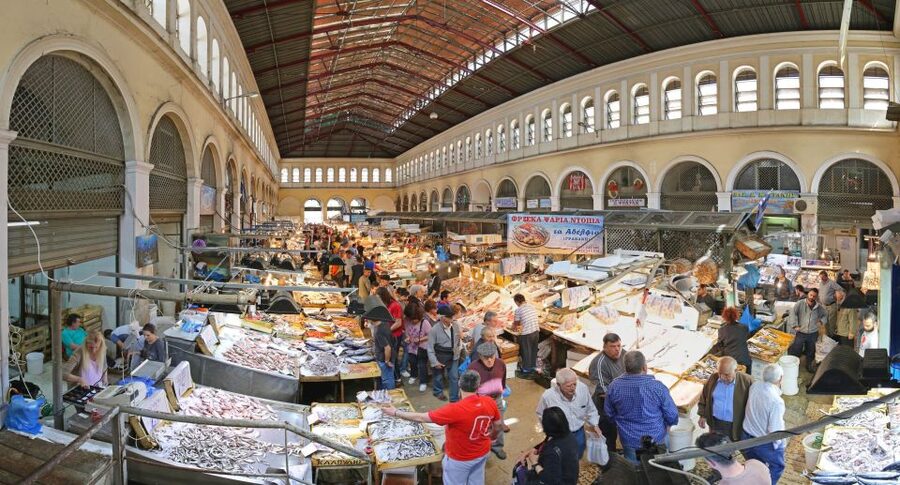
After the meat-market intensity, the tour shifts into a different mood. You move through the Psyri area and then into Geraniou Street, described as a multicultural neighborhood pocket.
This is where the tour’s “artisan” theme can feel more personal. The market world isn’t just stalls—it’s people running shops across generations. You’ll have chances to observe how different types of crafts are sold, displayed, and explained.
This section is also a good reminder that Athens’ identity isn’t locked in one neighborhood. You’ll see how craft culture and everyday city life overlap. Sometimes that overlap is what you want from a market tour: proof that these shops aren’t frozen in time.
And because the group is small, you can ask questions without feeling like you’re hijacking the guide’s time. In a market setting, that matters. Even simple questions—what something is used for, how it’s made, where it’s from—turn browsing into real conversation.
Omonia Square: street food tasting and the walk’s finish line
The last part of the tour circles Omonia Square, an area that stays active. This is a useful change of pace because the tour ends in a place that feels like the city’s daily engine.
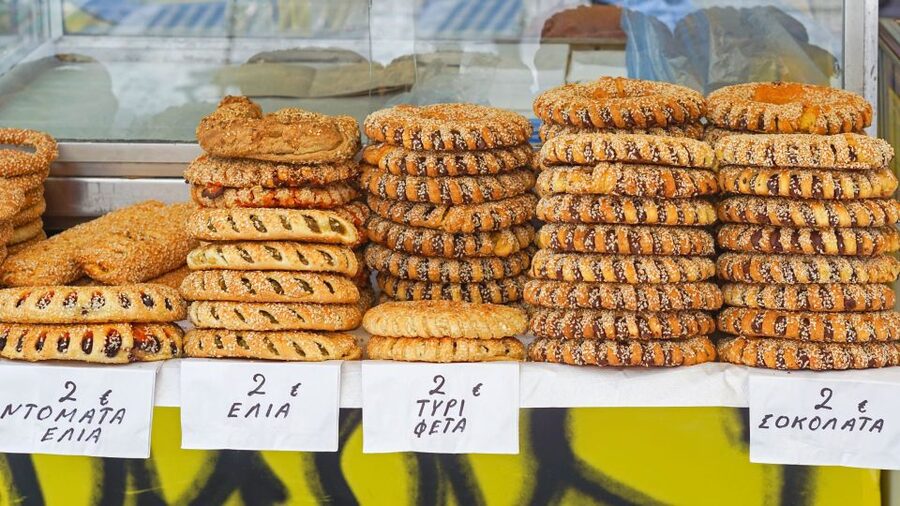
You’ll get to taste street food in this area, which is included in the overall tour experience even though it isn’t framed as a full sit-down meal. I like this because it keeps the tour grounded. You’re not only buying objects. You’re also experiencing food culture in the places where locals actually eat.
The tour ends at the Omonia metro station. That’s a smart finish. It means you can hop on transit right after you wrap up, instead of having to figure out your exit plan with bags and a head full of market images.
If you’re the kind of person who always wants one last snack, you’ll probably be tempted. Just pace yourself—street food is fun, but you’ll still have a lot of shopping walking ahead if you decide to do extra stops on your own.
The guided flow: breaks, coffee, and how the timing works
The tour is structured around a simple rhythm:
- Walk and shop through the artisan/market areas
- Take a mid-tour coffee & snack break
- Continue the walking and market browsing toward Omonia
The schedule is split into a morning block and a continuation block, designed to keep energy steady. Even with “small group,” market walking can wear you down because you stop often, look longer, and ask more questions than you planned.
That coffee and snack pause is more than a perk. It resets your senses. Markets can be loud and visually heavy, and a quick break helps you shop with better judgment instead of impulse fatigue.
Practical move: use the break to decide what you’re really shopping for. If you go in with a shopping wish list—gifts, items for your home, things you can pack easily—you’ll get more out of the experience.
Small-group size (10 people max): better conversations and less rushing
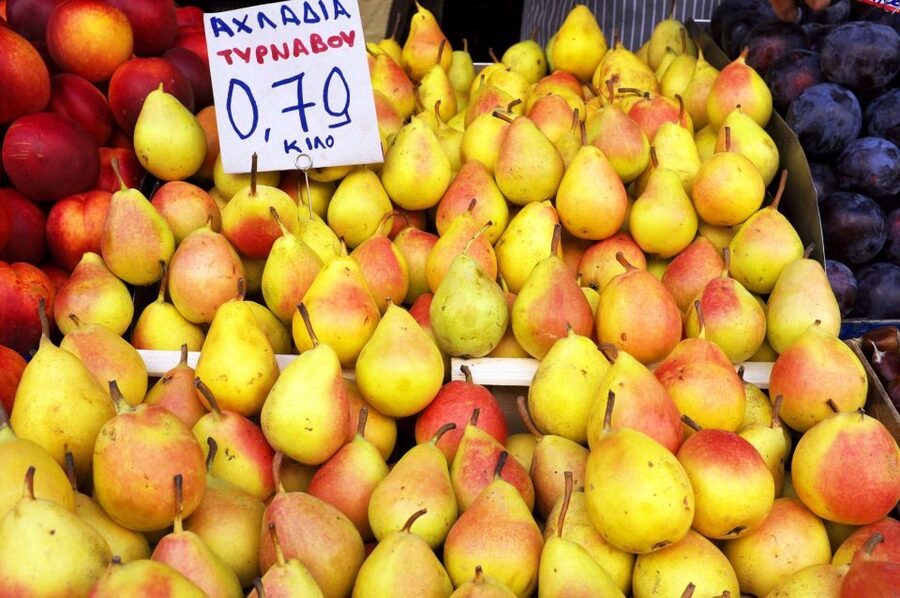
This tour caps at 10 participants, with a live guide in English and Greek. That size changes the experience in a very practical way.
In a large group, market tours become a moving line. You glance, you follow, you hope you catch up. Here, you can slow down without losing the whole day. You can ask questions, and the guide can actually notice what you’re interested in.
It also makes shopping less stressful. You’re not competing for attention or getting swept along before you’ve had time to compare items or understand what you’re buying. You’ll also have an easier time hearing explanations, especially in busier areas where street noise makes details hard to catch.
In past experiences with guides like Theo, the focus has been on walking the shop alleys with context and letting you talk with shop owners. The vibe is: you’re not just collecting items; you’re collecting understanding.
And in situations where timing gets tricky around major holidays, guides like Yiannis are known for being flexible and practical with suggestions for necessities and where to go next if stores close early.
What you’re paying for: price value at $141
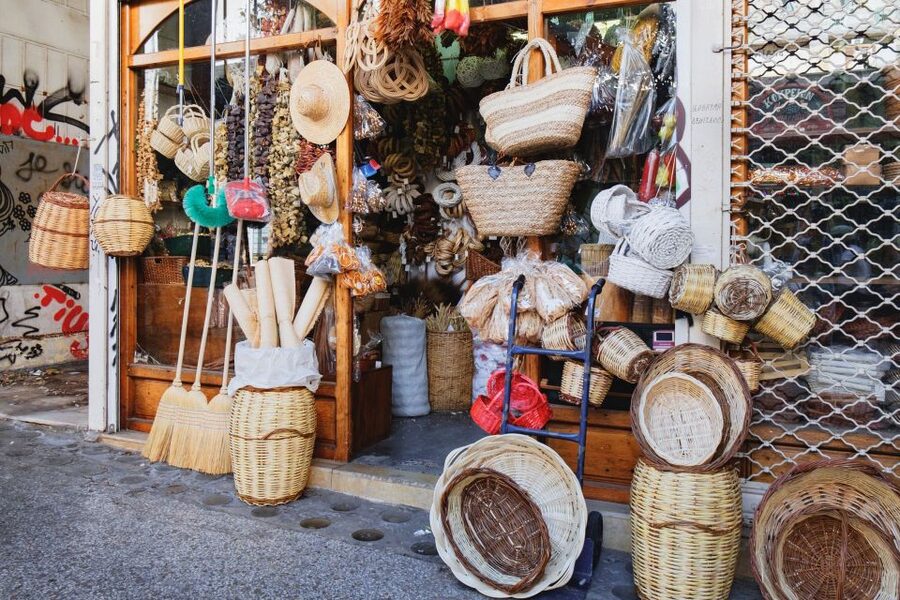
The price is $141 per person for a 3-hour guided walking tour. At first glance, that can sound like a “nice-to-have” expense instead of a must-do. But here’s what you’re actually getting, and why it can be good value:
- A guide-led route that covers multiple Athens market areas in one morning
- Access to local open markets and artisan shops with context
- A structured stop at Varvakios Market
- Coffee and a snack included
- VAT included
The biggest hidden value is time. If you try to stitch together the same route on your own, you lose the benefit of having someone steer you toward the right shops and help you interpret what you’re seeing. Markets reward guidance because they’re dense. A guide turns that density into clarity.
So I think $141 makes sense if you want craft shopping plus an introduction to where people actually buy and sell. If you’re not planning to shop, and you just want a quick view, you might prefer a shorter sightseeing option.
What to bring (and wear) so you can shop without stress
This tour gives you a packing checklist for a reason. Markets are an all-weather sport, and you’ll spend time outdoors.
Bring:
- Windbreaker
- Sunglasses
- Hat
- Reusable water bottle
Wear:
- Comfortable shoes and clothing, because the tour includes walking and includes an uphill section.
Also, plan for shopping reality. You’ll want to move freely through shop spaces. If you show up with bulky luggage or heavy layers, it will slow you down and make you less likely to stop.
One more small thought: because you may buy items, keep your hands free when you can. You’ll enjoy the market more when you’re not juggling everything while trying to browse.
Who this tour suits best (and who should skip it)
This tour is a great fit if you:
- Like shopping, but prefer meaningful items over random souvenirs
- Enjoy talking with shop owners and seeing how things are made
- Want a guided walk through central neighborhoods without needing a map brain
It’s also a smart choice for first-time Athens visits because it gives you a practical sense of how markets connect to the city layout.
I’d skip it if you:
- Don’t want any food-market intensity (Varvakios is a strong sensory stop)
- Have trouble with walking on uneven streets or uphill climbs, even if the tour is described as easy
Should you book this Athens market and crafts walking tour?
If your idea of a good Athens morning includes artisan browsing, open markets, and an actual viewpoint before you shop, I’d book it. The value is in the combination: Areopagus Hill views, a craft-focused market route, Varvakios Market, and a final push through Omonia Square with street-food tasting.
Book it especially if you like guided shopping. A small group of 10 means you can ask questions and take your time. And with guides from Trekking Hellas, the emphasis is on route flow, local shop context, and practical city advice when things change.
If you’d rather do Athens at museum speed, or you hate markets, this won’t be your best match. But for craft lovers and food-curious shoppers, it’s one of the more satisfying ways to spend three hours.
FAQ
Where is the meeting point for the Athens Local Markets tour?
You’ll meet at Parthenonos 12, Athens, at the base of Trekking Hellas Athens.
How long is the walking tour?
The tour runs for 3 hours.
What’s included in the price?
The tour includes an experienced Trekking Hellas Athens guide, coffee & snack, and VAT.
Are there language options for the guide?
Yes. The guide speaks English and Greek.
How many people are in the group?
This is a small group limited to 10 participants.
What should I bring with me?
Bring a windbreaker, sunglasses, hat, and a reusable water bottle. Comfortable shoes and clothing are also recommended.
Can I cancel for a full refund?
Yes. You can cancel up to 24 hours in advance for a full refund.
More Tours in Athens
- Athens: Acropolis, Parthenon & Acropolis Museum Guided Tour★ 4.8 · 9,316 reviews
- The Acropolis, Parthenon & Acropolis Museum Guided Tour★ 4.7 · 8,493 reviews
- Acropolis: Premium Acropolis and Parthenon Guided Tour★ 4.8 · 5,208 reviews
- Athens: Mythology of Delphi, Museum and Arachova Guided Tour★ 4.7 · 5,102 reviews
- Acropolis and Parthenon Guided Walking Tour★ 5.0 · 4,755 reviews
- Greek Food Walking Tour in Athens★ 5.0 · 4,740 reviews
More Tour Reviews in Athens
- Athens: Acropolis & up to 5 Archaeological Sites Combo Pass★ 4.2 · 13,904 reviews
- Athens: Acropolis, Parthenon & Acropolis Museum Guided Tour★ 4.8 · 9,316 reviews
- The Acropolis, Parthenon & Acropolis Museum Guided Tour★ 4.7 · 8,493 reviews
- Athens: Cape Sounion & Poseidon Temple Sunset Half-Day Trip★ 4.8 · 8,241 reviews
- Acropolis: Premium Acropolis and Parthenon Guided Tour★ 4.8 · 5,208 reviews
- Athens: Mythology of Delphi, Museum and Arachova Guided Tour★ 4.7 · 5,102 reviews
Athens on Foot, Continued
- Acropolis and Parthenon Guided Walking Tour★ 5.0 · 4,755 reviews
- Greek Food Walking Tour in Athens★ 5.0 · 4,740 reviews
- Athens: Guided Greek Food Walking Tour with Tastings★ 4.9 · 2,859 reviews
- Acropolis monuments & Parthenon Walking Tour with Optional Acropolis Museum★ 5.0 · 2,678 reviews
- Athens Acropolis and Parthenon Walking Tour★ 4.5 · 1,355 reviews
- Acropolis, Parthenon & Athens Old City Heritage Walking Tour★ 4.5 · 876 reviews
Fresh Off the Boat: New Athens Reviews



Athens Walking Tours, compared.
 ★ 5.0Acropolis and Parthenon Guided Walking TourFrom $414,755 reviews
 ★ 5.0Greek Food Walking Tour in AthensFrom $874,740 reviews
 ★ 4.9Guided Greek Food Walking Tour with TastingsFrom $812,859 reviews
 ★ 5.0Acropolis monuments & Parthenon Walking Tour with Optional Acropolis MuseumFrom $422,678 reviews
 ★ 4.5Athens Acropolis and Parthenon Walking TourFrom $411,355 reviews
 ★ 4.5Acropolis, Parthenon & Athens Old City Heritage Walking TourFrom $34876 reviews
 ★ 5.0Athens Authentic Greek Food Walking Tour (Small Group)From $83809 reviews
 ★ 4.9Ultimate Food Walking Tour with 15 TastingsFrom $93567 reviews
Browse the lists this tour appears in