

Reviewed · METEORA DAY TRIPS
Athens: Meteora Monasteries Tour with Local Guide and Greek Lunch
One day in Meteora changes your sense of time. This Athens-to-Meteora tour puts you up close to UNESCO cliff-top monasteries with a local guide who explains what you’re seeing, plus planned photo stops that help you frame the views. The one big catch: it’s a long day, with about 8 hours of bus time round-trip and lots of uphill walking once you’re there.
I like that the tour handles the heavy lifting—transit, timing, and a guided route—so you’re not piecing together buses and viewpoints on your own. You’ll also get time in Kalambaka, which makes the day feel less like a nonstop shuffle and more like a real break in the middle.
The main consideration is physical effort. Plan for steps and steep paths between monasteries, and bring a realistic mindset: you’re sightseeing all day, not floating through it.
In This Review
- Key things I’d focus on before you go
- Price and logistics: what your $84.66 is actually buying
- The morning start in Athens: timing, comfort, and what to expect
- Kalambaka: the town stop that breaks up the long day
- Meteora monasteries: the guided route and why three inside visits matter
- Stop-by-stop: what each monastery stop feels like
- Roussanou (Arsani) monastery
- Saint Nicholas of Anapafsas
- Varlaam monastery (one of the biggest)
- Holy Trinity monastery (the stairs challenge)
- Agios Stefanos (easy access, still cliff-top dramatic)
- Great Meteoron monastery (the big centerpiece)
- Inside monasteries: dress code, cash, and how to plan your time
- Lunch vs no lunch: which option makes more sense
- The guides: why the narration is a major part of the value
- How hard is this day, really?
- Should you book this Meteora day trip from Athens?
Key things I’d focus on before you go
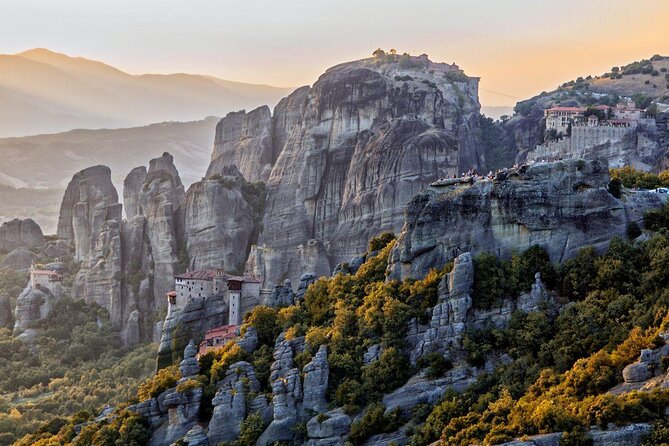
- A set route across Meteora pillars with outside views plus visits to 3 monasteries inside (fees apply)
- Photo stops built into the day, so you’re not just rushing from one rock to the next
- Kalambaka time + optional Greek lunch so you can choose comfort or flexibility
- Cash-only monastery entrances (about €5 per monastery), which affects how you plan your day
- A guide’s storytelling that explains why hermits chose these caves and cliffs a thousand years ago
- Seasonal sunset option (Nov–Jan) from a panoramic viewpoint if you travel in that window
Monasteries in the sky, more Meteora trips
- Athens: Meteora Monasteries Day Trip with Caves and Lunch
★ 4.7 · 4,670 reviews - Athens to Meteora: Monasteries, Caves & Seaside Stopovers
★ 4.7 · 2,958 reviews - Athens: Full-Day Meteora Tour with Local Guide & Greek Lunch
★ 4.8 · 2,101 reviews - Athens: Meteora Monasteries, Caves & Coastal Stopovers with Lunch
★ 4.5 · 1,432 reviews
Price and logistics: what your $84.66 is actually buying
This tour is priced at $84.66 per person for a full day with round-trip transportation from Athens to Meteora and a local guide in English. What makes it good value isn’t just the monastery destination—it’s that you’re also buying back your time. Meteora is far enough from Athens that you’ll lose a big chunk of your day to getting there alone, and this tour stacks transit, viewpoints, and guided narration into one schedule.
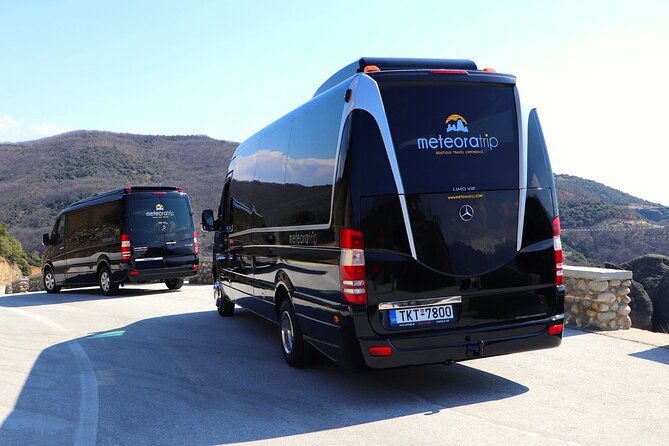
One more practical detail: the tour includes onboard WiFi and USB chargers on the bus (though I’d still pack a power bank). Some people found the USB charging didn’t work at every seat, so relying only on the bus ports isn’t smart.
You should also note what’s not included. Entrance fees for each monastery are not included and must be paid in cash (about €5 per person per monastery). The tour also mentions that guided tours inside the monasteries are not included, which means you’re free to look around at your own pace inside your paid sites.
The morning start in Athens: timing, comfort, and what to expect

You depart from the area across from the Central Railway Station in Athens, Stathmos Larisis. The bus typically boards around the morning check-in window (the tour lists an 8:00 am start, and the itinerary notes a 07:45 departure), so I’d plan to arrive early and avoid stress.
Expect a private, air-conditioned bus with WiFi and USB chargers, plus a countryside drive that’s long but not boring if you’ve got snacks and a playlist. Once you’re on the road, you’ll have a couple of break opportunities during the day. The exact breaks vary, but the pattern is designed to handle a long round-trip.
Also keep group logistics in mind. The maximum group size is 35, which keeps it manageable, but you’ll still want to have your phone ready to find your name in the list when you board.
Kalambaka: the town stop that breaks up the long day
Around noon, you reach Meteora, and your local guide joins you for the main guided portion. After the Meteora stops, you’ll head into Kalambaka for about an hour.
This hour in Kalambaka is one of the smartest parts of the schedule. It gives you an easier place to reset—grab water, use a restroom, browse shops, or just sit under the towering rock formations and watch the light change. If you pick the option with lunch, you’ll eat at a local restaurant in the area; if not, you’ll have that hour to explore on your own.
Lunch (when selected) is described as a traditional Greek meal: fresh salad, a choice of main dish with multiple options, freshly baked bread, and water. Vegetarian and vegan options are available. In practice, this means you don’t have to hunt for food while your energy is spent on steps and viewpoints.
More days made easy with a guide
Meteora monasteries: the guided route and why three inside visits matter

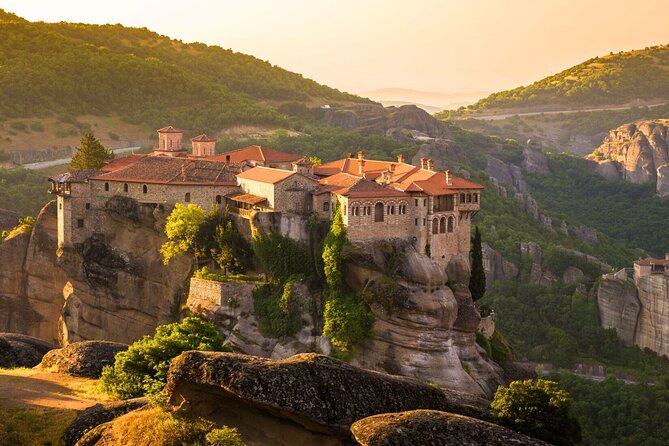
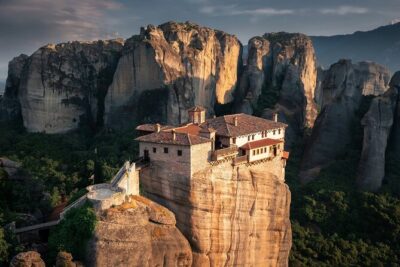
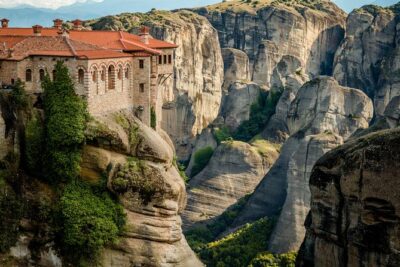
Meteora is UNESCO for good reason. It’s not just the monasteries—it’s the way they cling to sheer rock pillars like they’re part of the cliff itself. The tour’s value is that it gives you a guided path across multiple monasteries, plus stories that make sense of the place.
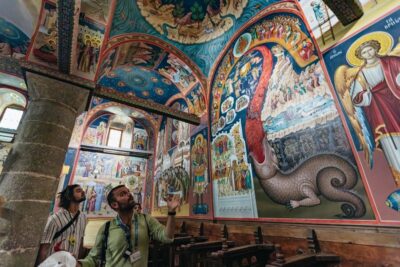
You’ll see all the major monasteries along the way, and you’ll visit 3 monasteries inside. Entrance fees are cash-only for each site (about €5 per monastery). Since the tour doesn’t include guided tours inside, your time inside is really what you make of it. If you like icons, architecture, and monastery life details, you’ll probably spend your inside time slower, not faster.
Your guide also focuses on the hermit side of Meteora. A key part of the experience is learning why hermits chose to settle in caves and on remote rock ledges. The tour specifically calls out places like ancient hermit caves and the St. George Mandilas cave, and it links those spots to the history and myths of the area.
If you’re there in the Nov–Jan window, the tour also mentions a chance to watch the famous Meteora sunset from a panoramic viewpoint. If you care about golden-hour light, that seasonal option is a real reason to match your dates.
Stop-by-stop: what each monastery stop feels like
This tour includes multiple monastery stops, some as shorter outside-view visits and others with longer time on-site. Here’s what to expect from the timing and setting, and how it affects your day.
Roussanou (Arsani) monastery
You’ll spend about 15 minutes here. That short stop works like a quick scenic reset—see the monastery perched on its cliff position, look for details from the viewpoint, and move on. The trade-off is that you won’t get long to linger, so keep your camera ready and don’t get stuck reading every inscription.
Saint Nicholas of Anapafsas
Plan around 30 minutes at this stop. It’s known for being on a rock and part of the route between villages and the more famous cluster of sites. With limited time, you’ll get the best value by walking briskly, pausing at the main viewpoint angles, and saving your slower pace for the monasteries where you pay to go inside.
Varlaam monastery (one of the biggest)
Varlaam gets about 1 hour. This longer time slot is where you can slow down. Since Varlaam is the second largest monastery of Meteora (per the tour description), you’ll likely notice more architectural features and icon details here compared to the shorter stops.
Holy Trinity monastery (the stairs challenge)
The Holy Trinity monastery is about 30 minutes, and it’s described as the most difficult to reach because of the downhill approach and then 145 steps carved into rock. Even if you don’t go inside at every stop, this is the one site where you should take your body seriously. If stairs are tough for you, consider pace management early in the day so you’re not paying for it later.
The tour’s description also shares that rope ladders and nets were used historically, and that it took hermits 70 years to carry materials. That backstory helps you understand why the monastery site feels so remote—it wasn’t just built, it was endured.
Agios Stefanos (easy access, still cliff-top dramatic)
This stop is about 30 minutes and is described as the most accessible monastery in Meteora, with no steps to reach the entrance and access through a small stone bridge. It’s a good contrast stop if you’ve already climbed a lot that morning. You’ll still get the dramatic rock setting, but with less stair fatigue.
Great Meteoron monastery (the big centerpiece)
Great Meteoron is about 1 hour and is described as the oldest and most important monastery in Holy Meteora. In practical terms, this is where many people will feel the size and significance most. Give yourself time to look around from the key viewpoints before you rush off—if you sprint, you’ll miss the details that make this site special.
Inside monasteries: dress code, cash, and how to plan your time
You’ll need to pay cash entrance fees for each monastery entrance (about €5 per person per monastery). The tour also states that monasteries only accept cash for entrance fees, so don’t assume card payment will work.
Dress code is non-negotiable. Men need long trousers and shirts with sleeves. Women need skirts that fall below the knee (trousers aren’t permitted) and shoulders must be covered. The tour notes an alternative: a long scarf wrapped around the waist can meet requirements for some situations.
If you forget and are turned away, the day gets more stressful fast. It’s worth dressing to pass the door test the first time.
Also plan your rest breaks. Many monasteries don’t offer visitor restrooms, and some visitors report needing euros for toilet use. Before you start walking between sites, it’s smart to use facilities whenever you can—especially during the town lunch or bus breaks.
Lunch vs no lunch: which option makes more sense

If you choose the lunch option, the benefit is predictability. You’re getting a traditional Greek meal with salad, bread, a main dish choice, and water, plus vegetarian and vegan options. Lunch is also helpful if you’re worried about timing around steps and monastery visits.
If you skip lunch, you get an hour in Kalambaka to explore food and shops yourself. That can be better if you want flexibility or you’re picky about what you eat. The trade-off is that you’re budgeting energy and decisions while you’re already on a tight schedule.
A good rule: if you prefer fewer decisions during a long day, take lunch. If you want to wander and you know you’ll find something you like quickly, skip it.
The guides: why the narration is a major part of the value

The guide is what turns the rocks into a story you can remember. The tour description promises explanations about why hermits chose the caves and cliffs, and the route is built around that theme.
In the feedback, guides like Maria and Nicholas get singled out for being lively, friendly, and full of real detail. You can expect more than a surface-level overview—especially during the parts of the day tied to the hermit caves and the monastery history. If you enjoy getting context while you walk, this tour’s format fits your style.
If you’re more of a self-directed wanderer, you’ll still be able to explore inside your paid monasteries at your own pace. Just know the guided stops between sites are built for flow, not long lingering.
How hard is this day, really?
This is the part that can make or break the experience. You’re gone about 14 hours total, with roughly 8 hours spent on the bus (4 hours each way in the basic pattern). That’s long even for people who enjoy road trips.
Then add the walking. The stops include steep paths and multiple stair climbs. The Holy Trinity monastery especially involves 145 steps in the approach described by the tour.
So here’s the practical way to judge fit:
- If you’re comfortable with stairs and uphill walking, you’ll probably enjoy the pace.
- If stairs are hard, it may still be worth it for the views, but you should consider that some parts of the day will feel intense.
Heat can also be a factor. The bus is air-conditioned, but long days in warm months can still feel tiring because you’re switching between indoor monastery spaces, outdoor stair routes, and crowded photo stops.
Bring water and snacks if you can. Even with lunch, you’ll want something small for the stretches between stops.
Should you book this Meteora day trip from Athens?
Book it if you want a structured, guided Meteora day without the planning headache. This is a strong choice for first-timers because you’ll see multiple monasteries, you’ll get a guide’s stories that connect the caves and cliffs to real history, and you’ll have enough built-in timing to experience both the big sites and the quieter viewpoints.
Skip it (or at least choose your expectations carefully) if you dislike long bus rides and heavy walking. The day is long, and there’s little slack in the schedule. Also remember the cash-only entrance fees and the dress code—those are easy to handle if you plan ahead, but painful if you don’t.
If your goal is a once-in-a-lifetime look at Meteora with minimal hassle, this tour hits the target. Just treat it like the athletic day it is, not like a casual city stroll.
More Tours in Athens
- Athens: Acropolis, Parthenon & Acropolis Museum Guided Tour★ 4.8 · 9,316 reviews
- The Acropolis, Parthenon & Acropolis Museum Guided Tour★ 4.7 · 8,493 reviews
- Acropolis: Premium Acropolis and Parthenon Guided Tour★ 4.8 · 5,208 reviews
- Athens: Mythology of Delphi, Museum and Arachova Guided Tour★ 4.7 · 5,102 reviews
- Acropolis and Parthenon Guided Walking Tour★ 5.0 · 4,755 reviews
- Greek Food Walking Tour in Athens★ 5.0 · 4,740 reviews
More Tour Reviews in Athens
- Athens: Acropolis & up to 5 Archaeological Sites Combo Pass★ 4.2 · 13,904 reviews
- Athens: Acropolis, Parthenon & Acropolis Museum Guided Tour★ 4.8 · 9,316 reviews
- The Acropolis, Parthenon & Acropolis Museum Guided Tour★ 4.7 · 8,493 reviews
- Athens: Cape Sounion & Poseidon Temple Sunset Half-Day Trip★ 4.8 · 8,241 reviews
- Acropolis: Premium Acropolis and Parthenon Guided Tour★ 4.8 · 5,208 reviews
- Athens: Mythology of Delphi, Museum and Arachova Guided Tour★ 4.7 · 5,102 reviews
The Monasteries of Meteora
- Athens: Meteora Monasteries Day Trip with Caves and Lunch★ 4.7 · 4,670 reviews
- Athens to Meteora: Monasteries, Caves & Seaside Stopovers★ 4.7 · 2,958 reviews
- Athens: Full-Day Meteora Tour with Local Guide & Greek Lunch★ 4.8 · 2,101 reviews
- Athens: Meteora Monasteries, Caves & Coastal Stopovers with Lunch★ 4.5 · 1,432 reviews
- Meteora Monasteries & Caves DayTrip from Athens with Greek Lunch★ 4.5 · 879 reviews
- From Athens: Delphi and Meteora 2-Day Guided Tour★ 4.5 · 825 reviews
Fresh Off the Boat: New Athens Reviews


Meteora Day Trips, compared.
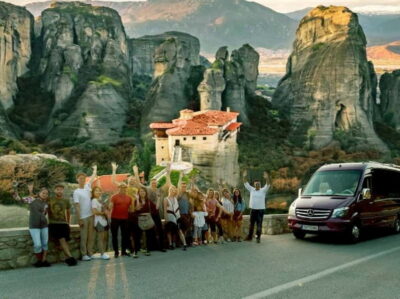 ★ 4.7Meteora Monasteries Day Trip with Caves and LunchFrom $874,670 reviews
 ★ 4.7Athens to Meteora: Monasteries, Caves & Seaside StopoversFrom $832,958 reviews
 ★ 4.8Full-Day Meteora Tour with Local Guide & Greek LunchFrom $822,101 reviews
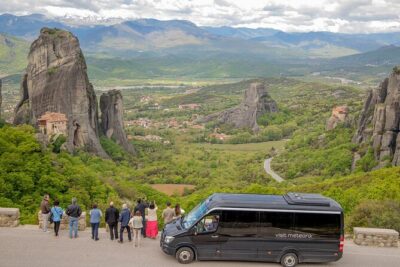 ★ 4.5Meteora Monasteries, Caves & Coastal Stopovers with LunchFrom $881,432 reviews
 ★ 4.5Meteora Monasteries & Caves DayTrip from Athens with Greek LunchFrom $87879 reviews
 ★ 4.5From Athens: Delphi and Meteora 2-Day Guided TourFrom $271825 reviews
 ★ 4.54-Day Classical Greece Tour: Epidaurus, Mycenae, Olympia, Delphi, MeteoraFrom $766732 reviews
 ★ 4.5Meteora Monasteries, Hermit Caves Tour with PickupFrom $87724 reviews
Browse the lists this tour appears in