
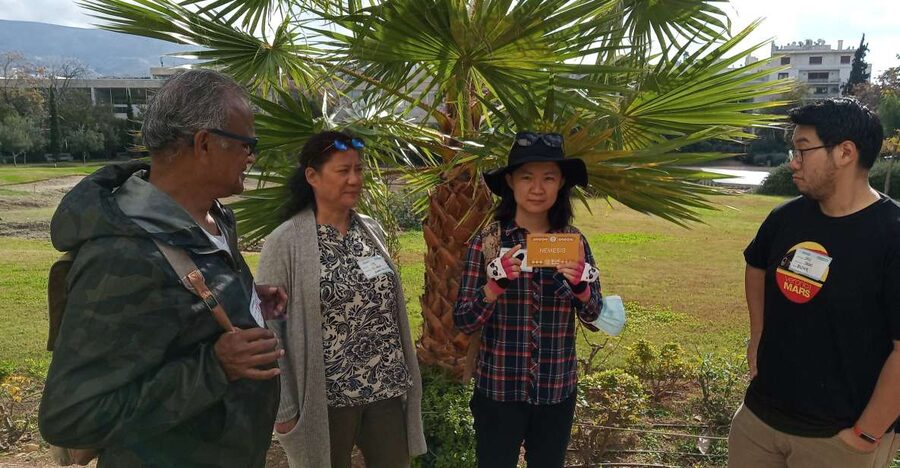
Reviewed · WORKSHOPS
Athens: Philosophy Experiential Workshop at Aristotle Lyceum
Think on foot in Aristotle’s classroom.
What I like most is the way this workshop turns the Lyceum ruins into a real place you can feel, not just photographs. You also get an active virtue-choice game that makes Aristotle’s ethics easier to talk about and actually use.
One thing to keep in mind: the archaeological site entry fee is not included, and a big chunk of the experience happens outdoors, so plan for some weather.
In This Review
- Key things you will notice right away
- Rizari Park start: where Athens goes quiet for 100 minutes
- The Socrates-to-Plato-to-Aristotle thread (and why it helps)
- Heading to the Archaeological Site of Lyceum (what you gain by walking)
- Aristotle’s eudaimonia in real-life scenarios
- Socrates’ midwife art: learning to question without panicking
- The optional extra hour: Plato’s philosophy and an ethical debate
- Price and value: what your $53 actually buys
- Outdoor reality checks (rain, rules, and comfort)
- Who should book this workshop at Aristotle Lyceum
- Should you book this Athens philosophy workshop
- FAQ
- How long is the Athens Philosophy Experiential Workshop at Aristotle Lyceum?
- Where does the workshop start, and where is the meeting point?
- Is the archaeological site visit included in the price?
- What is included in the workshop price?
- What language is the workshop taught in?
- Is the workshop fully outdoors?
- Who can participate?
- Is it wheelchair accessible?
- Is there an option to add more Plato content?
- FAQ
- Can I cancel for a full refund?
- What rules should I follow during the experience?
- Does the activity require prior knowledge of philosophy?
- Are First Aid trained staff involved?
Key things you will notice right away
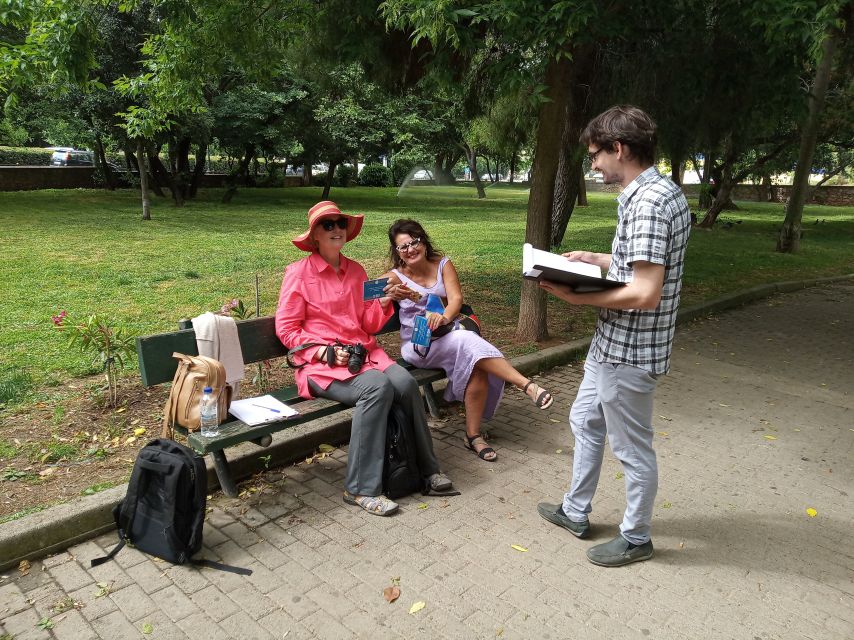
- Rizari Park start: shade, calm, and a smart on-ramp into Greek philosophy right in the city.
- Walk-and-think format: you discuss ideas while moving, like students heading between lessons.
- Socrates to Plato to Aristotle timeline: a clear chain of ideas before you ever reach the ruins.
- Virtue-choice game: ethical dilemmas turned into a hands-on way to practice critical thinking.
- Aristotle quotes in an open-air amphitheater: reflection with a view over the excavated site.
- Optional extra hour on Plato: an interactive debate if you want more class time.
Worth comparing before you book this Athens tour:
- Athens: Classic Cooking Class with Market Visit and Wine
★ 5.0 · 1,101 reviews - Athens: Food Market Visit and Cooking Class with Wine
★ 4.9 · 1,087 reviews - Greek Cooking Class in Athens Including Rooftop Dinner with Acropolis View
★ 5.0 · 826 reviews - Greek Small-Group Athens Cooking Class & Dinner
★ 5.0 · 574 reviews
Rizari Park start: where Athens goes quiet for 100 minutes
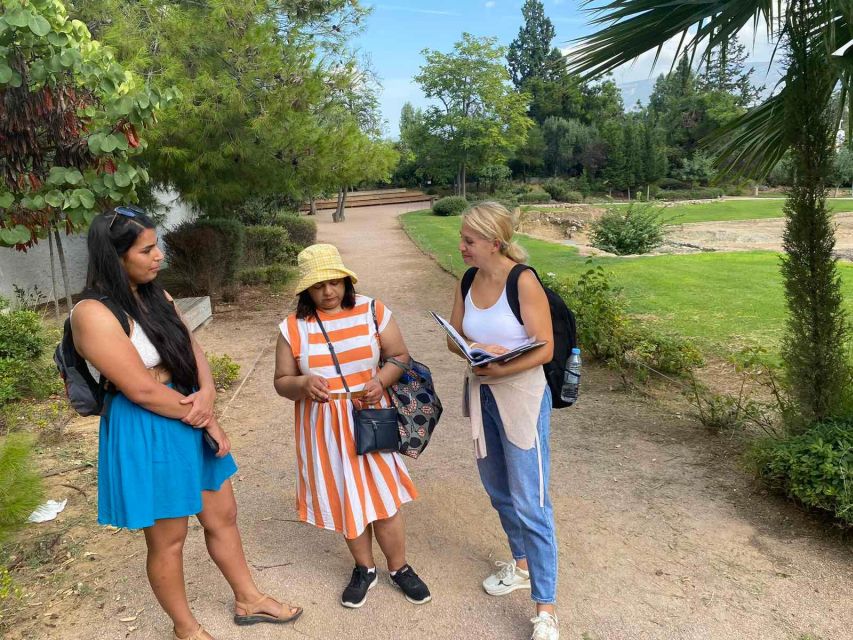
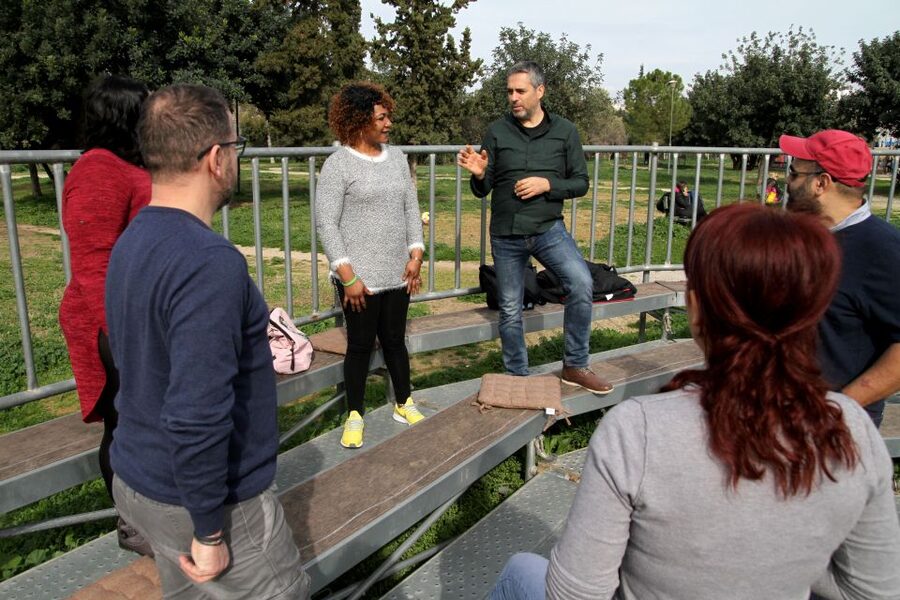
The experience begins near central Athens at Rizari Park, just steps from the action but far enough to hear yourself think. I like starts like this. You don’t feel rushed into a “look and leave” visit. Instead, you settle first, under trees, with a facilitator guiding the tone from day one: curious, playful, and focused.
This workshop is built for adult and teen travelers who want meaning, not trivia. You’ll hear a short timeline connecting major philosophers, and you’ll do it in English with an expert facilitator. It’s also designed so you don’t need any previous background. If you’re comfortable asking questions, you’re already ready.
Before you go, check the rules. No smoking, no food and drinks, and no luggage or large bags. It’s a historical site, so you’ll also need to behave with the usual respect: keep noise down, follow any dress-code guidance, and treat the place politely. The upside is that the tone stays thoughtful, which matters for a philosophy workshop.
The Socrates-to-Plato-to-Aristotle thread (and why it helps)
After you’re gathered in the park, you get a quick, engaging storyline that links Socrates, Plato, and Aristotle. This part matters more than it sounds. Aristotle’s ideas land better when you see what came before them and why his thinking responded to earlier questions.
You’ll get a “walkable” version of philosophy. That means you’re not just listening to concepts in a lecture tone. The facilitator connects the dots as you move through the session, and you’re encouraged to participate. The goal isn’t to turn you into a scholar. It’s to help you practice thinking more clearly and more honestly.
One theme you’ll keep hearing is eudaimonia—often described as a life well-lived. The workshop frames it as something you can work on, not something you either have or don’t have. That’s a practical angle, especially if you’re traveling with a teen who wants real-world meaning from what they’re seeing.
Heading to the Archaeological Site of Lyceum (what you gain by walking)
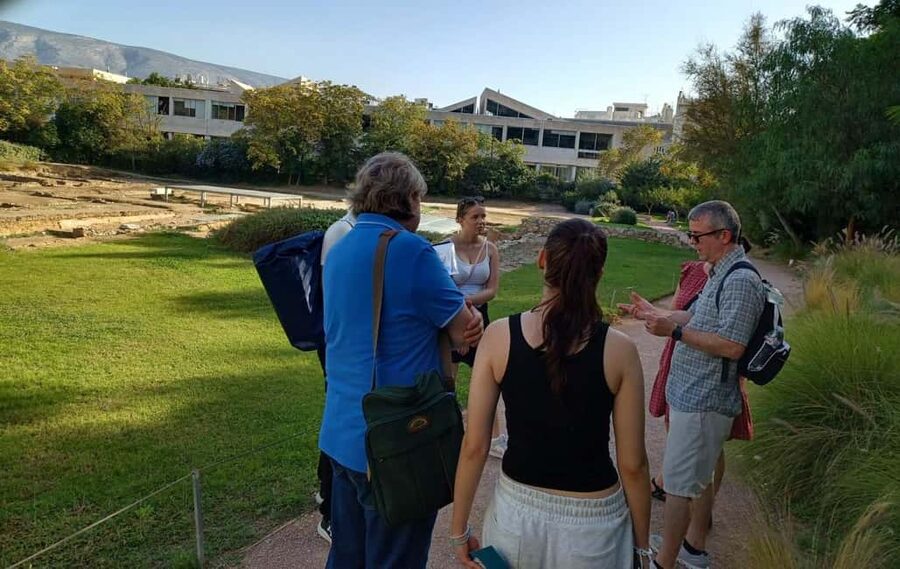
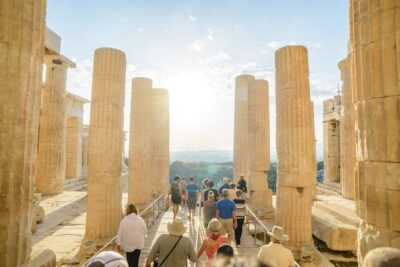
Next you walk together to the Archaeological Site of Lyceum, where Aristotle founded his famous school of philosophy. Even if you’ve visited ancient sites before, this is a different kind of visit because you’re not there to just admire ruins. You’re there to imagine how students used the space.
The highlight here is the “step-in” feeling: you walk on the footsteps of Aristotle’s students and talk about what the moral theory could look like in everyday decisions. That’s the magic trick. You’re using place as a learning tool, not as decoration.
Two practical things to know:
- The site entrance fee is extra: 5 EUR for a full ticket, 3 EUR for a half ticket.
- The experience is not a traditional guided tour. It’s a philosophy workshop, so expect discussions and activities more than the kind of site commentary you’d hear from a classic tour guide.
If you hate being “on your feet,” this might not be your favorite format. The walking is part of the method. On the other hand, if you like learning that moves your body along with your thoughts, you’ll probably appreciate it.


Aristotle’s eudaimonia in real-life scenarios
Once you’re at Lyceum, Aristotle stops being a name on a textbook. He becomes a tool for thinking about everyday choices.
The workshop specifically focuses on Aristotle’s ideas about self-excellence and how a person develops good character over time. Instead of abstract talk, you’ll put yourself into the situation of an ancient Greek philosopher and explore how virtues might guide action.
This is where the session turns joyful, in a way you might not expect from “ethics class.” You participate in a fun, thought-provoking virtue-choice game. That game leads you through ethical dilemmas, and it pushes you to ask:
- What would a good person do here?
- What kind of habit am I building with my choice?
- Am I acting from thought, emotion, or convenience?
That’s not just an entertaining exercise. It’s training for better self awareness. Aristotle’s moral philosophy is often summarized as about character formation. This workshop makes that tangible by forcing decisions and reflections in a structured way.
You’ll also talk about the idea that the goal is not only doing the right thing once, but developing the kind of self that reliably chooses well.
Socrates’ midwife art: learning to question without panicking
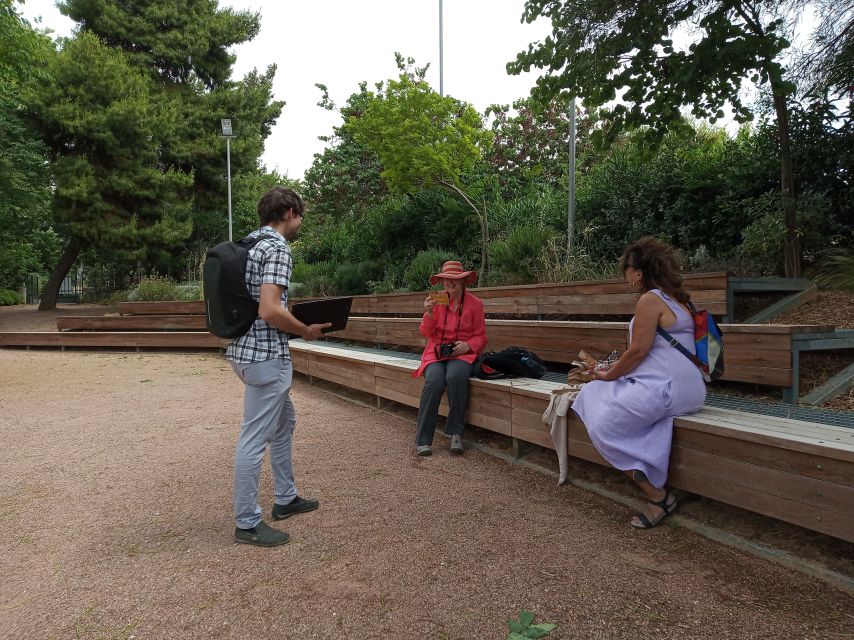
Near the end, the workshop shifts into a reflective mode at a small open-air amphitheater with views over the excavated ruins. This is a great setting for the final stretch because it slows everything down just enough to make the big ideas land.
Here you read selected quotes from Aristotle, including in Ancient Greek. Even if you can’t translate every line, seeing the text in the original language adds weight. It reminds you that these were living words in their own time, not modern summaries.
Then you reflect on how the ideas connect to you—whether you’re a teen, a parent, an educator, or just a curious traveler. The workshop also brings in Socrates’ midwife art, the approach of helping people bring out their own thoughts through questioning rather than handing them ready-made answers.
That question-based method is one reason this workshop feels different from a museum visit. A museum says: here is what happened. A philosophy workshop asks: what does that mean for how you live?
The optional extra hour: Plato’s philosophy and an ethical debate
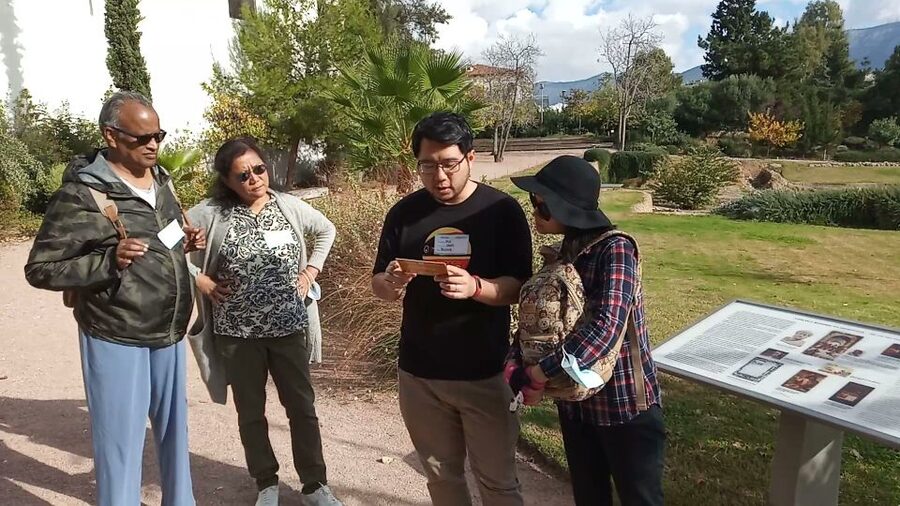
If you choose the add-on at checkout, you can extend the experience by one extra hour dedicated to Plato’s philosophy. The added session includes an interactive debate on an ethical dilemma.
This is a good option if you want a bit more action after the main 100-minute workshop. It’s also helpful if you’re the type who learns best by arguing politely, listening closely, and then adjusting your point of view.
Keep in mind that the workshop is already outdoors for a big portion of the time. So adding one more hour means more time in the air, plus more mental energy, since it’s a debate format.
Price and value: what your $53 actually buys
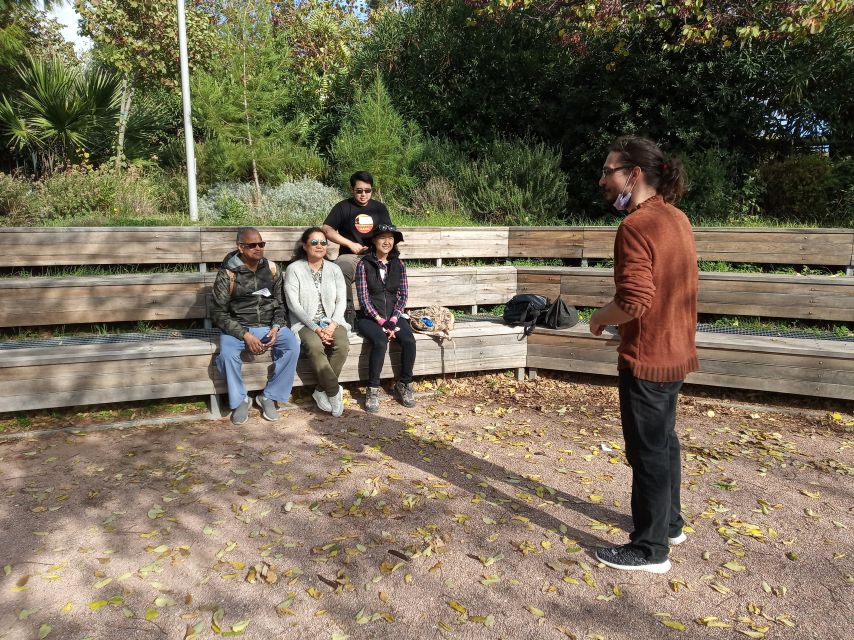
The price is $53 per person for the 100-minute workshop duration. That sounds simple, but the value comes from what’s included versus what’s not.
Included:
- An expert facilitator
- All materials
- Local taxes (24%)
Not included:
- The Lyceum archaeological site entrance fee (5 EUR full, 3 EUR half)
On a practical level, you’re paying for more than entry. You’re paying for guidance that turns the site into a thinking exercise: walking discussions, the virtue-choice game, and the reflective amphitheater segment. For many people, the “extra” is worth it because it changes how you experience the ruins.
If you’re the kind of traveler who prefers reading labels and moving on, you might feel the value depends on your interest in participation. If you like activities and conversation, this can feel like a very efficient use of your time in Athens.
Also, if you like flexibility, you can reserve your spot and pay later. That’s handy when your Athens schedule is still a little wobbly.
Outdoor reality checks (rain, rules, and comfort)
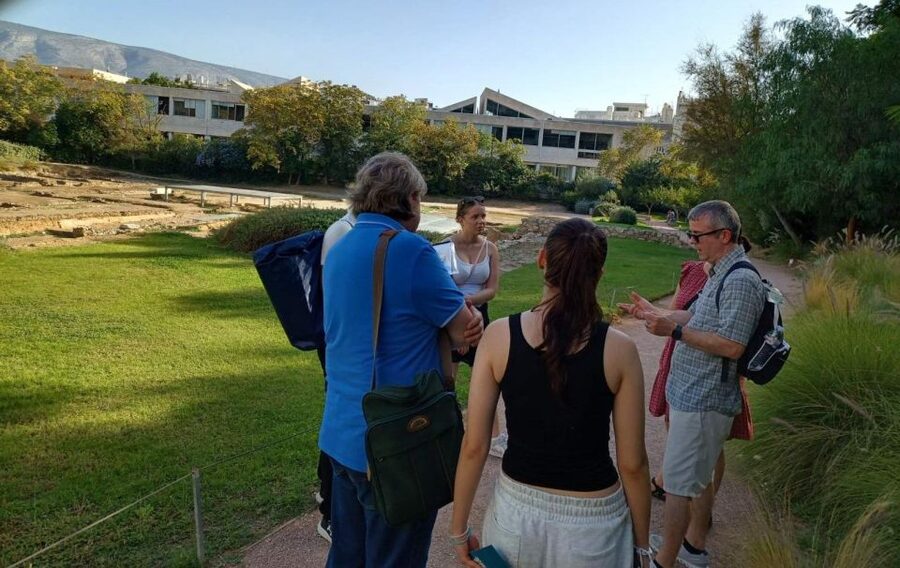
Because the workshop takes place entirely outdoors, weather matters. If it rains, you’ll be guided to find shelter and continue the workshop at the café of the Byzantine Museum next door. That’s a smart backup plan. It keeps the experience moving instead of canceling on you.
A few etiquette points are part of the deal:
- Respect the site and follow any dress-code expectations.
- No food and drinks during the session.
- No smoking.
- Don’t bring luggage or large bags.
And since it’s outdoors, wear shoes that handle walking on uneven ground. I’d also plan for cool evenings if you’re going later in the day, since shade and open air can change how you feel quickly.
Who should book this workshop at Aristotle Lyceum
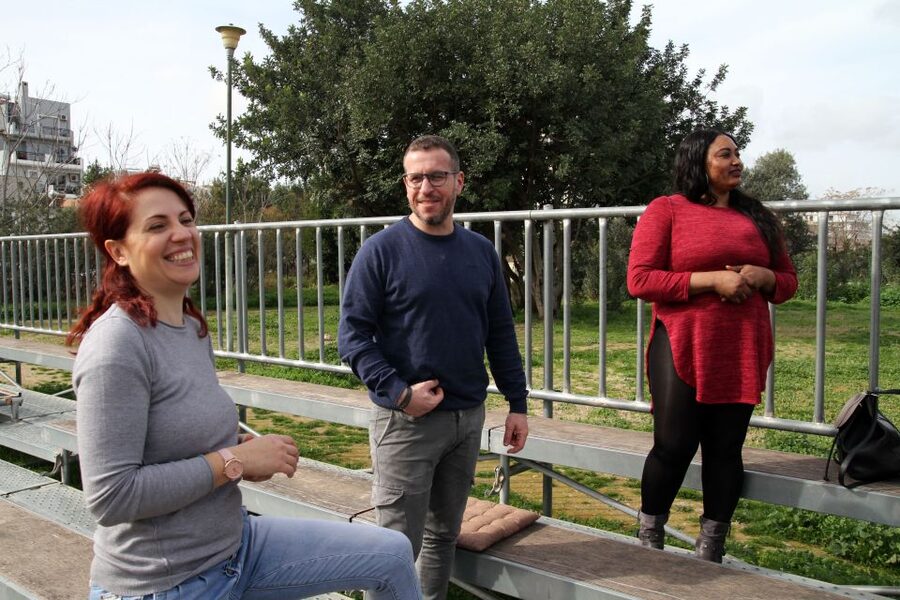
This is a great match if:
- You want a hands-on philosophy experience, not a silent self-guided tour.
- You’re traveling with a teen who needs structure and participation to stay engaged.
- You enjoy discussion and ethical dilemmas more than lecture-only formats.
- You like the idea of learning through a walk-and-question method.
It might not be your best choice if:
- You dislike walking and outdoor time.
- You want a classic guided tour with deep archaeological explanations as the main focus.
- You’re traveling with a child under 15. This workshop is not suitable for children under 15.
On balance, it’s aimed at adults and teens, and the reviews reflect that it lands well as an end-of-trip activity with a thoughtful, interactive instructor approach.
Should you book this Athens philosophy workshop
Book it if you want Athens to do more than feed your eyes. This experience uses the actual Lyceum setting to help you practice the kind of thinking Aristotle cared about: character, choices, and the path toward eudaimonia.
Skip it if you’re strictly planning for a quick museum-style stop or if you don’t want to participate in games and discussion. Also factor in that you’ll likely pay the Lyceum entrance fee on top of the workshop price.
If you do book, go in with a simple mindset: arrive ready to question your own assumptions. The format rewards curiosity.
FAQ
How long is the Athens Philosophy Experiential Workshop at Aristotle Lyceum?
The duration is 100 minutes.
Where does the workshop start, and where is the meeting point?
It starts in the peaceful surroundings of Rizari Park, steps away from central Athens. The meeting point may vary depending on the option booked.
Is the archaeological site visit included in the price?
No. The workshop includes the experience, but the Lyceum archaeological site entrance fee is not included (5 EUR full, 3 EUR half).
What is included in the workshop price?
You get an expert facilitator, all materials, and local taxes (24%).
What language is the workshop taught in?
The instructor teaches in English.
Is the workshop fully outdoors?
Yes, it takes place outdoors. If it rains, you may continue indoors at the café of the Byzantine Museum next door.
Who can participate?
It’s designed for curious adult and teen travelers and is not suitable for children under 15.
Is it wheelchair accessible?
Yes, it is wheelchair accessible.
Is there an option to add more Plato content?
Yes. You can choose an extra hour dedicated to Plato’s philosophy, including an interactive debate on an ethical dilemma.
FAQ
Can I cancel for a full refund?
You can cancel up to 24 hours in advance for a full refund.
What rules should I follow during the experience?
Smoking is not allowed, and food and drinks are not allowed. Luggage or large bags are also not allowed, and you’re expected to follow respectful conduct at the historical site.
Does the activity require prior knowledge of philosophy?
No. It’s described as suitable for people without previous knowledge, and it’s not a guided tour in the classic sense.
Are First Aid trained staff involved?
Yes. Facilitators/instructors are First Aid trained and certified, but they are not allowed to provide medicines.
Make a Little Greece to Take Home
- Athens: Classic Cooking Class with Market Visit and Wine★ 5.0 · 1,101 reviews
- Athens: Food Market Visit and Cooking Class with Wine★ 4.9 · 1,087 reviews
- Greek Cooking Class in Athens Including Rooftop Dinner with Acropolis View★ 5.0 · 826 reviews
- Greek Small-Group Athens Cooking Class & Dinner★ 5.0 · 574 reviews
- Athens: Greek Cooking Class & Dinner on a Rooftop★ 5.0 · 383 reviews
- Athens: Greek Cuisine Cooking Class and 3-Course Dinner★ 4.8 · 270 reviews
More Tour Reviews in Athens
- Athens: Acropolis & up to 5 Archaeological Sites Combo Pass★ 4.2 · 13,904 reviews
- Athens: Acropolis, Parthenon & Acropolis Museum Guided Tour★ 4.8 · 9,316 reviews
- The Acropolis, Parthenon & Acropolis Museum Guided Tour★ 4.7 · 8,493 reviews
- Athens: Cape Sounion & Poseidon Temple Sunset Half-Day Trip★ 4.8 · 8,241 reviews
- Acropolis: Premium Acropolis and Parthenon Guided Tour★ 4.8 · 5,208 reviews
- Athens: Mythology of Delphi, Museum and Arachova Guided Tour★ 4.7 · 5,102 reviews
Fresh Off the Boat: New Athens Reviews





Workshops, compared.
 ★ 5.0Classic Cooking Class with Market Visit and WineFrom $831,101 reviews
 ★ 4.9Food Market Visit and Cooking Class with WineFrom $811,087 reviews
 ★ 5.0Greek Cooking Class in Athens Including Rooftop Dinner with Acropolis ViewFrom $120826 reviews
 ★ 5.0Greek Small-Group Athens Cooking Class & DinnerFrom $118574 reviews
 ★ 5.0Greek Cooking Class & Dinner on a RooftopFrom $108383 reviews
 ★ 4.8Greek Cuisine Cooking Class and 3-Course DinnerFrom $115270 reviews
 ★ 5.0Traditional Greek cooking class and lunch or dinner with an Acropolis viewFrom $114250 reviews
 ★ 5.0Athens Airport Private Transfer by Mercedes-Benz E Class Wagon to City CenterFrom $131232 reviews
Browse the lists this tour appears in