
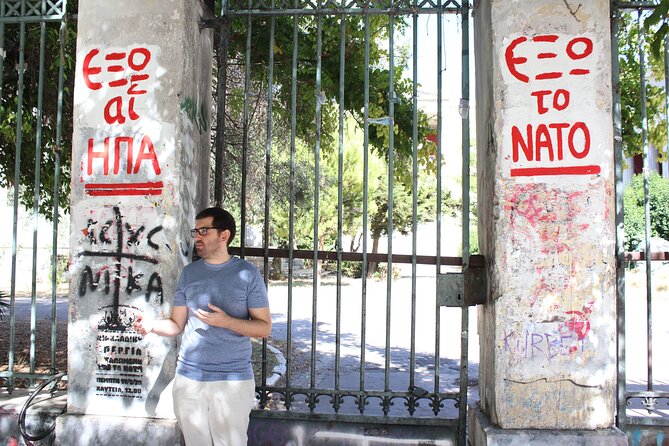
Reviewed · WALKING TOURS
Athens Social and Political Walk
Politics shows up on every street. This 2.5-hour Athens Social and Political Walk turns big, messy headlines into a guided walk past real power and real memory. Planetwonk Experiences keeps it documentary-style and interactive, so you’re not just hearing facts, you’re building your own opinion.
What I like most is the politics-first storytelling: social change, religion, language, Europe, and the economy get explained through places you can point at. I also like that the guide (often political scientist Isaac, in English-language groups) brings humor and answers questions in plain language, so the tone stays human, not academic.
One consideration: this is serious and interpretive, not a relaxed sightseeing stroll. If you mainly want monuments without context, you may feel the pace shift toward history + politics fairly quickly.
In This Review
- Key things to know before you go
- From Cradle of Democracy to Basket Case: What This Walk Really Tries to Answer
- Meeting at Planetwonk and Getting Oriented Fast
- Maximos Mansion: Power, Policy, and Why Institutions Shape Daily Life
- Presidential Palace: Reading Authority Without Needing a Textbook
- National Garden to Hellenic Parliament: Where Civic Life Meets Street Reality
- National Historical Museum Stop: Memory, WWII, and Why Athens Still Talks
- Korai 4 Memorial Site (1941–1944): The City as an Eyewitness
- Panepistimiou and University Area: Student Politics, Culture, and Momentum
- “Hidden” Stops in the Route: Small Turns, Big Meaning
- National Metsovio Polythechnic: Why Technical Schools Show Up in Political Stories
- How the Slideshow Helps You Keep the Thread
- Price and Time: Is $47 Worth 2.5 Hours in Athens?
- Who Should Book This Walk (and Who Might Skip It)
- Practical Details That Actually Matter on the Day
- Should You Book This Athens Social and Political Walk?
- FAQ
- How long is the Athens Social and Political Walk?
- How much does the tour cost?
- What languages are offered?
- Is the tour wheelchair accessible?
- Where does the tour start and finish?
- What’s included besides the walking?
- Can I cancel and get a full refund?
- Can I reserve without paying right away?
Key things to know before you go

- Political scientist-led walking discussion that connects modern Greece to state, society, and ideology
- Documentary-style analysis with photo-based support through a slideshow
- Landmark-to-meaning route, from government buildings to memorial sites
- Small-group feel (one reported group size was seven), which makes questions easier
- Spanish and English live guiding, with the same core themes
Athens at walking pace, more routes
- Acropolis and Parthenon Guided Walking Tour
★ 5.0 · 4,755 reviews - Greek Food Walking Tour in Athens
★ 5.0 · 4,740 reviews - Athens: Guided Greek Food Walking Tour with Tastings
★ 4.9 · 2,859 reviews - Acropolis monuments & Parthenon Walking Tour with Optional Acropolis Museum
★ 5.0 · 2,678 reviews
From Cradle of Democracy to Basket Case: What This Walk Really Tries to Answer

Athens has a habit of getting used as a symbol. In one breath, you hear cradle of democracy; in the next, you hear basket case of Europe. This walk lives in that tension.
You’ll get the story of how the modern Greek state formed, then how the country’s social and political pressures stacked up over time—independence-era struggles, post-war shifts, party politics, and the way Europe and the economy started shaping everyday life. The tone isn’t “one correct answer.” It’s more like, Here are the forces. Now think.
The “interactive storytelling” approach matters. Instead of treating politics as distant theory, the guide points to the city’s institutions and asks you to connect them to people, choices, and consequences. That’s how you end up understanding why Greek politics can feel intense without reducing it to stereotypes.
Meeting at Planetwonk and Getting Oriented Fast
The tour starts at Athens Social and Political Walk – Planetwonk, where you can set the tone: you’re heading into a walk that blends explanation with street-level observation. Early on, you’ll be given a framework for what to look for as you move.
This is a great format if your first days in Athens feel like information overload. You’re not just collecting sights; you’re learning how Athens’ institutions and public spaces send messages about power, identity, and belonging.
A practical note: it’s built around walking between stops, so wear shoes you can stay comfortable in for a solid 2.5 hours. The walk is short enough to fit into an active itinerary, but long enough that comfort matters.
Maximos Mansion: Power, Policy, and Why Institutions Shape Daily Life
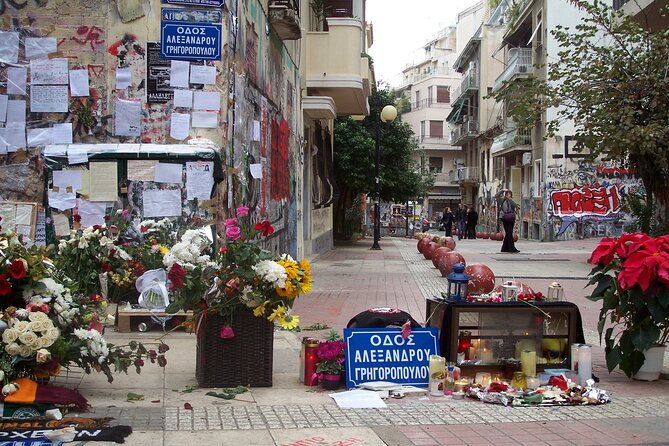
Your walk passes Maximos Mansion, a key symbol of the Greek state. Even if you don’t know the building’s role right away, the guide uses it to explain how government decisions spill outward into social life.
This is where the tour’s “unbiased approach” really shows up. The goal isn’t to tell you what to think about Greece. The goal is to help you read the system: who holds authority, how policy connects to economics, and why political legitimacy can become fragile during hard times.
You’ll also hear connections between major historical turning points and what they did to political culture. That link—history to present—keeps the rest of the walk from feeling like a set of unrelated landmarks.


Presidential Palace: Reading Authority Without Needing a Textbook
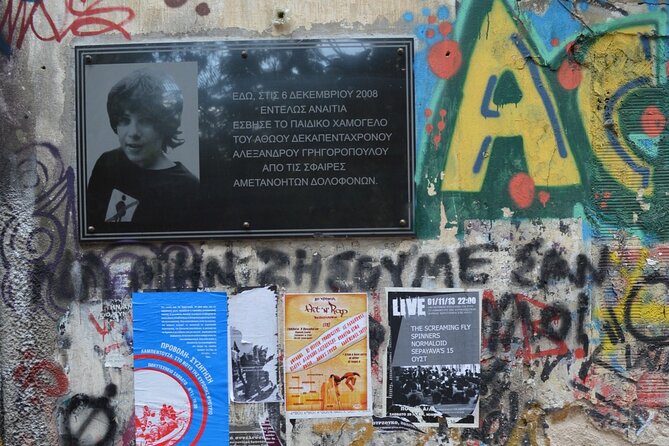
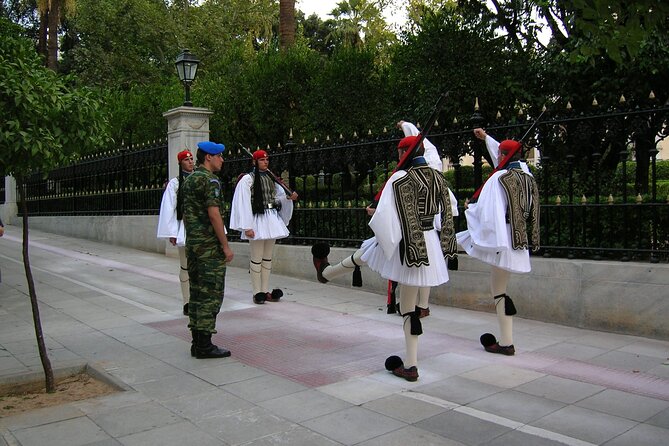
Next comes the area around the Presidential Palace. In many cities, palaces sit behind distance and décor. Here, the guide’s focus is different: the palace becomes a way to talk about the state as a visible actor.
You’ll spend time on how Greece’s political development includes shifts in who gets to represent the nation and how that affects public trust. Even if you’re not a politics person, you’ll start recognizing the patterns: how symbols, institutions, and public mood can reinforce each other.
If you’re hoping for dramatic palace photography, you might be slightly restrained. This stop is more about meaning than about wandering deep into rooms. But that’s also why it works for this tour: you’re learning how Athens frames power in public space.
National Garden to Hellenic Parliament: Where Civic Life Meets Street Reality
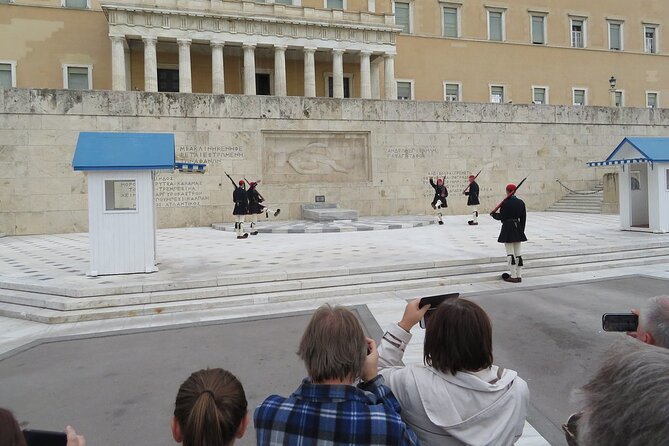
From the National Garden area, you move toward the Hellenic Parliament. This part of the walk is designed to show you the practical side of political life—how governance is performed, debated, and sometimes disputed.
I like that the explanation stays grounded. Parliament isn’t treated as a distant building where policies happen. It becomes a stage where social tensions surface: identity questions, Europe and economy pressures, and how political parties compete for interpretation.
And the National Garden context helps. It reminds you that civic life isn’t only inside institutions. Public spaces around government can shape how citizens feel about their connection to the state—whether they feel included, ignored, or challenged.
National Historical Museum Stop: Memory, WWII, and Why Athens Still Talks
The walk also includes the National Historical Museum area, which is important because it anchors the story in memory. Modern Greece’s politics didn’t start in the 2000s; it keeps inheriting the past.
You’ll hear how WWII-era experiences and later political events shaped social attitudes. The guide also connects those memories to later conflicts in civil society and to how different groups form and reform over time.
This is a strong moment for understanding why political arguments in Greece can sound emotional to outsiders. If your frame is only current events, the intensity feels random. If you understand the longer storyline, it makes more sense.
Korai 4 Memorial Site (1941–1944): The City as an Eyewitness
Then you hit Korai 4 | Memorial Site 1941–1944. This is the kind of stop that changes the whole tone of a walking tour. It shifts you from institutions and policy into lived experience under occupation and resistance-era realities.
The point isn’t just to learn dates. It’s to understand how collective memory hardens into identity. Memorials like this influence political narratives for decades—who is honored, who is blamed, and what stories get repeated in public.
If you want a purely upbeat tour, this part may feel heavy. But it’s also one of the most valuable stops because it explains why social and political discussions in Greece often carry moral weight, not only strategy.
Panepistimiou and University Area: Student Politics, Culture, and Momentum

Next, you walk along Panepistimiou, which the tour uses to connect Greece’s political life with education and youth culture. Universities are not only places to study; they’re places where ideas compete, people organize, and society tests its limits.
The tour’s themes here include student politics and broader social change. You’ll hear how major events linked to students and public action shaped later political dynamics. It’s an important angle because it shows politics as something people do, not something only governments control.
This stop also helps you understand why street-level discussion matters. Athens can feel like a city where ideas travel fast, because the social infrastructure for debate has deep roots.
“Hidden” Stops in the Route: Small Turns, Big Meaning
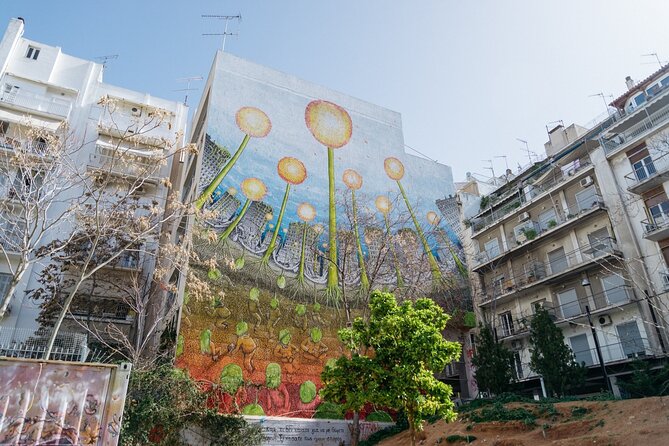
Along the way, you’ll make room for a couple of hidden stops—places that aren’t always on the standard list but add context. These moments are where the guide’s storytelling style pays off, because you see how the city’s layout supports the narrative.
What you’ll gain is perspective: you stop treating Athens as a museum of famous sights and start treating it as a living map of political and social evolution. Those side moments help you remember the big themes later, when you’re back in your hotel or chatting with other people in the city.
If you like walking tours that feel like a guided argument you can follow step-by-step, this is the right kind of structure.
National Metsovio Polythechnic: Why Technical Schools Show Up in Political Stories
The walk ends at the National Metsovio Polytechnical area. The guide uses it as another anchor point for the link between society and political action—especially around youth and public organizing.
For many visitors, polytechnic schools are just academic names. Here, they become part of the political storyline, because education is one of the places where social pressure turns into organized demands.
You also get a sense of why modern Greek politics can’t be explained only through parties and elections. Social movements, cultural shifts, and civic identity all feed into the political system, and this stop reinforces that.
How the Slideshow Helps You Keep the Thread
A slideshow with photos and extra info is included. This is more than a nice extra. It’s a practical way to keep the tour’s themes from evaporating after you leave.
It also means you can revisit points that felt complex while you were walking—like how religion, language, Europe, and the economy interact in public life. If you like to take notes, you’ll find it easier to follow the big connections once you see the images and supporting context in one place.
And because the tour is documentary-style, the slideshow supports the same style: organized themes, not random facts.
Price and Time: Is $47 Worth 2.5 Hours in Athens?
At $47 per person for about 2.5 hours, this is positioned as a high-value “smart tour” rather than a cheap add-on. You’re paying for two things: guided interpretation and time spent connecting the dots.
If all you want is a few buildings and a couple of photos, you can do that on your own. But if you want to understand modern Greece as more than a headline, the structure matters. A walking discussion led by a political scientist gives you the framework you would otherwise have to hunt down in guidebooks or long articles.
The duration is also a sweet spot. It’s long enough to move through multiple layers of context, but short enough that you won’t feel trapped when you still have evening plans.
If you like tours where the guide answers questions and keeps the conversation open, the money tends to feel well spent.
Who Should Book This Walk (and Who Might Skip It)
This tour is ideal if you:
- like politics but want it explained through real places
- want context for why post-2008 economic and social changes hit Greece the way they did
- enjoy walking tours that feel like a guided discussion, not a lecture
It may be less ideal if you mainly want classic sightseeing with minimal interpretation. The tone is political and historical, and some stops are emotionally serious. You’ll still walk through interesting streets, but the goal is understanding, not just scenery.
One more fit check: you’ll get Spanish or English live guiding. If you’re comfortable in either, it’s a straightforward way to get introduced to modern Greek social and political life without needing specialized background.
Practical Details That Actually Matter on the Day
The tour runs in live guiding in Spanish and English. It’s also wheelchair accessible, which is a real advantage for a city-walk format.
Your start point is Athens Social and Political Walk – Planetwonk, and it finishes at 28is Oktovriou 42, Athina 106 82, Greece. That ending location can be handy if you’re planning dinner or an onward tram/metro connection afterward.
If you prefer flexibility, you can reserve now and pay later, and you can cancel up to 24 hours in advance for a full refund.
Should You Book This Athens Social and Political Walk?
Yes, if you want your Athens to come with a brain and a street-level conscience. I think it’s one of the better-value ways to understand modern Greece because it connects institutions, social change, and major historical pressure points in a walkable route.
Book it especially early in your trip. You’ll carry the framework with you when you later notice what people argue about, what gets debated, and how everyday life reflects political history.
Consider skipping if you’re burned out on politics or you want only relaxing sightseeing. For everyone else, this is a smart way to see Athens and leave with a clearer, more personal understanding of how Greece became what it became.
FAQ
How long is the Athens Social and Political Walk?
The walk lasts 2.5 hours.
How much does the tour cost?
The price is $47 per person.
What languages are offered?
Live guiding is available in Spanish and English.
Is the tour wheelchair accessible?
Yes, the tour is wheelchair accessible.
Where does the tour start and finish?
It starts at Athens Social and Political Walk – Planetwonk. It finishes at 28is Oktovriou 42, Athina 106 82, Greece.
What’s included besides the walking?
The tour includes a slideshow with photos and extra information on the issues discussed during the experience.
Can I cancel and get a full refund?
Yes. You can cancel up to 24 hours in advance for a full refund.
Can I reserve without paying right away?
Yes. You can reserve now and pay later, meaning you can book your spot and pay nothing today.
Athens on Foot: More Walks
- Acropolis and Parthenon Guided Walking Tour★ 5.0 · 4,755 reviews
- Greek Food Walking Tour in Athens★ 5.0 · 4,740 reviews
- Athens: Guided Greek Food Walking Tour with Tastings★ 4.9 · 2,859 reviews
- Acropolis monuments & Parthenon Walking Tour with Optional Acropolis Museum★ 5.0 · 2,678 reviews
- Athens Acropolis and Parthenon Walking Tour★ 4.5 · 1,355 reviews
- Acropolis, Parthenon & Athens Old City Heritage Walking Tour★ 4.5 · 876 reviews
More Tour Reviews in Athens
- Athens: Acropolis & up to 5 Archaeological Sites Combo Pass★ 4.2 · 13,904 reviews
- Athens: Acropolis, Parthenon & Acropolis Museum Guided Tour★ 4.8 · 9,316 reviews
- The Acropolis, Parthenon & Acropolis Museum Guided Tour★ 4.7 · 8,493 reviews
- Athens: Cape Sounion & Poseidon Temple Sunset Half-Day Trip★ 4.8 · 8,241 reviews
- Acropolis: Premium Acropolis and Parthenon Guided Tour★ 4.8 · 5,208 reviews
- Athens: Mythology of Delphi, Museum and Arachova Guided Tour★ 4.7 · 5,102 reviews
Fresh Off the Boat: New Athens Reviews





Walking Tours, compared.
 ★ 5.0Acropolis and Parthenon Guided Walking TourFrom $414,755 reviews
 ★ 5.0Greek Food Walking Tour in AthensFrom $874,740 reviews
 ★ 4.9Guided Greek Food Walking Tour with TastingsFrom $812,859 reviews
 ★ 5.0Acropolis monuments & Parthenon Walking Tour with Optional Acropolis MuseumFrom $422,678 reviews
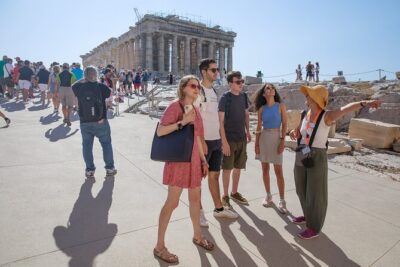 ★ 4.5Athens Acropolis and Parthenon Walking TourFrom $411,355 reviews
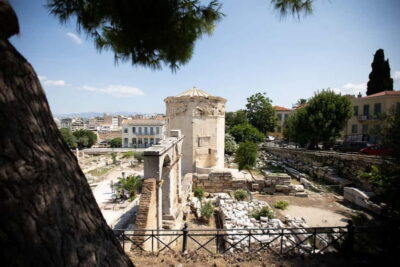 ★ 4.5Acropolis, Parthenon & Athens Old City Heritage Walking TourFrom $34876 reviews
 ★ 5.0Athens Authentic Greek Food Walking Tour (Small Group)From $83809 reviews
 ★ 4.9Ultimate Food Walking Tour with 15 TastingsFrom $93567 reviews
Browse the lists this tour appears in