
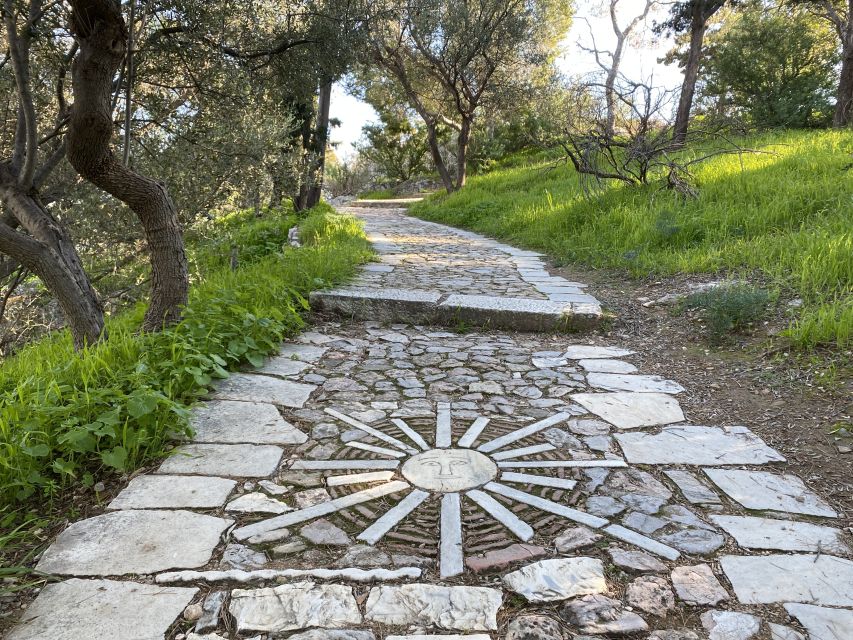
Reviewed · ATHENS WALKING TOURS
Athens: Timeless Hills Walking Tour & Mount Lycabettus
Four hours, one big uphill grin. This Athens hills walking tour mixes panoramic viewpoints with a story-packed route from Koukaki up toward Philopappos and on to Mount Lycabettus. I love the way the scenery improves step by step, and I also love slipping into Anafiotika, the tiny neighborhood that feels like a mini Greek island inside Athens. One consideration: it’s an active, uphill-heavy walk with no sitting around and no inside museum time.
The guides can make the day feel sharper and more personal. In past groups, leaders like Yiannis and Natalia have been praised for energy, patience, and picking out photo stops, plus adding small food detours when it fits the pace. You’ll also learn where to stand for moments like the changing of the guards, without being stuck in a sea of people (when timing allows), and you’ll still get the essentials: history, views, and a clear walking plan throughout. Expect coffee & snack and a private group feel that helps the route stay smooth.
In This Review
- Key highlights you’ll actually feel
- Entering the Athens Hills Loop: what this tour is really like
- Koukaki start, Hill of the Muses, and the Hill of the Nymphs
- Pnyx, the National Observatory, and the Athens of debate
- Areopagus to Herod Atticus: hills, theater energy, and big sightlines
- Anafiotika: the miniature village feeling inside Athens
- Acropolis Museum area to Temple of Zeus and Hadrian’s Arch
- National Gardens and the Presidential Mansion pause
- Kolonaki by day, Lycabettus at the end
- Price and value: is $141 a good deal?
- What to know before you go: what’s included, what’s missing, and what to pack
- Should you book this Athens hills walk?
- FAQ
- How long is the Athens: Timeless Hills Walking Tour & Mount Lycabettus?
- Where is the meeting point?
- Where does the tour end?
- How far do we walk during the tour?
- Is the tour private, and what languages are offered?
- Does the tour include admission to archaeological sites or museums?
- What is included in the price?
- Can I cancel or pay later?
Key highlights you’ll actually feel
- Hilltop views that keep building from Koukaki up through multiple ridgelines
- Anafiotika’s maze of whitewashed lanes, where Athens suddenly feels smaller
- Classical Athens stops on foot, including the Pnyx and nearby landmarks
- National Gardens + Presidential Mansion area, a break in pace before the final push
- The Lycabettus summit payoff, best experienced with a good pace and water in hand
- Guides who know the photo angles, and who sometimes time in quick special moments
On foot through Plaka and beyond
- Acropolis and Parthenon Guided Walking Tour
★ 5.0 · 4,755 reviews - Greek Food Walking Tour in Athens
★ 5.0 · 4,740 reviews - Athens: Guided Greek Food Walking Tour with Tastings
★ 4.9 · 2,859 reviews - Acropolis monuments & Parthenon Walking Tour with Optional Acropolis Museum
★ 5.0 · 2,678 reviews
Entering the Athens Hills Loop: what this tour is really like
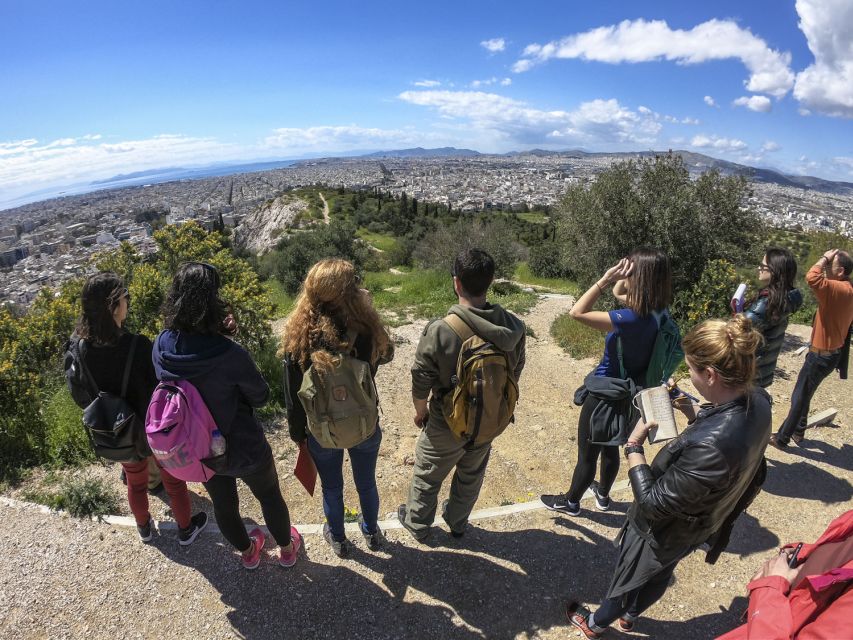
This is not a “see it from a bus window” day. It’s a 4-hour, physically active walking tour built around hills, viewpoints, and the connections between different Athens neighborhoods, monuments, and eras.
The walking distance is about 7.4 km / 4.6 mi, and it includes uphill sections. The walk is intense in the sense that you’ll be moving most of the time, not “working out” for the sake of it. If you’re the type who enjoys earning a view, you’ll like the rhythm here.
The route also matters for value. Since the day includes multiple famous areas and several smaller, less-obvious streets (especially Anafiotika), you’re not just ticking boxes—you’re learning how Athens stacks up in layers.
Koukaki start, Hill of the Muses, and the Hill of the Nymphs

You begin in lively Koukaki, at Trekking Hellas Athens Base, Parthenonos 12. From there, the first stretch climbs through the hill areas where you can look back over the city and line up views toward the Acropolis.
The Hill of the Muses and Hill of the Nymphs are a strong warm-up. You’re not doing the final, steep grind yet, but you are getting those early “oh wow” angles—especially when the Acropolis starts to feel less distant and more like the center of the day.
This portion is also where a good guide earns their fee. In past groups, guides like Yiannis have been praised for pointing out secret-feeling spots around the base area, plus adding small food detours that break up the climb without turning the day into a long lunch. You’ll want to keep your energy up here, because the later hills get real.
Practical tip: wear shoes with grip. This walk has enough uneven paths and slopes that you’ll feel it in your legs if your footwear is sloppy.
Pnyx, the National Observatory, and the Athens of debate
Next, the route shifts toward the Hill of Pnyx, an area tied to the meeting place of the Assembly in Classical Athens. It’s a meaningful stop because it isn’t just about ruins—it’s about how power worked, and how public speech shaped the city.
From the Pnyx area, you’ll also see the National Observatory, dating from the 19th century. That contrast helps you understand Athens as a living city: ancient systems of thought are still in view, but modern layers keep building over them.
The tour keeps you moving, so don’t expect long museum-style explanations. Instead, you get story-driven context that fits the walking pace: why this slope mattered, what “the meeting place” meant in practice, and how you can recognize the shapes of the old city as you walk through today’s streets.
If you like your history grounded in place, this is one of the best parts of the itinerary. If you prefer quiet, slow sightseeing, you might find the pace brisk here—but it’s still well paced for an active walking day.
Athens at walking pace, more routes
Areopagus to Herod Atticus: hills, theater energy, and big sightlines
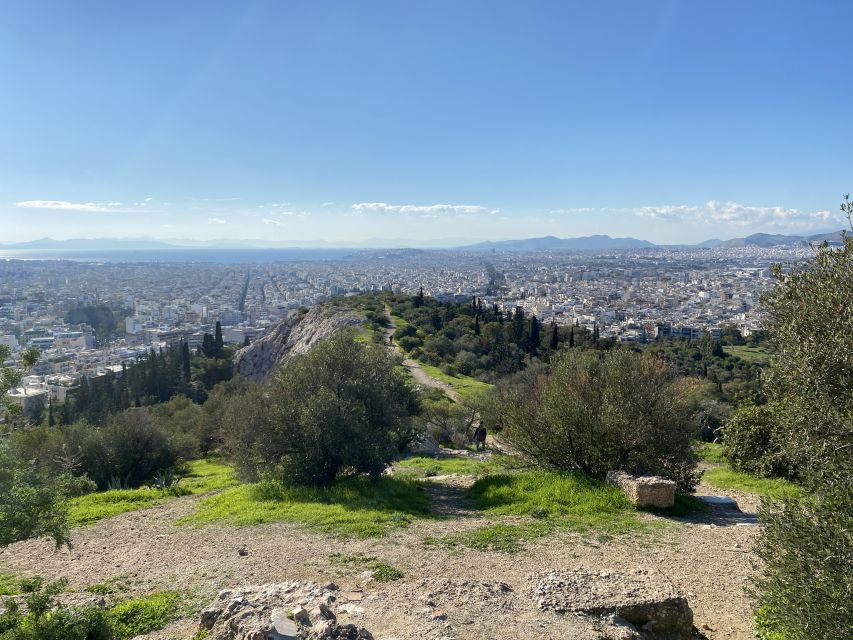
After Pnyx, you head to the Hills of Areopagus and then toward the Odeon of Herod Atticus. These stops connect the “debate” energy of Athens to the performance and civic life that ran alongside it.
Odeon of Herod Atticus is the kind of landmark that makes you think about scale, acoustics, and how public life used to flow through this city. Even if you don’t go inside (and this tour doesn’t include admissions or professional site guiding), the outdoor context helps you picture what this space was for.
What I like about this segment is that the route doesn’t only chase famous names. It uses the geography of the hills to show you how people would have moved, gathered, and watched. That makes the city feel less like a list and more like a system.
One small caution: keep an eye on your footing on the hill sections. You’ll be stopping for photos, but you don’t want a slip to interrupt the rhythm of the day. Good shoes and slow, steady steps matter more than speed.
Anafiotika: the miniature village feeling inside Athens
Then comes the best “how is this here?” moment: Anafiotika. This neighborhood is famous for feeling like a miniature Greek island village dropped into central Athens, with a maze of streets that makes you slow down without realizing it.
The walking direction matters here. You’ll spend time in the maze-like streets before the route finds its way back out toward the Acropolis Museum area. That approach works, because Anafiotika isn’t just about one view—it’s about the experience of turning a corner and suddenly feeling transported.
In past groups, guides have been praised for leading guests to places that feel special rather than obvious. That shows up here: you’re not just walking through; you’re walking with context, so the neighborhood feels like it has a story, not just a look.
Why it’s valuable: Athens can feel overwhelming if you only focus on headline monuments. Anafiotika adds a human scale. It’s also a nice mental break before the later monument stretch and the final push toward Lycabettus.
Acropolis Museum area to Temple of Zeus and Hadrian’s Arch
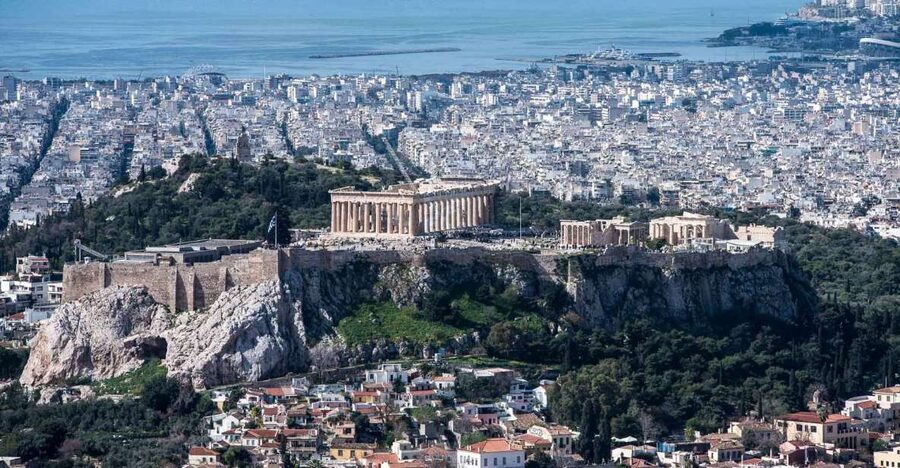
From Anafiotika, the route trends toward the Acropolis Museum area, and then you’ll see the Temple of Zeus and Hadrian’s Arch. This is where Athens shifts from hill vibes to the classic monument sequence.
Temple of Zeus is big in every sense—big name, big footprint, big “this was meant to impress” feeling. Hadrian’s Arch helps you connect architecture and power, and it’s one of those stops where a little explanation changes how you see the structure.
At this point, you’re also building a mental map of how the city spreads around the Acropolis. You start earlier with viewpoints and civic locations, and by now you’re seeing monuments tied to emperors, empire ideas, and the long memory of Athens.
Since this tour is walking-only and doesn’t include museum entries or professional guidance inside sites, your experience here is about seeing from the outside and understanding the connections. If you want ticketed access inside specific archaeological sites, plan that as a separate add-on.
National Gardens and the Presidential Mansion pause
After the monument stretch, you move into the National Gardens, a historical park area where the pace can feel different—more shade, more open space, and a bit of breath between climbs. Along the way, you’ll also see the Presidential Mansion.
This segment is useful for two reasons. First, it breaks up the physical effort with a slower-feeling walking pattern. Second, it puts the day into modern Athens territory, where today’s political face of the city sits just steps from the older monumental core.
In past guide experiences, Yiannis has been praised for knowing an uncrowded spot to watch the changing of the guards. Your timing may vary, but if the schedule lines up, this is exactly the kind of moment that turns a scenic walk into a memory you can point to.
Practical move: use the gardens for water and a quick snack check. You’ll want fuel before the final hill push.
Kolonaki by day, Lycabettus at the end
From the National Gardens, you start the walk toward Lycabettus Hill for the summit views. You’ll pass by Kolonaki on the way down, and that’s a neat reminder of how different Athens feels across just a few neighborhoods.
This is the big finish. The tour is built so the climb isn’t random—you’re already warmed up, you already have skyline context, and now you’re going for the wide shot over the city, including views toward the Acropolis.
In the best guide-led versions of this tour, the Lycabettus part isn’t just “walk to the top.” It includes photo and video stops, with encouragement to pause where the light and angles make the Parthenon and city grid feel clear. That’s where patience matters: rushing a final climb usually ruins photos and drains you before the best view.
If you’re planning your energy well, you’ll enjoy the summit more. If you go out too fast earlier, the last push will feel longer than it needs to be.
Price and value: is $141 a good deal?
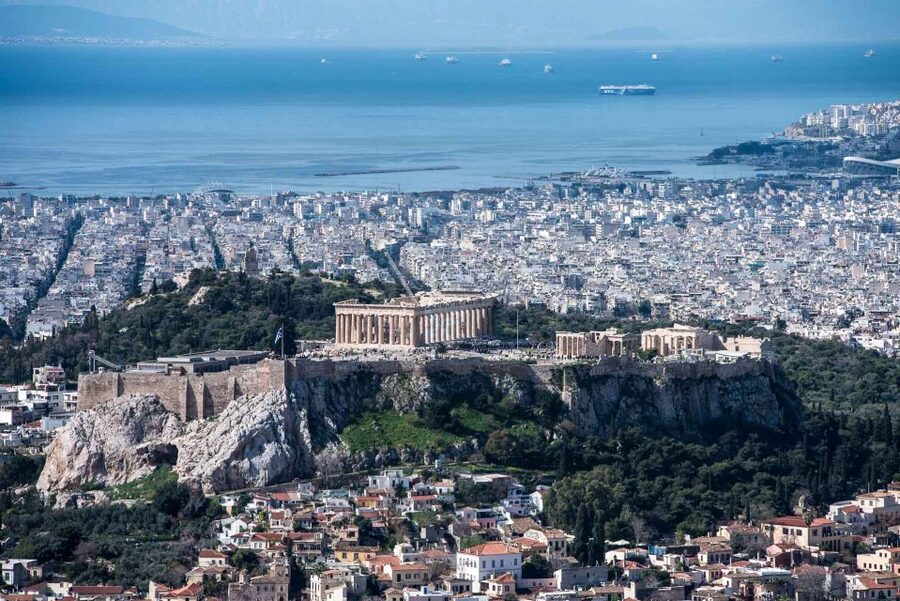
At $141 per person for a 4-hour private guided walking tour, you’re paying for three main things: an experienced local guide, a route that strings together several distinct Athens zones, and the effort-saving value of not having to plan or connect all the hills yourself.
You also get coffee and a snack, which sounds small, but it helps on a physically active walk. And VAT is included, so you don’t get surprised later with extra taxes.
What’s not included is just as important for value. There are no admissions to archaeological sites, and the tour doesn’t provide professional guidance inside museums or sites. That means if you want to see interiors in depth, you’ll need separate tickets and separate time.
So is it worth it? For me, yes if you fit the pace and you want a guided route that covers more ground than a casual stroll while still feeling personal. If you’d rather take your time in a museum or don’t do uphill well, you might feel like you’re paying for motion you don’t want.
What to know before you go: what’s included, what’s missing, and what to pack
Here’s the straight talk on the experience format. This is an active walking tour covering about 7.4 km with uphill sections. You’ll stop often, but you won’t be sitting in one place for long.
Included:
- An experienced Trekking Hellas Athens guide
- Coffee and a snack
- VAT
Not included:
- Admission to archaeological sites
- Professional guidance inside sites or museums
What you should bring (based on how the walk feels): good shoes with grip, water, and a small plan for sun protection. One simple reason to take that seriously: the day includes multiple hill segments, and you’ll appreciate being comfortable before Lycabettus.
Also think about the photo load. If you like photos, bring your phone power bank or a charged battery. The route is built with photo stops in mind, especially around viewpoints.
Should you book this Athens hills walk?
Book it if you want a guided Athens day that mixes big viewpoints with neighborhood texture. You’ll get hill-to-hill context, a solid walk distance, and the kind of variety that makes the city feel layered instead of repetitive.
Skip it or look for an easier option if you don’t enjoy uphill walking or if you’re mainly in Athens for indoor museum time. Since there’s no included site admissions or inside-guiding, the tour is best when you’re okay seeing monuments from outside and using the guide’s storytelling to make sense of what you’re seeing.
If you can handle 7.4 km with uphill parts, I think this is one of the more rewarding ways to experience Athens beyond the usual postcard stops. Lycabettus is the finish you came for—and the route to get there is part of the payoff.
FAQ
How long is the Athens: Timeless Hills Walking Tour & Mount Lycabettus?
The tour lasts about 4 hours.
Where is the meeting point?
Meet at Trekking Hellas Athens Base, Parthenonos 12, Athina 117 42, Greece.
Where does the tour end?
The tour ends at Evangelismos Metro Station.
How far do we walk during the tour?
The walking distance is about 7.4 km / 4.6 mi, including uphill parts.
Is the tour private, and what languages are offered?
It’s a private group tour. The live guide speaks English and Greek.
Does the tour include admission to archaeological sites or museums?
No. Admission to archaeological sites is not included, and there is no professional guidance inside sites or museums.
What is included in the price?
You get an experienced Trekking Hellas Athens guide, coffee and a snack, and VAT.
Can I cancel or pay later?
Yes. Free cancellation is available up to 24 hours in advance for a full refund, and you can reserve now and pay later.
More Tours in Athens
- Athens: Acropolis, Parthenon & Acropolis Museum Guided Tour★ 4.8 · 9,316 reviews
- The Acropolis, Parthenon & Acropolis Museum Guided Tour★ 4.7 · 8,493 reviews
- Acropolis: Premium Acropolis and Parthenon Guided Tour★ 4.8 · 5,208 reviews
- Athens: Mythology of Delphi, Museum and Arachova Guided Tour★ 4.7 · 5,102 reviews
- Acropolis and Parthenon Guided Walking Tour★ 5.0 · 4,755 reviews
- Greek Food Walking Tour in Athens★ 5.0 · 4,740 reviews
More Tour Reviews in Athens
- Athens: Acropolis & up to 5 Archaeological Sites Combo Pass★ 4.2 · 13,904 reviews
- Athens: Acropolis, Parthenon & Acropolis Museum Guided Tour★ 4.8 · 9,316 reviews
- The Acropolis, Parthenon & Acropolis Museum Guided Tour★ 4.7 · 8,493 reviews
- Athens: Cape Sounion & Poseidon Temple Sunset Half-Day Trip★ 4.8 · 8,241 reviews
- Acropolis: Premium Acropolis and Parthenon Guided Tour★ 4.8 · 5,208 reviews
- Athens: Mythology of Delphi, Museum and Arachova Guided Tour★ 4.7 · 5,102 reviews
Athens on Foot, Continued
- Acropolis and Parthenon Guided Walking Tour★ 5.0 · 4,755 reviews
- Greek Food Walking Tour in Athens★ 5.0 · 4,740 reviews
- Athens: Guided Greek Food Walking Tour with Tastings★ 4.9 · 2,859 reviews
- Acropolis monuments & Parthenon Walking Tour with Optional Acropolis Museum★ 5.0 · 2,678 reviews
- Athens Acropolis and Parthenon Walking Tour★ 4.5 · 1,355 reviews
- Acropolis, Parthenon & Athens Old City Heritage Walking Tour★ 4.5 · 876 reviews
Fresh Off the Boat: New Athens Reviews





Athens Walking Tours, compared.
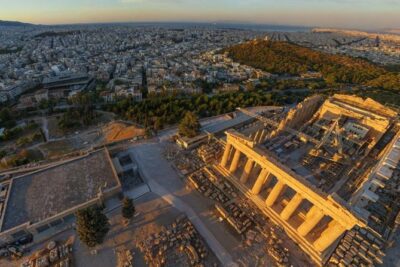 ★ 5.0Acropolis and Parthenon Guided Walking TourFrom $414,755 reviews
 ★ 5.0Greek Food Walking Tour in AthensFrom $874,740 reviews
 ★ 4.9Guided Greek Food Walking Tour with TastingsFrom $812,859 reviews
 ★ 5.0Acropolis monuments & Parthenon Walking Tour with Optional Acropolis MuseumFrom $422,678 reviews
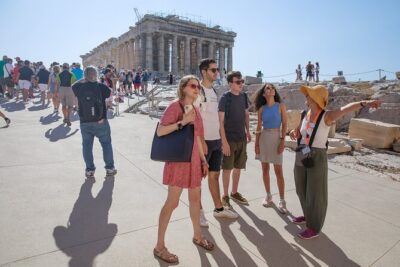 ★ 4.5Athens Acropolis and Parthenon Walking TourFrom $411,355 reviews
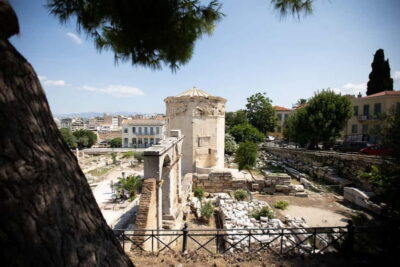 ★ 4.5Acropolis, Parthenon & Athens Old City Heritage Walking TourFrom $34876 reviews
 ★ 5.0Athens Authentic Greek Food Walking Tour (Small Group)From $83809 reviews
 ★ 4.9Ultimate Food Walking Tour with 15 TastingsFrom $93567 reviews
Browse the lists this tour appears in