
Reviewed · ATHENS COOKING CLASSES
Athens: Traditional Vegan Cooking Class incl. Drinks
A vegan moussaka night in Athens. In Koukaki near the Acropolis, this plant-based Greek cooking class teaches you how to make classics like tzatziki and moussaka without meat or dairy, and you finish with a digital recipe book. The one thing to keep in mind: the setup can feel a little fast-paced and tight, so arriving ready to jump in helps a lot.
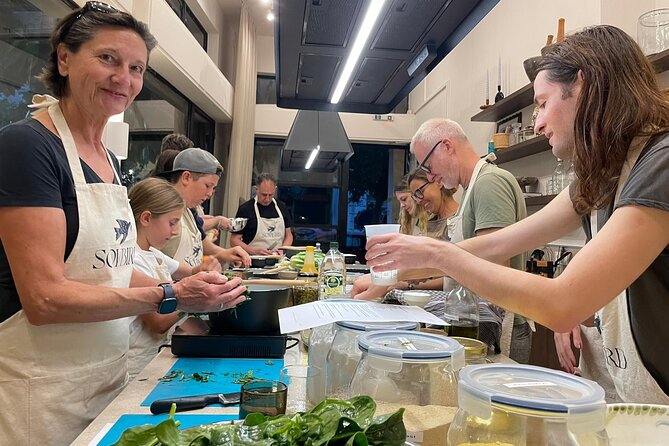
I love that the class is a true small-group experience, typically 5 to 10 people, split into cooking teams so you’re not just watching. You also get a sit-down meal with water, white wine, and beer, which turns the whole thing into a proper dinner night rather than a quick demo.
In This Review
- Key Details at a Glance
- Where Koukaki Starts: SOYBIRD and the Acropolis Neighborhood
- How a 3.5-Hour Vegan Greek Class Actually Works
- The Menu You’ll Make: From Tzatziki to Vegan Moussaka
- Starter: Vegan Tzatziki (Yoghurt Cucumber Dip)
- Mains: Moussaka with Cashew Bechamel
- Side/Vegetable Main: Fava with Caramelized Onions
- Bread + Topping Dish: Dakos with Homemade Almond-Feta
- Pie: Spanakopita (Spinach Cake)
- Bread Break: Koulouri (Sesam Rings)
- Dessert: Ekmek
- The Dinner Part: When Cooking Turns Into Eating (and Drinking)
- The Instructor Factor: Chef Alexandra and Mirka’s Style
- Price and Value Check: Is $94.66 Worth It?
- Who Should Book This Cooking Class (and Who Might Not Enjoy It)
- Practical Tips to Make Your Night Smoother
- Should You Book This Vegan Greek Cooking Class?
- FAQ
- What’s the duration of the Athens Traditional Vegan Cooking Class?
- Where does the class meet in Athens?
- How big are the groups?
- What dishes are included in the cooking class?
- Are drinks included?
- What language is the class offered in?
- Will I receive recipes to use at home?
- Is this class suitable if I have a pacemaker?
Key Details at a Glance
- Small-group cooking (max 10) means you actually handle the ingredients and tools
- Two-team format keeps the pace moving and makes it easier to learn step-by-step
- A full plant-based menu covers appetizers, mains, and dessert, not just one dish
- Drinks with your meal includes water plus white wine and beer
- Digital recipe book included so you can recreate what you made at home
- Kitchen runs on induction cookers, which can be an issue if you use a pacemaker
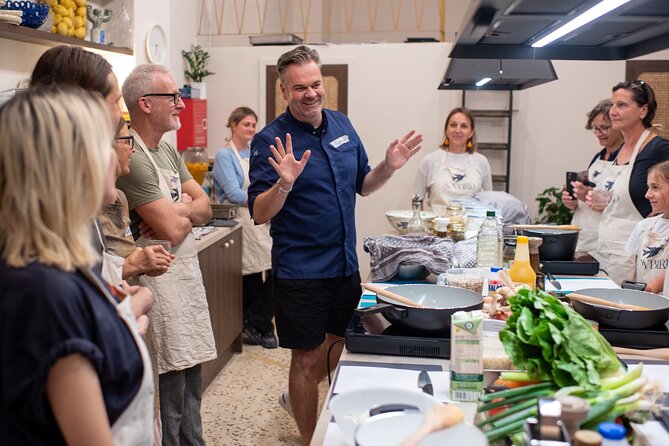
Aprons on for another Greek kitchen
- Athens: Classic Cooking Class with Market Visit and Wine
★ 5.0 · 1,101 reviews - Athens: Food Market Visit and Cooking Class with Wine
★ 4.9 · 1,087 reviews - Greek Cooking Class in Athens Including Rooftop Dinner with Acropolis View
★ 5.0 · 826 reviews - Greek Small-Group Athens Cooking Class & Dinner
★ 5.0 · 574 reviews
Where Koukaki Starts: SOYBIRD and the Acropolis Neighborhood
This class meets at SOYBIRD – Cooking Classes Athens, on Veikou 75-77, in Koukaki, a neighborhood that’s close to the Acropolis without feeling like you’re stuck inside the biggest tourist lanes. Koukaki is a great base for evenings like this because you can combine plans: do a daytime walk, then come back for a food-focused activity.
The meeting point is also described as near public transportation, which matters here because you’ll want an easy arrival and a calm walk back after dinner. You’re ending right back at the meeting point, so plan to keep your evening nearby rather than scheduling a late transfer across town.
One small practical note from the vibe of the class: it’s a working kitchen. Wear comfy clothes that can take a little mess, and tie back long hair.
How a 3.5-Hour Vegan Greek Class Actually Works
The duration is about 3 hours 30 minutes, and the structure is designed to get you cooking quickly. After a brief introduction, you work in teams. The goal is that everyone participates, not that one person does everything while the rest take pictures.
There isn’t a “stand back and watch” style of teaching. Instead, you follow instructions and cook along, which is part of why the class can feel lively. One review-style theme you’ll probably recognize right away: the host and instructor are working hard to keep multiple stations moving, so you’ll want to pay attention early and ask questions when something isn’t clear.
Group size also shapes the experience. With a maximum of 10 travelers (and the course running with a group size of 5 people), the kitchen feels social and interactive. If you’re sensitive to crowded workspaces, you may want to manage expectations. The class is hands-on, and that means your elbows share space with your new cooking buddies.
Because the kitchen uses induction cookers, it’s not suitable if you have a pacemaker.
The Menu You’ll Make: From Tzatziki to Vegan Moussaka
This is a proper meal class. You’re not just learning one recipe—you’re building a mini Greek dinner using plant-based versions of favorites. The sample menu shows a mix of creamy, savory, and fresh flavors, plus a dessert to close things out.
Here’s what’s on the plate across the session:
Worth comparing before you book this Athens tour:

Starter: Vegan Tzatziki (Yoghurt Cucumber Dip)
You’ll make tzatziki using a plant-based yoghurt-style base, plus cucumber. It’s a great starter because it teaches balance: cool and tangy against the warm, heavier dishes that follow. If you’ve only had store-bought tzatziki, this is where you’ll learn how the ingredients actually come together.
Mains: Moussaka with Cashew Bechamel
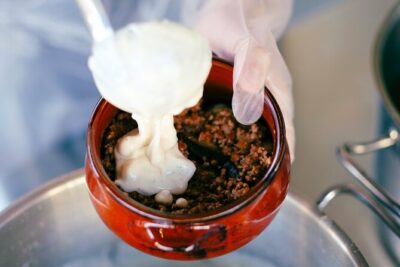
The class includes moussaka made with a cashew bechamel. This is one of the big learning moments. You’re essentially recreating the comfort-food sauce that makes moussaka feel special—just using cashews instead of dairy. If you want a vegan Greek “wow” dish that still tastes like Greek comfort food, this is it.
Side/Vegetable Main: Fava with Caramelized Onions
You’ll also make fava topped with caramelized onions. Fava is one of those dishes that can swing from humble to deeply satisfying depending on timing and seasoning. This is a recipe that’s easy to bring home because it doesn’t require fancy equipment—just a clear process and attention.
Bread + Topping Dish: Dakos with Homemade Almond-Feta
Another standout is dakos with homemade almond-feta. This is the part of the menu that teaches you how to build a salty, tangy “feta-like” result without dairy. It’s also a fun contrast to the creamy cashew bechamel, because you’re tasting two different textures across the evening.
Pie: Spanakopita (Spinach Cake)
The menu includes spanakopita. The class focuses on producing a filling and wrapping/assembling elements for a Greek-style spinach pie—vegan style. Even if you don’t love cooking, this is the kind of recipe that rewards you for following the steps carefully.
Bread Break: Koulouri (Sesam Rings)
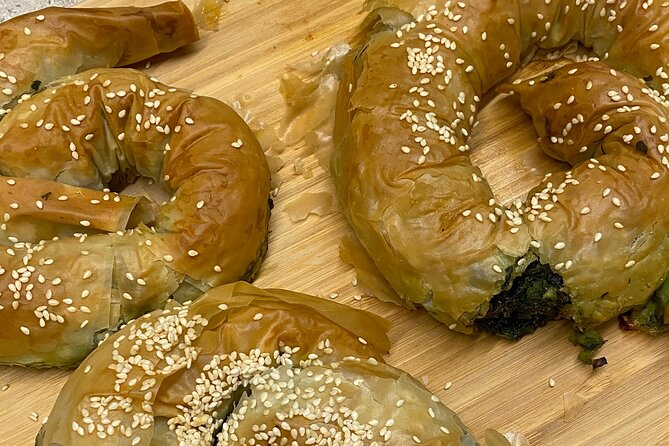
You’ll make koulouri, the sesame ring snack. It’s a practical add-on because it rounds out your meal and teaches you a “Greek street-food” element in a format you can replicate later.
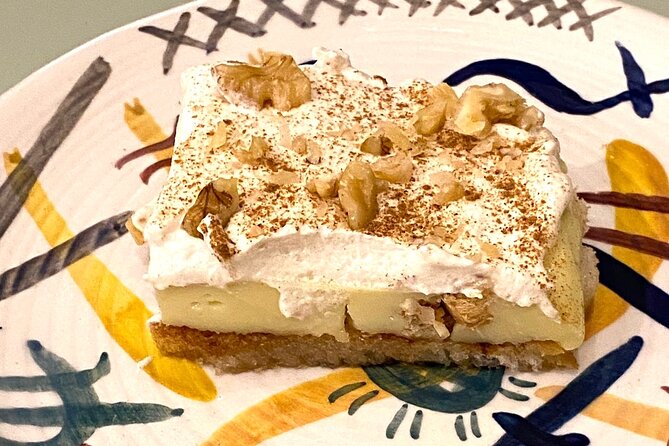
Dessert: Ekmek
Finally, there’s ekmek, a Greek dessert speciality. It’s the closing sweetness that makes the whole night feel complete—like a dinner, not a workshop.
The Dinner Part: When Cooking Turns Into Eating (and Drinking)
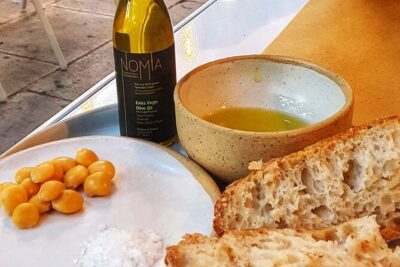
After the cooking, you sit down and enjoy what you made together. The meal comes with water, white wine, and beer, which is a big part of why this class feels like a social evening.
I like this format because it removes the awkward in-between feeling you sometimes get in cooking classes—where you cook for a while, then finally eat whatever exists. Here, the meal is part of the plan: you finish the work, then taste the results as a group.
If you’re going for a date night, this can work well because you’re shared-in-the-kitchen together, not just sitting across a table. If you’re solo, it’s also a strong bet: the class is designed for bonding, and you’ll have people right next to you the whole time.
The Instructor Factor: Chef Alexandra and Mirka’s Style
The class is run by instructors/hosts, and two names show up clearly in the experience: Chef Alexandra and Mirka. The common thread is that they manage a group where not everyone comes in with the same skill level.
From what the experience description and feedback emphasize, the teaching style is practical and supportive. Recipes are prepared in advance, and you’re guided through the process rather than left to figure everything out. That matters because the menu includes multiple dishes, and you don’t want the night to collapse into confusion.
Price and Value Check: Is $94.66 Worth It?

At $94.66 per person for about 3.5 hours, the price can look high if you compare it to a simple food tour. But this is not a tasting-only experience.
You’re paying for:
- A hands-on cooking session with small-group participation
- A full multi-dish menu (starter, several mains, bread/snack, dessert)
- A digital recipe book you can actually use later
- Drinks included with your meal, including white wine and beer
When you add up those pieces, it starts to make sense. You’re basically getting a structured dinner, plus the know-how to rebuild it. If you’re the type of traveler who likes food you can repeat at home, the recipe book alone helps justify the cost.
If you’re expecting a relaxed, watch-from-the-side experience, that’s where value can feel worse. This class is built for doing.
Who Should Book This Cooking Class (and Who Might Not Enjoy It)
This class is a strong match if you:
- Want to learn how Greek classics translate to vegan cooking
- Enjoy cooking with other people, even if you’re not a “chef”
- Want an evening that feels like dinner, with wine/beer included
- Prefer a small group where you’re not lost in a crowd
It might be a weaker match if you:
- Need equipment accommodations due to pacemaker restrictions
- Don’t like busy kitchen settings or tighter workspaces
- Get stressed when tasks move quickly (the class can feel a bit hectic, and there may be moments where you’re searching for tools or clarification)
Practical Tips to Make Your Night Smoother
A few things will help you get more out of the session:
- Bring patience for the pace. You’ll be making multiple dishes, in parallel, as teams.
- Tie back long hair and keep sleeves secure if you’re wearing anything loose.
- Ask early if an ingredient or tool isn’t obvious. The best learning happens when you don’t stall.
- Keep an eye on instructions cards and measurements, since organization and labeling can be a minor friction point.
- Taste and adjust during cooking. This is where you learn what the dish is supposed to become, not just what to do.
If you’re cooking for the first time or you’re not vegan, don’t worry. The format is built for mixed skill levels, and you’ll still leave with real recipes you can use.
Should You Book This Vegan Greek Cooking Class?
I’d book it if you want a small-group, hands-on way to learn Greek food that you can actually cook at home. The combination of a multi-dish menu, included drinks, and a digital recipe book makes it feel like a full, paid-for experience rather than a quick activity.
Skip it or think twice if you’re sensitive to cramped workspaces, dislike fast group pacing, or need pacemaker accommodations due to induction cookers. Otherwise, this is a fun Athens night where you’ll go home not just fed, but with dishes you can repeat.
FAQ
What’s the duration of the Athens Traditional Vegan Cooking Class?
It runs for about 3 hours 30 minutes.
Where does the class meet in Athens?
The meeting point is SOYBIRD – Cooking Classes Athens, Veikou 75-77, Athina 117 41, Greece.
How big are the groups?
The class is for groups of 5 people (minimum), and it can have up to 10 people per class (with a maximum of 14 travelers noted for the overall activity limit).
What dishes are included in the cooking class?
The sample menu includes vegan tzatziki, moussaka with cashew bechamel, fava with caramelized onions, dakos with homemade almond-feta, spanakopita, koulouri (sesame rings), and ekmek.
Are drinks included?
Yes. Your meal includes water, white wine, and beer.
What language is the class offered in?
The class is offered in English.
Will I receive recipes to use at home?
Yes. You’ll receive a digital recipe book after the course.
Is this class suitable if I have a pacemaker?
No. It’s not suitable for people with pacemakers because the class uses an induction cooker.
More Good Eating in Athens
- Greek Food Walking Tour in Athens★ 5.0 · 4,740 reviews
- Athens: Street Food Tasting Tour★ 4.9 · 3,343 reviews
- Athens: Guided Greek Food Walking Tour with Tastings★ 4.9 · 2,859 reviews
- Small Group Greek Traditional Food Tour in Athens 20+ Tastings★ 5.0 · 1,759 reviews
- Athens: Food Market Visit and Cooking Class with Wine★ 4.9 · 1,087 reviews
- Athens Authentic Greek Food Walking Tour (Small Group)★ 5.0 · 809 reviews
More Tour Reviews in Athens
- Athens: Acropolis & up to 5 Archaeological Sites Combo Pass★ 4.2 · 13,904 reviews
- Athens: Acropolis, Parthenon & Acropolis Museum Guided Tour★ 4.8 · 9,316 reviews
- The Acropolis, Parthenon & Acropolis Museum Guided Tour★ 4.7 · 8,493 reviews
- Athens: Cape Sounion & Poseidon Temple Sunset Half-Day Trip★ 4.8 · 8,241 reviews
- Acropolis: Premium Acropolis and Parthenon Guided Tour★ 4.8 · 5,208 reviews
- Athens: Mythology of Delphi, Museum and Arachova Guided Tour★ 4.7 · 5,102 reviews
Cook It Yourself: Greek Classes
- Athens: Classic Cooking Class with Market Visit and Wine★ 5.0 · 1,101 reviews
- Athens: Food Market Visit and Cooking Class with Wine★ 4.9 · 1,087 reviews
- Greek Cooking Class in Athens Including Rooftop Dinner with Acropolis View★ 5.0 · 826 reviews
- Greek Small-Group Athens Cooking Class & Dinner★ 5.0 · 574 reviews
- Athens: Greek Cooking Class & Dinner on a Rooftop★ 5.0 · 383 reviews
- Athens: Greek Cuisine Cooking Class and 3-Course Dinner★ 4.8 · 270 reviews
Fresh Off the Boat: New Athens Reviews





Athens Cooking Classes, compared.
 ★ 5.0Classic Cooking Class with Market Visit and WineFrom $831,101 reviews
 ★ 4.9Food Market Visit and Cooking Class with WineFrom $811,087 reviews
 ★ 5.0Greek Cooking Class in Athens Including Rooftop Dinner with Acropolis ViewFrom $120826 reviews
 ★ 5.0Greek Small-Group Athens Cooking Class & DinnerFrom $118574 reviews
 ★ 5.0Greek Cooking Class & Dinner on a RooftopFrom $108383 reviews
 ★ 4.8Greek Cuisine Cooking Class and 3-Course DinnerFrom $115270 reviews
 ★ 5.0Traditional Greek cooking class and lunch or dinner with an Acropolis viewFrom $114250 reviews
 ★ 5.0Athens Greek Cooking Class Pita Gyros from Scratch with a LocalFrom $133175 reviews
Browse the lists this tour appears in