
Reviewed · ATHENS WALKING TOURS
Keramikos Olive Oil Experience & Walking Tour
Olive oil can teach you Athens fast. This 2.5-hour walk starts at the Statue of Theseus in Thissio Square under the Acropolis and links the city’s name to the olive tree, then takes you to Keramikos and ends at Meigma Restaurant for a guided tasting with Thalia. I like that it is not the usual sightseeing route, it is hands-on and you can ask questions while you learn.
I love two things most. First, you practice the official olive oil tasting technique with a certified Olive Oil Sommelier, including how to spot issues like defective oils and how to tell extra virgin from virgin. Second, the stroll is built to connect ancient Athens with modern neighborhoods, from olive tree life cycle talk to the creative energy of Keramikos, where street art fits the story.
One possible drawback: it involves walking plus a full tasting and lunch, so if you want a purely quick stop-and-go activity, this may feel like more time than you expected. Also, the lunch menu is set, so plan around that, and note that alcoholic drinks are not included.
In This Review
- Key highlights worth marking on your map
- Why start at the Statue of Theseus in Thissio Square
- Olive tree life cycle and the Athens name connection
- The walk to Keramikos: from pottery workshops to street art
- Meigma Restaurant and your Olive Oil Sommelier lesson
- The official tasting technique: how you learn to taste quality
- A Greek lunch paired with your tasting oils
- Price and value: what $166.80 buys you in Athens
- Who should book this olive oil experience (and who might skip it)
- Practical tips so you get more out of it
- Should you book Keramikos Olive Oil Experience & Walking Tour?
- FAQ
- Where does the tour start and end?
- What time does it start, and how long is it?
- Is the tour offered in English?
- What’s included in the booking price?
- Are alcoholic beverages included?
- How many people are in the group?
- Can I get a full refund if I cancel?
Key highlights worth marking on your map
- Theseus Statue start: easy to find in Thissio Square, with the Acropolis looming overhead
- Olive-to-Athens storytelling: how Athens connects to the olive tree, then production in modern terms
- Certified sommelier-led tasting: learn the official method and ask as many questions as you want
- Three Greek extra virgin oils: different varieties and regions, plus pairings to match your taste
- Lunch plus included snacks: bottled water, a green apple, and a Greek lunch are part of the price
- Small group size: a maximum of 15 people keeps the pace human
On foot through Plaka and beyond
- Acropolis and Parthenon Guided Walking Tour
★ 5.0 · 4,755 reviews - Greek Food Walking Tour in Athens
★ 5.0 · 4,740 reviews - Athens: Guided Greek Food Walking Tour with Tastings
★ 4.9 · 2,859 reviews - Acropolis monuments & Parthenon Walking Tour with Optional Acropolis Museum
★ 5.0 · 2,678 reviews
Why start at the Statue of Theseus in Thissio Square
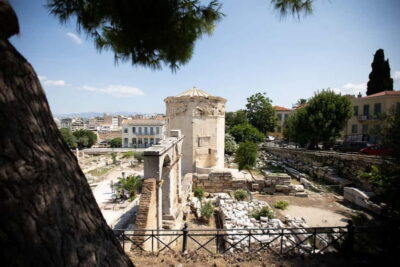
If you land in Athens and start with museums only, you miss how everyday life grew out of ancient life. This tour begins at the Statue of Theseus in Thissio Square, where you get that classic Athens moment: the skyline feels close, the Acropolis feels nearby, and the whole city feels layered.
From there, the walk is not random. Your guide sets the tone by explaining the story behind Athens’ name and its connection to the olive tree. That matters, because olive oil is not a side topic here. It is treated like a thread running through Greek agriculture, food, and culture.
You also get a practical benefit at the start: Thissio is a good area to orient yourself. You are near public transportation, and the meeting point is straightforward. If you like tours that help you get your bearings quickly instead of sending you on a scavenger hunt, this start helps.
And yes, it is a walking tour. Comfortable shoes are the only non-negotiable. The pace is guided and paced for learning, but you will still be on your feet for the duration.
Olive tree life cycle and the Athens name connection
A big part of the value is that you do not just hear trivia about olives. You learn the life cycle of the olive tree, including pruning, blossoming, and harvesting as you move. That way, when you later taste and talk about production stages, it actually clicks.
Here is why I think this approach works for you: olive oil tasting can sound technical on day one. But if you understand where the fruit comes from, you start noticing differences with less guesswork. You can connect what you are smelling and tasting to something real: the timing of harvest, how the crop is handled, and what ends up in the oil.
You also cover olive oil production stages in the tasting portion later on, but the walk prepares you for that conversation. Instead of memorizing terms, you build a mental model of how olives become oil and how quality shows up in the cup.
This is also a good moment to ask questions, because the guide can translate big ideas into normal language. The tour encourages you to pick your Olive Oil Sommelier’s brain as much as you like, and the walking time gives you a natural way to do that without feeling rushed.
The walk to Keramikos: from pottery workshops to street art
After the Athens-and-olive story lands, you move into Keramikos, a neighborhood with a creative reputation today. The route takes you from the ancient thread toward the modern city, and that shift is part of the point.
Keramikos used to be known for pottery workshops, and you can feel how that craft theme carries forward in a new form. Street art and the neighborhood’s energy are part of what you notice as you walk. It is not a lecture-only stop, it is a moving look at a side of Athens that many first-time visitors skip.
For me, the best walking tours do two jobs at once: they teach and they also give you something to look at. Here, you get both. You are not staring at one landmark; you are seeing a neighborhood change as the story moves from ancient Greece to modern Athens.
A practical note: the walking segment is part of the experience, so give yourself time to stay present. If you spend the whole walk checking your phone for Wi-Fi, you will miss the small explanations that connect the city to the olive story.
Athens at walking pace, more routes
Meigma Restaurant and your Olive Oil Sommelier lesson
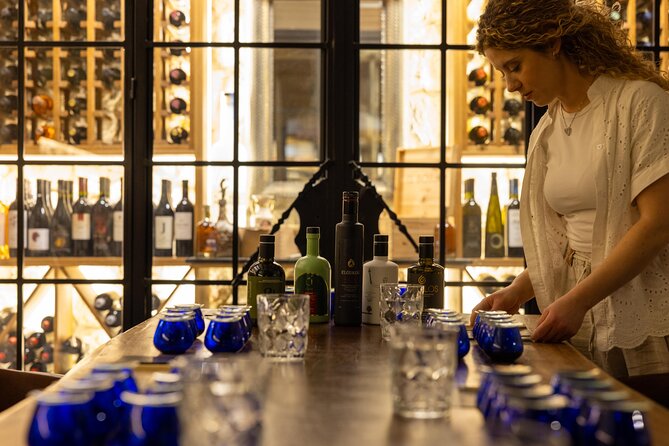
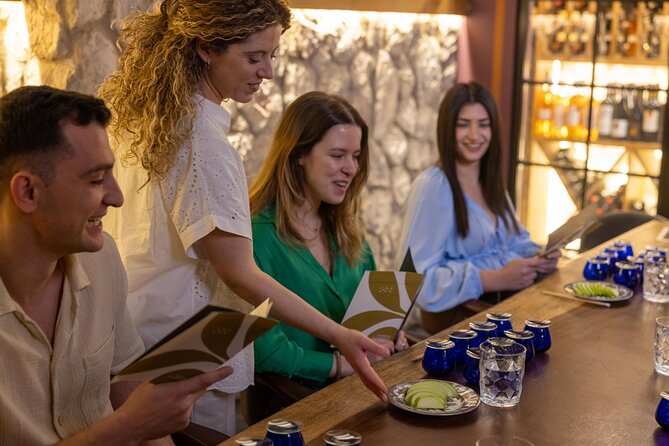
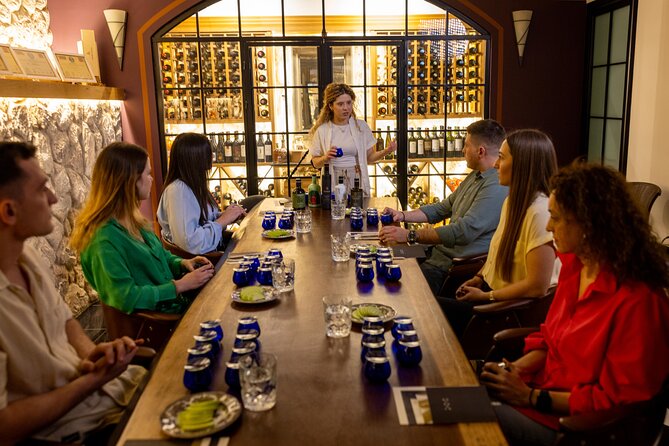
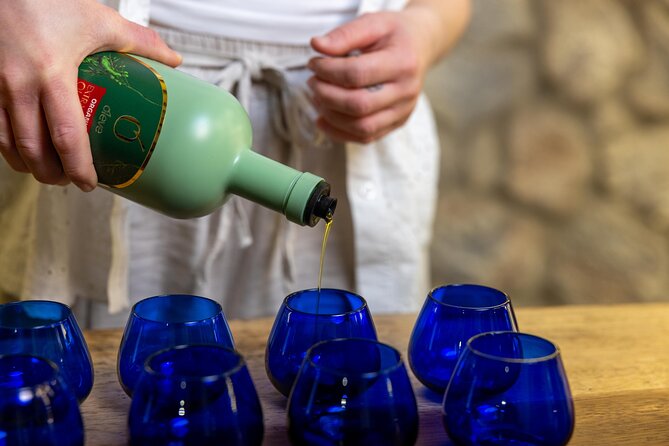
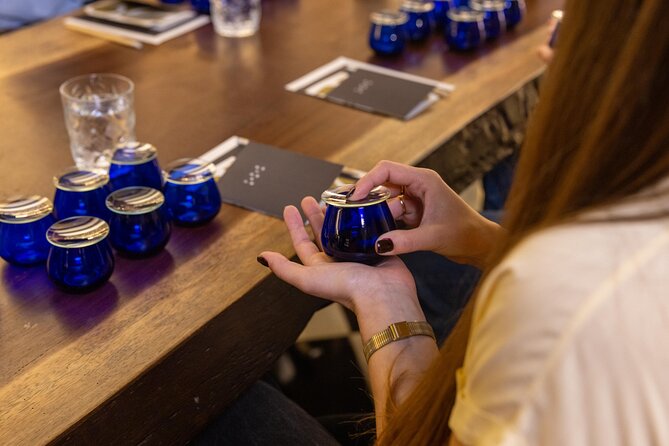
The turning point comes when the tour reaches Meigma Restaurant. This is where the tasting starts, guided by a certified Olive Oil Sommelier, and it is set up like a structured lesson, not a casual pour-and-go.
You learn:
- the main stages of olive oil production
- the official olive oil tasting technique
- the difference between extra virgin and virgin olive oil
- how to store olive oil properly at home
That last point is bigger than it sounds. A lot of people buy a bottle of olive oil in Athens and treat it like shelf-stable magic. The tour makes you think about what happens after you open it. If you care about flavor, storage is where quality either survives or gets ruined.
From the reviews, the setting itself adds to the experience. People describe a beautiful cellar setting for the tasting, and the team’s hospitality clearly matters here. That is not just comfort; it helps you focus on tasting, because you can do better when the environment feels calm.
You also get a glass of structure: first tasting basics, then deeper tasting and pairings based on your preferences. The format makes it easy to participate, even if you have never tasted olive oil “by rules” before.
The official tasting technique: how you learn to taste quality
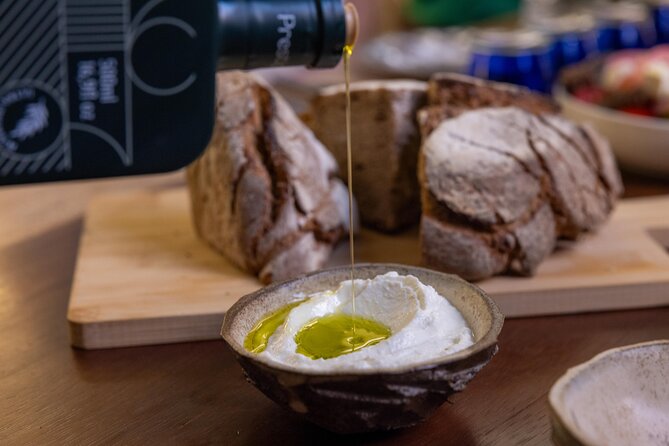
This is one of the most praised parts, and for good reason. Learning to taste oil is not just about liking flavors. It is about noticing attributes and understanding what they suggest.
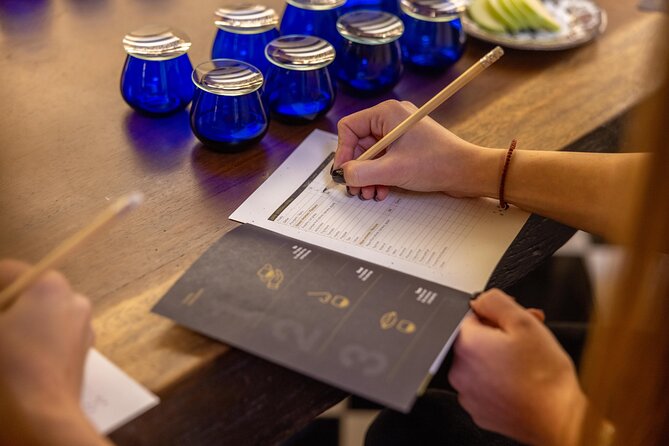
The tour has you taste and identify issues too, including learning how to recognize defective oils. That is valuable because it gives you a real skill, not just a pleasant afternoon.
Then you tackle a key distinction: extra virgin versus virgin olive oil. You learn how they differ, and you also learn how to think about the labels in practical terms. Instead of being impressed by fancy words, you start understanding what quality means in the tasting.
You sample three distinct extra virgin olive oils. Each one represents a different variety and region of Greece. This matters because Greece is not one flavor. The same “olive oil” label can still taste very different, and the tour makes you experience that variation rather than reading about it.
A nice detail is that you do not just sip and move on. You practice pairings with bites and snacks, using the oils in combination with food. That is where you begin to understand how olive oil changes a dish, not just how it tastes on its own.
From my perspective, this kind of practice is what turns a souvenir into a skill you can use at home. You leave with a new way to judge what you buy next time.
A Greek lunch paired with your tasting oils
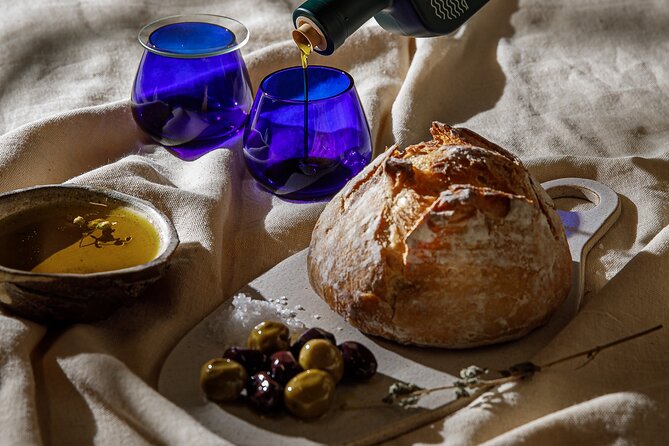
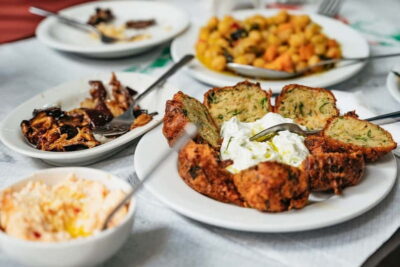
Once you finish the guided tasting, the tour shifts into lunch. The tour includes lunch paired with the olive oils from the tasting, and that pairing is where the whole experience turns into something you can eat, not just learn.
Your menu includes:
- warm bread
- a seasonal salad with local ingredients
- fava with extra virgin olive oil
- eggs staka with clotted butter and pancetta
- pie of the day
- local dessert
You also get bottled water and a green apple included. That snack timing is smart: it keeps energy steady so you can taste without feeling wiped out.
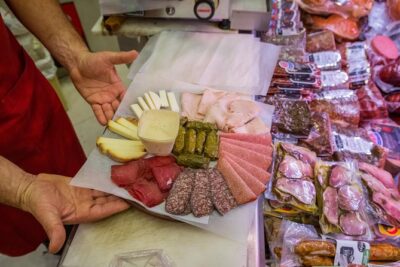
Some reviews mention local charcuterie and cheese being part of the meal setup and that it can be more than enough to skip dinner later. Even if your exact plate varies a bit, the consistent theme is that lunch is not a token bite. It is filling, and it is designed to help you notice the oils in action.
Why this pairing matters: olive oil is one of the easiest ways to change a dish’s character. It can add peppery bite, fruitiness, or smooth roundness. When you eat with the specific oils you tasted earlier, you get a direct memory hook for flavor.
If you are the type who likes to cook later, this is where you start planning real meals. You can match an oil to food the way a cook would, not the way a label would suggest.
Price and value: what $166.80 buys you in Athens
At $166.80 per person, this is not a bargain-basement activity. But it is also not overpriced for what you get, especially in Athens where single tastings can add up fast once you factor in guided instruction.
Here is what you are paying for:
- a 2.5-hour guided experience in English
- a certified Olive Oil Sommelier-led lesson with the official tasting technique
- all oil samples and snacks included
- bottled water and a green apple included
- Greek lunch included, paired with the tasting oils
- a small group size (maximum of 15), which helps keep it interactive
That mix of instruction plus food is the key. If you just wanted to taste oils casually, you could probably find that cheaper. But you would not necessarily get the tasting method training, the production stage explanations, and the structured comparison across three oils from different regions.
Also, having time to ask questions makes the per-person cost feel more justified. You are not locked into a one-and-done tasting pour. You are learning how to taste, how to store, and how to think about quality afterward.
One more practical value note: alcoholic beverages are not included. That keeps the price tied to the core lesson and meal. If you skip alcohol, you get a cleaner sense of the total cost.
Who should book this olive oil experience (and who might skip it)
This tour is a strong fit if you:
- want something more personal than a standard sightseeing walk
- like food-based skills you can use after you leave Athens
- enjoy tasting with a method, not just a buffet line
- want a small-group experience with room for questions
You might want to skip it if:
- you hate structured tastings and prefer pure walking views
- you are not interested in olive oil at all
- you want alcohol included (it is not part of the booking)
- you prefer meals that are fully customizable for allergies or specific diets (the menu is provided, but the data does not list dietary adaptations)
Timing-wise, the start time is 1:00 pm, and the activity runs about 2 hours 30 minutes. That places it nicely for an early afternoon plan with lunch built in, instead of forcing you to pick a restaurant afterward.
Practical tips so you get more out of it
Before you go, think about two things: how you will taste, and what you will do with what you learn.
- Wear comfortable shoes. You’ll walk from Thissio Square to Keramikos and back.
- Plan to eat the lunch as part of the experience, not as an afterthought. It is paired with the oils.
- If you care about wine-style tasting habits, come prepared for a different style of analysis. Olive oil uses its own cues and the tour teaches the technique.
- Use the storage lesson at home. If you buy olive oil after this, your habits will matter as much as your purchase.
Also, keep the group size in mind. With a maximum of 15, it stays more conversational. That is ideal for asking follow-up questions about extra virgin labels, tasting signals, and how to spot defective oil.
And if you want a memory you can cook with later, focus on what you like across the three oils. The tour makes it easy to connect oil character to food pairing, which is exactly what you need for cooking at home without guessing.
Should you book Keramikos Olive Oil Experience & Walking Tour?
If you want a food-and-culture Athens experience that goes beyond the usual list, I think this is a smart booking. The walking portion sets the context, and the tasting portion turns that context into a real skill. You leave with a clear idea of what extra virgin means, how to taste using an official method, and how to store olive oil so it stays good.
I would book it if you enjoy interactive classes, small groups, and a lunch that is part of the lesson. It is also a great choice if you like learning from a real specialist and asking lots of questions, because the format is built for that.
Pass if you want a quick photo tour, or if olive oil is not your interest. But if it is even a little on your radar, this tour gives you a strong return on time and money in one afternoon.
FAQ
Where does the tour start and end?
The tour starts at the Statue of Theseus, Athens 105 55, Greece. It ends back at the same meeting point.
What time does it start, and how long is it?
The start time is 1:00 pm, and the duration is approximately 2 hours 30 minutes.
Is the tour offered in English?
Yes, it is offered in English.
What’s included in the booking price?
The booking includes bottled water, green apple, and lunch, along with oil samples and snacks associated with the tasting.
Are alcoholic beverages included?
No, alcoholic beverages are not included.
How many people are in the group?
The experience has a maximum of 15 travelers.
Can I get a full refund if I cancel?
Yes. You can cancel up to 24 hours in advance for a full refund.
More Tours in Athens
- Athens: Acropolis, Parthenon & Acropolis Museum Guided Tour★ 4.8 · 9,316 reviews
- The Acropolis, Parthenon & Acropolis Museum Guided Tour★ 4.7 · 8,493 reviews
- Acropolis: Premium Acropolis and Parthenon Guided Tour★ 4.8 · 5,208 reviews
- Athens: Mythology of Delphi, Museum and Arachova Guided Tour★ 4.7 · 5,102 reviews
- Acropolis and Parthenon Guided Walking Tour★ 5.0 · 4,755 reviews
- Greek Food Walking Tour in Athens★ 5.0 · 4,740 reviews
More Tour Reviews in Athens
- Athens: Acropolis & up to 5 Archaeological Sites Combo Pass★ 4.2 · 13,904 reviews
- Athens: Acropolis, Parthenon & Acropolis Museum Guided Tour★ 4.8 · 9,316 reviews
- The Acropolis, Parthenon & Acropolis Museum Guided Tour★ 4.7 · 8,493 reviews
- Athens: Cape Sounion & Poseidon Temple Sunset Half-Day Trip★ 4.8 · 8,241 reviews
- Acropolis: Premium Acropolis and Parthenon Guided Tour★ 4.8 · 5,208 reviews
- Athens: Mythology of Delphi, Museum and Arachova Guided Tour★ 4.7 · 5,102 reviews
Athens on Foot, Continued
- Acropolis and Parthenon Guided Walking Tour★ 5.0 · 4,755 reviews
- Greek Food Walking Tour in Athens★ 5.0 · 4,740 reviews
- Athens: Guided Greek Food Walking Tour with Tastings★ 4.9 · 2,859 reviews
- Acropolis monuments & Parthenon Walking Tour with Optional Acropolis Museum★ 5.0 · 2,678 reviews
- Athens Acropolis and Parthenon Walking Tour★ 4.5 · 1,355 reviews
- Acropolis, Parthenon & Athens Old City Heritage Walking Tour★ 4.5 · 876 reviews
Fresh Off the Boat: New Athens Reviews





Athens Walking Tours, compared.
 ★ 5.0Acropolis and Parthenon Guided Walking TourFrom $414,755 reviews
 ★ 5.0Greek Food Walking Tour in AthensFrom $874,740 reviews
 ★ 4.9Guided Greek Food Walking Tour with TastingsFrom $812,859 reviews
 ★ 5.0Acropolis monuments & Parthenon Walking Tour with Optional Acropolis MuseumFrom $422,678 reviews
 ★ 4.5Athens Acropolis and Parthenon Walking TourFrom $411,355 reviews
 ★ 4.5Acropolis, Parthenon & Athens Old City Heritage Walking TourFrom $34876 reviews
 ★ 5.0Athens Authentic Greek Food Walking Tour (Small Group)From $83809 reviews
 ★ 4.9Ultimate Food Walking Tour with 15 TastingsFrom $93567 reviews
Browse the lists this tour appears in