
Parthenon views start the day right. This private 6-hour walking tour strings together Athens’ top ancient sights and close-by modern neighborhoods, with expert guides who know how to connect what you see to how Athenians live today. I especially like the way guides such as Andreas, Sofia, and Danae shape the day into a story, not a checklist.
My second big win is the mix of monuments and local atmosphere. I really like the stop in Psiri (and nearby Monastiraki/Plaka lanes) because it’s where you get out of the main tourist flow and into the streets, small squares, and snack stops. Guides like Tania and Nikos also tend to explain the city from the inside, which makes the ancient sites feel less distant.
One consideration: you’re walking. Plan on roughly 6 to 7 miles, and you’ll also want to keep bags small because big backpacks are not allowed at the Acropolis. Add summer heat, and you’ll be happier with a hat and water than with perfect fashion choices.
In This Review
- Key things to know before you go
- A private ancient-and-modern Athens day, with a real guide in charge
- Price and what you’re really buying at $475.16 per person
- The morning starts at the UNESCO Acropolis, not somewhere nearby
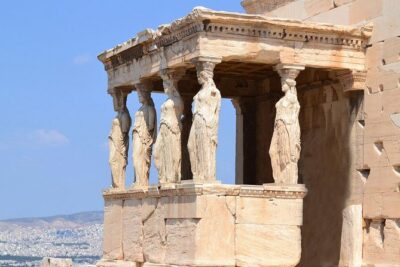
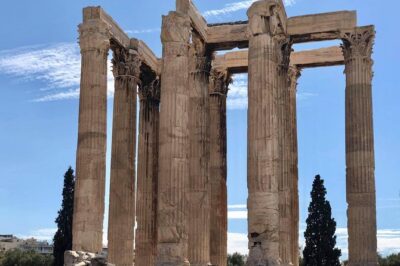
- Herodion, Erechtheion, and Propylaea: the smaller stops that shape the story
- The Parthenon hour: what to look for when the crowds thin out
- Ancient Agora to Psiri: civic Athens, then the neighborhood side of town
- Monastiraki and Plaka: neoclassical streets and the Athens people actually use
- Temple of Athena Nike: a small stop with a strong payoff
- Pickup, meeting point, and how to stay comfortable for 6 hours
- Who this tour is best for (and who may want a different option)
- Should you book this private Athens walking tour?
- FAQ
- What does the tour include?
- Are entrance fees included?
- How long is the walking tour?
- Where does the tour start and end?
- Is hotel pickup available?
- What should I bring or wear?
- Can I cancel for a full refund?
Key things to know before you go
- Private pace: You’re the only group, so your guide can slow down for questions or speed up when your legs are good.
- Ancient + everyday Athens: The route ties major ruins to neighborhoods like Psiri, Monastiraki, and Plaka.
- Food tastings included: Expect snacks during the neighborhood portion, not just museum-stops.
- Hotel pickup near central Athens: If you’re within about a 10-minute walk, the guide meets you at your hotel; otherwise you’ll meet at a convenient spot.
- Acropolis bag rules: Leave big bags and backpacks behind on this one.
- Admissions handled with prepurchase: Entrance fees are not included, but your guide can prepurchase them for you.
On foot through Plaka and beyond
- Acropolis and Parthenon Guided Walking Tour
★ 5.0 · 4,755 reviews - Greek Food Walking Tour in Athens
★ 5.0 · 4,740 reviews - Athens: Guided Greek Food Walking Tour with Tastings
★ 4.9 · 2,859 reviews - Acropolis monuments & Parthenon Walking Tour with Optional Acropolis Museum
★ 5.0 · 2,678 reviews
A private ancient-and-modern Athens day, with a real guide in charge
Athens is famous for the big classics: the Acropolis, the Parthenon, and all the stone that looks like it’s been holding up the city’s identity for centuries. The problem is that those same icons can turn into a rushed stop-and-snap routine.
This tour solves that by doing two things well. First, it gives you a private guide who can explain what you’re seeing in plain language, including the meaning behind famous structures like the Parthenon and Erechtheion. Second, it keeps the day moving into contemporary Athens instead of dropping you back at the hotel right after the ruins.
If you’re visiting for a first full day, I like that this plan helps you get your bearings fast. You’ll walk from the ancient core into the neighborhoods where people actually hang out—then you can go back later on your own with smarter eyes.
Price and what you’re really buying at $475.16 per person
At $475.16 per person for a private, 6-hour experience, this isn’t a budget tour. You’re paying for three things that matter in Athens:
- Time and flow
A private guide can keep the day efficient. You won’t be negotiating meeting points with other groups or trying to hear over background chatter.
- Focused attention
You can ask questions, adjust pacing, and get better context. Guides highlighted by name in past tours—like Andreas, Sofia, Danae, Lina, and Katerina—are described as patient and engaging, which is exactly what you want on a long walk.
- An intentional mix
The value is not only the Acropolis. The real payoff is that the route connects famous monuments to modern neighborhood life in the same day, including food tastings.
If you’re traveling as a pair, family, or small group who want a guide-led day without the stress of figuring out everything yourself, this can feel like money well spent. If you’re the type who likes to wander freely and you’re fine reading guidebooks on your phone, you may prefer a lighter self-guided approach.
The morning starts at the UNESCO Acropolis, not somewhere nearby
Your tour kicks off in central Athens near the Arch of Hadrian, a practical starting point because it puts you close enough to the Acropolis area to begin immediately. You then spend about an hour at the Acropolis complex.
Here’s what I’d aim to notice as you go: the geometry of the structures, the way different buildings sit on different terraces, and how the monumental design was meant to communicate power and civic pride. Even if you’ve seen photos, the scale on-site hits differently when you’re standing there, looking up.
Also, plan for logistics on the hill. Wear comfortable shoes. This is a walking tour, and you’ll be on your feet for most of the day.
Admission fees are not included, but your guide can prepurchase tickets for you. That matters because Athens can have lines and timing issues, and it’s one less thing for you to manage.
Just your group, at your own pace


Herodion, Erechtheion, and Propylaea: the smaller stops that shape the story
The itinerary doesn’t just rush through the headline buildings. You also pause at several key structures around the Acropolis area:
- Herod Atticus Odeon (Herodion): Expect a short stop here. It’s a landmark that connects Athens’ ancient stage culture to the idea of performance and public life.
- Erechtheion (Erechtheion): You’ll have time to look closely at this famous temple. It’s known for architectural details that you miss when you only photograph the Parthenon.
- Propylaea (Propylea): This is the gateway area, and the timing works well because it helps you understand the flow of movement into the sacred spaces.
These stops are brief, but they’re not throwaway. This is where a good guide earns their fee: they point out what makes each structure distinct and how the pieces relate to the larger sacred complex.
One more practical note: big bags and backpacks are not allowed at the Acropolis. If you’re used to carrying a daypack, rethink it. A small day bag is much safer.
The Parthenon hour: what to look for when the crowds thin out
You’ll return to a full stop timed around the Parthenon area. The tour includes about an hour there, which gives you room to absorb details beyond the main view everyone aims for.
Use that time strategically:
- Look for how the structure is positioned in relation to the whole Acropolis area.
- Spend a few minutes scanning for architectural differences rather than only taking a front-facing picture.
- If your guide uses historical context, this is a great time to listen, because the explanation will connect to what you’re seeing right in front of you.
A private guide helps here because they can tailor the pacing. If you’re exhausted by the climb, they can shift focus to the most meaningful viewpoints without making you feel rushed.
Ancient Agora to Psiri: civic Athens, then the neighborhood side of town
After the Acropolis, you head down to the Ancient Agora of Athens for about an hour. This stop changes the tone. The Agora is less about temples and more about civic life—the kind of place where public decisions and community activity happened.
Then comes the transition that I think you’ll love: you move into Psiri for around 30 minutes, near the central market area. This is where the tour makes its second big promise: modern Athens is not a separate planet from the ancient one.
What you get here is atmosphere plus food tastings (included). Think snack breaks, coffee moments, and the kind of Greek specialties you can’t replicate as easily back home. The goal isn’t a full meal. It’s enough to keep you energized for the rest of the walk.
Guides such as Tania and Nikos are especially noted for steering people into streets that feel local rather than just postcard-stops. That’s the difference between seeing Athens and learning how it works.
Monastiraki and Plaka: neoclassical streets and the Athens people actually use
Next up: Monastiraki for a short stop, then Plaka for about an hour.
Monastiraki is a crossroads neighborhood. It’s busy, it’s central, and it’s the kind of place where you can feel the mix of old Athens and everyday routines. A quick stop works well here because you’ll get the vibe without wasting too much time in traffic-like pedestrian flow.
Plaka is the old-town layer you expect in Athens, with classic architecture and scenic lanes that feel built for strolling. You’ll also have time to reset your legs a bit before the last major architectural stop.
I like that this part of the tour doesn’t treat Plaka like a theme park. A guide can help you notice the smaller patterns—street shape, building textures, and where the paths naturally lead—so you can navigate better later on your own.
Temple of Athena Nike: a small stop with a strong payoff
The final architectural stop is the Temple of Athena Nike, timed for about 10 minutes.
It’s short, but it’s positioned to give you a clean wrap-up of the architectural theme. This is the kind of site where a guide can point out key visual cues quickly, so you leave understanding why this temple belongs to the same family of ideas as the larger Acropolis monuments.
If you only give the Acropolis one hour, you might feel like you missed the finer layers. This tour’s approach gives you a broader view of what Athens built—and why it still looks so intentional today.
Pickup, meeting point, and how to stay comfortable for 6 hours
This is one of those tours where comfort affects your enjoyment more than you think.
You’ll start at Leof. Vasilisis Amalias 50 near the Arch of Hadrian area. The tour ends at Syntagma Square. If your hotel is in central Athens and about a 10-minute walk from the starting point, your guide meets you at your hotel. Otherwise, you’ll meet at the most convenient point for your location.
Bring:
- comfortable, sturdy walking shoes
- a hat and water, especially in warmer months
- a small bag (remember: no big backpacks at the Acropolis)
Also, if you qualify for reduced or free admission, bring a valid identity card or passport. That’s an easy thing to forget, and it can matter.
Who this tour is best for (and who may want a different option)
This is a smart match if:
- you want a guided day that covers both ancient icons and modern neighborhoods
- you care about context and explanations, not just photos
- you’re traveling with kids or teens and need a guide who can hold attention while still teaching
- you like the idea of revisiting spots later with clearer understanding
It may be less ideal if:
- you hate walking and want a mostly seated experience
- you’re comfortable with self-navigation and don’t need guided explanations
- you’re traveling with very large luggage or you don’t want to follow the Acropolis bag rule
Should you book this private Athens walking tour?
I’d book it if you want your first day in Athens to feel organized, intelligent, and human. The price is steep, but the day earns it through a true private guide, a route that connects major monuments to neighborhoods, and included food tastings that keep the experience from feeling like only stone and signage.
Skip it if you’re looking for a low-cost option or if you want to take Athens at your own speed with minimal structure. This tour is built for people who want guidance, pacing, and a story that runs from the Acropolis down to Psiri, Monastiraki, and Plaka.
FAQ
What does the tour include?
The tour includes a private guide, food tastings, and pickup from your hotel if it’s in central Athens (your guide meets you there if you’re within about a 10-minute walk of the starting point). A mobile ticket is provided.
Are entrance fees included?
Entrance fees to archaeological sites are not included. The tour info says your guide can prepurchase tickets for you, so you’re not stuck handling that while you’re trying to enjoy the day.
How long is the walking tour?
The tour is about 6 hours (approx.). You should expect a lot of time on your feet.
Where does the tour start and end?
It starts near the Arch of Hadrian at Leof. Vasilisis Amalias 50, Athens, and it ends at Syntagma Square (Pl. Sintagmatos, Athens).
Is hotel pickup available?
Yes, pickup is offered if your hotel is located in central Athens at about a 10-minute walk from the tour’s starting point. If not, you’ll be asked for where you’re staying so they can arrange the most convenient meeting point.
What should I bring or wear?
Wear comfortable shoes and clothes for walking. Big backpacks and large bags are not allowed at the Acropolis, so you should plan to travel light.
Can I cancel for a full refund?
Free cancellation is available up to 24 hours in advance for a full refund. If you cancel less than 24 hours before the start time, you won’t get a refund.
More Tour Reviews in Athens
- Athens: Acropolis & up to 5 Archaeological Sites Combo Pass★ 4.2 · 13,904 reviews
- Athens: Acropolis, Parthenon & Acropolis Museum Guided Tour★ 4.8 · 9,316 reviews
- The Acropolis, Parthenon & Acropolis Museum Guided Tour★ 4.7 · 8,493 reviews
- Athens: Cape Sounion & Poseidon Temple Sunset Half-Day Trip★ 4.8 · 8,241 reviews
- Acropolis: Premium Acropolis and Parthenon Guided Tour★ 4.8 · 5,208 reviews
- Athens: Mythology of Delphi, Museum and Arachova Guided Tour★ 4.7 · 5,102 reviews
Just Your Group: More Private Days
- Best of Athens Half Day Private Tour★ 5.0 · 3,714 reviews
- Athens Full Day Private Tour★ 5.0 · 2,903 reviews
- Athens Greece Full Day private tour★ 5.0 · 785 reviews
- 4 Hours – Athens & Acropolis Highlights Private Tour★ 5.0 · 681 reviews
- Athens Full Day Private Tour★ 5.0 · 667 reviews
- Enjoy Cape Sounio Private Majestic Sunset With Seaside Dinner★ 5.0 · 613 reviews
Athens on Foot, Continued
- Acropolis and Parthenon Guided Walking Tour★ 5.0 · 4,755 reviews
- Greek Food Walking Tour in Athens★ 5.0 · 4,740 reviews
- Athens: Guided Greek Food Walking Tour with Tastings★ 4.9 · 2,859 reviews
- Acropolis monuments & Parthenon Walking Tour with Optional Acropolis Museum★ 5.0 · 2,678 reviews
- Athens Acropolis and Parthenon Walking Tour★ 4.5 · 1,355 reviews
- Acropolis, Parthenon & Athens Old City Heritage Walking Tour★ 4.5 · 876 reviews
Fresh Off the Boat: New Athens Reviews





Athens Walking Tours, compared.
 ★ 5.0Acropolis and Parthenon Guided Walking TourFrom $414,755 reviews
 ★ 5.0Greek Food Walking Tour in AthensFrom $874,740 reviews
 ★ 4.9Guided Greek Food Walking Tour with TastingsFrom $812,859 reviews
 ★ 5.0Acropolis monuments & Parthenon Walking Tour with Optional Acropolis MuseumFrom $422,678 reviews
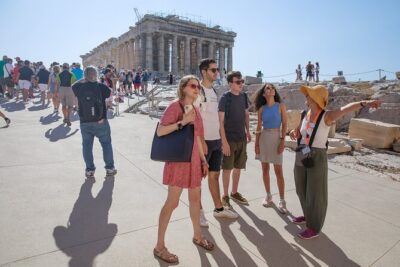 ★ 4.5Athens Acropolis and Parthenon Walking TourFrom $411,355 reviews
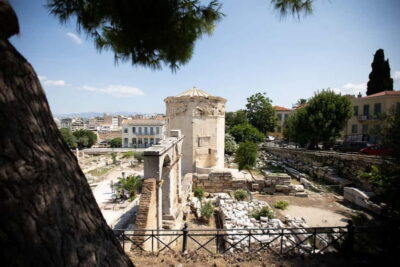 ★ 4.5Acropolis, Parthenon & Athens Old City Heritage Walking TourFrom $34876 reviews
 ★ 5.0Athens Authentic Greek Food Walking Tour (Small Group)From $83809 reviews
 ★ 4.9Ultimate Food Walking Tour with 15 TastingsFrom $93567 reviews
Browse the lists this tour appears in