
Reviewed · ACROPOLIS & PARTHENON TOURS
Private Walking Tour- 3000 years of History around the Acropolis Rock
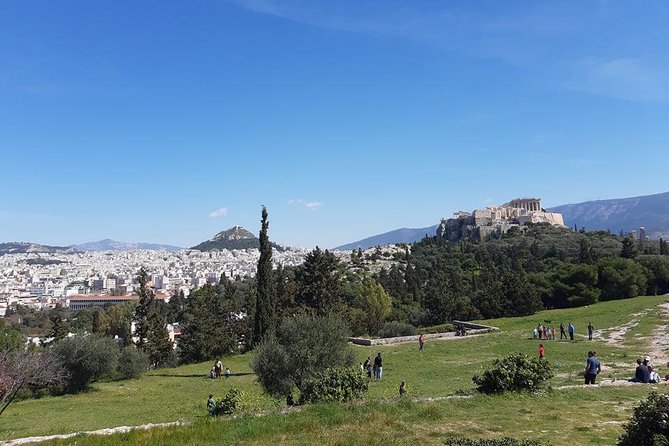
A hilltop mindset beats a museum checklist. This private walk around the Acropolis Rock strings together 3,000 years of Athens in a smart route with frequent viewpoints. I like that it’s truly private, so you can move at your pace, pause for photos, and ask your guide real questions. I also love the mix of classical sites with the modern neighborhood energy of Monastiraki. One possible drawback: you’re going to be on your feet for about four hours, including uphill sections, and lunch isn’t included.
This route starts at the Acropolis Metro Station and then threads your way through hillside paths, including the area linked to Dimitrios Pikionis’ walking paths. Along the way, you’ll hit spots connected to Socrates, Athenian democracy at Pnyx, and later the Roman and Ottoman layers near Monastiraki. In the reviews, the guide name Nancy shows up often, with praise for professional, hospitable storytelling and excellent English—exactly what you want when you’re walking through history that can otherwise feel like random ruins.
In This Review
- Key highlights at a glance
- Entering the Acropolis world from the hillside path
- Price and logistics: is $331.62 per person worth it?
- Getting started: Acropolis Metro meeting point and pickup from your base
- Stop 1: Acropolis to the Hill of the Muses viewpoints
- Stop 2: Socrates’ Prison area and Dimitrios Pikionis walking paths
- Stop 3: Pnyx, the Hill of the Nymphs, and the National Observatory area
- Stop 4: Thissio descent via Apostlou Pavlou and Adrianou Street
- Stop 5: Monastiraki’s layers—Roman/Ottoman remains to the flea market
- The guide makes or breaks it: Nancy’s storytelling approach
- What to expect from a 4-hour private pacing plan
- Value check: you’re paying for fewer hassles and better explanations
- Who should book this tour
- Should you book? My practical take
- FAQ
- FAQ
- How long is the private walking tour around the Acropolis Rock?
- What time does the tour start?
- Is the tour private?
- Where does the tour begin?
- Is pickup from a hotel or port included?
- Are admission tickets required for the stops?
- Is lunch included?
- Is free cancellation available?
Key highlights at a glance

- Private, personal service so the pace and stops fit your group
- Scenic walking trails with standout views over Athens from the hills
- Socrates’ Prison + Pikionis paths, a memorable blend of history and place
- Pnyx and the Democracy story, tied to where public life actually happened
- Monastiraki time layers, from Roman/Ottoman remains to flea-market streets
- Pickup offered from your hotel or port, plus a mobile ticket
More ways up the sacred rock, set side by side
- Athens: Acropolis & up to 5 Archaeological Sites Combo Pass
★ 4.2 · 13,904 reviews - Athens: Acropolis, Parthenon & Acropolis Museum Guided Tour
★ 4.8 · 9,316 reviews - The Acropolis, Parthenon & Acropolis Museum Guided Tour
★ 4.7 · 8,493 reviews - Acropolis: Premium Acropolis and Parthenon Guided Tour
★ 4.8 · 5,208 reviews
Entering the Acropolis world from the hillside path
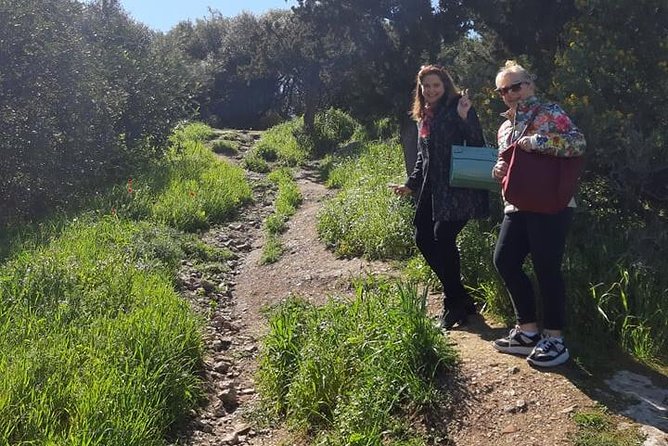
The big win here is that you’re not only seeing the Acropolis area—you’re walking the surrounding hills that make Athens feel big and layered. The tour is designed like a gentle history thread: you start near the Acropolis, move through the Hill of the Muses zone, then push upward and onward toward Pnyx, and finally drop down toward Thissio and Monastiraki.
The private format matters. Even when you see the same sites as a group tour, your guide can slow down when the light is good, speed up when your feet are happy, and explain what you’re actually looking at instead of just reciting dates. And because the route includes rest moments—like a pause near the Socrates-related site and time under pines—you won’t feel like your only job is to keep moving.
You also get a route that balances well-known themes with quieter corners. For example, the Hill of the Muses is the kind of area where you get views and atmosphere, not just a single landmark photo. Then Pnyx brings you back to the political heart of ancient Athens, and Monastiraki brings you right back into the city’s living present.
Price and logistics: is $331.62 per person worth it?
At $331.62 per person, this isn’t a budget walk. This price makes sense when you’re comparing it to the value of a private guide for a multi-stop route that covers multiple hillside areas plus Monastiraki.
Here’s where the value comes from:
- You’re paying for personalization: private service means your guide can tailor pacing and explanations.
- Multiple zones in one half-day: Acropolis area, Hill of the Muses, Pnyx, and Monastiraki in about four hours.
- Pickup is offered (hotel or port), which can save you time and stress.
- Admission tickets are marked as free at each listed stop, so you’re not adding extra ticket costs on top of the guide fee.
- Mobile ticket makes the experience easier to access on the day.
A fair consideration: because this is a private tour, you’ll get better value if you’re traveling with a group that can share the experience rather than a solo traveler trying to “optimize the cost.” Still, if you hate being herded or you want real explanations without competing for attention, the private format can be worth it even on an individual basis.
Getting started: Acropolis Metro meeting point and pickup from your base
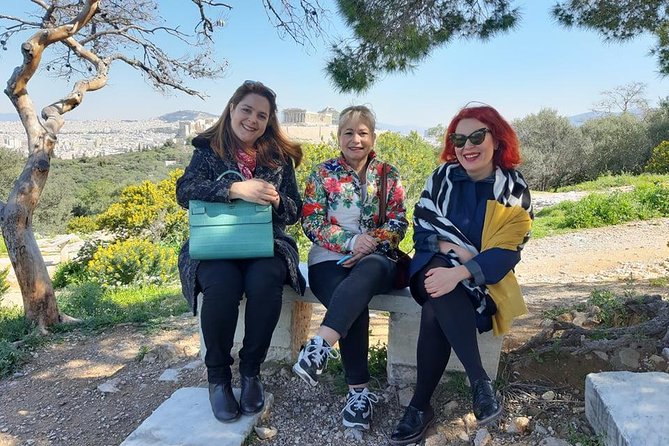
You start from the Acropolis Metro Station, then head along the pedestrian route toward the Hill of the Muses. That’s a smart way to begin, because you’re already near transit, and you’re not wasting the first part of the walk figuring out where the action is.
The tour also offers pickup and drop-off at your hotel or port. That’s a big deal in Athens, where a “quick hop” can turn into a long navigation problem. If you’re arriving by cruise and want something guided that doesn’t depend on you instantly learning the street layout, pickup helps a lot.
Start time is 10:00 am. I like this timing for walking tours because it’s early enough to beat some of the day’s heat, and it gives you daylight for views. Still, go prepared for sun and glare on stone—Athens can be bright even when it doesn’t feel scorching.
On foot through Plaka and beyond



Stop 1: Acropolis to the Hill of the Muses viewpoints
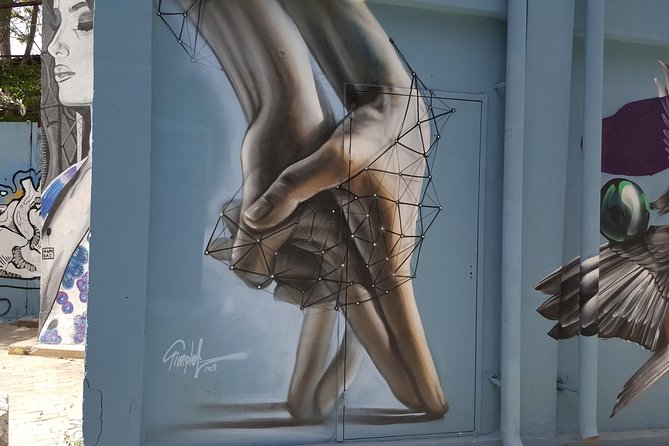
Your first stretch is about 30 minutes and it starts right from the Acropolis Metro Station. You take the Pedestrian Road toward the Hill of the Muses, passing in front of the Acropolis Rock. This is the part where you get your bearings fast.
What I like about this segment: it’s not just a warm-up. Seeing the Acropolis Rock from a walking angle gives you context. You start to understand how the modern city sits beside the ancient ground. Even without spending all your energy inside a single site, you begin to feel the “why” of the location.
Another plus: the time is short and manageable. You get a meaningful first contact with the area, and then you move on before the day becomes tiring. The stop also notes admission ticket free, which keeps your morning simpler.
Potential drawback: since it’s an initial approach, it’s not the densest storytelling moment. It’s more about orientation than deep detail.
Stop 2: Socrates’ Prison area and Dimitrios Pikionis walking paths

Next, you reach the Hill of the Muses, where the route uses paths associated with architect Dimitrios Pikionis. The tour includes a few key moments here:
- A walk on those distinctive paths
- A rest for a few minutes in front of the site known as Socrates’ Prison
- Then an uphill hike toward the top, with time to rest under the pine trees
This is one of the best parts of the tour because it’s a blend of history and sensory experience. The name Socrates’ Prison immediately hooks your curiosity, but the actual value is in how you’re placed in the landscape—walking up, pausing, then looking out from where you can feel the scale of ancient Athens.
Why the Pikionis paths matter: they give you a sense that even the walk is part of the story. This is where Athens stops being just ruins and becomes a lived-in setting—stone pathways, a hilltop atmosphere, and those sudden glimpses that make the city look far bigger than you expected.
One consideration: this stop includes a hike up to higher ground. If you’re sensitive to uphill walking, wear shoes with real traction and plan on a slower pace. The private format helps here because your guide can adjust.
Stop 3: Pnyx, the Hill of the Nymphs, and the National Observatory area
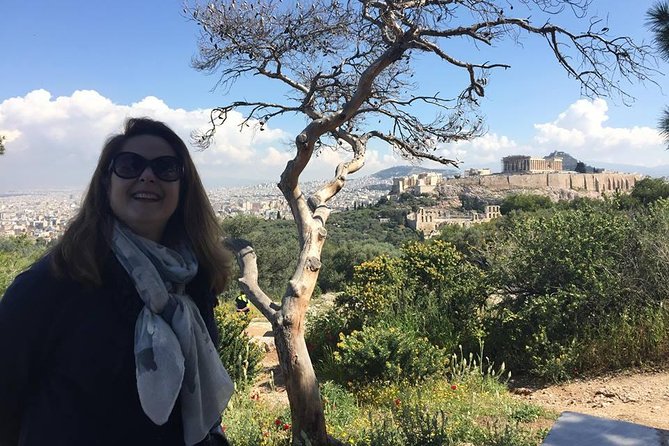
After Socrates’ area, you continue toward Pnyx, described as the place where the heart of democracy beat in antiquity. You then reach the Hill of the Nymphs, passing in front of the National Observatory, noted as the first research foundation of modern Greece and one of the oldest in Southern Europe.
This segment gives you a shift in tone—from philosophy and moral history to civic life. Pnyx is a powerful concept because it’s not just about what Athenians believed. It’s about how they made decisions. When your guide connects the setting to the idea of public debate, the hill stops being a scenic stop and starts feeling like a stage.
The stop time listed is about 30 minutes, which is short—but enough to get oriented, hear the core ideas, and move on without dragging. Admission is listed as ticket free here as well, which helps keep the tour smooth.
A small practical note: viewpoints at this level can be windy, and stone carries heat. A light layer can help if you start cool and then warm up as you walk.
Stop 4: Thissio descent via Apostlou Pavlou and Adrianou Street

From the hills, you shift into descent. You turn again on the Pedestrian Road Apostlou Pavlou as it heads down toward the Thisseio neighborhood. Then you take the busy Adrianou street toward Monastiraki Square.
This part is a nice mental reset. You go from higher-ground history to street-level Athens—more movement, more people, and less “quiet hill” energy. It’s also practical: it helps you get from the historic zone to the neighborhood zone without the confusion of figuring out streets on your own.
What I like about this routing: it matches how cities feel. You don’t want your Athens day to become nothing but climbs and stone steps. This descent sets you up for Monastiraki, where the pace naturally picks up again.
Possible drawback: Adrianou Street is described as busy, which means it can be louder and more crowded in places. If you’re taking photos, keep an eye on timing and be ready for people crossing into your frame.
Stop 5: Monastiraki’s layers—Roman/Ottoman remains to the flea market
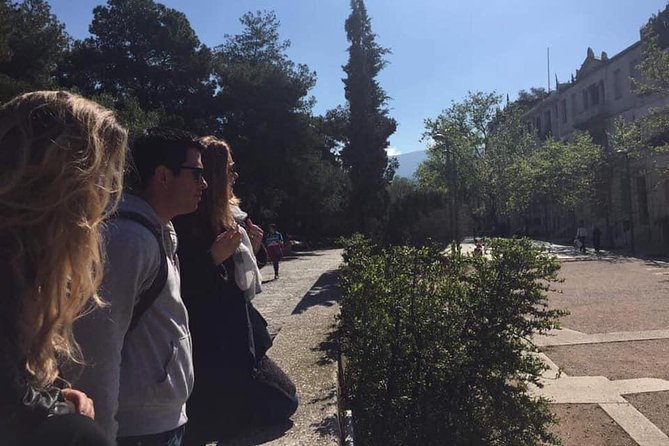
Finally, you reach Monastiraki, with about 30 minutes here. You stop in front of remains from the Roman and Ottoman Era, then you move into the alleys of the flea market and toward Avyssinias Square in the Monastiraki area.
This is where the tour becomes more than “ancient Athens.” Monastiraki shows how Athens keeps rewriting itself. You get a quick history moment—Roman and Ottoman remains—then you’re immediately surrounded by the everyday Athens of bargaining, browsing, and wandering.
Even in the short stop, you’ll feel the time layers:
- A set of visible traces from later empires
- Then a living market where people trade and wander like they’ve always done
One thing to consider: Monastiraki can be a lot for the senses. If you’re the type who needs quiet time after walking uphill, focus on your route with intention—pick what you want to see and don’t feel like you have to browse every stall.
The guide makes or breaks it: Nancy’s storytelling approach
In the reviews, the biggest repeated praise is the guide’s combination of professionalism, hospitality, and storytelling skill—especially Nancy. Guests highlight her excellent English and her ability to make the city’s “footsteps” feel connected rather than random.
That’s exactly what you should look for in an Acropolis-area walking tour. The area is famous, but without good guidance it can turn into: you see a sign, you take a photo, you move on. A strong guide helps you:
- Identify what you’re looking at
- Understand why it matters
- See how the modern city sits on top of ancient decisions
For me, that storytelling quality is the difference between enjoying the sights and actually learning something you’ll remember later—like connecting Pnyx to civic life, or connecting Socrates’ reference point to the moral and philosophical traditions Athens is known for.
What to expect from a 4-hour private pacing plan
The whole tour runs about 4 hours. That’s long enough to cover several zones, but short enough that you shouldn’t feel wiped out—if you prepare.
Here’s the practical expectation:
- You’ll walk continuously through different terrain types: pedestrian roads, hillside paths, then a descent into streets.
- You’ll have built-in pauses (including a few minutes by the Socrates-related spot and time resting under pines).
- The group size is just your party, which usually makes it easier to keep a comfortable rhythm.
If you’re traveling with kids or older adults, private can be a good choice, because your guide can adapt pacing. But if anyone in your group struggles with uphill walking, plan for a slower cadence and give yourself grace.
Value check: you’re paying for fewer hassles and better explanations
It’s easy to compare tours by price. The smarter move is to compare what that price buys you.
This experience includes:
- A walking tour
- Private service
- Pickup offered
- Mobile ticket
- Admission marked ticket free at the listed stops
- Group discount option (if applicable to your booking)
You’re not getting:
- Lunch (so you’ll need to plan your meal before or after)
When I judge value, I ask: does this reduce friction? It does. Pickup can remove navigation stress. Private pacing can prevent you from feeling rushed. And having a guide who can explain what you’re seeing can turn a walk into something you actually take home.
Who should book this tour
This private walking tour is a strong fit if you:
- Want a guided route across multiple Acropolis-adjacent areas without rushing
- Prefer asking questions to reading plaques
- Like views and walking trails as much as ruins
- Want a half-day plan that ends in a lively neighborhood (Monastiraki)
It may be less ideal if you:
- Hate hills or have limited mobility for uphill sections
- Need a long lunch break built in (since lunch is not included)
- Are looking for a single “main monument” deep dive rather than a connected route
Should you book? My practical take
If you’re choosing between a basic sightseeing walk and a tailored private experience, I’d lean toward booking this—especially because it strings together Acropolis Rock context, Socrates’ Prison, Pnyx, and Monastiraki’s modern market layers in one smooth arc. The presence of a well-reviewed guide like Nancy, with praise for excellent English and strong storytelling, is a real confidence boost.
Book it if you want your Athens day to feel like a story told on foot. Skip it (or adjust expectations) if you’re expecting a comfortable, mostly flat route and a built-in lunch break.
FAQ
FAQ
How long is the private walking tour around the Acropolis Rock?
It’s approximately 4 hours.
What time does the tour start?
The start time is 10:00 am.
Is the tour private?
Yes. It’s a private tour/activity, and only your group participates.
Where does the tour begin?
The tour starts from the Acropolis Metro Station.
Is pickup from a hotel or port included?
Pickup is offered, with convenient pickup and drop-off at your hotel or port.
Are admission tickets required for the stops?
Admission tickets are listed as free at each stop in the itinerary.
Is lunch included?
No. Lunch is not included.
Is free cancellation available?
Yes. You can cancel for a full refund up to 24 hours in advance of the experience’s start time.
More Tour Reviews in Athens
- Athens: Acropolis & up to 5 Archaeological Sites Combo Pass★ 4.2 · 13,904 reviews
- Athens: Acropolis, Parthenon & Acropolis Museum Guided Tour★ 4.8 · 9,316 reviews
- The Acropolis, Parthenon & Acropolis Museum Guided Tour★ 4.7 · 8,493 reviews
- Athens: Cape Sounion & Poseidon Temple Sunset Half-Day Trip★ 4.8 · 8,241 reviews
- Acropolis: Premium Acropolis and Parthenon Guided Tour★ 4.8 · 5,208 reviews
- Athens: Mythology of Delphi, Museum and Arachova Guided Tour★ 4.7 · 5,102 reviews
Athens on Foot, Continued
- Acropolis and Parthenon Guided Walking Tour★ 5.0 · 4,755 reviews
- Greek Food Walking Tour in Athens★ 5.0 · 4,740 reviews
- Athens: Guided Greek Food Walking Tour with Tastings★ 4.9 · 2,859 reviews
- Acropolis monuments & Parthenon Walking Tour with Optional Acropolis Museum★ 5.0 · 2,678 reviews
- Athens Acropolis and Parthenon Walking Tour★ 4.5 · 1,355 reviews
- Acropolis, Parthenon & Athens Old City Heritage Walking Tour★ 4.5 · 876 reviews
The Acropolis, a Few More Ways Up
- Athens: Acropolis & up to 5 Archaeological Sites Combo Pass★ 4.2 · 13,904 reviews
- Athens: Acropolis, Parthenon & Acropolis Museum Guided Tour★ 4.8 · 9,316 reviews
- The Acropolis, Parthenon & Acropolis Museum Guided Tour★ 4.7 · 8,493 reviews
- Acropolis: Premium Acropolis and Parthenon Guided Tour★ 4.8 · 5,208 reviews
- Acropolis and Parthenon Guided Walking Tour★ 5.0 · 4,755 reviews
- Athens: Acropolis, Parthenon & Acropolis Museum Guided Tour★ 4.8 · 3,579 reviews
Fresh Off the Boat: New Athens Reviews





Acropolis & Parthenon Tours, compared.
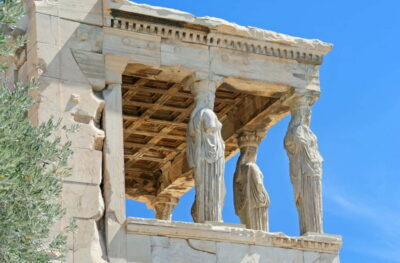 ★ 4.2Acropolis & up to 5 Archaeological Sites Combo PassFrom $4213,904 reviews
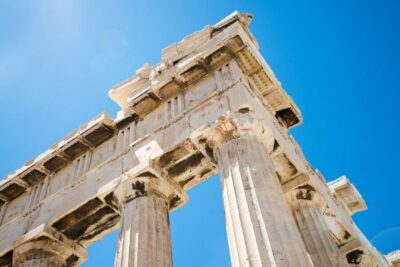 ★ 4.8Acropolis, Parthenon & Acropolis Museum Guided TourFrom $409,316 reviews
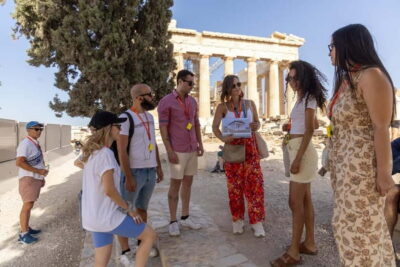 ★ 4.7The Acropolis, Parthenon & Acropolis Museum Guided TourFrom $408,493 reviews
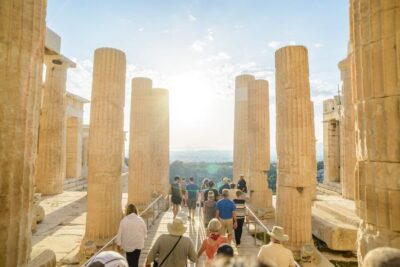 ★ 4.8Acropolis: Premium Acropolis and Parthenon Guided TourFrom $405,208 reviews
 ★ 5.0Acropolis and Parthenon Guided Walking TourFrom $414,755 reviews
★ 4.8Acropolis, Parthenon & Acropolis Museum Guided TourFrom $413,579 reviews
 ★ 4.0Acropolis Ticket with Audio GuideFrom $473,575 reviews
 ★ 5.0Athens Scenic Electric Bike Tour with optional Acropolis visitFrom $353,350 reviews
Browse the lists this tour appears in