
Reviewed · WALKING TOURS
The Great Walk of Athens
Two hours of Athens, guided and easy. I love how the private guide turns landmark history into an actual conversation, and I also like the complimentary snacks that keep you comfortable between stops. One thing to plan for: this walk depends on good weather and runs only Tuesday to Saturday evenings.
You start at the Monument of the Unknown Soldier and finish near Monastiraki metro, after a smooth loop past Parliament, gardens, Roman sites, the Acropolis area, and the Tower of the Winds. It’s designed for small-group energy—chat freely, ask questions, and get oriented fast before dinner in the neighborhood.
In This Review
- Key things to know before you go
- A private evening Athens walk that helps you actually understand the city
- Price and value: what $60.01 buys you
- Where you meet, how you get there, and where you end
- Stop 1: The Hellenic Parliament and the meaning of the unknown soldier
- Stop 2: National Garden sun clock and Aristarchos the astronomer
- Stop 3: Zappeion Conference & Exhibition Center and the rhythm of old architecture
- Stop 4: Temple of Olympian Zeus and the Gate of Adrianos stories
- Stop 5: Hadrian’s Library and the Roman Empire scale-up
- Stop 6: Acropolis walking views and the miracle toward Plaka
- Stop 7: Roman Agora and the Roman-to-Ottoman storyline
- Stop 8: Tower of the Winds and the first meteorological station idea
- Stop 9: Anafians neighborhood feel before the Monastiraki finish
- Monastiraki square: crowded, historic, and still itself
- The guides and the vibe: what the top ratings tell you
- Who should book this tour (and who might skip it)
- Quick tips for making the most of it
- Should you book The Great Walk of Athens?
- FAQ
- How long is The Great Walk of Athens?
- What days and times does the tour run?
- Where do we meet and where does the tour end?
- Is hotel pickup offered?
- What’s included in the tour price?
- What happens if the weather is bad?
Key things to know before you go
- Private guide, not a lecture: you can ask questions and talk without feeling rushed
- Snacks included: small but helpful on a 2–3 hour evening route
- Hellenic Parliament hourly guard parade with stories behind the unknown soldier
- National Garden sun clock angle plus the ancient Greek astronomer Aristarchos
- Roman-to-Greek connections across Hadrian’s Library, Olympian Zeus, and the Roman Agora
- Ends in Monastiraki near metro, with city-food tips to carry you into the night
Athens at walking pace, more routes
- Acropolis and Parthenon Guided Walking Tour
★ 5.0 · 4,755 reviews - Greek Food Walking Tour in Athens
★ 5.0 · 4,740 reviews - Athens: Guided Greek Food Walking Tour with Tastings
★ 4.9 · 2,859 reviews - Acropolis monuments & Parthenon Walking Tour with Optional Acropolis Museum
★ 5.0 · 2,678 reviews
A private evening Athens walk that helps you actually understand the city

Athens can feel like a lot at once. You see big ruins, famous hills, and crowded squares—but it’s the links between them that make it click. This tour is built for that. You get a calm, human pace, and your guide stitches the story together as you move.
I like that it feels personal without being fussy. You’re not stuck in a long line of people waiting for the same photo moment. Instead, you pause, look, listen, and talk—then walk on when you’re ready.
And the timing matters. The tour runs in the early evening window (Tuesday–Saturday, 5:00 PM to 7:30 PM). That’s a smart slot for Athens: it’s often cooler than midday, and the light can make stone and details easier to read.
Price and value: what $60.01 buys you
At $60.01 per person for a 2 to 3 hour private experience, the value mainly comes from two things: private guiding and free entry at the stops listed. Most of the highlights on the route are marked as admission ticket free, so you’re paying for guided time and interpretation rather than museum tickets.
Whether it’s a steal or a splurge depends on your group size. If you’re traveling with family or friends, the “private” part can feel more like a shared deal than a costly add-on. If you’re solo, you’ll feel the price more—but you still get the benefit of a guide who can tailor pacing and answer your questions.
One practical note: an air-conditioned vehicle is not included. Since this is a walking-oriented tour, you’ll want to dress for warm evenings and have comfortable shoes ready.
Where you meet, how you get there, and where you end
The tour starts at the Monument of the Unkown Soldier (Mnimio Agnostou Stratioti, Athina 105 57). That’s a good anchor point because it’s easy to orient around, and it sets the tone for the guard ceremony right away.
It ends at the Early Christian Tetraconch – Basilica of Megali Panagia (Areos 3, Athina 105 55). You finish next to metro on Monastiraki square. That matters for planning dinner and night plans. You don’t end in some random far corner where you have to fight transit chaos afterward.
Pickup is possible, and the operator says they can be flexible to come to your accommodation—if you request it in advance. If you’d rather keep things simple, you can also just meet at the start point. Either way, you’ll have a mobile ticket.


Stop 1: The Hellenic Parliament and the meaning of the unknown soldier
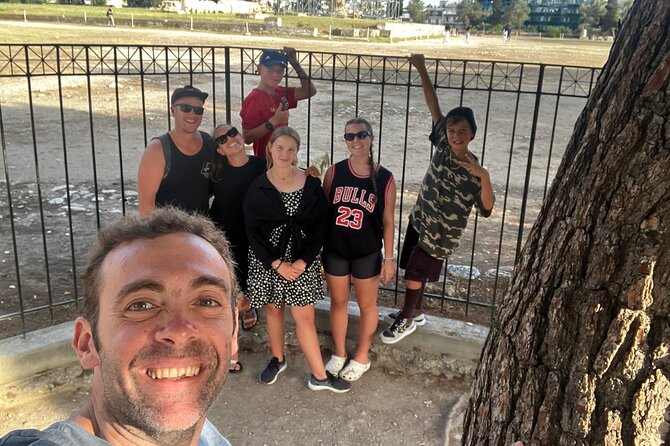
You kick things off at the Hellenic Parliament. The headline here is the parade of the guards, which takes place every hour. Even if you’ve seen guard ceremonies in other countries, Athens has its own symbolism, costumes, and quiet drama.
What I like about this stop is the framing. You’re not just watching. Your guide discusses the meaning of the unknown soldier and shares history about the area and the Parliament / Palace. That turns the ceremony from spectacle into context.
Practical consideration: because the parade runs on a strict schedule, the timing of your arrival matters. With an evening tour, you’ll feel better if you’re not cutting it close at the start.
Stop 2: National Garden sun clock and Aristarchos the astronomer
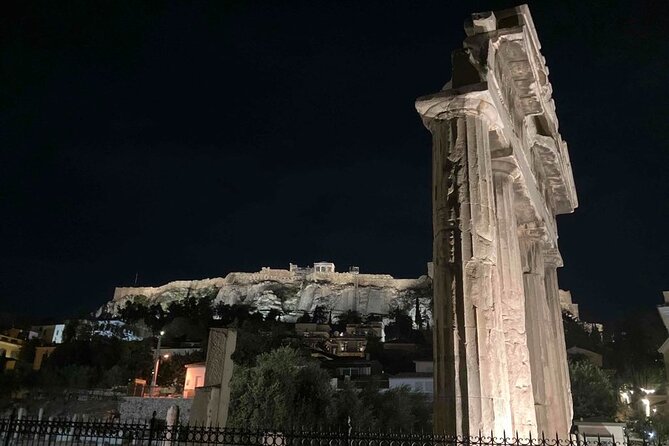
Next you head into the National Garden area, described as the Gardens of the Queen and the National Gardens today. This is one of those stops that pays off if you like details.
You’ll explore unseen spots and learn how a sun clock works. Then the story jumps back into the ancient world with Aristarchos, an ancient Greek astronomer connected to the idea of time and the clock.
This is the kind of moment I enjoy because it makes Athens feel smart, not just old. You start to see that these landmarks weren’t only about monuments—they were also about measurement, observation, and how people organized daily life.
Stop 3: Zappeion Conference & Exhibition Center and the rhythm of old architecture
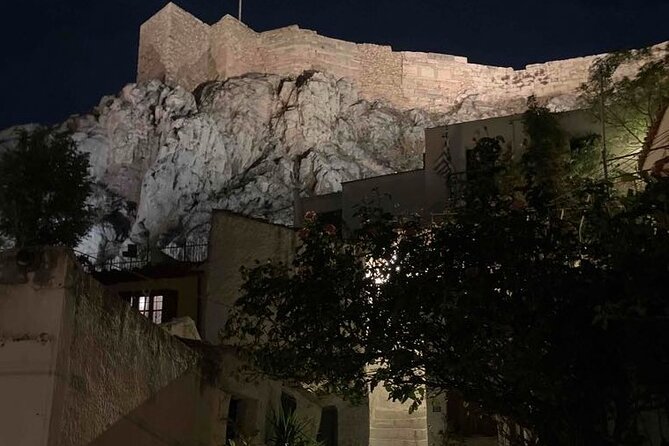
At the Zappeion Conference & Exhibition Center, you get a pause for architecture and atmosphere. The focus here is on the colors and the architectural rhythms of Athens’ ancient-temple influence.
This isn’t a stop where you’re going to stare at one object for an hour. It works as a bridge. You move from the garden details into the city’s grander forms, and your guide helps you read what you’re seeing instead of just naming it.
Stop 4: Temple of Olympian Zeus and the Gate of Adrianos stories
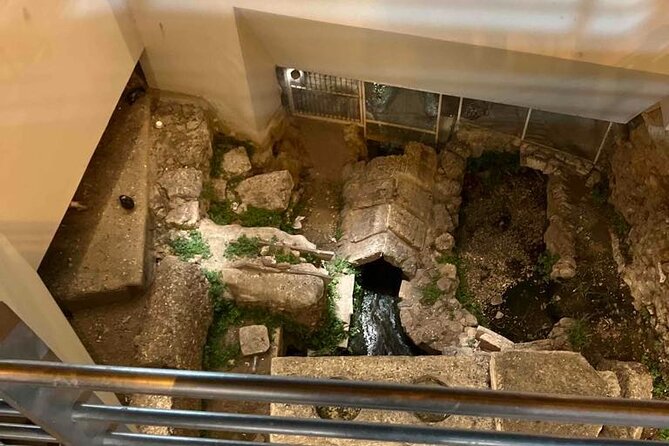
Then it’s on to the Temple of Olympian Zeus. You’ll hear myths and stories about the ancient Athenians and Athens, and you’ll also look at the Gate of Adrianos.
This stop is worth it because it connects myth, power, and city planning. Even if you know some of the basics, the added storytelling often changes how you interpret the ruins. You start noticing how gates, temples, and streets were all part of a bigger message.
One drawback to consider: if you’re expecting a “deep museum-style” visit at every stop, this isn’t that. It’s designed for walking-and-talking. The payoff is the flow, not time inside buildings.
Stop 5: Hadrian’s Library and the Roman Empire scale-up
Next you admire Hadrian’s Library, one of the most impressive works of the Roman Empire. That phrase matters because it signals a shift in viewpoint. Athens isn’t just Greek; it’s layered with Roman and later eras.
This stop is short, so you’ll want to keep your eyes open for details your guide points out. The goal is to give you something specific to look for, not just a generic label.
Stop 6: Acropolis walking views and the miracle toward Plaka
You then head toward the Acropolis. Your guide talks about the miracle of the Ancient World and you’ll walk and speak about it toward Plaka.
This is where the tour earns its name. You’re out in the open air, taking in views and context at the same time. The Acropolis area can feel overwhelming if you’re solo, especially if you’re trying to understand what belongs to which era. Having a guide here helps you connect the hilltop story to what comes next—the neighborhoods around it.
If you’re the type who likes a photo, you’ll get chances. If you’re the type who prefers understanding, you’ll also get chances. The pacing is designed so you’re not just rushing through.
Stop 7: Roman Agora and the Roman-to-Ottoman storyline
After that, you move to the Roman Agora. Here you’ll hear descriptions and stories covering both the Roman and Ottoman periods, with notes about aristocratic Athens and the neighborhoods around it.
I like that the tour doesn’t pretend Athens is only one era. When you see the same spaces used and reused across centuries, it helps you understand why the city feels the way it does today. You’re not looking at isolated ruins. You’re looking at a city that kept evolving.
Practical note: this is a stop where the crowd level can vary. Your guide can help you pause at the right moments so you’re not constantly dealing with people cutting across your view.
Stop 8: Tower of the Winds and the first meteorological station idea
Then you reach the Tower of the Winds. You’ll stand in front of Aerides, described as the world’s first meteorological station, and your guide explains the roman-era angle.
This is a fantastic concept for a walking tour because it turns a monument into a device. You start thinking in terms of technology—how people observed wind and weather—rather than only thinking about worship or government.
If you like science-in-stone explanations, this stop will land well. Even if you don’t, it gives the tour a fresh twist right before the walk ends near Monastiraki.
Stop 9: Anafians neighborhood feel before the Monastiraki finish
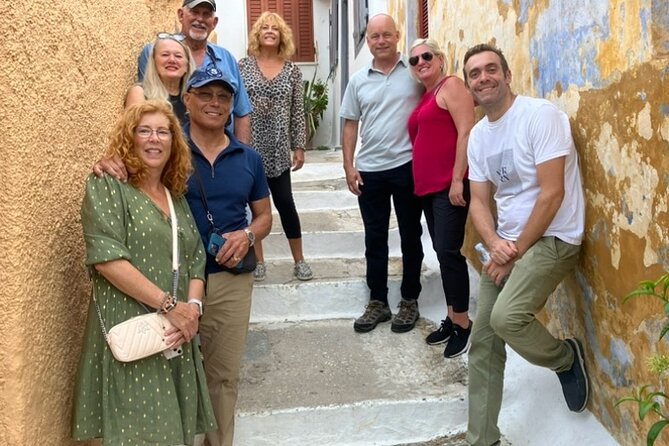
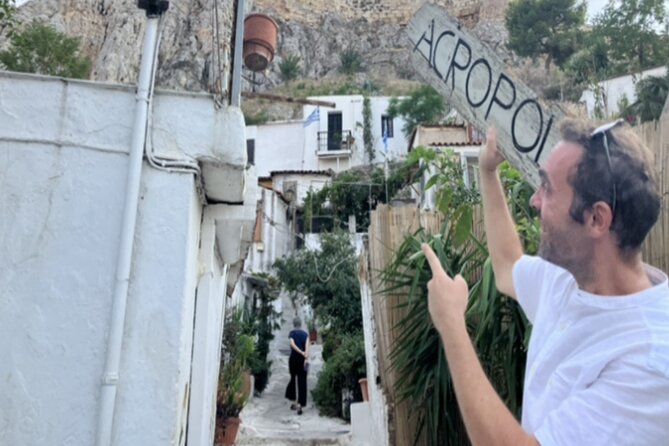
Before you reach Monastiraki, you explore the old neighborhood of Anafians. This section is shorter, but it’s important. It slows the tour down in a different way. Instead of only focusing on famous monuments, you get a taste of local streets and the texture of everyday Athens.
This is also where the walk feels most “Athens,” because you’re switching from landmark viewing to neighborhood atmosphere.
Monastiraki square: crowded, historic, and still itself
Finally, you arrive at Monastiraki. You’ll admire the crowded square, described as an old market center that kept its original identity without losing it.
This finish is practical and smart. Monastiraki is where it’s easy to keep moving after the tour—by foot, by metro, and by simply wandering. Your guide ends next to metro on Monastiraki square and proposes good local restaurants for the night, plus tips for the city.
If you’re trying to decide what to do after your tour—this kind of local guidance helps you avoid the trap of picking the first tourist menu you spot.
The guides and the vibe: what the top ratings tell you
The tour has a 4.9 rating with strong recommendations. The reviews you can feel in the experience style point toward a guide who’s prepared, cordial, and genuinely passionate about Athens.
That’s not just a “nice personality” thing. It changes your whole tour. When your guide is ready with details and comfortable answering questions, stops like Aristarchos’ sun clock or Aerides’ meteorological connection feel clear instead of vague. You leave with understanding, not just photos.
Also, the tour is private for your group only. That matters in Athens, where shared-group tours can sometimes feel like you’re getting yanked forward. Here, you can chat unselfconsciously and set a comfortable pace.
Who should book this tour (and who might skip it)
This is a good fit if you:
- want a private guide and real conversation
- like walking through Athens without committing to a full-day plan
- want a route that connects Greek and Roman stories
- appreciate architecture, astronomy-adjacent details, and symbolic explanations
You might skip it if you:
- need a fully indoor, museum-heavy experience (this is primarily a walking story)
- dislike outdoor tours or aren’t available Tuesday–Saturday evenings
- expect an air-conditioned vehicle ride (it’s not included)
If you bring kids or a mix-age group, it can work well since the tour notes that most people can participate and there’s a simple, repeatable structure to the stops.
Quick tips for making the most of it
- Wear comfortable shoes. You’re moving between multiple stops, and the route is built for walking.
- Dress for the evening. Since it depends on good weather, you’ll feel the difference if it’s chilly or warm.
- Arrive at the start point on time, especially because the Parliament guard parade happens on a fixed schedule.
- If you want pickup, request it in advance and share your accommodation details early.
Should you book The Great Walk of Athens?
If you’re in Athens for a short stay, this is a smart way to get your bearings quickly. You’ll hit major touchpoints—Parliament, the National Garden, Olympian Zeus, Hadrian’s Library, the Acropolis area, the Roman Agora, the Tower of the Winds, and Monastiraki—without feeling like you’re sprinting through a checklist.
I’d especially recommend it for groups who want more than names on a sign. The value is in the guide-led storytelling and the fact that you’re not trapped in a crowded shared experience.
One last practical point: it’s described as commonly booked about 15 days in advance. If you have a specific day in mind, plan early so you’re not stuck with your second choice. And if weather turns, the experience is set up to offer an alternative date or a full refund.
FAQ
How long is The Great Walk of Athens?
It runs about 2 to 3 hours.
What days and times does the tour run?
The tour operates Tuesday to Saturday from 5:00 PM to 7:30 PM.
Where do we meet and where does the tour end?
You start at the Monument of the Unkown Soldier (Mnimio Agnostou Stratioti). You end at the Early Christian Tetraconch – Basilica of Megali Panagia on Areos 3, near the metro on Monastiraki square.
Is hotel pickup offered?
Pickup is flexible. If you contact them in advance with your hotel or apartment address, they can meet you there for convenience.
What’s included in the tour price?
Snacks are included, and the tour uses a mobile ticket. The stops listed on the route are marked as admission ticket free.
What happens if the weather is bad?
The experience requires good weather. If it’s canceled due to poor weather, you’ll be offered a different date or a full refund.
Athens on Foot: More Walks
- Acropolis and Parthenon Guided Walking Tour★ 5.0 · 4,755 reviews
- Greek Food Walking Tour in Athens★ 5.0 · 4,740 reviews
- Athens: Guided Greek Food Walking Tour with Tastings★ 4.9 · 2,859 reviews
- Acropolis monuments & Parthenon Walking Tour with Optional Acropolis Museum★ 5.0 · 2,678 reviews
- Athens Acropolis and Parthenon Walking Tour★ 4.5 · 1,355 reviews
- Acropolis, Parthenon & Athens Old City Heritage Walking Tour★ 4.5 · 876 reviews
More Tour Reviews in Athens
- Athens: Acropolis & up to 5 Archaeological Sites Combo Pass★ 4.2 · 13,904 reviews
- Athens: Acropolis, Parthenon & Acropolis Museum Guided Tour★ 4.8 · 9,316 reviews
- The Acropolis, Parthenon & Acropolis Museum Guided Tour★ 4.7 · 8,493 reviews
- Athens: Cape Sounion & Poseidon Temple Sunset Half-Day Trip★ 4.8 · 8,241 reviews
- Acropolis: Premium Acropolis and Parthenon Guided Tour★ 4.8 · 5,208 reviews
- Athens: Mythology of Delphi, Museum and Arachova Guided Tour★ 4.7 · 5,102 reviews
Fresh Off the Boat: New Athens Reviews





Walking Tours, compared.
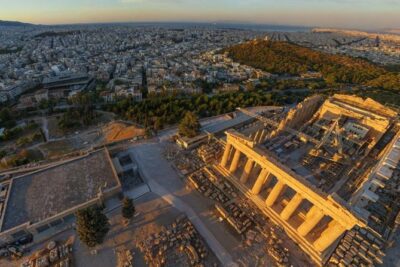 ★ 5.0Acropolis and Parthenon Guided Walking TourFrom $414,755 reviews
 ★ 5.0Greek Food Walking Tour in AthensFrom $874,740 reviews
 ★ 4.9Guided Greek Food Walking Tour with TastingsFrom $812,859 reviews
 ★ 5.0Acropolis monuments & Parthenon Walking Tour with Optional Acropolis MuseumFrom $422,678 reviews
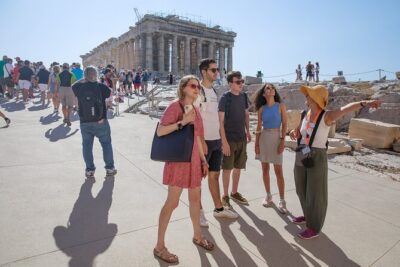 ★ 4.5Athens Acropolis and Parthenon Walking TourFrom $411,355 reviews
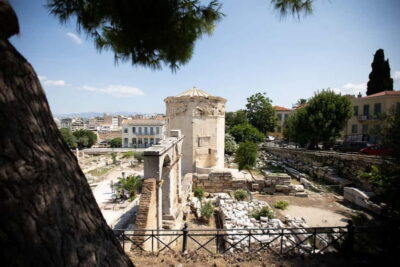 ★ 4.5Acropolis, Parthenon & Athens Old City Heritage Walking TourFrom $34876 reviews
 ★ 5.0Athens Authentic Greek Food Walking Tour (Small Group)From $83809 reviews
 ★ 4.9Ultimate Food Walking Tour with 15 TastingsFrom $93567 reviews
Browse the lists this tour appears in