
Reviewed · ACROPOLIS & PARTHENON TOURS
Athens & Acropolis Highlights: Greek Mythology Small-Group Tour
The Acropolis is better with a story behind it. This small-group Athens mythology tour connects Greek gods, major monuments, and daily life in ancient Athens, with a guide who helps the ruins make sense fast. I especially like how it hits the main sites in a tight route while still pausing for explanations.
I also like the mix of big-name sights and the smaller anchors of the myth world, like the Theatre of Dionysus and the Ancient Agora, where politics and drama started to overlap. One consideration: entrance fees are extra (and the Acropolis climb is real), so you’ll want good shoes and a bit of extra time for stairs and uneven ground.
In This Review
- Key Points You’ll Actually Care About
- Why This Athens Myth-and-Ruins Route Makes Sense
- Price and the Extra Tickets You Should Budget
- Meeting Point and How the Day Flows
- Stop 1: Temple of Olympian Zeus Is Your Myth Warm-Up
- Theatre of Dionysus: Where Drama and Myth Share a Stage
- The Acropolis Climb: Parthenon Views Plus Step-by-Step Myth
- Temple of Athena Nike: Victory Without Leaving Athens
- Erechtheion: A Temple Built for a Particular Story
- Parthenon: Athena the Virgin and the Logic of Design
- A Real Acropolis Warning: You’ll Earn Those Views
- Ancient Agora: Where Politics, Commerce, and Justice Once Lived
- Temple of Hephaestus: One of the Best-Preserved Finishers
- What the Guide Storytelling Adds (And Why It’s Worth Paying For)
- Practical Tips That Make This Tour Easier
- Who Should Book This (And Who Might Want a Different Fit)
- Final Verdict: Should You Book This Athens Mythology Highlights Tour?
Key Points You’ll Actually Care About
- Small group size (max 15) keeps the pace human, and questions feel welcome.
- Myth meets architecture: you’ll connect stories to what you’re seeing at the Parthenon and other Acropolis monuments.
- Agora stop makes it feel like a real city, not just a museum of temples.
- Acropolis admission is not included, so budget for tickets on top of the tour price.
- Walking and stairs are part of the deal, so plan for heat, shade breaks, and water.
- Strollers and big bags aren’t allowed at the Acropolis, which changes what you can bring.
More ways up the sacred rock, set side by side
- Athens: Acropolis & up to 5 Archaeological Sites Combo Pass
★ 4.2 · 13,904 reviews - Athens: Acropolis, Parthenon & Acropolis Museum Guided Tour
★ 4.8 · 9,316 reviews - The Acropolis, Parthenon & Acropolis Museum Guided Tour
★ 4.7 · 8,493 reviews - Acropolis: Premium Acropolis and Parthenon Guided Tour
★ 4.8 · 5,208 reviews
Why This Athens Myth-and-Ruins Route Makes Sense
If you’re short on time in Athens, you need your “first day” plan to do two things at once: show you the headline monuments and explain what they meant beyond postcard photos. This tour is built for that. You’ll start with Zeus at the Temple of Olympian Zeus, then move upward to the Acropolis and finish at the Ancient Agora and the Temple of Hephaestus—so the day feels like a story with a beginning, a middle, and an ending.
What I like most is that the tour doesn’t treat myths as trivia. It uses myth as a way to understand why these buildings were placed where they were, how they were used, and what kinds of values ancient Athenians celebrated. When the Parthenon stops being just a viewpoint and starts being a political and religious statement, the whole hill changes in your mind.
There’s also the practical upside: the group size stays small (up to 15). That matters in the Acropolis crowds. You’re not constantly scanning for a new face, and your guide can keep you moving without turning it into a sprint.
Price and the Extra Tickets You Should Budget
The tour price is $54.42 per person for about 4 hours. That’s a solid entry point for a guided, small-group circuit through Athens’ most famous ancient sites.
But the key detail is this: site entrances are not included. You’ll need to budget separately for:
- Acropolis of Athens admission: €30 per person (not included, required for the 2h & 4h options)
- Ancient Agora admission: €20 per person (required for the 4h option)
So the value question isn’t just the headline price—it’s the full day cost. If you were going to buy tickets anyway, the guide can tip the math. You’re paying for context, pacing, and help decoding what you’re looking at: why Athena, Nike, Dionysus, and Hephaestus show up where they do, and what each site contributed to civic life.
One tip that can save stress: the operator can pre-purchase entry tickets if you ask. That’s helpful because the Acropolis ticket process can feel confusing if you’re doing it last minute while you’re already in line.
Meeting Point and How the Day Flows
You meet near the Arch of Hadrian at Leof. Vasilisis Amalias 50 (Athina 105 58). The tour ends at the Ancient Agora of Athens (Athens 105 55).
Expect a morning-style route: start on ground level with Zeus, climb to the Acropolis area, pause at key monuments, then come back down toward the Agora. The stops are timed so you get enough time at each viewpoint without burning your legs on dead space.
Also note what can trip people up: the Acropolis involves walking up, downhill, and uneven surfaces. Reviews frequently point out the steep climb, and the tour content supports it with multiple Acropolis stops. Bring good walking shoes, plus water and a hat if you’re visiting in warmer months. And if you need shade, your guide may plan resting spots—some guides are specifically praised for stopping for shaded breaks.
The old gods retold, a few more walks

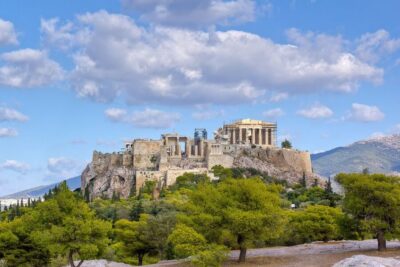
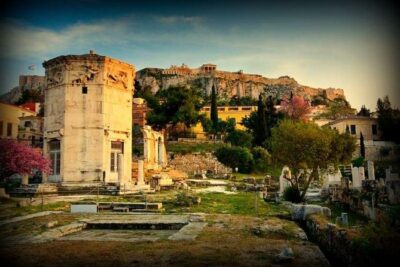
Stop 1: Temple of Olympian Zeus Is Your Myth Warm-Up
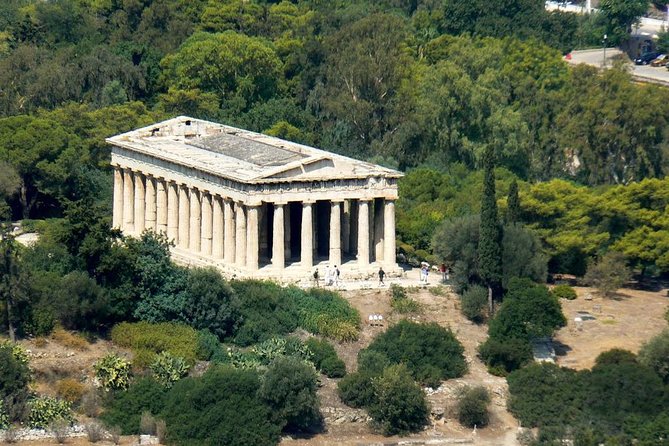
You start at the Temple of Olympian Zeus (Olympeion). From the outside, you’ll see the scale of this colossal project—one of the greatest temples of Zeus in ancient times. Even in ruins, it signals ambition: Athens wanted to build in stone what its power and mythology claimed.
The tour also sets you up for what comes next. Zeus is the king of gods; the Acropolis is about Athena; the city below is about civic life. Starting with Zeus helps you frame what you’ll see later as part of a larger belief system, not isolated monuments.
Practical note: the stop here is about 15 minutes, and you’re not paying entrance for this segment as it’s described as an outside talk.
Theatre of Dionysus: Where Drama and Myth Share a Stage
After the main Acropolis arrival, you’ll stop at the Theatre of Dionysus Eleuthereus. This is one of those “small stop, big meaning” moments.
Dionysus is tied to wine and grape harvest, and his theatre mattered because it was tied to performances of major playwrights like Aeschylus, Sophocles, Euripides, and Aristophanes—works connected to the birth and growth of Greek drama. Even if you’ve never studied theatre history, standing near the concept of staged storytelling makes the Acropolis feel less like a temple hill and more like a cultural center.
The tour gives you around 15 minutes here. That’s enough time to get the idea without turning it into another long detour.
The Acropolis Climb: Parthenon Views Plus Step-by-Step Myth
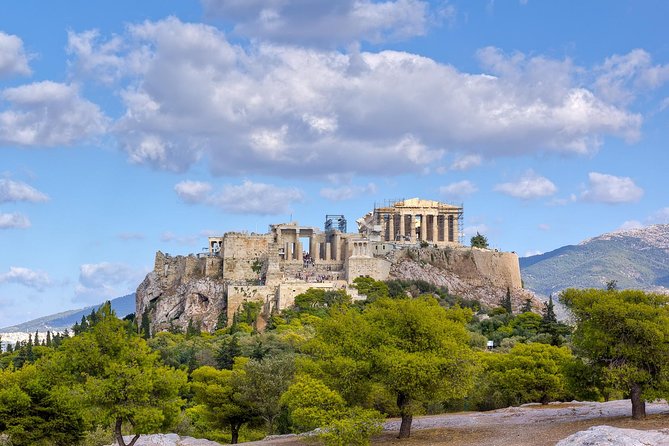
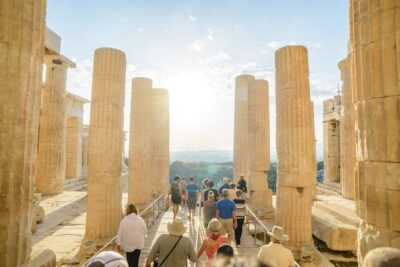
This is the star of the day. The Acropolis stop is about 1 hour 30 minutes, and the route is packed with stops that cover the major monuments you’ll recognize right away.
Temple of Athena Nike: Victory Without Leaving Athens
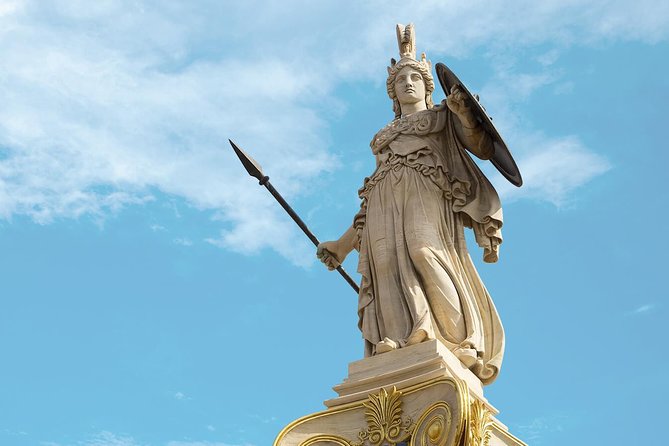
You’ll reach the Temple of Athena Nike, tied to Nike (goddess of victory) and Athena worship in that form. A detail that helps the site stick in your head: it’s said the cult statue had no wings so victory wouldn’t leave Athens.
You’ll spend about 10 minutes here. For me, this kind of stop is valuable because it gives you a quick myth “hook” you can remember while you look at the architectural shapes and the way the temple sits on its part of the hill.
Erechtheion: A Temple Built for a Particular Story
Next is the Erechtheion, associated with housing an ancient wooden cult statue of Athena. The reason you’ll care is simple: this wasn’t only about worship in general; it was about specific religious objects and the identity of the city.
You get roughly 10 minutes at this stop. It’s not long, but the payoff is that you learn the temple’s purpose before you move on. That’s the difference between seeing architecture and understanding why it exists.
Parthenon: Athena the Virgin and the Logic of Design
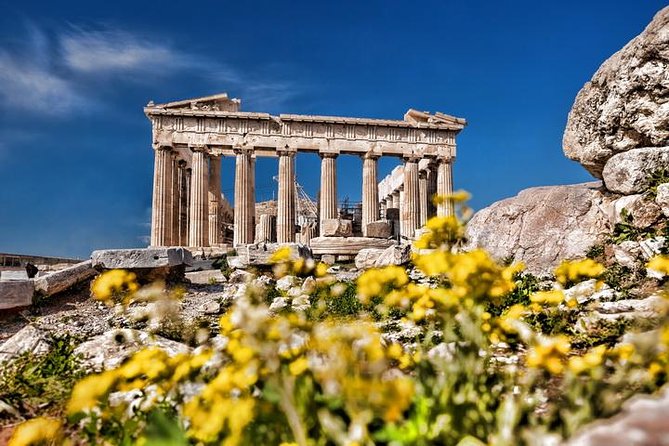
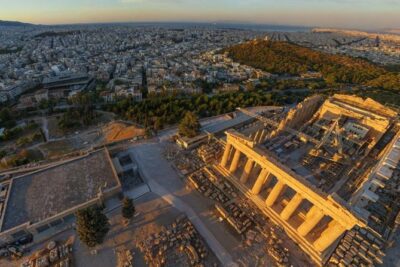
Then comes the Parthenon, built in the mid-5th century BCE and dedicated to Athena Parthenos (Athena the Virgin). It’s described as a culmination of the Doric order—so if you’ve ever wondered why Greek temples look the way they do, this is where the “why” starts to click.
Your time here is about 20 minutes. That’s enough to:
- get a clean look at the structure
- understand what Athena Parthenos represented
- connect the monument to civic identity
If you’re only visiting once, prioritize the Parthenon viewpoint. Even with a guide, the monuments are still about seeing them with your own eyes.
A Real Acropolis Warning: You’ll Earn Those Views
The Acropolis climb can be steep. Some guides are praised for taking the climb in small stages and stopping often for points of interest. Still, plan for stairs and uneven ground. If you’re sensitive to heat, this route also helps when shade breaks are built in.
And one more practical item: strollers and big bags are not allowed at the Acropolis, so pack light. If you’re traveling with more than a small day bag, that policy can change your whole plan.
Ancient Agora: Where Politics, Commerce, and Justice Once Lived
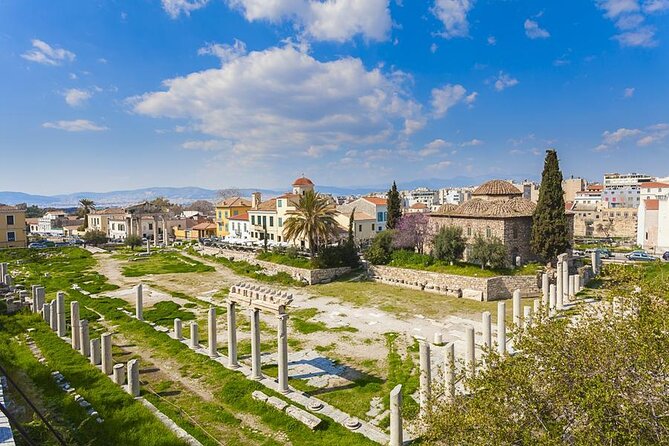
After the Acropolis area, you’ll head to the Ancient Agora of Athens, with about 1 hour here. This stop is more than a “nice ruins” finale. It’s where you learn how Athens functioned.
The Agora is described as the heart of ancient Athens: political, commercial, administrative, social activity, plus religious and cultural events, and the seat of justice. That set of functions helps you see temples as part of everyday systems, not just religious statements.
This is where a mythology tour can become extra useful. You’ll realize that myths weren’t only bedtime stories or temple decorations. They were tied to civic identity, moral values, and public life. When you connect Athena and Dionysus to places where people argued, traded, judged, and performed, the myths start to feel like a lived language.
Temple of Hephaestus: One of the Best-Preserved Finishers
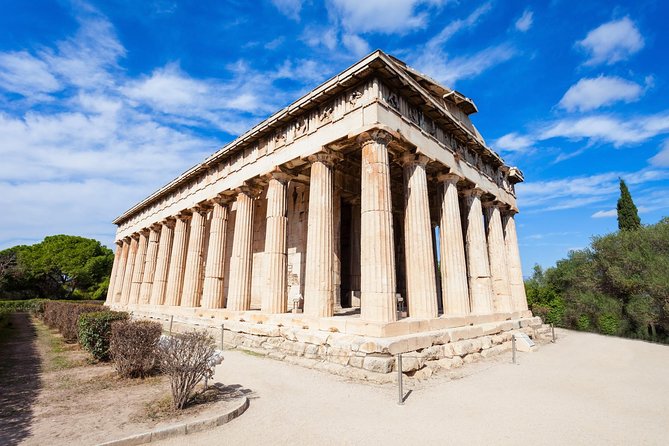
The last stop is described as the Temple of Hephaestus—one of the best-preserved ancient temples in the world—and it’s tied to worship for two important deities for merchants and shop owners: Hephaestus (protector of metallurgists) and Athena Ergani (protector of potters and cottage industries).
Your time here is about 20 minutes.
This ending works well because it slows the day down. By the time you reach this temple, you’ve already covered Athena, Nike, Dionysus, and Zeus. Now you end with the feeling that ancient Athens wasn’t only about grand gods on a hill—it was also about the practical, working world below.
What the Guide Storytelling Adds (And Why It’s Worth Paying For)
A mythology tour lives or dies on the guide. The best versions don’t just list facts; they translate the past into something you can picture.
In the reviews tied to this experience, guides like Irene/Irini, Danny, Dani, Michael, Alexandros, Theo, Chrysanthi, Maria, Demi, Kristina, Angie, and Sophia are praised for weaving mythology with architecture and for explaining things clearly at the right moment. Some guides use visual aids like printed photos to recreate what the monuments looked like earlier. Others are described as archeologists or as story-driven teachers who answer niche questions patiently.
You’ll feel the difference in small ways:
- When you learn why Nike has no wings while looking at a temple on the hill
- When the Theatre of Dionysus isn’t just a name but a reason Greek drama mattered
- When the Agora becomes the city engine behind the myths
Also, pacing matters. Many comments emphasize that guides stop for shade, water, and brief resets—especially during the steep Acropolis climb. That’s not fluff. It helps you enjoy the ruins instead of just surviving the walk.
Practical Tips That Make This Tour Easier
Here’s what I’d do to make your day smoother, based on what’s consistently emphasized in feedback and the tour rules:
- Wear shoes you trust on uneven surfaces and stairs.
- Carry water + a hat. Heat shows up fast on exposed sections of the Acropolis.
- Travel light for the Acropolis. Strollers and big bags aren’t allowed.
- Bring your questions. The best guides invite them, including odd or specific curiosity.
- Plan for crowd noise. One recurring caution is that there may not be a microphone in some groups, so you’ll want to position yourself where you can hear.
- Consider pre-buying tickets to avoid last-minute confusion.
If you’re expecting a museum lecture, you might miss the point. This is more like walking through Athens with someone who can point out why the gods mattered to the city’s shape and daily life.
Who Should Book This (And Who Might Want a Different Fit)
This tour is a great fit if you:
- are seeing Athens for the first time and want a guided, tight route
- love Greek mythology and want the stories connected to the monuments
- want to understand how the Acropolis and Agora relate to each other
- prefer small-group pacing over getting lost in a mass tour wave
You might think twice if you:
- struggle with steep climbs and uneven ground
- hate walking in heat with limited shade
- need the kind of tour where every explanation is easy to hear without crowd noise (since microphone use may not always be present)
Final Verdict: Should You Book This Athens Mythology Highlights Tour?
If you want your Acropolis day to feel meaningful—not just scenic—this tour is a smart choice. The value comes from the guide’s ability to connect myth, architecture, and civic life into one route, and from the small group size that keeps the day manageable in crowds.
Just go in with eyes open: you’ll pay extra for Acropolis (and Agora on the 4-hour version), and you’ll climb. If that fits your trip style, book it. If you’re already comfortable wandering and decoding sites on your own, you may not need a guided route as much.
Overall, I’d book this if mythology is part of why you’re coming to Greece. Athens gets better when you know what the stones are trying to say.
All of Athens in a Day
- Athens: City Sightseeing Hop-On Hop-Off Bus Tour★ 4.3 · 4,520 reviews
- Best of Athens Half Day Private Tour★ 5.0 · 3,714 reviews
- Athens: Acropolis and Mythology Highlights Small Group Tour★ 4.8 · 2,275 reviews
- City Sightseeing Athens, Piraeus & Beach Riviera Hop-On Hop-Off Bus Tours★ 4.0 · 1,887 reviews
- Athens Half-Day Sightseeing Tour with Tickets of Acropolis★ 4.0 · 1,402 reviews
- From Athens: Temple of Poseidon & Cape Sounion Half-Day Tour★ 4.3 · 1,082 reviews
Myth and Legend, Retold
- Athens: Mythology of Delphi, Museum and Arachova Guided Tour★ 4.7 · 5,102 reviews
- Athens: Acropolis and Mythology Highlights Small Group Tour★ 4.8 · 2,275 reviews
- Philosophy and Democracy tour of Athens★ 5.0 · 285 reviews
- Athens: Mythology Tour for Families★ 4.8 · 173 reviews
- The History of Athens: Greek Mythology Private Tour★ 5.0 · 138 reviews
- Athens: Guided Mythological Walking Tour★ 4.9 · 125 reviews
The Acropolis, a Few More Ways Up
- Athens: Acropolis & up to 5 Archaeological Sites Combo Pass★ 4.2 · 13,904 reviews
- Athens: Acropolis, Parthenon & Acropolis Museum Guided Tour★ 4.8 · 9,316 reviews
- The Acropolis, Parthenon & Acropolis Museum Guided Tour★ 4.7 · 8,493 reviews
- Acropolis: Premium Acropolis and Parthenon Guided Tour★ 4.8 · 5,208 reviews
- Acropolis and Parthenon Guided Walking Tour★ 5.0 · 4,755 reviews
- Athens: Acropolis, Parthenon & Acropolis Museum Guided Tour★ 4.8 · 3,579 reviews
Fresh Off the Boat: New Athens Reviews





Acropolis & Parthenon Tours, compared.
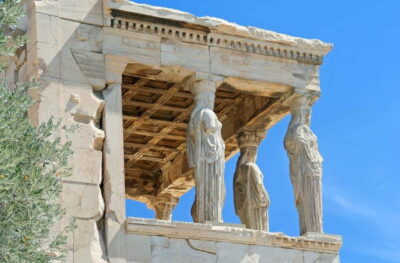 ★ 4.2Acropolis & up to 5 Archaeological Sites Combo PassFrom $4213,904 reviews
 ★ 4.8Acropolis, Parthenon & Acropolis Museum Guided TourFrom $409,316 reviews
 ★ 4.7The Acropolis, Parthenon & Acropolis Museum Guided TourFrom $408,493 reviews
 ★ 4.8Acropolis: Premium Acropolis and Parthenon Guided TourFrom $405,208 reviews
 ★ 5.0Acropolis and Parthenon Guided Walking TourFrom $414,755 reviews
★ 4.8Acropolis, Parthenon & Acropolis Museum Guided TourFrom $413,579 reviews
★ 5.0Acropolis and Parthenon Guided Walking TourFrom $414,755 reviews
★ 4.8Acropolis, Parthenon & Acropolis Museum Guided TourFrom $413,579 reviews
 ★ 4.0Acropolis Ticket with Audio GuideFrom $473,575 reviews
 ★ 5.0Athens Scenic Electric Bike Tour with optional Acropolis visitFrom $353,350 reviews
Browse the lists this tour appears in