
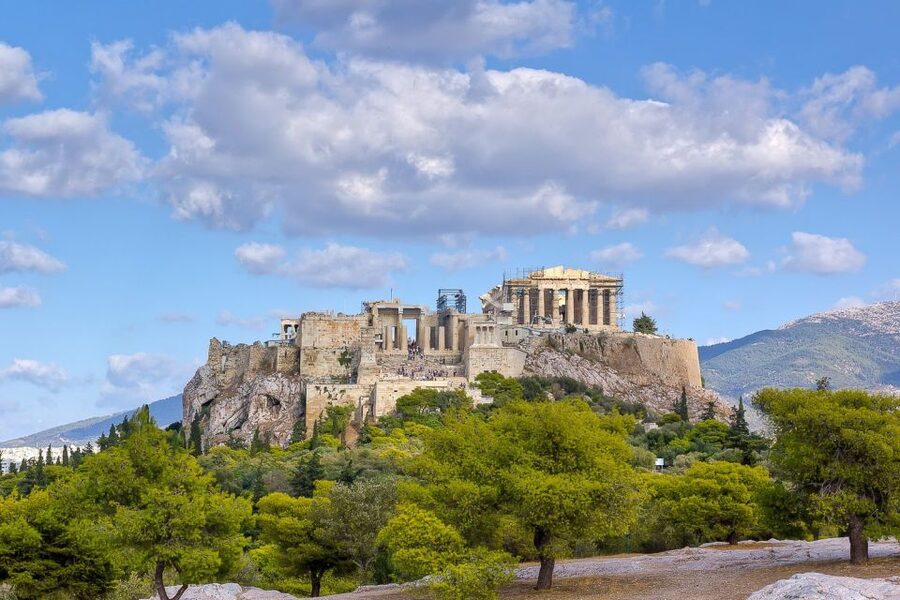
Reviewed · ACROPOLIS & PARTHENON TOURS
Athens: Acropolis and Mythology Highlights Small Group Tour
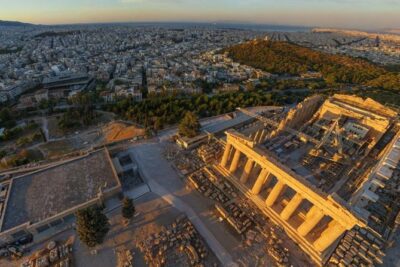
That first view up top is the whole point. This Athens small-group tour turns the Acropolis and Ancient Agora into living stories, with mythology tied to the real buildings. I especially like the way guides connect gods to civic life, and how specific details get explained instead of just recited. People also rave about guides like Irene and Stellios, who make the place feel understandable fast.
The tradeoff: you’re walking. Expect steps, uneven ground, and a tight route through crowded archaeological areas. Also note the restrictions: no backpacks and no strollers, so pack light or you’ll feel it.
In This Review
- Key highlights at a glance
- Meeting Under the Arch of Hadrian (and why it matters)
- Temple of Olympian Zeus: Outside views that set the scale
- The Acropolis Walk and the Parthenon: where myths become architecture
- Athena Nike and the Erechtheion ruins: detail work pays off
- Ancient Agora: Athens as a working city, not a myth set
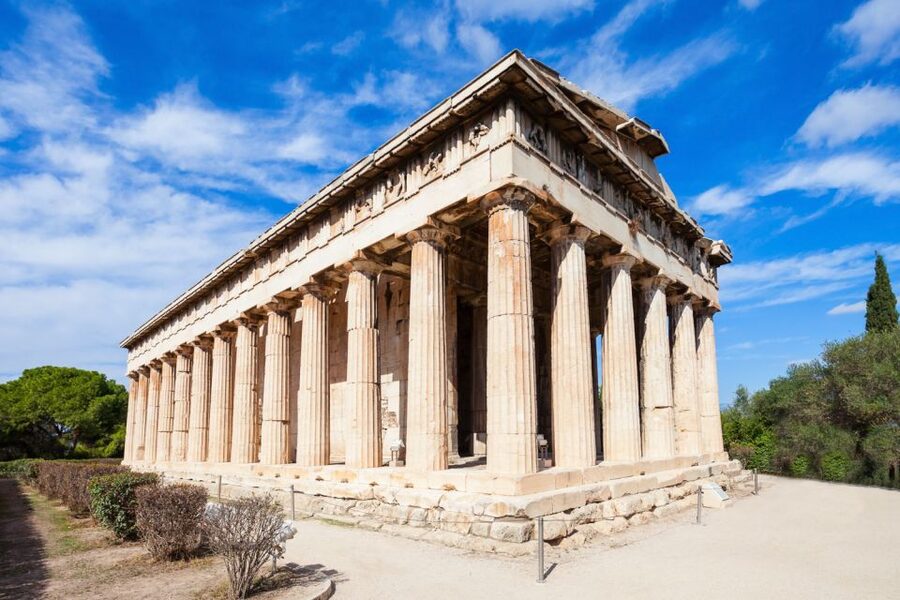
- Temple of Hephaestus: the sturdy closer that sticks
- Price and value: what $53 buys in real terms
- Who this tour fits best (and what to watch for)
- Should you book this Acropolis and Mythology Highlights tour?
- FAQ
- Where do I meet for the tour?
- How long is the tour?
- Is the Acropolis ticket included?
- Are entrance fees included?
- Are there free entry options for young travelers?
- What can I bring (and what can’t I bring)?
- What cancellation and payment options are available?
Key highlights at a glance
- Meet fast at Hadrian’s Gate under the Arch of Hadrian for a clean start near the Acropolis
- Skip-the-line ticket handling is built in (with the right ticket option)
- Myths tied to architecture at the Parthenon, Athena Nike, and the Erechtheion
- Ancient Agora included so Athens feels like a city, not a set of ruins
- Licensed guide storytelling in English or French with time for questions at key stops
More ways up the sacred rock, set side by side
- Athens: Acropolis & up to 5 Archaeological Sites Combo Pass
★ 4.2 · 13,904 reviews - Athens: Acropolis, Parthenon & Acropolis Museum Guided Tour
★ 4.8 · 9,316 reviews - The Acropolis, Parthenon & Acropolis Museum Guided Tour
★ 4.7 · 8,493 reviews - Acropolis: Premium Acropolis and Parthenon Guided Tour
★ 4.8 · 5,208 reviews
Meeting Under the Arch of Hadrian (and why it matters)
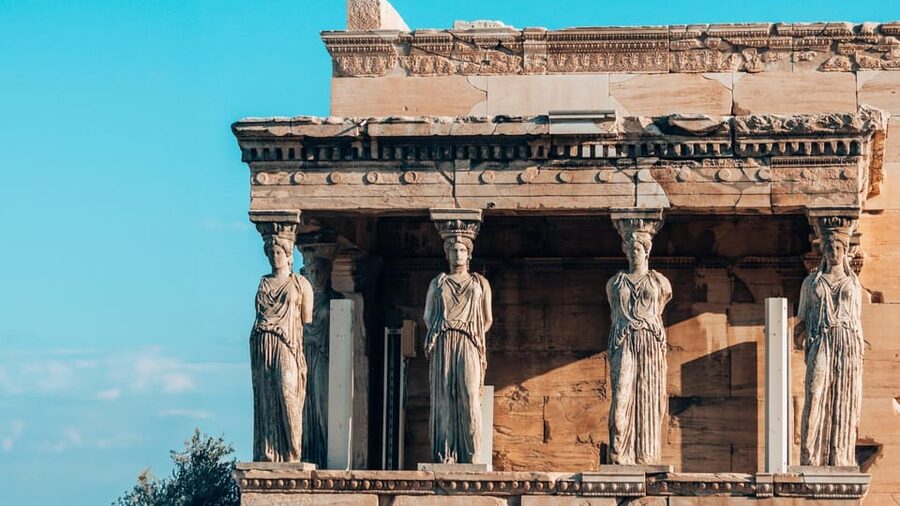
Your tour starts under the Arch of Hadrian, next to the Acropolis, at Leof. Vasilisis Amalias 50. The closest metro station is Acropolis, then it’s about a 5-minute walk to the gate. Your guide waits holding a sign that reads Alternative Athens.
This is a smart meeting point. Most first-time confusion in Athens is about orientation—where to stand, which direction is the Acropolis entrance, and how to avoid getting swallowed by tour groups once you arrive. Starting here helps you get your bearings fast before you climb.
One more practical thing: the tour has rules for comfort and access. Backpacks are not allowed, and you’ll want comfortable shoes and comfortable clothes. If you’re carrying a large daypack, swap it for a small crossbody or plan to stash what you can before the start.
Temple of Olympian Zeus: Outside views that set the scale
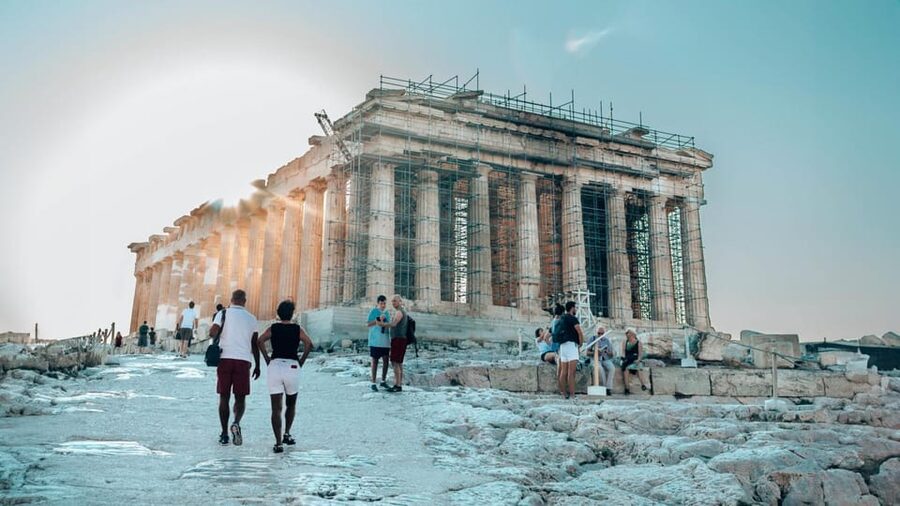
Right after you meet, the group heads to the Temple of Olympian Zeus for about 15 minutes, and you view it from outside. It’s a quick stop on paper, but it teaches you how to see the Acropolis differently.
When you look at Zeus from below, you start noticing scale: how Athens built for the gods and how power showed up in stone. Then, when you walk toward the Acropolis, the sizes and angles start to make sense. It’s the “warm-up lesson” portion of the day.
You’ll also understand something important for mythology lovers: Greek myths weren’t just entertainment. They were part of how people explained the world—who ruled, why rules mattered, and how Athens earned its reputation.
The Acropolis Walk and the Parthenon: where myths become architecture
The main event starts with a short walk on the Acropolis before the guided portion (about 15 minutes of walking, then around 1.5 hours of guided time in the Acropolis area).
This is where a good guide changes everything. The tour is built around stories from Greek mythology, but it doesn’t treat the myths like separate trivia. The guide connects the legends to the monuments—especially the Parthenon, the Temple of Athena Nike, and the Erechtheion. Guides such as Angelica and Irene are specifically praised for storytelling that makes the place feel less like a museum stop and more like a worldview.
Here’s what I think you’ll like most if you’re doing the Acropolis for the first time:
- You get help seeing what each building was for, not just what it looks like now.
- You learn why Athens became the center it was—through society, religion, and politics—not only through art history terms.
- You hear how myth ties to historic facts, so you’re not stuck choosing between legend and archaeology.
Also, the tour format matters. You’re not stuck in a line watching everyone else. The pacing is designed to keep moving while still giving you moments to absorb. In the heat, that balance becomes huge. Even if you’re visiting in a busy season, guides often manage the flow in a way that doesn’t leave you sprinting from one photo angle to the next.
The old gods retold, a few more walks
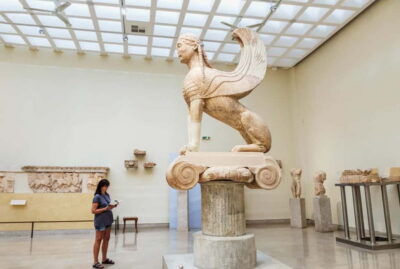


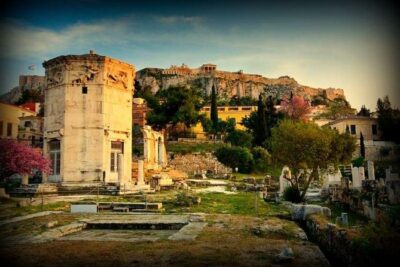
Athena Nike and the Erechtheion ruins: detail work pays off

After the Parthenon focus, the tour moves into the smaller, more detail-heavy stops—especially the Temple of Athena Nike (about 15 minutes) and the Erechtheion (also about 15 minutes).
These are the areas where, without a guide, you can end up staring at ruins and thinking: Okay, but why does this one matter?
The point of the guided stops is that you hear the meaning behind the design choices, and you connect it back to mythology and everyday beliefs. One guide style that comes up in the feedback is how well they handle myth in a way that feels grounded—like Stellios, who is praised for linking myths to everyday reality.
If you like architecture, this is your payoff. The Acropolis can feel like it’s all about the Parthenon, but the surrounding temples and sacred spaces show how many different gods and functions shaped the hill. The tour also includes the Temple of Athena Polias (or ruins you’ll see linked to Athena Polias) as part of the experience, which helps explain the broader Athena-centered story.
Erechtheion is also a reminder that history isn’t tidy. You’re seeing parts of structures that were damaged and reshaped over time. Hearing the story while you stand there makes the ruin feel like evidence, not disappointment.
One consideration: the ground and steps can be tough. Comfortable shoes aren’t optional here. If you’re traveling with mobility limits, you might still enjoy the stories, but plan for slower moments and expect some uneven footing.
Ancient Agora: Athens as a working city, not a myth set

Then you shift away from the Acropolis and head to the Ancient Agora of Athens for about a 30-minute walk.
This part matters because it completes the picture. The Acropolis tells you what Athens honored. The Agora helps you understand how Athens functioned. You’ll learn about society in Ancient Greece, and you’ll see how religion, government, and daily life overlapped.
My favorite way to think about Agora time: it’s where you stop treating Athens as a stage and start treating it as a living system. Myth still shows up, but it’s woven into civic life—who had influence, why public spaces mattered, and how beliefs shaped behavior.
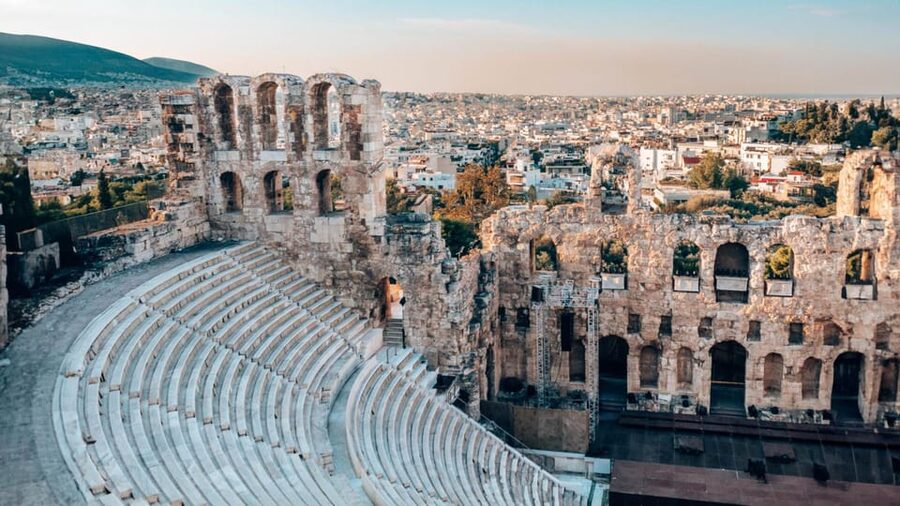
The tour also includes the Theatre of Dionysus Eleuthereus and the Sanctuary of Asclepius in the overall visit. Even when you’re not spending a long stretch in each spot, having these names connected to the story keeps the city from feeling like disconnected dots.
And if you’re wondering where to sit and take it in: this is the place where you’ll have more chances to slow down and look around, rather than constantly climbing.
Temple of Hephaestus: the sturdy closer that sticks
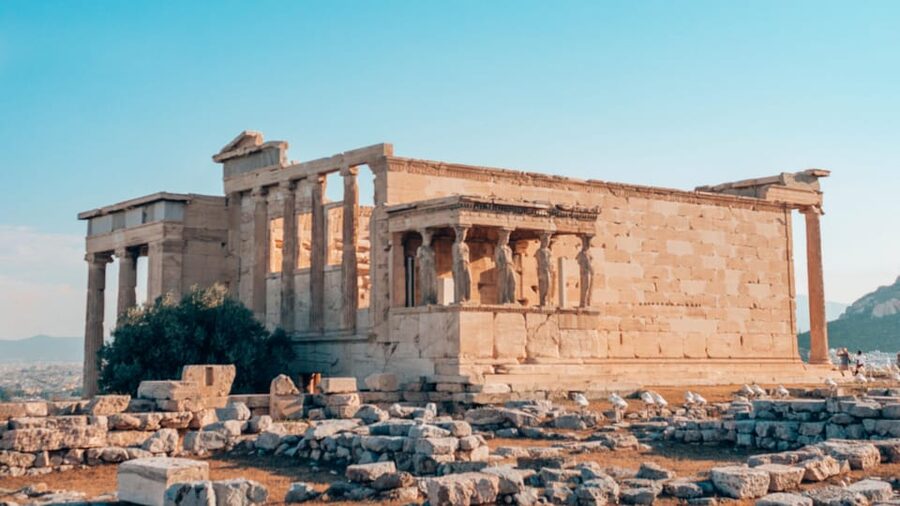
To finish up, the tour visits the Temple of Hephaestus for about 30 minutes.
Hephaestus is one of those gods you remember once someone explains why he mattered. But more importantly, this stop helps anchor the day visually. It’s easier to appreciate what ancient craftsmanship felt like when you’re standing at a temple that still holds together well compared to many other ruined sites.
Guides are known for making this ending feel like more than a final stop. People mention archaeologist-guides and historians who answer questions without rushing you out. If you’ve got a bunch of follow-ups—about Greek mythology, the city’s rise, or why certain gods were linked to specific places—this is often where the conversation cools down and you can ask freely.
Price and value: what $53 buys in real terms

The listed price is $53 per person, and the duration is 2 to 4 hours. On the surface, that’s not “cheap-cheap,” but value in Athens is about what you save and what you gain.
Here’s what you’re paying for, based on how the experience is set up:
- A licensed guide who can connect mythology to monuments, not just repeat basic facts
- A route that covers key sites, including Parthenon, Temple of Athena Nike, Erechtheion, Ancient Agora, and Temple of Hephaestus
- Time efficiency through Acropolis tickets or Acropolis & Ancient Agora entry tickets (depending on the option you select) and skipping the ticket line
- A city map for Ancient Athens so you can keep the story going after the tour
Entrance fees aren’t included unless your ticket option includes them. If you can pre-purchase tickets, the tour can help prep things for you. Just keep in mind: entrance fees are non-refundable and non-exchangeable, so don’t gamble with last-minute changes.
Also, there’s a big value angle for younger visitors: Acropolis and Ancient Agora access is free for EU citizens under 25 and non-EU citizens under 18, with ID/passport. If that applies to you, you’re still paying for the guide and the time-saved ticket process, which is often the real cost of a good tour.
Who this tour fits best (and what to watch for)
This is an excellent fit if you are:
- Visiting Athens for the first time and want a guided way to connect the dots
- A mythology fan who wants Greek gods and legends linked to specific structures
- Someone who doesn’t want to spend the trip constantly Googling what you’re looking at
It’s also a good choice if you’re traveling with kids. Several guides are praised for adjusting their storytelling to mixed ages, including families with tweens. If your kids like Percy Jackson-style myth energy, this tour can make that interest feel real and historical.
What to watch for:
- Walking intensity: it’s a walking tour with a structured route. Plan for stairs and uneven ground.
- Sound: at busy spots, hearing can be an issue in any crowded landmark. In some cases, groups report getting ear pieces, which helps a lot. If you know you struggle to hear, it’s worth considering that before you pick a tour time.
- Bag rules: no backpacks and no baby strollers. If you need those items, you’ll have to plan differently.
Should you book this Acropolis and Mythology Highlights tour?
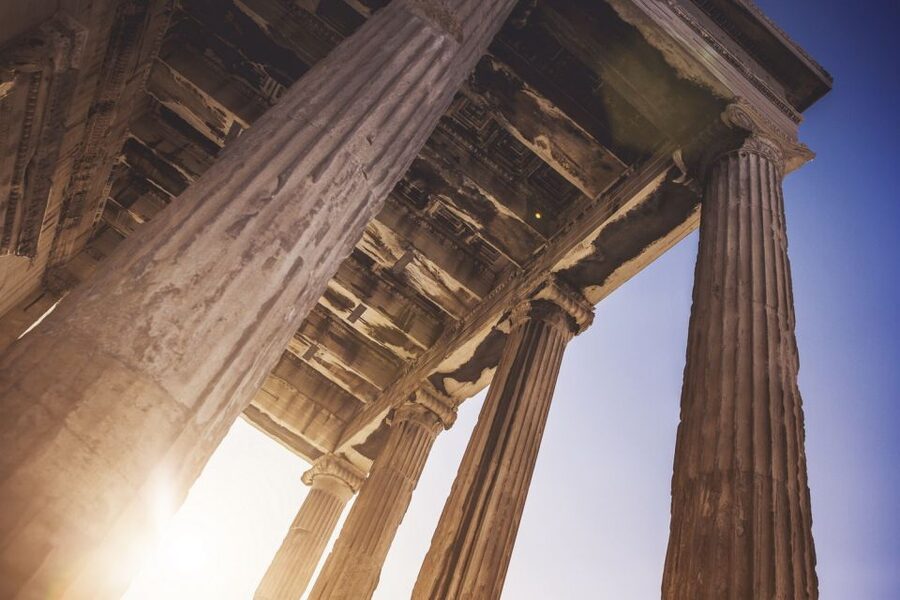
If your goal is to leave Athens with a mental map of what you saw—and why it mattered—this tour is a strong bet. I think it’s especially worth it because it doesn’t treat mythology as separate entertainment. With the right guide, you’ll start seeing how myths acted like a guidebook for ancient Athenians.
If you’re the type who loves photos and doesn’t want any structure, you might prefer a self-paced visit. But if you want the “stories behind the stones” experience, this one is built for you.
One last tip before you commit: when you meet your guide under Hadrian’s Gate, ask yourself what you most want—architecture clarity, myth meaning, or city-life context. This route covers all three, and that’s why so many people consider it a highlight.
FAQ
Where do I meet for the tour?
You meet under the Arch of Hadrian (Hadrian’s Gate), next to the Acropolis, at Leof. Vasilisis Amalias 50. Your closest metro station is Acropolis, then you walk about 5 minutes. The guide will be holding a sign that says Alternative Athens.
How long is the tour?
The tour duration is listed as 2 to 4 hours.
Is the Acropolis ticket included?
It depends on the ticket option you choose. The tour includes Acropolis tickets or Acropolis & Ancient Agora entry tickets (if that option is selected).
Are entrance fees included?
Entrance fees to archaeological sites are not included by default, though the company says they can pre-purchase entry tickets for you if you let them know.
Are there free entry options for young travelers?
Yes. Acropolis & Ancient Agora access is free for EU citizens under 25 and non-EU citizens under 18, with a valid ID or passport.
What can I bring (and what can’t I bring)?
Bring a passport or ID card, plus comfortable shoes and clothes. Baby strollers, pets, and backpacks are not allowed. Assistance dogs are allowed.
What cancellation and payment options are available?
You can cancel up to 24 hours in advance for a full refund. You can also reserve now and pay later to keep plans flexible.
All of Athens in a Day
- Athens: City Sightseeing Hop-On Hop-Off Bus Tour★ 4.3 · 4,520 reviews
- Best of Athens Half Day Private Tour★ 5.0 · 3,714 reviews
- Athens & Acropolis Highlights: Greek Mythology Small-Group Tour★ 5.0 · 2,370 reviews
- City Sightseeing Athens, Piraeus & Beach Riviera Hop-On Hop-Off Bus Tours★ 4.0 · 1,887 reviews
- Athens Half-Day Sightseeing Tour with Tickets of Acropolis★ 4.0 · 1,402 reviews
- From Athens: Temple of Poseidon & Cape Sounion Half-Day Tour★ 4.3 · 1,082 reviews
Myth and Legend, Retold
- Athens: Mythology of Delphi, Museum and Arachova Guided Tour★ 4.7 · 5,102 reviews
- Athens & Acropolis Highlights: Greek Mythology Small-Group Tour★ 5.0 · 2,370 reviews
- Philosophy and Democracy tour of Athens★ 5.0 · 285 reviews
- Athens: Mythology Tour for Families★ 4.8 · 173 reviews
- The History of Athens: Greek Mythology Private Tour★ 5.0 · 138 reviews
- Athens: Guided Mythological Walking Tour★ 4.9 · 125 reviews
The Acropolis, a Few More Ways Up
- Athens: Acropolis & up to 5 Archaeological Sites Combo Pass★ 4.2 · 13,904 reviews
- Athens: Acropolis, Parthenon & Acropolis Museum Guided Tour★ 4.8 · 9,316 reviews
- The Acropolis, Parthenon & Acropolis Museum Guided Tour★ 4.7 · 8,493 reviews
- Acropolis: Premium Acropolis and Parthenon Guided Tour★ 4.8 · 5,208 reviews
- Acropolis and Parthenon Guided Walking Tour★ 5.0 · 4,755 reviews
- Athens: Acropolis, Parthenon & Acropolis Museum Guided Tour★ 4.8 · 3,579 reviews
Fresh Off the Boat: New Athens Reviews





Acropolis & Parthenon Tours, compared.
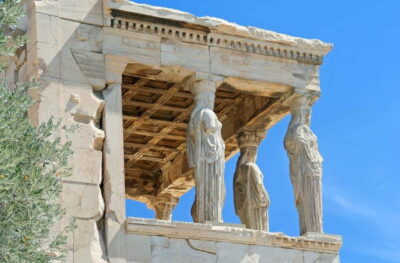 ★ 4.2Acropolis & up to 5 Archaeological Sites Combo PassFrom $4213,904 reviews
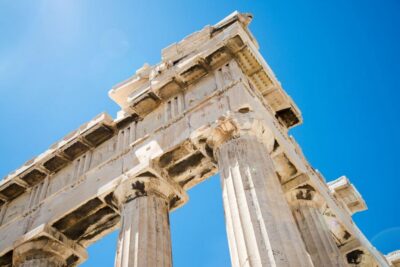 ★ 4.8Acropolis, Parthenon & Acropolis Museum Guided TourFrom $409,316 reviews
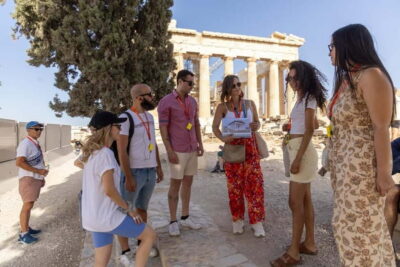 ★ 4.7The Acropolis, Parthenon & Acropolis Museum Guided TourFrom $408,493 reviews
 ★ 4.8Acropolis: Premium Acropolis and Parthenon Guided TourFrom $405,208 reviews
 ★ 5.0Acropolis and Parthenon Guided Walking TourFrom $414,755 reviews
★ 4.8Acropolis, Parthenon & Acropolis Museum Guided TourFrom $413,579 reviews
★ 5.0Acropolis and Parthenon Guided Walking TourFrom $414,755 reviews
★ 4.8Acropolis, Parthenon & Acropolis Museum Guided TourFrom $413,579 reviews
 ★ 4.0Acropolis Ticket with Audio GuideFrom $473,575 reviews
 ★ 5.0Athens Scenic Electric Bike Tour with optional Acropolis visitFrom $353,350 reviews
Browse the lists this tour appears in