
Reviewed · ATHENS FOOD TOURS
Athens: Greek Food Tasting and Market Walking Tour
Greek food is best learned with your feet moving and your fork busy. This 4-hour Athens walking tasting pairs 18+ real dishes with street-level context in Psyrri and the Varvakios market area. I like how it starts simple, with a local snack and coffee, then builds toward fuller meals you can actually picture ordering later.
Two things I especially like: you get a clear market-and-food-shop walkthrough (not just a restaurant stop), and the tastings cover both standards like spanakopita and more market-forward plates like sardines and moussaka. One thing to plan for: it happens in rain, and the tour relies on walking, so wear shoes that handle wet streets without drama.
In This Review
- Key Things You’ll Really Notice on This Tour
- Psyrri Start: Coffee and Koulouri Sets the Tone
- From Delis to Pie Shops: Spanakopita and Other Fast Favorites
- Inside Varvakios Market: Where Food Looks Like Food
- Mastic Shop Stop: A Sweet-Scented Detour With a Purpose
- Final Restaurant Moment: Meze and a Popular Greek Spirit
- Price and Value: Why $93 Can Make Sense Here
- What to Expect From the Timing and Walking Pace
- Getting the Most Out of Your Tasting Walk
- A Note on Guides: Friendly Energy Matters
- Who This Tour Is Best For (and Who Might Skip It)
- Should You Book Athens Food Tasting and Market Walking?
- FAQ
- How long is the Athens Greek Food Tasting and Market Walking Tour?
- What does the tour include?
- What food will I try?
- Where does the tour start?
- Will the tour run in bad weather?
- What should I bring?
- What languages are available and is it wheelchair accessible?
Key Things You’ll Really Notice on This Tour
- Psyrri opening stop with Greek coffee and koulouri to get your bearings fast
- Spanakopita tasting from a pie shop setup, so you can compare what flaky phyllo means
- Varvakios market access where meat, fish, and poultry set the tone for the meal tastings
- Homemade-style Greek plates like stuffed tomatoes and peppers, plus sardines and moussaka
- Cheese, olives, olive oil, and nut mixes that help you understand Greek pantry basics
- Mastic shop lesson plus organic mastic products before a final meze-and-spirit finish
Still hungry? More souvlaki, meze and market stalls
- Greek Food Walking Tour in Athens
★ 5.0 · 4,740 reviews - Athens: Street Food Tasting Tour
★ 4.9 · 3,343 reviews - Athens: Guided Greek Food Walking Tour with Tastings
★ 4.9 · 2,859 reviews - Small Group Greek Traditional Food Tour in Athens 20+ Tastings
★ 5.0 · 1,759 reviews
Psyrri Start: Coffee and Koulouri Sets the Tone
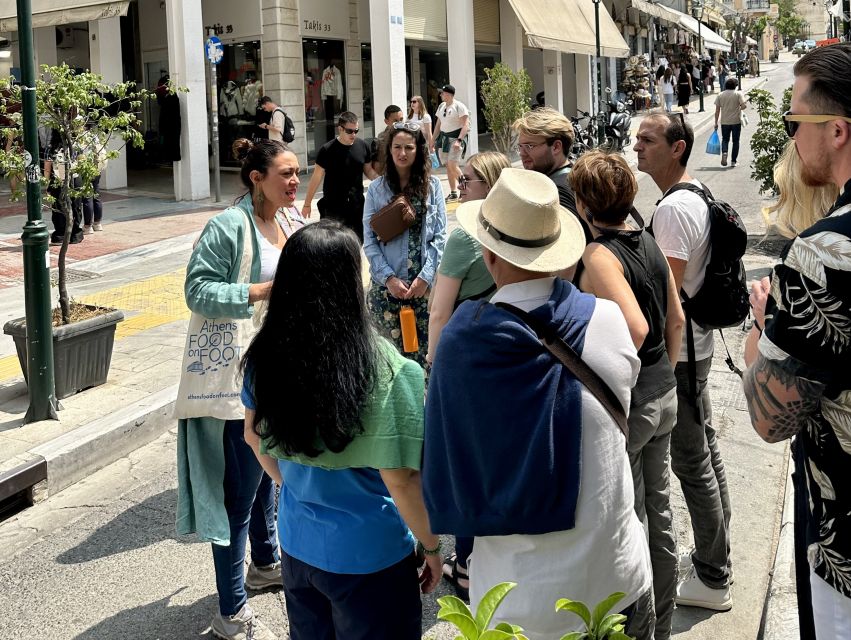
You begin in the center of Athens, in Psyrri, a neighborhood that feels lived-in rather than staged. The walking pace is meant to be easy, so you’re not fighting to keep up while you’re trying to learn what Greek food is supposed to taste like.
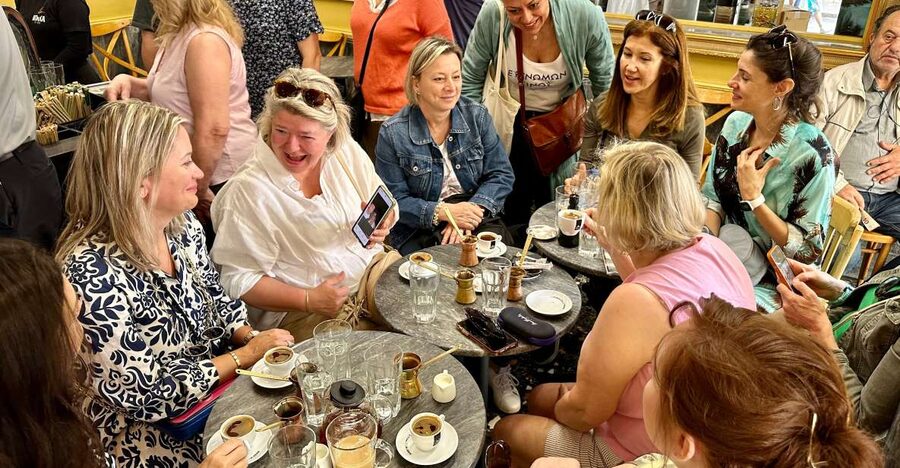
The first taste is Greek coffee, paired with a koulouri—that iconic sesame-ring snack you’ll see around Athens. Why this works: it’s not heavy, it’s familiar, and it cues your senses. After that first bite, the rest of the tastings feel connected, not random.
If you’re the type who likes to understand the “why” behind a cuisine, Psyrri is a smart place to start. It’s the kind of area where food is part of daily routine, not an event you plan for weeks ahead.
From Delis to Pie Shops: Spanakopita and Other Fast Favorites
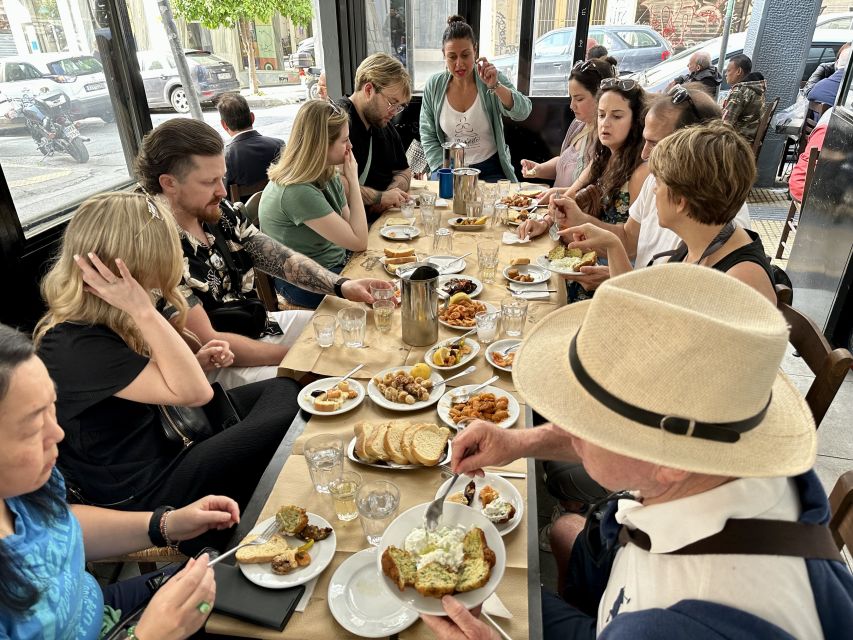
Next comes a run of food stops: delis and speciality pie shops where you sample traditional edibles. One highlight is savory spanakopita—spinach pie made with flaky phyllo dough and filled with spinach and feta.
Here’s what you should pay attention to as you eat. Spanakopita isn’t just spinach and cheese in pastry form. The phyllo texture is the point: you want it crisp, layered, and not soggy. The filling should taste bright and salty at the same time. Once you’ve tasted it properly, it becomes easier to recognize good spanakopita in the wild.
This part of the tour also teaches an everyday Greek habit: snack first, meal later. Even if you’re planning a big dinner, you’ll understand why people grab a quick bite from a shop and keep moving.
Inside Varvakios Market: Where Food Looks Like Food
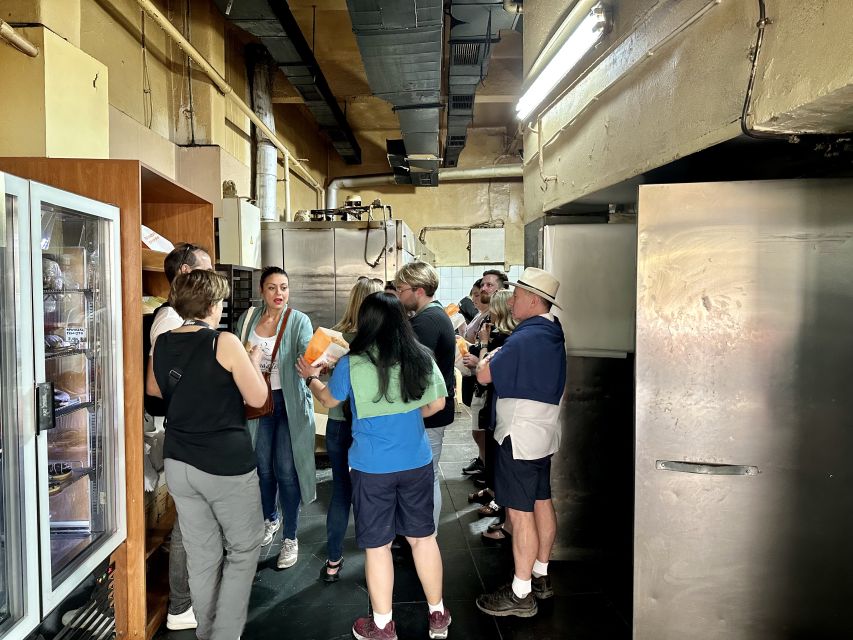
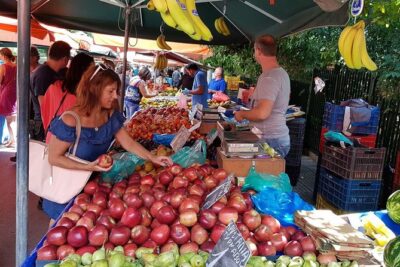
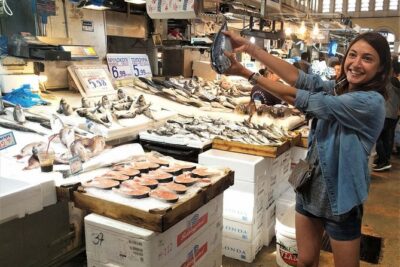
After those earlier stops, you reach the Varvakios market, known for everything from meat to fish and poultry. You’re not just walking past stalls—you’re seeing what drives Greek eating choices. If you’ve ever wondered why markets matter so much here, this is the answer: the food is visible, and it feels immediate.
Then you stop to sample dishes made as if for real customers—not as a “tour performance.” Tastings can include stuffed tomatoes and peppers, fresh sardines, and moussaka.
This is a great mix because it covers different styles:
- A vegetable-forward dish (stuffed tomatoes and peppers)
- A fish moment (sardines)
- A baked comfort plate (moussaka)
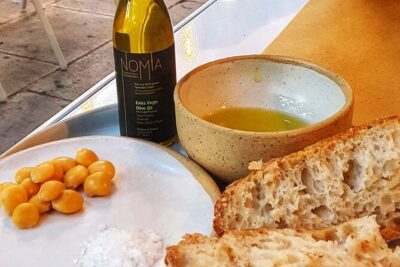
On top of the warm dishes, you also get samples of cheese, cured meats, olives, natural olive oil, dry fruits, and nut mixtures. Think of this as a crash course in the Greek pantry. If you’ve ever bought Greek olive oil in a shop and wondered what you’re actually tasting, this helps connect the flavor to food you can name.
On foot through Plaka and beyond


Mastic Shop Stop: A Sweet-Scented Detour With a Purpose
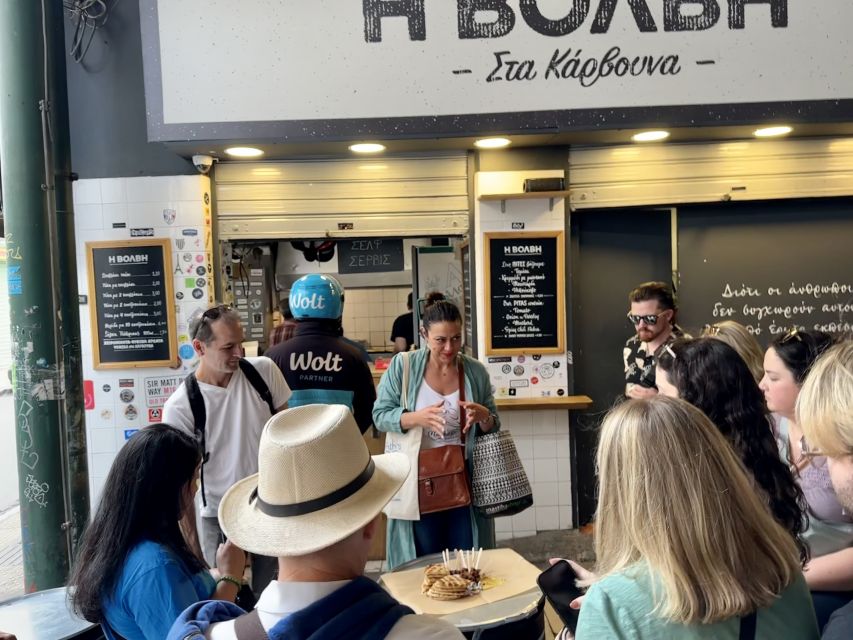
After the market-heavy part, the tour shifts to something more specific and memorable: a mastic shop. You learn about organic products made from mastic, and you’ll connect that ingredient to its place in Greek food culture.
Why this is worth your time: mastic is not one of those ingredients you casually stumble upon everywhere. A guided explanation helps you recognize it as more than a “flavor” on a label. It’s tied to regional traditions, and that makes it a fun souvenir idea too—something you can actually use or share later.
If you like food stories that go beyond taste, this stop adds texture to the day. You’re not just eating; you’re also understanding the ingredients and the local thinking.
Final Restaurant Moment: Meze and a Popular Greek Spirit
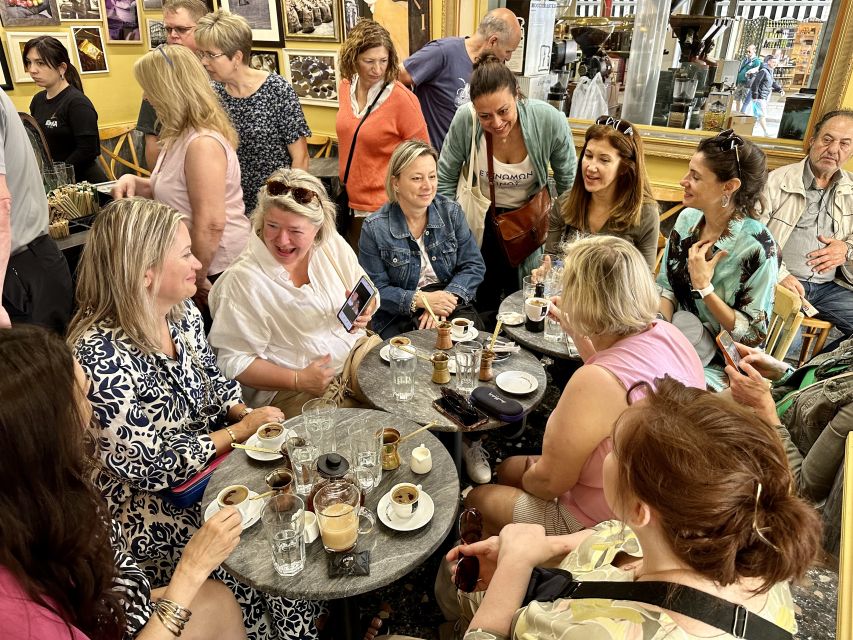
To close things out, you head to a quiet, traditional Greek restaurant for a “finish strong” moment. You’ll enjoy one of the most popular Greek spirits, paired with meze—Greek appetizer-style eating.
This ending matters because it mirrors how many Greeks treat food: small plates, shared bites, and an easy flow where conversation stays the star. The meze format also helps you think about what you liked most during the walk. You can translate it into an order plan for your own dinner later.
If you’re doing this early in your Athens trip, this finale is a gift. By the time you leave, you’ll know what to chase in restaurants: pie textures, olive oil quality, fish freshness cues, and the kind of meze you’ll actually want more of.
Price and Value: Why $93 Can Make Sense Here
At $93 per person for about 4 hours, you’re paying for three things that are hard to DIY well:
- A guided walking route through food-focused areas
- Access to multiple tasting stops rather than one meal
- Context so you understand what you’re tasting
If you try to copy this on your own, you can end up with either too little food for the money or a scattered plan where you pay “tour prices” for places that don’t teach you anything. Here, the tastings are the point, and the guide helps you experience the market flow and typical Greek snack-meal rhythm.
The tour is walking-based, and there’s no hotel pickup and drop-off, so that does affect value depending on where you’re staying. But if you’re already near central Athens, the lack of pickup usually isn’t a dealbreaker. You’re paying mainly for the food and the route.
What to Expect From the Timing and Walking Pace
The day is built for a steady flow: stroll, snack, pie shop bites, market time, homemade dishes, then a quieter restaurant ending. You should expect a relaxed pace, but it still adds up to real walking over 4 hours.
Plan ahead for weather. The tour takes place in rain, and the meeting point can shift depending on conditions (including bank holidays). That means you’ll get the experience either way, but you need to show up prepared.
Bring comfortable shoes, a hat, sunscreen, and comfortable clothes. Those items aren’t optional here—they’re what keep the tour enjoyable instead of annoying.
Also, the tour runs with a live guide in English or German, and it’s wheelchair accessible. If you’re traveling with mobility needs, this is a helpful plus compared with many food tours that assume stairs and long city detours.
Getting the Most Out of Your Tasting Walk
To enjoy this tour fully, do two simple things.
First, go in hungry but not stuffed. The tastings are spread out: coffee and koulouri early, then pies, then market dishes, then desserts or specialty bites, then meze at the end. If you start too full, you’ll miss the texture differences—especially with phyllo and olive oil pairings.
Second, watch for the guide’s comparisons. Even without a formal lecture, a good guide helps you understand what “good” means in Greece. With tastings like spanakopita and moussaka, you can learn faster by paying attention to texture, salt balance, and how dishes taste together.
One practical tip: because the meeting point may change (for example, it can shift to Acropolis metro station on a bank holiday), you’ll want to check the day-of details. Arriving a few minutes early also helps if the group forms by landmark rather than a single fixed address.
A Note on Guides: Friendly Energy Matters
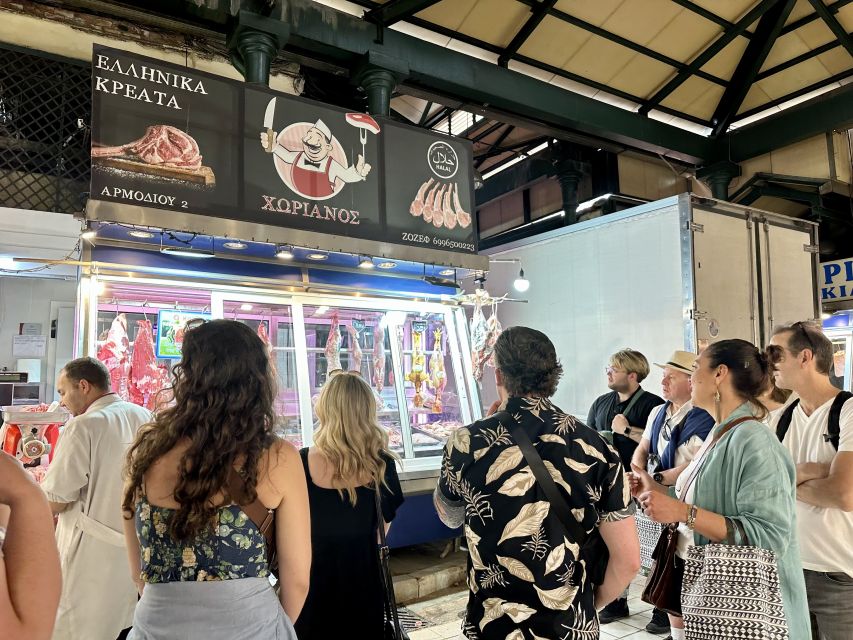
The tour experience depends on the guide’s energy. One English-speaking guide name that has shown up positively is Anna, praised for a great personality and a fun vibe. That matters because food tours can be either “eat and move on” or “eat and understand.” When the guide keeps it human, you remember more than just flavors—you remember why things taste the way they do.
If you’re picky about your guide’s style, look for the guide name in your confirmation and go in expecting an interactive pace.
Who This Tour Is Best For (and Who Might Skip It)
This tour is a strong match if you:
- Want a guided food overview of Greek flavors rather than one restaurant meal
- Like markets and food shops, not just plated dishes
- Prefer walking through neighborhoods like Psyrri and learning along the way
You might skip it if you hate walking, or if you’re the kind of traveler who only wants museum stops and scenic viewpoints. This day is built around food culture, not attractions.
Should You Book Athens Food Tasting and Market Walking?
Yes—if you want a practical way to learn Greek food in a short window. For the price, you’re getting a structured path through central Athens food stops, with tastings that cover both snacks and substantial plates like moussaka. The market element adds meaning, not just variety.
Before you book, just be honest about two realities: you’ll be on foot for 4 hours, and it runs in rain. If you can handle that with solid shoes and basic weather prep, this is one of the better ways to leave Athens with more than photos—you’ll leave with a mental map of what to eat and how to recognize quality.
FAQ
How long is the Athens Greek Food Tasting and Market Walking Tour?
It lasts 4 hours.
What does the tour include?
The tour includes a walking tour, a guide, and food tasting.
What food will I try?
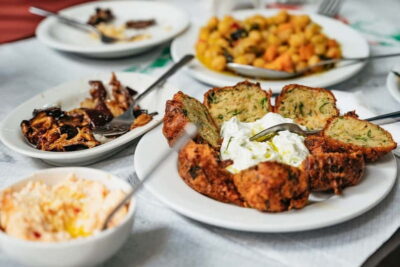
You can expect more than 18 authentic Greek dishes, including items such as spanakopita, stuffed tomatoes and peppers, fresh sardines, mousaka, cheeses, cured meats, olives, natural olive oil, dry fruits, and nut mixtures. The tour also includes mastic products and a meze pairing with a popular Greek spirit.
Where does the tour start?
The meeting point may vary depending on the option booked. It might change to Acropolis metro station on a bank holiday.
Will the tour run in bad weather?
Yes, the tour takes place in rain.
What should I bring?
Bring comfortable shoes, a hat, sunscreen, and comfortable clothes.
What languages are available and is it wheelchair accessible?
The live guide is available in English and German, and the tour is wheelchair accessible.
More Tour Reviews in Athens
- Athens: Acropolis & up to 5 Archaeological Sites Combo Pass★ 4.2 · 13,904 reviews
- Athens: Acropolis, Parthenon & Acropolis Museum Guided Tour★ 4.8 · 9,316 reviews
- The Acropolis, Parthenon & Acropolis Museum Guided Tour★ 4.7 · 8,493 reviews
- Athens: Cape Sounion & Poseidon Temple Sunset Half-Day Trip★ 4.8 · 8,241 reviews
- Acropolis: Premium Acropolis and Parthenon Guided Tour★ 4.8 · 5,208 reviews
- Athens: Mythology of Delphi, Museum and Arachova Guided Tour★ 4.7 · 5,102 reviews
Athens on Foot, Continued
- Acropolis and Parthenon Guided Walking Tour★ 5.0 · 4,755 reviews
- Greek Food Walking Tour in Athens★ 5.0 · 4,740 reviews
- Athens: Guided Greek Food Walking Tour with Tastings★ 4.9 · 2,859 reviews
- Acropolis monuments & Parthenon Walking Tour with Optional Acropolis Museum★ 5.0 · 2,678 reviews
- Athens Acropolis and Parthenon Walking Tour★ 4.5 · 1,355 reviews
- Acropolis, Parthenon & Athens Old City Heritage Walking Tour★ 4.5 · 876 reviews
Eat Athens: More Food Walks
- Greek Food Walking Tour in Athens★ 5.0 · 4,740 reviews
- Athens: Street Food Tasting Tour★ 4.9 · 3,343 reviews
- Athens: Guided Greek Food Walking Tour with Tastings★ 4.9 · 2,859 reviews
- Small Group Greek Traditional Food Tour in Athens 20+ Tastings★ 5.0 · 1,759 reviews
- Athens: Food Market Visit and Cooking Class with Wine★ 4.9 · 1,087 reviews
- Athens Authentic Greek Food Walking Tour (Small Group)★ 5.0 · 809 reviews
Fresh Off the Boat: New Athens Reviews





Athens Food Tours, compared.
 ★ 5.0Greek Food Walking Tour in AthensFrom $874,740 reviews
 ★ 4.9Street Food Tasting TourFrom $693,343 reviews
 ★ 4.9Guided Greek Food Walking Tour with TastingsFrom $812,859 reviews
 ★ 5.0Small Group Greek Traditional Food Tour in Athens 20+ TastingsFrom $841,759 reviews
 ★ 4.9Food Market Visit and Cooking Class with WineFrom $811,087 reviews
 ★ 5.0Athens Authentic Greek Food Walking Tour (Small Group)From $83809 reviews
 ★ 5.0Athens Greek Food Tour Small-Group ExperienceFrom $107802 reviews
 ★ 5.0Athens Evening Food TourFrom $96766 reviews
Browse the lists this tour appears in